智能手机

Search documents
雷军18年:从"除了钱一无所有"到"养不起两个大学生"
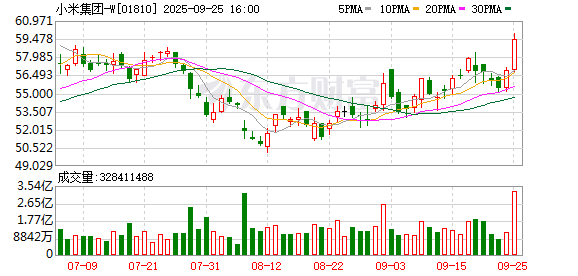
Sou Hu Cai Jing· 2025-09-25 17:16
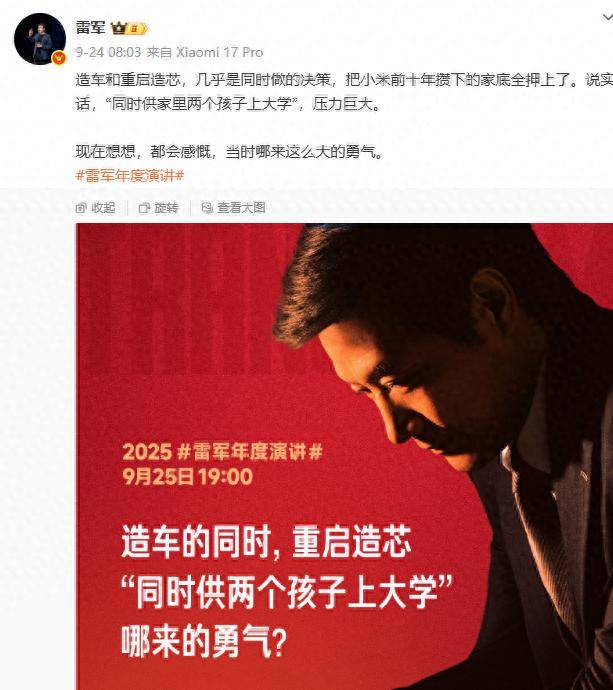
这两天小米公司为雷军演讲制作的一张海报让笔者大为震惊,一个身价百亿美金的富豪,居然在那里哭 穷要供"两个孩子上大学"。相比之下,雷总多年前在媒体专访时那句"我变得一无所有,除了钱"显然更 加诚实一些。 这句话不仅是雷总亲口讲出,更是行业对小米公司的第一印象。然而现在,这句话已经成了禁忌。有某 小米高官还因为说了这句话而主动离职。 "不服跑个分?" 安兔兔跑分软件,被曝是小米投资的,且经常为了小米手机新品而做改动。网友戏称:"既当运动员又 当裁判员"。 "比一元硬币还薄" 指的是比一元硬币立起来的"高度"还薄 "奥氏体304" 其实作为活在热搜里的男人,雷总从做手机开始就一直以"语言百变"而享誉业界。笔者依稀还记得很多 雷总语录背后的精彩故事。 "得屌丝者得天下" "硬件净利润率不超5%" 2018年上市前的豪言,在2021年手机毛利率达11.6%的财报前略显尴尬。米粉调侃:"雷总,您说的硬件 不包括充电宝对吧?" "造车?都是媒体瞎编的!" 雷总在一场发布会上信誓旦旦的讲"奥氏体304"这种材料有多牛逼。其实就是最普通的用来做锅碗瓢盆 的不锈钢。 在某次发布会上亲口说出这句话之后没几天,就官宣要造车了。 "汽 ...


果17不香了!雷军公布小米17系列售价,远超米粉预期
Sou Hu Cai Jing· 2025-09-25 17:04
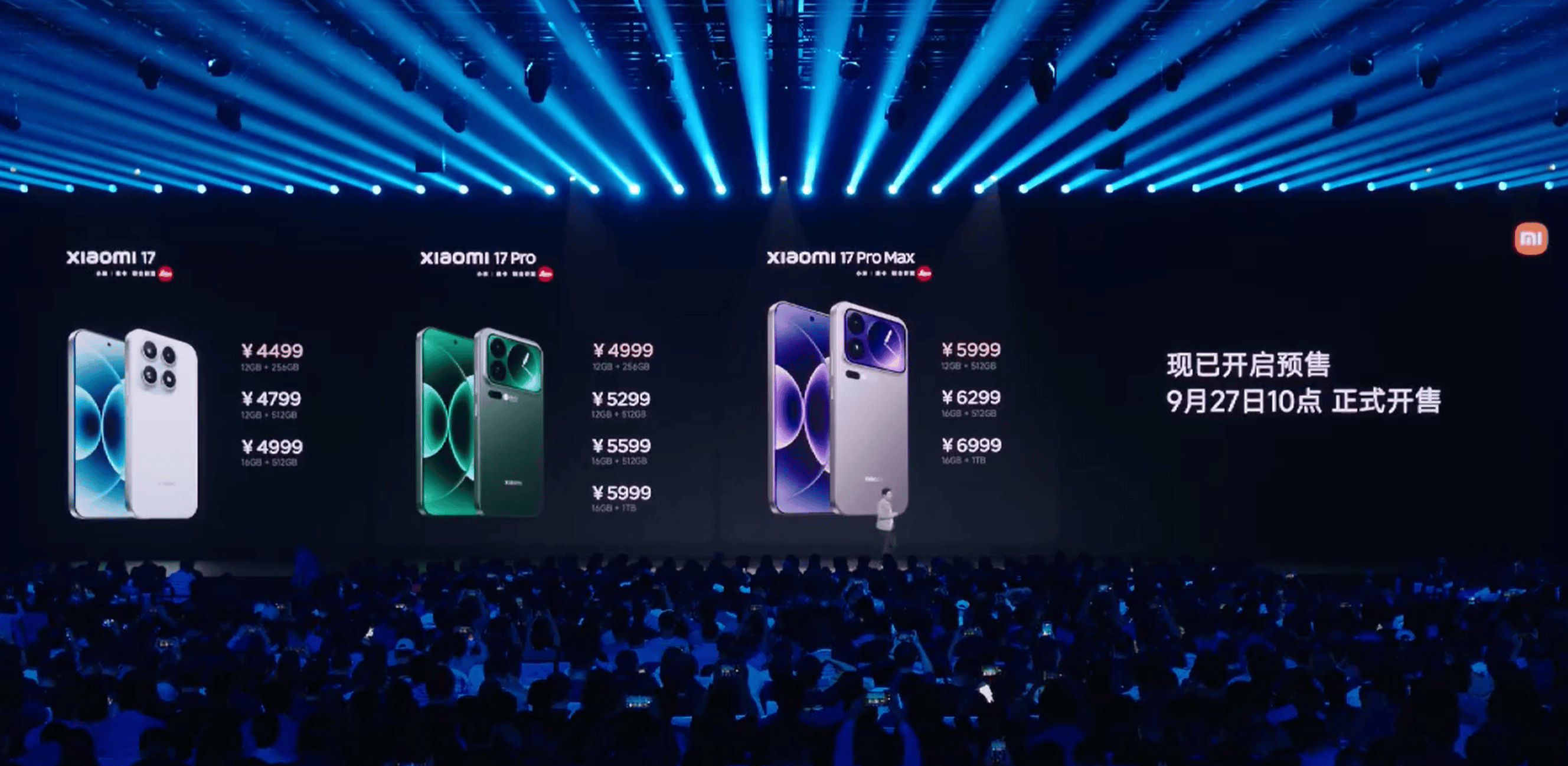
Core Insights - Xiaomi launched the Xiaomi 17 series during its annual event on September 25, introducing three flagship models that exceeded consumer expectations in terms of pricing and features [1][19] Pricing Strategy - The Xiaomi 17 standard version starts at 4499 yuan (approximately $615), which is 1500 yuan cheaper than the iPhone 17 standard version priced at 5999 yuan [5] - The Xiaomi 17 Pro starts at 4999 yuan, significantly undercutting the iPhone 17 Pro by 4000 yuan [7] - The Xiaomi 17 Pro Max begins at 5999 yuan, also offering a substantial price advantage over the iPhone 17 Pro Max, which starts at 11999 yuan [9] Product Specifications - All models in the Xiaomi 17 series are equipped with Qualcomm's Snapdragon 8 Elite Gen5 processor, featuring advanced camera systems and high-capacity batteries [11][13] - The standard version and Pro model have a 6.3-inch display, while the Pro Max features a larger 6.9-inch display, all with 1.5K resolution [11] - Battery capacities are 7000mAh for the standard version, 6300mAh for the Pro, and 7500mAh for the Pro Max, aligning with previous leaks [13] Camera Features - The Xiaomi 17 standard version includes a triple-camera setup with a 50MP main sensor, while the Pro and Pro Max models feature enhanced camera systems with advanced optical zoom capabilities [13] Market Positioning - Xiaomi's pricing strategy positions the Xiaomi 17 series as a competitive alternative to Apple's iPhone 17 series, appealing to consumers looking for high specifications at lower prices [15][19] - The introduction of a 12+512GB version across all models caters to users with moderate storage needs, enhancing the appeal of the series [17]

雷军开讲 “机圈”风起
Bei Jing Shang Bao· 2025-09-25 16:53
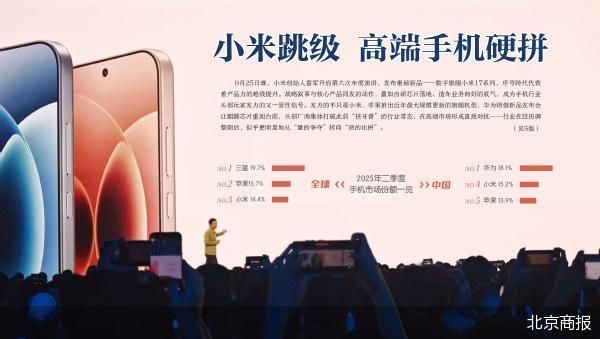
Core Insights - Xiaomi has undergone significant transformation over the past five years, including self-developed chips and automotive production, marking a pivotal change in its trajectory [1][3] - The launch of the Xiaomi 17 series, skipping the "16" designation, symbolizes a leap in product capability [1] - The competitive landscape is intensifying with major players like Apple and Huawei also making significant advancements in their product offerings [1][5] Xiaomi's Strategic Shift - The year 2025 is identified as a transformative year for Xiaomi, with stock prices surpassing 40 HKD and a market capitalization exceeding 1 trillion HKD [3] - Xiaomi's self-developed Xuanjie series chips represent a key technological breakthrough, supporting its strategic shift towards becoming a hard-tech company [3][4] - CEO Lei Jun's personal involvement in promoting the Xiaomi 17 series signifies a substantial enhancement in product strength [3] Industry Competition - In Q2 2025, Samsung leads the global smartphone market with a 19.7% share, followed by Apple at 15.7%, and Xiaomi at 14.4% [5] - In the Chinese market, Huawei has reclaimed the top position with an 18.1% share, while Xiaomi ranks fourth at 15.2% [5] - Apple and Huawei have recently showcased their advancements, with Apple launching the iPhone 17 series and Huawei reintroducing its Kirin chip [5][6] Differentiation Strategies - OPPO has adopted a strategy focusing on system ecosystem improvements, launching ColorOS 16 to enhance user experience, which includes a 40% increase in app responsiveness [7][8] - This approach allows OPPO to avoid direct competition with Xiaomi and Huawei in hardware while solidifying its position in the mid-range market [7][9] - The smartphone industry is facing diminishing returns on traditional hardware innovations, prompting a shift towards software experience as a key differentiator [8][9] Market Dynamics - The smartphone market has transitioned into a phase of competition for existing customers, with companies needing to either offer groundbreaking products or engage in price wars [8][9] - The current competitive environment is seen as the beginning of a new cycle, with the potential for significant industry restructuring as companies adapt to market pressures [9]
小米17,4499元起!雷军喊话苹果用户
Zhong Guo Zheng Quan Bao· 2025-09-25 16:25
Core Insights - Xiaomi's founder Lei Jun emphasized the company's transition from an "internet company" to a "hardcore technology company" through its chip development journey, which is a crucial step in investing in core technologies [2][3] Group 1: Chip Development Journey - Xiaomi's ambition to develop its own chips began in 2014 with the establishment of Pinecone Electronics, leading to the release of its first SoC in 2017, but faced significant challenges thereafter [3][4] - The failure of the initial SoC project prompted a reevaluation, revealing that entering the high-end market is essential for success, as no smartphone company has successfully entered the SoC market from the low-end [3][4] - The complexity of chip development has increased significantly, requiring at least ten years and an investment of 50 billion yuan, leading to the re-initiation of the chip project in 2021 with the establishment of "Xuanjie" [4][5] Group 2: Financial Challenges and Strategic Decisions - In 2022, Xiaomi experienced a 15% decline in revenue, marking its first revenue drop in 15 years, which raised concerns about continuing chip development projects that require hundreds of millions in investment [4][5] - Despite financial difficulties, Lei Jun expressed strong support for continuing the chip development efforts, emphasizing the importance of building a robust chip R&D team regardless of the outcome [4][5] Group 3: Product Launches and Innovations - The self-developed mobile chip "Xuanjie O1" is set to be produced using advanced 3nm technology, with a production cost of approximately 20 million USD, and is expected to be featured in Xiaomi's upcoming devices [4][5] - The Xiaomi 17 series was launched with prices starting at 4,499 yuan, featuring high-end specifications comparable to the iPhone 17, including a 7000mAh battery for extended battery life [7][9] - The Xiaomi 17 Pro series includes innovative features such as a "wonderful back screen" for selfies and notifications, and the new "Surging OS 3" enhances connectivity with Apple devices [9]
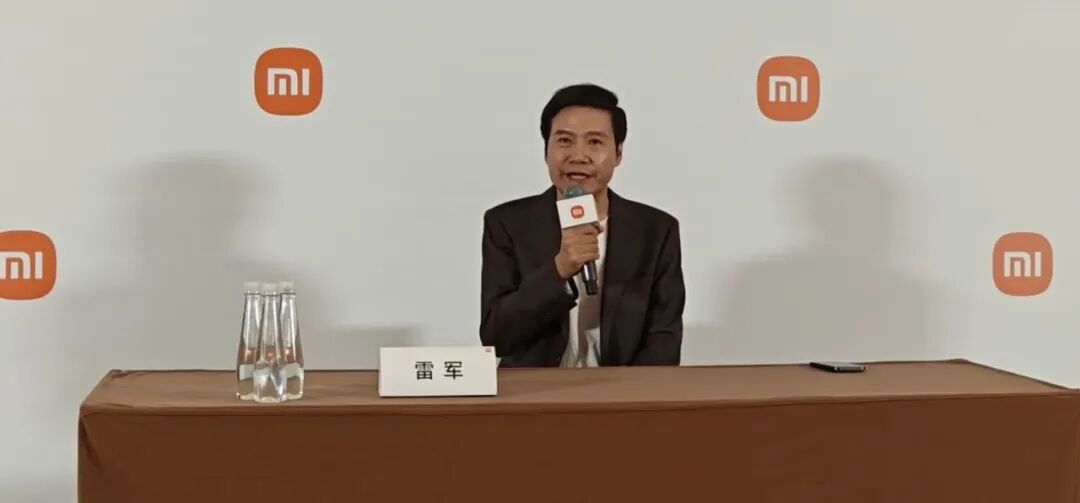
雷军深夜畅聊:小米是被黑最惨的车企之一;小米16改名17,产品力非常炸裂;国产汽车都在进步,没必要搞得很难看
Mei Ri Jing Ji Xin Wen· 2025-09-25 16:25
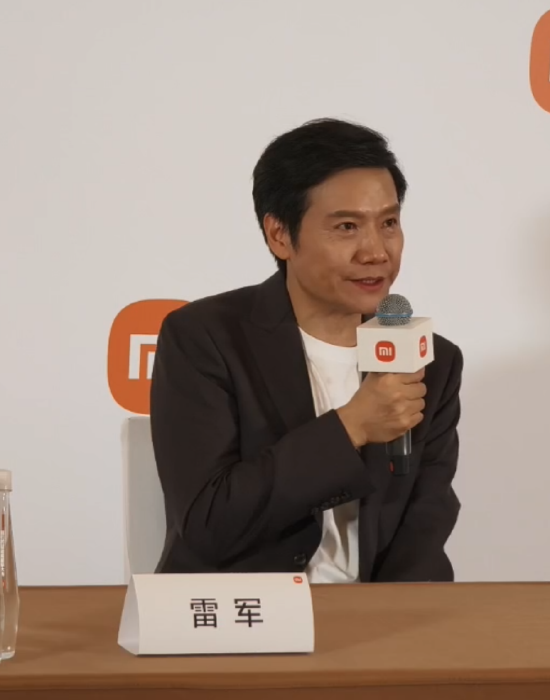
9月26日,2025雷军年度演讲活动结束后,小米集团董事长、CEO雷军接受了媒体的采访。 对于网络上有针对小米车主的不友好声音,甚至有小米车主被极端攻击,雷军回应:小米汽车发布后成为全网被黑最惨的车企之一,这次六部委打击黑水 军、黑公关,我们举双手支持。在这一点上,小米汽车是受害者。我们希望全社会呼吁打击黑水军、黑公关,是他们让产业发展遇到了很多困难。 每经编辑|何小桃 雷军谈到过去五年小米经历了艰难转身,"大家的很多批评,我们自己也无比焦虑,所以在一个内外的压力下,开始重新思考何去何从,并进行改变。" 他表示,"我们充分意识到要从互联网公司坚定走向智能制造的新战场,要转型成硬核的科技公司。互联网公司是机会驱动的,科技公司是使命驱动的。 所以我们坚持技术立业,一上来就制定了5年投1000亿的计划。" 他谈到,2019年小米全年的研发费用75亿,这个情况下要投1000亿是很大的数字,"但是不管风吹雨打,我们坚定的完成了这笔投资,大概投了1020亿 ~1050亿。我们新5年的规划是2000亿的研发投入。所以大家今天看到的变化,其实这背后就有海量研发投入的结果。" 雷军进一步表示,"很多东西如果你没有足够的研发投入 ...
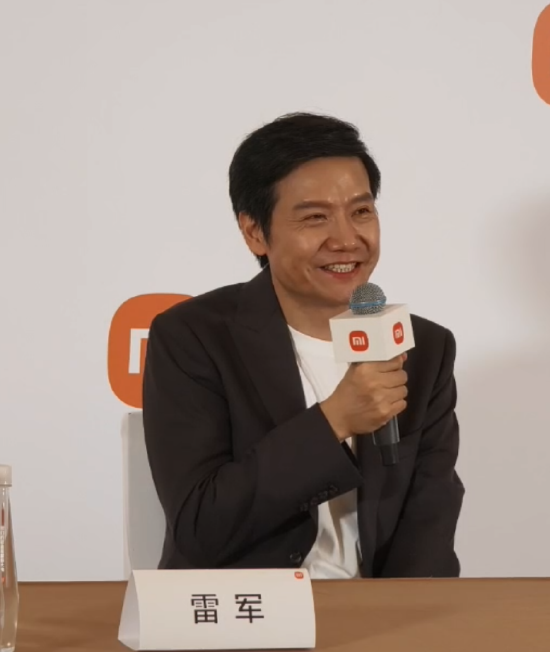
对话雷军:汽车市场很大,还远没到要相互比较的阶段里
Xin Lang Ke Ji· 2025-09-25 15:56
他进一步表示,"基于这点,我觉得还是要共同合作,推动整个国产汽车产业的进步。这两天我们也宣 布,小米手机的秒充协议全部免费,能让更多车可以更好支持小米手机。不少车厂跟我们正在结盟和合 作,但由于汽车的研发周期比较长,等我们合作到一个阶段,再来公布给大家。" 责任编辑:王翔 新浪科技讯 9月25日晚间消息,在今日的2025雷军年度演讲活动结束后,小米集团董事长、CEO雷军与 媒体对话。 雷军表示,"汽车这个市场很大,还远没有到要相互比较的阶段里。我们经历过手机行业那么残酷的竞 争,汽车行业目前相对来说,大家还都在成长阶段。" 专题:雷军2025年度演讲:谈造芯坎坷、造车争论、赞ModelY、抢苹果用户 ...
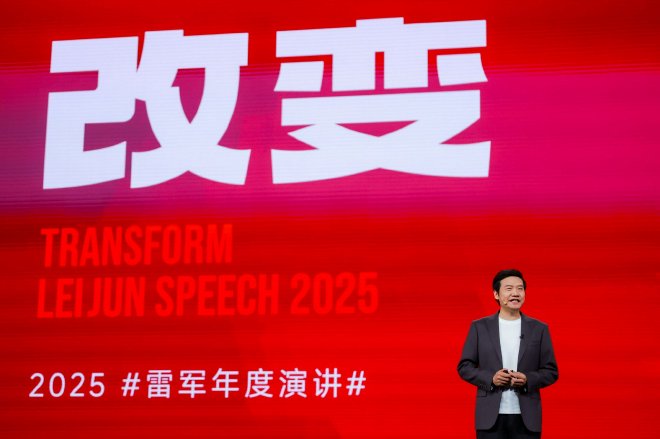
2025雷军年度演讲 YU7交付超4万/发布小米定制服务
Xin Lang Cai Jing· 2025-09-25 15:35
Core Insights - The core theme of the event was "Change," presented by Lei Jun, founder and CEO of Xiaomi, highlighting the launch of new products and innovations in the automotive and technology sectors [1][11] Product Launches - Xiaomi introduced the Xiaomi 17 series smartphones, Xiaomi Pad 8 series, and various home appliances, showcasing continuous innovation across its ecosystem [2][3] - The Xiaomi 17 Pro series features a "wonderful back screen" innovation, enhancing user interaction and experience [3] - The new "Xiaomi Custom Service" for cars offers 26 personalized options, allowing users to customize their vehicles similarly to luxury brands [3][9] Pricing and Availability - The Xiaomi 17 series starts at 4,499 yuan, with the Pro version at 4,999 yuan and the Pro Max at 5,999 yuan, available for pre-sale [5] - The Xiaomi Pad 8 starts at 2,199 yuan, while the Mi Home appliances have prices ranging from 3,999 yuan to 6,399 yuan [5] Automotive Developments - The Xiaomi YU7 SUV, launched in June, achieved over 240,000 orders within 18 hours, marking a significant milestone in the automotive industry [7] - Since its delivery began on July 6, the YU7 has surpassed 40,000 units delivered, with 69% of buyers being family users [7] Customization and Service - The "Xiaomi Custom Service" is a pioneering initiative in China, offering extensive customization options for the YU7 Max and SU7 Ultra models [9] - The service aims to provide a luxury experience comparable to high-end brands, emphasizing the importance of efficiency and craftsmanship in production [9] Strategic Vision - Xiaomi's strategic shift towards core technology investment began five years ago, with a commitment to invest 100 billion yuan in core technology research over the next five years [11][13] - The company has significantly increased its R&D budget from 9.3 billion yuan in 2020 to an expected 30 billion yuan in 2024, doubling its R&D personnel [13] Technological Advancements - Xiaomi's self-developed 3nm flagship SoC chip,玄戒O1, positions the company among the top global tech firms with advanced chip design capabilities [14] - The SU7 series has become one of the best-selling cars in its price range, with the YU7 achieving notable performance records on the Nürburgring track [16]
对话雷军:在强大同行压力下,小米早就放弃了速胜
Xin Lang Ke Ji· 2025-09-25 15:30
Core Insights - The competition in the smartphone market is more challenging than in the automotive sector, leading the company to abandon the possibility of quick victories and focus on a long-term strategy [1] - The company has undergone significant changes over the past five years, with time being viewed as an ally that strengthens its position in the market [1] - The company aims to be a "hexagonal warrior," addressing differences with competitors across various dimensions [1]
深夜!美联储,降息大消息
中国基金报· 2025-09-25 15:26
一起来关注下海外的最新情况。 米兰:主张降息50个基点 当地时间9月25日,美联储理事米兰表示,美联储应立即采取更激进的降息措施,以避免对美 国经济造成损害。未来6个月,希望美联储能更接近中性利率水平,可以通过一系列50个基点 的降息举措来实现这一目标。一旦利率达到中性水平,美联储可以更加谨慎地行动。 米兰主张"短期、大幅"降息。米兰认为,美联储限制性政策持续的时间越长,经济风险就越 大。由于美联储政策过于紧缩,经济更容易受到下行冲击。美联储需要前瞻性地看待经济正 在发生的变革。 【导读】古尔斯比:对提前大幅降息持谨慎态度 中国基金报记者 李智 米兰表示,当前利率过于具有限制性,希望能够将利率下调150至200个基点,使其大幅接近 中性利率。 他认为,中性利率正在逐渐下降,因此政策也必须做出相应调整。 "显然,美联储的其他成员并不认为有必要立即采取行动。如果等看到政策转变的结果后再降 息,那就太晚了。与其坐等灾难发生,不如主动采取行动。"米兰表示。 在经济增长方面,米兰表示:"我对2026年的预测仍处于较低水平,但我和其他人之间的差 距在缩小。" 米兰认为,目前并未有明确的材料证据表明存在因关税导致的通货膨胀 ...

雷军:押上家底,造车造芯
2 1 Shi Ji Jing Ji Bao Dao· 2025-09-25 15:24
Core Insights - The core theme of the annual speech by Xiaomi's founder Lei Jun is "Change," focusing on the company's evolution in the automotive and semiconductor sectors, driven by a deep reflection five years ago [3][5][7]. Group 1: Company Strategy - Xiaomi's significant investments in automotive and semiconductor sectors are likened to the pressure of sending two children to college, indicating the long-term commitment required for these ventures [5]. - The company has invested over 100 billion yuan in R&D over the past five years, with 48.6% of its workforce dedicated to R&D, primarily in chips and automotive [5][9]. - The strategic shift towards high-end products is evident, with the launch of the Xiaomi SU7 Ultra, priced at 500,000 to 600,000 yuan, exceeding market expectations [9]. Group 2: Market Positioning - Xiaomi's approach to high-end market positioning involves a clear strategy of technological self-research and ecosystem collaboration, moving away from the "cost-performance" label [9][11]. - The Xiaomi 17 series is designed to directly compete with Apple's iPhone 17 series, showcasing the company's ambition to penetrate the high-end market [13]. Group 3: Organizational Development - The company emphasizes the importance of talent acquisition and financial resources as key survival strategies, addressing the challenges posed by rapid growth and the need for high-end talent in automotive and semiconductor fields [11]. - Lei Jun's management philosophy includes learning from failures and maintaining an optimistic outlook, which is crucial for the company's resilience [11]. Group 4: Ecosystem Integration - The integration of the Xiaomi 17 series with the new Surge OS 3 system aims to create seamless collaboration among various product lines, enhancing the overall value of Xiaomi's ecosystem [13].