
小吃

Search documents
新华视点|沙县小吃的跃升之路
Xin Hua Wang· 2026-01-18 04:54
Core Viewpoint - Shaxian snacks, with a rich historical and cultural background, are evolving towards a younger and healthier market, becoming a significant pillar for local economic development and a representation of high-quality growth in the snack industry [4][6][11]. Group 1: Historical and Cultural Significance - Shaxian, established during the Eastern Jin Dynasty, has become a crucial hub for traditional Chinese culinary culture due to the migration of people from the Central Plains [1]. - The production techniques of Shaxian snacks are extensive and sophisticated, contributing to the local economy and providing income for the community [4]. Group 2: Market Transformation and Innovations - In recent years, Shaxian snacks have accelerated their transformation towards youthfulness and health, with new developments such as the opening of a store in Xiamen's International Trade Center, which merges traditional snacks with modern consumer demands [6]. - The local government is actively promoting Shaxian snacks in universities, enhancing their recognition and reputation among students through standardized stores [9]. Group 3: Product Development and Launches - A recent product launch event introduced five new series of Shaxian snacks, focusing on health and modern consumer preferences while maintaining traditional flavors [11]. - The new product lines include medicinal cuisine, health-focused options, traditional snacks, Taiwanese specialties, and Shaxian beverages, showcasing a blend of innovation and tradition [11]. Group 4: Global Expansion and Strategic Direction - Shaxian snacks are expanding globally, reaching 79 countries and regions, and are positioned as a key channel for promoting Chinese culinary culture [13]. - The industry is guided by a clear development plan that includes standardization, chain operations, industrialization, internationalization, and digitization, ensuring comprehensive growth [13][15].

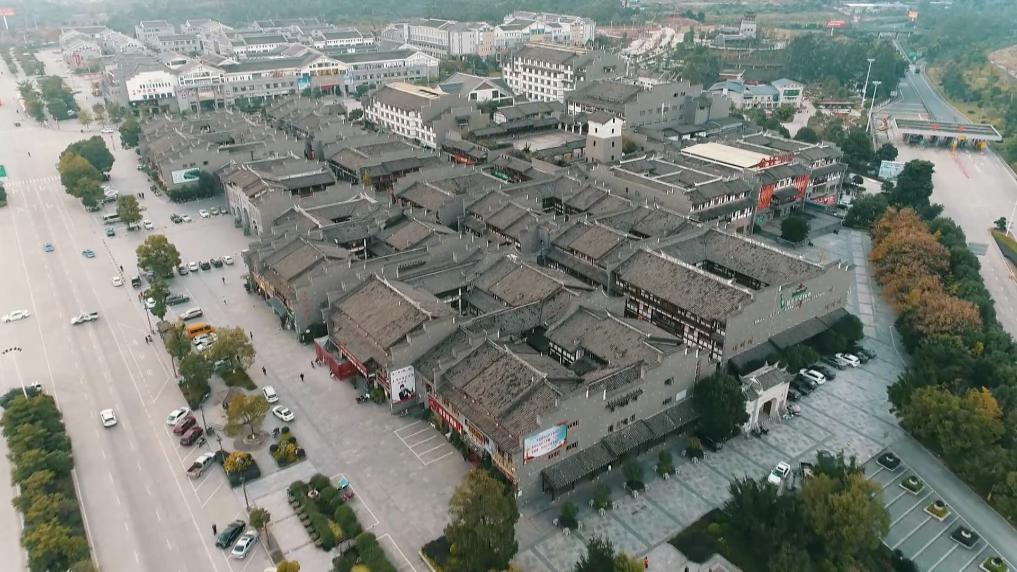
辣汤饭、海南粉……解锁水巷口的晨间美味
Yang Shi Xin Wen· 2026-01-18 04:15
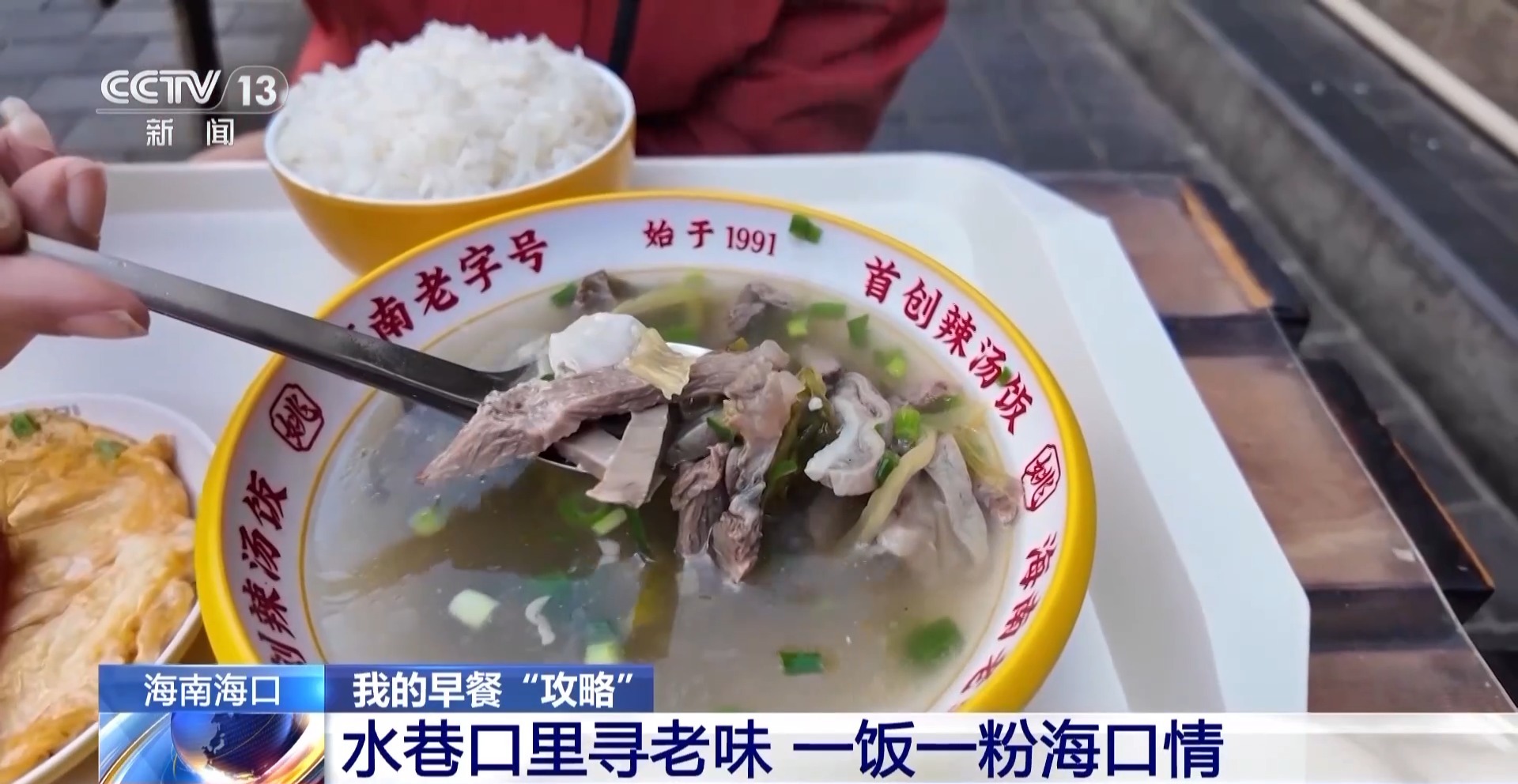
Core Viewpoint - The article highlights the emerging breakfast economy in Haikou, Hainan, showcasing how local breakfast foods are becoming a cultural and tourism attraction, reflecting the city's development and vibrancy [1]. Group 1: Breakfast Culture in Haikou - Haikou's Water Lane has transformed from a cargo dock to a bustling food street, preserving the unique flavors of "Old Haikou" [2]. - The signature dish, spicy soup rice, consists of rice served with a spicy broth made from various pork offals, pickled vegetables, and scallions, offering a distinctive taste experience [4][6]. - The preparation of spicy soup involves a meticulous process, with the use of Hainan's special pepper to enhance flavor, indicating a deep-rooted culinary tradition [6]. Group 2: Diverse Breakfast Options - Hainan's breakfast scene features various types of rice noodles, each with unique flavors and preparation methods, with Hainan noodles being the most representative [12]. - The preparation of Hainan noodles is efficient, taking only seconds from order to serving, highlighting the fast-paced breakfast culture [12]. - The "Old Dad Tea" culture, which combines tea and light snacks, has become a popular morning ritual for locals, fostering social interactions [13][15]. Group 3: Integration of Food and Tourism - Haikou is integrating food with tourism by creating new experiences, such as the "Old Dad Tea" bus that connects major tourist attractions while serving local delicacies [19]. - The city has seen a significant increase in inbound tourism, particularly after the establishment of the Hainan Free Trade Port, indicating a growing interest in culinary tourism [19]. - Local authorities are promoting a blend of food, cultural performances, and sports events to enhance the overall tourist experience, showcasing Hainan's openness and vitality [23].
“老沙县”的“新味道”——沙县小吃年轻化健康化转型观察
Xin Hua Wang· 2026-01-15 02:57
Core Viewpoint - The Sha County snack industry is rapidly transforming by integrating national trends, enhancing product quality, and expanding through standardization, reflecting a high-quality development in the snack industry [1]. Group 1: Historical and Cultural Background - Sha County, known for its rich historical and cultural heritage, has become a significant hub for traditional Chinese cuisine, with its snack-making techniques recognized as a national intangible cultural heritage in 2021 [2]. - The local snack industry has evolved from humble beginnings to a modernized brand, appealing to younger consumers through stylish environments and health-conscious menu options [2]. Group 2: Industry Development and Market Position - The Sha County snack industry has nearly 100,000 stores and generates over 55 billion yuan in annual revenue, providing employment for over 300,000 people [3]. - The industry has embraced a youthful and innovative approach by creating personified IP characters for its traditional snacks, promoting a brand spirit of diligence and positivity [3]. Group 3: Product Innovation and Consumer Engagement - New product lines have been introduced, focusing on health and fashion, including five major series that cater to various dietary preferences [4]. - The Sha County snack brand is actively engaging with youth by establishing stores in universities and creating a friendly atmosphere that resonates with young consumers [4]. Group 4: International Expansion and Standardization - The Sha County snack industry is expanding globally, with 241 overseas stores in 79 countries, leveraging standardization and digitalization to enhance its international presence [7][8]. - The industry has established a comprehensive standard system from ingredient sourcing to retail, ensuring quality and consistency across its offerings [7].
“老沙县”的“新味道”
Xin Lang Cai Jing· 2026-01-14 20:45
Core Insights - The article highlights the transformation of Shaxian snacks towards a younger and healthier market, showcasing various initiatives that reflect the high-quality development of the snack industry [1][2][3] Group 1: Industry Transformation - Shaxian snacks are integrating national trends and enhancing product quality through standardization, which is driving industry expansion [1][2] - The brand is evolving to attract younger consumers by modernizing store environments and offering trendy, health-conscious menu items [2][4] - The introduction of new product lines, including health-focused and fashionable options, is part of Shaxian's strategy to appeal to the youth demographic [4][5] Group 2: Cultural and Historical Significance - Shaxian, with a rich historical background, has become a significant hub for traditional Chinese culinary culture, recognized as a national intangible cultural heritage [2][3] - The brand's deep cultural roots and diverse offerings contribute to its popularity and economic viability, with nearly 100,000 stores generating over 55 billion yuan in annual revenue [3][6] Group 3: Global Expansion - Shaxian snacks are expanding internationally, with 241 overseas stores across 79 countries, leveraging the Belt and Road Initiative to promote Chinese cuisine globally [6][7] - The brand is focusing on standardization and digitalization to enhance its competitive edge in international markets, aligning with global consumer trends [6][7]
老味新传
Jing Ji Ri Bao· 2026-01-03 01:07
Core Viewpoint - The article discusses how traditional brands, referred to as "old brands," are innovating their business models and customer experiences to attract younger consumers while preserving their cultural heritage and traditional flavors [1][9]. Group 1: Innovation in Traditional Brands - Traditional brands are creating engaging spaces that blend cultural experiences with modern interactive elements, as seen in Beijing Daoxiangcun's "Zero No. Treasure Museum" [1][2]. - The focus is on enhancing customer experiences through immersive environments that evoke nostalgia while introducing new cultural narratives [2][3]. - Brands are shifting from merely replicating traditional stores to creating unique, culturally rich experiences that resonate with contemporary consumer interests [2][7]. Group 2: Customer Engagement and Retention - The success of these innovations relies on creating memorable experiences that encourage repeat visits, moving beyond superficial attractions [3][4]. - Effective training and motivation for staff are crucial to ensure that customer interactions are meaningful and engaging, rather than just aesthetic [4][5]. - The integration of local culture and community interaction enhances the overall customer experience, making it more than just a transaction [4][5]. Group 3: Balancing Tradition and Modernity - Traditional brands face the challenge of maintaining their core flavors and techniques while adapting to modern consumer preferences and competitive pressures [6][7]. - The approach involves a commitment to preserving traditional recipes and methods while also innovating in presentation and cultural storytelling [7][8]. - Brands like Huo Gong Dian and Beijing Daoxiangcun exemplify this balance by combining classic culinary techniques with contemporary marketing strategies to appeal to a broader audience [7][8]. Group 4: Cultural Significance and Brand Identity - Old brands are positioned as guardians of cultural heritage, tasked with preserving and narrating historical flavors and stories for future generations [9]. - The ongoing innovation within these brands is essential for their survival and relevance in a rapidly changing market landscape [9].
一笼包子蒸出百亿产业 老手艺打开新天地
Zhong Guo Xin Wen Wang· 2026-01-01 06:18
Core Insights - The article highlights the growth of the Shenzhou Xiaolongbao industry, which has become a billion-dollar sector, with annual production value exceeding 200 billion RMB, and Xiaolongbao alone contributing over 160 billion RMB [6]. Industry Overview - Shenzhou Xiaolongbao is a traditional snack known for its unique fermentation and crafting techniques, making it a staple in Chinese cuisine [3]. - The industry has seen a rise in frozen Xiaolongbao products, with 72 certified snack enterprises established in Shenzhou to meet increasing consumer demand [3]. Workforce Development - A significant challenge in the industry is the shortage of skilled professionals, prompting Shenzhou to launch a "10,000-person training program" to enhance skills and knowledge in Xiaolongbao production [3]. - The training initiative attracted over 10,000 participants, with 20 finalists competing in a skills competition, indicating a strong interest in the craft [3]. Entrepreneurial Support - The local government has initiated the "Shenzhou Xiaolongbao 1001 Store" project to support aspiring entrepreneurs, offering skill enhancement subsidies and guaranteed loans [6]. - The industry employs over 100,000 individuals, showcasing its importance in local economic development and job creation [6].
(乡村行·看振兴)从“金包银”到“村咖”:沙县小吃第一村的共富路
Zhong Guo Xin Wen Wang· 2025-12-30 07:06
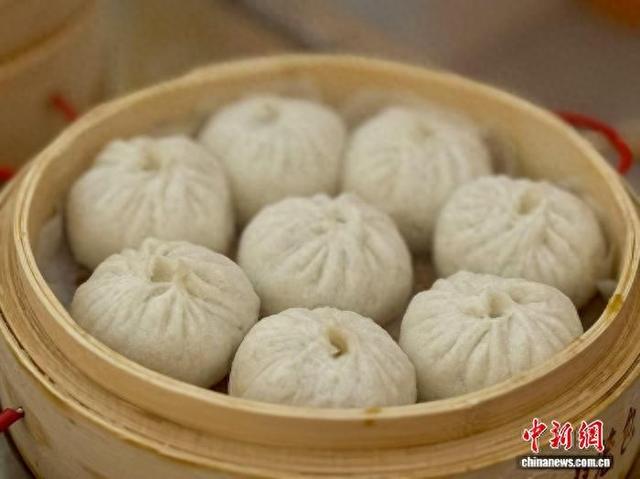
Core Insights - The article highlights the transformation of Yubang Village in Fujian Province, showcasing its evolution from a traditional snack village to a vibrant community with diverse offerings, including a coffee shop and various local delicacies [1][5]. Group 1: Economic Development - The village has seen significant economic growth, with collective income rising from 178,000 yuan in 2020 to 930,000 yuan in 2024 [5]. - Per capita annual income for villagers increased from 23,500 yuan to 34,000 yuan, reflecting improved living standards [5]. Group 2: Community Engagement - Young villagers, like Yu Lingyue, are taking on multiple roles, contributing to the community as baristas, administrative staff, and educators, thus enhancing local engagement [2]. - The village has developed a "mobile business card" through social media, showcasing its livability and tourism potential [2]. Group 3: Cultural Heritage - The culinary tradition of Sha County snacks, exemplified by local specialties like "Jin Bao Yin" (meat-filled tofu), continues to thrive, with older generations passing down their skills [3]. - The village has successfully integrated traditional food culture with modern tourism, attracting more visitors and creating a more relaxed atmosphere for guests [2][5].
既要扎根本土,也要敢于突围
Xin Lang Cai Jing· 2025-12-23 23:13
Core Insights - The article highlights the transformation of labor brands in Ninghua from "employment-driven" to "brand-driven," emphasizing the importance of comprehensive branding that integrates skill standards, quality assurance, cultural symbols, and industrial carriers [1] Group 1: Labor Brand Development - Ninghua has successfully initiated the first step of connecting training with employment, enabling many farmers to increase their income by learning skills and opening small businesses [1] - The labor brand construction is seen as a long-term effort that requires time and continuous investment to establish a solid foundation [1] Group 2: Challenges and Opportunities - To advance further, Ninghua must overcome the limitations of being "scattered and weak," which involves maintaining local authenticity in ingredients and techniques while also promoting industrial standardization, normalization, and branding upgrades [1] - The exploration of labor brand development in Ninghua is progressing slowly but steadily, with a clear direction emerging for future growth [1]
沙县小吃的万里路
Xin Lang Cai Jing· 2025-12-23 19:08
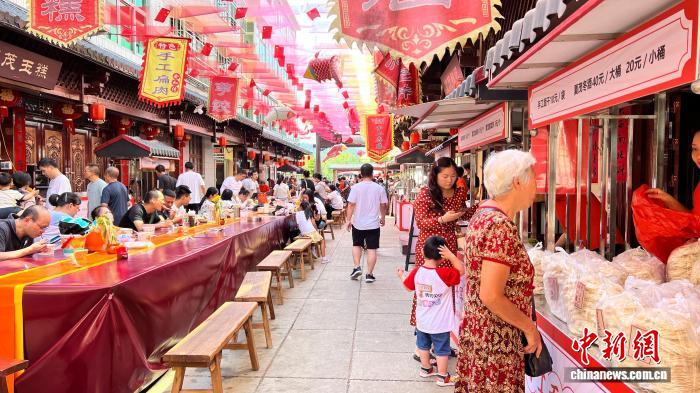
Core Insights - The article highlights the cultural and economic significance of Shaxian snacks, originating from Yubang Village in Fujian, which have become a beloved culinary staple across China and beyond [1][2]. Group 1: Economic Impact - As of the end of 2024, there are over 90,000 Shaxian snack outlets nationwide, generating an annual revenue exceeding 55 billion yuan and creating employment for over 300,000 people [1]. - The opening of railways, starting with the Yingxia Railway in the 1990s, has been pivotal in connecting Shaxian residents to broader markets, facilitating the growth of the snack industry [2]. Group 2: Tourism Development - The 29th Shaxian Snack Tourism Culture Festival recently took place in Sanming City, attracting food enthusiasts from across the country [1]. - In 2024, the total number of tourists visiting Shaxian is expected to reach nearly 9 million, with total tourism revenue around 6.2 billion yuan [3]. Group 3: Infrastructure and Accessibility - The introduction of high-speed rail has significantly increased passenger traffic at Sanming North Station, with annual passenger numbers growing from approximately 5.58 million in 2014 to nearly 11 million by 2024 [2]. - The development of high-speed rail has transformed Yubang Village from a remote area into a national cultural and tourism destination [2]. Group 4: Cultural Promotion - The village is actively promoting its snack culture through short video marketing and the establishment of cultural exhibition centers, educational bases, and boutique accommodations [2]. - Plans for 2025 include integrating Shaxian snack heritage skills into high-speed rail waiting areas, allowing travelers to engage with the local culinary traditions [3].
小吃店老人用刷子回收落地油?当地市监部门回应→
Xin Lang Cai Jing· 2025-12-19 14:22
Group 1 - A video surfaced on social media showing a small eatery in Yaan, Sichuan, named "Tian Tian Xiang Chi," allegedly recycling spilled cooking oil using a brush, which sparked public concern [1] - The owners of the eatery issued an apology, stating that the incident occurred when an elderly family member accidentally knocked over a pot of oil and handled the situation improperly [1] - The local market supervision administration confirmed that the elderly man in the video is the store owner's father and stated that no evidence of continued use of waste oil was found during their inspection, but the store was ordered to cease operations for rectification [1][2] Group 2 - A letter of apology from the owners was circulated on social media, explaining that the incident took place on the morning of December 17, and they acknowledged the inappropriate handling of the situation [1] - The owners claimed that the waste oil, frying pot, and brush have been disposed of properly and expressed willingness to cooperate with relevant authorities for rectification [1]