小吃

Search documents
中餐正在征服全世界?骗你的
虎嗅APP· 2026-03-27 14:49
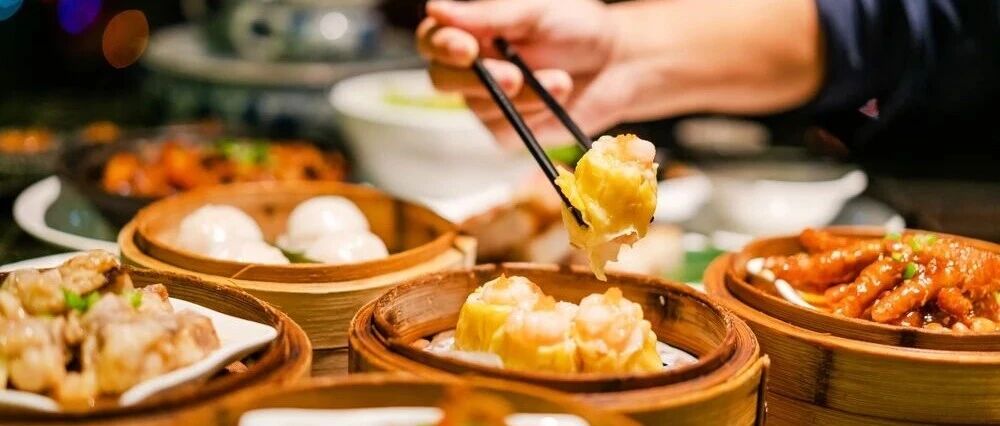
Core Viewpoint - The article discusses the challenges and limitations of Chinese cuisine's global expansion, highlighting that the so-called "Chinese food going abroad" often translates to "Chinese people doing business for Chinese people" rather than a genuine cultural export [5][10]. Group 1: Market Presence - The number of Chinese restaurants in the U.S. is estimated to be between 45,000 and 50,000, surpassing the total number of McDonald's, Burger Kings, and KFCs combined [7]. - In the UK, there are over 12,000 Chinese restaurants, making it the largest source of takeaway cuisine [7]. Group 2: Cultural Recognition - There exists a "dual-track" system in the overseas Chinese restaurant market: one track caters to locals with "Americanized Chinese food," while the other serves authentic Chinese cuisine primarily to the Chinese community [8]. - Authentic Chinese restaurants struggle to survive outside of Chinese neighborhoods, where over 90% of customers are of Asian descent [9]. Group 3: Consumer Expectations - Chinese food is a "necessity" for Chinese diners, who seek authenticity and high standards, while local diners view it as an occasional exotic choice [12][13]. - The perception of Chinese cuisine among Western diners remains low, often associated with takeout boxes and heavy flavors, which limits its acceptance in higher-end dining [13][14]. Group 4: Pricing and Profitability - Chinese cuisine is often trapped in a "cost-performance" trap, with high supply chain costs and labor challenges preventing it from achieving higher price points [17]. - The average check for Chinese restaurants in the U.S. is approximately $45, significantly lower than the $120 average for fine dining establishments [13][18]. Group 5: Market Dynamics - The recent trend of "Chinese food going abroad" is primarily focused on existing markets with high Chinese populations, rather than exploring new customer bases [20]. - Over 20% of new Chinese restaurant brands in New York and London closed or significantly reduced their scale within two years, indicating a challenging survival rate [21]. Group 6: Cultural Barriers - Cultural differences in dining practices and taste preferences create barriers for Chinese cuisine's acceptance in mainstream Western society [23][24]. - The perception of Chinese food as "ethnic cuisine" limits its status and integration into local dining habits, making it difficult to achieve mainstream recognition [26].

[新春走基层]村里有个“移动超市”
Xin Lang Cai Jing· 2026-02-18 22:23
Core Insights - The article highlights the innovative approach of a local entrepreneur, Hu Jiansong, who transformed his micro open-top vehicle into a "mobile supermarket" to serve rural communities, enhancing access to essential goods [1][3]. Group 1: Business Model - Hu Jiansong operates a mobile grocery service, traveling over 100 kilometers daily to deliver goods to multiple villages, significantly improving convenience for local residents [3]. - Initially, the daily sales were a few hundred yuan, but they have now increased to over 1,000 yuan, with profits exceeding 300 yuan per day [3]. Group 2: Community Impact - The mobile supermarket has become a vital service in the villages, fostering community interaction and providing essential goods, especially during festive seasons [2][3]. - Hu's approach not only serves the community's needs but also creates a profitable business model, demonstrating a successful blend of service and entrepreneurship [3].
佳和生活超市第三代门店落地,把超市变成社区厨房
Xin Lang Cai Jing· 2026-02-12 15:28
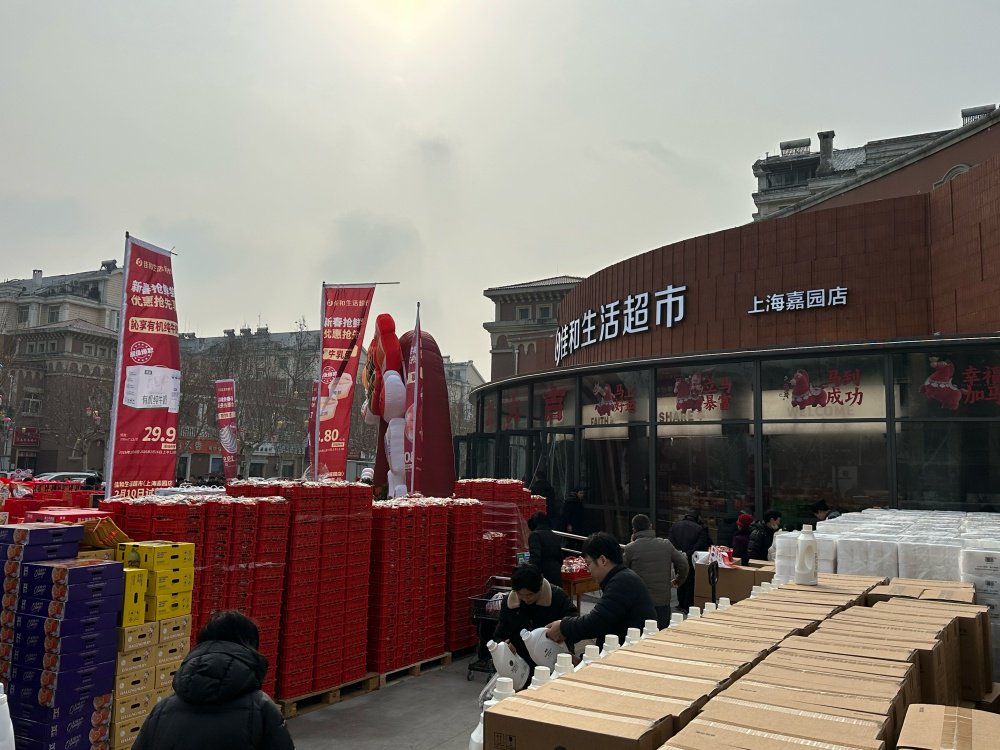
Core Insights - Jiahe Life Supermarket has opened its first store in Shanghai's Jiayuan community, marking the launch of its third-generation business model, with a store area of 750 square meters and over 2,600 SKUs, of which nearly 40% are fresh products. The store achieved sales exceeding 2 million yuan within three days of opening [2][3] Group 1: Store Design and Concept - The new store emphasizes a "community boutique supermarket" concept, catering to local residents' daily needs for groceries and fresh ingredients while also appealing to younger consumers with snacks and quality beverages [3] - Key design changes include streamlined customer flow, clear zoning to reduce search costs, and enhanced shopping comfort through material and color choices [5][7] - The design philosophy focuses on "minimalism and long-lasting design," prioritizing essential needs and creating a modern, youthful supermarket space [5][7] Group 2: Operational Model - The store features an open kitchen, allowing customers to see the preparation of fresh products, combining the stability of a central kitchen with the freshness of on-site cooking [8][10] - This hybrid model enables a diverse product range, including baked goods, snacks, and fresh foods, ensuring a rich selection for consumers [10] - The store transforms traditional retail spaces into service nodes, enhancing customer engagement and driving sales through visible production processes [12] Group 3: Community Engagement and Future Plans - The operational logic has shifted from a broad product range to a focus on proximity and responsiveness to community needs, positioning the supermarket as a vital part of community life [14] - Jiahe Life Supermarket aims to deepen its integration with the community, providing warm services and creating a sense of belonging and happiness among residents [16]
厦门市同安区市场监管局多措并举开展节前综合检查 护航平安春节
Xin Lang Cai Jing· 2026-02-12 06:10
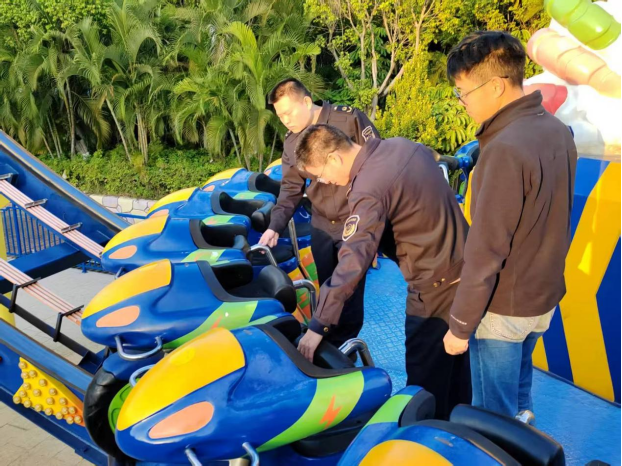
Core Viewpoint - The Xiamen Tong'an District Market Supervision Bureau is implementing a comprehensive regulatory approach to ensure safety and consumer confidence during the upcoming Spring Festival, focusing on tourism hotspots, commercial areas, and production enterprises [1][12]. Group 1: Safety Regulations - Safety of large amusement facilities is a top priority, with the Tong'an District Market Supervision Bureau conducting thorough inspections of the Fantawild theme park, focusing on high-risk attractions and ensuring compliance with safety regulations [3][10]. - The bureau is enhancing risk warnings for the newly launched "Snow World" project, addressing misleading promotional content and ensuring accurate information is provided to consumers [5][10]. Group 2: Food Safety - The bureau emphasizes food safety, conducting comprehensive inspections of food vendors in popular tourist areas to ensure compliance with safety standards and proper food handling practices [10][11]. - New food businesses are receiving proactive support from the bureau, which is providing guidance on compliance and facilitating the licensing process to ensure they can operate legally during the festival [10][11]. Group 3: Consumer Rights and Experience - The bureau is promoting an online dispute resolution (ODR) mechanism to enhance consumer rights protection and improve the efficiency of complaint handling during the festival [11][12]. - Efforts are being made to improve visitor experience through enhanced services, such as expedited inspections for new transportation services at tourist attractions [11][12].
开鲁县举办年货节促消费活动惠民生
Sou Hu Cai Jing· 2026-02-09 09:13
Core Viewpoint - The "Shenghui National · Yuegao Tongliao" consumption promotion initiative in Kailu County, Tongliao City, Inner Mongolia aims to stimulate consumer spending and enhance the local economy through various promotional activities and government subsidies [1][4]. Group 1: Consumption Promotion Activities - The initiative includes a series of promotional activities such as discounts and rebates across various sectors including food, retail, and household appliances to meet the demand for New Year goods [2][4]. - The opening of the "Shenghui National · Yuegao Tongliao" event has led to a surge in consumer interest, with local residents actively purchasing discounted items, such as televisions benefiting from government subsidies [1][2]. Group 2: Business Participation and Strategy - Local businesses, including Kaiyuan Commercial City, are collaborating to offer significant discounts and ensure product quality, thereby enhancing consumer confidence and satisfaction [4][8]. - The initiative is part of a broader strategy by the central and local governments to prioritize consumption as a key area of focus for economic development, with plans for ongoing promotional activities throughout the year [4][8]. Group 3: Community Engagement and Cultural Integration - The year-long consumption promotion will feature various events such as the Beer and Food Festival and cultural tourism seasons, aimed at creating a vibrant community atmosphere and fulfilling diverse consumer needs [8]. - The initiative seeks to integrate cultural and entertainment activities with consumption promotion, fostering a holistic approach to community engagement and economic growth [4][8].
东北夫妻开餐厅一年低调赚了11.47亿,开店387家,准备上市了
创业家· 2026-01-27 11:04
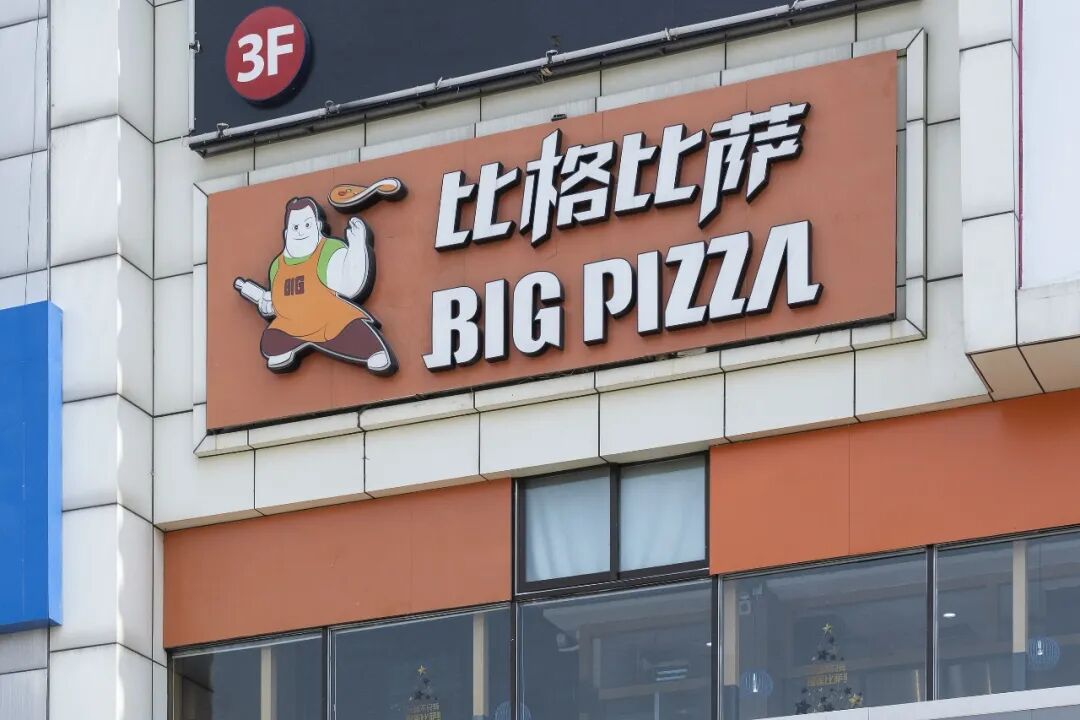
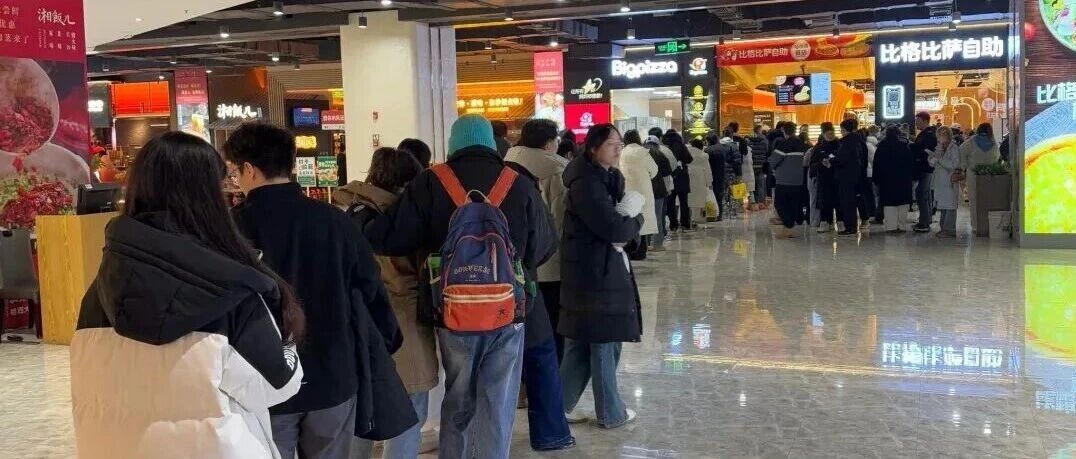
Core Viewpoint - The article discusses the rise of a local pizza brand, Big Pizza, which is set to become the first self-service pizza stock in Hong Kong, leveraging its competitive pricing strategy to attract young consumers and disrupt the market dominated by international giants [7][8][9]. Group 1: Company Overview - Big Pizza, founded by a couple from Northeast China, has grown from a small store near Beijing Zoo to over 300 locations nationwide, achieving annual revenues exceeding 2 billion RMB [13][14]. - The brand's unique selling proposition is its self-service model priced around 39 RMB, significantly lower than competitors like Pizza Hut, which charges 50-100 RMB per pizza [21][24]. - As of September 30, 2025, Big Pizza has expanded to 387 restaurants across 127 cities, establishing a presence in all provincial capitals [30][32]. Group 2: Product Strategy - Big Pizza employs a "7+2+1" product structure, offering 70% core Western dishes (pizzas, pastas), 20% Chinese dishes (rice, stir-fried dishes), and 10% regional specialties to cater to diverse consumer preferences [35][36]. - The brand adapts its menu based on regional tastes, offering fruit-flavored pizzas in southern cities and meat-heavy options in northern areas, maintaining around 130-140 SKUs per location [40][41]. Group 3: Financial Performance - Big Pizza's revenue for 2023, 2024, and the first nine months of 2025 reached 944.5 million RMB, 1.15 billion RMB, and 1.39 billion RMB respectively, with a self-operated restaurant profit margin exceeding 10% [84][85]. - The company plans to open 610-790 new stores between 2026 and 2028, aiming for rapid expansion while managing supply chain pressures and quality control [95]. Group 4: Market Position and Challenges - The self-service restaurant market is projected to grow, with an expected market size of 1.29 billion RMB in 2024, and Big Pizza is positioned as a leading brand in this segment [79][82]. - However, the company faces challenges such as increasing competition in the self-service market, particularly from hot pot and barbecue brands, and the pressure of higher costs in first-tier cities [89][90]. - The trend of declining average spending in the restaurant industry poses a risk to Big Pizza's business model, which relies on high turnover rates [92].
比萨自助品牌冲刺港股
Mei Ri Shang Bao· 2026-01-20 22:21
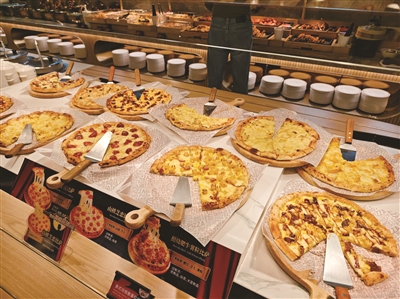
Core Viewpoint - The pizza chain brand Big Pizza has submitted its prospectus to the Hong Kong Stock Exchange, planning to open over 600 new stores in the next three years, aiming to become the first publicly listed "pizza buffet" in China [2] Company Overview - Big Pizza was established in 2002, offering a buffet model priced at 79.99 yuan per adult and 49.99 yuan per child, with a menu featuring 130 to 140 SKUs including pizzas, pasta, and snacks [2] - The brand targets various customer segments, including families, students, solo diners, social media users, and seniors [2] - Big Pizza has developed popular products such as durian pizza, lychee pizza, and strawberry chocolate pizza, while also introducing new snacks to attract younger customers [2] Expansion Plans - Currently, Big Pizza operates 387 stores nationwide and plans to open over 160 new stores by 2025, which is nearly equivalent to the total number of stores opened in the past 23 years [2] - New stores typically achieve breakeven within one month of opening, with an average investment recovery period of about 11 months, supporting rapid expansion [2] Market Presence - The brand's presence is concentrated in northern China, with over 80 restaurants in Beijing, while cities like Shanghai and Guangzhou have only a few locations [2] - The first store in Hangzhou is strategically located in a university area, targeting students with promotional pricing [3] Financial Performance - In the first three quarters of 2025, Big Pizza's revenue approached 1.4 billion yuan, reflecting a year-on-year growth of over 60% [3] - The founder, Zhao Zhiqiang, utilizes a "internet celebrity" strategy on social media platforms to engage with customers and respond to feedback [3] Future Goals - Zhao Zhiqiang has expressed plans to expand Big Pizza to 1,000 stores by 2028, which may be a driving factor behind the decision to pursue an IPO [3] - The company aims to add approximately 610 to 790 new restaurants by 2028, primarily focusing on self-operated locations [3] Competitive Landscape - Despite being a niche product, the pizza market has seen increased competition, with brands like Zunbao Pizza and Saliya expanding rapidly in China [4] - Big Pizza plans to accelerate its expansion into southern regions, focusing on first-tier cities, provincial capitals, and new first-tier cities, while also extending to second-tier and lower cities [4]
黑龙江夫妇开比萨连锁,9个月进账14亿
2 1 Shi Ji Jing Ji Bao Dao· 2026-01-20 03:26
Core Viewpoint - Big Pizza, a restaurant chain founded by a couple from Northeast China, is aiming for an IPO to become the first publicly listed pizza buffet in China, leveraging its leading position in the domestic market [2][3]. Company Overview - Big Pizza ranks first among local pizza restaurants in China and also leads in the buffet and Western casual dining categories, making it a "triple champion" [2]. - The restaurant chain was established in 2001 by Zhao Zhiqiang and his wife Ma Jifang, who initially operated a hamburger business in their hometown before recognizing the potential in the pizza market in Beijing [2][3]. Business Model and Growth - Big Pizza is known for its affordable buffet model, with a per capita consumption of approximately 60-70 RMB, significantly lower than competitors like Pizza Hut [2][3]. - As of January this year, Big Pizza operates 387 stores across 127 cities, with over 265 being self-operated, primarily concentrated in Northern China [3]. - The company has adopted a strategy of localizing popular menu items and maintaining high cost-performance, with an average customer spending capped at 79.99 RMB for over 100 dishes [3][4]. Financial Performance - In the first nine months of 2025, Big Pizza's revenue reached 1.389 billion RMB, surpassing the total revenue for 2024, although net profit remains limited at 51.65 million RMB [7]. - The average transaction value has decreased by over 8 RMB over the past three years, reflecting competitive pressures in the industry [7]. - The company has a high debt-to-asset ratio exceeding 90%, and the funds raised from the IPO are intended to improve its financial structure and support expansion plans [7]. Market Outlook - The Western casual dining sector is projected to grow at a compound annual growth rate of 10.8% over the next five years, reaching approximately 321.8 billion RMB, which presents a favorable environment for Big Pizza's growth [8]. - However, the company faces significant competition from other budget-friendly dining options, and it remains to be seen if Zhao's competitive advantages can be sustained [8].
东北夫妇做比萨 三个季度收入近14亿元 比格餐饮闯关IPO:家族控股约86% “北强南弱”能否支撑千店野心?
Mei Ri Jing Ji Xin Wen· 2026-01-18 14:42
Core Viewpoint - The article discusses the recent IPO filing of Big Pizza International Holdings Limited, a prominent player in the casual dining sector in China, highlighting its rapid growth and ambitious expansion plans in the competitive pizza market [1][9]. Financial Performance - Big Pizza's revenue surged to 1.389 billion RMB in the first three quarters of 2025, surpassing the total revenue of 1.147 billion RMB for the entire year of 2024, marking a year-on-year increase of 66.6% [1][8]. - The company reported revenues of 944.5 million RMB and 1.147 billion RMB for 2023 and 2024, respectively, with a year-on-year growth of 21.5% [8]. - Profit figures for 2023 and 2024 were 47.52 million RMB and 41.74 million RMB, with profit margins of 5.0% and 3.6% [8]. Market Position and Expansion Plans - As of January 11, 2026, Big Pizza operates 387 restaurants across 127 cities in China, ranking first in the domestic pizza restaurant market based on GMV for the first three quarters of 2025 [5][9]. - The company aims to open 610 to 790 new stores from 2026 to 2028, with a focus on expanding into southern markets where it currently has limited presence [9][11]. Ownership Structure - The founding family controls approximately 86% of the voting rights, with Zhao Zhiqiang holding 52.2% and his wife, Ma Jifang, holding 21.8% [3][11]. Competitive Landscape - Big Pizza's unique selling proposition lies in its "self-service" model, which targets the mass market with affordable pricing, contrasting with higher-end competitors like Pizza Hut [5][10]. - The company faces challenges in penetrating the southern market, where competition is fierce and consumer preferences may differ [10][11]. Brand Strategy and Social Media Engagement - Zhao Zhiqiang actively engages with consumers on social media platforms, enhancing brand loyalty and customer interaction through a strategy termed "listening to advice" [11][12]. - The brand's recent promotional activities have sparked controversy, indicating the delicate balance between marketing strategies and public perception [12].
东北夫妇卖披萨,要IPO了
3 6 Ke· 2026-01-17 08:41
Core Viewpoint - Big Pizza, a local pizza buffet brand founded by a couple from Northeast China, is preparing for an IPO on the Hong Kong Stock Exchange, with CCB International as the sole sponsor [1][4]. Company Overview - Big Pizza was established in 2002 by Zhao Zhiqiang and his wife after they moved from Heilongjiang to Beijing, where they opened their first pizza store near the Beijing Zoo [4]. - The brand focuses on affordable pricing, offering a single buffet meal for around 39 yuan, significantly lower than competitors like Pizza Hut [4][5]. - As of September 2025, Big Pizza operates 342 stores, with 265 being self-operated and a membership base of approximately 9.3 million [9]. Financial Performance - Big Pizza's revenue for 2023, 2024, and the first nine months of 2025 was 944.5 million yuan, 1.147 billion yuan, and 1.389 billion yuan, respectively, with net profits of 47.52 million yuan, 41.74 million yuan, and 51.65 million yuan [9][10]. - The company maintains a gross profit margin of around 80% and has a net profit margin of approximately 5% to 3.7% over the same period [9]. Market Position - Big Pizza is ranked first among local pizza restaurants in China and third overall in the pizza market, holding a market share of 1.2% [9]. - The brand is often compared to "China's version of Salia," appealing to younger consumers with innovative menu items and a family-friendly atmosphere [5][9]. Expansion Plans - The company aims to open over 160 new stores in 2025, nearly matching its total openings over the past 22 years, and plans to reach 1,000 stores by 2028 [5][11]. - Big Pizza is set to enter the competitive Shanghai market, which poses challenges due to higher operational costs and established competitors [11]. Product Strategy - Big Pizza offers a diverse menu with around 130 to 140 SKUs, including unique items like durian pizza and mini pizzas priced at 19.9 yuan [7][9]. - The company follows a product innovation strategy, introducing new items every four months and replacing the least popular ones to achieve a 30% SKU turnover annually [7].