
生物技术

Search documents
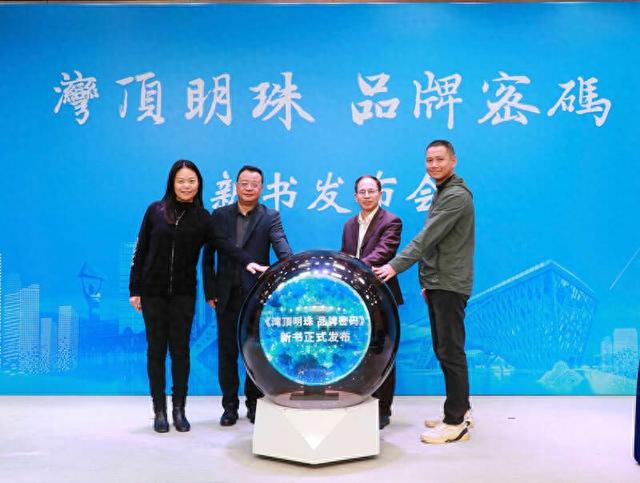
《湾顶明珠 品牌密码》新书发布,记录广州开发区中小企业创新实践
Xin Lang Cai Jing· 2026-01-01 16:39
Core Insights - The book "Bay Top Pearl Brand Code" showcases the development stories of over 40 enterprises in Guangzhou Development Zone, highlighting innovative practices across nine industrial sectors [1][3] - The book is structured with a dual narrative of "industrial track + innovation paradigm," focusing on business environment innovations and specific industries such as automotive manufacturing and biotechnology [3] Summary by Categories Business Environment - The first chapter emphasizes innovations in the business environment, setting the stage for the subsequent industry-specific discussions [3] Industry Sectors - The remaining nine chapters are categorized by industries, including automotive manufacturing, new displays, and biotechnology, with a concluding chapter on "future industries" featuring case studies from five companies [3] Company Selection Criteria - Selected companies meet three critical criteria: filling domestic gaps, setting international standards, and restructuring industrial chains, ensuring the cases are both representative and empirical [3] Small and Medium Enterprises (SMEs) - Over 80% of industrial enterprises and high-tech companies in Guangzhou Development Zone and Huangpu District are SMEs, contributing to more than 80% of invention patents and innovation outcomes [3] - By the end of 2025, the district aims to cultivate 38 national-level key "little giant" enterprises and 209 national-level specialized and innovative "little giants," with total revenue exceeding 70 billion [3] Economic Commentary - Renowned economist Zheng Yongnian praises the book as a collection of growth cases for SMEs and a record of innovation-driven development in national economic development zones, providing valuable insights for similar SMEs [3]

突然,大涨24%!
中国基金报· 2025-12-31 12:13
Market Overview - The Hong Kong stock market indices experienced slight declines on the last trading day of 2025, with the Hang Seng Index closing at 25,630.54 points, down 0.87% [2] - For the entire year, the Hang Seng Index rose by 27.77%, the Hang Seng Tech Index increased by 23.45%, and the Hang Seng China Enterprises Index gained 22.27%, marking the second consecutive year of upward trends for these indices [2] Sector Performance - Major technology stocks mostly declined, with JD.com and Alibaba both falling over 1% [4] - Internet healthcare stocks also saw declines, with JD Health, Ping An Good Doctor, and Alibaba Health each dropping more than 1% [4] - Automotive stocks weakened, with Li Auto down nearly 3% and BYD falling over 2% [4] - Conversely, airline stocks showed strong performance, with China Eastern Airlines rising nearly 5%, China Southern Airlines up over 4%, and Air China increasing more than 3% [5] New Stocks Performance - Newly listed stocks surged nearly 24% overall [6] - Specific stock performance included a notable increase of 23.88% for a stock that reached a high of 38.68 and a low of 30.48, with a total transaction volume of 345 million [7] Entertainment Sector - The entertainment sector saw gains, with DaMai Entertainment rising nearly 6%, China Star Group up nearly 5%, and Maoyan Entertainment increasing over 3% [12] - The total box office for the 2025 New Year season surpassed 5.245 billion yuan, marking the highest figure for the same period in nearly eight years, with a year-on-year increase of 76.35% in box office revenue [12]

德企拟开发稀土回收新技术
Zhong Guo Hua Gong Bao· 2025-12-30 06:09
Group 1 - Bioweg UG, a German biotechnology and green chemistry company, has received €1.5 million in funding from the German government to develop technology for recovering rare earth elements (REEs) from wastewater [1] - The funding is part of the "Technology Metals Transformation Challenge" program initiated by the German Innovation Agency, aimed at developing and validating innovative processes for recovering critical metals from complex waste streams [1] - The project is in collaboration with the Technical University of Berlin, focusing on selective water-based methods to achieve high-purity outputs suitable for downstream applications [1] Group 2 - Bioweg's co-founder and CEO, Pratik Maharwal, stated that the funding will accelerate the development of a sustainable, biotechnology-based rare earth recovery platform in collaboration with the Technical University of Berlin [1] - The platform builds on Bioweg's expertise in fermentation technology and green chemistry, which has already been applied at scale in bacterial cellulose production [1]
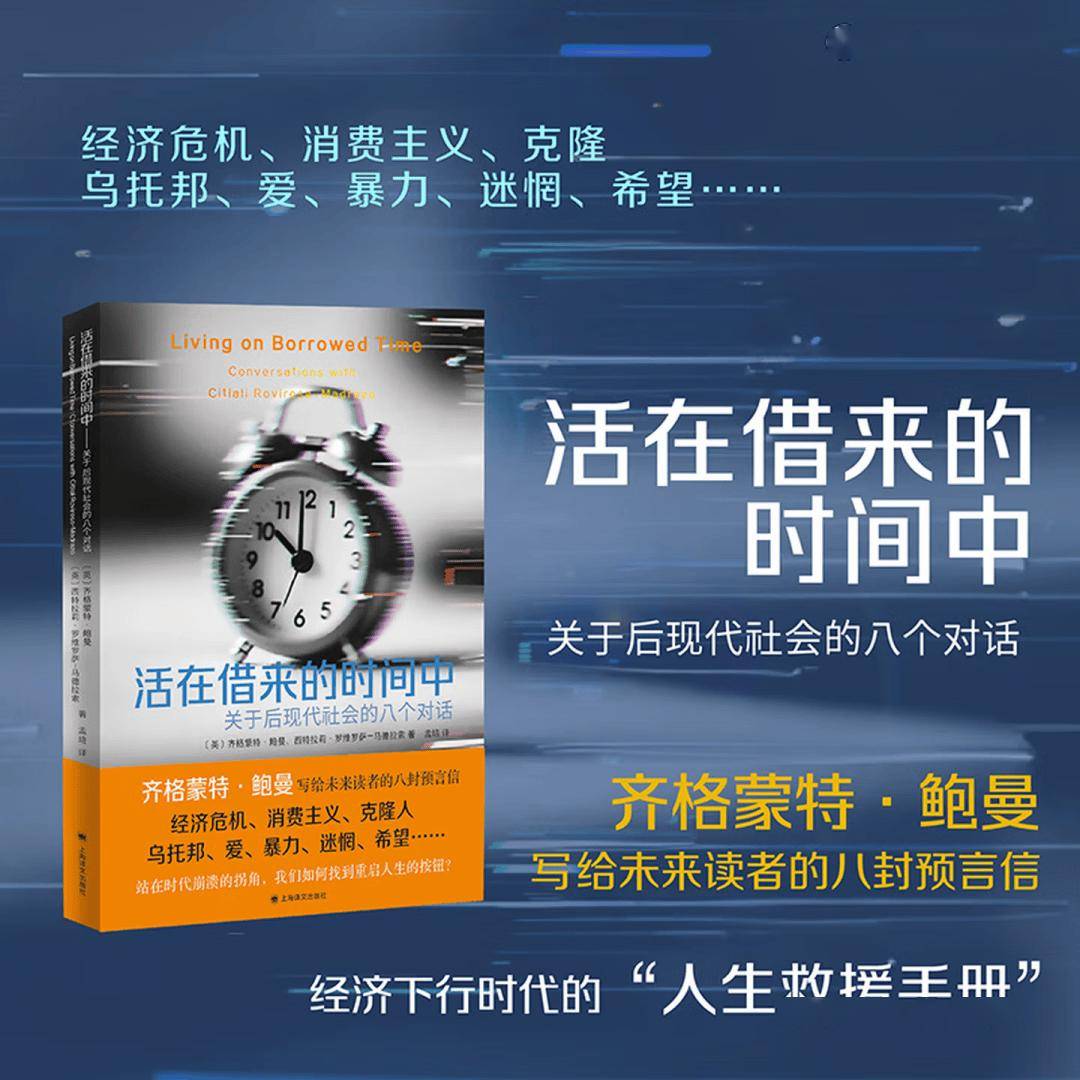
站在时代崩溃的拐角,如何找到重启人生的按钮?
Sou Hu Cai Jing· 2025-12-30 00:27
Core Insights - The article discusses the pressing social dilemmas arising from economic downturns, including consumerism, climate change, and ethical concerns in biotechnology, urging a reevaluation of lifestyles and values to create a better future [1][4][6]. Economic Context - The text references historical economic crises, notably the Great Depression starting in 1929 and the 2008 financial crisis, highlighting the political and institutional factors that contributed to economic polarization and instability [3][6]. - The 2008 financial crisis is characterized as a significant event that exposed the fragility of political systems and the moral challenges faced by society, emphasizing the need for a comprehensive understanding of the historical context behind economic downturns [6][10]. Social Challenges - The article outlines various contemporary challenges, including environmental threats, increasing poverty, and the moral implications of rapid technological advancements, which have led to a decline in political stability and social cohesion [4][6][10]. - It emphasizes the need for reflection on societal conditions and the search for pathways to overcome current predicaments, suggesting that crises can serve as opportunities for generating new knowledge and expanding scientific discourse [7][10]. Political and Ethical Implications - The text critiques the response of governments to the 2008 crisis, noting that the failure to regulate the financial sector led to widespread economic hardship, with millions projected to fall into poverty as a result of the downturn [10][11]. - It discusses the transformation of social welfare institutions and the shift in language surrounding poverty, indicating a societal tendency to view poverty as a personal failing rather than a systemic issue [14][16]. Future Considerations - The article raises fundamental questions about the sustainability of modern civilization, particularly in light of ecological, ethical, and temporal crises, and whether a viable path forward can be found [1][6][25]. - It suggests that the current socio-economic landscape is marked by a transition from producer societies to consumer societies, with significant implications for identity and community structures [22][26].
上海:吸引增值电信、生物技术、独资医院等领域外资项目落地
Di Yi Cai Jing· 2025-12-29 10:00
Core Viewpoint - The Shanghai Municipal Commission of Commerce and 16 other departments have issued measures to further expand service consumption in Shanghai, focusing on high-level openness in the service industry [1] Group 1: Expansion of Service Industry - The measures emphasize the expansion of high-level openness in the service industry, particularly in telecommunications, digital industries, healthcare, and cultural tourism [1] - There is a focus on attracting foreign investment projects in value-added telecommunications, biotechnology, and wholly foreign-owned hospitals [1] Group 2: Consumer Demand and Imports - The initiative aims to address the open demand for consumer services, with plans to gradually increase the import of high-quality services in healthcare and culture [1] - Activities such as foreign film exhibitions and collaborative events are to be organized to enhance cultural exchange [1] Group 3: Educational Collaboration - The measures include expanding cooperation with globally renowned universities to establish high-level collaborative educational institutions [1]
智库报告:“黑天鹅”风险或成常态,考验企业声誉管理应变力
Sou Hu Cai Jing· 2025-12-29 07:19
Core Insights - The report predicts that while the overall reputation of domestic companies in China will improve by 2025, there will be significant challenges impacting reputation management [2] Group 1: Negative Factors Affecting Corporate Reputation in 2025 - Issues in production and operational management are primary triggers for reputation crises, including safety loopholes, quality defects, and management irregularities, which can lead to significant public backlash [3] - Shortcomings in entrepreneurs' ability to handle public sentiment can adversely affect corporate reputation, characterized by miscommunication, poor judgment, and inappropriate decision-making [4] - The evolution of "black public relations" tactics complicates reputation management, as companies face covert attacks that require substantial resources to counteract [5][6] - Misinterpretation of industry concepts poses a significant risk, as public understanding often diverges from professional definitions, leading to reputational damage [7] - A victim mentality among some companies regarding negative public sentiment can lead to extreme responses, wasting resources and potentially escalating issues [8] - Confusion between information disclosure and situation reporting can trigger reputation risks for listed companies, especially during crises [9] - The misuse of legal public relations strategies can backfire, creating more enemies and damaging reputation despite winning legal battles [10] - False advertising in pursuit of sales can lead to regulatory penalties and a broader trust crisis within the industry [11] - The younger generation's distinct values and communication preferences challenge traditional reputation management strategies [12] - Geopolitical tensions complicate overseas reputation management for companies, particularly in high-tech sectors [13][14] Group 2: Predicted Factors Influencing Corporate Reputation in 2026 - The implementation of the "14th Five-Year Plan" will guide corporate reputation management, emphasizing social responsibility and alignment with national development [15] - Positive macroeconomic policies will create a conducive environment for reputation building, despite ongoing economic challenges [16] - Improvements in the public opinion ecosystem will provide institutional support for reputation management, enhancing the ability to counteract malicious attacks [17] - An integrated approach to rumor control and complaints will become an effective strategy for managing corporate reputation [18] - Policy support and favorable market conditions will create new opportunities for shaping the reputation of listed companies [19] - Increased public focus on livelihood issues will raise expectations for corporate reputation management, necessitating a proactive approach to social responsibility [20] - The spread of irrational emotions in public discourse will pose significant challenges to maintaining corporate reputation [21] - The dual nature of artificial intelligence as both an enabler and a risk will become a critical factor in reputation management [22] - The complex and changing geopolitical landscape will require companies to adopt localized strategies to manage reputation risks effectively [23] - The potential for "black swan" events will test the resilience of corporate reputation management strategies, necessitating robust crisis response plans [24]

博瑞策生物技术(上海)有限公司获“A轮”融资,金额超亿人民币
Sou Hu Cai Jing· 2025-12-29 03:25
Group 1 - The core point of the article is that Borui Biotechnology (Shanghai) Co., Ltd. has recently completed its Series A financing round, raising over 100 million RMB, with investors including Qianji Capital and Daotong Investment [1] - Borui Biotechnology was established in 2022 and is primarily engaged in research and experimental development, with a registered capital of 2.977362 million RMB [1] - The company has made one external investment and holds 15 trademark registrations and 10 patents, along with 11 administrative licenses [1] Group 2 - The legal representative of Borui Biotechnology is Liu Haiyang, and the company is located in Shanghai [1] - The shareholders of Borui Biotechnology include Shijiazhuang Hexin Zhongce Biotechnology Partnership, Baier Keta Biotechnology (Shanghai) Co., Ltd., Hainan Weichuang Biotechnology Partnership, Beijing Junlian Huikang Equity Investment Partnership, and Beijing Ocean Blue Biotechnology Co., Ltd. [1]
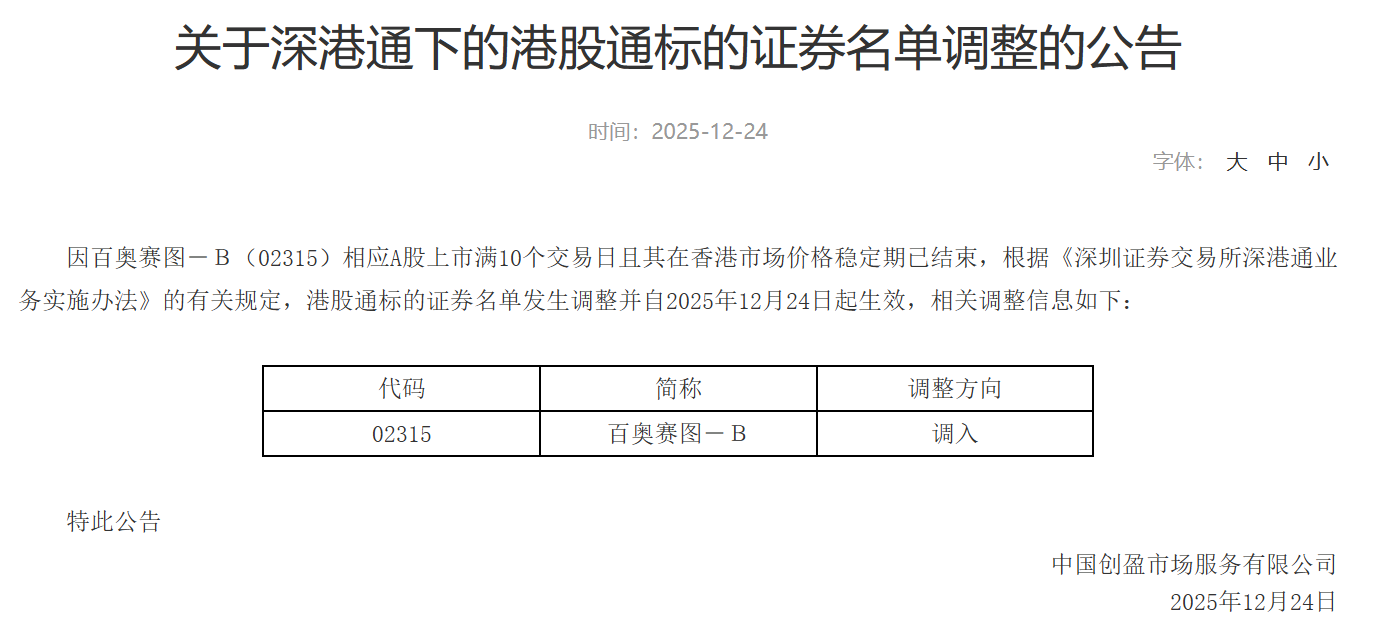
百奥赛图-B(02315)获纳入港股通名单 业绩高增驱动价值重估
智通财经网· 2025-12-29 01:04
Core Viewpoint - The inclusion of Baiaosaitu-B (02315) in the Hong Kong Stock Connect marks a significant milestone for the company, opening its capital market access to mainland investors starting December 24, 2025 [1] Group 1: Market Impact - Inclusion in the Hong Kong Stock Connect is often a catalyst for value re-evaluation of listed companies, enhancing liquidity and trading activity while alleviating valuation discounts due to insufficient liquidity [4] - The broader market attention is expected to lead to a more thorough examination of the company's investment logic, making this timing particularly advantageous for Baiaosaitu [4] Group 2: Business Model and Growth - Baiaosaitu has developed a unique "dual-engine" platform business model that has transitioned from technology validation to accelerated commercialization, supported by a robust core technology "moat" [4][5] - The company has established a comprehensive system covering over 1,000 targets and more than one million human antibody sequences, with a global leading scale in humanized disease models [5] Group 3: Financial Performance - For the first three quarters of 2025, the company reported revenue of 941 million yuan, a significant year-on-year increase of 59.5%, and a net profit of 114 million yuan, marking a successful turnaround [6] - The net cash flow from operating activities reached 263 million yuan, a year-on-year surge of 162.2%, indicating a strong financial position [6] Group 4: Global Expansion - Since its establishment in 2009, Baiaosaitu has focused on becoming a global hub for new drug development, with internationalization now serving as a core growth driver [7] - By mid-2025, the company had signed over 280 antibody molecule licensing agreements and established partnerships with nine of the top ten global pharmaceutical companies [7] Group 5: Strategic Collaborations - Recent collaborations with leading global firms, such as Merck and Tubulis, validate the company's international competitiveness and commercial value in antibody drug development and innovative delivery technologies [8] - The introduction of Hong Kong Stock Connect is expected to enhance liquidity and visibility for the company, while its established platform model and strong fundamentals position it for long-term growth [8]
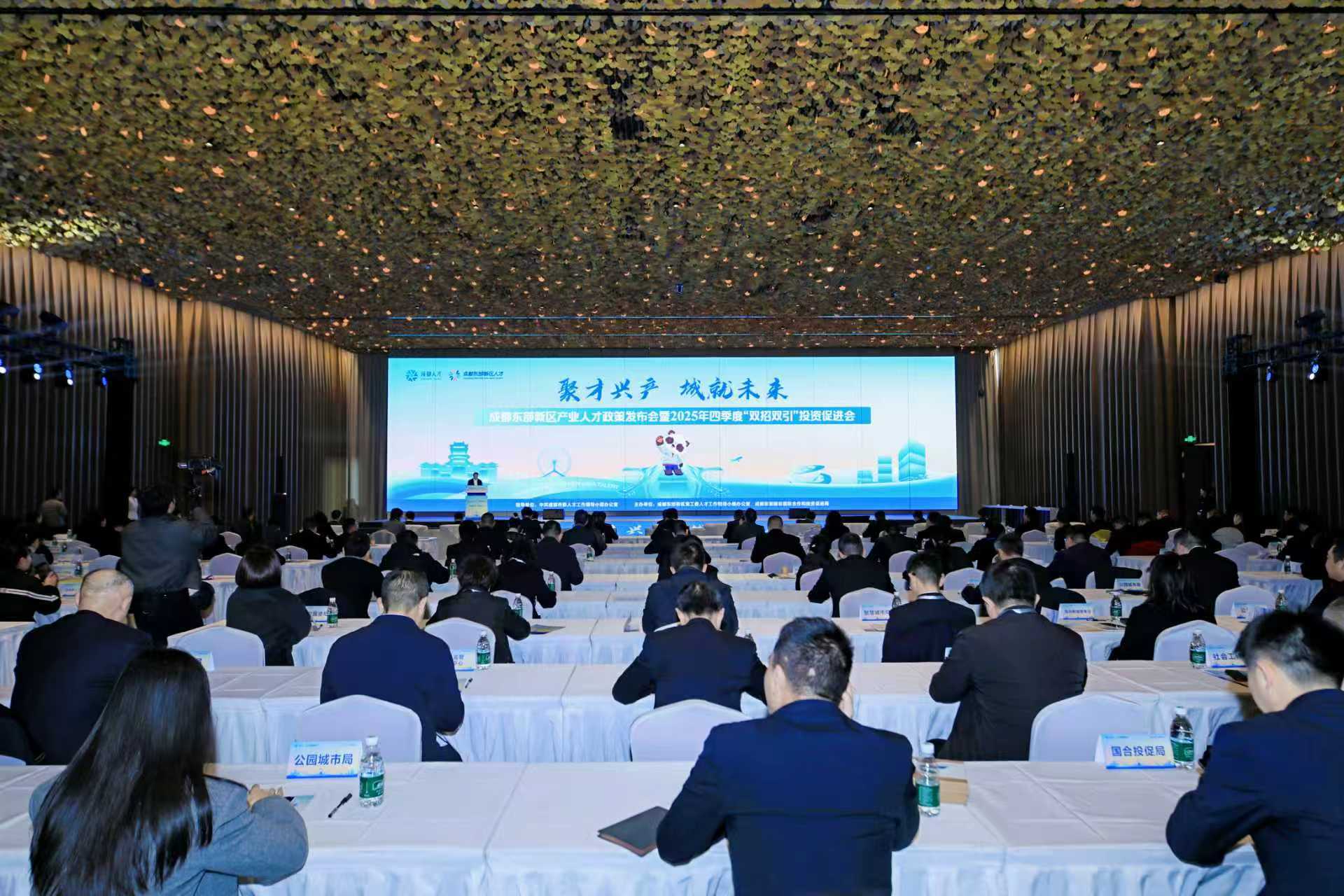
发布“产业人才政策八条”,成都东部新区加快构建产才融合新生态
Mei Ri Jing Ji Xin Wen· 2025-12-26 06:11
Core Viewpoint - The Chengdu Eastern New Area has launched the "Eight Measures for Industrial Talent Policy" to enhance the integration of talent and industry, aiming to create a nationally influential innovation talent hub [5][4]. Group 1: Policy Announcement - The "Eight Measures for Industrial Talent Policy" includes a comprehensive policy framework that covers talent introduction, cultivation, project support, and living guarantees [5][4]. - The policy shifts from a universal support model to a precision empowerment model, focusing on industry needs [5][4]. - A key breakthrough is the restructuring of the talent evaluation system, emphasizing actual performance and contributions over traditional metrics like education and titles [5][4]. Group 2: Talent Evaluation and Support - The policy introduces a multi-channel approach for talent evaluation, allowing parks and enterprises to participate in the recognition process [6]. - The support measures have been adjusted from fixed subsidies to more flexible options like housing funds and consumption vouchers [6]. - The policy is tailored to key industries such as sustainable aviation fuel, life health, and low-altitude economy, ensuring comprehensive coverage of critical areas [7]. Group 3: Talent Service System - The Chengdu Eastern New Area has established a talent service call center to enhance the efficiency of talent services, transitioning from passive responses to proactive support [8]. - High-level talent representatives have been issued "Talent Green Cards," which provide access to various services and rewards, enhancing their sense of belonging [10]. - A series of talent-intensive projects have been signed, covering key sectors like low-altitude economy and intelligent manufacturing, showcasing the results of the "Double Recruitment and Double Introduction" initiative [10]. Group 4: Future Development and Industry Focus - The Chengdu Eastern New Area is focusing on a "345+9" industrial system, targeting sectors such as air economy, high-end equipment manufacturing, and biotechnology [11]. - Experts from leading universities are providing intellectual support for the collaborative development of talent and industry [12]. - The area aims to create a vibrant and opportunity-rich environment, attracting talent to transform from transient visitors to integral contributors to the region's development [13].
创新双抗药物研发企业海徕科完成天使轮融资
Sou Hu Cai Jing· 2025-12-25 10:04
Core Insights - Haileike has successfully completed its angel round financing, raising nearly 60 million yuan, led by Yuan Sheng Venture Capital and supported by several other investors [1][2] - The funds will primarily accelerate the preclinical research and Phase I clinical trials of its innovative antibody-cytokine fusion protein HL007, as well as the PCC screening and establishment of other pipelines [1][2] Group 1: Company Overview - Haileike, founded in 2022, focuses on developing next-generation bispecific and multispecific antibody drugs to address unmet clinical needs [2][9] - The company utilizes a mature and robust CADD design platform combined with various bispecific antibody formats to create innovative products [2][4] Group 2: Product Pipeline - The HL007 pipeline is designed to target cold tumors that are unresponsive to immunotherapy, utilizing PD-1 antibodies to enhance immune cell activity against tumor cells [3][6] - Other product pipelines are based on biological principles, offering differentiated solutions to clinical problems, showcasing high innovation potential [3] Group 3: Technology and Innovation - Haileike's CADD platform integrates AI technology for molecular modeling and docking, significantly improving the speed and success rate of antibody design compared to traditional methods [4] - The company has developed nearly 20 innovative products, most of which are advancing through various clinical stages [4] Group 4: Business Model and Strategy - Haileike employs a flexible business model, generating revenue through milestone payments and sales commissions from partnerships with domestic listed pharmaceutical companies [5] - The HL015 pipeline has been transferred to a domestic listed company, which has received clinical approval, indicating successful business development efforts [5] Group 5: Market Potential and Investor Confidence - Investors recognize the high therapeutic potential of bispecific and multispecific antibodies for treating tumors and autoimmune diseases, with major pharmaceutical companies actively investing in this area [8] - The HL007 pipeline has shown promising preclinical results, with better initial therapeutic effects and safety compared to competitors, positioning it as a potential blockbuster product [8]