电子商务

Search documents
【福利】@所有人 来年货节瓜分千万红包 抽手机
中国建设银行· 2026-01-29 09:52
fir 支付达标赢好礼,至高抽1998元徽信立减金 ranger 10 Free | T 14. ant the first to the state of the state of the state of the state of the states of the see and , NET , 1 活动时间: 1月20日—2月28日 0 6 ● 财富会员年货节重磅上线 整合金融与生活双重优质资源 汇聚天猫、京东、美团等多平台权益 参与即可抽万元豪礼,领大牌满减券 购全网年货,兑品牌权益 共富迎新年,马上享好礼c? 四重福利 一次到位 IIIIIIIII iPhone 17 Pro、机票、 会员等级加码好礼 大领红包 IIIT 淘宝闪购/猫超/美团 大牌年货专属折扣 专享好券 展制前往 活动 好运连连抽,万元好礼等您开启 参与活动,即可抽取多重礼遇 N 京东年货券 iPhone 17 Pro 8 ww 2000元 猫超年货券 点简前往 \\1 活动 福利叠叠加, 等级福利加码 白银级及以上财富会员 新春福利再升级 抽最高1888元红包 把好礼带回家 Farmic 腾河宫 年货折折享,精选品牌年货 联合多 ...


年货节金融福利加码!上京东天天可抽十万份车票、百万份年货免单
Jin Rong Jie· 2026-01-29 09:43
几天前,他刚刚在返乡途中,体验了一次车票免单的优惠。他通过 12306 选择京东支付购票后,返乡路上意外发现 高铁车票被京东免单。"像中彩票一样,省下的钱又能给孩子买两个玩具,回家赶上光明村发年货,正好带着老婆孩 子逛逛。" 王先生说。 来自隔壁村的宿迁"锦鲤"王先生,也带着家人来光明村逛大集。 1月29日,江苏宿迁来龙镇光明村年味十足。京东在当地为乡亲们准备了超万件年货,并落地举办新春大集、搭建AI 教室、打造"村晚"等新春活动,村民在现场排起长队领取年货、逛集采购,感受浓浓年味。 据介绍,用户在 12306 购票时,选择京东支付或白条付款,可参与随机立减等优惠活动;在符合活动规则的情况 下,还有机会抽中车票免单等福利,实现购票立减与免单福利叠加,进一步降低民众春运出行成本。 即日起,在 12306 购票时,选择京东支付、白条,每日可享双重惊喜。首先是立减优惠,用京东支付、白条购买车 票,随机享优惠,单笔最高可省 298 元;支付完订单后,来京东搜 "支付免单",选择付款的车票订单,即有机会享 免单,参与"十万份车票免单天天抽"。 王先生在光明村逛年货大集期间,种草了多款心仪年货,计划通过京东参与上述活动。 ...

亚马逊“接入”独立站,打响“流量入口”保卫战
3 6 Ke· 2026-01-29 07:57
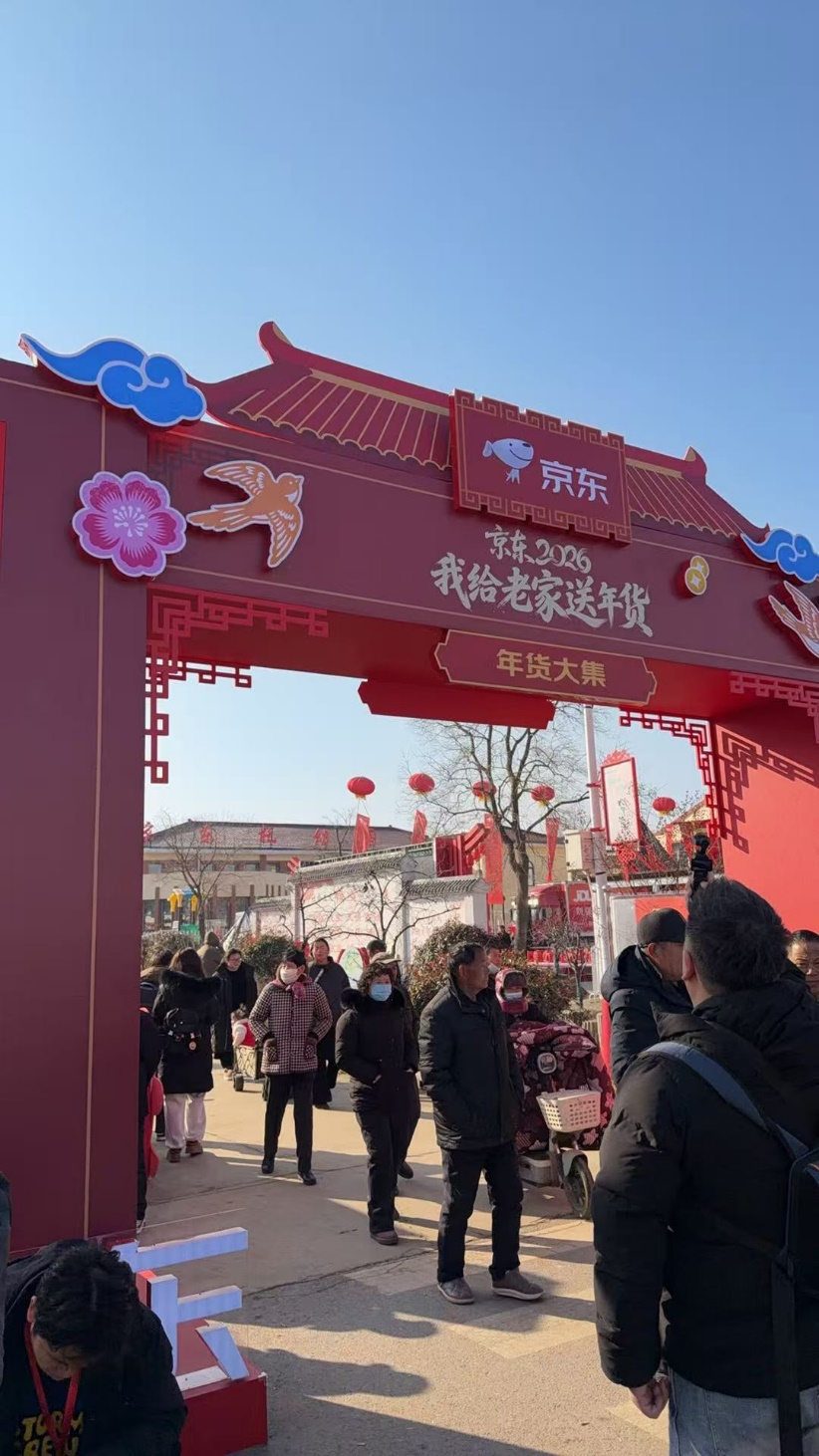
Core Insights - Amazon is testing a new shopping feature called "Shop Direct" aimed at helping consumers purchase products that are not listed on Amazon but are available on independent sites [1][7] - The feature allows users to see links to independent sites when searching for specific products or brands, facilitating a transition to third-party websites for transactions [1][5] - This move is seen as a response to the growing competition from AI-driven e-commerce platforms like ChatGPT and Google Gemini, which are challenging Amazon's dominance as the primary online shopping gateway [7][17] Group 1: Feature Overview - "Shop Direct" is currently in a testing phase and is only available to a limited number of users in the U.S. [1][11] - When users search for a product, they will see a "Shop Direct" button that redirects them to the independent brand's website for purchase [3][5] - This feature is part of a broader strategy to integrate external product offerings into Amazon's ecosystem, enhancing the variety of available SKUs [11][18] Group 2: Competitive Landscape - The introduction of "Shop Direct" is a strategic response to the threat posed by AI models and independent e-commerce platforms that provide a seamless shopping experience without redirecting users [7][17] - Amazon's user base is substantial, with approximately 32 billion users visiting its U.S. site monthly, highlighting its significant market presence [15] - The competition from AI models is reshaping shopping behaviors, prompting Amazon to adapt its platform to retain user engagement [17][21] Group 3: Seller Reactions - Some independent sellers have reported increased sales attributed to the traffic generated by "Shop Direct," indicating a positive impact on their businesses [12][14] - However, there are concerns among sellers about potential future competition from Amazon, as the company may leverage user data to undercut prices [12][14] - Amazon has stated that sellers can opt out of the program if they do not wish to participate, indicating a level of flexibility in its approach [14] Group 4: Future Developments - "Shop Direct" is expected to be integrated into Amazon's upcoming "Buy for me" feature, which allows for in-platform purchasing without leaving Amazon's site [8][11] - The "Buy for me" model is rapidly expanding, with product offerings increasing from 65,000 to over 500,000 by November 2025 [11] - Amazon's ongoing AI initiatives, such as the Rufus shopping assistant, aim to enhance user engagement and streamline the shopping process [19][21]

亚马逊CEO公开承认:美国关税致价格上涨,利润率只有个位数
Sou Hu Cai Jing· 2026-01-29 02:40
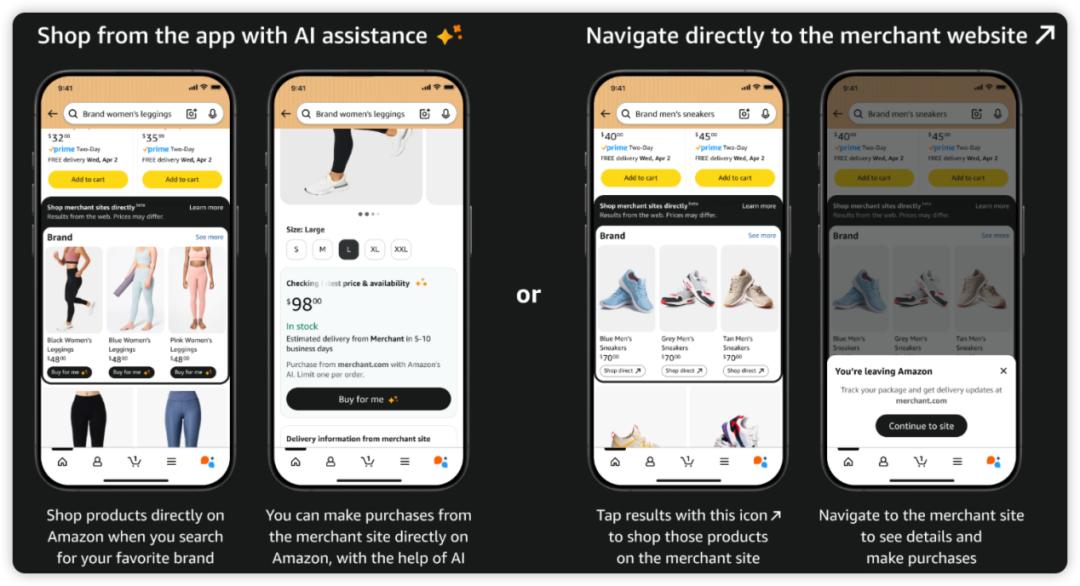
贾西指出,尽管亚马逊去年初已预判关税冲击并提前备货,但库存已在秋季消耗殆尽,新一轮补货使美国关税影响显现在商品成本中。 此外,贾西在论坛期间透露,不同卖家应对美国关税策略各异:有的将成本转嫁消费者,有的自行吸收维持销量,还有的采取折中方式。亚马逊平台正与分 销商协作,试图将价格维持在"消费者可接受的最低水平"。 近日,亚马逊首席执行官安迪·贾西在达沃斯世界经济论坛上首次公开承认,美国加征关税已对平台商品价格产生实质性影响。这一表态标志着亚马逊平台 正式迎来价格调整期,美国关税成本正逐步传导至消费者端。 然而,零售业务利润率本就有限,行业营业利润率通常处于中等个位数区间。若商品成本整体上涨10%,内部消化空间非常有限。 值得注意的是,这颠覆了亚马逊此前释放的信号。过去一年,亚马逊多次强调美国关税影响有限,并通过扩大品类、提升履约效率对冲风险。但现实是,美 国关税已成为不可忽视的因素。 甚至2025年4月,亚马逊曾考虑在售价中单独标注"关税费用",因白宫批评而搁置。这种政策不确定性,要求卖家更具应变能力。 在消费者端,贾西观察到美国市场仍具韧性,消费者持续购物但更青睐高性价比商品,对高价非必需品趋于谨慎。这种消费 ...
离谱!当当无锡公司 27 人月均加班 149 小时。网友:罚得太轻根本没震慑力
程序员的那些事· 2026-01-28 23:53
经查,2024 年 3 月至 2025 年 2 月期间, 该公司 27 名实行综合计算工时工作制的员工,人均月延长工作时 间达 149.39 小时 , 这一数字是《劳动法》规定每月 36 小时加班上限的 4 倍还多 ,相当于这些员工单日实 际工作时长近 15 小时,几乎是连轴转的工作状态。 人社局早在 2025 年 12 月就向该公司下达处罚告知书并责令整改,公司虽提交了书面的陈述和申辩,但经人 社局复核后,其理由未被采纳,最终在 2026 年 1 月 16 日作出正式处罚决定。值得注意的是,该涉事公司由 北京当当网信息技术有限公司持股 99%,是当当网体系内的重要关联企业。 1 月 26 日,当当网旗下无锡当当网信息技术有限公司因违规安排员工超长加班,被无锡市新吴区人社局处以 警告并罚款 12150 元的处罚结果公开,瞬间引发网友热议。 (参考:人民网、界面新闻,本文经由 AI 优化) 用一份工资让员工干两个人的活,这样的用工方式既违法又寒心 ,这起处罚也再次给各类企业敲响警钟,综 合计算工时制并非超时加班的"挡箭牌",劳动者的休息权不容侵犯。 ...

多家机构预测,非洲2026年经济增速将在4%以上,高于全球平均水平——非洲经济在转型中积蓄增长动能(国际视点)
Ren Min Ri Bao· 2026-01-28 22:11
Core Insights - The article highlights the transformative impact of digital financial services like M-Pesa on rural farmers in Kenya, showcasing the broader trend of digital financial inclusion across Africa, which has over 51 million users [1] - The International Monetary Fund (IMF) projects that Africa's economy will show resilience and steady growth, with a forecasted growth rate of over 4% in 2026, surpassing the global average [1][2] Economic Growth Projections - Africa is expected to remain a hub for high-growth economies, with at least half of the world's fastest-growing economies located on the continent [2] - The African Development Bank forecasts a 4.2% economic growth rate for 2025, increasing to approximately 4.3% in 2026, with 13 African countries projected to exceed 6% growth [2] Debt and Inflation Trends - The median public debt-to-GDP ratio for African countries is projected to decrease from 66.3% in 2023 to 65.5% in 2024, remaining below 65% through 2026 [2] - The average inflation rate in the region is expected to decline from 13.7% in 2025 to 10.3% in 2026, creating a more favorable fiscal environment [2] Regional Economic Performance - East Africa is projected to maintain a growth rate of about 6.2% in 2026, driven by investments in agriculture and energy infrastructure [3] - West Africa is undergoing significant economic transformation, with countries like Senegal, Guinea, Côte d'Ivoire, and Ghana expected to achieve over 6% growth in 2026 [3] - Southern Africa faces slower growth due to challenges like power shortages and high domestic interest rates, but a moderate recovery is anticipated in the latter half of 2026 [3] Digital and E-commerce Growth - The rapid proliferation of digital technology and e-commerce is significantly contributing to Africa's economic growth, with active mobile payment accounts exceeding 800 million in sub-Saharan Africa [4] - The e-commerce market in Africa is experiencing rapid growth, with user numbers increasing at an annual rate of approximately 18% since 2014, projected to reach about 518 million users by 2025 [4] Renewable Energy Initiatives - African nations are accelerating the development of green energy projects to address energy bottlenecks, with South Africa aiming to attract over 130 billion rand in private investment for renewable energy by 2030 [5] - Ethiopia is exploring various renewable energy sources, while Morocco aims to capture 4% of the global green hydrogen market by 2030 [5] Trade and Investment Dynamics - China remains Africa's largest trading partner, with bilateral trade exceeding $300 billion for the first time in 2025, reflecting a diverse trade structure [6] - The African Continental Free Trade Area is progressing, with 48 countries having ratified the agreement, expected to boost intra-African trade significantly by 2045 [5][6] Infrastructure and Cooperation - Significant progress has been made in infrastructure projects, such as the completion of the Guinea-Bissau bridge and the activation of the Tanzania-Zambia Railway project [7] - Chinese enterprises are increasingly involved in infrastructure and renewable energy projects across Africa, contributing to the continent's industrialization and economic integration [7]
亚马逊再挥裁刀!1.6万个岗位将被砍,美企1月扎堆“瘦身”
Sou Hu Cai Jing· 2026-01-28 16:33
Group 1 - Amazon plans to cut approximately 16,000 jobs, marking its second round of large-scale layoffs since October of last year [3][4] - The layoffs will affect various departments, including cloud computing and logistics, as the company aims to "reduce layers, enhance employee accountability, and eliminate bureaucracy" [1][4] - As of the end of Q3 2025, Amazon employed around 1.58 million people globally, primarily in warehouse and logistics roles, following significant workforce expansion during the pandemic [4] Group 2 - CEO Andy Jassy has indicated that efficiency improvements from artificial intelligence may lead to a reduction in employee numbers in the coming years [4][5] - Amazon's Senior Vice President of Employee Experience and Technology, Beth Galetti, did not rule out the possibility of further layoffs but emphasized that the company does not intend to make large-scale layoffs a regular occurrence [5] - Amazon has been actively cutting costs across various business segments to focus resources on artificial intelligence and rapid data center construction [6] Group 3 - The trend of layoffs is not isolated to Amazon, as several U.S. companies, including UPS and Nike, have also announced significant job cuts in January, driven by cost reduction and efficiency improvements [7][8] - The rise of artificial intelligence is accelerating the current wave of layoffs, with a report from Goldman Sachs indicating that jobs involving repetitive tasks are at the highest risk of being affected [8]
亚马逊裁员1.6万个企业岗位
Xin Lang Cai Jing· 2026-01-28 15:57
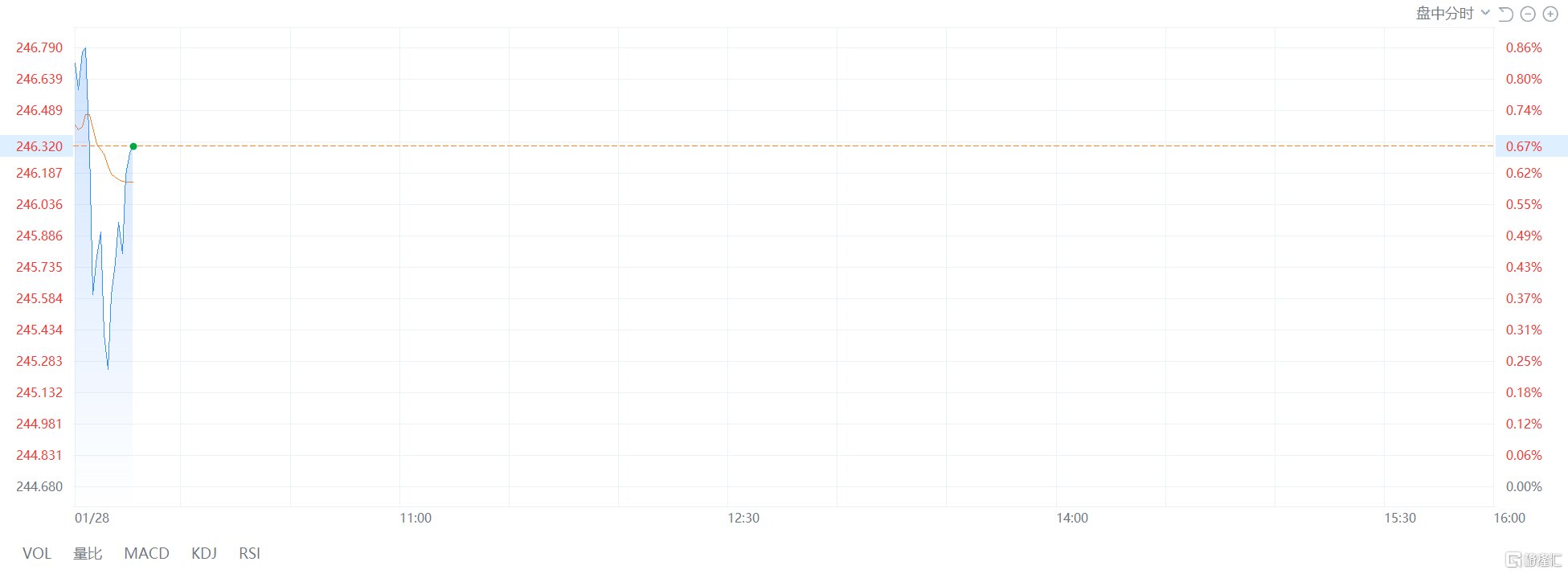
亚马逊(AMZN)周三早盘下跌0.5%,此前该公司宣布三个月内第二轮裁员,削减约1.6万个岗位以优 化层级结构并投资人工智能;多数美国员工获得90天内部转岗期,之后方可领取离职补偿。 亚马逊(AMZN)周三早盘下跌0.5%,此前该公司宣布三个月内第二轮裁员,削减约1.6万个岗位以优 化层级结构并投资人工智能;多数美国员工获得90天内部转岗期,之后方可领取离职补偿。 责任编辑:张俊 SF065 责任编辑:张俊 SF065 ...
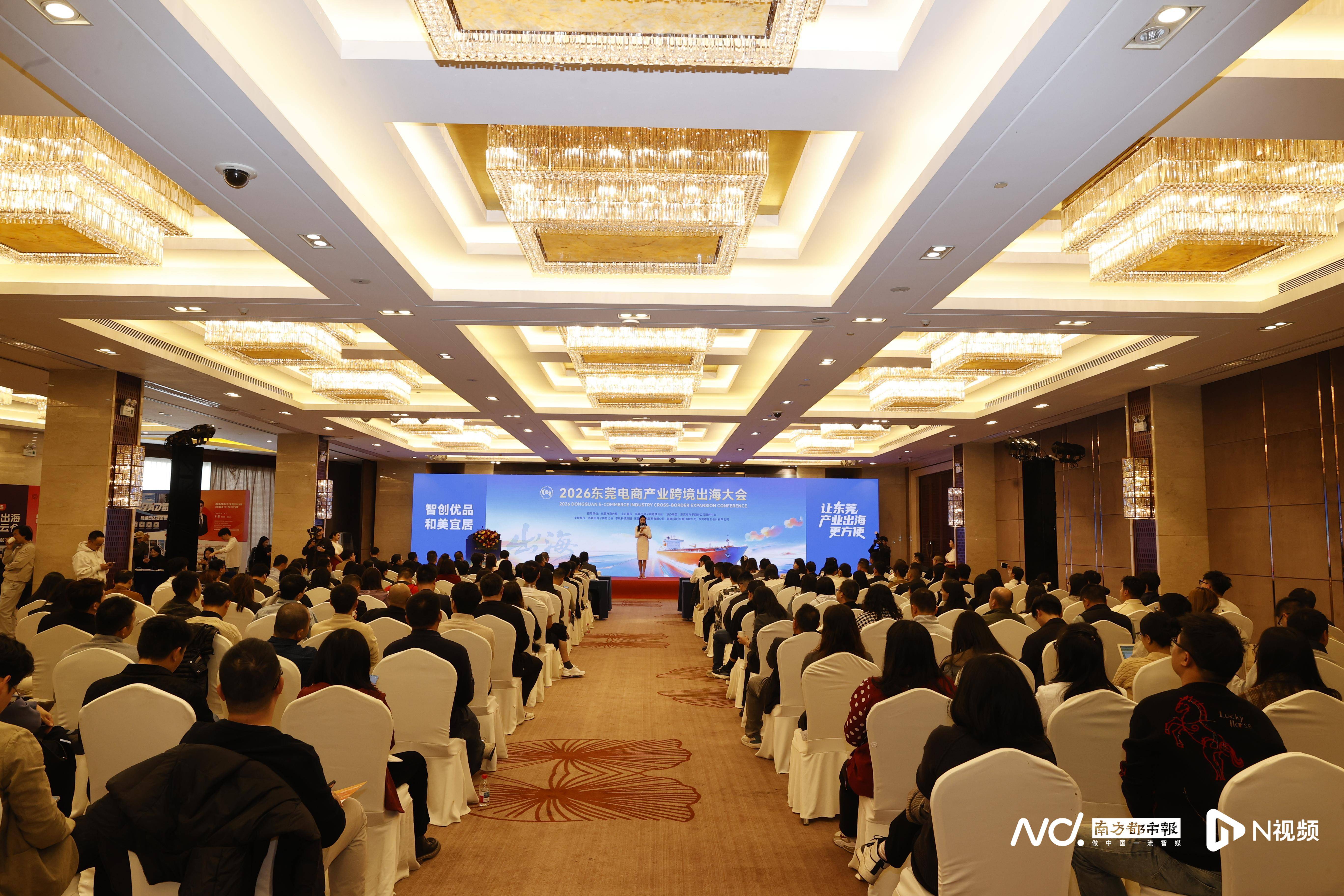
东莞举行2026电商产业跨境出海大会,助企业开拓海外市场
Sou Hu Cai Jing· 2026-01-28 14:17
Core Viewpoint - Dongguan is enhancing its cross-border e-commerce capabilities through the 2026 Cross-Border E-commerce Conference, aiming to provide a one-stop service ecosystem for businesses to access quality resources and overcome challenges in international markets [5]. Group 1: Conference Overview - The 2026 Dongguan Cross-Border E-commerce Conference is designed to build an efficient platform for policy guidance, resource aggregation, and precise matching, improving the cross-border e-commerce ecosystem [5]. - The conference integrates resources across the entire cross-border e-commerce chain, optimizing a one-stop service system to support Dongguan enterprises in their international ventures [5]. - Activities at the conference include policy interpretation, ecosystem co-construction, practical sharing, and experience exchange, with the establishment of a new cross-border service ecological alliance [5]. Group 2: Strategic Goals and Measures - Dongguan's development strategy for the "14th Five-Year Plan" includes the goals of "Intelligent Creation of Quality Products" and "Beautiful and Livable City," with nine targeted measures to stimulate economic growth [5]. - The Dongguan Municipal Bureau of Commerce aims to leverage "Bay Area Opportunities" by expanding the global marketing network for Dongguan products, enhancing air logistics hub construction, and strengthening supply chain resilience [6]. - The establishment of the "Dongguan Enterprises Going Abroad Service Center" is a key initiative, focusing on emerging markets such as ASEAN, the Middle East, Central Asia, Latin America, Africa, and Russia [6].
亚马逊官宣再裁近1.6万人,3个月内已进行两轮裁员
Guo Ji Jin Rong Bao· 2026-01-28 13:32
全球电商与科技巨头亚马逊再次官宣调整组织架构,预计裁减约1.6万个职位。 1月28日,亚马逊人力资源与技术高级副总裁贝丝·加莱蒂(Beth Galetti)发文宣布,公司将进行人员缩减,预计影响约16000个职位。 需要注意的是,加莱蒂强调,公司并非进入一种"新常态",即每隔几个月就宣布大规模裁员。上述举措是基于每个团队都会持续评估自身的责任划分、执行 速度以及为客户创新的能力,并在必要时做出调整。她表示,在进行上述调整的同时,亚马逊也会继续在对未来至关重要的战略领域和职能上进行招聘和投 资,"我们所有业务仍处于发展的早期阶段,未来仍然充满重要机遇"。 具体来看,亚马逊将为大多数美国员工提供90天时间在公司内部寻找新的岗位,同时对于无法在公司内部找到新职位或选择不寻找新职位的员工,亚马逊将 提供过渡支持,包括遣散费、再就业服务、医疗保险福利等。 "我们一直在努力通过减少管理层级、增强责任归属和消除官僚流程来强化公司组织架构。虽然许多团队已在10月完成了组织调整,但也有一些团队直到现 在才完成这项工作。"加莱蒂在亚马逊官方博客中写道。 随后去年10月,亚马逊宣布,在全球范围内实施新一轮组织优化,净裁减(不包括内 ...