电池

Search documents
告别锂电依赖!又一头部电池企业下线钠电电芯
鑫椤锂电· 2026-03-05 11:57
Group 1 - The core viewpoint of the article emphasizes the significant advancements in the sodium-ion battery technology, particularly with the launch of Envision's first sodium-ion energy storage cell, marking a new phase in large-scale application [3] - Sodium-ion technology is highlighted as a crucial complement to lithium battery systems, offering advantages such as wide temperature range, high rate capability, and safety, which cater to diverse application scenarios [3] - Envision has established a comprehensive innovation matrix covering various battery chemistries, including ternary, lithium iron phosphate, sodium-ion, and MTP, leveraging nearly 20 years of experience in battery R&D and manufacturing [3] Group 2 - The article mentions that by 2025, Envision aims to achieve mass production of industry-first large lithium iron phosphate cells with capacities exceeding 500Ah and 700Ah, continuously defining the next generation of energy storage products [3] - Envision has delivered over 100GWh of energy storage cells globally, assisting leading clients in creating benchmark projects and contributing to the global zero-carbon transition [3]

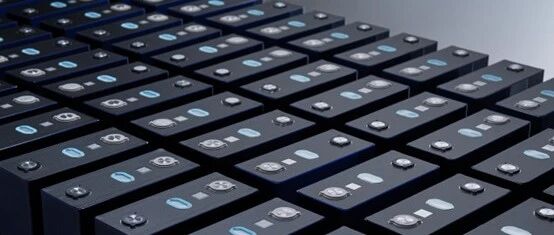
重磅!远景动力首款钠电产品下线
起点锂电· 2026-03-05 11:48
Group 1 - The core viewpoint of the article is that Envision AESC has officially launched its first sodium-ion energy storage cell, marking a new phase in the large-scale application of sodium battery technology [3] - Sodium battery technology serves as an important complementary system to lithium batteries, offering advantages such as wide temperature range, high rate capability, and high safety, which can effectively meet diverse application needs, especially in low-temperature and distributed energy storage scenarios [3] - The newly launched sodium-ion energy storage cell has core performance indicators that rank among the top in the industry, achieving stable operation in ultra-wide temperature ranges and addressing challenges related to low-temperature activity decay and high-temperature safety [3] Group 2 - Envision AESC has built an innovative matrix covering various new chemical systems, including ternary, lithium iron phosphate, sodium-ion, and MTP, based on nearly 20 years of battery research and manufacturing experience [3] - By 2025, the company aims to achieve mass production of the industry's first 500+Ah and 700+Ah lithium iron phosphate large cells, continuously defining the next generation of energy storage products [3] - To date, the company has cumulatively delivered over 100 GWh of energy storage cells globally, assisting leading customers in creating benchmark projects and contributing to the global transition to zero carbon [3]
两会建言丨赣锋锂业李良彬:加快飞行器动力电池研发及商业化
起点锂电· 2026-03-05 07:25
Group 1 - The global aircraft power battery industry is entering a critical window for technological breakthroughs and rapid commercialization, with China's low-altitude economy expected to reach a market size of 3.5 trillion yuan by 2035 [2] - Compared to automotive batteries, aircraft power batteries face stringent requirements for high energy density, high power output, and safety, with current eVTOL battery energy densities exceeding 300Wh/kg but needing to evolve to 400-500Wh/kg for economic urban air mobility [2][3] - There is a lack of established industry standards and testing methods for aircraft batteries, which may lead to fragmented R&D directions and increased commercialization costs [2][3] Group 2 - National People's Congress representative and Ganfeng Lithium Chairman Li Liangbin suggests enhancing top-level design and planning coordination to accelerate aircraft power battery R&D and commercialization [3] - Strengthening industry-academia-research collaboration is essential for advancing high-performance battery development, particularly for extreme aviation conditions [3][4] - Ensuring supply chain security and recycling of key materials like lithium, nickel, and cobalt is crucial, with recommendations for companies to utilize futures markets to stabilize raw material prices [4] Group 3 - Penghui Energy plans to ship nearly 400 million cylindrical batteries in 2025, with full production and sales of the all-tab small cylindrical 21700 [5] - Boliview aims to turn profitable in 2025, achieving full production and sales of the 34145 large cylindrical battery [5] - Bluejing New Energy plans to reach a production capacity of 5GWh in 2026, with all-tab and stacked large cylindrical batteries already in mass production [5]


SES AI (SES) - 2025 Q4 - Earnings Call Transcript
2026-03-04 23:02
Financial Data and Key Metrics Changes - Full year revenue for 2025 was $21 million, a significant increase from just over $2 million in 2024, marking nearly a tenfold growth year-over-year [5][19] - Q4 2025 revenue was $4.6 million, representing a 124% increase year-over-year [18] - GAAP net loss for Q4 2025 was $17 million, or $0.05 loss per share, an improvement from a net loss of $34.5 million in Q4 2024 [23][24] - Full year 2025 GAAP net loss was $73 million, or $0.22 loss per share, compared to a net loss of $100.2 million in 2024 [24][25] - Adjusted EBITDA for Q4 2025 was a loss of $13.8 million, a 40% improvement from a loss of $23.2 million in Q4 2024 [22] - Full year 2025 Adjusted EBITDA was a loss of $62.6 million, a 23% improvement year-over-year [23] Business Line Data and Key Metrics Changes - The company operates three revenue-generating business units: Energy Storage Systems (ESS), drones, and materials [7][16] - ESS is the largest market for batteries, expected to be the primary revenue driver, contributing approximately 65% of the 2026 revenue guidance [8][45] - The drone business is anticipated to have growth margins north of 20% as volumes increase [28] - The materials business, through a joint venture with Hyzon, is expected to carry a margin profile in the 10%-20% range [28] Market Data and Key Metrics Changes - The ESS market is described as fragmented, with the company aiming to provide a stable operating system for commercial and industrial applications [75] - The drone market is under pressure to comply with NDA requirements, with the company focusing on larger customers for significant orders [62] - The company is entering the North American market for ESS, expanding its global reach [8] Company Strategy and Development Direction - The company aims to leverage its new business unit leadership to execute on ESS and drone cell opportunities [16] - There is a focus on converting production lines for NDAA-compliant drone cells and expanding manufacturing capacity in Southeast Asia [11][16] - The company is committed to a CapEx-light business model to maintain financial discipline while investing in growth initiatives [29] Management's Comments on Operating Environment and Future Outlook - Management noted that the EV market is slowing down, impacting the next steps for OEM relationships with Honda and Hyundai [33] - The company is optimistic about the growth potential in ESS and drones, particularly with the integration of AI for battery health monitoring [52][54] - For 2026, the company expects revenue to be in the range of $30 million-$35 million, representing approximately 43%-67% growth over 2025 [27] Other Important Information - The company exited 2025 with a strong liquidity position of $200 million, providing a solid runway for growth initiatives [26][31] - The Molecular Universe platform is expected to drive significant long-term value and competitive advantage across the business units [15][80] Q&A Session Summary Question: What’s next for the Honda and Hyundai program? - The next step was to move from B-sample to C-sample, but the market for mass production of next-gen technology is currently on hold due to a slowdown in the EV market [33] Question: Can you quantify the one-time service amount for fiscal 25? - Service revenue for 2025 was $13.6 million, primarily from the Honda and Hyundai service agreement [35] Question: How do you expect revenue to break down by segment for 2026? - Approximately 65% of the $30 million-$35 million guidance will come from ESS, with drones and materials contributing more in the second half of the year [45][46] Question: What is the growth profile for ESS, drones, and materials over the next few years? - ESS and drones are expected to grow rapidly, with significant revenue potential, while the Molecular Universe is also making progress in attracting large battery companies [52][54] Question: How is the company managing operating expenses while aiming for growth? - The reduction in operating expenses is due to disciplined spending and efficiencies created by the Molecular Universe platform [57][59]

全国人大代表、赣锋锂业董事长李良彬:加速高能电池研发 夯实低空经济“动力底座”
Shang Hai Zheng Quan Bao· 2026-03-04 19:29
Core Viewpoint - The chairman of Ganfeng Lithium, Li Liangbin, emphasizes the importance of advancing the research and commercialization of power batteries for low-altitude economy, highlighting the potential market size of 3.5 trillion yuan by 2035 [2][3] Group 1: Market Potential and Technological Requirements - The low-altitude economy in China is projected to reach a market size of 3.5 trillion yuan by 2035, with breakthroughs in power battery technology being crucial for this growth [2] - Electric Vertical Takeoff and Landing (eVTOL) aircraft and large drones face stricter requirements for power systems compared to ground vehicles, necessitating higher energy density, discharge rates, and reliability in power batteries [2] Group 2: Current Challenges and Recommendations - Current eVTOL battery cells have energy densities exceeding 300 Wh/kg, which meet initial demonstration needs but require further advancements for economic urban air mobility [3] - Existing battery standards do not fully address the harsh conditions faced by aircraft, such as thunderstorms, high-altitude low temperatures, and high wind speeds [3] - Li Liangbin proposes five specific recommendations to accelerate the development and commercialization of high-energy, high-power aircraft power batteries, focusing on top-level design, technological research, standard establishment, industry support, and supply chain assurance [3] Group 3: Policy Support and Talent Development - To build an industrial ecosystem, policy support should be provided in financial and talent development aspects, including fiscal subsidies for companies engaged in low-altitude aircraft battery research and production [4] - Higher education institutions should establish interdisciplinary programs in "Aviation + New Energy + Materials" and vocational schools should offer relevant courses to cultivate a skilled workforce for the industry [4] - The need for critical mineral resources such as nickel, cobalt, lithium, and germanium for aircraft power batteries necessitates robust supply chain management and recycling of key elements [4]

利维能 重点支持2026(第二届)起点锂电圆柱电池技术论坛暨圆柱电池20强排行榜发布会举办!
起点锂电· 2026-03-04 09:59
圆柱电池需求倍增风口之下, 2026(第二届)起点锂电圆柱电池技术论坛暨圆柱电池20强排行榜发布会 将于 4月10日 在 深圳宝安维纳斯皇 家酒店 重磅启幕!本次盛会由起点锂电、起点研究院(SPIR)联合主办,以 "全极耳技术跃升 大圆柱市场领航" 为主题,汇聚600+行业精 英,聚焦圆柱电池前沿技术、工艺材料、市场应用与产业生态,打造一场专属圆柱电池赛道的顶级技术交流与资源对接盛宴。 经组委会确认, 安徽利维能动力电池有限公司 将作为 钻石赞助商 重点支持 2026(第二届)起点锂电圆柱电池技术论坛暨圆柱电池20强排 行榜发布会 举办 ! 欢迎行业人士前往参会交流,共探圆柱电池发展新机遇! 企业简介 安徽利维能动力电池有限公司 成立于2018年7月,位于滁州市南谯区经开区,注册资本13亿人民币,由红杉资本、杉杉股份和南谯城投共同出资成 立。 公司专注于动力和储能电池产品及其系统的研发制造,产品包括圆柱电芯、软包电芯、电池模组以及pack的研发,广泛应用在便携式储能、户用储 能、通信和基站储能、城市出行、工业搬运和铅酸替代等场景,旨在为全球客户提供高效、可靠、安全、环保的能源解决方案。 主要产品 圆柱2670 ...

亿纬锂能再签电池大合作!
起点锂电· 2026-03-04 09:59
Core Viewpoint - The article highlights the strategic developments and partnerships of EVE Energy in the lithium battery sector, particularly focusing on its collaboration with XCMG and its expansion in both the commercial vehicle and energy storage markets, indicating a strong growth trajectory for the company in 2026 [3][4][5]. Group 1: Strategic Partnerships - EVE Energy has signed a deep strategic cooperation agreement with XCMG to jointly develop battery systems for various engineering equipment, marking a shift from merely supplying battery cells to collaborative product development [3][4]. - The partnership aims to enhance cooperation on existing projects like the 448kWh heavy truck and the new 432kWh loader project, providing customized battery solutions for XCMG's multiple vehicle types [4]. Group 2: Market Position and Growth - In 2025, EVE Energy's domestic installed capacity for new energy commercial vehicles is projected to reach approximately 20GWh, capturing a market share of 12%, positioning it as the second-largest player in the industry after CATL [4]. - The new energy commercial vehicle market is experiencing explosive growth, with penetration rates increasing from 3% in 2019 to an expected 29% in 2025, indicating significant opportunities for EVE Energy [4][5]. Group 3: Energy Storage Market Expansion - EVE Energy has secured substantial cooperation orders in the energy storage market, including a two-year plan with CITIC Bo for 12GWh of storage batteries and systems, focusing on "photovoltaic-storage integration" solutions [7]. - The company has also established long-term strategic partnerships with State Grid Electric Power Technology and Shanghai Shanyi Luoxi Energy, targeting a total of 30GWh in storage battery collaborations [8]. Group 4: Global Expansion - EVE Energy is accelerating its global footprint, with a framework agreement signed in Indonesia to develop an integrated supply chain for nickel resources, battery manufacturing, and recycling [9]. - The second phase of its Malaysian facility is set to enhance production capacity for energy storage batteries, with a total investment of up to 8.654 billion yuan, aiming for an annual capacity of 48GWh [10]. Group 5: Technological Advancements - EVE Energy has made significant progress in solid-state battery technology, with new models achieving top-tier energy density and entering practical applications in low-altitude economic sectors [10].


募资8亿元!豪鹏科技拟扩产储能电池
鑫椤锂电· 2026-03-04 06:29
Core Viewpoint - The article provides a comprehensive overview of various markets related to lithium batteries and energy storage, highlighting the expected developments and trends by 2025, as well as specific company actions regarding capital raising for battery projects [1][2]. Market Summaries - The lithium carbonate market is expected to see significant developments by 2025, reflecting the growing demand for electric vehicles and energy storage solutions [1]. - The electrolyte market is projected to expand, driven by advancements in battery technology and increased production capacities [1]. - The copper foil market is anticipated to grow, influenced by the rising production of lithium-ion batteries [1]. - The lithium cobalt oxide market is expected to evolve, with potential shifts in demand patterns as new battery technologies emerge [1]. - The ternary materials market is likely to experience growth, supported by the increasing adoption of high-performance batteries [1]. - The lithium iron phosphate market is projected to remain strong, particularly in applications requiring safety and longevity [1]. - The manganese lithium phosphate market is expected to develop, driven by its applications in various battery types [1]. - The market for ternary precursors is anticipated to grow, reflecting the demand for advanced battery materials [1]. - The lithium hexafluorophosphate market is expected to expand, driven by its critical role in electrolyte formulations [1]. - The phosphate market is projected to see developments, influenced by the overall growth in battery production [1]. - The VC additive market is expected to grow, as it plays a crucial role in enhancing battery performance [1]. - The sodium-ion battery market is anticipated to gain traction, offering an alternative to traditional lithium-ion technologies [1]. - The new lithium salt LIFSI market is expected to develop, reflecting innovations in battery chemistry [1]. - The separator market is projected to grow, driven by the increasing demand for safe and efficient battery designs [1]. - The lithium battery market is expected to expand significantly, driven by the overall growth in electric vehicles and renewable energy storage [1]. - The aluminum foil market is anticipated to grow, as it is a key component in battery manufacturing [1]. - The energy storage battery market is projected to see substantial growth, driven by the need for renewable energy integration [1]. - The energy storage system market is expected to expand, reflecting the increasing deployment of energy storage solutions [1]. - The lithium manganese iron phosphate market is anticipated to develop, driven by its applications in various battery technologies [1]. - The anode materials market is expected to grow, influenced by advancements in battery technology and materials science [1]. Company Actions - Shenzhen Haopeng Technology Co., Ltd. is set to issue A-shares to specific investors, with a maximum of 29.98 million shares, representing 30% of the pre-issue total share capital of 99.9431 million shares [2]. - The total fundraising amount is expected to reach up to 800 million yuan, with net proceeds allocated for energy storage battery construction projects and steel shell stacked lithium battery projects [2].

全国人大代表、赣锋锂业李良彬:加快飞行器动力电池研发与商业化
Qi Huo Ri Bao· 2026-03-04 06:14
Core Viewpoint - The low-altitude economy is emerging as a new competitive arena in global technology and industry, with the market in China expected to reach 3.5 trillion yuan by 2035, highlighting the need for advancements in flight vehicle power battery research and commercialization [1] Group 1: Supply Chain and Resource Utilization - The chairman of Ganfeng Lithium, Li Liangbin, emphasizes the importance of utilizing the futures market to ensure supply chain security and resource recycling for the low-altitude economy [1] - Recommendations include leveraging experiences from lithium carbonate futures to stabilize price fluctuations and support the supply of key minerals like nickel, cobalt, and lithium [1] - Establishing a comprehensive lifecycle management system for flight vehicle batteries and developing industry standards to promote efficient resource recycling and green low-carbon development [1] Group 2: Challenges and Recommendations - The integration of low-altitude economy and power batteries faces multiple challenges, including the need for battery energy density to evolve to 400-500 Wh/kg or higher, and the optimization of environmental adaptability and stability [1] - Li Liangbin suggests enhancing top-level planning by the government to create a long-term development plan for power batteries in low-altitude flight applications [2] - Strengthening collaboration between industry, academia, and research institutions to accelerate the transition of technology from laboratory to commercialization [2] - Accelerating the establishment of industry standards and encouraging cooperation between industry associations, leading enterprises, and government departments to facilitate global market access for Chinese products [2] - Proposing financial and talent policy support for companies engaged in high-energy, high-power battery research and production, including funding for R&D capabilities and product development subsidies [2]
宁德时代的隐秘资本帝国
创业邦· 2026-03-04 03:38
Core Viewpoint - CATL maintains a strong focus on its core business while actively expanding its investment portfolio, which is essential for sustaining its leading position in the global battery industry [5][6]. Financial Investment Overview - As of Q3 2025, CATL's financial assets, primarily in bank wealth management products and structured deposits, totaled 76.873 billion yuan, accounting for 8.58% of total assets, up from 170 million yuan in 2016 [8]. - Investment income reached 5.237 billion yuan in the first three quarters of 2025, representing 8.63% of total profit, indicating a growing impact of investment returns on overall profitability [8][11]. Strategic Investment Insights - In 2024, CATL's investments in listed companies totaled 34.620 billion yuan, contributing 76.4% of total investment income, highlighting the effectiveness of its investment strategy [12]. Major Investment Cases - **Investment in Luoyang Molybdenum**: CATL invested 26.747 billion yuan, achieving a paper profit of over 90.5 billion yuan, with a cumulative return rate of approximately 338% as of February 2026 [15][16]. - **Investment in XianDuo Intelligent**: A 2.5 billion yuan investment was made, but significant financial returns were not realized due to low share price during the reduction period; however, strategic collaboration was maintained [18][20]. - **Investment in MDKA**: A 1.5 billion yuan investment yielded a 26.86% increase in share price, emphasizing the strategic importance of securing metal resources in Indonesia [23][24]. - **Investment in Zeekr**: A 1.5 billion yuan investment faced significant paper losses, but it strategically secured high-end automotive clients [25][27]. - **Investment in Liqin Resources**: An investment of 1.114 billion yuan resulted in a 72% return, showcasing a successful blend of financial gain and resource strategy [28][29]. Other Investment Activities - CATL's investments also include companies like Hunan Youneng and Fulin Precision, with most projects yielding stable returns [31]. - The company has begun investing in hydropower stations to secure low-cost green electricity, aiming to build a zero-carbon supply chain [34]. Investment Strategy Summary - CATL's investment strategy focuses on resource positioning and industrial collaboration, covering the entire supply chain from upstream to downstream [37]. - The company aims to ensure supply security and pricing power through strategic investments while also pursuing financial returns to support its core business [38].