
外贸

Search documents
金融“活水”精准赋能民营经济高质量发展 全省民营企业贷款突破2.5万亿元
He Nan Ri Bao· 2025-11-08 23:36
Core Insights - As of September 2025, the loan balance for private enterprises in Henan Province is projected to reach 2.55 trillion yuan, with 3.41 million loan accounts [1] - In the first three quarters, new loans issued to private enterprises amounted to 2 trillion yuan, accounting for 55.2% of new corporate loans [1] - A meeting was held on October 29 to discuss financial support for the private economy, emphasizing the need for banks to increase credit issuance in the last quarter of the year [1] Group 1 - Financial regulatory authorities are focusing on key areas and major strategies, urging banks to identify financing needs in critical sectors such as foreign trade, technology innovation, and manufacturing [2] - Banks are encouraged to innovate product offerings and provide efficient financing support tailored to the different lifecycle stages and operational scenarios of private enterprises [2] - The average interest rate for newly issued loans was 3.13% as of September, a decrease of 0.56 percentage points from the beginning of the year, aimed at ensuring low-cost credit reaches enterprises [2]
出口收款账期拉长了
Jing Ji Guan Cha Bao· 2025-11-08 10:51
Core Viewpoint - Increasing requests from overseas clients to extend payment terms to 90-120 days are causing significant challenges for foreign trade enterprises, leading to concerns over cash flow and potential defaults [1][2][3] Group 1: Payment Term Changes - Approximately 20% of overseas clients are now requesting extended payment terms, a situation that has never been encountered in the past 20 years of foreign trade experience [1][3] - The reasons cited by clients for extending payment terms include macroeconomic fluctuations, decreased consumer spending, and geopolitical risks affecting local economies [2][3][4] Group 2: Impact on Cash Flow - Extended payment terms are creating cash flow pressures for foreign trade companies, forcing them to use personal savings to cover supplier costs [6][8] - Companies are facing the risk of significant profit loss if clients default on payments, with some indicating that a few defaults could consume an entire year's profit [2][6] Group 3: Industry Response - Many foreign trade enterprises are exploring strategies to mitigate risks, such as offering discounts for early payments or requiring higher upfront deposits [6][7] - Some companies are also considering legal measures and contract adjustments to protect against potential defaults [10][11] Group 4: Financing Challenges - Banks are tightening lending criteria in response to the increased risk of payment defaults, making it harder for companies to secure trade financing [9][10] - Companies are attempting to use export credit insurance to hedge against payment risks, but face challenges due to clients' lack of credit ratings [10][11]
焦点访谈|透过广交会,看中国外贸向“新”向“智”向“绿”活力
Yang Shi Wang· 2025-11-04 13:58
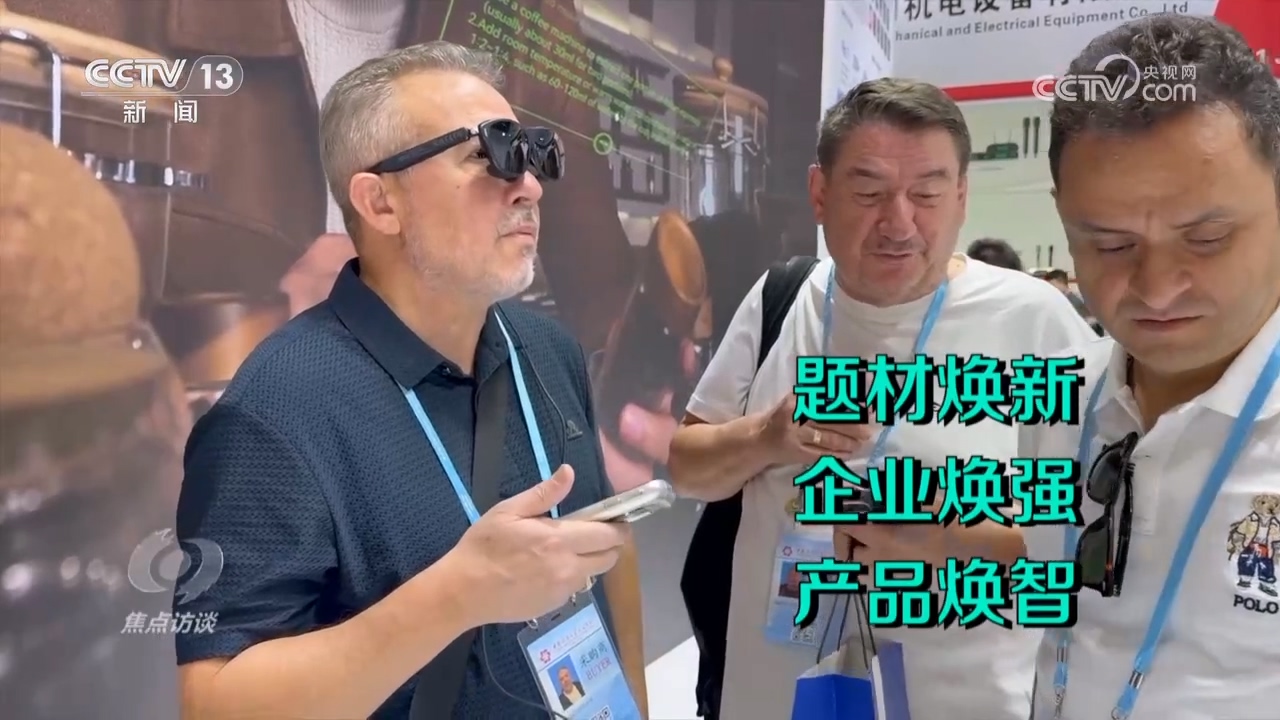
Core Insights - The 138th China Import and Export Fair (Canton Fair) concluded with over 300,000 overseas buyers attending, marking a significant increase in global partnerships and showcasing China's robust foreign trade capabilities [1][11][25] Group 1: Attendance and Participation - The number of overseas buyers at the Canton Fair rose from 129,000 at the 133rd session to 311,000 at the 138th session, indicating a strong recovery and interest in Chinese products [11][21] - The fair attracted participants from 110 countries and regions, with a notable increase in high-quality buyers, from 102 to 406 [11][21] Group 2: Product Innovation and Trends - The fair highlighted a shift towards innovative, intelligent, and environmentally friendly products, reflecting the evolving demands of global markets [17][28] - The number of self-owned intellectual property products exhibited increased from nearly 300,000 to nearly 1.1 million over five years, showcasing a commitment to quality and innovation [21][27] Group 3: Business Dynamics and Market Response - Many overseas buyers expressed satisfaction with the quality and pricing of products, leading to increased orders and long-term partnerships [5][19] - The fair served as a platform for Chinese companies to transition from being mere manufacturers to becoming leaders in design and innovation, enhancing their global market presence [19][27] Group 4: Support and Services - Trade delegations played a crucial role in supporting exhibitors, providing guidance and facilitating connections with potential buyers [23][25] - The focus of trade delegations has shifted towards service-oriented support, helping companies navigate international markets and adapt to changing trade dynamics [25][28]

关税波动与合规双重挑战下,中国外贸企业降风险保增长
Di Yi Cai Jing· 2025-11-04 13:55
Core Insights - Emerging markets and green trade are becoming the main engines for growth in the foreign trade sector [1][4] - Chinese companies are facing increased risks but are employing strategies like market diversification and supply chain restructuring to navigate challenges [1][2] Group 1: Trade Dynamics - The 2025 China International Import Expo will focus on "finding trade drivers" with 18 activities addressing key industry concerns [1] - The demand for risk management is structurally increasing due to heightened risk awareness among companies amid tariff fluctuations and geopolitical conflicts [2][3] Group 2: Supply Chain Challenges - Insufficient supply chain resilience is a significant issue, with geopolitical tensions potentially increasing costs and causing disruptions [3] - Companies are advised to diversify their supply chains and utilize digital risk management tools to enhance resilience [3] Group 3: Export Growth in RCEP - The energy-saving technology sector is experiencing significant export growth within the RCEP framework, particularly to emerging markets like Indonesia, the Philippines, and Vietnam [4][5] - China's lithium-ion battery exports have seen substantial growth, with a 26.75% increase in export value and a 19.14% increase in quantity year-on-year [5] Group 4: RCEP Opportunities - RCEP is viewed as a stabilizing factor, providing opportunities for green energy infrastructure and digital energy-saving technologies [7][8] - The reduction of tariffs and improved customs efficiency under RCEP are benefiting companies, with over 90% of products achieving zero tariffs [8] Group 5: Regulatory Challenges - Companies face challenges due to fragmented regulations and differing standards across RCEP member countries, impacting certification processes [10][11] - Establishing a comprehensive management system for rules, costs, and certifications is recommended to navigate these challenges [10][12] Group 6: Strategic Responses - Companies are focusing on supply chain diversification and technology output to mitigate the impacts of tariff uncertainties [11][12] - The future of battery companies is shifting towards providing solutions rather than just products, emphasizing the importance of compliance with ESG standards [12]

2.84万亿元、4583.8亿元,有“量”有“质”!多维度解码中西部外贸“含金量”
Yang Shi Wang· 2025-11-03 03:31
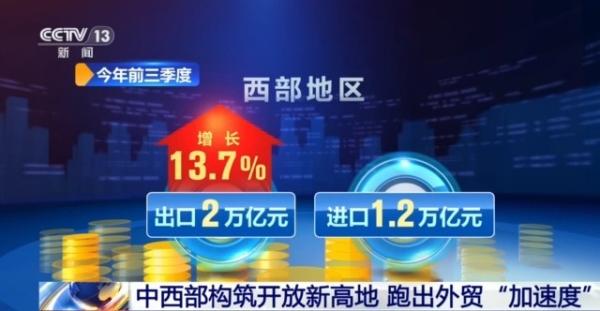
Core Insights - The central viewpoint of the articles highlights the significant growth in foreign trade in China's central and western regions, marking them as vital contributors to stabilizing foreign trade and expanding openness before the end of 2025 [1][3]. Group 1: Central Region Trade Performance - In the first three quarters of 2025, the central region's import and export volume reached 2.84 trillion yuan, a historical high, with a year-on-year growth of 11.4%, surpassing the national growth rate by 7.4 percentage points, achieving positive growth for 16 consecutive months [4]. - The trade volume with countries involved in the Belt and Road Initiative amounted to 1.5 trillion yuan, increasing by 14.5%, which accounted for over 50% of the central region's total foreign trade during the same period [4]. Group 2: Western Region Trade Performance - In the first three quarters of 2025, the western region's exports reached 2 trillion yuan, growing by 13.7%, while imports totaled 1.2 trillion yuan, with a growth rate of 4.9% [6]. - The trade volume with Belt and Road Initiative countries in the western region also reached 2 trillion yuan, making up over 60% of the region's total foreign trade [6]. Group 3: Role of Private Enterprises - Private enterprises in the western region reported an import and export volume of 1.75 trillion yuan, accounting for more than half (54.5%) of the region's total foreign trade [9]. - The western region has been actively promoting the enhancement of its characteristic advantageous industries, with high-tech product exports reaching 458.38 billion yuan, reflecting a growth of 26.4%, thereby injecting strong momentum into integration with global industrial and supply chains [9].
打造亚欧大陆物流大通道 中西部地区跑出外贸“加速度”
Yang Shi Xin Wen· 2025-11-03 02:27
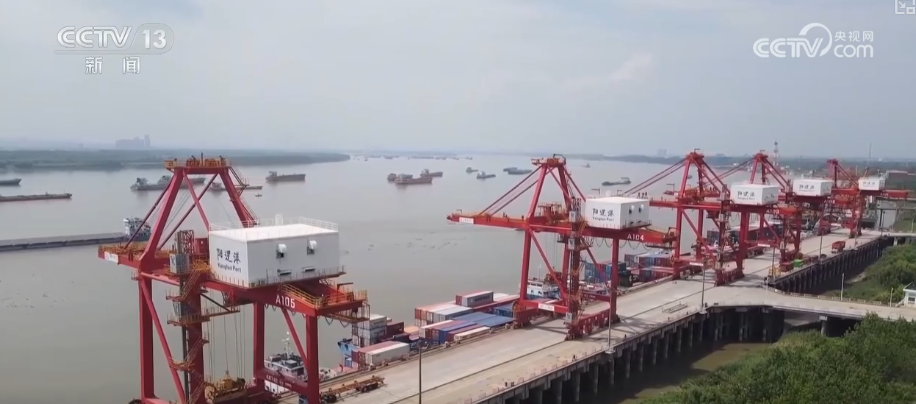
Group 1 - The foreign trade import and export in China's central and western regions reached new highs in the first three quarters of this year, becoming an important force for stabilizing foreign trade and expanding openness [1][3] - In the central region, the import and export volume was 2.84 trillion yuan, a historical high, with a year-on-year growth of 11.4%, exceeding the national growth rate by 7.4 percentage points [1] - The central region's trade with countries involved in the Belt and Road Initiative reached 1.5 trillion yuan, growing by 14.5%, accounting for over 50% of the total foreign trade value in the region [1] Group 2 - The western region's exports amounted to 2 trillion yuan, an increase of 13.7%, while imports were 1.2 trillion yuan, growing by 4.9% [3] - Trade with Belt and Road Initiative countries in the western region reached 2 trillion yuan, making up over 60% of the total foreign trade value [3] - Private enterprises in the western region accounted for 1.75 trillion yuan of the import and export volume, representing more than half of the region's foreign trade, with a share of 54.5% [3] - High-tech product exports from the western region reached 458.38 billion yuan, growing by 26.4%, providing strong momentum for integration into the global industrial and supply chains [3]
股市必读:三木集团(000632)10月31日董秘有最新回复
Sou Hu Cai Jing· 2025-11-02 22:38
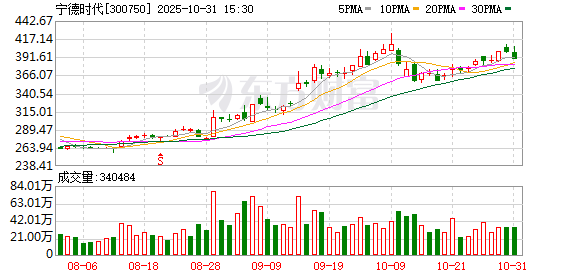
Core Viewpoint - The company is experiencing pressure to transition from traditional industries such as foreign trade and real estate to high-tech sectors in response to national development priorities and market dynamics [1][2]. Group 1: Company Performance - As of October 31, 2025, the company reported a closing price of 4.18 yuan, reflecting a 2.96% increase, with a turnover rate of 9.56% and a trading volume of 445,000 shares, amounting to a total transaction value of 188 million yuan [1]. - On the same day, the company faced a net outflow of 460.06 thousand yuan from main funds, which accounted for 2.45% of the total transaction value [3][4]. Group 2: Investor Sentiment - Investors are urging the company to shift its focus towards high-tech industries, suggesting that the current reliance on traditional sectors may lead to obsolescence in the market [1]. - The company’s secretary acknowledged the investors' suggestions and indicated that the company would consider them carefully [1].

“数字+”提升绿色贸易竞争力
Jing Ji Ri Bao· 2025-11-02 21:58
Group 1 - The integration of cutting-edge technologies such as big data, artificial intelligence, and blockchain into the entire trade process is essential for enhancing green and low-carbon development capabilities in foreign trade enterprises [2][4] - The Chinese government emphasizes the importance of promoting green trade as a strategic measure to enhance international competitiveness and influence in the low-carbon sector during the 14th Five-Year Plan period [3] - By 2024, China's exports of "new three samples" are expected to increase by 2.6 times compared to 2020, indicating a continuous optimization of export product structure towards high-tech, high value-added, and green low-carbon directions [3] Group 2 - The establishment of a national-level green factory system has reached 6,430 factories, accounting for approximately 20% of the total output value of the manufacturing industry, with 1,382 new green factories cultivated in 2024 [3] - Leading companies are advancing towards "zero-carbon factories," exemplified by CATL's comprehensive zero-carbon production system, which is crucial for gaining access to European markets [3] - Digital technologies are providing new solutions for building transparent, collaborative, and efficient green supply chain management systems, including the establishment of a green supply chain database to meet varying international standards [5] Group 3 - Digitalization empowers carbon footprint management by collecting carbon data across energy consumption, production processes, and logistics, leading to the establishment of a product lifecycle carbon footprint accounting system [6] - Zhejiang Province has pioneered the creation of a carbon footprint database for the textile industry chain, providing localized and credible carbon accounting services for foreign trade enterprises [6] - Companies can optimize production processes and improve product designs based on carbon footprint analysis, identifying key areas for emission reduction [6]
财经聚焦|关键指标创新高!广交会透出外贸新气象
Xin Hua She· 2025-10-31 12:51
Core Insights - The 138th Canton Fair, held from October 15 to November 4, has attracted over 32,000 exhibitors and nearly 240,000 overseas buyers, marking a new high in key indicators for China's foreign trade [1][2][5] Group 1: Exhibitor and Buyer Statistics - The fair has seen participation from over 32,000 exhibitors, a historical record, with more than 10,000 high-quality enterprises represented [5][7] - Nearly 240,000 overseas buyers from 223 countries and regions attended the first two phases of the fair, reflecting a 6.8% increase compared to the previous session [2] Group 2: Market Opportunities and Innovations - Exhibitors showcased a diverse range of products, including smart devices and high-end electronics, highlighting the innovative capabilities of Chinese manufacturing [3][9] - The fair introduced a new area of approximately 3,000 square meters for foreign trade enterprises to connect with domestic markets, promoting the integration of domestic and international trade [6] Group 3: Industry Trends and Future Outlook - The fair has become a vital platform for foreign trade enterprises to demonstrate their R&D capabilities and promote new industry products [7] - The presence of over 1 million new products and nearly 110 million products with independent intellectual property rights indicates a significant shift towards innovation and sustainability in Chinese manufacturing [9]

商务部:中国外贸“向绿色”发展步伐在加快
Ren Min Wang· 2025-10-31 06:29
Core Viewpoint - China's foreign trade is accelerating its shift towards green development, characterized by three significant trends [1][2][3] Group 1: Green Products as New Growth Drivers - Green and low-carbon products are becoming a new driving force for foreign trade development, with global market size for electric vehicles, solar, and wind energy expected to reach $2.1 trillion by 2030, five times the current scale [1] - In the first three quarters of this year, exports of wind turbine units and components grew by over 30%, while photovoltaic products have maintained export values exceeding 200 billion yuan for four consecutive years [1] - Electric vehicle exports surpassed 2 million units last year, with strong growth in exports of green transportation tools such as electric locomotives and bicycles [1] Group 2: Comprehensive Upgrade of Supply Chains - The green low-carbon development of China's foreign trade is evident not only in product upgrades but also in deep transformations across the entire supply chain [2] - 47% of new products showcased at the ongoing 138th Canton Fair incorporate green design concepts, reflecting a shift in R&D towards sustainability [2] - Companies are innovating in materials, energy use, and processes to enhance the green attributes of their products, such as using marine waste for swimwear production [2] - The logistics sector is increasingly utilizing clean energy vehicles and vessels, contributing to reduced carbon emissions [2] Group 3: Transition to Integrated Solutions - The international market is increasingly favoring not just high-quality green products from China, but also comprehensive solutions that include technology, services, and management [2] - Chinese companies are exporting green low-carbon building materials to Saudi Arabia, providing complete energy-saving design and construction solutions [2] - In Tanzania, Chinese firms are offering integrated rapid transit solutions, including new energy buses, enhancing local commuting efficiency [2] Group 4: Future Outlook - The company aims to continue aligning with global green low-carbon development trends, further consolidating and enhancing China's capacity to serve global green trade [3]