
银行理财

Search documents
专访浦银理财吴苗:AI重塑资管格局 呼吁建立行业云及数据平台
2 1 Shi Ji Jing Ji Bao Dao· 2025-12-04 03:56
21世纪经济报道记者 余纪昕 上海报道 随着金融行业数字化转型工作的全面铺开,银行理财公司的业务也在深刻变革——从手机银行到智能投 顾,从大数据分析到AI风控,技术正在改变理财公司的各项业务和工作。 近日,浦银理财金融科技部总经理吴苗接受21世纪经济报道专访,详细介绍了该公司在数字化建设上的 战略和具体举措。他透露,浦银理财自成立即提出了"线上化—数智化—生态化"的三步发展路径,现在 线上化阶段已基本完成。 "目前系统已经全面覆盖了包括渠道、产品、投资、投研、风控、运营、内部管理等各业务领域。"吴苗 表示。 对于未来科技在资管领域的突破点,他认为,人工智能很可能对理财乃至整个资管行业产生"颠覆性 的"积极影响,推动业务模式从靠人的经验转向AI与业务的深度结合。未来3-5年将成为金融科技真 正"创造价值"的关键时期。 《21世纪》:浦银理财作为一家万亿规模的资管机构,请介绍一下你们在数字化方面的整体布局和战略 规划? 吴苗:具体来说,我们的数字化建设分为清晰的三个阶段。公司刚成立的时候,我们就明确了数字化发 展路径。当时制定了第一版公司三年行动计划,其中数字化作为专项规划,提出了"线上化—数智化— 生态化"的三 ...
资产管理系列(一):理财子公司战略选择
Minmetals Securities· 2025-12-04 03:18
Group 1: Market Transition and Challenges - The banking wealth management industry is transitioning to asset management with a focus on low-risk products, facing challenges from declining interest rates and missed opportunities in higher-risk asset allocation[1] - As of June 30, 2025, the total scale of bank wealth management products reached CNY 30.7 trillion, with a mere 0.5% annual growth rate since 2017[10] - The proportion of low-risk products (R1 and R2) increased from 81.3% to 95.9% from 2020 to mid-2025, indicating a conservative shift in product offerings[15] Group 2: Strategic Directions for Wealth Management Subsidiaries - Wealth management subsidiaries can focus on three strategic directions: serving as tools for bank asset-liability management, transforming into multi-channel asset management companies, and outsourcing non-fixed income asset investments[2][3] - The first strategy emphasizes providing low-risk products to replace deposits, potentially reducing fees to zero to maintain investment returns[1] - The second strategy involves enhancing investment capabilities across various asset classes and expanding distribution channels, which carries risks due to high investment costs and uncertain progress[2] Group 3: Financial Performance and Fee Structures - The average fee rate for wealth management subsidiaries is around 19 basis points, with a median operating cost of CNY 300 million[49] - The break-even point for a small wealth management subsidiary is estimated at approximately CNY 790 billion in managed assets[50] - The management scale of the top ten wealth management subsidiaries accounts for over 60.7% of the total market, indicating a highly concentrated industry[58]
“现身”摩尔线程网下配售 银行理财子破局打新策略三道坎
Jing Ji Guan Cha Wang· 2025-12-03 13:37
Core Insights - The participation of bank wealth management subsidiaries in IPO subscriptions is gaining momentum, with notable involvement in the recent listing of domestic GPU company Moer Thread [1][2]. Group 1: Participation in IPOs - Two bank wealth management subsidiaries, Ningyin Wealth Management and Xingyin Wealth Management, successfully participated in the offline allocation for Moer Thread's IPO, with Ningyin receiving approximately 34,400 shares valued at about 3.93 million yuan and Xingyin receiving around 17,900 shares valued at about 2.04 million yuan [1]. - A total of 267 investors participated in the offline subscription for Moer Thread, setting a record for the highest number of participants in a new stock listing on the Sci-Tech Innovation Board this year [2]. Group 2: Factors for Successful Participation - The successful allocation for bank wealth management subsidiaries was attributed to three main factors: compliance with stock base value requirements, precise pricing by the research team, and efficient collaboration among compliance, risk control, and trading departments [2][7]. - The current number of bank wealth management subsidiaries actively engaging in IPO strategies is limited, with only three to four having successfully participated in offline allocations [3]. Group 3: Market Expectations and Challenges - Following the China Securities Regulatory Commission's decision to allow bank wealth management products to be prioritized in IPO allocations, there were high expectations for rapid adoption of A-share IPO strategies among these subsidiaries [4][5]. - Challenges faced by many bank wealth management subsidiaries include meeting stock base value requirements, insufficient research capabilities, and the lack of efficient operational mechanisms [5][6]. Group 4: Operational Mechanisms - Effective operational mechanisms are crucial for timely submission of subscription materials and pricing information within three trading days after the issuance of the prospectus [8]. - Only a few bank wealth management subsidiaries have established the necessary trading systems and operational processes, while most are still working to streamline inter-departmental workflows [8]. Group 5: Future Outlook - Many bank wealth management subsidiaries are accelerating the implementation of A-share IPO strategies, recognizing the potential for differentiation in product returns [9]. - There is an expectation that if these subsidiaries can maintain a high "inclusion rate" in offline allocations, their product yields could exceed the industry average by 1-2 percentage points [8][9].
【银行理财】资管协会更名筑牢协同根基,理财打新聚焦硬科技赛道——银行理财周度跟踪(2025.11.24-2025.11.30)
华宝财富魔方· 2025-12-03 10:03
Core Viewpoints - The article discusses the recent changes in the asset management industry in China, particularly the renaming of the "China Banking and Insurance Asset Management Association," which signifies a shift towards a more integrated self-regulatory framework in the asset management sector [5][6][7]. Regulatory and Industry Dynamics - The official renaming of the "China Banking and Insurance Asset Management Association" has been completed, marking a significant step in the association's integration process [5]. - The association's membership has expanded to include various financial institutions, indicating a move towards a cross-industry self-regulatory platform [6]. - The evolution of the association reflects a shift from "institutional regulation" to "functional regulation" in China's asset management industry, particularly following the implementation of the asset management new regulations in 2018 [6][7]. Innovations in the Industry - On November 24, the domestic GPU company, Moer Thread, launched its IPO on the Sci-Tech Innovation Board with an issue price of 114.28 yuan per share, raising 8 billion yuan, marking the largest IPO on the board in 2025 [8]. - Ningyin Wealth Management and Xingyin Wealth Management participated in the IPO, with Ningyin's six products receiving approximately 3.93 million yuan in allocations, the highest among wealth management companies [8]. - Zhongyou Wealth Management has introduced a multi-asset and multi-strategy product series aimed at addressing investment challenges in the current low-interest-rate environment [10]. Performance of Financial Products - Cash management products recorded a 7-day annualized yield of 1.28%, a 1 basis point increase week-on-week, while money market funds saw a decline to 1.16% [11]. - The bond market experienced fluctuations, with yields generally rising due to mixed market factors, including expectations of interest rate cuts and ongoing economic pressures [12]. - The current environment for the bond market remains generally favorable, but significant constraints exist, including low sensitivity to fundamental factors and ongoing uncertainties related to public fund sales regulations [12][5]. Tracking of Net Asset Value - The net asset value of bank wealth management products rose to 2.32%, an increase of 1.12 percentage points week-on-week, while credit spreads widened by 5.11 basis points [20]. - The relationship between net asset value and credit spreads indicates potential redemption pressures when net asset values exceed 5% and credit spreads widen significantly [20].


财富管理行业思考系列之一:银行理财资产端的痛需要负债端来解
China Securities· 2025-12-03 06:27
Investment Rating - The report does not explicitly provide an investment rating for the wealth management industry, but it discusses the challenges and potential strategies for improvement in the sector. Core Insights - The wealth management industry is transitioning to a net value management model, but there is a fundamental conflict between the liability side's rigid expectations for "capital preservation and high returns" and the asset side's need to face market volatility [1][3]. - The asset side is increasingly difficult to manage due to asset scarcity, regulatory changes, and intense competition, with fixed-income products dominating at 97.14% as of Q3 2025 [2][9]. - The report highlights the need for a transformation in the liability side's expectations to allow for a more flexible and diversified asset allocation strategy [17][18]. Summary by Sections Section 1: Challenges in the Asset Side - The asset side faces multiple pressures, including asset scarcity and regulatory requirements for net value management, leading to a decline in the ability to meet performance benchmarks [2][9]. - The reliance on fixed-income products limits the ability to diversify and share in other market returns, increasing liquidity risks during interest rate fluctuations [2][9]. Section 2: Conflict Between Liability and Asset Sides - There is a mismatch between the liability side's slow change in rigid capital preservation expectations and the asset side's need to adapt to market volatility [3][18]. - The public fund industry has seen significant growth, indicating a shift in investor acceptance of volatility, contrasting with the stagnant growth of the wealth management sector [3][16]. Section 3: Strategies for Transformation - The report suggests several strategies for the wealth management industry to adapt, including: 1. **Investor Education**: Enhancing understanding of market dynamics and risk-return relationships to reshape client expectations [19][20]. 2. **Service Model Transformation**: Shifting from single product sales to comprehensive account management to better align with client needs [21]. 3. **Product Diversification**: Developing a diverse product range to combat homogenized competition and meet varying client demands [22]. 4. **Focus on Core Value**: Transitioning from short-term alpha chasing to long-term beta management to meet clients' wealth preservation needs [23]. 5. **Systematic Research and Management**: Establishing a robust research framework to support multi-asset strategies and enhance investment capabilities [24][26]. 6. **Digital Transformation**: Leveraging technology to streamline operations and improve client service [28]. Section 4: Future Outlook - The report emphasizes that the key to future success in the wealth management industry lies in managing liability expectations and enhancing asset management capabilities to create a sustainable and mutually beneficial environment for both clients and institutions [17][18][29].
理财加码“含权”,新尝试与新挑战
Huan Qiu Wang· 2025-12-03 06:23
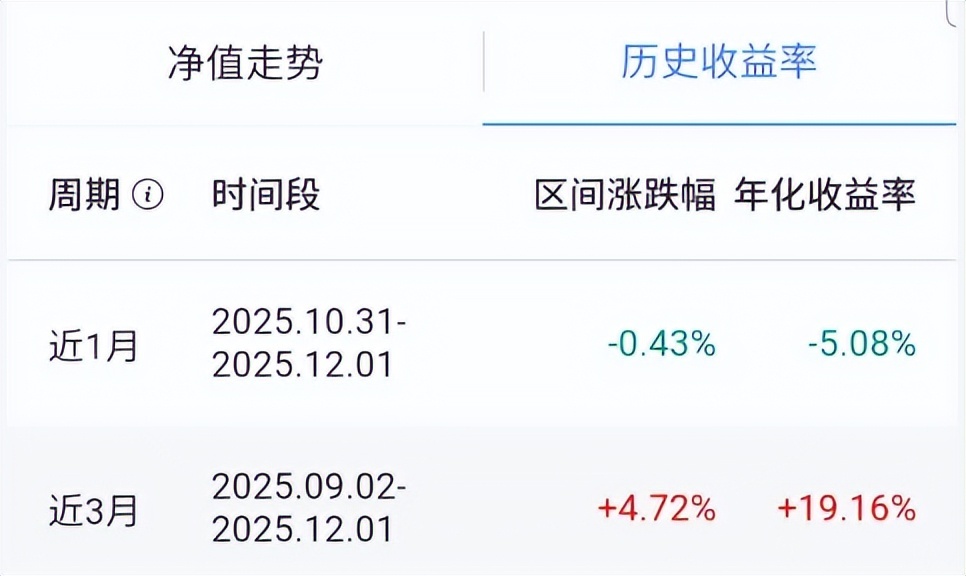
Core Viewpoint - The banking wealth management market is experiencing a shift towards the issuance of rights-containing products in response to low interest rates and an "asset shortage" environment, with a focus on balancing returns and risks [1][2]. Group 1: Market Trends - Since mid-November, the issuance of rights-containing products has increased, with 13 new equity products launched between November 17 and 18, including 12 index-type products from Huaxia Wealth Management [2]. - Currently, there are 63 existing equity wealth management products in the banking sector, reflecting a trend of increasing equity asset allocation to enhance product appeal and yield flexibility [2]. - The issuance of mixed and "fixed income +" products has increased by over 50% year-on-year since August, with expectations of raising performance benchmarks by 30-50 basis points to meet investor yield demands [2]. Group 2: Performance and Risks - The pursuit of yield flexibility has led to increased volatility risks, with recent market fluctuations causing rights-containing products to experience significant drawdowns, with a weekly withdrawal exceeding 25 basis points [3]. - For example, one equity product from a certain bank saw a monthly decline of 0.43% and an annualized return of -5.08% [3][4]. Group 3: Regulatory and Policy Framework - The rise in rights-containing product issuance is supported by regulatory frameworks, such as the "Implementation Plan for Promoting Long-term Funds into the Market," which allows wealth management funds to participate in new stock subscriptions on par with public funds [5]. - This policy has led to active participation from several wealth management companies in offline new stock subscriptions, with notable allocations in high-profile IPOs [5]. Group 4: Caution and Future Outlook - Despite the potential for increased returns through new stock subscriptions, many wealth management companies remain cautious due to associated risks and the need for specialized capabilities in stock analysis and pricing [7]. - The overall allocation of equity assets in wealth management remains low, with only 2.1% of total wealth management assets allocated to equity as of the end of Q3 [8]. - Future growth in equity allocations is expected to be driven by yield requirements, with a gradual increase in equity exposure anticipated if market conditions stabilize [9].
养老理财产品试点扩容 长期资金入市可期
Xin Lang Cai Jing· 2025-12-02 23:27
Core Viewpoint - The recent announcement by the National Financial Regulatory Administration regarding the promotion of pension financial products is expected to enhance the development of the pension finance sector and support the national personal pension business [1][3][5]. Group 1: Regulatory Developments - On November 25, a seminar was held by the Banking Wealth Management Registration and Custody Center to discuss the expansion of pension financial product trials, involving representatives from various financial institutions [1][4]. - The "Notice on Promoting the Sustainable and Healthy Development of Pension Financial Business" issued on October 30 includes 22 articles focusing on expanding trial products, improving product design, and enhancing risk management among other areas [1][4][5]. Group 2: Market Impact - As of October 2025, the scale of trial pension financial products is projected to reach 106.4 billion yuan, with personal pension financial products accounting for 16.7 billion yuan, totaling over 120 billion yuan issued [2][5]. - The new regulations encourage the issuance of long-term pension financial products with maturities of over 10 years or minimum holding periods of over 5 years, allowing for flexible design in purchasing, redemption, and dividends to better meet individual investor needs [2][5][6]. Group 3: Industry Response - Multiple institutions have indicated that the issuance of the "Notice" will invigorate the banking sector's pension financial product offerings, providing high-quality and diverse services to the public [3][6]. - The release of the "Notice" is expected to increase the enthusiasm of wealth management companies in developing personal pension financial products, leading to an accelerated expansion of long-term pension financial products [3][6].
搭建三维服务体系 让理财资金直达硬科技“主战场” 访杭银理财党委书记、董事长张强
Jin Rong Shi Bao· 2025-12-02 03:30
Core Viewpoint - The Central Financial Work Conference prioritizes technology finance, emphasizing the role of financial services in empowering technological innovation, with Hangyin Wealth Management being a pioneer in supporting tech innovation through innovative financial products and services [1][2]. Group 1: Company Initiatives - Hangyin Wealth Management has been involved in technology equity investment since 2015, creating the "Jinzuan Venture Capital" series of products, and has provided direct equity financing to over 1,400 tech startups, accumulating an investment scale exceeding 37 billion yuan by June 2025 [1][2]. - The company has established a three-dimensional service system focusing on product innovation, full-process management, and professional capability to effectively connect financial resources with tech enterprises [2][3]. Group 2: Investment Strategies - The company launched the "Jinzuan Venture Capital" private wealth management products to efficiently channel idle social funds into supporting unlisted tech companies, addressing critical gaps in the financing chain for tech enterprises [2][3]. - Hangyin Wealth Management has developed a comprehensive "fundraising-investment-management-exit" process management mechanism, leveraging a decade of experience in tech equity investment [2][3]. Group 3: Sector-Specific Achievements - In the healthcare sector, the company invested 160 million yuan in BJPC Medical Equipment Co., which has developed a brain pacemaker that breaks foreign monopolies in the domestic market [3]. - In the aerospace sector, the company has supported leading enterprises like BJTB Technology Co. and Beijing HTYX Technology Co. through collaborative investments [3]. Group 4: Competitive Advantages - Hangyin Wealth Management benefits from its location in the economically vibrant Yangtze River Delta, where local governments prioritize the development of tech enterprises [4]. - The company leverages the mature ecosystem of its parent bank, Hangzhou Bank, which has over ten years of experience in technology finance, providing unique advantages in industry knowledge and client resources [4]. Group 5: Challenges and Recommendations - Despite its advantages, the company faces challenges in product issuance, performance reference, fund matching, and investment capabilities due to the relatively short history of the industry [5]. - Recommendations for enhancing the capability of wealth management firms in supporting tech innovation include strengthening research capabilities, adapting to the long investment cycles of tech enterprises, and fostering a collaborative industry environment [5][6][7][8].
YiwealthSMI|南银理财“行走南京,寻宝金陵”探索特色文化直播
Di Yi Cai Jing· 2025-12-02 02:52
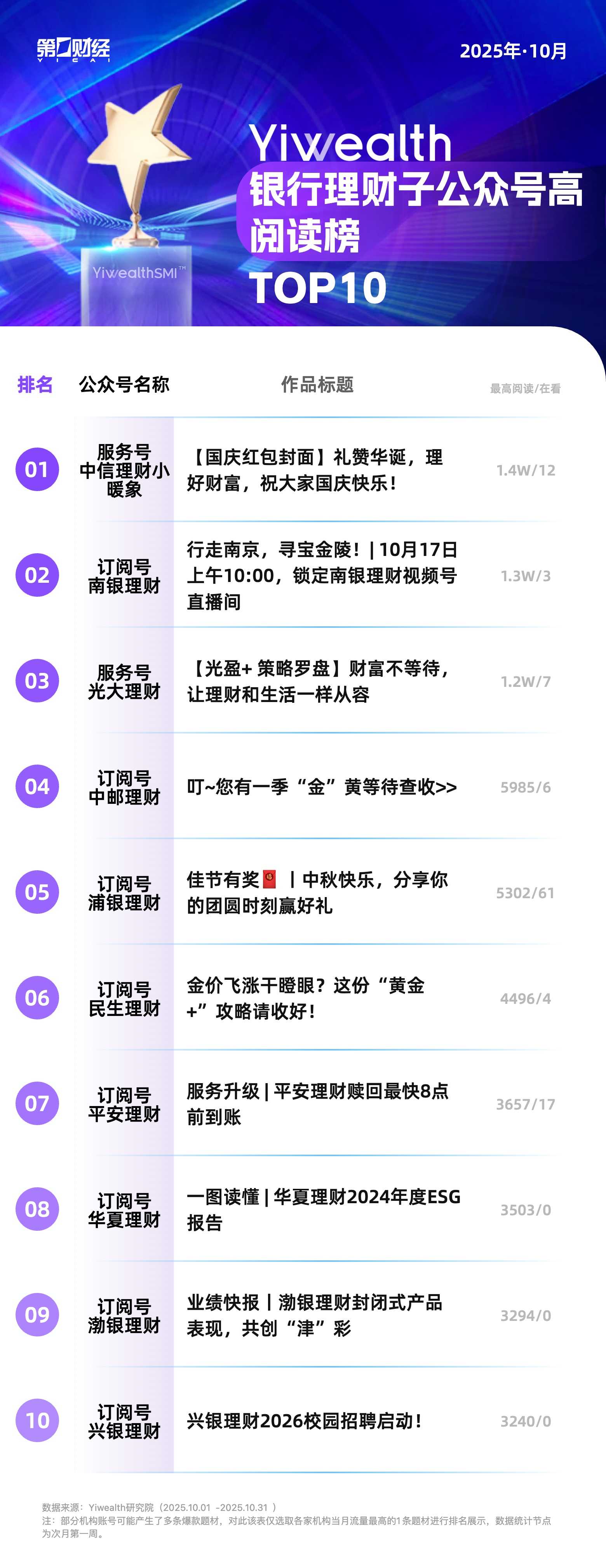
本期为银行理财子公众号榜(2025年10月)。 本期为银行理财子公众号榜(2025年10月)。 本期银行理财子公众号榜单TOP3分别为中信理财小暖象、光大理财、平安理财。 ( Yiwealth ) | 08 | 订阅号 华夏理财 | 图读懂 华夏理财2024年度 报告 | | --- | --- | --- | | 09 | 订阅号 渤银理财 | 业绩快报 渤银理财封闭式产 表现,共创"津"彩 | | 10 | 订阅号 兴银理财 | 兴银理财2026校园招聘启动! | 数据来源: Yiwealth研究院 (2025.10.01 -2025.10.31 ) 注:部分机构账号可能产生了多条爆款题材,对此该表仅选取各家机构当月流量最高的1条题材 为次月第一周。 | 02 | 订阅号 | 行走南京, 寻宝金陵! 10月1 上午10:00, 锁定南银理财视频 | | --- | --- | --- | | | 南银理财 | ECHITO | | 03 | 服务号 光大理财 | 【光盈+ 策略罗盘】财富不等 让理财和生活一样从容 | | 04 | 订阅号 中邮理财 | 『~您有一季"余"黄等待查》 | | 05 | 训朗 ...
搭建三维服务体系 让理财资金直达硬科技“主战场”
Jin Rong Shi Bao· 2025-12-02 02:13
中央金融工作会议将科技金融置于"五篇大文章"首位,明确了金融赋能科技创新的导向。在金融科 技蓬勃发展、科技创新引领未来的时代浪潮中,银行理财正以创新为笔、专业为墨,书写着支持科技创 新的精彩篇章。 一是以创新产品打通资金传导通道。2021年7月,我们设立科创投资部专注耕耘科创股权投资领 域,创新推出"金钻创投"系列私募理财产品,通过封闭式运作募集资金,投向私募股权基金来精准对接 和支持未上市科技企业,打通了理财资金与科创企业之间的"任督二脉",将社会闲散资金高效汇聚,进 而转化为支持科技创新的长期稳定资本,有效填补了科创企业融资链条中的关键缺口。 二是构建"募投管退"的全流程管理机制。10年以来,杭银理财积累了长期的科创股权投资专业经验 和坚实的客户基础,形成了一套完善的"募投管退"全流程管理机制。 三是构建专业能力,高效稳健创造价值。在组织架构上,特设科创投资部,汇聚精通股权投资、行 业研究、风险管理等多领域的专业人才,形成高效协同的作战团队。同时组建10余人行业研究团队,聚 焦生物医药、商业航天、高端装备、信息技术等重点科创领域开展深度研究。 《金融时报》记者:在这套服务体系支撑下,杭银理财在支持科技创新 ...