
自动驾驶

Search documents
一周要闻·阿联酋&卡塔尔|萝卜快跑成为世界政府峰会唯一全无人驾驶车队/卡塔尔投资局追加20亿美元加码支持初创企业
3 6 Ke· 2026-02-09 17:49
Group 1 - JiuZhang YunJi has signed a strategic cooperation memorandum with Sharjah SCTA and AI Caravan to accelerate its expansion in the Middle East, focusing on AI and intelligent computing infrastructure to support the region's digital transformation [1] - The partnership aims to attract global AI investments and talent, serving as a model for digital economic cooperation under the Belt and Road framework [1] Group 2 - Aldar and Mubadala have completed a joint venture to create a retail platform valued at approximately 10 billion dirhams (about 2.72 billion USD), integrating Yas Mall and The Galleria Luxury Collection [2] - The new platform will be managed by Aldar and aims to enhance asset value and promote high-end retail and lifestyle development in Abu Dhabi [2] Group 3 - The UAE's non-oil PMI rose to 54.9 in January, the highest in 11 months, indicating increased expansion momentum in the private sector, with new orders growing at the fastest rate in nearly two years [3] - ADNOC plans to issue its first RMB-denominated bonds, potentially raising up to 14 billion RMB (approximately 2 billion USD), marking a significant step in UAE-China economic cooperation [3] - Dubai's RTA has signed an agreement with Glydways to develop an autonomous transportation network, which is expected to alleviate traffic congestion and operate at a lower cost than traditional transport methods [3] Group 4 - Qatar Investment Authority (QIA) announced an expansion of its Fund of Funds by 2 billion USD to support startups and venture capital, reflecting an 8-fold increase in startup incentives over the past year [4] - QIA has become a founding investor in Hongkong Land's Singapore Core Private Real Estate Fund, which has an initial asset management scale of 8.2 billion SGD (approximately 6.3 billion USD) [4] Group 5 - Qatar Investment Promotion Agency and Doha Bank signed a strategic cooperation agreement to facilitate foreign investors' entry into the Qatari market, enhancing Qatar's position as a global investment destination [5] - The startup WareOne has launched a digital logistics platform similar to "Airbnb for warehouses," helping SMEs reduce storage costs by up to 30% [5] Group 6 - Qatar's government has signed a multi-year memorandum of understanding with TikTok to support global creative talent development through a three-year international creative support program [6] - The government also signed an MOU with the Qatar American Chamber of Commerce to attract more US startups and investors, enhancing cooperation in technology and innovation [6]



小马智行涨逾4% 与摩尔线程达成战略合作
Zhi Tong Cai Jing· 2026-02-09 15:09
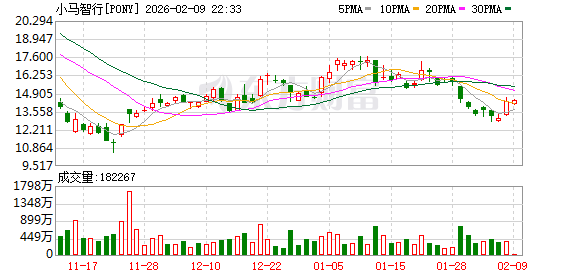
Core Insights - Pony.ai (PONY.US) shares rose over 4%, closing at $14.97, following the announcement of a strategic partnership with Moore Threads on February 6 [1] Company Developments - The collaboration will focus on the implementation and scaling of Level 4 autonomous driving technology, emphasizing deep cooperation on Pony.ai's core technologies, including world models and virtual driver system training and optimization [1] - This partnership represents a significant demonstration of collaborative innovation within China's artificial intelligence sector, marking Pony.ai's first large-scale application of domestic AI computing power in critical training and simulation processes [1] Industry Impact - The agreement signifies the entry of Moore Threads' domestically produced full-function GPU into the core field of autonomous driving, enhancing the safety and reliability of AI computing power for the iteration and commercial deployment of autonomous driving technologies [1]
小马智行(PONY.US)涨逾4% 与摩尔线程达成战略合作
Zhi Tong Cai Jing· 2026-02-09 15:04
Core Insights - Pony.ai (PONY.US) shares rose over 4% to $14.97 following the announcement of a strategic partnership with Moore Threads on February 6 [1] - The collaboration will focus on the implementation and scaling of Level 4 autonomous driving technology, emphasizing deep cooperation on Pony.ai's core technologies, including world models and virtual driver system training and optimization [1] - This partnership represents a significant demonstration of collaborative innovation within China's artificial intelligence sector, marking the first large-scale application of domestic AI computing power in critical training and simulation processes for Pony.ai [1] - The agreement also signifies the entry of Moore Threads' domestically produced full-function GPU into the core field of autonomous driving [1]
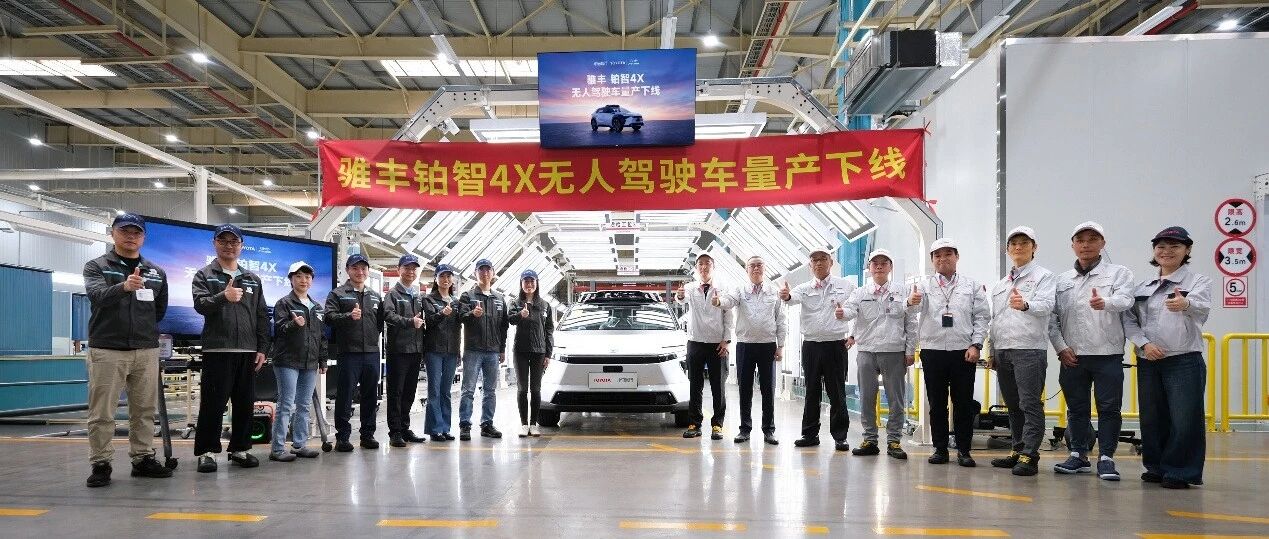
首台量产版铂智4X Robotaxi下线,小马智行携手丰田推动自动驾驶大规模商业化运营
IPO早知道· 2026-02-09 14:44
Core Viewpoint - The launch of the first mass-produced Platinum 4X Robotaxi marks a significant milestone in the strategic collaboration between Pony.ai, Toyota China, and GAC Toyota, transitioning from technological breakthroughs to large-scale production and operation [3][4]. Group 1: Strategic Collaboration - The partnership between Pony.ai and Toyota demonstrates a new model for deep collaboration between automakers and autonomous driving technology companies, accelerating Toyota's vision of "Mobility for All" in the Chinese market [3][4]. - The collaboration has been ongoing for seven years, focusing on creating a benchmark for Robotaxi mass production [5]. Group 2: Production and Quality Management - The production line for the Platinum 4X Robotaxi was jointly established by GAC Toyota and Pony.ai, incorporating Toyota Production System (TPS) to ensure safety and reliability [6]. - A dedicated production management, quality control, and safety management system has been developed, embedding Toyota's core principles of Quality, Durability, and Reliability (QDR) throughout the production process [6]. Group 3: Technological Advancements - The Platinum 4X Robotaxi is equipped with Pony.ai's latest seventh-generation autonomous driving system, optimized for various operational scenarios based on extensive testing in complex urban environments [7]. - Key achievements include 100% automotive-grade core components and a comprehensive multi-layered safety redundancy system [7]. Group 4: Future Deployment Plans - The joint venture among Pony.ai, Toyota China, and GAC Toyota plans to deploy a fleet of 1,000 Platinum 4X Robotaxis by 2026 in major Chinese cities, providing safe, convenient, and efficient autonomous driving services [8]. Group 5: Cost and User Experience - The total hardware kit cost has decreased by 70% compared to previous generations, allowing for flexible adaptation across multiple vehicle models and platforms [11]. - User experience enhancements include features like Bluetooth unlocking, voice interaction, and online music services, ensuring a comfortable and convenient travel experience while maintaining safety [11].
文远知行牵手Uber 要在中东布局超千辆Robotaxi
Nan Fang Du Shi Bao· 2026-02-09 14:32
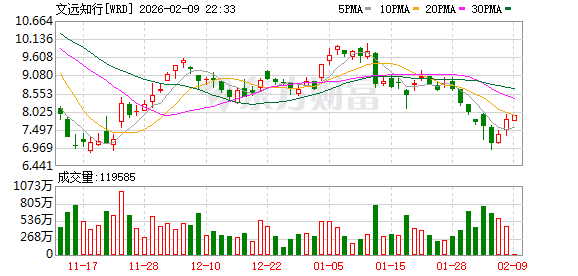
Core Insights - The strategic partnership between WeRide and Uber aims to deploy at least 1,200 Robotaxis in key Middle Eastern markets by 2027, marking the entry of the Robotaxi market into the "thousand-vehicle era" in the region [2][3] - WeRide has already launched commercial operations of Robotaxis in Abu Dhabi, Dubai, and Riyadh, with over 200 vehicles currently deployed [1][2] - Uber has committed to increasing the number of Robotaxis following key regulatory approvals and successful deployment milestones, making this the largest commercial deployment of Robotaxis in the MENA region to date [3] Company Operations - WeRide continues its asset-light operational model, with Uber or local partners managing the actual fleet operations while WeRide focuses on providing autonomous driving technology and scaling fleet deployment [4] - The Robotaxi service in Abu Dhabi has shown strong commercial potential, with each vehicle completing dozens of rides daily, and the business is expected to achieve profitability by 2025 [4] - As the fleet expands to 1,200 vehicles, WeRide's market position is anticipated to strengthen further [4] Strategic Goals - The partnership's expansion accelerates the previously established plan to deploy Robotaxi services in 15 new international cities over the next five years [3] - WeRide's CEO highlighted the importance of existing operational success, a favorable regulatory environment in the Middle East, and deep collaboration with Uber as key factors supporting this scale-up [3] - Uber's global head of autonomous driving and delivery emphasized that this collaboration represents a significant milestone in Uber's autonomous driving strategy in the Middle East [3]

小马智行+丰田系 解锁首台量产铂智4X Robotaxi
Nan Fang Du Shi Bao· 2026-02-09 14:32
Core Insights - The first mass-produced Platinum Smart 4X Robotaxi has officially rolled off the production line, marking a significant transition for Pony.ai, Toyota China, and GAC Toyota from technology development to large-scale production and operation [2] - This collaboration exemplifies a new model of deep cooperation between automakers and technology companies in the commercialization of autonomous driving [2][4] Group 1: Collaboration and Development - The partnership between Pony.ai and Toyota has resulted in a high degree of complementarity, combining Pony.ai's complex scenario handling capabilities with Toyota's strengths in vehicle manufacturing and quality management [3] - This collaboration has been built over seven years, starting from 2019, with multiple Robotaxi models launched based on Toyota vehicle platforms and the establishment of a joint venture for production and operation services [3] Group 2: Technological Advancements - The Platinum Smart 4X Robotaxi is equipped with Pony.ai's latest seventh-generation autonomous driving system, optimized for various operational scenarios in complex urban environments [3] - Key components of the autonomous driving system are 100% vehicle-grade, with a comprehensive multi-layer safety redundancy system ensuring safety [3] - The total cost of hardware kits has decreased by 70% compared to previous generations, facilitating flexible adaptation across multiple vehicle models and platforms [3] Group 3: Commercialization Plans - Following the mass production, the joint venture plans to deploy a fleet of over 1,000 Platinum Smart 4X Robotaxis in first-tier cities in China by 2026, enhancing user access to autonomous driving services [4] - The mass production of the Platinum Smart 4X Robotaxi sets a new benchmark for collaboration between automakers and autonomous driving technology companies, creating a closed-loop system that integrates research, manufacturing, and operation [4]

文远知行牵手Uber,要在中东布局超千辆Robotaxi
Nan Fang Du Shi Bao· 2026-02-09 14:30
Core Insights - WeRide and Uber announced an upgraded strategic partnership to deploy at least 1,200 Robotaxis in key Middle Eastern markets by 2027, marking the entry of the Robotaxi market in the region into the "thousand-vehicle era" [2][5] Group 1: Partnership and Deployment - The collaboration is based on existing operational foundations, with WeRide and Uber already conducting commercial operations of Robotaxis in Abu Dhabi, Dubai, and Riyadh, where over 200 Robotaxis are currently deployed [4][5] - Uber has committed to increasing the number of Robotaxis after achieving key regulatory approvals and completing milestones for commercial deployment in core urban areas [4] Group 2: Market Impact and Future Plans - This deployment plan represents the largest commercial rollout of Robotaxis in the Middle East and North Africa (MENA) region to date, with WeRide's CEO highlighting the supportive regulatory environment and operational success as key factors for expansion [5][6] - The partnership will accelerate the previously established plan to deploy Robotaxi services in 15 additional international cities over the next five years [5] Group 3: Operational Performance - Current operational data indicates strong commercial potential for WeRide's Robotaxi business in the Middle East, with vehicles in Abu Dhabi completing dozens of rides daily and achieving operational profitability by 2025 [6]

【明日主题前瞻】国内厂商持续布局,Robotaxi商业化闭环或在2026年加速到来
Xin Lang Cai Jing· 2026-02-09 12:04
Group 1: Robotaxi Commercialization - Domestic manufacturers are actively developing Robotaxi, with the first mass-produced model, the Baizhi 4X, officially launched, marking a new phase in large-scale production and operation [1] - The cost of Robotaxi vehicles has significantly decreased to around 300,000 yuan, facilitating the creation of a commercial value chain and accelerating the commercialization process expected by 2026 [2] - Companies like Haon Auto and Suoling Co. are collaborating with advanced driving technology firms, enhancing their product offerings in the intelligent driving sector [2] Group 2: AI Video Model Development - ByteDance's Seedance 2.0 video model is currently in internal testing, allowing users to create videos with minimal input, indicating a shift in video production dynamics [3] - The widespread application of Seedance 2.0 is expected to drive exponential growth in token consumption for inference, highlighting the increasing importance of AI in video content creation [3] - The integration of AI models with various scenarios is anticipated to deepen by 2026, creating new competitive landscapes in both consumer and business sectors [3] Group 3: Hydrogen Energy Industry Growth - The hydrogen energy sector is poised for rapid development, with significant policy opportunities arising from the "14th Five-Year Plan," emphasizing hydrogen's role in various industries [5] - Industrial applications are expected to become the main battlefield for hydrogen energy, with green hydrogen and hydrogen-based fuels being key solutions for carbon reduction [5] - Companies like Jiadian Co. and Hupu Co. are actively involved in hydrogen projects, providing essential equipment and comprehensive service solutions across the hydrogen energy value chain [5] Group 4: Tesla's Solar Battery Expansion - Tesla is evaluating multiple sites in the U.S. to expand its solar battery manufacturing capabilities, aiming for an annual production capacity of 100 gigawatts within three years [6] - The company plans to increase the capacity of its Buffalo factory to 10 gigawatts and may establish a second factory in New York, with Arizona and Idaho also under consideration [6] Group 5: Commercial Space Market Potential - China's recent successful launch of a reusable test spacecraft indicates a growing commercial space market, projected to exceed $500 billion by 2025 and reach $800 billion by 2030 [7] - Companies like Zhenjiang Co. and Shunhao Co. are engaging in the commercial space sector, providing products and services to support the burgeoning market [7] Group 6: AI Hardware and Applications - The year 2026 is expected to be pivotal for the large-scale deployment of AI at the edge, with advancements in hardware and software collaboration removing previous barriers [8] - Companies like Rongqi Technology are enhancing their assembly capabilities for smart glasses, indicating a growing focus on AI hardware applications [9] - Water Crystal Optoelectronics has established a comprehensive layout in the AR glasses sector, providing a wide range of optical solutions for clients [9]
给特斯拉松绑,向中国下战书:解读2026美国新法
3 6 Ke· 2026-02-09 11:14
Core Viewpoint - The U.S. is shifting its autonomous driving policy significantly with the introduction of the "2026 Autonomous Vehicle Act," aimed at overcoming competition from China and facilitating the commercialization of autonomous vehicles [1][20]. Group 1: Legislative Changes - The new legislation increases the annual exemption limit for manufacturers from 2,500 to 90,000 vehicles, enabling large-scale production for companies like Tesla and Waymo [1][5]. - The act establishes federal preemption, preventing states from creating their own autonomous vehicle performance standards, thus ensuring a unified regulatory framework [2][10]. - The regulatory approach evolves from requiring detailed original code submissions to a "Safety Case" report, allowing companies to demonstrate safety through evidence rather than code inspection [3][15]. Group 2: Industry Implications - The legislation is tailored to support U.S. companies like Tesla and Waymo by addressing production capacity and expansion barriers, which are critical for their growth [4][9]. - The introduction of the "Safety Case" aligns with the technological evolution of autonomous driving, allowing companies to protect their proprietary algorithms while proving safety outcomes [19][24]. - The act signals a strategic move to enhance the competitive position of U.S. firms against Chinese counterparts, with implications for data security and market access [20][25]. Group 3: Challenges for Chinese Companies - Chinese Robotaxi companies face legal and regulatory hurdles that hinder their ability to scale, particularly in the absence of a standardized production model [21][23]. - The U.S. legislation's provisions may create a competitive disadvantage for Chinese firms, as they struggle with local regulations and lack of a cohesive national framework [22][24]. - The ongoing regulatory fragmentation in China complicates the operational landscape for Robotaxi companies, making it difficult to achieve the necessary scale for profitability [23][24].

小马智行(2026.HK):智能驾驶龙头,Robotaxi商业化初步落地
China Post Securities· 2026-02-09 10:20
Investment Rating - The report assigns a "Buy" rating for the company, marking its first coverage [2]. Core Insights - The company is a leader in intelligent driving, with initial commercialization of Robotaxi services. It expects a significant reduction in losses for 2025, projecting a loss of approximately $69 million to $86 million, a decrease of about 68.7% to 74.9% compared to 2024 [5][6]. - The company has achieved a breakthrough in its Guangzhou UE model, with the Robotaxi fleet expected to grow to 3,000 vehicles by 2026, up from 1,159 vehicles by the end of 2025. The daily net income per vehicle in Guangzhou is projected at 299 RMB, with an average of 23 orders per day [6]. - The company has made significant advancements in cost efficiency, with a 70% reduction in the production material cost of the autonomous driving kit compared to the previous generation, and an 80% reduction in the cost of the autonomous driving computing unit [6]. - The company has established a strong regulatory position, being one of the first to obtain all necessary licenses for L4 autonomous taxi operations in major Chinese cities, enhancing its competitive edge [7]. - The company is expanding its business model through partnerships, including recent collaborations with Yangguang Travel, which reflects market recognition of its light-asset model. It is also pursuing global expansion opportunities in key markets such as Europe and East Asia [8]. Financial Projections - The company is projected to achieve revenues of $81.92 million, $121.85 million, and $235.58 million for the years 2025, 2026, and 2027, respectively. The expected net losses for the same years are $80.95 million, $258.38 million, and $249.85 million [10]. - The revenue growth rates are estimated at 9% for 2025, 49% for 2026, and 93% for 2027, indicating a strong upward trend [12]. - The gross margin is expected to improve from 9.2% in Q3 2025 to 18.4%, reflecting the company's progress towards a commercialized business model [6].