
电网

Search documents
5G-A具身智能电网应用成果在深圳发布
Zhong Guo Jing Ji Wang· 2025-11-04 08:07
Core Insights - The joint launch of the 5G-A embodied intelligent grid inspection application marks a significant breakthrough in the integration of 5G-A networks and advanced robotics technology in industrial core scenarios [1][2][3] Group 1: 5G-A Technology and Applications - The 5G-A embodied intelligent robot inspection application features three core capabilities that are deeply compatible with the power grid inspection scenario [1] - China Mobile focuses on upgrading 5G-A network capabilities across three dimensions: ubiquitous connectivity, ultra-high speed, and deterministic performance, enabling the deployment of intelligent robots in various applications, including grid inspection [3] - The 5G-A network's characteristics, such as wide coverage, high uplink capacity, and low latency, meet the demands of new scenarios and business needs for embodied intelligence [4] Group 2: Industry Developments and Achievements - Southern Power Grid has implemented a "machine-led, human-assisted" operation and maintenance model over more than 1 million kilometers of power transmission and distribution lines, achieving full coverage of autonomous drone inspections for overhead lines of 35 kV and above [2] - The deployment of the 5G-A embodied intelligent robot not only realizes "fully unmanned inspections" but also enhances the quality and efficiency of intelligent operations in substations [2] - The successful demonstration of the world's first 5G-A embodied intelligent robot torchbearer at the 15th National Games showcases the practical application of 5G-A technology in public service areas [5] Group 3: Future Prospects - The combination of 5G-A and AI holds vast potential for future applications, with the aim of enabling humanoid robots to adapt to various household environments [4] - The collaboration among partners in the release of this application highlights the importance of rapid response to market needs, paving the way for further advancements in embodied intelligence and 5G-A technology [4][5] - The successful operation of the "Kua Fu" torchbearer robot indicates a new stage in the deep integration of 5G-A network technology and embodied intelligence, laying the foundation for future human-machine collaboration [5]

下一个五年,电网格局将迎大变化!
中国能源报· 2025-11-03 06:03
Core Viewpoint - The article discusses the challenges and developments in China's power grid during the "14th Five-Year Plan" and the upcoming "15th Five-Year Plan," emphasizing the need for innovation and adaptation to increasing renewable energy integration and technological advancements [3][7]. Group 1: Achievements During the "14th Five-Year Plan" - By 2024, the length of transmission lines at 220 kV and above reached 961,000 kilometers, a year-on-year increase of 3.5% [5]. - The capacity of transformer equipment reached 578 million kW, growing by 4.9% year-on-year [5]. - Investment in national grid engineering construction reached 608.3 billion yuan in 2024, marking a historical high with a year-on-year increase of 15.3% [5]. - Investment in the distribution network has exceeded that of the transmission network for 11 consecutive years since 2014 [5]. Group 2: Challenges in the "15th Five-Year Plan" - The integration of high proportions of renewable energy poses extreme demands on the grid's carrying capacity, necessitating the construction of longer and larger capacity transmission corridors [7]. - The safety risks during the transition of the power system are increasing, with international incidents highlighting vulnerabilities associated with high renewable energy integration [7]. - There is a growing expectation for improved power supply services due to advancements in electric vehicles, distributed energy, and precision manufacturing, requiring enhanced flexibility and quality of electricity supply [7]. Group 3: Future Development Strategies - The future development of the power grid should focus on unified planning, coordinated operation control, and innovative technology management to build a new type of grid platform [9]. - It is essential to enhance the capacity for multi-source open access and coordination in the distribution network while promoting the development of intelligent microgrids [9]. - The article emphasizes the need for breakthroughs in technologies for high-voltage direct current transmission, smart transmission, and digitalization to address challenges in complex environments and resource constraints [9][8].

推动电网企业数字化转型高质量发展
Guo Ji Jin Rong Bao· 2025-11-03 05:59
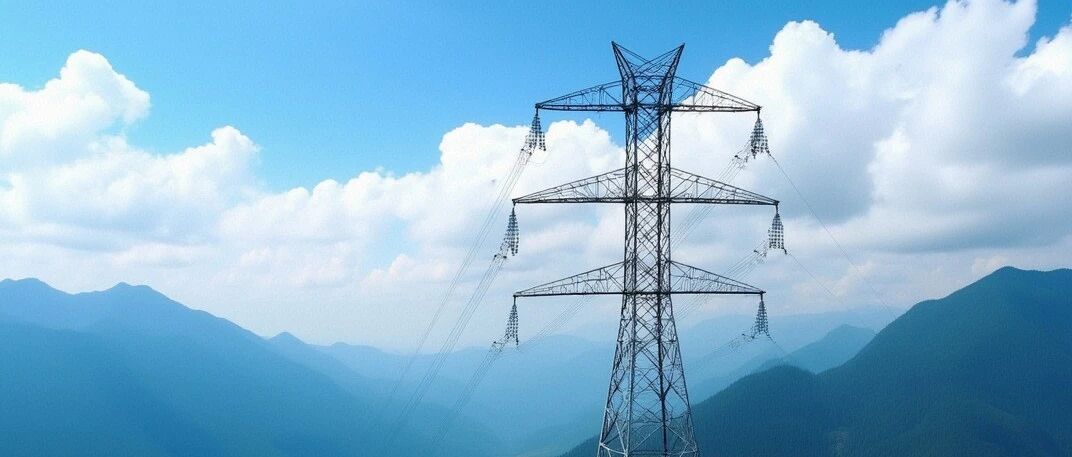
一是架构设计"安全先行"。系统遵循"纵深防御、最小权限、安全内建"理念,确保政策合规与系统 可持续。二是平台构建"轻量灵活"。选用国产信创生态产品(如国产操作系统、在线表格、SmartBI 等),结合自研组件,构建数据"采集—分析—反馈"一体化的可视化平台,部署在内网独立安全域,实 现安全与运维解耦。三是数据安全"全链闭环"。从采集到传输、存储、展示各环节均采用加密、权限隔 离、审计追踪等措施,有效防止数据泄漏、篡改和越权访问。四是安全运维"高效闭环"。建立专班队 伍,联通"云盾""云燕"等平台,实现漏洞扫描、威胁情报融合、应急预案演练、日志溯源等闭环管理, 筑牢"可感知、可应对、可恢复"的防线。 当前,数字化、智能化正加速赋能能源电力行业深度变革。与此同时,网络安全风险日趋复杂,特 别是在电力这一关键信息基础设施领域,安全已成为系统运行的基本底线和可持续发展的前提条件。 党的二十大明确提出,要加快建设网络强国、数字中国,提升关键基础设施安全水平。电力系统作 为"基础中的基础",是国家安全体系的重要组成部分,必须始终把网络安全摆在突出位置。 近年来,随着APT(Advanced Persistent Thre ...
2024年,全国电网工程建设投资完成6083亿元
Zhong Guo Dian Li Bao· 2025-11-03 05:47
Core Insights - The report highlights that in 2024, the national grid construction investment in China is expected to reach a historical high of 608.3 billion yuan, representing a year-on-year increase of 15.3% [1] - The development of the power grid in China is projected to maintain a steady growth trend, with significant expansions in transmission lines and substation capacities [1][2] Investment and Infrastructure - By the end of 2024, the total length of transmission lines at 220 kV and above is expected to reach 961,000 kilometers, with AC lines at 909,000 kilometers (up 5.0% year-on-year) and DC lines at 52,000 kilometers (unchanged from 2023) [1] - The total capacity of substations (including converter stations) at 220 kV and above is projected to be 57.8 billion kVA, with AC substation capacity at 52.6 billion kVA (up 6.5% year-on-year) and DC capacity at 5.2 billion kVA (unchanged from 2023) [1] Regional Developments - In 2024, regions such as Xinjiang, Guangdong, and Zhejiang are expected to add over 2,000 kilometers of new 220 kV and above transmission lines, while Qinghai, Jilin, and Hainan are leading in growth rates, each exceeding 100% [2] - For substation capacity, regions like Inner Mongolia West, Jiangsu, Sichuan, Qinghai, and Guangdong are anticipated to add over 15 million kVA of new capacity, with Tibet, Inner Mongolia East, Qinghai, and Guangxi showing growth rates exceeding 200% [2] Challenges and Opportunities - The report identifies six major challenges for the power grid development during the 14th Five-Year Plan, including the need for enhanced flexibility in the grid to accommodate high proportions of renewable energy, the tightening of transmission resources due to large-scale renewable energy delivery, and the increasing threat of extreme weather events [3] - Other challenges include the transformation of distribution networks to handle distributed renewable energy and diverse new loads, the urgency for green transformation in grid construction, and the need for breakthroughs in technology and mechanisms to facilitate the integration of AI technologies into grid operations [3]
美国能源部:2025年《人工智能战略报告》,重定义国家核心能力
欧米伽未来研究所2025· 2025-11-03 01:27
Core Insights - The U.S. Department of Energy (DOE) has released its 2025 Artificial Intelligence Strategy report, emphasizing AI as a core driver for national security, scientific discovery, and energy leadership [1] - The strategy aims to transform AI from specialized applications in national laboratories to a systematic, scalable enterprise capability across the DOE [1] National Security Applications - The strategy prioritizes national security, focusing on "high-consequence systems," particularly nuclear deterrence [2] - AI implementation is aimed at maintaining the U.S. deterrent edge, with the National Nuclear Security Administration (NNSA) leading efforts in nuclear stockpile management and predictive maintenance [2] Nuclear Non-Proliferation and Safety - The DOE is developing multimodal foundational models for nuclear non-proliferation, assessing risks from external proprietary models [3] - Generative AI is being introduced for engineering design in high-consequence systems, enhancing reliability and modernization of critical national security assets [3] - Tools based on large language models (LLMs) are being developed for intelligence and counterintelligence analysis to improve the timeliness and accuracy of intelligence products [3] AI Security Measures - The DOE recognizes the need for trust in AI applications within critical infrastructure, establishing an AI assurance testing platform to evaluate vulnerabilities and robustness [4] Computing and Data Infrastructure - The DOE's unmatched computing resources and vast scientific data are seen as foundational for its AI ambitions, with the report highlighting challenges such as data silos and legacy infrastructure [5][7] - The establishment of the "American Science Cloud" aims to facilitate data sharing and collaboration across government, academia, and the private sector [7] Energy Leadership and Governance - The strategy outlines how AI will permeate energy production, distribution, and regulation, supported by robust internal governance and workforce planning [8][9] - A proportional AI governance framework is proposed to ensure that oversight matches the risk level of AI applications [9] Conclusion - The DOE's 2025 AI Strategy represents a dual approach: a defensive strategy to protect high-consequence systems and an offensive strategy to leverage computing resources for scientific discovery and energy leadership [10] - The success of this strategy hinges on overcoming significant barriers such as data silos and bureaucratic inertia, emphasizing the need for organizational transformation [10]

中国品牌向新而行 阔步迈向高质量发展 ——2025中国品牌论坛综述
Ren Min Ri Bao· 2025-11-02 22:46
自2015年起,由人民日报社发起的中国品牌论坛已成功举办11届。本届论坛设主论坛和"2025金融高质 量发展报告会""推动教育高质量发展主题研讨会"两个平行分论坛。 人民日报社副总编辑方江山主持论坛开幕式时表示,在习近平总书记关于"三个转变"重要指示精神指引 下,越来越多的中国品牌持续向新而行,成长为高品质高品位的"国货之光"。当前,中国品牌正展现出 非同寻常的韧性和活力,从一个侧面日益展现出中国式现代化的非凡魅力和美好前景。 习近平总书记指出,"推动中国制造向中国创造转变、中国速度向中国质量转变、中国产品向中国品牌 转变""因地制宜发展新质生产力,打造更多叫得响的品牌"。 10月29日,由人民日报社主办的2025中国品牌论坛在河北雄安新区举行,全国人大常委会副委员长雪克 来提·扎克尔出席并致辞。雪克来提·扎克尔表示,品牌是高质量发展的重要象征,是国家竞争力的集中 体现。进入新时代以来,中国品牌的数量迅速增加、质量显著提升,在全球的知名度、美誉度和影响力 与日俱增,品牌高质量发展取得可喜成绩,品牌强国建设迈出坚实步伐。"十五五"时期,我们要全面贯 彻党的二十大和二十届历次全会精神,聚焦实施质量强国战略,扎实开 ...
A股主题交易活跃度有望上行机构看好科技核心主线不变
Shang Hai Zheng Quan Bao· 2025-11-02 17:53
Core Viewpoint - The A-share market is expected to see increased thematic trading activity, particularly in the technology sector, despite recent fluctuations in major indices [2][3][4]. Group 1: Market Performance - The Shanghai Composite Index briefly surpassed the 4000-point mark, reaching a ten-year high, but later retreated to around 3950 points due to a pullback in AI-related stocks [2]. - The market is experiencing a rotation among sectors, with previously lagging sectors like innovative pharmaceuticals and new energy showing signs of recovery [2]. Group 2: Institutional Outlook - Analysts from various brokerages believe that the current market conditions are more favorable than in 2015, with lower valuation levels and a reduced focus on index points [3][4]. - The upcoming months (November to March) are characterized by a performance vacuum, leading to a diminished impact of earnings on stock prices, allowing for a focus on thematic investment opportunities [3][4]. Group 3: Investment Strategies - Institutions recommend focusing on traditional manufacturing upgrades, overseas expansion, and AI applications as key investment directions [3]. - There is a consensus that the market will shift towards low-valued and low-priced stocks, with a focus on long-term themes rather than short-term earnings [4]. - Specific sectors such as battery technology, power grids, liquid cooling, robotics, gaming, internet, semiconductors, and AI applications are highlighted as potential investment areas [5].

中国出海企业协作联盟:中企出海可以关注海外基建市场
Jing Ji Guan Cha Wang· 2025-11-02 07:58
Group 1: Infrastructure Market Opportunities - Chinese companies are concerned about entering overseas infrastructure markets, but there are opportunities if they meet local demands and standards [1] - Major economies are significantly increasing government spending, with a portion directed towards infrastructure construction, presenting a market for Chinese enterprises [1] - The global power grid is experiencing a new wave of investment, with a market space worth several hundred billion; European grid companies are expected to invest an average of €26.7 billion annually from 2024 to 2026, a 61% increase from 2023 [1] - Exports of electrical equipment from China have seen rapid growth, with export amounts exceeding $44.1 billion, a 20% year-on-year increase [1] Group 2: Real Estate and Waste Management Opportunities - The overseas real estate market presents new opportunities due to a shortage of housing in major economies, contrasting with the limited new construction in the domestic market [2][3] - California faces a housing shortage of 3.5 million units, indicating a significant demand for housing [3] - The waste management industry also offers market opportunities, with over 2,000 waste-to-energy plants globally; Chinese companies can consider expanding their business overseas due to domestic waste management challenges [3] Group 3: Strategic Recommendations for Chinese Companies - Companies should strengthen cooperation with local stakeholders and share development benefits [4] - A shift in mindset is necessary; companies should not compare overseas costs with domestic costs, as competition occurs among overseas factories [4] - The overseas market is characterized by high premiums rather than being cost-driven, suggesting greater profit potential despite higher labor costs [5]
专家:“十五五”电网面临多方挑战 加快推进“双八百”特高压柔直技术攻关
Zhong Guo Jing Ying Bao· 2025-11-01 05:48
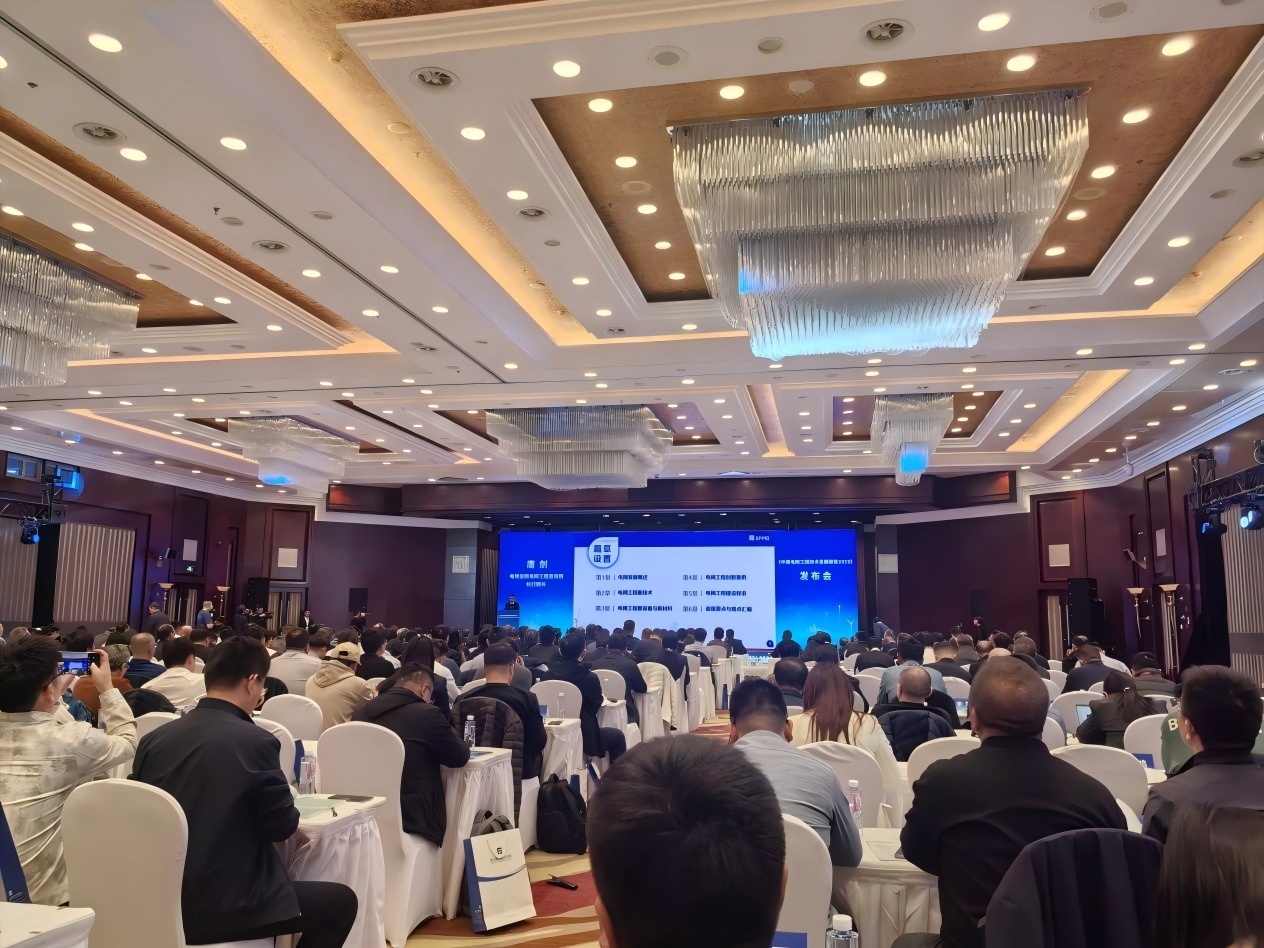
Core Insights - The 2025 National Power Grid Technology Exchange Conference highlighted significant advancements in China's power grid engineering during the "14th Five-Year Plan" period, emphasizing the importance of energy production and consumption revolution for high-quality development [2][4] - Experts at the conference identified new challenges and proposed targeted recommendations for the upcoming "15th Five-Year Plan" period, focusing on the need for unified planning and resource allocation in power grid development [2][3] Group 1: Key Developments - The conference revealed that the power system will exhibit high penetration of renewable energy, increased electrification, and greater supply-demand variability during the "15th Five-Year Plan" period, necessitating new requirements for grid planning and construction [2][3] - The report released at the conference summarized achievements in new technologies, equipment, and materials in power grid engineering since 2024, providing insights into future technological directions [4] Group 2: Expert Opinions - The Director of the Electric Power Department of the National Energy Administration emphasized the need for enhanced unified planning and resource support to adapt to the requirements of a national unified electricity market [2][3] - The Deputy General Manager of China Energy Construction Group called for increased investment in technology and research to improve the resilience and safety of the supply chain in response to unprecedented demands from rapid renewable energy development [2][3] Group 3: Challenges and Recommendations - The Deputy Chief Engineer of the State Grid highlighted the urgent need for research and application of new technologies to address world-class technical challenges in power grid construction [3] - The Deputy General Manager of the Southern Power Grid pointed out the necessity for a new intelligent construction paradigm to manage the complexities of large-scale renewable energy projects and storage systems [3][4]
国家能源局:前8个月我国能源重点项目完成投资1.97万亿元
Xin Hua Cai Jing· 2025-10-31 13:58
Core Insights - National energy investment in China has shown rapid growth, with key projects completing investments of 1.97 trillion yuan in the first eight months of the year, representing an 18.2% year-on-year increase [1] Group 1: Investment Growth Characteristics - Nuclear power, power grids, new energy storage, and coal power have been significant drivers of investment growth in energy projects [1] - Wind power, modern coal chemical industry, oil and gas storage facilities, charging infrastructure, and hydrogen energy investments have seen rapid increases, with wind power investment growing over 40% year-on-year [2] - Solar power generation, integrated energy systems, oil and gas exploration, and pumped storage investments have steadily increased, with solar power project investments rising by 17.5% year-on-year [3] Group 2: Regional Investment Highlights - Six provinces (Shandong, Jiangsu, Guangdong, Xinjiang, Yunnan, Inner Mongolia) each completed investments exceeding 100 billion yuan in the first eight months [1] - Significant investment in wind power projects has been noted in regions such as Xinjiang, Hebei, Guangxi, Shandong, and Hunan [2] - Major oil and gas projects are progressing in the Bohai Sea and Jianghan shale gas fields, with proven reserves of 165 billion cubic meters [3]