
农业机械制造

Search documents
市场低迷下 凯斯纽荷兰中国总裁李康详解大型拖拉机销量何以逆势增长
Jing Ji Guan Cha Wang· 2025-10-16 09:38
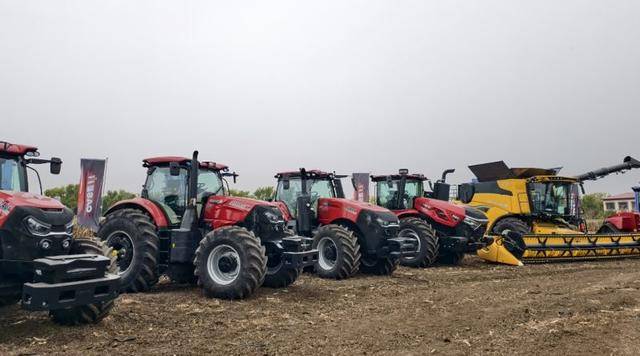
Core Viewpoint - The launch of new tractor models by Case New Holland comes amid a declining domestic tractor market, indicating a strategic move to capture opportunities in specific segments despite overall market challenges [1][2]. Group 1: Market Trends - The Chinese agricultural machinery market has entered an adjustment period since 2023, with production and sales showing a downward trend, as evidenced by a projected 11.26% year-on-year decline in tractor production for 2024 [1]. - In contrast to the overall market decline, large tractors are experiencing growth, with their market share increasing, while small and medium tractors are seeing significant production decreases of 15.1% and 16% respectively [1][2]. Group 2: Factors Influencing Market Changes - The shift towards larger tractors is attributed to factors such as land consolidation, increased quality demands for agricultural machinery, and a reduction in available rural labor [1][2]. - The trend of land consolidation is particularly pronounced in central China, where small plots are being aggregated into larger ones, leading to a heightened demand for large agricultural machinery [2]. Group 3: Future Outlook and Strategy - The company expresses confidence in the Chinese agricultural market, citing the large population and arable land as a solid foundation for growth, especially in light of global food security concerns [2]. - To enhance competitiveness and stabilize supply chains, the company is focusing on increasing the localization of its product lines, particularly tractors, to leverage China's supply chain advantages for both domestic and international markets [3].


农机市场进入深度调整期,凯斯纽荷兰高层详解中国市场生存术
Sou Hu Cai Jing· 2025-10-16 02:32
Core Insights - The Chinese agricultural machinery market is undergoing a deep adjustment, with overall sales performance remaining sluggish in recent years [2][3] - CNH Industrial, a global agricultural machinery manufacturing giant, is facing challenges and has proposed several strategies to adapt to the current market conditions [2][3] Market Performance - The sales growth of agricultural machinery in China has entered a mature phase, with high mechanization rates for major crops: corn at 90.6%, wheat at 97.6%, rice at 86.9%, and soybeans at 87.9% [3][5] - Overall market performance is expected to remain poor, with tractor sales projected to decline by about 10% in 2025, and combine harvester sales expected to drop by 10% after an 8% increase in 2024 [3][4] Strategic Focus - CNH Industrial aims to focus on niche markets and capitalize on equipment replacement opportunities, particularly in the high-horsepower tractor segment and larger capacity combine harvesters [3][5] - The company is also emphasizing localization of its supply chain to enhance competitiveness and meet domestic demand [5][6] Technological Advancements - The company is committed to enhancing the intelligence of its products, with the launch of the CR8.90 combine harvester, which is one of the most advanced in terms of automation [6][7] - The introduction of the "CNH Industrial Agricultural Cloud" aims to create a smart ecosystem for users, integrating IoT and digital technologies for improved farm management [6][7] Future Opportunities - The transition from high mechanization rates to high-quality, efficient, and intelligent equipment presents significant market opportunities for CNH Industrial [5][6] - The annual value of agricultural machinery updates in China is estimated at 300 billion yuan, with government subsidies supporting machinery replacements [5][6] Financial Overview - In 2024, CNH Industrial's total revenue is projected to be $19.8 billion, with 71% derived from agricultural machinery, 15% from construction machinery, and 14% from financial services [7]

衡水佳宏机械有限公司成立 注册资本50万人民币
Sou Hu Cai Jing· 2025-10-15 22:55
Company Overview - Hengshui Jiahong Machinery Co., Ltd. has been established with a registered capital of 500,000 RMB [1] - The legal representative of the company is Wei Peihua [1] Business Scope - The company operates in various sectors including agricultural machinery manufacturing, sales, and services [1] - Additional services include agricultural machinery leasing, material handling equipment manufacturing, and environmental protection equipment sales [1] - The company also engages in grain and oil storage services, construction materials sales, and sales of rubber products, metal structures, and metal products [1] - Other areas of operation include sales of non-metallic minerals and products, wooden containers, doors and windows, office supplies, hardware products, and electronic components [1] - The company is involved in the wholesale of wires, cables, and computer software and hardware, as well as earthwork engineering construction [1]
秋收进行时丨中原粮仓,力保秋粮收得上烘得干
Ren Min Ri Bao· 2025-10-15 02:57
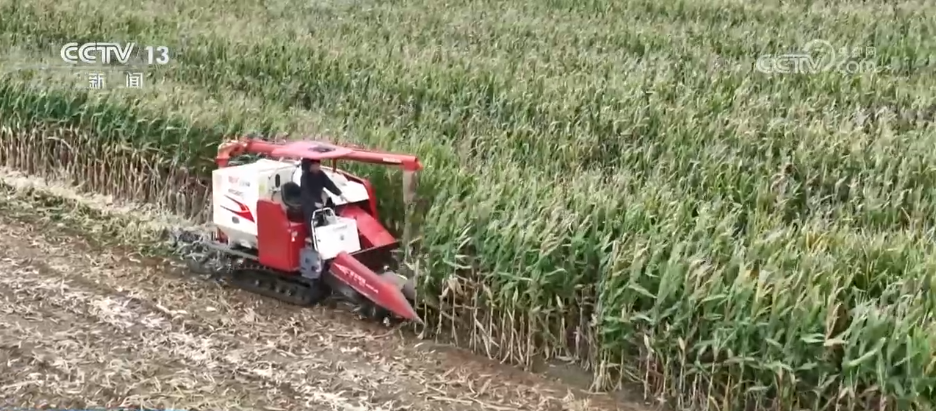
Core Viewpoint - The heavy rainfall in Henan since September has significantly impacted the harvest of autumn crops, particularly corn and peanuts, raising concerns about the drying and storage of these crops [1] Group 1: Harvesting Challenges - Henan has experienced eight significant rainfall events since September, with an average precipitation of 332.4 mm, which is 2.7 times higher than the same period in previous years, adversely affecting crop harvesting [1] - To address the challenges posed by muddy fields, nearly 8,000 tracked corn harvesters have been deployed, and modifications to existing machinery have been made to enhance their effectiveness in wet conditions [3][4] - The use of tracked harvesters has proven beneficial due to their larger ground contact area and better traction, allowing for harvesting in difficult conditions [3] Group 2: Drying and Storage Solutions - The high moisture content in harvested corn, exceeding 35%, necessitates urgent drying efforts to prevent spoilage, with drying facilities operating 24/7 to handle the influx of wet corn [6][7] - The government has allocated 50 million yuan for subsidies related to harvesting and drying machinery, and various community spaces are being utilized for drying corn [7][8] - Innovative storage solutions, such as wire mesh containers, are being promoted to improve ventilation and reduce moisture retention in stored corn [7] Group 3: Impact on Crop Yield and Insurance - Despite the adverse weather conditions, the reduction in corn yield is considered manageable, with farmers employing various strategies to mitigate losses [8] - Insurance measures have been implemented, with 79,000 households covering 653,900 acres of corn under full cost insurance, and claims amounting to 64.45 million yuan have been processed [8][9] - The ongoing rainfall has also delayed the sowing of wheat, prompting the agricultural department to issue guidance on late sowing techniques [9][10] Group 4: Overall Progress and Future Outlook - As of October 14, 84.8% of autumn crops and 85.6% of grain crops have been harvested, although the overall progress is 5 to 7 days slower than usual [5][10] - The province has a total of 5,262 drying machines with a daily processing capacity of 375,000 tons, and efforts are being made to facilitate the transfer of wet grain for drying in other provinces [11]
空中“奇兵”+装备“上新”+金融“帮扶” 多地出实招保障秋粮收获
Yang Shi Wang· 2025-10-12 03:59
Core Insights - Continuous rainy weather in Henan province has led to saturated soil conditions, impacting the timely harvest of autumn crops such as corn, rice, and soybeans [1] - The use of drones for harvesting has emerged as an innovative solution, significantly reducing labor and resource costs for farmers [5][7] Group 1: Drone Utilization - In Yuan County, Henan, over 1,400 drones are currently operational, assisting farmers in the harvest process [7] - A drone can complete the task of locating, grabbing, and returning corn within approximately 15 minutes, covering a distance of one kilometer [4] - Farmers have reported that the use of drones has saved considerable manpower and resources, making them an essential tool in modern agriculture [5] Group 2: Government Support and Agricultural Technology - The local government has provided financial support for drone operations, with subsidies amounting to several thousand yuan [9] - The county has mobilized a significant number of harvesting machines, including 1,676 wheeled harvesters and 330 specialized tracked harvesters, to ensure efficient harvesting [9] - The introduction of mobile drying machines has been accelerated due to the increased demand caused by continuous rainfall, with nearly 100 units already in operation [12] Group 3: Financial Measures for Grain Purchase - The Agricultural Development Bank of China has announced ten measures to support grain purchases affected by the rainy weather, including the provision of 200 billion yuan in credit for autumn grain purchases [13] - The bank aims to enhance market activity by facilitating connections between supply and demand, as well as trade and production [13]
中国杂交水稻,如何让非洲“端稳饭碗”?
3 6 Ke· 2025-10-08 09:04
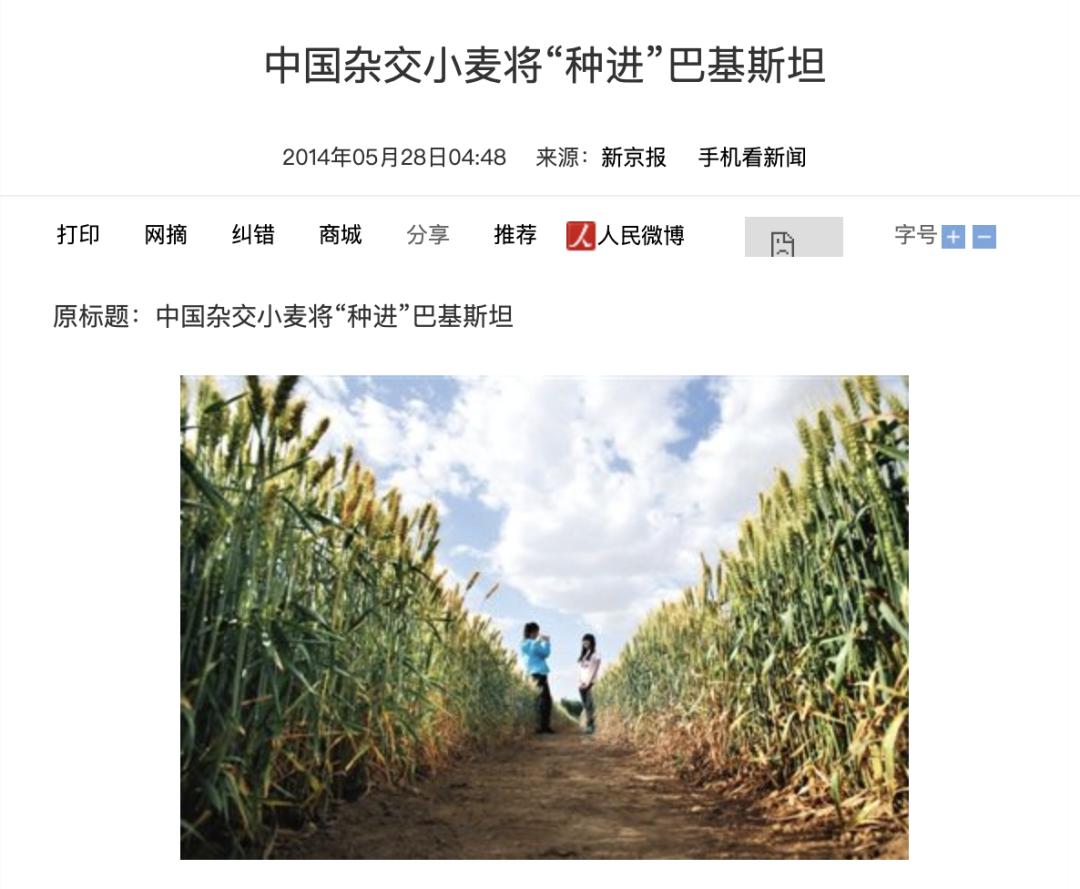
Core Insights - The article emphasizes the rapid evolution of global dynamics and the strengthening of China-Africa cooperation, particularly in the agricultural sector [1] Agricultural Cooperation - As of 2024, China has dispatched over 500 agricultural experts to Africa, trained nearly 9,000 agricultural talents, established 24 agricultural technology demonstration centers, and promoted over 300 advanced agricultural technologies benefiting more than 1 million African smallholder farmers [2] - The death of Yuan Longping, a prominent figure in hybrid rice development, has led to significant recognition of Chinese agricultural technology in Africa, exemplified by a tribute in Madagascar [2] - China's hybrid technology, particularly hybrid wheat, has been successfully implemented in Pakistan, resulting in a 45% yield increase in 2018 and maintaining high yields even under extreme weather conditions [3][7] Technological Advancements - The establishment of the China National Hybrid Rice Engineering Research Center in Madagascar has led to a rice yield of 10.8 tons per hectare, which is 3.6 times the local average [8][10] - In Madagascar, if hybrid rice is promoted on 15% of the arable land, it could potentially transform the country into a rice-exporting nation, alleviating food insecurity for its 2 million people facing famine threats [10] - In Benin, China has introduced high-yield corn varieties and established an agricultural technology demonstration center, significantly improving local agricultural practices [12] Mechanization and Equipment - China has also exported agricultural machinery, such as cotton-picking machines to Uzbekistan, with a total order value exceeding 80 million yuan, enhancing efficiency and reducing costs in cotton harvesting [17][19] - The introduction of vegetable greenhouse technology in Georgia has led to a 30% increase in vegetable production and a 70% rise in farmer income [25] Economic Impact - The processing of rubber in Côte d'Ivoire, aided by Chinese technology, has transformed the country into Africa's largest producer of natural rubber products, creating 600 jobs [27] - China's agricultural technology exports not only improve local agricultural productivity but also stimulate related industries, such as processing and logistics, thereby enhancing local economies [31] Systematic Approach - China's agricultural technology outreach is characterized by a systematic approach, providing not only technology but also expert guidance and training for local farmers [28][30] - The establishment of agricultural technology demonstration centers has led to an average yield increase of 30% to 60% in local crops, promoting economic development and job creation [31] Trade Relations - China has become Africa's largest trading partner and second-largest agricultural product export destination, with over 360 African agricultural products gaining market access in China by mid-2023 [48] - The growing trade relations have led to the establishment of currency swap agreements, enhancing the international status of the Chinese yuan [48]
美国豆农急寻其他市场,但发现加起来都不够中国的零头…
Guan Cha Zhe Wang· 2025-10-04 09:43
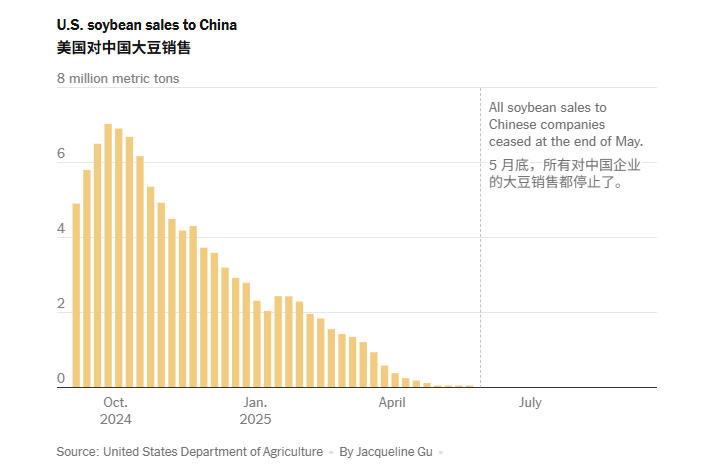
Core Insights - The article discusses the significant impact of U.S. tariffs on soybean imports from China, leading to a historic shift where Chinese importers have not placed orders for U.S. soybeans during the autumn harvest season, opting instead for South American sources. This shift has left a substantial gap in the U.S. soybean export market, as alternative markets are insufficient to compensate for the loss of Chinese demand [1][2]. Group 1: Market Impact - U.S. soybean exports to China dropped by 39% year-on-year from January to July, totaling 5.9 million tons, with export value declining by 51% to $2.5 billion, resulting in significant revenue losses for U.S. farmers [1]. - The overall U.S. soybean export volume decreased by 8% year-on-year, amounting to 18.9 million tons, despite some increases in exports to countries like Bangladesh and Vietnam [2]. Group 2: Regional Effects - Illinois, the largest soybean-producing state, faces severe challenges, with farmers experiencing average losses of $64 per acre due to low soybean prices and weak exports [3]. - Farmers in Illinois have sought new markets in Turkey and Saudi Arabia but have not seen significant results, highlighting the difficulty in finding replacements for the Chinese market [4]. Group 3: Industry Response - The U.S. Soybean Export Council is actively seeking to expand its customer base, with efforts to engage buyers from countries like Japan and Indonesia, but acknowledges the challenge of replacing the vast Chinese market [6]. - The agricultural machinery sector is also feeling the strain, with CNH Industrial reporting a 20% decline in net sales for its agricultural business in the first half of the year [7]. Group 4: Government Actions - In response to the agricultural crisis, the Trump administration is considering providing $10 billion or more in aid to farmers, potentially funded by tariff revenues, although discussions are ongoing and no final decisions have been made [9][10]. - The U.S. Treasury Secretary hinted at upcoming support measures for farmers, with expectations of discussions on agricultural procurement during the APEC meeting in late October [10][11].
唐山迈兹农业设施有限公司成立 注册资本50万人民币
Sou Hu Cai Jing· 2025-09-10 22:48
Core Viewpoint - Tangshan Maizi Agricultural Facility Co., Ltd. has been established with a registered capital of 500,000 RMB, focusing on various agricultural machinery and related services [1] Company Summary - The legal representative of the company is Wang Guiying [1] - The registered capital of the company is 500,000 RMB [1] - The company operates in the manufacturing and sales of agricultural machinery, livestock machinery, and various metal products [1] Industry Summary - The business scope includes manufacturing and sales of agricultural, forestry, animal husbandry, and fishery machinery [1] - The company also engages in the manufacturing of building materials and metal tools, as well as providing technical services and equipment installation [1] - The establishment of this company indicates a potential growth in the agricultural machinery sector, particularly in the Tangshan region [1]
育种、牧海、强农机!三院士为岭南特色现代农业出谋划策
Nan Fang Du Shi Bao· 2025-08-26 20:16
Core Insights - In 2024, Guangdong Province's total agricultural output value reached 970.12 billion yuan, ranking among the top in the country, with significant production in fruits, vegetables, meat, and aquatic products [1] Group 1: Agricultural Mechanization - There is a pressing need to strengthen the manufacturing of small and medium-sized agricultural machinery in Guangdong to support agricultural mechanization [2][5] - Current challenges include a weak agricultural machinery manufacturing industry, a lack of well-known brands, and a limited number of manufacturing enterprises [5] - Recommendations include focusing on the development of small and medium-sized agricultural machinery tailored to local agricultural needs, such as power machinery and crop production equipment [5] Group 2: Marine Economy - Guangdong, as a major marine province, has the largest marine area in the country, and there is an urgent need to establish a "Guangdong Seafood" brand and strengthen marine ranching [6][9] - Emphasis on deep processing and market development is crucial for enhancing marine ranching, with a potential market expansion for high-quality fish species estimated at 500,000 tons [9] - Development of both nearshore and deep-sea species is recommended, including high-quality seed varieties like triploid oysters and tuna [9] Group 3: Biotechnology and Breeding - Guangdong is a leading province in agricultural resources and has made significant achievements in breeding, which is vital for national food security [10][13] - A full-chain approach is suggested to overcome key technological challenges in biotechnology, focusing on areas like gene editing and synthetic biology [13] - Collaboration among government, research institutions, and enterprises is encouraged to enhance innovation and international competitiveness in the seed industry [13]

罗锡文:广东农机科技创新应主攻中小型特色农业机械
Nan Fang Nong Cun Bao· 2025-08-26 03:30
Core Viewpoint - Guangdong has the potential to become a strong province in agricultural machinery manufacturing due to its solid manufacturing foundation and capabilities [2][11]. Group 1: Current State of Agricultural Machinery in Guangdong - The agricultural machinery manufacturing industry in Guangdong is currently weak, with few enterprises and low product quality, lacking well-known brands [9][10]. - There is a need to enhance the manufacturing of small and medium-sized agricultural machinery to accelerate the mechanization of agriculture in Guangdong [10][12]. Group 2: Recommendations for Development - It is recommended to focus on the development of small and medium-sized agricultural machinery and other crop production machinery, including power machinery and specific crop production equipment [12][14]. - Various channels should be utilized to cultivate small and medium-sized agricultural machinery enterprises, including targeted support and external introductions [15][16]. Group 3: Importance of Technological Innovation - Technological innovation is crucial for the high-quality development of agricultural mechanization, with a need to strengthen original innovation capabilities and gather various scientific forces [17][18]. - The implementation of an innovation-driven strategy is essential, which includes fostering vibrant innovation entities, clarifying their roles, and enhancing the role of enterprises [19][20]. - The focus should be on addressing the weaknesses in Guangdong's agricultural machinery development, particularly in small and medium-sized specialized machinery and smart agricultural equipment [21][22].
