厨电

Search documents
设计不止于好看!华帝问鼎国际设计奖,以AI赋能全链变革激活行业新增量
Xin Lang Cai Jing· 2026-01-23 06:36
Core Viewpoint - The "Better Design Award" recognizes innovative design and industry transformation, with Vatti winning the Industrial Design Award for its project integrating AI technology into kitchen design, showcasing China's competitive strength in global design and innovation [3][12][21]. Group 1: Event Overview - The "Better Design Award" ceremony was held in Guangzhou, co-hosted by various government bodies and organizations, highlighting the event's significance and authority in the design field [1][10]. - The competition included nearly 16,000 entries from 69 countries, with only 10 awards given, emphasizing the rigorous selection process and high standards of the event [4][14]. Group 2: Vatti's Achievement - Vatti's project, "AI Empowered Design Innovation Driving New Changes in the Kitchen Appliance Industry," was recognized for its innovative approach, merging AI with kitchen design to enhance consumer experience and market expansion [3][12][13]. - The project aims to transform the kitchen appliance industry from hardware manufacturing to smart living service providers, creating a replicable model for industry-wide integration [13][21]. Group 3: Design and Innovation Philosophy - The award reflects a shift in design philosophy from product-centric to user-centric, addressing real consumer needs and promoting industry upgrades [5][15]. - Vatti's design approach emphasizes the importance of practical solutions that benefit both users and the industry, aligning with expert opinions on modern design principles [5][15]. Group 4: Industry Impact and Future Directions - As a key player in Guangdong's industrial chain, Vatti's innovation is seen as a model for the smart transformation of the home appliance industry, contributing to high-quality manufacturing development [7][17]. - Vatti has developed modular integrated products and holds 4,690 national patents, including 835 invention patents, showcasing its commitment to continuous innovation and product enhancement [18]. - The company is building an advanced smart manufacturing system, achieving significant efficiency improvements and energy savings through automation and digitalization [8][19].



贩卖焦虑or暴露焦虑? 4年连跌的火星人,都快熄火了 | BUG
Xin Lang Cai Jing· 2026-01-21 01:20
Core Viewpoint - Mars Integrated Stove has faced significant criticism for its marketing strategy, which has been perceived as "selling anxiety" by referencing critical life milestones. The company has since updated its promotional materials, indicating a shift from a technology-focused narrative to one that resonates emotionally, possibly reflecting underlying growth concerns [1][2][9]. Financial Performance - Mars Integrated Stove has experienced a continuous decline in revenue and net profit for four consecutive years, with revenue dropping from 2.319 billion yuan in 2021 to 577 million yuan in the first three quarters of 2025, and net profit declining from 375.7 million yuan to a loss of 218 million yuan during the same period [1][2][11]. - The annual revenue figures from 2022 to 2025 are as follows: 2.277 billion yuan (2022), 2.139 billion yuan (2023), 1.376 billion yuan (2024), and 577 million yuan (2025), with year-on-year declines of 1.81%, 6.03%, 35.68%, and 43.03% respectively. The net profit figures show a similar trend, with declines of 16.29%, 21.39%, 95.49%, and 1546.12% [2][11][12]. Market Context - The integrated stove industry is closely tied to the real estate market, and the recent slowdown in new housing deliveries has negatively impacted business growth. However, compared to competitors like Boss Electric and Vanward Electric, Mars Integrated Stove's revenue and profit declines are more severe, suggesting that internal factors also play a significant role [3][12]. Operational Challenges - Key operational issues contributing to Mars Integrated Stove's performance include an over-reliance on integrated stoves (over 80% of product mix), a lack of product innovation (low R&D spending), and a dependence on a "burning money for growth" strategy. These factors have exacerbated the company's performance decline [4][13]. - The company's sales expense ratio surged to 46.8% in the first three quarters of 2025, up from 27.47% the previous year, yet this increase in marketing expenditure coincided with a significant revenue drop of 43.03% and a net profit decline of 1546.12% [4][13]. Shareholder Actions - Recent significant share reductions by major shareholders indicate a lack of confidence in the company's future. For instance, from October 14, 2025, to January 13, 2026, major shareholders reduced their holdings by a total of 5.293 million shares, representing a 1.30% decrease [5][14]. Management Changes - In response to ongoing performance issues, Mars Integrated Stove has undergone significant management changes, including the resignation of key executives and the appointment of new leadership from Vanward Electric. This includes the new marketing general manager, who has a track record of successful strategies in the industry [6][10][17]. - The company has also implemented salary reductions for top executives, reflecting the urgency of addressing the declining performance. Total compensation for executives decreased by approximately 22% from the previous year [15][16]. Strategic Considerations - The future direction of Mars Integrated Stove remains uncertain, as the company must decide whether to continue focusing on integrated stoves or expand into broader kitchen appliance solutions. The effectiveness of new management in addressing these strategic challenges is yet to be determined [8][18].


贩卖焦虑or暴露焦虑?4年连跌的火星人,都快熄火了 | BUG
Xin Lang Ke Ji· 2026-01-21 00:17
Core Viewpoint - Mars Integrated Stove has faced criticism for its marketing strategy that allegedly promotes anxiety by referencing significant life events, leading to a shift in its brand narrative from "technical symbols" to "emotional resonance" [2][3] Financial Performance - Mars Integrated Stove has experienced a continuous decline in revenue and net profit for four consecutive years since 2021, with revenue dropping from 23.19 billion yuan and profit of 3.76 billion yuan in 2021 to 5.77 billion yuan and a loss of 2.18 billion yuan in the first three quarters of 2025 [3][10][11] - The company's revenue figures for the years 2022 to 2025 are 22.77 billion yuan, 21.39 billion yuan, 13.76 billion yuan, and 5.77 billion yuan, reflecting year-on-year declines of 1.81%, 6.03%, 35.68%, and 43.03% respectively [10] - Correspondingly, the net profit figures are 3.145 billion yuan, 2.472 billion yuan, 1.115 million yuan, and a loss of 2.183 billion yuan, with year-on-year declines of 16.29%, 21.39%, 95.49%, and 1546.12% respectively [11] Marketing and Brand Strategy - Following backlash over its "breath easy package" marketing campaign, Mars Integrated Stove has proactively revised its advertising content to remove potentially discomforting phrases [6][8] - The company’s marketing expenses surged to 46.8% in the first three quarters of 2025, up from 27.47% in the previous year, yet this increase did not translate into improved financial performance [13] Management Changes - In response to ongoing poor performance, Mars Integrated Stove has undergone significant personnel changes, including the resignation of its deputy general manager and the appointment of a new marketing general manager from the Wanhe Group [15][16] - The company’s actual controller and several executives have also experienced salary reductions, with total executive compensation dropping from 13.23 million yuan in 2023 to 10.28 million yuan in 2024, a decrease of approximately 22% [15] Industry Context - The integrated stove industry is closely tied to the real estate market, and the decline in new housing deliveries has adversely affected business growth [12] - Despite challenges faced by the industry, Mars Integrated Stove's performance has deteriorated more significantly than its peers, indicating internal management issues alongside external market pressures [12][17]
老板电器战略投资优特智厨,加码AI炒菜机器人赛道
2 1 Shi Ji Jing Ji Bao Dao· 2026-01-14 03:21
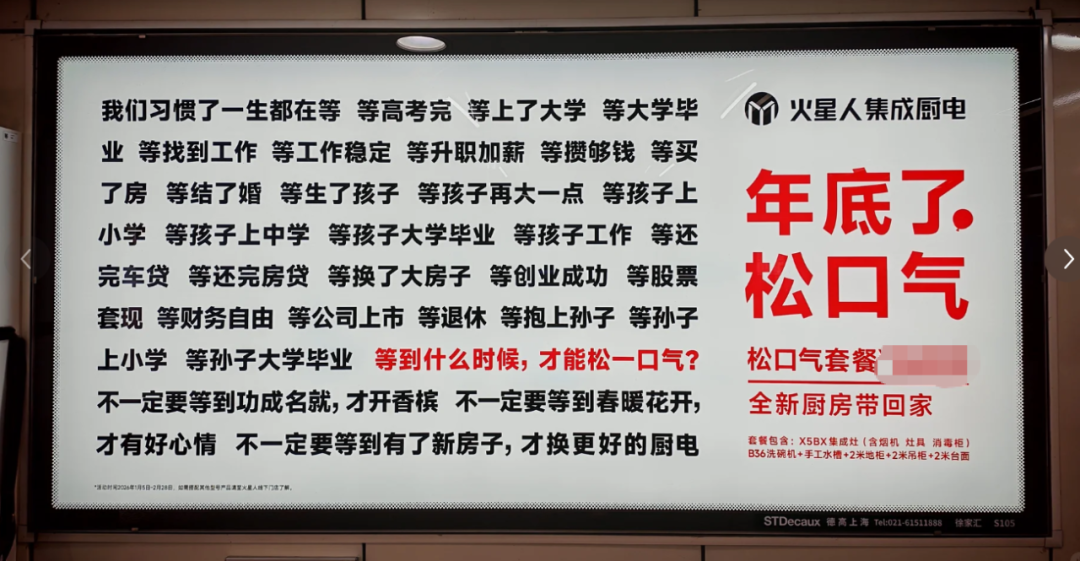
Core Insights - The company is transforming its future by investing 100 million yuan in the smart cooking robot company Utcook Intelligence International Holdings Limited, establishing commercial kitchens as its second growth curve [2] - As a leader in the Chinese kitchen appliance industry for 47 years, the company is seeking high-potential new markets amid challenges in the real estate cycle and intensified competition in home appliances [2] Group 1: Strategic Investment and Market Positioning - The investment in Utcook is seen as a strategic move to penetrate the commercial kitchen market, which is valued at over 1 trillion yuan and has a smart penetration rate of less than 10% [2] - The company aims to leverage its core technology and extensive cooking data to create a replicable and evolving smart cooking capability rather than just selling cooking equipment [3] Group 2: Technological Development - The AI model "Shishen," developed by the company's research institute, is based on 50 million real cooking data points and boasts an accuracy rate of over 98% for dish recognition and health management [3] - The integration of precise temperature control and patented algorithms with the AI system addresses key pain points in the restaurant industry, such as chef shortages and inconsistent flavors [3] Group 3: Ecosystem Collaboration - The company is deepening strategic collaborations with leading platforms, transitioning from traditional government and enterprise clients to chain restaurant channels [4] - Partnerships with Baidu and JD Qixian Xiaochu are aimed at providing integrated AI cooking terminals and standardized kitchen equipment to support rapid expansion in the restaurant network starting in 2026 [6] Group 4: Growth Metrics - In 2025, the company's commercial kitchen business is expected to experience explosive growth, with significant increases in contract amounts, invoicing, and payment collections, alongside a 70% growth in new customer acquisition [7] - The collaboration with Utcook is anticipated to enhance the company's market presence and create a comprehensive solution for commercial kitchen hardware and digital solutions [7] Group 5: Future Outlook - The partnership is set to reshape the kitchen ecosystem, combining smart cooking robots with the company's AI products to create a more complete solution [8] - A more intelligent and responsive commercial cooking service network is being constructed, driven by shared cooking data that will continuously inform technological iterations [9] - The company's transition from a home appliance manufacturer to a smart cooking service provider marks a significant evolution, positioning it to capitalize on the historical turning point in the commercial kitchen sector [10]

智能硬件创新赋能出口升级 细分赛道深圳领跑全球
Zheng Quan Shi Bao· 2026-01-13 18:10
Core Insights - The rise of consumer hardware innovation in Shenzhen, driven by companies like DJI, has significantly boosted the export of electromechanical products, which reached 15.4 trillion yuan in the first three quarters of 2025, marking a 4.5% increase and accounting for 75.7% of Shenzhen's total exports [1] - The emergence of the smart hardware industry, including products like 3D printers and translation headsets, is reshaping global industrial competition and enhancing the "Shenzhen Creation" brand [1] Group 1: 3D Printing Industry - TuoZhu Technology has become a leading player in the desktop 3D printing market, holding over 80% market share in China, with its flagship product, Bambu Lab X1, simplifying operations for ordinary users [2][3] - The launch of MakerWorld, a 3D model community, has connected creators with users, achieving nearly 10 million monthly active users and over one million models [3] - China exported 3.491 million 3D printers (excluding parts) in the first three quarters of 2025, nearing the total export of 3.778 million units for 2024, with four of the top five global consumer 3D printing companies based in Shenzhen [3] Group 2: Translation Technology - TimeSpace Pot's translation headset utilizes real-time simultaneous translation technology, addressing the need for seamless cross-language communication [4] - The company achieved a breakthrough in dual-direction simultaneous translation, allowing for efficient communication without waiting for complete sentences [4][5] - The headset's design focuses on precise sound capture, utilizing multiple microphones to filter out background noise, enhancing translation accuracy [5] Group 3: Smart Kitchen Appliances - Tiger One Technology is innovating in the traditional kitchen appliance sector by integrating "cooking science" to simplify cooking processes [6][8] - The company has developed a new oven that automatically adjusts temperature based on food data, and its air fryer has become a top seller on Amazon [8] - Tiger One's proprietary technology has led to a gross margin increase from 58% to 64%, with projected revenues of $70-80 million in 2025, representing over 300% growth [8] Group 4: Shenzhen Hardware Innovation Ecosystem - The growth of companies like TuoZhu, TimeSpace Pot, and Tiger One exemplifies the rise of Shenzhen's hardware innovation sector, which focuses on user needs and technological advancements [9] - These companies are enhancing the autonomy and completeness of Shenzhen's manufacturing chain, contributing to a robust hardware innovation ecosystem [9]
AI接管一切,人人都是米其林大厨,智能厨电在这届CES上卷疯了
3 6 Ke· 2026-01-12 04:14
Core Insights - The CES 2026 showcased a significant trend in AI kitchen appliances, emphasizing the integration of AI to simplify cooking processes and enhance user experience [1][31][34] Group 1: AI Kitchen Appliances - AI kitchen appliances are becoming the focal point of innovation, with products designed to "free hands" by automating various cooking tasks, from ingredient selection to cooking and cleaning [4][31] - The AIChef Ultra by Wandekitchen exemplifies this trend, featuring a comprehensive cooking system that utilizes AI for real-time ingredient recognition and cooking progress assessment [6][12] - The integration of health monitoring features, such as facial recognition for dietary suggestions, represents a shift towards holistic cooking solutions [12][34] Group 2: Health and Safety Innovations - Chengyi Technology introduced products focused on respiratory health during cooking, such as the Arspura P2, which captures harmful particles before they spread [13][18] - The emphasis on health and safety in cooking environments is becoming a critical aspect of kitchen appliance design, moving beyond traditional functionalities [18][34] Group 3: Advanced Cooking Systems - Bosch's Cook AI system offers a unique approach by providing real-time guidance and adapting to user preferences, aiming to create a comprehensive cooking ecosystem [19][20] - Brisk It's Neoma AI Countertop Oven utilizes visual and sensor technology to monitor cooking processes, allowing for adjustments based on the state of the food [23][25] - Hisense's Smart Induction Range and S7 Smart Dishwasher focus on dynamic adjustments during cooking and cleaning, reducing the need for user intervention and learning [26][30] Group 4: Industry Evolution - The shift in AI kitchen appliances from mere assistants to decision-makers signifies a transformative phase in the industry, where AI takes on more responsibility in cooking processes [31][33] - This evolution is expected to lower the barriers for consumers, making complex appliances more accessible and integrating various aspects of cooking and health into a cohesive solution [33][34]


从硬件竞赛到体验再造,老板电器寻找下一个AI入口
财联社· 2026-01-08 05:18
Core Insights - 2025 is a pivotal year for AI as it transitions from technical breakthroughs to practical applications, with a focus on real-world value rather than just technological advancements [1] - The kitchen, traditionally a functional space, is undergoing a transformation driven by AI, which is reshaping the relationship between people and products [1][2] - The smart kitchen appliance market in China is projected to reach 180 billion yuan in 2024, growing at over 20% annually, yet about 30% of current smart appliances remain basic in functionality [1] Industry Trends - The integration of AI in traditional industries, exemplified by companies like Boss Electric, is addressing the challenge of embedding cutting-edge technology into conventional sectors [2] - Despite the ongoing generative AI trend, there is a gap in practical applications within the kitchen, highlighting the need for AI that understands specific culinary contexts rather than general knowledge [3][6] - The kitchen environment relies heavily on tacit knowledge and sensory feedback, which poses challenges for general AI models that lack the depth of understanding required for cooking [6] Company Strategies - Boss Electric is adopting a unique approach by developing an AI model, "Shishen," rooted in 47 years of industry experience, focusing on personalized cooking solutions [7] - The company reported a 55% year-on-year increase in digital kitchen appliance sales in Q3 2025, with user numbers surpassing 6 million, indicating strong market acceptance [7] - Boss Electric has established three research institutes focused on digital kitchen appliances and AI cooking algorithms, creating a comprehensive R&D ecosystem [7] Data and User Engagement - The establishment of data property rights is crucial for AI commercialization, with Boss Electric obtaining seven data property registration certificates to facilitate compliance and value transformation [8] - A feedback loop is created where increased user engagement enhances AI understanding, leading to a more personalized experience, which in turn encourages further usage [8] - The company is shifting from traditional metrics of success to new indicators such as user activity and service renewal rates, reflecting a changing landscape in value assessment [14] User-Centric Approach - Boss Electric's branding as "your AI cooking partner" signifies a shift from technology-driven to relationship-driven strategies, emphasizing emotional connections with users [9] - The "Shishen" model offers personalized cooking solutions that adapt to individual dietary needs and preferences, addressing the non-standardized nature of food requirements [11][12] - The company's initiatives, such as immersive experiences and collaborations with Michelin, aim to enhance user engagement and create a deeper connection with culinary culture [13] Future Outlook - The ongoing AI wave presents both challenges and opportunities, with successful companies needing to deeply understand their industries and user needs rather than merely chasing trends [17] - Boss Electric's comprehensive strategy serves as a model for the kitchen appliance industry, illustrating how to innovate and create value in the AI era [17]
蝉联臻质奖!行业唯一,华帝以新质生产力领跑大湾区厨电高质量发展
Jing Ji Guan Cha Wang· 2025-12-31 07:20
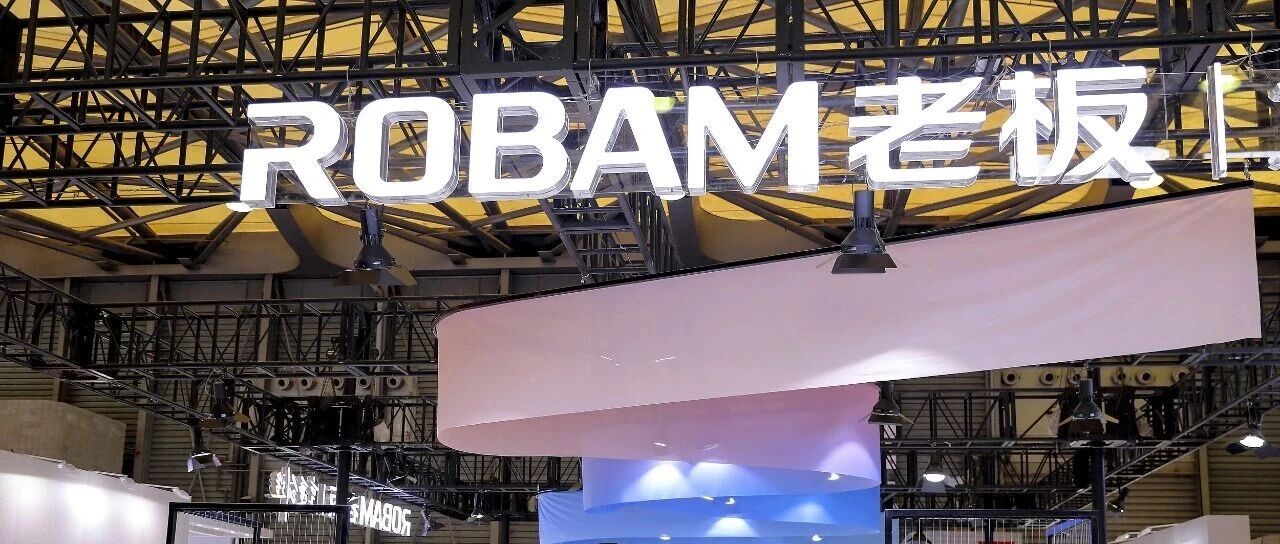
Core Insights - The Greater Bay Area is transitioning from a "world factory" to a "world-class innovation source" by 2025, as outlined in the development plan [1] - Vatti Corporation has been recognized for its outstanding performance, winning the "2025 Annual Greater Bay Area Quality Award" for the second consecutive year, highlighting its role as a model for high-quality development in the kitchen appliance industry [1][3] Group 1: Innovation and Technology - Vatti views R&D innovation as the core engine for its high-end transformation, holding 4,690 national patents, including 835 invention patents, as of June 30, 2025 [3] - The company invested 172 million yuan in R&D in the first three quarters of 2025, driving the conversion of technological achievements into practical applications [3] - Vatti has introduced advanced technologies such as the fifth-generation surf washing technology for range hoods, achieving a 99.2% cleaning rate, and the "high-translucent active skin technology" for water heaters, enhancing the bathing experience [3] Group 2: Sustainable Development - Vatti's rooftop photovoltaic project generates 32% of its total electricity consumption, saving 5.81 million kilowatt-hours of municipal electricity [3] - The company has reduced volatile organic compound (VOCs) emissions by 20% year-on-year and achieved zero sulfur dioxide emissions in 2024 [3] Group 3: Brand Value and Marketing - Vatti has redefined its brand value by integrating traditional cultural elements into modern aesthetics, exemplified by the "new Chinese-style fashionable healthy lifestyle" concept [5] - The company has launched various marketing initiatives, including short dramas and a sci-fi short film, to engage younger consumers and connect its brand story with contemporary culture [7] - Vatti's product offerings, such as the skin-care enhancing gas water heater and multifunctional cooking appliances, are designed to meet the health needs of the younger generation [7] Group 4: Industry Collaboration - As a "chain master" enterprise in the Greater Bay Area, Vatti is building an ecosystem that promotes collaboration among large, medium, and small enterprises, enhancing the resilience of the local supply chain [4] - The company has streamlined its business processes using systems like SAP and MES, reducing the new product delivery cycle from 25 days to 15 days, thereby improving overall industry collaboration efficiency [4] Group 5: Future Outlook - The Greater Bay Area is seen as a core driver of China's economic development, with companies like Vatti expected to continue innovating and driving high-quality growth [9] - Vatti aims to leverage technological innovation to propel industry upgrades and growth, contributing to the Greater Bay Area's advancement through collaboration and self-reliance [9]

华帝连续两年荣膺“粤港澳大湾区臻质奖”
Jing Ji Guan Cha Wang· 2025-12-31 07:20
Core Viewpoint - Vatti has been awarded the "Quality Award of the Guangdong-Hong Kong-Macao Greater Bay Area" for two consecutive years, highlighting its leadership in the kitchen appliance industry and commitment to high-quality development [1] Group 1: Company Achievements - Vatti has led or participated in the formulation of over 40 national and industry standards, showcasing its influence in the kitchen appliance sector [1] - The company holds a total of 4,690 patents, indicating a strong focus on innovation and intellectual property [1] - Vatti has invested 1.2 billion yuan to build a world-class "lighthouse factory" standard industrial park, emphasizing its commitment to technological innovation and digital transformation [1] Group 2: Industry Impact - Vatti's initiatives are aimed at leading the high-quality development of the kitchen appliance industry in the Greater Bay Area, reflecting its role as a key player in the sector [1]
当AI开始理解烟火气,厨房或许会成为下一个超级入口
3 6 Ke· 2025-12-30 09:56
Core Insights - The rapid development of AI has led to a saturation point where the next growth phase must focus on embedding AI into real-life applications rather than just improving model capabilities [2][3] - Vertical scenarios, particularly in complex environments like kitchens, are emerging as new opportunities for AI integration, moving beyond simple functionalities to create sustainable value [3][4] Industry Trends - The kitchen is identified as a highly underappreciated space for AI application due to its complexity and the subjective nature of cooking [4][5] - The transition from AI as a tool to an intelligent partner in cooking is seen as a critical test for AI's integration into daily life [6][7] Company Developments - Boss Electric, with 46 years in the kitchen appliance industry, is pioneering the integration of AI into everyday cooking scenarios through its "Shishen" model, which aims to understand and enhance the cooking experience [7][10] - The "Shishen" model is designed to address decision-making in cooking, adapting to user preferences and real-time conditions, thus providing a more personalized cooking experience [9][11] Technological Advancements - The "Shishen" model incorporates advanced sensory capabilities, allowing it to perceive changes in ingredients and cooking processes, and adjust accordingly [11][12] - By the end of 2025, the model will enhance user interaction through features like AI photo analysis of ingredients and real-time voice dialogue, making it more user-friendly [14][16] Market Potential - The global AI kitchen appliance market is projected to grow from $3.763 billion in 2024 to $5.831 billion by 2031, indicating a strong consumer demand for AI-integrated cooking solutions [18] - A significant portion of consumers (76%) are willing to pay a premium for AI-enabled kitchen products, reflecting a shift towards higher quality living standards [27] Challenges in the Industry - There exists a disconnect between consumer expectations for intelligent kitchen appliances and the current market offerings, with many products still in the early stages of AI integration [28] - The industry faces challenges due to two prevalent approaches: "hardware-first" and "AI-first," both of which often fail to meet user needs effectively [29][30] Strategic Insights - Boss Electric's approach combines hardware, algorithms, and content to create a cohesive cooking experience, positioning itself uniquely in the market [30][31] - The company emphasizes the importance of understanding vertical scenarios, hardware engineering, and cultural content to successfully integrate AI into cooking [31][32] Cultural Impact - The integration of AI in cooking is not just about efficiency but also about reshaping relationships within families and communities, highlighting the emotional and cultural significance of cooking [18][22] - Initiatives like "National Cooking Day" and collaborations with platforms like Xiaohongshu aim to foster community engagement and emotional connections through cooking [21][19]