
咖啡产业

Search documents
从一片树叶、一杯咖啡到美妆小瓶罐 看小产品如何撬动大市场
Yang Shi Xin Wen Ke Hu Duan· 2025-12-09 01:58
Group 1: Matcha Industry - The matcha market in China has reached a scale of 15 billion, with the country becoming the largest matcha producer globally [1] - In the first half of this year, China's matcha export volume has already surpassed the total for the previous year [1] - Over 80 new matcha stores have opened in Guiyang this year, with more than 100 registered dining brands using Guizhou matcha nationwide [7] - The annual growth rate for matcha usage in the new tea beverage sector is expected to reach 60% over the next three to five years [7] - Guizhou's matcha exports have doubled year-on-year in the first nine months of this year, covering over 50 countries [19] Group 2: Coffee Industry - China's per capita annual coffee consumption has reached 22.24 cups, with Shanghai averaging around 50 cups [20] - The number of coffee-related enterprises in China has exceeded 250,000, with a 36.8% increase in newly registered coffee businesses this year [28] - The coffee industry in China is projected to exceed 300 billion by 2024, with an expected growth to 369.3 billion by 2025 [34] - The Shanghai coffee market is characterized by diverse consumer demands, with innovative concepts like "coffee + music" and "coffee + agriculture" gaining popularity [30] Group 3: Beauty Industry - The beauty industry in Huzhou, Zhejiang, has developed over 300 patents, focusing on innovative technologies to enhance production efficiency [40] - The total industrial output value of the beauty town reached 7.546 billion in the first three quarters, with exports of 284 million, a year-on-year increase of 34.59% [50] - The local government has organized 30 supply chain matching events this year, a 25% increase compared to the previous year, to strengthen the beauty industry cluster [48]

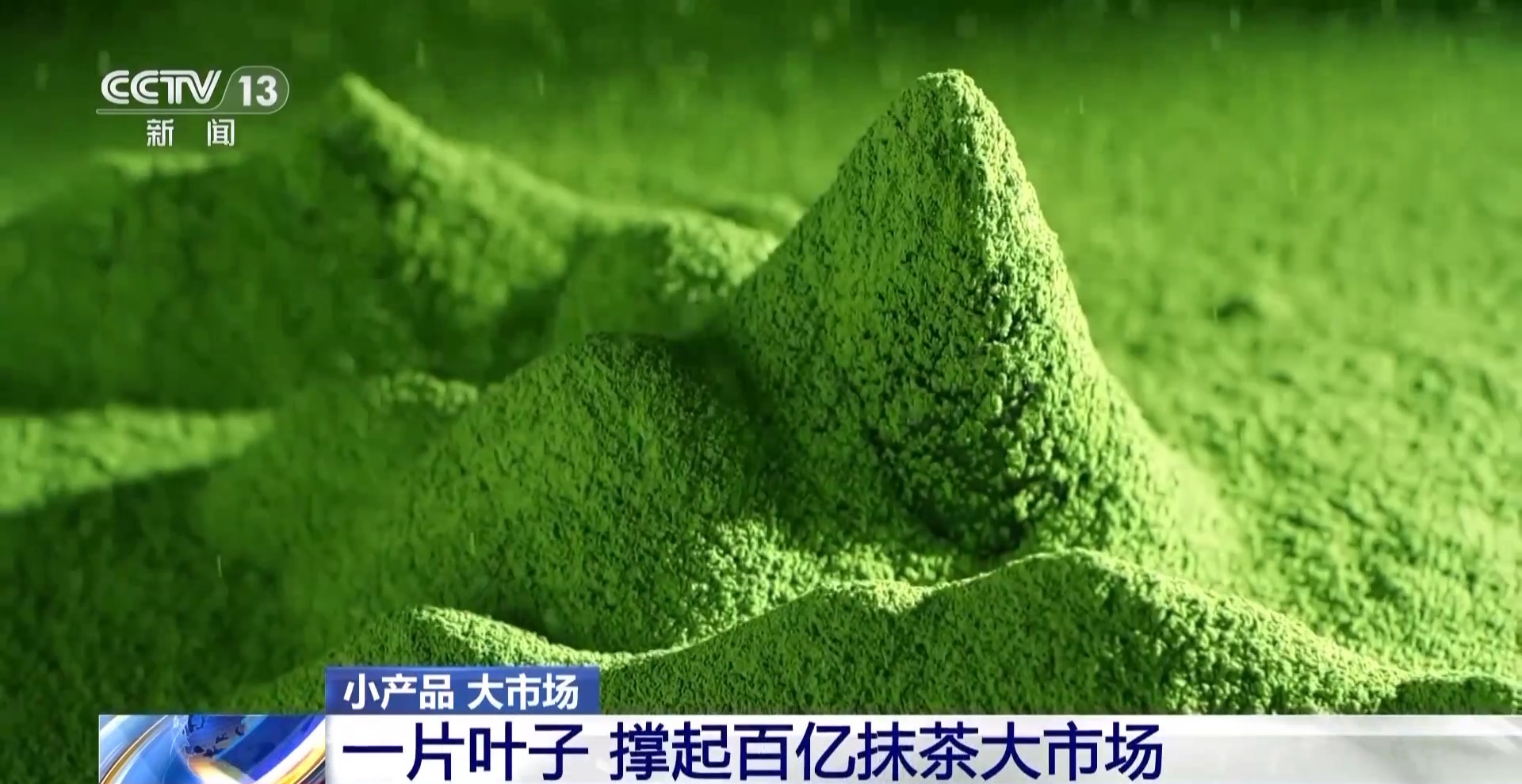
“小”产品火爆折射经济发展澎湃动能 映照出中国大市场“蓬勃活力+广阔空间”
Yang Shi Wang· 2025-12-08 07:25
Group 1: Matcha Industry - The matcha market in China has reached a scale of 150 billion, with the country becoming the largest matcha producer globally [1] - In the first half of this year, China's matcha export volume has already surpassed the total for the previous year [1] - Over 80 new matcha stores have opened in Guiyang this year, and more than 100 registered dining brands are using Guizhou matcha nationwide [5] - The annual growth rate of matcha usage in the new tea beverage sector is expected to reach 60% over the next three to five years [5] - Guizhou's Tongren supplies one-quarter of the country's matcha, with four world-class automated production lines operating at high speed [7] - Guizhou has developed over 60 types of matcha products this year and is establishing overseas sales centers in the US, France, and Malaysia [9] - Guizhou's matcha export volume has doubled year-on-year in the first nine months of this year, covering over 50 countries [13] Group 2: Coffee Industry - China's per capita annual coffee consumption has reached 22.24 cups, with Shanghai averaging around 50 cups [14] - The number of coffee-related enterprises in China has exceeded 250,000, with a 36.8% increase in new registrations this year [18] - The coffee industry in China is projected to exceed 300 billion by 2024, with an expected growth to 369.3 billion by 2025 [22] - The coffee market is diversifying with new consumption models such as "coffee + music" and "coffee + agriculture" [20] - The shift in consumer demand reflects a transition from material consumption to service and experience-oriented consumption [24] Group 3: Beauty Industry - The beauty industry in Huzhou, Zhejiang, is rapidly expanding through innovation and has developed over 300 patents [26] - Local beauty enterprises are experiencing sales growth of 30% to 50% this year, driven by strong market feedback on new products [26] - Huzhou's beauty town has formed a complete industrial chain, from raw material supply to production and logistics [28] - The total industrial output value of the beauty town reached 7.546 billion this year, with exports of 284 million, a year-on-year increase of 34.59% [32] - The retail sales of cosmetics in China reached 381.2 billion in the first ten months of this year, marking a 4.6% year-on-year growth [34]
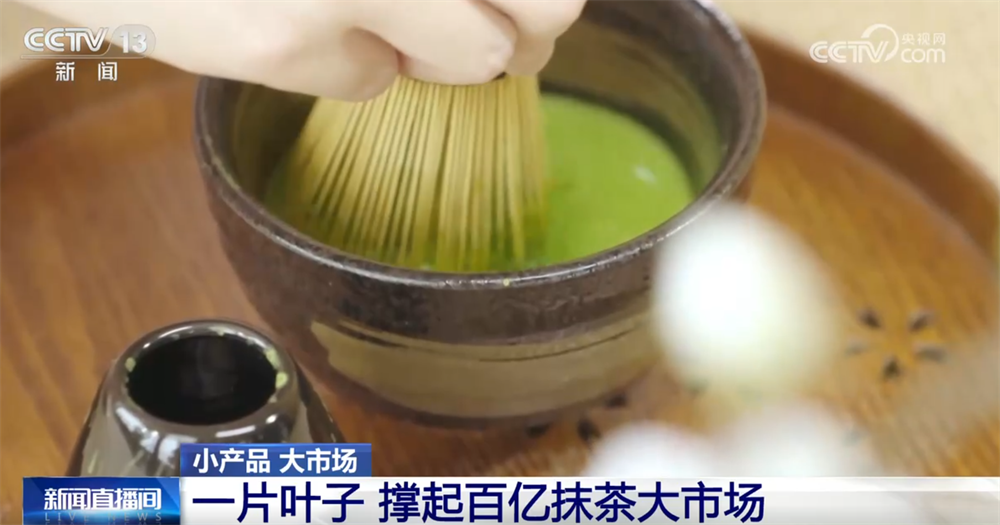
云南普洱:博览会上的茶咖相遇
Xin Hua She· 2025-12-06 03:46
12月5日,为期三天的2025中国(普洱)国际咖啡博览会、普洱茶博览交易会在云南省普洱市开幕。本 届博览会以"中国茶咖·香遇世界"为主题,创新打造"咖博会+茶博会"双展联动模式,融合商业展销、行 业赛事、文化体验等多种元素,吸引来自国内外的百余家企业参展。 ...
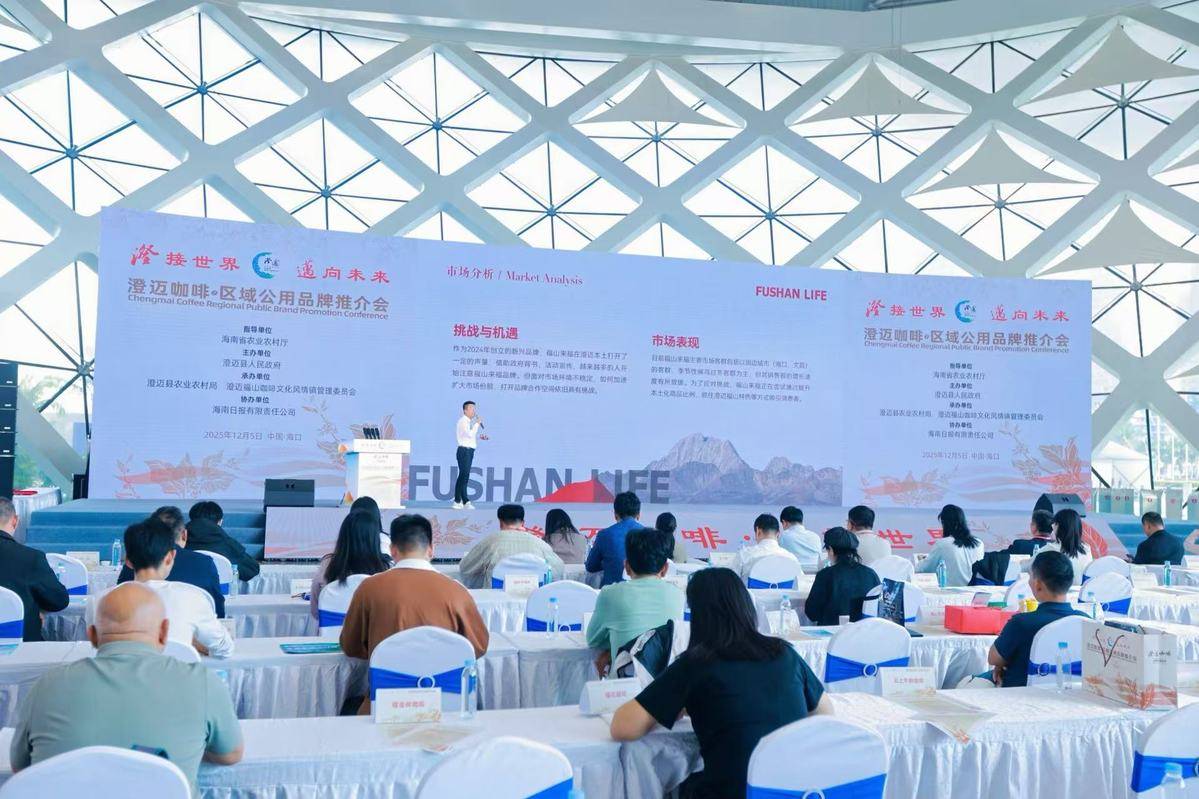
澄迈咖啡区域公用品牌推介会在海口举行,自贸港咖香链接全球商机
Sou Hu Cai Jing· 2025-12-05 16:18
Core Insights - The event held on December 5 at the Hainan International Convention and Exhibition Center showcased the promotion of the Chengmai coffee regional public brand, attracting over 200 guests, industry representatives, and media to explore new pathways for Chengmai coffee in the global trade market [1][7] Group 1: Chengmai Coffee Industry Overview - Chengmai County is positioned in the golden coffee planting belt at 19°N latitude, benefiting from volcanic rock selenium-rich soil and abundant sunlight, which contribute to its unique coffee quality [3] - The Fushan Coffee Cultural Town, a key carrier of the coffee industry, is recognized as a national 4A tourist attraction and has established a dual-driven model of "cultural tourism + industrial park," with 117 enterprises and a registered capital exceeding 3 billion yuan [3] - The coffee industry in Chengmai is expected to achieve a total industrial chain output value of 690 million yuan in 2024, with approximately 750 related entities in the supply chain [3] Group 2: Policy and Economic Impact - The free trade port policy has significantly enhanced the Chengmai coffee industry, with four coffee enterprises approved for tax-exempt processing trials, allowing imported coffee beans to enter the domestic market without tariffs if processed with over 30% added value [5] - Key projects signed during the promotion event, including a coffee fresh fruit peeling and de-gumming production line, will further enhance the industrial chain and ecosystem [5] Group 3: Event Highlights and Future Prospects - The event featured a showcase of 13 local coffee enterprises, allowing attendees to experience the diverse flavors and quality of Chengmai coffee [5] - The Chengmai Fushan Coffee Cultural Town management committee shared insights on variety improvement, technological innovation, and cultural tourism integration during the event [5] - The successful hosting of the promotion event is seen as a bridge connecting domestic and international resources, with plans to develop Chengmai into an international coffee trading and processing base [7]
中老铁路推动普洱产业升级 “茶咖融合”焕发新活力
Yang Shi Wang· 2025-12-03 12:13
Core Insights - The China-Laos Railway has been operational for four years, significantly enhancing connectivity between China and ASEAN, and providing unprecedented development opportunities for the regions along the route [1][5]. Group 1: Economic Impact - The railway has revitalized the local economy in Pu'er, a historical hub of the "Tea Horse Road," by increasing passenger flow and creating new opportunities for local industries [1][5]. - The number of coffee shops in Pu'er has surged from 29 to over 300 in four years, indicating a substantial growth in the coffee and tea tourism sector, which is becoming a new economic engine for the region [5]. Group 2: Industry Transformation - The development of the "tea-coffee integration" industry in Pu'er reflects a shift from a single agricultural focus to a more diversified "sixth industry" model, combining agriculture with tourism and leisure [5]. - The influx of tourists and investment, as seen in a newly opened coffee estate, highlights the potential for further growth driven by the railway [3].

【环球财经】乌干达企业家:中国零关税政策为乌咖啡出口提供新机遇
Xin Hua Cai Jing· 2025-12-03 08:08
Core Viewpoint - Uganda's coffee industry is poised for growth due to China's implementation of a zero-tariff policy on products from African countries, making the Chinese market more attractive for Ugandan coffee exports [1][2]. Group 1: Policy Impact - China's new policy provides a "friendlier business environment" for Ugandan coffee, potentially increasing farmers' incomes [1]. - The policy was announced during the China-Africa Cooperation Forum, which aims to implement zero tariffs on 100% of products from 53 African countries [1]. Group 2: Market Opportunities - Uganda's coffee exports to China saw a 190% year-on-year increase by March 2025, making China the second-largest coffee export destination for Uganda in Asia [2]. - The Ugandan coffee export revenue reached $1.14 billion in the 2023/2024 fiscal year, marking the highest level in 30 years, a significant increase from $846 million in the previous fiscal year [2]. Group 3: Industry Preparedness - To ensure a stable supply of quality coffee to China, Uganda must enhance cooperation and communication within the coffee industry [2]. - Over 40 Ugandan employees have participated in coffee processing technology training in China, with another 40 set to go for further training [2].
埃塞俄比亚咖啡期待深耕中国市场
Xin Hua She· 2025-12-02 01:04
Core Insights - Ethiopia is recognized as the birthplace of Arabica coffee and is the largest producer of Arabica coffee in Africa, with an annual production of approximately 600,000 tons [1] - The coffee industry is crucial to Ethiopia's economy, with over 25 million people involved in coffee production, processing, and sales [1] - In the recently concluded fiscal year 2024-2025, Ethiopia's coffee exports reached about 469,000 tons, an increase of approximately 170,000 tons year-on-year, generating a record export value of $2.65 billion, accounting for one-third of the country's total exports [1] Company Insights - AWO Coffee Company, led by exporter Tesfaye Gabru, has expanded its business from exporting raw coffee beans to include coffee cultivation, processing, and finished product exports, driven by strong demand from the Chinese market [1][2] - The company operates a 14-hectare coffee farm and a roasting facility, exporting around 140 tons of raw coffee beans and 20 tons of finished coffee products to China last year, with an annual growth rate of approximately 10% [2] - Currently, about 90% of AWO Coffee's finished products are sold to China, and the company also sources coffee beans from local farmers to meet increasing export demands [2] Market Trends - The Chinese market has rapidly grown to become Ethiopia's fourth-largest coffee import market, with a notable increase in coffee consumption among young Chinese consumers [2] - Ethiopian coffee producers are leveraging platforms like the China International Import Expo and e-commerce to enhance their market presence in China, benefiting both coffee farmers and Chinese consumers [2] - Companies like Hadro Coffee are also seeing significant demand from China, with the country being their third-largest export market, highlighting the importance of trade fairs for establishing connections with Chinese traders [2]
共话中国经济新机遇丨通讯:埃塞俄比亚咖啡期待深耕中国市场
Xin Hua She· 2025-11-30 01:31
Core Viewpoint - Ethiopia's coffee industry is experiencing significant growth, particularly in the Chinese market, with increasing exports and rising demand from consumers, especially the younger demographic [1][2]. Group 1: Industry Overview - Ethiopia is the largest producer of Arabica coffee in Africa, with an annual production of approximately 600,000 tons [1]. - Over 25 million people in Ethiopia are involved in coffee production, processing, and sales [1]. - In the fiscal year 2024-2025, Ethiopia's coffee exports reached about 469,000 tons, an increase of approximately 170,000 tons year-on-year, generating a record export value of $2.65 billion, accounting for one-third of the country's total exports [1]. Group 2: Company Insights - AWO Coffee Company, led by exporter Tesfaye Gabru, has expanded its business from raw coffee bean exports to include coffee cultivation, processing, and finished product exports, driven by strong demand from the Chinese market [1][2]. - The company exported around 140 tons of raw coffee beans and 20 tons of finished coffee products to China last year, with an annual growth rate of about 10% in export volume [2]. - Currently, approximately 90% of AWO Coffee's finished products are sold to China, highlighting the importance of this market for the company's growth [2]. Group 3: Market Dynamics - The Ethiopian Coffee and Tea Authority indicates that China has rapidly become Ethiopia's fourth-largest coffee importer, with a notable increase in direct imports from Ethiopian producers [2]. - The growing popularity of coffee among Chinese consumers, particularly younger individuals, is contributing to the rising demand for Ethiopian coffee [2]. - Events like the China International Import Expo and the use of e-commerce platforms are facilitating the expansion of Ethiopian coffee in China, benefiting both coffee farmers and consumers [2].
高质量发展故事汇丨做好“五篇大文章” 推动金融高质量发展
Xin Hua Wang· 2025-11-27 23:48
Core Viewpoint - The article emphasizes the importance of finance as a vital component of national economic strength and highlights the Chinese government's commitment to developing five key areas of finance: technology finance, green finance, inclusive finance, pension finance, and digital finance, as outlined by President Xi Jinping [2][4][12]. Group 1: Financial Development Strategies - The Chinese government aims to deepen the understanding of the essence of socialist finance with Chinese characteristics, focusing on serving the real economy, risk prevention, and promoting financial innovation [3][9]. - The "five major articles" in finance are identified as key areas for high-quality financial development, which include technology finance, green finance, inclusive finance, pension finance, and digital finance [12]. Group 2: Policy Implementation and Achievements - Recent years have seen the introduction of various policies and frameworks to support the development of the "five major articles," including the establishment of a 200 billion yuan technology innovation relending program and a 5,000 billion yuan technology innovation and transformation relending program [5][6]. - By the end of September 2023, technology loans accounted for 30.5% of all new loans, with a year-on-year growth of 22.3% in loans to technology SMEs, significantly outpacing overall loan growth [7]. Group 3: Sector-Specific Developments - The green finance sector has seen a loan balance of 43.5 trillion yuan, with a year-on-year increase of 22.9%, and a total issuance of green bonds reaching 4.9 trillion yuan [7]. - Inclusive finance has expanded from simple credit offerings to a comprehensive service model that includes credit, insurance, and wealth management, ensuring financial services are accessible at the community level [6][10]. Group 4: Future Directions - The government plans to enhance support for technology finance by improving incentive mechanisms and providing comprehensive financial services for technology enterprises, aiming to create a virtuous cycle between technology, industry, and finance [9]. - There is a strong focus on developing green finance to facilitate a comprehensive green transformation of the economy, with an emphasis on funding for environmentally friendly projects [10].
“全球南方”媒体记者走进万宁 感受文旅融合发展新面貌
Hai Nan Ri Bao· 2025-11-27 02:04
Group 1 - The core viewpoint of the articles highlights the innovative transformation of the coffee industry and the vibrant surfing culture in Wanning, Hainan, showcasing the integration of technology and cultural tourism [1][2] - The coffee industry in Wanning is utilizing coffee grounds for creative products, and the use of advanced technology in coffee production is noted as a significant advancement [1] - The zero-tariff policy of Hainan Free Trade Port is creating opportunities for collaboration between Ethiopian and Hainan coffee industries, allowing Ethiopian coffee to access broader markets [1] Group 2 - Wanning is positioning itself as a hub for surfing and other water sports, with the annual visitor count expected to exceed 2 million in 2024, indicating strong growth in the tourism sector [1] - The integration of surfing with other activities like diving and jet skiing is creating a comprehensive tourism ecosystem, serving as a model for cultural tourism development for "Global South" countries [2] - The development of Wanning's tourism industry is supported by a strategic focus on coffee, surfing, and its heritage as a hometown for overseas Chinese, leading to robust growth in cultural tourism [2]