显示面板

Search documents
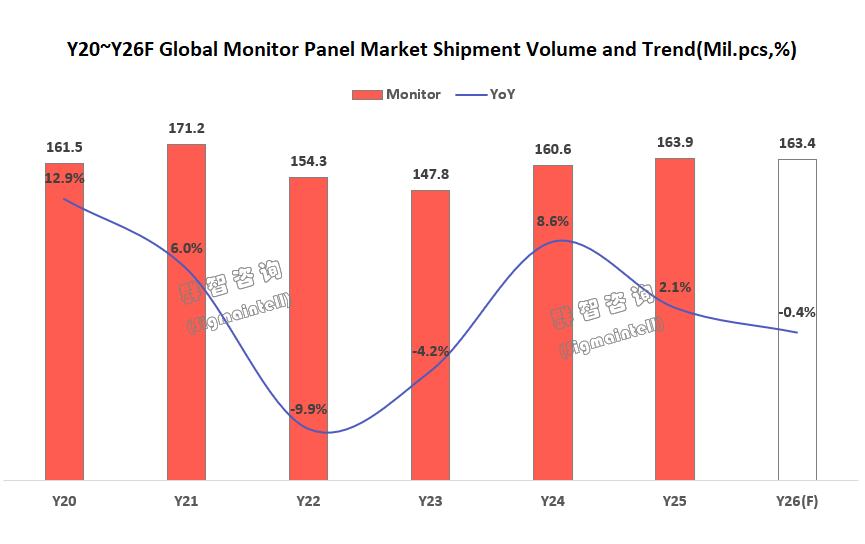
群智咨询:2025年全球显示器面板总出货量约1.64亿片 同比增长2.1% 增速同比显著收窄
智通财经网· 2026-02-11 10:58
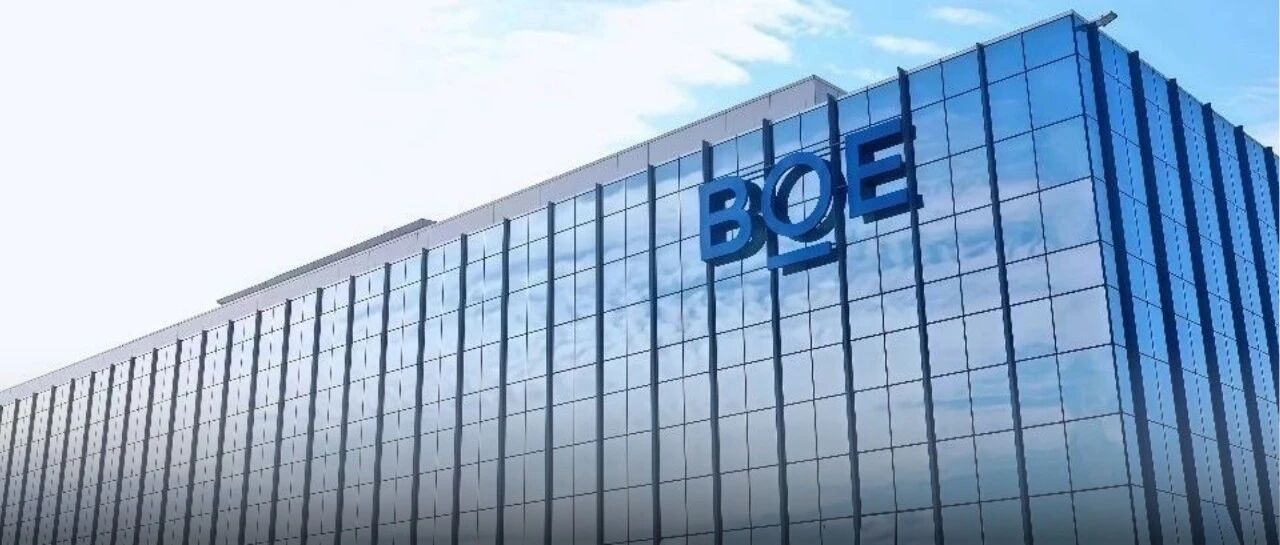
Core Insights - The global display panel market is entering a "stock competition" phase by 2025, characterized by "supply and demand pressure, pattern optimization, and technological breakthroughs" [1] - The total shipment volume of global display panels is projected to be approximately 164 million units in 2025, reflecting a year-on-year growth of 2.1%, with a significant slowdown in growth rate [1] - Key growth drivers include the demand for commercial replacements driven by the end of Windows 10 support and domestic policies, as well as the gaming monitor demand fueled by domestic subsidies [1] Market Dynamics - The market is facing challenges from tariff policy adjustments and structural changes in the supply chain due to overseas manufacturers scaling back their LCD operations [1] - By 2026, the commercial replacement demand and ongoing policies are expected to support the market, although shortages and price increases in storage chips may hinder growth in the gaming and all-in-one markets [1] Technology Trends - Despite weak overall growth, technological upgrades remain the core focus of industry development, with significant differentiation in sub-segments [3] - LCD continues to dominate the market, while OLED is rapidly penetrating the mid-to-high-end market, becoming a key growth point [3] LCD Panel Insights - LCD panels will account for 98% of the market share in 2025, with IPS panels increasing their penetration rate to 73% [4] - VA panels are losing market share due to competition from OLED in the high-end market and weaker performance in the mid-to-low-end market [4] OLED Panel Insights - OLED panel shipments are expected to reach approximately 3.35 million units in 2025, with a market penetration rate exceeding 2% [5] - By 2026, OLED shipments are projected to grow to 5.1 million units, driven by brand investments in high-end gaming and commercial models [5] Gaming Panel Insights - The global gaming monitor panel shipment is expected to reach 38 million units in 2025, with a market penetration rate of 23% [8] - However, potential constraints from storage chip shortages and price increases may impact growth in this segment [8] Oxide Panel Insights - Oxide panels are projected to have a shipment volume of approximately 12.6 million units in 2025, with a market penetration rate of about 7.8% [11] - Despite ample production capacity, the overall utilization rate is only around 60%, indicating significant growth potential [11] Competitive Landscape - Chinese manufacturers are expected to solidify their dominant position in the global display panel market, with market share projected to exceed 70% by 2026 [13] - Major players include BOE, CSOT, and HKC, with BOE maintaining a 30% market share and CSOT experiencing rapid growth [16][17] Manufacturer Performance - LGD is reducing its LCD business, with shipments expected to decline to 25.4 million units in 2025, resulting in a market share drop to 16% [19] - Taiwanese manufacturers are shifting focus to high-margin segments, with Innolux and AUO showing stable performance despite market pressures [20] Future Market Outlook - The display panel market will continue to experience stock competition, with structural opportunities becoming the focal point for manufacturers [22] - The ongoing penetration of OLED panels and the need for improved profitability will shape market strategies moving into 2026 [23]

维信诺:OLED领军厂商将进入国资时代-20260211
Zhong Guo Yin He Zheng Quan· 2026-02-11 06:24
Investment Rating - The report assigns a "Cautious Recommendation" rating for the company, Visionox [3][56]. Core Insights - Visionox is a leading global supplier of OLED products, focusing on small and medium-sized display devices, as well as Micro-LED displays. The company has a significant market share in the AMOLED panel market for smartphones and wearables [6][8]. - The company is expected to benefit from entering a state-owned enterprise era, which will enhance operational stability and reduce financial risks [6][54]. - Revenue projections for 2025-2027 are estimated at 81.5 billion, 80.7 billion, and 86.8 billion yuan, with corresponding growth rates of +2.8%, -1%, and +7.6% [6][56]. Company Overview - Visionox was established in 2001 and has been focused on the industrialization of OLED technology for nearly 30 years. The company has developed a strong presence in various applications, including smartphones, wearables, and automotive displays [6][8]. - The company has adopted a strategy of investing in new production lines through equity participation to alleviate cash flow pressures, particularly in a capital-intensive industry [6][13]. Industry Trends - The penetration rate of AMOLED technology in smartphones is projected to exceed 60% by 2025, driven by the increasing adoption of foldable screens and competitive pricing [18][22]. - The medium-sized display market presents significant growth opportunities, with OLED technology expected to gain traction in high-end IT and automotive applications [28][29]. Investment Highlights - Visionox is steadily increasing its market share in the small-sized display market, with a reported 12.7% share in Q3 2025, marking a 0.5 percentage point increase year-on-year [48]. - The company is leveraging innovative technologies in the medium-sized display market, such as its proprietary Vip technology, which enhances production efficiency and reduces costs [48][51]. - The quality of the company's financial reports is expected to improve as the depreciation of fixed assets stabilizes and revenue from small-sized OLED products continues to grow [52]. Financial Projections - The company is projected to incur net losses of 21.2 billion, 21.3 billion, and 18.1 billion yuan for the years 2025-2027, reflecting ongoing challenges in profitability [6][56]. - The report anticipates a gradual improvement in the company's financial metrics, including a decrease in research and financial expense ratios over the forecast period [56].

APEC其他经济体在广州投资企业累计超5万家
Xin Lang Cai Jing· 2026-02-11 06:23
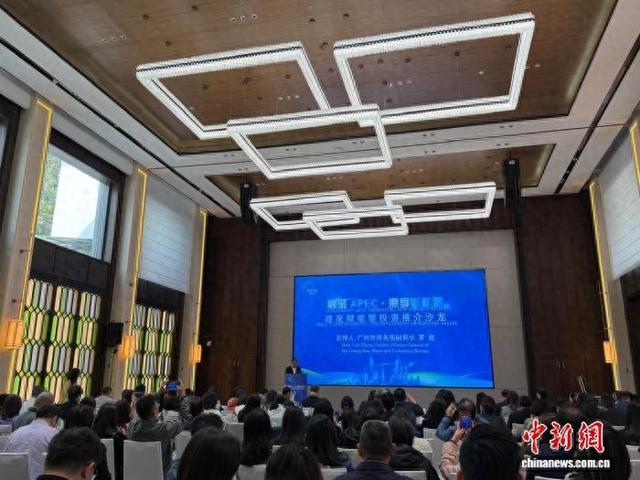
中新网广州2月11日电 (记者 王坚 王华)2026年亚太经合组织(APEC)第一次高官会及相关会议2月1日至 10日在广州举行。其间,广州市商务局联合相关单位共同主办"融聚 APEC·惠享新机遇"政策赋能暨投资 推介沙龙(下称"沙龙")。 据介绍,截至目前,APEC其他经济体在广州投资企业累计超过5万家。新加坡鹏瑞利、宝洁、广汽丰 田、乐金显示等一批具有全球影响力的标志性项目成功落户广州。与此同时,广州企业积极"走出去"深 耕APEC市场,累计在APEC其他20个经济体投资设立2700家企业(机构),协议投资额占全市对外投资比 重也超八成,广州地铁越南项目、广汽埃安泰国工厂等项目成为双边投资合作的典范。2025年,广州对 APEC其他经济体进出口额接近6900亿元,占该市外贸份额约60%,双向投资贸易合作持续走深走实。 "广州正用系统性制度创新,为全球资本和企业提供高质量的发展机遇。"安永华南区主管合伙人黄寅表 示,当前广州以国家服务业扩大开放综合试点为契机,在养老、演艺文旅、电信服务等九大领域深化开 放,不断拓宽外商投资领域;广州迭代实施七轮营商环境改革行动方案,每一轮改革都围绕企业需求进 行关键突破,识 ...
维信诺(002387):OLED领军厂商将进入国资时代
Yin He Zheng Quan· 2026-02-11 06:05
Investment Rating - The report assigns a "Cautious Recommendation" rating for the company, Visionox [3][56]. Core Insights - Visionox is a leading global supplier of OLED products, focusing on small and medium-sized displays, as well as Micro-LED screens, with applications in smartphones, wearables, tablets, laptops, and automotive displays [6][8]. - The company is expected to benefit from entering a state-owned enterprise era, which will enhance operational stability and reduce financial risks [6][54]. - Revenue projections for 2025-2027 are estimated at 81.5 billion, 80.7 billion, and 86.8 billion yuan, with year-on-year growth rates of +2.8%, -1%, and +7.6% respectively [6][56]. Company Overview - Visionox was established in 2001, evolving from a Tsinghua University OLED project group founded in 1996, and has focused on OLED industrialization for nearly 30 years [6][8]. - The company has a significant market share, ranking third in the global smartphone AMOLED panel market and first in the wearable AMOLED panel market as of 2024 [6][8]. Industry Trends - The penetration rate of AMOLED in smartphones and wearables has exceeded 60%, while the medium-sized display market remains under 20%, indicating substantial growth potential [18][19]. - The introduction of foldable screens is expected to drive further penetration of AMOLED technology in the smartphone market, with a projected increase in shipments [27][22]. - The medium-sized display market is anticipated to expand significantly, particularly in high-end IT and automotive applications, as OLED technology offers superior quality and efficiency compared to traditional LCDs [28][29]. Investment Highlights - Visionox is expected to steadily increase its market share in the small-sized display market, with a projected growth in AMOLED smartphone panel shipments by 16.7% year-on-year [48]. - The company is innovating in the medium-sized display market with proprietary technologies, such as the ViP technology, which enhances production efficiency and reduces costs [48][51]. - The financial quality of the company's reports is expected to improve as the depreciation of fixed assets stabilizes and market conditions become more favorable [52]. Financial Forecast - The company is projected to incur net losses of 21.2 billion, 21.3 billion, and 18.1 billion yuan for the years 2025-2027, reflecting ongoing challenges in profitability [6][56]. - The report anticipates a gradual improvement in the company's financial ratios, including a decrease in research and financial expense ratios over the forecast period [56].
总投资10亿元!这一项目首批柔性OLED屏成功点亮.....
Xin Lang Cai Jing· 2026-02-10 12:41
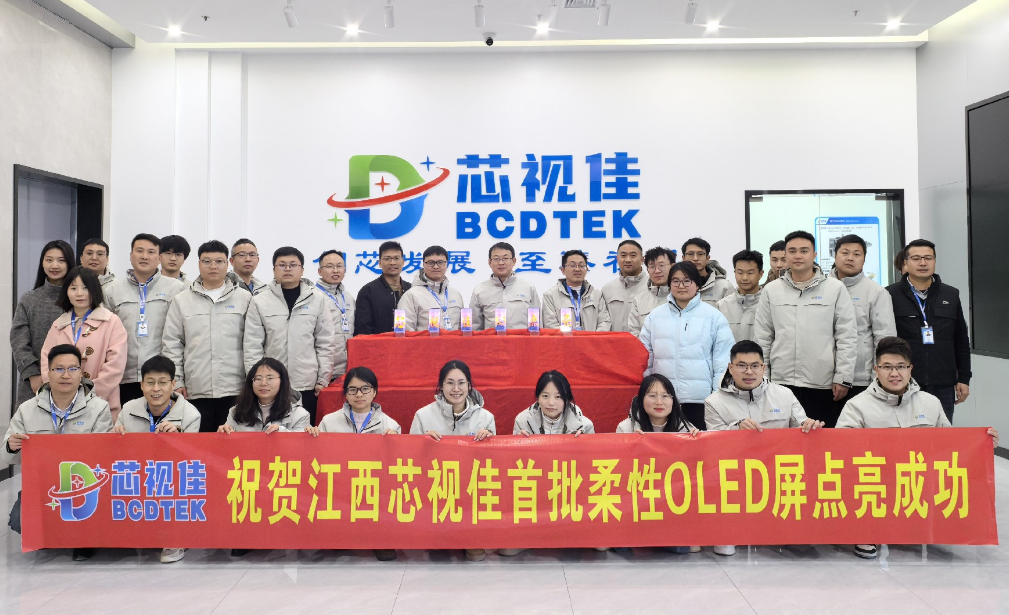
Core Viewpoint - Jiangxi Chipview Technology successfully completed the debugging of its first production line on February 9, with the first batch of flexible OLED screens successfully lit up [1][5]. Group 1: Product Features - The newly lit products feature core advantages of flexibility and bendability, equipped with ultra-narrow bezels, a 120Hz high refresh rate, and high peak brightness, ensuring clear and detailed images even in strong light [3][7]. - These displays are designed to meet the demands of flagship smartphones, foldable devices, tablets, and smart wearables for lightweight, personalized, and immersive displays [3][7]. Group 2: Production and Investment - After completing full-process reliability verification, the project will officially start mass production, providing a more competitive flexible display solution for the high-end smart terminal market [10]. - The project, which officially landed in Fengcheng, Jiangxi in 2025, has a total investment of 1 billion yuan, focusing on high-end OLED module manufacturing in two phases: Phase 1 aims for an annual production of 12 million flexible OLED modules with 2 fully automated production lines; Phase 2 targets an annual production of 2.5 million silicon-based OLED display modules, also with 2 fully automated production lines [5][10].
续写辉煌!人口增量第一城,增速第一
3 6 Ke· 2026-02-10 02:55
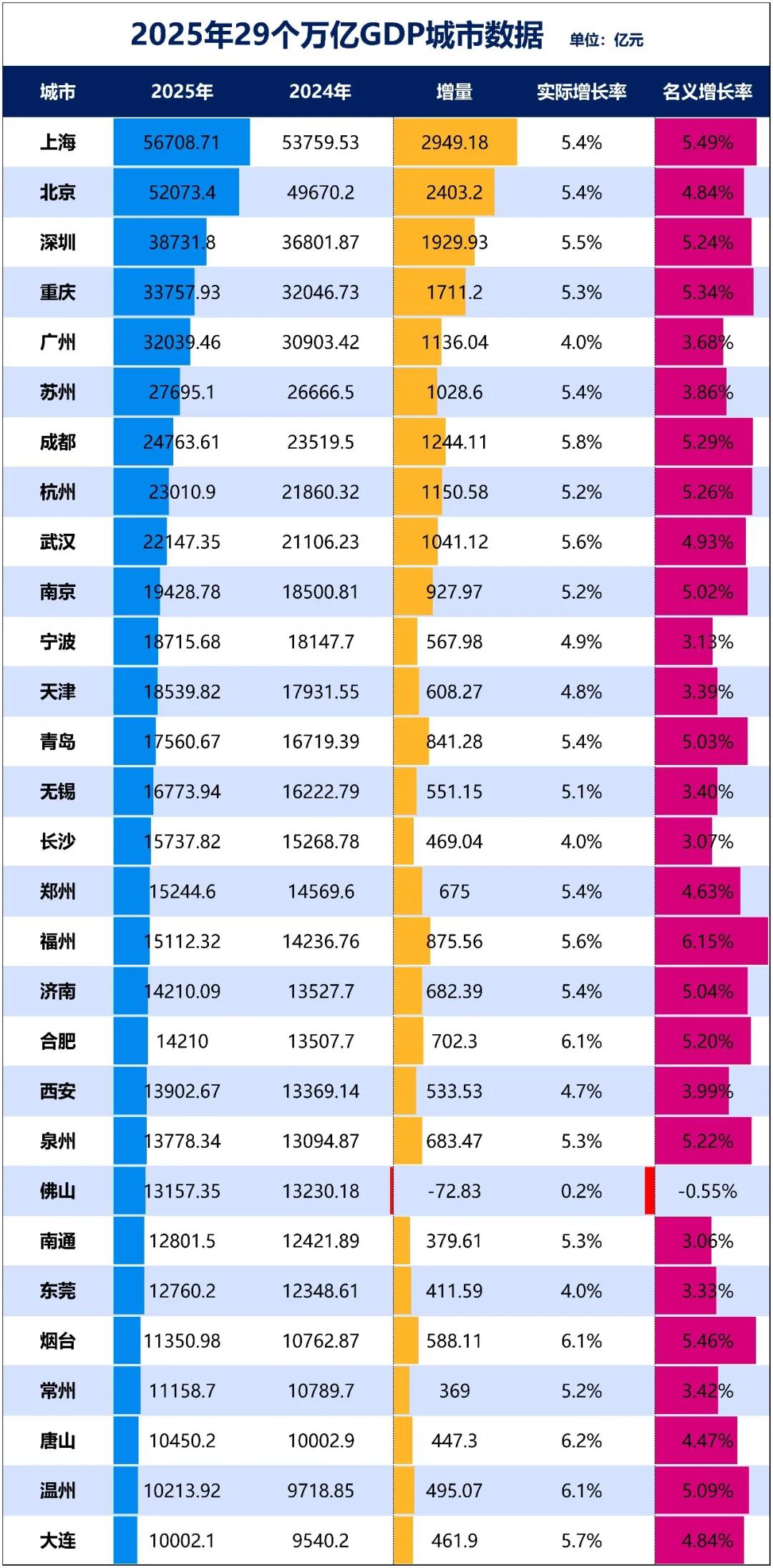
Core Viewpoint - Hefei continues to demonstrate remarkable economic growth, with a GDP of 14,210 billion yuan in 2025, reflecting a year-on-year increase of 6.1%, positioning it as a leading city among those with a GDP exceeding 10 trillion yuan [1][3]. Economic Performance - In 2025, Hefei's GDP reached 14,210 billion yuan, marking a growth of 702.3 billion yuan from the previous year, which is the second-highest growth rate among major cities, only behind Tangshan [1][3]. - The industrial sector is a significant contributor to Hefei's economic performance, with the added value of the secondary industry (broadly defined as industry) increasing by 8.7% to 5,221.9 billion yuan [4]. Industrial Growth - Hefei's industrial output value growth reached 17.6%, the highest among cities with a GDP over 10 trillion yuan [4]. - The computer, communication, and other electronic equipment manufacturing sectors saw a staggering growth of 60.6%, while the automotive manufacturing sector grew by 11.1% [4]. - Strategic emerging industries experienced a production value increase of 16.6%, accounting for 60.4% of the industrial output, an increase of 2.7 percentage points year-on-year [4]. Population Growth - Hefei's population has seen significant growth, with an increase of 219,000 residents in 2023, the highest in the country, and a total increase of 537,000 over the past three years [6][20]. - The city has surpassed Nanjing and Ningbo in population size within the Yangtze River Delta, reaching a population of over 10 million in 2024 [6]. Historical Context and Development Strategy - Over the past 20 years, Hefei has transformed from a relatively small city to a major economic player, with its GDP increasing from 896.67 billion yuan in 2004 to 13,507.7 billion yuan in 2024, a nominal increase of 1,406.43% [5][6]. - The city's development strategy, initiated in 2005, focused on industrialization and attracted significant investments, notably from BOE Technology Group, which catalyzed the growth of the display industry [12][17]. Future Prospects - Hefei aims to become a leading city in the new energy vehicle sector, with plans to achieve a production capacity of 1.5 million vehicles by 2025, accounting for over 25% of the national total [14][15]. - The city is also focusing on semiconductor production, with partnerships established to enhance its capabilities in this critical industry [15][16]. Strategic Positioning - Hefei's economic strategy includes a strong provincial capital approach, with over 26.9% of the province's GDP generated in the city, significantly outpacing other cities in Anhui [20][21]. - The city has effectively integrated into the Yangtze River Delta economic region, enhancing its development through collaboration with neighboring cities [22][23].
OLED显示器持续高增速放量 产业链公司加速布局
Zheng Quan Ri Bao Wang· 2026-02-09 13:00
Group 1 - UBI Research forecasts that OLED display shipments will reach 3.2 million units in 2025, a significant increase of 64% compared to 1.95 million units in 2024, with a growth rate of over 50% expected for this year [1] - The rapid penetration of OLED in high-end IT applications, driven by leading manufacturers like Apple and Huawei, is also expanding into automotive displays and smart wearables, contributing to the growth of OLED displays [1] - Companies in the OLED supply chain are accelerating technological innovation and capacity expansion, which is expected to drive down costs and further enhance market penetration [1] Group 2 - China currently leads the global OLED shipment market, with AMOLED smartphone panel shipments accounting for 50.6% of the market share [2] - Some panel manufacturers have begun production on their 8.6-generation OLED production lines, with increasing domestic production rates of organic light-emitting materials and PCB components, indicating a shift towards mid-to-high-end products [2] - BOE Technology Group announced that its 8.6-generation AMOLED production line will begin mass production in the second half of 2026, enhancing its competitiveness in the display industry [2] Group 3 - Visionox's 8.6-generation AMOLED production line project in Hefei is set to start cleanroom delivery in the second quarter of this year [3] - The upstream material companies in the OLED supply chain are also accelerating their development, with companies achieving breakthroughs in domestic OLED terminal materials [3] - The company is focusing on the development of new generation narrow-spectrum dopant materials and other advanced technologies to promote domestic substitution and strengthen the supply chain's autonomy [3] Group 4 - OLED is expanding from consumer electronics into more diverse and high-value fields, with a clear trend towards high-end consumer electronics and commercial applications [4] - Domestic OLED is transitioning from merely existing to focusing on quality, with the industry collectively pushing towards high-end markets and increasing international market share [4] - Technological innovation is identified as a key factor for companies to overcome competition and meet high-end demands [4]


机构:2025年全球OLED智能手机面板出货量约8.9亿片 其中柔性OLED出货约6.9亿片
Ge Long Hui· 2026-02-09 09:58
Core Insights - In 2025, global OLED smartphone panel shipments are projected to reach approximately 890 million units, representing a year-on-year growth of 5.2% [1] - Flexible OLED shipments are expected to be around 690 million units, with a year-on-year increase of approximately 9.6% [1] - The growth is driven by four main factors: product structure upgrades on the demand side, capacity expansion and cost optimization on the supply side, domestic support policies, and differentiated competitive advantages from technological iterations [1] Supply Side Changes - In 2025, a new supplier, EDO, will enter the FOLED market, indicating a shift in the supply landscape [1] - Rigid OLED shipments are projected to decline to about 200 million units, reflecting a year-on-year decrease of 7.7%, as they continue to be replaced by flexible OLED products [1] - The market share of rigid OLED is expected to continue shrinking due to this ongoing substitution [1]

彤程新材料集团股份有限公司(H0400) - 申请版本(第一次呈交)
2026-02-07 16:00
香港聯合交易所有限公司及證券及期貨事務監察委員會對本申請版本的內容概不負責,對其準確性 或完整性亦不發表任何聲明,並明確表示概不就因本申請版本全部或任何部分內容而產生或依賴該 等內容而引致的任何損失承擔任何責任。 Red Avenue New Materials Group Co., Ltd. 彤 程 新 材 料 集 團 股 份 有 限 公 司 (於中華人民共和國註冊成立的股份有限公司) 的申請版本 警告 本申請版本乃根據香港聯合交易所有限公司(「聯交所」)及證券及期貨事務監察委員會(「證監會」)的 要求而刊發,僅用作向香港公眾人士提供資料。 本申請版本為草擬本,其內所載資料並不完整,亦可能會作出重大變動。閣下閱覽本文件,即代表閣 下知悉、接納並向彤程新材料集團股份有限公司(「本公司」)、其獨家保薦人、保薦人兼整體協調人、 顧問或包銷團成員表示同意: 於本公司招股章程根據香港法例第32章公司(清盤及雜項條文)條例送呈香港公司註冊處處長登記 前,不會向香港公眾人士提出要約或邀請。倘在適當時候向香港公眾人士提出要約或邀請,有意投資 者務請僅依據於香港公司註冊處處長登記的本公司招股章程作出投資決定。該文件的文本將於 ...

京东方:预计2月TV产品价格有望涨幅扩大
WitsView睿智显示· 2026-02-06 05:41
Group 1 - The company anticipates a strong demand for LCD TV products as brands prepare for the upcoming Spring Festival, leading to increased shipment volumes. The industry is maintaining a "production on demand" strategy, with overall utilization rates remaining high. Prices for mainstream TV products are expected to rise in January 2026, with further increases anticipated in February [1][2]. Group 2 - AMOLED technology is becoming a key choice for high-end IT products due to its high picture quality and lightweight characteristics. The company's 8.6-generation AMOLED production line was successfully lit up five months ahead of schedule on December 30, 2025, marking a significant breakthrough in mid-size OLED technology development. Mass production is expected to begin in the second half of 2026, enhancing the company's competitiveness in the display industry [2]. Group 3 - The company is advancing its innovative business under the "N-th curve" theory, focusing on perovskite photovoltaics and glass-based packaging substrates. Leveraging its long-term experience in the display industry, the company is effectively supporting the research and production of perovskite solar cells. The construction of a pilot line for large glass substrates has been completed, and these innovative businesses are expected to drive future growth [3]. Group 4 - The company expects a decrease in depreciation of existing production lines, with capital expenditures peaking in 2025. From 2027 onwards, a significant reduction in capital expenditures is anticipated [4].