烧烤

Search documents
餐饮“大咖”汇聚中国烧烤企业发展论坛论道烧烤未来
Zhong Guo Xin Wen Wang· 2025-08-14 06:58
Core Insights - The forum titled "Northeast Flame Ignition, Connecting China" focused on the future of the barbecue industry, featuring over 30 prominent figures from the restaurant sector discussing trends and challenges [2][5]. Group 1: Industry Trends - The forum highlighted two key trends: "fresh meat on-site" and "supply chain standardization," emphasizing their importance in enhancing consumer experience and profitability [2][5]. - Food critic Dong Keping noted that the rising consumer demand for "smoky flavors" has led to the popularity of fresh meat skewers, while the need for standardized support is crucial for chain expansion [2][5]. Group 2: Brand Development Strategies - Joy Family's founder Gao Defu emphasized the need for brands to capture consumer demand and establish differentiated barriers to enhance risk resilience amid the unstoppable trend of chain expansion [5]. - Mi Village's founder Zhou Qiang discussed the balance between fresh meat skewers and supply chain standardization, focusing on organizational management and cost control to achieve breakthrough development [5]. Group 3: Supply Chain Evolution - Wang Shaodong, founder of串姐食品, stated that as the barbecue industry continues to chain, the supply chain is evolving towards specialization and scale, with a focus on quality, safety, and efficiency [5]. - The forum served as a platform for 12 barbecue brands to showcase their signature dishes, reflecting regional characteristics and innovative fusion ideas, further illustrating the theme of "Northeast Flame Ignition, Connecting China" [6]. Group 4: Collaborative Efforts - The event aimed to break down information barriers among brands at different development stages, facilitating the sharing of practical experiences from front-end operations to back-end supply chains [6]. - The founder of 花椒餐博大会, Teng Fei, expressed the platform's commitment to fostering communication within the barbecue industry, aiming to help brands overcome development bottlenecks and achieve innovative upgrades [5][6].

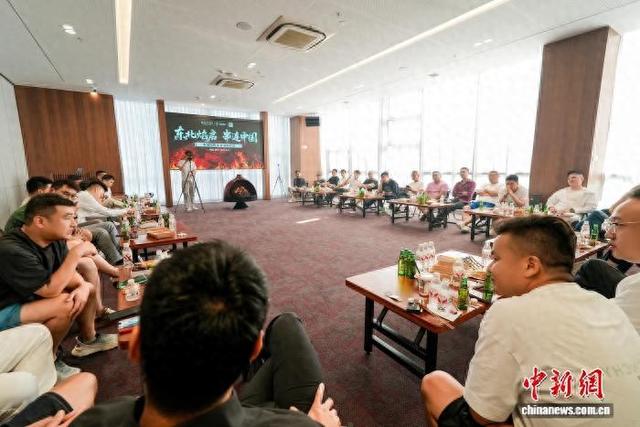
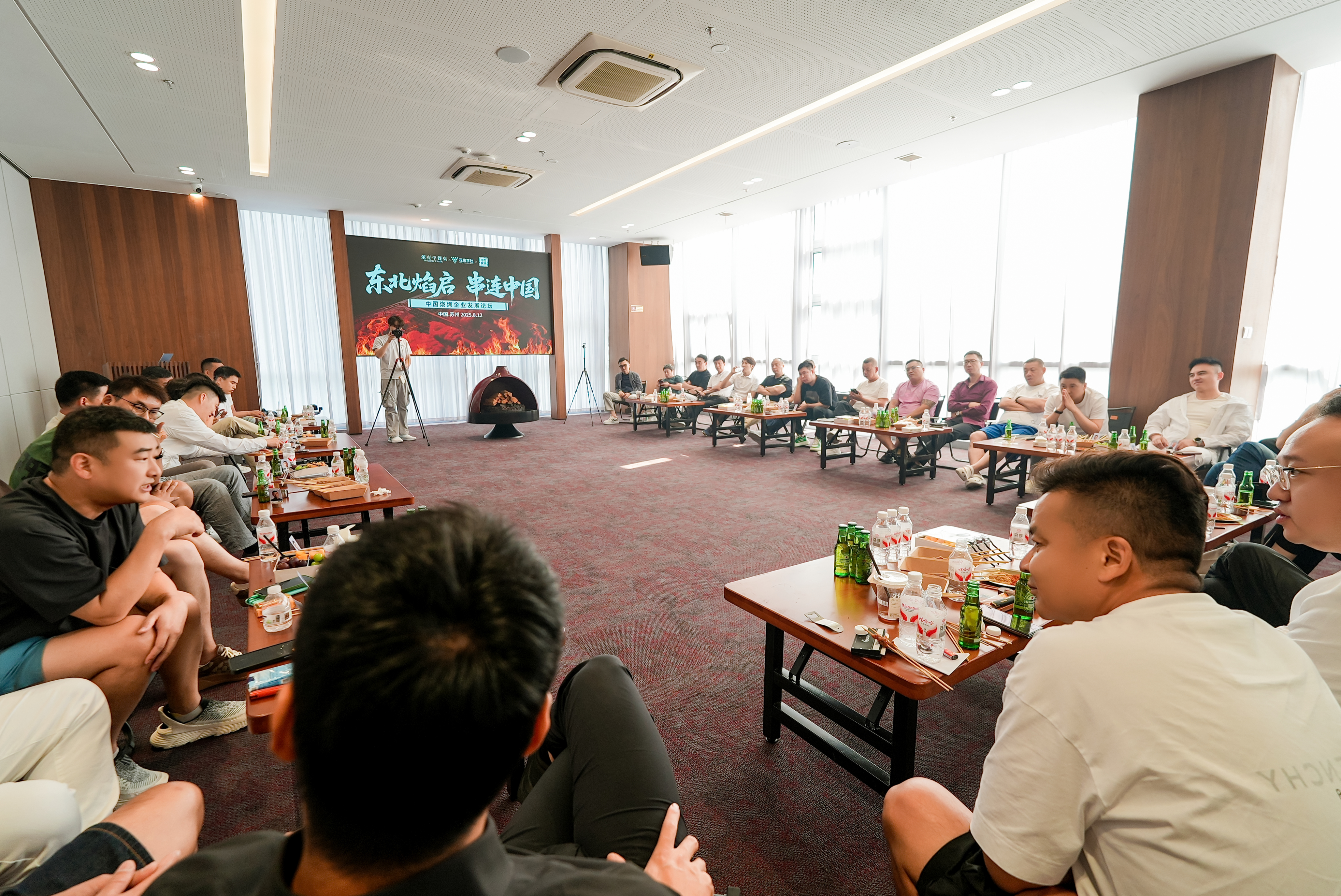
“东北焰启,串连中国”中国烧烤企业发展论坛召开,全国大咖论道烧烤未来
Zhong Guo Chan Ye Jing Ji Xin Xi Wang· 2025-08-14 02:37
Core Insights - The forum "Northeast Flame Ignition, Connecting China" focused on the development of the barbecue industry, highlighting the importance of consumer demand and the need for standardization in supply chains [1][4][19] Group 1: Industry Trends - The barbecue industry is experiencing a shift towards "fresh meat skewers" and supply chain standardization, driven by consumer demand for quality and safety [7][11] - The industry has evolved through four stages: 1.0 (rough operation), 2.0 (chain development), 3.0 (model transformation), and is now in the 4.0 stage focusing on value cultivation [14] - Successful brands must balance "freshness" with "stability and efficiency" to thrive in the competitive landscape [4][11] Group 2: Key Opinions from Industry Leaders - Experts discussed the need for brands to establish differentiated barriers to enhance risk resistance amid the unstoppable trend of chain expansion [7] - The importance of finding a balance between "fresh meat skewers" and supply chain standardization was emphasized as crucial for breakthrough development [11] - The role of platforms like Huajiao in facilitating communication and collaboration within the barbecue industry was highlighted, aiming to elevate the industry to a nationally influential dining category [19] Group 3: Event Highlights - The forum served as a platform for over 30 renowned barbecue brand founders to share insights and experiences, breaking down information barriers [27] - A tasting event showcased signature dishes from 12 barbecue brands, reflecting regional characteristics and innovative fusion [22][24] - The discussions and tastings aimed to transform industry knowledge into practical applications, emphasizing quality, culture, and innovation as key drivers for future upgrades in the barbecue sector [27]
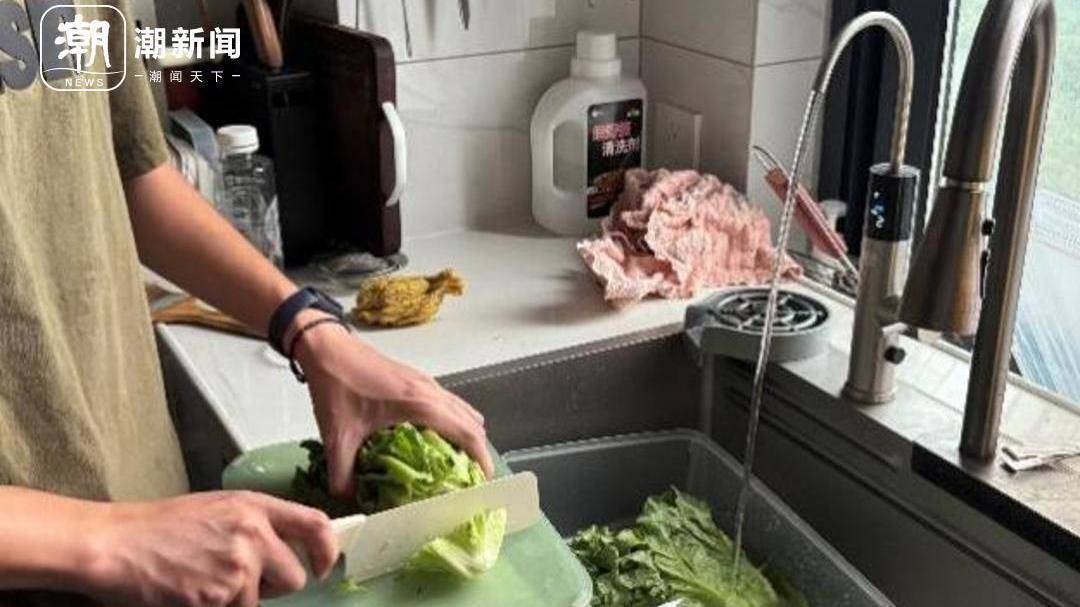
走出互联网大厂“围城”,一名烧烤料理师的新职业探索
Sou Hu Cai Jing· 2025-08-09 23:44
Core Insights - The article highlights the journey of a former internet employee who transitioned to becoming a barbecue chef, reflecting the growing trend of new professions in China as traditional job security diminishes [1][11][24] Group 1: Industry Trends - The emergence of new professions, such as "barbecue chef," is officially recognized in China, indicating a shift in the job market and the acceptance of diverse career paths [1][11] - The rise of "smoky creators" in cities like Hangzhou showcases the potential for entrepreneurship in traditional food sectors, as individuals seek fulfillment beyond corporate roles [1][11] Group 2: Personal Journey - The individual, Xuanshan, left a stable job in a major internet company due to layoffs and age discrimination, which reflects broader issues in the tech industry regarding employment practices [11][13] - After experiencing a successful barbecue venture, Xuanshan has found a sense of purpose and satisfaction that contrasts sharply with his previous corporate life, emphasizing the value of hands-on work [24][18] Group 3: Business Operations - Xuanshan's barbecue stall operates with a focus on quality ingredients and customer feedback, showcasing a commitment to maintaining high standards in food preparation [7][14] - The business model is designed to be efficient and responsive, allowing for quick adjustments based on customer preferences, which is a departure from the slower processes typical in corporate environments [14][24] Group 4: Community Engagement - The barbecue stall has fostered a sense of community, with loyal customers and friends supporting the venture, highlighting the importance of personal connections in small business success [21][23] - Xuanshan and his wife actively engage with their customer base through social media, creating a sense of belonging and enhancing customer loyalty [14][16]
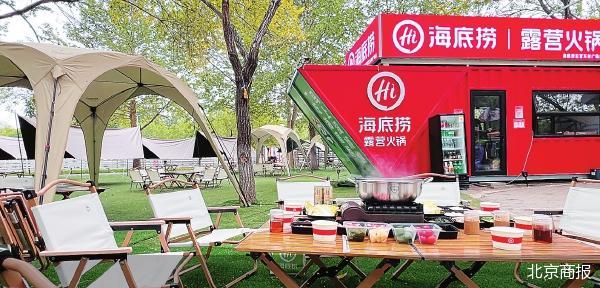
海底捞:“户外+”创造餐饮新增长极
Bei Jing Shang Bao· 2025-08-07 12:35
Core Insights - Haidilao is transforming the dining experience by integrating hot pot with outdoor camping, aiming to connect emotions, culture, and lifestyle [1] - The trend of "outdoor +" is reshaping the restaurant industry, as traditional dining growth faces challenges [1][7] - The camping hot pot model has seen significant demand, with a 50% increase in bookings during the Dragon Boat Festival [3][4] Company Strategy - Haidilao has opened over a hundred camping hot pot locations, with the first in Beijing showing high occupancy rates during weekends and holidays [3][4] - The camping hot pot stores offer various dining options for different group sizes, catering to a diverse customer base beyond just hot pot enthusiasts [3] - The company is adopting a "single store, single creation" approach for its camping hot pot locations, allowing regional managers to tailor offerings based on local market insights [5] Industry Trends - The outdoor dining market is expanding, with a projected 31.9% year-on-year growth in camping-related dining transactions in 2024 [1][8] - The integration of dining with outdoor activities is becoming a new growth logic for the restaurant industry, moving beyond traditional metrics like taste and price [7][9] - The rise of outdoor dining experiences is driven by changing consumer preferences for diverse and personalized experiences [9][11] Challenges and Considerations - Outdoor dining incurs higher operational costs and faces challenges related to weather and seasonal factors [1][4][12] - Brands must ensure that new outdoor experiences align with their core values to avoid diluting brand identity [12][13] - The sustainability of the outdoor dining trend is questioned, with concerns about whether it will remain popular in the long term [12][13]

外卖大战下,一家夫妻店决定关门
虎嗅APP· 2025-08-02 10:18
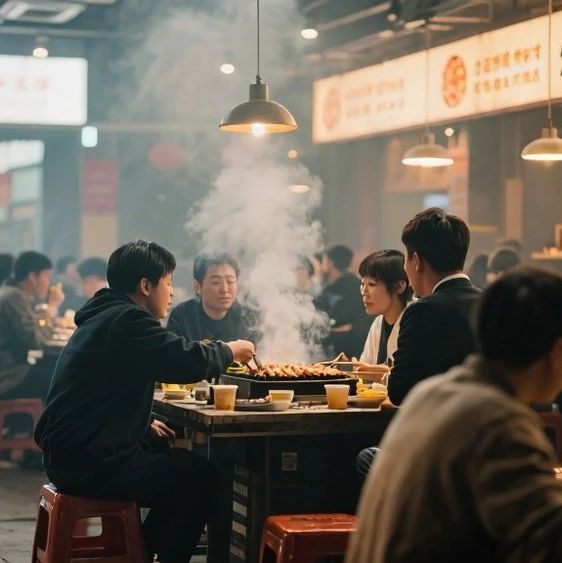
Core Viewpoint - The article discusses the struggles of small restaurants, particularly a couple-run barbecue shop, in the face of intense competition from food delivery platforms and their subsidy wars, leading to the decision to close the business [4][6]. Group 1: Impact of Delivery Platforms - The ongoing subsidy wars among food delivery platforms have significantly impacted small restaurants, squeezing their pricing power and profitability [5][6]. - Small restaurants, which primarily rely on dine-in customers, are particularly vulnerable as they struggle to adapt to the increasing reliance on online orders [6][9]. - The shift towards food delivery has altered consumer habits, with more people opting for takeout instead of dining out, further diminishing the revenue of traditional restaurants [13][21]. Group 2: Financial Strain - The couple-run barbecue shop experienced a drastic decline in dine-in revenue, with weekend sales dropping from 18,000-25,000 to 8,000-9,000 [11][21]. - Fixed costs such as rent, utilities, and labor remain unchanged, creating a financial burden as income decreases [11][12]. - The profitability of delivery orders is low due to high platform commissions and discounts, making it difficult for small restaurants to sustain operations [9][11]. Group 3: Emotional and Social Aspects - The decision to close the restaurant is likened to a divorce, reflecting the emotional toll and the sense of loss associated with giving up a long-held dream [27][32]. - The article highlights the personal connections formed with regular customers, emphasizing the social aspect of dining that is lost in the shift to delivery [31][32]. - The owner expresses a desire for food to have "temperature," indicating the importance of the dining experience that cannot be replicated through delivery [32].
「这是最后一根稻草」,外卖大战下,一家夫妻店决定关门
Feng Huang Wang Cai Jing· 2025-08-01 23:58
Core Viewpoint - The increasing competition and subsidy wars among food delivery platforms are significantly impacting small restaurants, leading to closures and financial struggles for many operators in the industry [1][2][18]. Industry Summary - The restaurant industry is facing severe challenges due to the escalating subsidy wars among food delivery platforms, which have drawn regulatory attention [1][2]. - Small restaurants, particularly those relying on dine-in services, are experiencing a decline in customer traffic and revenue, with weekend sales dropping from 18,000-25,000 to around 8,000 [2][6]. - The reliance on online traffic has increased, making it difficult for traditional dine-in establishments to compete, as they struggle to adapt to the new market dynamics [2][10]. Company Summary - A specific barbecue restaurant, which had previously ranked first in local dining reviews, is now facing closure due to the inability to sustain operations amid the competitive landscape [1][12]. - The restaurant's revenue from dine-in services has plummeted, with significant drops in daily sales impacting its ability to cover fixed costs such as rent and utilities [6][7]. - The owner expressed frustration over the reliance on external platforms for sales, noting that the quality of food suffers in delivery, which further diminishes dine-in customer numbers [4][8].

“这是最后一根稻草”,外卖大战下,一家夫妻店决定关门
凤凰网财经· 2025-08-01 13:48
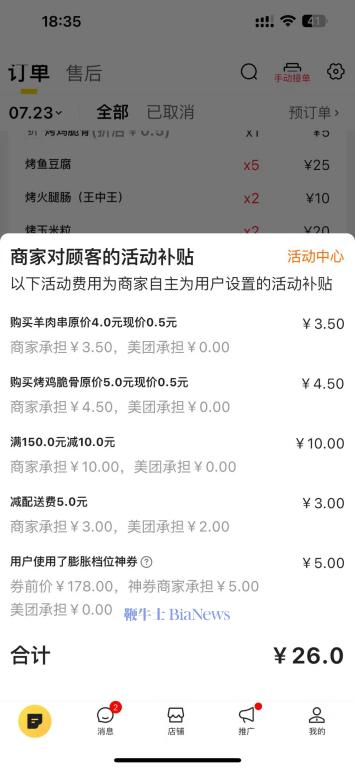
Core Viewpoint - The article highlights the struggles faced by small restaurants, particularly in the context of the fierce competition and subsidy wars initiated by food delivery platforms, leading to significant declines in traditional dining revenue and ultimately forcing some businesses to close down [2][3][21]. Group 1: Impact of Delivery Platform Subsidies - The ongoing subsidy wars among delivery platforms have severely impacted small restaurants, squeezing their pricing power and profitability [3][20]. - Many small eateries, like the featured barbecue shop, have seen a drastic drop in dine-in customers, with weekend revenues plummeting from 18,000-25,000 to around 8,000, nearly matching their fixed costs [8][9]. - The reliance on delivery services has not translated into increased sales for many traditional restaurants, as the quality of food suffers during delivery, leading to a loss of dine-in customers [6][10]. Group 2: Challenges for Small Restaurants - Small restaurants are particularly vulnerable to the pressures of online delivery and the associated costs, as they lack the resources to compete with larger chains that benefit from supply chain advantages [3][4]. - The shift in consumer behavior towards ordering delivery instead of dining out has become a significant challenge, with many customers now preferring the convenience of home delivery [9][21]. - The financial burden of fixed costs such as rent and utilities remains unchanged, while revenues continue to decline, creating a precarious situation for small business owners [8][9]. Group 3: Emotional and Social Implications - The decision to close a restaurant is often accompanied by emotional turmoil, as owners reflect on their investments and the relationships built with loyal customers over the years [21][25]. - The article emphasizes the human aspect of dining, suggesting that food has an emotional and social value that cannot be replicated by delivery services or technology [24][29]. - There is a growing concern about the future of small restaurants and the potential loss of community and personal connections that they foster [24][29].

烧烤师傅迎来职业“转正” 烧烤料理师该如何评?
Yang Shi Xin Wen· 2025-08-01 06:22
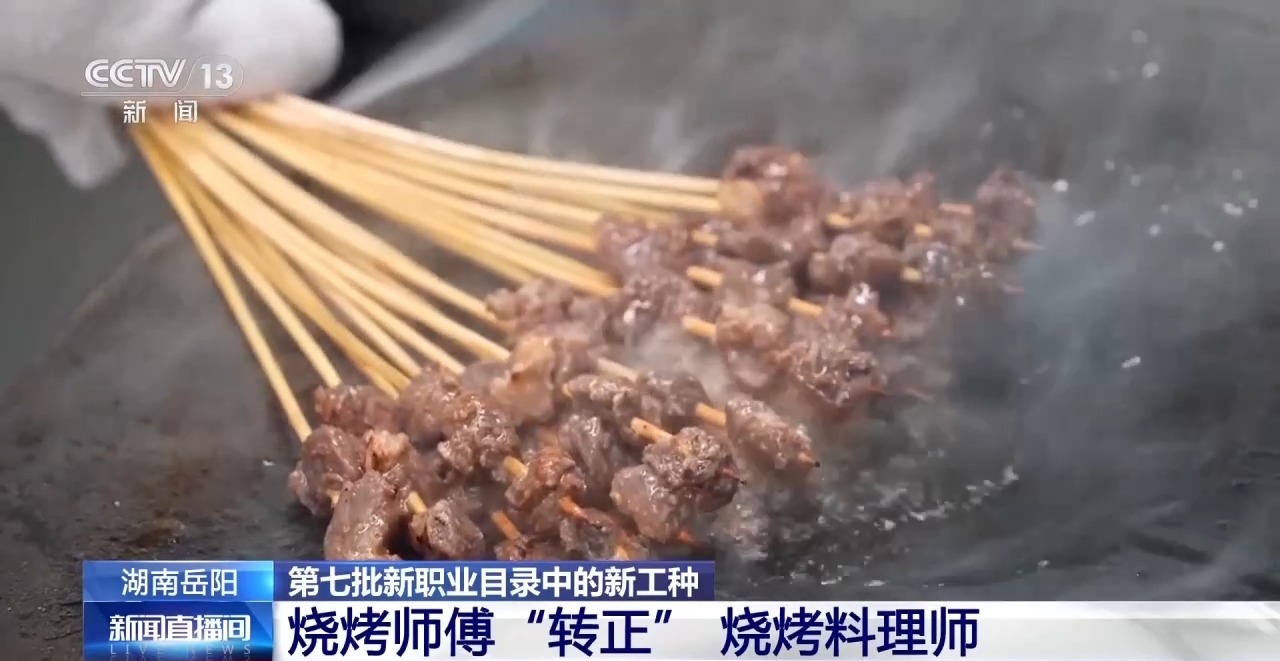
Core Points - The Ministry of Human Resources and Social Security has officially released the seventh batch of new occupational directories, adding 17 new professions and 42 new job types, including the recognition of "Barbecue Chef" as a formal occupation [1][3] - The establishment of the new job type brings identity recognition and new career opportunities for practitioners in the barbecue industry, as expressed by a long-time barbecue worker [1][3] - The Barbecue Chef is required to master core skills such as heat control and ingredient handling, as well as innovation in dish development and food safety management, although specific evaluation standards are still being explored [3] - The Yueyang Barbecue Research Institute has been established as the first barbecue academy in the country, planning to offer diverse training courses to prepare for professional evaluations [3][5] - The institute will also develop local industry standards and talent evaluation criteria, as well as compile industry development plans to enhance the quality and upgrade the industry [5]
被“苏超”带火的“草根”小店
Zhong Guo Qing Nian Bao· 2025-07-13 23:25
Core Insights - The Jiangsu Province Urban Football League ("Su Chao") has gained significant attention, attracting both local small businesses and well-known brands as sponsors [2][3] - Local small shops, often lacking formal branding, have emerged as unexpected sponsors, benefiting from increased visibility and customer traffic due to their association with the league [2][4] Group 1: Sponsorship Dynamics - Small businesses like street-side barbecue shops and local eateries have become sponsors alongside major brands like KFC and JD.com, showcasing a unique blend of grassroots and corporate sponsorship [2][3] - The sponsorship fees for these small businesses are relatively affordable, allowing them to secure advertising space that was previously dominated by larger brands [2][7] - The number of sponsors has increased significantly, from single digits at the league's inception to nearly 30, covering various sectors including food, finance, and technology [7][8] Group 2: Business Impact - Local businesses have reported a surge in customer traffic and sales following their sponsorship involvement, with some experiencing a doubling of business [4][8] - For instance, "Dongha Northeast Street Barbecue" saw a dramatic increase in customers, leading to long wait times and the need for additional seating [4][6] - "He Xiaolei Fresh Marinated Goods" also reported a 30% increase in takeout orders after becoming a sponsor, highlighting the positive impact of the league on local businesses [5][6] Group 3: Community Engagement - Local shop owners are actively engaging with their communities, often giving back through free food offerings during events, which enhances their brand image and community ties [8][9] - The league has fostered a sense of community and local pride, with shop owners expressing gratitude for the opportunities provided by their involvement in the league [6][10] - The sponsorships have allowed small businesses to gain exposure in a way that resonates with local consumers, creating a shared experience around the sport [10][11]

小店赞助、光头免票、“恐龙”当拉拉队,“苏超”带动常州抖音团购订单同比涨42%
Cai Fu Zai Xian· 2025-06-24 10:47
Core Insights - The "Su Super" league has significantly boosted local businesses in Changzhou, with a notable increase in consumer spending and engagement on platforms like Douyin [1][6]. Group 1: Business Impact - Douyin group purchase orders in Changzhou increased by 42% from June 21 to 22, with restaurant orders rising over 56% during the same period [1]. - The "土味" sponsor, Dongha Northeast Street Barbecue, saw a staggering 3074-fold increase in Douyin search volume, along with a 732-fold increase compared to the previous period [1]. - The "小恐龙" from the Changzhou China Dinosaur Park gained popularity, leading to a 125% increase in weekend group purchase orders for the park [4]. Group 2: Promotional Activities - The Tianmu Lake scenic area launched a promotional campaign offering free admission to bald visitors, which resulted in a 456% increase in Douyin live broadcast orders from June 21 to 22 [6]. - The Tianmu Lake also introduced special ticket offers, including children's tickets priced as low as 0.1 yuan, attracting significant attention [6]. - Douyin's initiative "Follow Su Super to Explore Jiangsu" aims to enhance business growth for Jiangsu merchants, leading to a 225% increase in leisure and sports group purchase orders and an 181% increase in in-store spending [6].