社区团购

Search documents
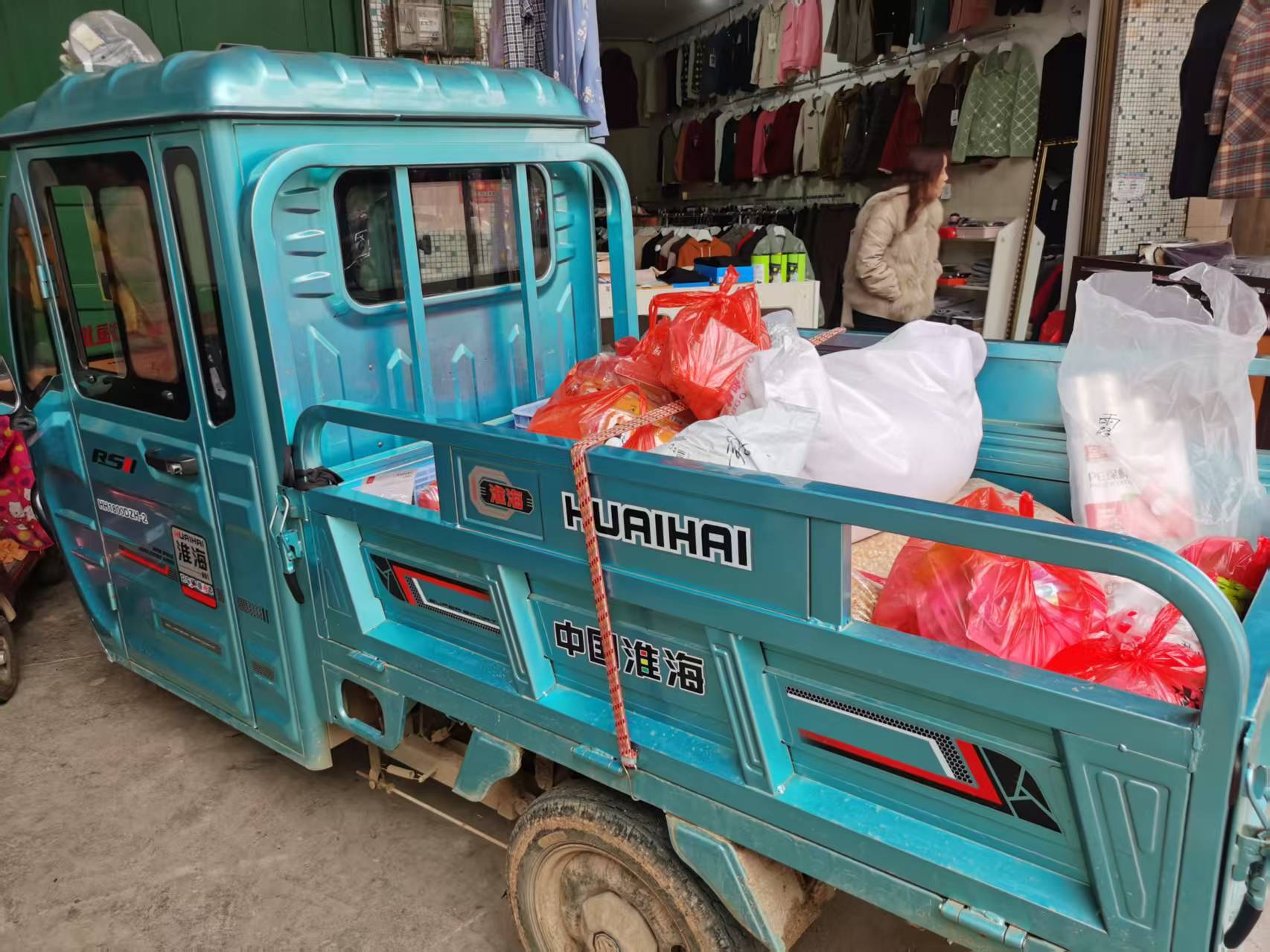
中年女性成“人肉补丁” 亲历乡村团购退潮
Sou Hu Cai Jing· 2025-10-14 01:04
Core Insights - The article discusses the transformation of traditional lifestyles and consumption patterns among middle-aged women in a village in Hunan, who have taken on the role of community group buying leaders, referred to as "slash aunties" [2][3][4] - The shift from competition to a more relaxed approach among these group leaders is highlighted, particularly after many platforms withdrew from the market, leading to a decrease in earnings and increased complexities in their roles [2][15][16] Group 1: Community Group Buying Dynamics - The village has ten group leaders, predominantly women over 45, who juggle multiple roles including running small businesses [3][4] - The initial enthusiasm for group buying led to a surge in the number of group leaders during the "Battle of the Hundreds of Groups," but many platforms have since exited the market, leaving the remaining leaders to adapt to new realities [4][15] - The article emphasizes the importance of personal relationships and community ties in the success of these group leaders, as they often rely on their social networks for business [10][22] Group 2: Individual Experiences and Challenges - Individual stories of group leaders like Wu Chunfang illustrate their proactive approach to delivering goods and maintaining customer relationships, often going above and beyond to meet community needs [6][10][20] - The article notes that while some group leaders initially sought to supplement their income, many now view their roles as secondary to their primary occupations, with earnings often seen as "pocket money" [18][19] - The challenges faced by these leaders include managing customer expectations and navigating the complexities of platform rules, which often conflict with local customs and relationships [11][16][22] Group 3: Economic Impact and Future Outlook - The community group buying model has altered consumption habits, with villagers purchasing a wide range of products beyond just groceries, indicating a shift in local economic dynamics [15][18] - The article suggests that while some group leaders have expressed a desire to exit the business due to declining profits, others like Wu Chunfang have solidified their roles within the community, becoming integral to local life [22][23] - The ongoing evolution of this model reflects broader trends in rural consumption and the adaptation of traditional roles in response to modern economic pressures [2][15][22]

社区团购再战最后500米
Mei Ri Shang Bao· 2025-10-09 22:56
Core Insights - The article discusses the evolution of community group buying in Hangzhou, highlighting its transformation from a price war to a value-driven market, with a focus on supply chain efficiency and community engagement [2][3][7] Group 1: Community Group Buying Dynamics - Community group buying in Hangzhou has seen a resurgence, moving from a phase of rapid expansion and subsequent contraction to a new phase of growth, with community members becoming central participants [2][3] - The competition has shifted from merely attracting group leaders with high commissions to a focus on supply chain efficiency and direct sourcing, exemplified by local businesses leveraging live streaming for sales [3][4] Group 2: Strategic Adjustments by Major Players - Major companies like Alibaba and Meituan are adjusting their strategies, with Alibaba moving to a hard discount model and Meituan launching a quick delivery service to capture market share [4][5] - The role of group leaders has evolved from managing pick-up points to becoming comprehensive service consultants, reflecting a shift in responsibilities and income potential [4][5] Group 3: Community Ecosystem and Local Collaboration - The community buying model in Hangzhou is characterized by a unique blend of traditional commerce and modern group buying, with local businesses thriving alongside larger platforms [5][6] - Government initiatives have facilitated the integration of small vendors into the community buying ecosystem, promoting a collaborative environment that benefits local businesses [6] Group 4: Trust and Professionalization of Group Leaders - The professionalization of group leaders has become essential, with training and tools provided to enhance service quality and reduce turnover rates among leaders [7] - Community leaders are fostering trust and engagement within neighborhoods, transforming their roles into vital connectors that rebuild local relationships [7]
被遗忘的社区团购
投资界· 2025-08-31 07:15
Core Viewpoint - Community group buying has been recognized as a significant failure in the internet industry, with major players incurring substantial losses and ultimately leading to a rapid decline in the sector's viability [1][3]. Group 1: Industry Overview - The community group buying sector experienced explosive growth in 2020, followed by a swift decline, with major companies like Meituan and Pinduoduo reporting cumulative losses exceeding 80 billion yuan from 2020 to 2024 [1][3]. - Major players such as Meituan, Pinduoduo, Alibaba, and Didi invested heavily in community group buying, with Alibaba's Taocai Cai reportedly spending at least 20 billion yuan to secure a top market position [4][3]. - The community group buying model was initially seen as a cost-effective alternative to traditional retail, with lower prices and reduced delivery costs compared to other models like front warehouses [6][8]. Group 2: Business Model Analysis - Community group buying utilized a "next-day delivery + self-pickup" model, significantly reducing operational costs compared to traditional delivery methods [6][4]. - The model aimed to streamline supply chains by minimizing intermediaries, reducing markup rates from 45% to below 20% [8]. - Despite its initial promise, the community group buying sector faced challenges such as high operational costs, limited profit margins, and regulatory scrutiny, leading to a decline in market viability [10][14]. Group 3: Market Dynamics - By mid-2022, Pinduoduo and Meituan held a combined market share of 76%, but both companies shifted focus towards reducing losses rather than aggressive competition [12][14]. - The community group buying sector's struggles were exacerbated by the rise of instant retail, which offered a more efficient and profitable alternative, leading to questions about the future viability of community group buying [22][24]. - Instant retail's market size reached 650 billion yuan in 2023, significantly overshadowing community group buying, which faced increasing competition from established players like JD and Alibaba [22][24].


巨头撤场,“湖南胖东来”绝地求生
Hu Xiu· 2025-08-30 07:09
Core Viewpoint - The article discusses the current state of Xing Sheng You Xuan after its retreat to its home base in Hunan, highlighting its struggles and strategic shifts in the community group buying market amidst competition from major internet companies [2][3][4]. Group 1: Company Overview - Xing Sheng You Xuan, a pioneer in community group buying, has faced significant challenges, including competition from major players and a strategic retreat to Hunan, Hubei, and Jiangxi provinces [2][4]. - The company has experienced high-level personnel turnover, with many internet executives who joined in recent years leaving the company [3][5]. - As of the end of 2023, Xing Sheng You Xuan's operational footprint has shrunk from 18 provinces to just three, indicating a significant contraction in its market presence [4][21]. Group 2: Financial Performance - In 2024, Xing Sheng You Xuan achieved a gross margin of nearly 17% and a net margin of 3%, although its GMV (Gross Merchandise Volume) continued to decline [9]. - The company's GMV for 2024 is estimated to be between 15 billion to 16 billion yuan, a significant drop from its peak GMV of approximately 40 billion yuan in 2021 [10][11]. - The company had previously raised over 5 billion USD in funding from various top-tier investment firms between 2018 and 2021 [8][22]. Group 3: Strategic Shifts - Following a strategic pivot in 2024, Xing Sheng You Xuan shifted its focus from growth to profitability, indicating financial strain and a need to stabilize operations [6][9]. - The company has initiated a new expansion strategy in July 2024, aiming to capture market share left by Meituan You Xuan's exit from certain areas, even at the cost of reducing its profit margins [12][13]. - The "Million Xing Store" project, aimed at establishing local stores for community engagement, has faced challenges in execution, leading to slow progress [31][33]. Group 4: Market Position and Competition - With Meituan You Xuan's market share at 32%, Xing Sheng You Xuan holds approximately 17% of the market, while Duoduo Maicai leads with 44% [18]. - The company primarily competes in Hunan, with limited success in Hubei and Jiangxi, where its transaction volume is significantly lower [19][20]. - User loyalty remains low in the community group buying sector, with price being the primary driver for consumer choice [28][30].
被遗忘的社区团购
远川研究所· 2025-08-28 13:06
Core Viewpoint - Community group buying is recognized as a significant failure in the internet industry, characterized by rapid rise and fall within a year, leading to substantial losses for major players like Meituan and Pinduoduo [3][4][6]. Group 1: Industry Overview - The community group buying sector saw explosive growth in 2020, driven by major companies' aggressive investments, but faced a sharp decline by 2021, with Meituan's new business segment projected to incur losses exceeding 80 billion yuan from 2020 to 2024 [3][4][12]. - Major players like Pinduoduo, Alibaba, and Didi also reported significant losses in their community group buying ventures, highlighting the industry's overall financial struggles [4][6]. Group 2: Business Model Analysis - Community group buying was initially seen as a cost-effective model, offering prices 20% lower than traditional supermarkets and significantly reducing delivery costs compared to other models [21][25]. - The model utilized a "next-day delivery + self-pickup" approach, which helped lower operational costs by 40% compared to instant retail [22][25]. - Despite its initial promise, the model faced challenges such as high operational costs, limited profit margins, and regulatory scrutiny, leading to a decline in market viability [28][34]. Group 3: Competitive Landscape - By mid-2022, Pinduoduo and Meituan held a combined market share of 76%, but both companies faced difficulties in sustaining profitability, with Meituan opting to significantly scale back its operations [31][34]. - The competition intensified with the rise of instant retail, which offered a clearer path to profitability and attracted consumer attention away from community group buying [57][63]. Group 4: Future Outlook - The community group buying sector is expected to continue facing challenges due to its inherent limitations in profitability and the increasing competition from instant retail, which has already surpassed community group buying in market size [57][63]. - The strategic positioning of companies within the sector varies, with Pinduoduo focusing on community group buying as a core business, while Meituan views it as a means to an end, leading to divergent paths for the two companies [53][56].

美团二季度营销开支大增77亿 三季度将加大投入应对竞争
Nan Fang Du Shi Bao· 2025-08-27 15:46
Core Insights - Meituan reported a revenue of 91.84 billion RMB for Q2 2025, representing a year-on-year growth of 11.7%, while adjusted net profit plummeted by 89% to 1.49 billion RMB [2][3] - For the first half of 2025, Meituan's revenue reached 178.3 billion RMB, a 14.7% increase year-on-year, but adjusted net profit decreased by 41% [2] Revenue Breakdown - The core local commerce segment generated 65.3 billion RMB in revenue, up 7.7% year-on-year, but operating profit dropped significantly by 75.6% to 3.7 billion RMB, with a profit margin of 5.7%, down 19.4 percentage points [4] - New business revenue grew by 22.8% to 26.5 billion RMB, contributing 28% to total revenue, primarily driven by grocery retail and overseas business expansion [5] Cost and Marketing Expenditure - Overall sales costs increased by 27% to 61.4 billion RMB, accounting for 66.9% of revenue, up 8.1 percentage points year-on-year [6] - Sales and marketing expenses surged by 51.8% to 22.5 billion RMB, representing 24.5% of revenue, an increase of 6.5 percentage points, largely due to intensified competition in food delivery and instant retail [6] Strategic Focus and Future Outlook - CEO Wang Xing emphasized the company's commitment to maintaining market position amidst fierce competition, focusing on essential service quality and cost-effectiveness [2][4] - For Q3, Meituan anticipates significant losses in core local commerce due to high subsidy levels from competitors, planning to increase investments to ensure competitive pricing and stable service delivery [7]

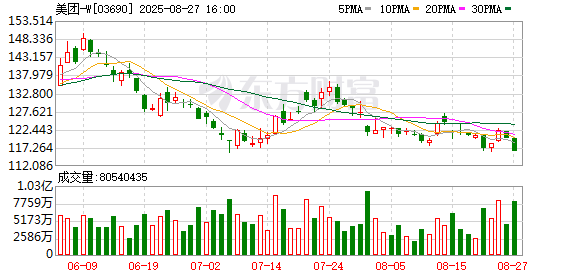
京东换个“姿势”再战社区团购,剑指多多买菜、叮咚买菜
3 6 Ke· 2025-08-25 00:10
Core Viewpoint - The community group buying market is experiencing renewed competition, with JD's JD Pinpin entering the fray, aiming to leverage its supply chain and pricing strategies to capture market share from established players like Duoduo Maicai and Meituan Youxuan [1][2][9]. Group 1: Market Dynamics - JD Pinpin has opened stores in Beijing, collaborating with existing community stores, requiring a minimum area of 10 square meters for cold storage and a resident base of at least 600 households [1]. - The community group buying sector has seen the exit of several players like Meiri Yousuan and Shihuituan, indicating a challenging environment for profitability [1][4]. - The market has shifted from aggressive expansion to efficiency competition, favoring companies with strong supply chains and brand recognition, such as JD [9][15]. Group 2: Competitive Landscape - Major competitors in the community group buying space include Duoduo Maicai and Meituan Youxuan, both of which have established significant market shares and operational efficiencies [6][7]. - Duoduo Maicai benefits from a robust agricultural supply chain and a low-cost model, while Meituan Youxuan leverages its local operational teams for efficiency [7][8]. - JD Pinpin's strategy focuses on integrating with JD's existing supply chain and logistics to enhance its competitive edge [10][16]. Group 3: Business Strategy - JD Pinpin's approach has shifted towards a more pragmatic and lightweight model, emphasizing regional trials and a blend of online and offline services [5][10]. - The brand aims to optimize product offerings and reduce operational costs while enhancing customer perception of quality and affordability [11][16]. - JD Pinpin seeks to differentiate itself by utilizing JD's private labels and improving the role of community leaders in service delivery [11][12]. Group 4: Future Outlook - The community group buying sector is transitioning into a phase focused on sustainable profitability rather than mere scale, posing challenges for new entrants like JD Pinpin [12][15]. - JD's extensive supply chain and logistics capabilities provide a potential pathway for JD Pinpin to carve out a niche in the competitive landscape [16][18]. - The success of JD Pinpin will depend on its ability to adapt to changing consumer demands and effectively compete against established players [17][18].

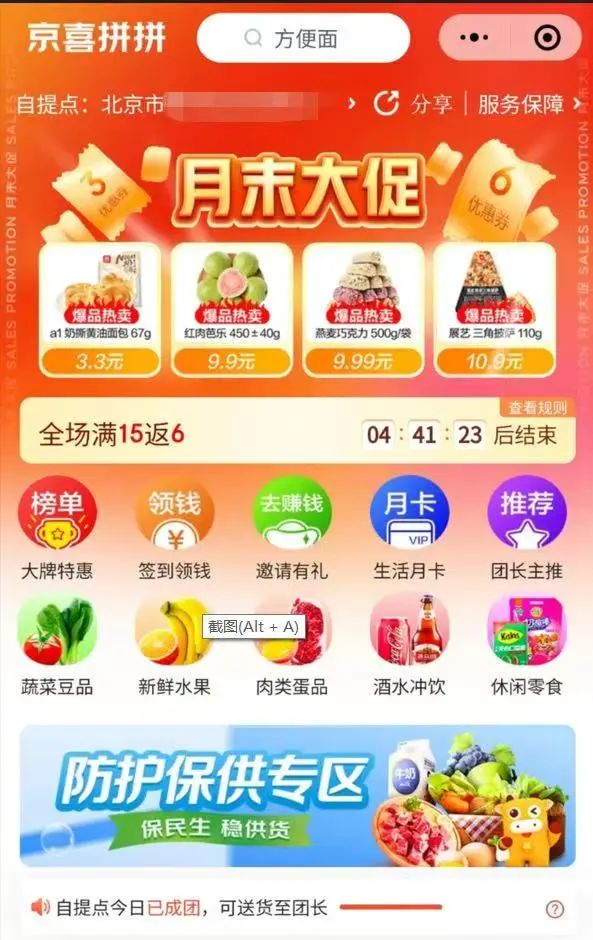
京东拼拼重启4省布局背后:社区团购资源整合模式探讨
Sou Hu Cai Jing· 2025-08-23 08:28
Core Insights - JD's community group buying business, JD Pinpin, is aggressively expanding its presence in the community group buying sector, recently opening multiple new stores in Beijing after its initial launch in April [1][3] Market Layout - JD Pinpin's market penetration strategy is becoming clearer, with operations extending across regions including Beijing, Hebei, Anhui, and Jiangsu. The focus is on densely populated areas, particularly in Beijing and its surroundings, with 16 new stores opened in Zhuozhou, Hebei, since June, targeting communities with over 600 households [3] Cooperation Model - JD Pinpin has implemented a flexible dual-track cooperation model, offering merchants a 5% revenue share to encourage online traffic growth, while allowing them to set their own prices through a "purchase at cost + self-pricing" mechanism. This model aims to enhance merchant autonomy and ensure supply chain stability through a dual-source supply strategy [4] Model Evolution - The business model of JD Pinpin has significantly evolved from traditional group buying to a "group store" ecosystem, integrating community group buying, community services, online retail, and instant retail. This transformation reflects a strategic shift initiated in June 2023, when JD restructured its business operations [5] Strategic Value - The "group store" model creates a comprehensive consumer demand fulfillment system, enhancing convenience and adapting to various shopping habits. This approach is expected to accelerate market penetration and strengthen JD's brand presence in grassroots markets while improving operational efficiency and cost control [7] Outlook - The community group buying market remains highly competitive, but JD Pinpin's brand strength, supply chain advantages, and innovative model position it well for potential breakthroughs. However, challenges such as balancing online and offline operations and optimizing user experience must be addressed [9]
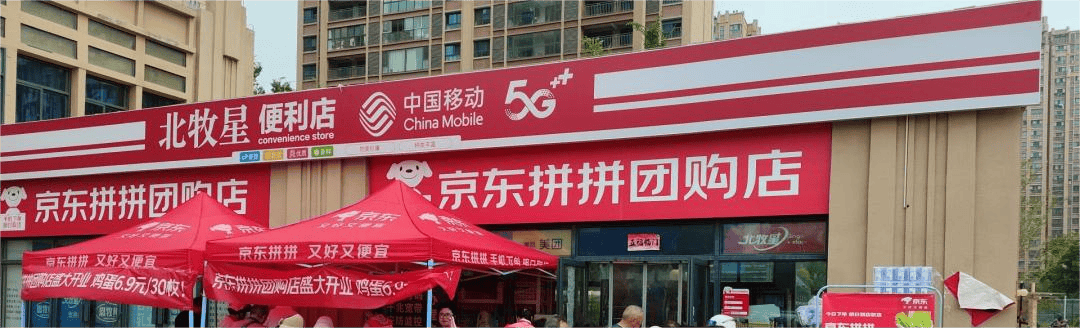
京东杀回社区团购
3 6 Ke· 2025-08-22 01:46
Core Viewpoint - JD.com is re-entering the community group buying market with its business JD Pinpin, expanding its presence in multiple cities including Beijing, Hebei, Anhui, and Jiangsu, indicating a strategic push to capture market share in this sector [1][2][3] Group 1: Expansion Strategy - JD Pinpin has opened multiple stores in Beijing and has plans for further expansion in areas like Daxing and Miyun, focusing on regions outside the city center [1] - In Hebei's Zhuozhou, JD Pinpin has opened 16 new stores since late June, targeting communities with over 600 households and partnering with local businesses like convenience stores and delivery stations [2] - The company aims to open 1,000 stores in Suqian, showcasing its ambitious growth plans [2] Group 2: Business Model and Partnerships - JD Pinpin offers flexible partnership models for local businesses, including a 5% commission on online sales and the option to purchase goods at cost for resale [2] - A security deposit of 20,000 to 30,000 yuan is required from participating merchants, which can be refunded after one year if they do not renew their contract [2] - JD Pinpin is leveraging resources from other JD businesses to reduce supply chain costs and enhance product offerings, including partnerships with discount supermarkets and its own brands [3] Group 3: Market Challenges and Industry Context - The community group buying sector has faced significant challenges, including regulatory scrutiny and competition from other e-commerce models, leading to a contraction in the market [4][5] - Experts suggest that community group buying is not currently a profitable business due to low customer spending and high operational costs, particularly in managing group leaders [6] - JD Pinpin's new approach combines community group buying with convenience store operations, but this complexity may pose challenges in execution and customer experience [6]
京东杀回社区团购
财联社· 2025-08-22 00:44
Core Viewpoint - JD.com is re-entering the community group buying market with its JD Pinpin business, expanding its presence in multiple cities and aiming for significant growth in the sector [3][4][5]. Group 1: Expansion Strategy - JD Pinpin has opened multiple stores in Beijing and other regions, including Hebei, Anhui, and Jiangsu, with plans for further expansion in areas like Daxing and Miyun [4][5]. - Since June, JD Pinpin has launched 16 new stores in Zhuozhou, focusing on communities with over 600 households and targeting local businesses like convenience stores and express delivery stations [5][6]. - The company aims to open 1,000 stores in Suqian, showcasing its ambitious expansion plans [5]. Group 2: Business Model and Partnerships - JD Pinpin offers flexible cooperation models for local merchants, providing a 5% commission on online sales and allowing them to purchase goods at cost price for resale [5][6]. - Merchants are required to pay a deposit of 20,000 to 30,000 yuan, which can be refunded after one year if they do not renew their contract [5]. - The business leverages resources from JD's other operations, such as discount supermarkets, to reduce supply chain costs and enhance market coverage [6]. Group 3: Competitive Landscape - The community group buying sector has faced challenges, with competitors like Meituan and Taobao adjusting their strategies or exiting the market due to profitability issues [9][10]. - Experts indicate that community group buying is not currently a lucrative business due to low customer spending and high operational costs [9][10]. - JD Pinpin's new approach combines community group buying with convenience store operations, but this complexity may pose challenges in user experience and supply chain management [10].