智能网联汽车

Search documents
万马科技(300698.SZ):子公司为哈啰的首款Robotaxi自研车型提供高阶网联等服务
Ge Long Hui· 2025-11-27 06:37
Core Viewpoint - Wanma Technology's subsidiary, Shanghai Youka Technology, has partnered with Hello to provide advanced connectivity services for Hello's first self-developed Robotaxi model [1] Company Summary - Wanma Technology's full subsidiary, Shanghai Youka Technology, is actively engaging in the autonomous vehicle sector through its collaboration with Hello [1] - The partnership focuses on delivering high-level connectivity services, indicating a strategic move towards enhancing the technological capabilities of autonomous vehicles [1] Industry Summary - The collaboration highlights the growing trend of partnerships in the autonomous vehicle industry, particularly in the area of connectivity services [1] - This development may signal increased competition and innovation within the Robotaxi market as companies seek to improve their offerings [1]

“3个万亿级和10个千亿级消费热点” 有哪些,工信部回应
21世纪经济报道· 2025-11-27 06:34
Core Viewpoint - The article discusses a joint implementation plan by several Chinese government departments aimed at enhancing the adaptability of consumer goods supply and demand, with a target to optimize the supply structure by 2027, creating three trillion-level consumption sectors and ten hundred-billion-level consumption hotspots [1][2]. Group 1: Trillion-Level Consumption Sectors - The three trillion-level consumption sectors identified include elderly products, smart connected vehicles, and consumer electronics, reflecting a comprehensive assessment of consumption trends, industrial foundations, and technological changes [1]. - The market for elderly products is projected to grow from 2.6 trillion yuan in 2014 to 5.4 trillion yuan by 2024, with a compound annual growth rate of 7.3%, highlighting the significance of the silver economy [1]. Group 2: Hundred-Billion-Level Consumption Hotspots - The ten hundred-billion-level consumption hotspots encompass baby and children’s products, smart wearable devices, cosmetics, fitness equipment, outdoor products, pet food and supplies, civilian drones, trendy toys, jewelry, and national trend clothing, all showing strong growth momentum and development potential [2]. - The rise of health-conscious lifestyles and the concept of national fitness have led to increased demand for outdoor products and fitness equipment, while the IP economy aligns with the consumption preferences of younger demographics, driving the popularity of trendy toy products globally [2][4]. Group 3: Implementation Strategy - The implementation plan focuses on supply-side structural reforms, accelerating brand leadership, standard upgrades, and the application of new technologies, aiming to stimulate the multiplier effect and structural dividends of China's vast domestic market, potentially generating trillions of yuan in new consumption markets by 2027 [4]. - The strategy includes both "stock optimization" through enhancing product quality and cultural content, and "incremental creation" by developing new products and services tailored to emerging demographics and needs, such as smart home ecosystems and solutions for the elderly economy [4].


“3个万亿级和10个千亿级消费热点”有哪些?工信部解释
Sou Hu Cai Jing· 2025-11-27 04:38
Core Viewpoint - The Ministry of Industry and Information Technology, along with five other departments, has issued an implementation plan aimed at enhancing the adaptability of supply and demand in consumer goods, targeting the formation of three trillion-level consumption sectors and ten hundred-billion-level consumption hotspots by 2027 [1][3]. Group 1: Trillion-Level Consumption Sectors - The three trillion-level consumption sectors identified include elderly products, smart connected vehicles, and consumer electronics [3]. - The market size for elderly products is projected to grow from 2.6 trillion yuan in 2014 to 5.4 trillion yuan by 2024, reflecting a compound annual growth rate (CAGR) of 7.3%, highlighting the significance of the silver economy [3]. Group 2: Hundred-Billion-Level Consumption Hotspots - The ten hundred-billion-level consumption hotspots encompass baby products, smart wearable devices, cosmetics, fitness equipment, outdoor products, pet food and supplies, civilian drones, trendy toys, jewelry, and national trend clothing [3]. - These sectors are showing strong growth momentum and significant development potential, contributing to a diversified and vibrant consumer market [3]. - The rise of health-conscious living and the concept of national fitness are driving increased demand for outdoor products and fitness equipment, while the IP economy aligns with the consumption preferences of younger demographics, leading to the rapid global popularity of trendy toy products [3]. Group 3: Market Resilience and Vitality - The multi-faceted and layered approach to cultivating consumption hotspots is expected to significantly enhance the resilience and vitality of the domestic consumer market, providing solid support for the construction of a new development pattern [3].
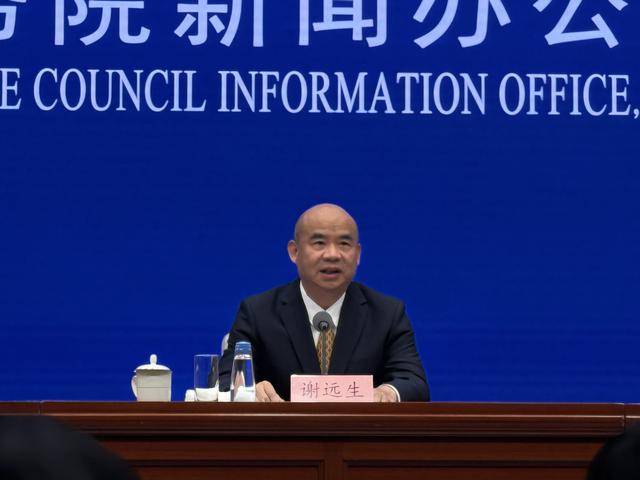
工信部回应:“3个万亿级和10个千亿级消费热点” 有哪些?
2 1 Shi Ji Jing Ji Bao Dao· 2025-11-27 04:31
Core Insights - The implementation plan aims to enhance the adaptability of supply and demand in consumer goods, targeting significant optimization of the supply structure by 2027, with the goal of creating three trillion-level consumption sectors and ten hundred-billion-level consumption hotspots [1][4]. Group 1: Trillion-Level Consumption Sectors - The three trillion-level consumption sectors identified include elderly products, intelligent connected vehicles, and consumer electronics, reflecting a comprehensive assessment of consumption trends, industrial foundations, and technological changes [1][2]. - The elderly products market is projected to grow from 2.6 trillion yuan in 2014 to 5.4 trillion yuan by 2024, with a compound annual growth rate of 7.3%, highlighting the importance of the silver economy [1]. Group 2: Hundred-Billion-Level Consumption Hotspots - The ten hundred-billion-level consumption hotspots encompass baby and children's products, smart wearable devices, cosmetics, fitness equipment, outdoor products, pet food and supplies, civilian drones, trendy toys, jewelry, and national trend clothing, all showing strong growth momentum and significant development potential [2][4]. - The rise of health-conscious lifestyles and the concept of national fitness have led to increased demand for outdoor products and fitness equipment, while the IP economy aligns with the consumption preferences of younger demographics, driving the popularity of trendy products globally [4]. Group 3: Market Dynamics and Growth Opportunities - The implementation plan focuses on supply-side structural reforms, accelerating brand leadership, standard upgrades, and the application of new technologies, which are expected to stimulate the multiplier effect and structural dividends of China's vast domestic market, potentially generating trillions of yuan in new consumption markets by 2027 [4][5]. - There are two main growth avenues: "stock optimization" through enhancing product quality and cultural elements, and "incremental creation" by developing new products and services tailored to emerging demographics and needs, such as smart home ecosystems and solutions for the elderly [5].
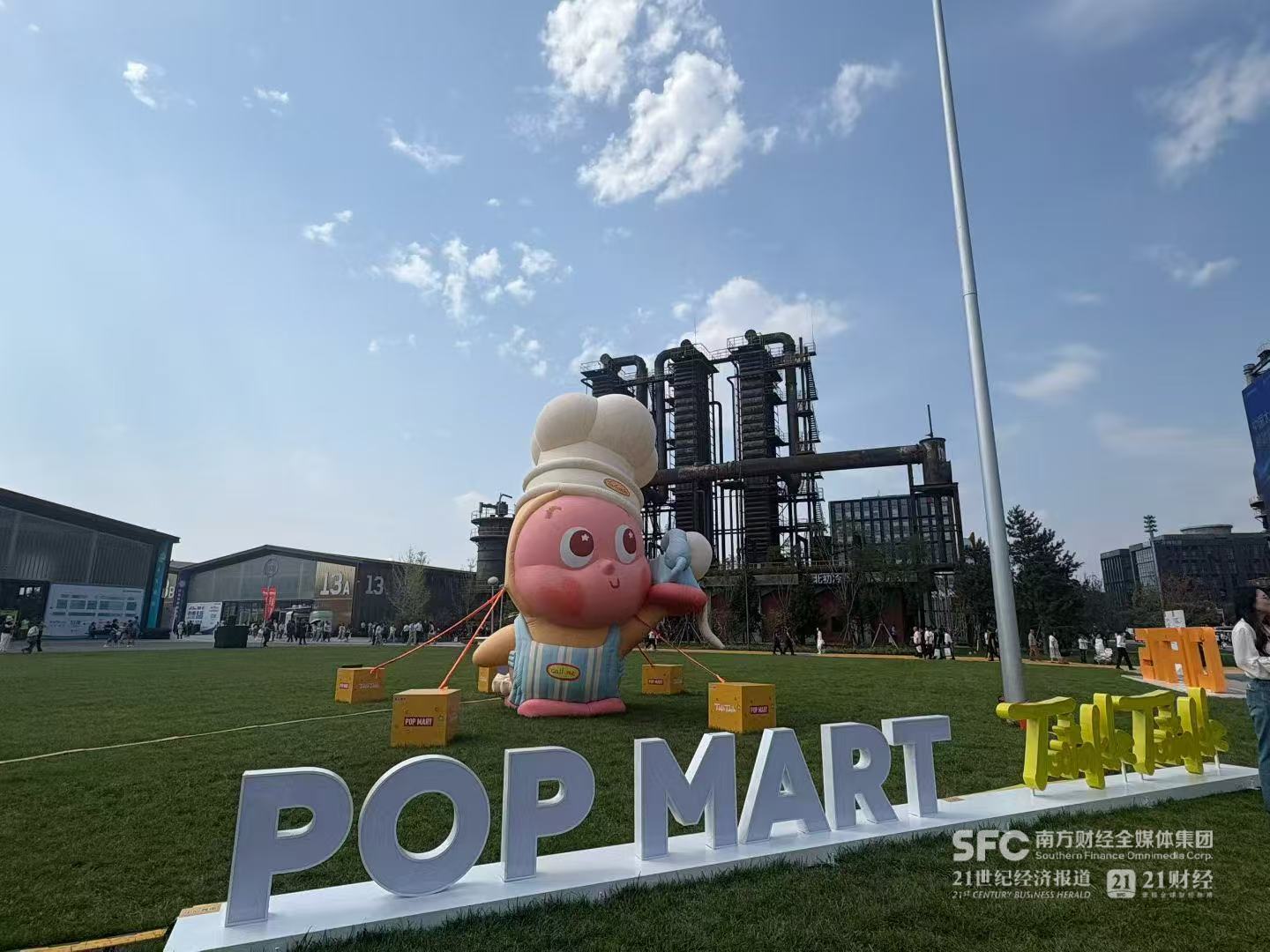
3个万亿级消费领域、10个千亿级消费热点有哪些?工信部回应
Yang Shi Wang· 2025-11-27 04:23
央视网消息:11月27日,国新办举行国务院政策例行吹风会,介绍增强消费品供需适配性进一步促进消 费政策措施有关情况。 会上,工业和信息化部副部长谢远生介绍,《关于增强消费品供需适配性进一步促进消费的实施方案》 通过聚焦供给侧结构性改革,加速品牌引领、标准升级和新技术应用,激发我国庞大内需市场的"乘数 效应"与"结构红利",到2027年,有望在重点领域催生数万亿元规模的新增消费市场。一方面,是"存量 优化"带来的替代性空间。通过提升产品品质、增加文化内涵、注入智能绿色元素,推动传统消费品"价 值跃迁"。比如,近年来汉服、簪花、国风美妆、"新中式"家居等蕴含中国文化基因的国货潮品畅销海 内外,成为拉动消费的新动力。另一方面,是"增量创造"带来的新增长空间。围绕新人群、新场景、新 理念、新需求,创造全新的产品与服务,如智能家居生态、银发经济解决方案等,这些将开辟新的消费 蓝海。 《实施方案》目标中提出的"3个万亿级和10个千亿级消费热点",是我们基于对消费趋势、产业基础和 技术变革的综合研判,提出未来一段时期着力培育和拓展的重点领域,其中万亿级消费领域包括老年用 品、智能网联汽车、消费电子等。以老年用品为例,在我国 ...
哪些重点领域在2027年有望形成万亿元规模?工信部回应
Xin Jing Bao· 2025-11-27 03:52
Core Insights - The implementation plan aims to enhance the adaptability of supply and demand in consumer goods, focusing on supply-side structural reforms to stimulate China's vast domestic market, potentially creating a new consumption market worth trillions by 2027 [1][2] Group 1: Key Areas of Focus - The plan emphasizes "stock optimization" through improved product quality, cultural enrichment, and the integration of smart and green elements, leading to a "value leap" in traditional consumer goods [1] - Examples of successful domestic products include Hanfu, floral hairpins, national style cosmetics, and "new Chinese-style" home decor, which have gained popularity both domestically and internationally [1] Group 2: Growth Projections - By 2027, the plan targets the formation of three trillion-level consumption sectors and ten billion-level consumption hotspots, based on comprehensive assessments of consumption trends, industrial foundations, and technological changes [2] - Trillion-level consumption sectors include elderly products, smart connected vehicles, and consumer electronics, with the elderly products market projected to grow from 2.6 trillion in 2014 to 5.4 trillion by 2024, reflecting a compound annual growth rate of 7.3% [2] - Billion-level consumption hotspots encompass baby products, smart wearable devices, cosmetics, fitness equipment, outdoor products, pet supplies, civilian drones, trendy toys, jewelry, and national trend clothing, showcasing strong growth momentum and development potential [2]
“车路云一体化”基础设施分级征求意见稿或年底发布
Cai Jing Wang· 2025-11-27 02:41
近日,中国汽车工程学会副秘书长、国家智能网联汽车创新中心副主任、中国智能网联汽车产业创新联 盟秘书长公维洁透露,计划今年底发布2026年工作协同相关标准清单,包括"车路云一体化"推进路线 图、基础设施分级征求意见稿等。 ...
观察·生产聪明、消费满意、循环顺畅 技术赋能延伸至消费全流程价值创造
Yang Shi Wang· 2025-11-27 02:26
Core Viewpoint - The implementation plan aims to enhance the adaptability of supply and demand for consumer goods, targeting the formation of three trillion-level consumption sectors and ten hundred-billion-level consumption hotspots by 2027 [1][9][12]. Group 1: Key Tasks and Strategies - The plan outlines 19 key tasks across five areas: expanding new increments, deepening existing stock, segmenting markets, empowering scenarios, and optimizing the environment [3][14]. - Emphasis is placed on accelerating the application of new technologies and innovative models, including the promotion of efficient manufacturing responses and the integration of artificial intelligence [3][9]. - The plan aims to expand the supply of unique and new products, focusing on green products, rural consumption upgrades, and the development of leisure and health products [3][9]. Group 2: Market Dynamics and Consumer Engagement - The plan highlights the importance of creating new consumption scenarios and business models that integrate various technologies, which can attract consumers and enhance their shopping experience [5][12]. - The use of generative artificial intelligence and 3D digital design is encouraged to shift from standardized production to personalized customization, addressing diverse consumer demands [7][9]. - The goal is to transform manufacturers into solution providers for consumer needs, moving towards a more experience-oriented market [12][20]. Group 3: Economic Context and Future Goals - The plan is seen as a response to the structural mismatch in supply and demand, where low-end supply coexists with a shortage of quality offerings [18][20]. - By 2030, the plan aims to establish a virtuous cycle of interaction between supply and demand, promoting high-quality consumption and production [12][22]. - The focus on precision and forward-looking adaptability is intended to create a sustainable economic environment that fosters consumer satisfaction and economic growth [15][22].
上证早知道|沐曦股份 申购日定了;广联达 回应供货谷歌;工业富联 上调回购价格
Shang Hai Zheng Quan Bao· 2025-11-26 23:13
Group 1 - The establishment of the Industrial Artificial Intelligence Research Institute in Nanjing aims to drive high-quality development in the manufacturing sector through a collaborative innovation system [1] - Guangdong's financial management bureau has released a plan to support enterprises in industry chain integration and mergers, focusing on enhancing the strength and efficiency of key segments within the industry chain [1] - The Ministry of Industry and Information Technology reported that telecommunications revenue reached 1.467 trillion yuan in the first ten months of the year, a year-on-year increase of 0.9% [1] Group 2 - The National Development and Reform Commission announced new guidelines for credit repair management, detailing public disclosure periods for different levels of credit violations [2] - The launch of the Liaoning Computing Power Platform is part of a national initiative to integrate computing resources and enhance data flow and utilization [2] Group 3 - A new consumption promotion plan aims to optimize the supply structure of consumer goods by 2027, with a focus on developing new business models such as live e-commerce and instant retail [3] - The plan encourages the use of AI and other digital technologies to enhance consumer experiences and promote high-quality consumer goods [3] Group 4 - Reports indicate that regions like Zhejiang, Shanghai, Beijing, and Guangdong are implementing innovative measures to boost digital trade, including policy optimization and support for cross-border data flow [4] - Overall consumer demand is showing positive trends, with recommendations to focus on e-commerce platforms' supply chain capabilities and AI integration [4] Group 5 - The China Automotive Engineering Society plans to release standards for "vehicle-road-cloud integration" by the end of the year, emphasizing the need for data sharing and infrastructure classification [5] - The integration of smart vehicles with roadside and cloud systems is expected to enhance safety and traffic efficiency [6] Group 6 - Muxi Co. plans to issue 40.1 million shares in its initial public offering on the Sci-Tech Innovation Board [7] - Industrial Fulian has adjusted its share repurchase price cap to a maximum of 75 yuan per share, significantly higher than the previous limit [7] - Alibaba Health reported a revenue of 16.697 billion yuan for the first half of the fiscal year 2026, marking a 17% year-on-year increase [7] Group 7 - The first batch of robotics ETFs has been submitted for approval, indicating a potential influx of capital into the technology sector [9] - Institutional investors have shown interest in CIMC Group, with a net purchase of 187 million yuan, reflecting confidence in the company's long-term growth prospects [10]

佑驾创新双动作加码无人物流,800台合作落地+2.04亿港元募资助力业务升级
Ju Chao Zi Xun· 2025-11-26 02:39
Core Insights - Shenzhen Youjia Innovation Technology Co., Ltd. is actively advancing in the unmanned logistics sector through strategic partnerships and capital financing initiatives [2][3] - The company has formed a strategic collaboration with Zhejiang Xinjiao Automobile Co., Ltd. and Zhejiang Biying Huodi Technology Service Co., Ltd. to develop 800 vehicle-grade unmanned logistics vehicles [2][3] - Youjia Innovation plans to raise approximately HKD 204 million through a new H-share placement, aimed at enhancing its L4 unmanned logistics vehicle business and upgrading its foundational R&D platform [2][4] Strategic Collaboration - The collaboration focuses on "strategic cooperation, complementary advantages, and win-win creation," targeting the R&D, manufacturing, and commercialization of unmanned logistics vehicles [2][3] - Youjia Innovation will handle the R&D upgrades for the complete vehicle and autonomous driving technology, as well as the development and maintenance of the vehicle management platform and operational software [2][3] - Xinjiao Automobile will produce core components such as hardware maintenance and chassis assembly according to Youjia Innovation's technical standards [2][3] - Biying Huodi will act as the sales and operations agent, responsible for vehicle sales, leasing, and after-sales support [2][3] Market Positioning - The goal is to achieve the mass deployment of 800 unmanned logistics vehicles that meet vehicle-grade standards across multiple scenarios, establishing a leading product and brand position in the industry [3] - Xinjiao Automobile is recognized as the first new energy commercial vehicle enterprise in Zhejiang with dual qualifications, possessing a complete production system and global operational experience [3] - Biying Huodi has a mature urban delivery network and intelligent operation and maintenance platform, which will effectively promote the large-scale application of autonomous driving technology in urban logistics [3] Capital Financing - The placement agreement involves issuing up to 14.01 million new H-shares at a price of HKD 14.88 per share, representing approximately 3.45% of the current issued shares [3] - The placement price reflects a discount of about 9.98% compared to the closing price of HKD 16.53 on November 25, and a discount of approximately 13.99% compared to the average closing price of HKD 17.30 over the last five trading days [3] - The raised funds will be allocated with approximately 70% for the development of L4 unmanned logistics vehicles and 30% for upgrading the foundational R&D platform [4]