氢能

Search documents
“氢”风正劲 聚能成势
Ren Min Ri Bao Hai Wai Ban· 2026-01-14 08:13
Core Insights - The hydrogen energy industry in Shaanxi Province is rapidly developing, with a focus on creating a comprehensive hydrogen energy ecosystem that includes production, storage, and fuel cell technology [1][8] Group 1: Industry Development - Shaanxi Province is accelerating the construction of a "full-chain" hydrogen energy industry ecosystem, with cities like Yulin and Weinan leading in hydrogen production and application [1][8] - The Xi'an Xuhydrogen Era Technology Co., Ltd. is set to launch the first fully automated hydrogen fuel cell stack production line in Shaanxi by the end of 2023, reflecting advancements in production capabilities [2][3] - The third-generation hydrogen fuel cell stack from Xuhydrogen Era is expected to have a rated power of 150KW and a power density of 4.1kW/L, with an annual production capacity of 2,000 units [3] Group 2: Collaboration and Innovation - The collaboration between local enterprises and academic institutions, such as the partnership with the Chinese Academy of Sciences, is crucial for overcoming technical challenges in hydrogen technology [3][5] - The establishment of a hydrogen fuel cell common testing platform in the Jinghe New City Industrial Park facilitates testing for various enterprises, enhancing innovation and efficiency [7] Group 3: Market Applications - Hydrogen-powered vehicles and applications are gaining traction in the tourism sector, with hydrogen-assisted vehicles being introduced in scenic areas [4] - The demand for hydrogen energy is increasing, with an average of 20 hydrogen heavy-duty trucks refueling daily at the hydrogen refueling station in Yulin [5] Group 4: Strategic Initiatives - Yulin City is actively pursuing partnerships with leading domestic and international enterprises, aiming to sign 20 key projects related to hydrogen storage and transportation by 2024, attracting investments of 8.5 billion yuan [8] - The province plans to establish a safe and stable hydrogen supply system and an efficient refueling network by 2025, promoting high-quality development in the hydrogen energy sector [9]
机构:氢能行业尚处商业化初期
Zheng Quan Shi Bao Wang· 2026-01-14 01:30
Group 1 - The Sichuan Province has issued an action plan to establish a comprehensive green manufacturing system, emphasizing the steady advancement of hydrogen energy industrialization and the exploration of integrated technologies for green hydrogen, ammonia, and alcohol [1] - The plan includes the construction of pilot projects for hydrogen-based direct reduction of vanadium-titanium magnetite and hydrogen-rich smelting in high furnaces, as well as hydrogen roasting in cement production [1] - The initiative aims to couple renewable energy with hydrogen development in suitable regions, facilitating local hydrogen and oxygen production from water, wind, and solar energy [1] Group 2 - Guojin Securities notes that the hydrogen energy industry is still in its early commercialization stage, primarily driven by policy support, and suggests seizing the opportunity for investment [2] - The report highlights the global demand for green methanol, particularly in green shipping, driven by EU carbon taxes and IMO policies, indicating a clear trend towards green transformation in the shipping industry [2] - The development of hydrogen production equipment is seen as having significant long-term potential due to policy drivers and visible economic benefits, with the green hydrogen economy gradually becoming more viable [2] Group 3 - Industrial research from Xingye Securities indicates that the hydrogen energy sector is at a critical commercialization juncture, with downstream consumption scenarios being crucial [3] - The hydrogen industry chain encompasses production, storage, transportation, and application, forming a multidimensional energy ecosystem [3] - The report emphasizes that green hydrogen production relies entirely on renewable energy sources, ensuring a carbon-free process with water as the only byproduct, thus achieving a clean and low-carbon lifecycle [3]
北交所日报:北交所领涨,持续关注AI应用、商业航天、半导体等赛道-20260113
Western Securities· 2026-01-13 12:32
Market Overview - On January 12, the North Exchange A-shares trading volume reached 43.52 billion yuan, an increase of 13.69 billion yuan from the previous trading day[1] - The North Exchange 50 Index closed at 1605.77, up 5.35%, with a PE_TTM of 67.48 times[1] - The North Exchange Specialized and Innovative Index closed at 2782.05, rising by 6.92%[1] Stock Performance - Out of 287 companies on the North Exchange, 272 rose, 0 remained flat, and 15 declined[1] - The top five gainers were: - Zhongcheng Technology (30.0%) - Tianrun Technology (30.0%) - Xingtum Control (30.0%) - Tonghui Information (30.0%) - Liujin Technology (29.9%)[1] - The top five decliners were: - Hongxi Technology (-6.2%) - Henghe Co., Ltd. (-3.0%) - Hengdong Light (-2.5%) - Haixi Communication (-2.3%) - Jiahua Technology (-2.2%)[1] Investment Insights - The overall trading activity on the North Exchange was robust, benefiting from the overall heat in the A-share market, which saw a record trading volume of 3.64 trillion yuan[3] - The technology growth sector, including AI applications, commercial aerospace, and controlled nuclear fusion, experienced significant gains, driving related companies on the North Exchange[3] - The North Exchange's focus on innovative small and medium enterprises aligns well with current policy support for "new quality productivity," suggesting continued benefits from the deepening technology growth trend[3] Risks - Potential risks include policy regulatory risks, unexpected policy changes for the North Exchange, and intensified industry competition[4]
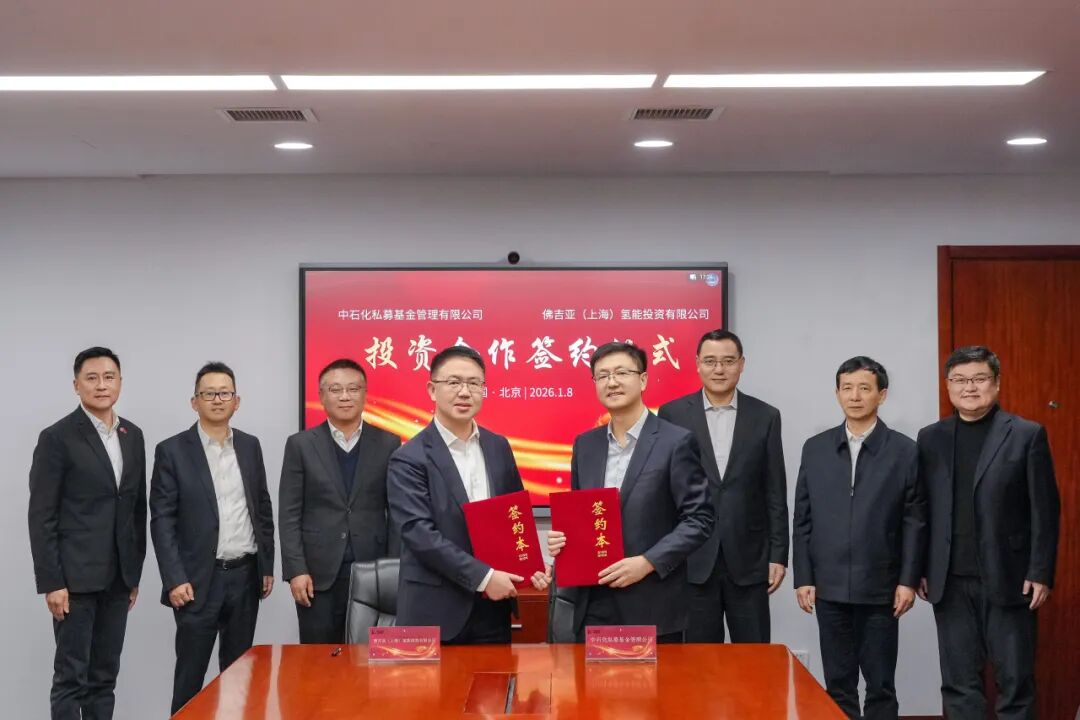
中国石化出手了,战略投资一家氢能公司!
Xin Lang Cai Jing· 2026-01-13 11:54
Core Viewpoint - Sinopec has strategically invested 300 million RMB in Faurecia Hydrogen, aiming to strengthen its hydrogen energy supply chain, particularly in hydrogen storage and transportation technology, which is a critical gap in its operations [3][12][20]. Group 1: Investment Details - Sinopec Capital has made a strategic investment of 300 million RMB in Faurecia Hydrogen, a subsidiary of Faurecia Group, which is the first in China to produce IV-type hydrogen storage bottles [1][5][36]. - This investment is part of Sinopec's broader goal to become the leading hydrogen energy company in China, having already established a significant presence in hydrogen production and refueling stations [3][25]. Group 2: Technology and Market Position - Faurecia Hydrogen specializes in IV-type hydrogen storage bottles, which are lighter and have higher hydrogen density compared to traditional III-type bottles, making them suitable for heavy-duty vehicles [5][29]. - The IV-type bottles developed by Faurecia can store up to 16 kilograms of hydrogen, making them particularly advantageous for long-haul heavy trucks [6][30]. Group 3: Strategic Implications - The investment allows Sinopec to avoid the lengthy and costly process of developing IV-type technology in-house, thus enhancing its technological capabilities and integrating Faurecia into its hydrogen energy ecosystem [7][31]. - For Faurecia, this investment not only provides funding but also access to Sinopec's extensive refueling network and logistics capabilities, enhancing its market competitiveness [8][33]. Group 4: Industry Context - The hydrogen energy sector in China is experiencing significant growth, with the country projected to produce over 36.5 million tons of hydrogen in 2024, leading the world [39]. - Despite the growth, challenges remain, particularly in reducing the costs of green hydrogen and improving storage and transportation technologies [40][46]. - The collaboration between major state-owned enterprises and technology firms is seen as essential for overcoming industry challenges and achieving large-scale commercialization of hydrogen energy [42][45].


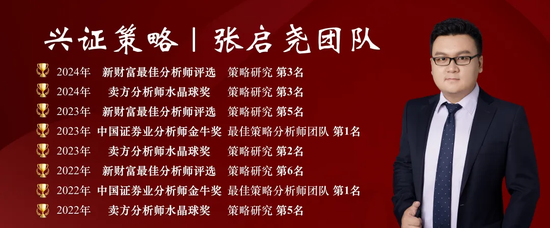
【兴证策略】60大热门赛道:哪些拥挤度仍在低位?
Xin Lang Cai Jing· 2026-01-13 09:26
Core Insights - The article discusses the investment strategies for the year 2026, focusing on opportunities identified by top fund companies and managers in the market [1][124]. Group 1: Market Sentiment Indicator - The "Congestion Degree" is a unique indicator developed by the company to reflect trading sentiment in popular sectors, combining four dimensions: volume, price, funds, and analyst forecasts [3][126]. - This indicator quantitatively tracks changes in market sentiment and has strong implications for short-term stock price movements [3][126]. Group 2: TMT Sector Insights - The congestion levels for various TMT (Technology, Media, Telecommunications) segments are as follows: - Optical modules: congestion level is moderately low [10][131]. - Servers: congestion level is moderately high [8][133]. - Base stations: congestion level is moderate [10][135]. - Optical fiber and cables: congestion level is moderately high [10][136]. - IDC (Internet Data Center): congestion level is moderately high [10][136]. - Computer equipment: congestion level is high [10][139]. - Optical components: congestion level is high [10][140]. - RF components: congestion level is high [10][145]. - PCB (Printed Circuit Board): congestion level is moderate [10][146]. - IT services: congestion level is moderately high [10][147]. - Semiconductor materials: congestion level is high [10][157]. - Consumer electronics: congestion level is moderately low [10][172]. Group 3: Manufacturing Sector Insights - The congestion levels for various manufacturing segments are as follows: - Automotive parts: congestion level is high [10][181]. - Lithium batteries: congestion level is moderate [10][184]. - Wind power: congestion level is moderately low [10][187]. - Photovoltaic components: congestion level is high [10][197]. - Industrial robots: congestion level is high [10][199]. - Unmanned aerial vehicles: congestion level is high [10][200]. Group 4: Consumer and Pharmaceutical Sector Insights - The congestion levels for various consumer and pharmaceutical segments are as follows: - White goods: congestion level is low [10][207]. - Alcoholic beverages: congestion level is moderately low [10][209]. - Medical services: congestion level is moderately high [10][222]. Group 5: Financial and Real Estate Sector Insights - The congestion levels for various financial and real estate segments are as follows: - Real estate: congestion level is moderate [10][225]. - Insurance: congestion level is high [10][225]. - Banking: congestion level is low [10][226].
四川:进一步扩大氢能在交通领域商业化应用,推动“成渝氢走廊”提质扩容
Zheng Quan Shi Bao Wang· 2026-01-13 09:04
Core Viewpoint - The Sichuan Province has issued an action plan to establish a comprehensive green manufacturing system, emphasizing the steady advancement of hydrogen energy industrialization [1] Group 1: Hydrogen Energy Development - The plan explores the integration of green hydrogen, ammonia, and alcohol technologies, as well as hydrogen-rich smelting in blast furnaces [1] - It aims to promote pilot projects for hydrogen-based direct reduction of vanadium-titanium magnetite and hydrogen-rich blast furnace smelting [1] - The initiative includes the development of hydrogen-based cement roasting projects [1] Group 2: Renewable Energy Integration - The plan focuses on coupling renewable energy with hydrogen production in suitable regions, addressing the demand for electricity, heat, and oxygen in high-altitude areas [1] - It aims to achieve local hydrogen and oxygen production from water, wind, and solar energy [1] Group 3: Transportation Sector - The action plan seeks to expand the commercial application of hydrogen energy in the transportation sector [1] - It promotes the enhancement and expansion of the "Chengyu Hydrogen Corridor" [1]
制储输用发力,开启能源“加氢减碳”之门
Zhong Guo Hua Gong Bao· 2026-01-13 06:26
Core Viewpoint - The hydrogen energy industry is seen as a key solution to energy issues, particularly in the context of expanding renewable energy capacity and addressing the challenges of wind and solar energy consumption [1]. Group 1: Green Hydrogen Development - Traditional hydrogen production mainly relies on fossil fuel reforming and industrial by-product gases, but there is significant demand for green hydrogen to replace gray hydrogen under carbon peak scenarios [2]. - By 2060, it is predicted that 30% of China's end-use thermal demand will come from non-fossil fuels, primarily through green electricity conversion, with a potential demand for 200 million tons of green hydrogen requiring approximately 10 trillion kilowatt-hours of green electricity [2]. - Water electrolysis is recognized as a crucial green hydrogen production technology, with advancements in equipment leading to cost reductions and broader applications [2]. Group 2: Hydrogen Storage Technologies - Efficient, safe, and low-cost hydrogen storage technologies are essential for energy peak shaving and valley filling [4]. - Current hydrogen storage methods include high-pressure, liquid, and solid-state storage, with liquid hydrogen being highlighted for its high storage efficiency and suitability for large-scale applications [4]. - Solid-state hydrogen storage, utilizing materials like carbon nanomaterials and metal hydrides, offers advantages such as higher storage density and longer cycle life compared to other methods [4]. Group 3: Hydrogen Transportation - Hydrogen transportation is critical for the industrial promotion of hydrogen energy, with pipeline transport being suitable for stable, continuous hydrogen demand in industrial clusters [5]. - Challenges in China's hydrogen pipeline transport include differences in hydrogen blending technology and a lack of unified national standards, which hinder industrialization [5]. - Non-metallic composite flexible pipelines are proposed as alternatives to metal pipelines, offering better corrosion resistance and lower costs [6]. Group 4: Market Opportunities in Hydrogen Energy - The hydrogen energy industry is entering a window of opportunity, with applications expanding in transportation, industry, and other energy sectors [7]. - Hydrogen energy has significant potential in the transportation sector, including hydrogen-powered heavy trucks and rail systems, which can replace diesel engines [7]. - In the industrial sector, hydrogen can replace coal in steel production, addressing carbon emissions at the source and enabling the production of high-quality steel [7].
京津冀协同创新成效显著
Jing Ji Ri Bao· 2026-01-13 03:55
Core Insights - The "Beijing-Tianjin-Hebei Collaborative Innovation Index (2026)" was released to monitor and evaluate the collaborative innovation development in the region, showing significant growth from 100 in 2013 to 388 in 2024, with an average annual growth rate of 13.1% [1] Group 1: Innovation Index Growth - The index measures collaborative innovation across five dimensions: innovation capability, research cooperation, technology connections, innovation performance, and innovation environment [1] - Beijing's collaborative innovation index saw the largest increase, growing from 657.7 to 1198.4 from 2013 to 2024, indicating strong radiative power [1] Group 2: Regional Performance - Tianjin's collaborative innovation index increased by 14.7% in 2024 compared to 2023, while Hebei maintained a steady growth rate of 13.1% [2] - The gap in innovation indices between Beijing and Hebei has narrowed, while the gap between Beijing and Tianjin has widened [2] Group 3: Industry Collaboration - The three regions have formed a new development pattern characterized by mutual benefits and complementary advantages, leading to breakthroughs in industries, transportation, and environmental sectors [2] - Beijing leads in hydrogen and biomedicine, Tianjin in high-end industrial mother machines and cybersecurity, and Hebei in new energy and intelligent connected vehicles [2] Group 4: Technological Innovation - The technology innovation network in the region is primarily led by Beijing, which accounted for 40.9% of patent cooperation in 2024 [3] - The total value of technology contracts in the region reached 1.3 trillion yuan, representing nearly 20% of the national total [3] Group 5: Innovation Environment - The development of the "Beijing-Tianjin-Hebei on Tracks" initiative has facilitated smoother flow of innovation elements, supported by a combination of policies for high-quality innovation and entrepreneurship [3] - A total of 13 innovation platforms have been established across the three regions, accelerating the incubation and transformation of innovative results [3] Group 6: Future Development Strategies - Strengthening international technological capabilities and building a collaborative innovation network centered around leading technology enterprises is crucial for future development [4] - The strategy includes enhancing original and disruptive technological innovations and fostering a collaborative innovation community in the Beijing-Tianjin-Hebei region [4][5]
福建绿氢中试基地项目获并网许可
Zhong Guo Hua Gong Bao· 2026-01-12 23:31
Core Viewpoint - The project in Fujian Province marks a significant step in the transition from construction to operational phase, focusing on wind power hydrogen production technology verification [1] Group 1: Project Overview - The project is a collaboration between Fujian Energy Petrochemical Group and Xiamen University, led by Academician Zheng Nanfeng [1] - It features a 20 megawatt wind power hydrogen production core, aiming for deep integration of renewable energy and hydrogen industry [1] Group 2: Objectives and Goals - The project aims to conduct pilot verification of water electrolysis hydrogen production under wind power fluctuations and green hydrogen application [1] - It seeks to create a comprehensive utilization platform for green hydrogen production and hydrogen-based energy [1] Group 3: Infrastructure Development - The project will establish a standardized energy system evaluation center, a green hydrogen application safety testing and verification center, and a hydrogen equipment testing and certification base [1] - It aims to facilitate the "offshore energy—hydrogen storage—hydrogen-based energy application" verification chain [1] Group 4: Impact on Renewable Energy - Upon operation, the project is expected to enhance the region's renewable energy absorption capacity [1] - It will accelerate the application of green hydrogen in key sectors such as transportation and industry [1]
9个方面重点任务明确成都郫都区“十五五”路线图、任务书
Zhong Guo Fa Zhan Wang· 2026-01-12 09:38
Core Viewpoint - Chengdu's Pidu District has outlined a comprehensive five-year development plan focusing on modern industrial systems, technological innovation, and deep integration of industry and innovation, aiming for high-quality economic and social development [1] Group 1: Modern Industrial System - The focus is on strengthening the real economy, emphasizing the development of advanced manufacturing as the backbone of a modern industrial system [3] - Key industries include electronic information, military-civil integration, green food, and cultural industries, with specific initiatives like upgrading the "Pixian Douban" brand and enhancing the Chengdu Film City [3] - Emerging industries such as hydrogen energy and solid-state batteries will be prioritized, alongside the integration of AI applications to create new economic growth points [3] Group 2: Technological and Industrial Innovation - The plan emphasizes the importance of technological innovation in shaping new development advantages and fostering deep integration between technology and industry [4] - Strengthening innovation platforms and enhancing corporate innovation capabilities are key strategies, including the establishment of industry chain innovation consortia [4][5] Group 3: Domestic Demand and Economic Growth - The strategy aims to boost consumption and investment, creating a positive interaction between supply and demand to ensure stable economic growth [6] - Specific actions include enhancing consumer rights protection, optimizing investment management, and fostering a supportive business environment for SMEs [6] Group 4: Rural Revitalization and Urban Integration - The plan promotes new urbanization and rural revitalization strategies, focusing on improving infrastructure and public services in rural areas [7] - Development of modern agriculture and integration of rural industries are highlighted to enhance the quality of life in rural communities [7] Group 5: Reform and Opening Up - The initiative aims to integrate into the national market and enhance openness, addressing systemic barriers to promote a dynamic environment for reform and development [8] - Key areas for reform include industrial parks and financial sectors, with a focus on expanding international market reach for local products [8] Group 6: Cultural Development - The plan emphasizes cultural confidence and the promotion of local heritage, aiming to enhance the cultural soft power of the city [9] - Initiatives include creating a 15-minute cultural service circle and integrating cultural, tourism, and sports sectors [9][10] Group 7: Social Welfare and Quality of Life - The focus is on improving living standards and ensuring high-quality employment, education, and healthcare services [11] - Strategies include enhancing social security systems and promoting a multi-pillar pension system [11] Group 8: Green Development - The plan commits to ecological protection and green transformation, aiming for a sustainable and livable environment [12] - Key initiatives include pollution prevention, the establishment of a park system, and the promotion of clean energy [12] Group 9: Safety and Governance - The strategy integrates safety into urban development, enhancing emergency management and smart governance [13] - Emphasis is placed on legal governance and community engagement to resolve conflicts and enhance public safety [13]