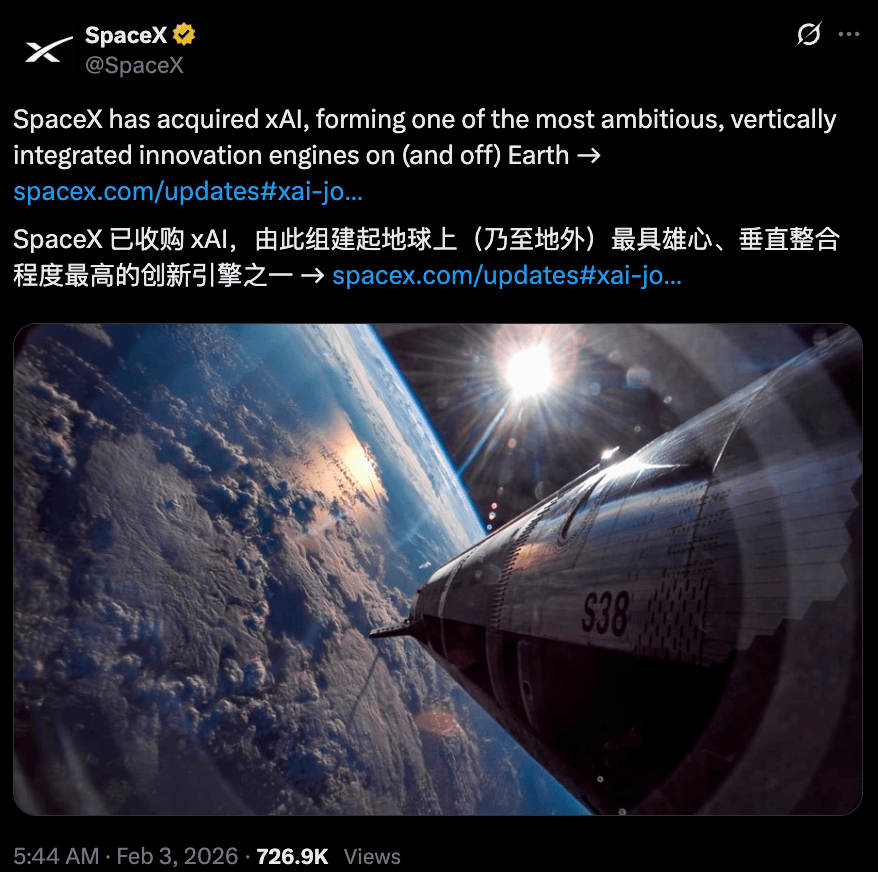
航天

Search documents
马斯克旗下两家企业合并,SpaceX宣布收购xAI,新公司估值1.25万亿美元
Sou Hu Cai Jing· 2026-02-03 09:15
Group 1 - SpaceX has acquired xAI, an artificial intelligence company also owned by Elon Musk, marking a significant step towards a potential IPO [1] - The acquisition is expected to set the share price of SpaceX at approximately $527, with a valuation reaching $1.25 trillion [1]
从火箭到算力,SpaceX收购xAI释放了什么信号?
Jin Shi Shu Ju· 2026-02-03 09:13
Core Viewpoint - SpaceX has acquired Elon Musk's AI company xAI, which may enhance Tesla's stock price by reinforcing market expectations of integration among Musk's companies [2][3]. Group 1: Acquisition and Strategic Vision - SpaceX aims to create an ambitious, vertically integrated innovation engine through the acquisition of xAI, focusing on understanding the universe and extending consciousness beyond Earth [2]. - The company plans to expand its AI capabilities by building data center capacity and has submitted an application to the FCC for a "space cloud" consisting of up to 1 million satellites, which is 100 times larger than its current Starlink product [2]. Group 2: Financial Implications and Valuation - xAI's recent funding round valued the company at approximately $200 billion, while SpaceX is seeking an IPO valuation of up to $1.5 trillion, about 60 times its projected sales for 2026 [3]. - Tesla has invested $2 billion in xAI, and the merger could encourage bullish investors who want to see all of Musk's AI companies integrated [3][4]. Group 3: Challenges and Market Reactions - There are concerns about valuation mismatches, as Tesla's current trading price reflects a 200 times multiple of its expected earnings for 2026, while SpaceX's estimated P/E ratio is closer to 400 times [3][4]. - A full merger may require Tesla to issue approximately 35% more shares, which could lead to hesitation among existing institutional investors due to uncertainties related to aerospace and communications business contributions [4].
昨夜,马斯克确认旗下SpaceX与xAI合并!
Sou Hu Cai Jing· 2026-02-03 09:09
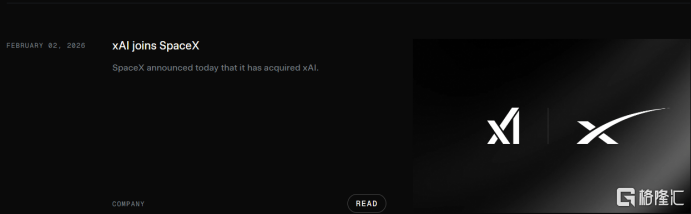
Core Insights - SpaceX has officially confirmed the acquisition of xAI, creating a tech giant valued at $1.25 trillion, which aims to reshape the space and AI industries [2][3] - The merger is seen as a strategic move to integrate SpaceX's space exploration capabilities with xAI's artificial intelligence technology, enhancing both companies' growth potential [2][5] Company Overview - SpaceX, founded in 2002, has become the world's most active rocket launch company and operates the largest satellite internet system, Starlink, with unique advantages in low-cost and high-density space deployment [3] - xAI, established in 2023, focuses on developing general artificial intelligence that aligns with human long-term interests and has quickly risen to the forefront of AI development with its Grok chatbot integrated into the X social platform [5] Strategic Rationale - The merger aims to create a "space AI data center," leveraging space-based resources to meet the growing energy demands of AI, which currently relies heavily on terrestrial data centers [6] - SpaceX's strong cash flow from its Starlink and rocket launch businesses will provide financial support to xAI, allowing it to focus on technological breakthroughs without funding constraints [6][7] Technological Synergy - The integration will enable xAI to utilize SpaceX's orbital data center network, enhancing its AI model capabilities and positioning it competitively against giants like OpenAI and Google [7] - SpaceX will benefit from xAI's technology to optimize its core operations, including rocket launch control and satellite network management, facilitating deeper integration of AI in space exploration [7] Future Vision - The merger aligns with Musk's vision of utilizing space's vast energy to advance human civilization, aiming to establish a constellation of 1 million satellites to create a global orbital data center [8][11] - This ambitious plan is projected to generate significant AI computing power, potentially transforming the landscape of AI development and application [11] Market Implications - The merger is expected to enhance SpaceX's narrative ahead of its planned IPO in 2026, which aims to raise $50 billion and could become the largest IPO in history, with a projected market value exceeding $1.5 trillion [7][8] - The integration of AI into SpaceX's operations is anticipated to attract more investors by adding a critical dimension to its business model [7] Global Industry Impact - The merger is likely to reshape the global tech landscape, presenting both challenges and opportunities for China's commercial space and AI sectors, prompting a need for accelerated transformation and innovation [13][15] - China's commercial space industry, which began in 2015, is evolving but still faces significant gaps compared to SpaceX, highlighting the importance of technological breakthroughs and industry integration [15][16]

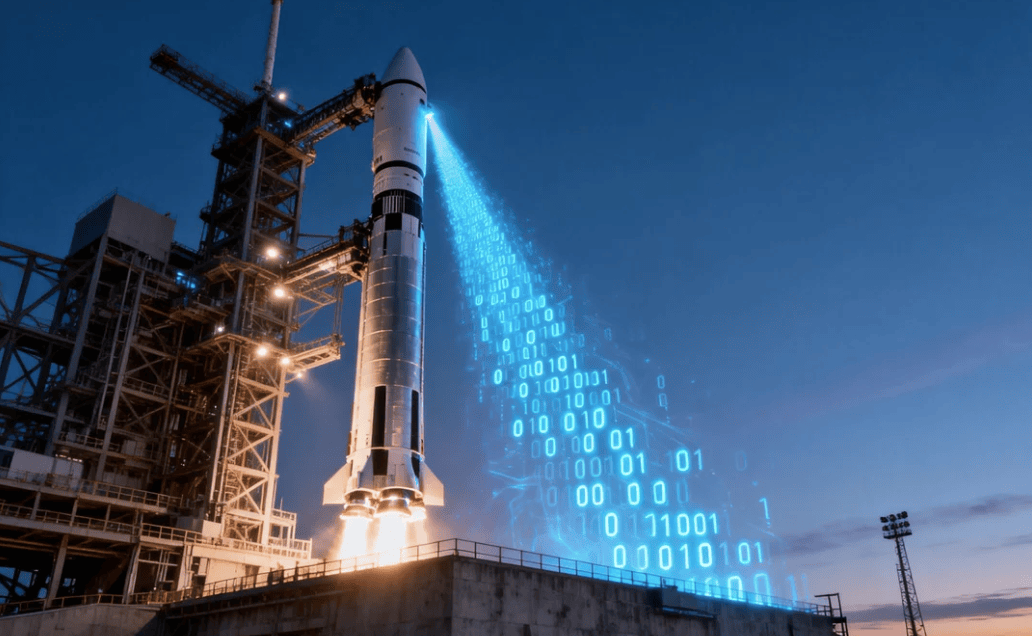
港股收盘(02.03) | 恒指收涨0.22% 加税传闻扰动科网股 商业航天、有色金属强势反弹
智通财经网· 2026-02-03 08:46
Market Overview - The Hong Kong stock market experienced volatility, with the Hang Seng Index closing up 0.22% at 26,834.77 points, while the Hang Seng Tech Index fell 1.07% to 5,467.26 points, reflecting a mixed performance across sectors [1] - Huatai Securities noted that the recent "Wash Trade" triggered a global risk-off sentiment, leading to liquidity pressures and declines in commodities and Asian markets, but they believe the adjustment is more technical and emotional, with a positive medium-term outlook for Chinese assets [1] Blue-Chip Stocks Performance - Tencent (00700) saw a significant drop of 2.92%, closing at 581 HKD, contributing to a decline in the Hang Seng Index by 59.56 points, influenced by rumors regarding potential tax adjustments targeting the financial and internet sectors [2][7] - Other notable blue-chip movements included a rise of 8.09% for CSPC Pharmaceutical Group (01093) and a decline of 2.42% for both Semiconductor Manufacturing International Corporation (00981) and China Unicom (00762) [2] Sector Highlights - The technology sector faced pressure due to tax rumors, with Tencent dropping over 6% at one point, while gold and silver prices rebounded significantly, with gold rising over 5% to 4,916.6 USD/oz and silver increasing by over 9% [3][4] - The commercial aerospace sector gained attention with SpaceX's acquisition of xAI, valued at approximately 1.25 trillion USD, which is expected to benefit the domestic space photovoltaic industry [5] - The engineering machinery sector showed resilience, with a reported 13.2% year-on-year increase in export trade, driven by strong demand for excavators [7] Notable Stock Movements - Ying Si Intelligent (03696) reached a new high, closing up 14.52% at 69 HKD, following milestone payments related to its clinical trial project [8] - CIMC Group (02039) also performed strongly, closing up 14.98% at 9.98 HKD, with significant deliveries in its data center business and a robust order book in its marine engineering segment [9] - MiniMax (00100) and Zhiyuan (02513) both saw gains, with increases of 10.98% and 8.28% respectively, following the release of new AI models [10]

马斯克“世纪大合并”:一场对xAI的单方面输血
Hua Er Jie Jian Wen· 2026-02-03 08:34
Core Viewpoint - Elon Musk has merged SpaceX with AI startup xAI to build a "space data center," but this vision will take at least two to three years to realize, while xAI's immediate need is cash [1]. Group 1: Financial Overview - SpaceX has valued xAI at $250 billion and itself at $1.5 trillion, seeking to raise $50 billion at this valuation [1]. - xAI burned approximately $9.5 billion in cash over the first nine months of 2025, with revenues of only about $210 million, significantly lagging behind competitors like OpenAI and Anthropic [3]. - SpaceX generated $1 to $2 billion in free cash flow last year, with revenues reaching around $16 billion and EBITDA of about $8 billion [4]. Group 2: Investor Sentiment - Some SpaceX investors reacted negatively to the merger, with EchoStar's stock dropping nearly 5% since news of the transaction emerged [2]. - Investors are seeking more clarity on the narrative surrounding the merger and its implications for SpaceX [2]. Group 3: AI Development Challenges - xAI's financial situation highlights the rapid cash consumption in AI development, with monthly expenditures exceeding $1 billion for high-end chips and data center construction [3]. - Musk has expressed frustration over delays in the new Grok AI model, reflecting broader challenges faced by AI companies [4]. Group 4: Strategic Ambitions - Musk aims to establish a "space data center" within two to three years, believing that the lowest cost for generating AI computing power will be achieved in space [6]. - SpaceX has ambitious plans to launch up to 1 million satellites into orbit as part of this data center initiative, complicating its existing project commitments [7]. Group 5: Regulatory Environment - The current regulatory environment is favorable for Musk, with the Trump administration rolling back various regulations that could impact the merger [8]. - Musk's connections, including a former SpaceX investor now leading NASA, may facilitate the expansion of contracts with the agency [8]. Group 6: Historical Context of Mergers - Musk has a history of rapid mergers and acquisitions, such as Tesla's $2.6 billion acquisition of SolarCity, which he was heavily involved in [9]. - The interconnected nature of Musk's ventures creates a "Musk economy," where the success of one entity supports the others, fostering investor confidence [10].
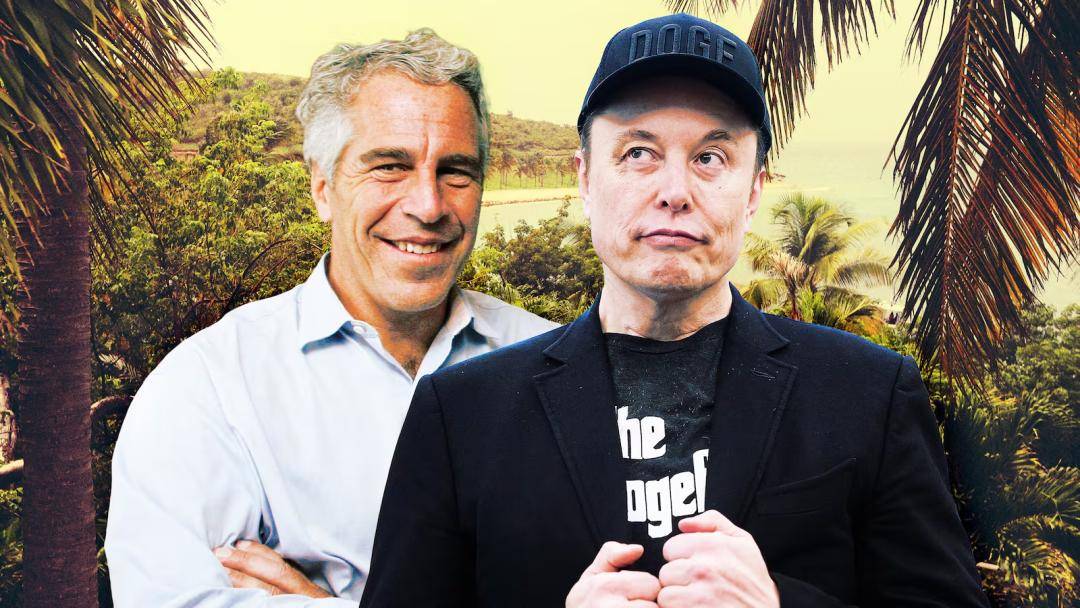
估值1.25万亿SpaceX刚宣布收购xAI,爱泼斯坦邮件就曝光?马斯克得罪谁了?
Sou Hu Cai Jing· 2026-02-03 08:26
这两天科技圈最大的新闻,莫过于马斯克旗下公司的大动作了。SpaceX宣布收购xAI,估值飙到1.25万亿美元,还有个500亿美元的融资计划,这阵仗,真可 谓"地球及外最具雄心的创新引擎"。紧接着,SpaceX又向美国政府申请,要发射100万颗卫星,搞一个环绕地球的轨道数据中心。想想看,用太空无限的太 阳能来驱动AI算力,再通过星链传回地球,一个"能源-算力-通信"的太空闭环好像就在眼前了。从回收火箭到布局太空算力,你不得不承认,马斯克在拓展 技术边界上,确实敢想敢干,改写了我们对怎么利用宇宙资源的想象。 但关键在于,突破的代价和初衷是什么? 真正的进步,不该以独占全人类的公共资源为代价,更不能用科技的未来光环,去漂白过去的道德污点。想想 看,如果一边喊着"推动人类文明",一边把本属于全人类的太空轨道圈成自家后院,一边又和涉嫌侵害未成年人的罪犯私下往来甚密,那所谓的"创 新"与"进步",是不是就沾染上了一层难以擦洗的功利和虚伪? 你看,一边是冲向星辰大海的宏大叙事,一边却是跟性犯罪罪犯扯不清的暧昧往来。 这时间点卡得这么准,难免让人怀疑,这万亿估值和百万卫星的爆炸 性新闻,是不是一场精心设计的"舆论转移术"?在 ...
马斯克将SpaceX与xAI合体,估值飙至8.7万亿,或批量造就亿万富翁
Sou Hu Cai Jing· 2026-02-03 08:26
Core Viewpoint - SpaceX officially announced the acquisition of xAI, resulting in a combined valuation of $1.25 trillion, approaching that of tech giant Meta [2][4]. Group 1: Acquisition Details - The acquisition is structured as a stock swap, with xAI shareholders able to exchange their shares for SpaceX stock at a ratio of 0.1433, while some executives can opt for cash at $75.46 per share [2][3]. - The merger is described as a "lightning war" in tech acquisitions, bypassing lengthy public shareholder votes due to Musk's control over both companies [3]. Group 2: Financial Implications - The merger is expected to significantly increase the value of xAI shares, potentially growing tenfold for early investors within 2-3 years [3][4]. - SpaceX's IPO, planned for June 2026 with a valuation of $1.5 trillion, is closely tied to this acquisition, which adds a compelling narrative around space computing to attract investors [4]. Group 3: Strategic Benefits - The acquisition is seen as a mutual rescue, addressing xAI's financial struggles while enhancing SpaceX's capabilities in space exploration through advanced AI [5]. - SpaceX aims to leverage xAI's technology to overcome challenges in data processing and satellite tracking, which are critical for its interstellar exploration goals [5]. Group 4: Industry Context - The acquisition occurs amid a global "space AI arms race," with competitors like Google and Amazon also investing in space computing capabilities [6]. - Despite the excitement, there are concerns regarding the long-term commercial viability of space data centers, with some analysts suggesting that the $1.25 trillion valuation lacks short-term financial backing [7].
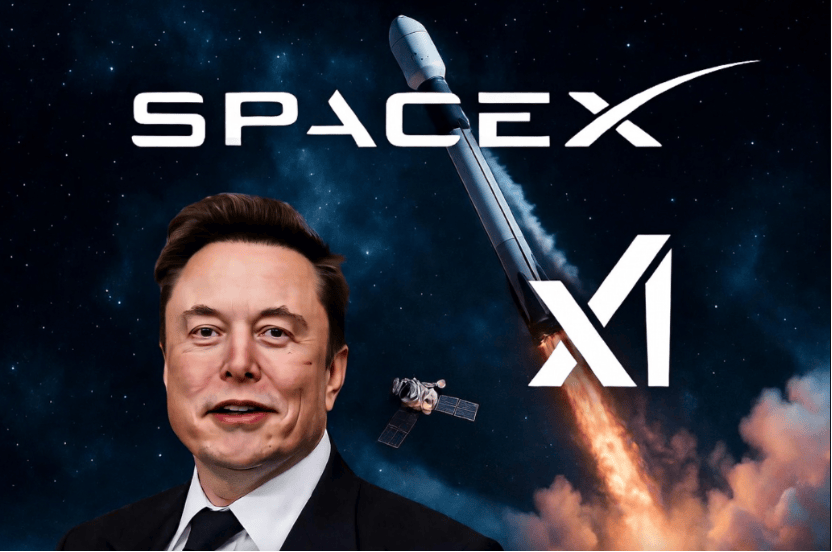
xAI抱紧SpaceX,马斯克组装“太空AI母舰”!
Sou Hu Cai Jing· 2026-02-03 08:25
Core Insights - Elon Musk's SpaceX has completed the acquisition of AI startup xAI, marking a significant consolidation in Musk's business empire and setting a new record for global corporate merger and acquisition transaction size, surpassing a 25-year-old record [2][4]. Group 1: Acquisition Details - The acquisition was finalized on February 2, with SpaceX designated as the management entity of xAI. xAI's latest valuation stands at $230 billion, while SpaceX is valued at $800 billion, leading to a combined entity valuation of approximately $1.25 trillion [6]. - xAI shareholders will receive 0.1433 shares of SpaceX stock for each share of xAI, equating to a cash value of $75.46 per share [6]. Group 2: Strategic Rationale - Musk emphasized that the core objective of this acquisition is to create the most ambitious vertically integrated innovation engine in both Earth and space, encompassing AI, rocket development, and space-based internet [6]. - The choice of xAI over Tesla for this acquisition is attributed to the complexities involved in merging with a publicly traded company like Tesla, which would require board approval, shareholder votes, and regulatory scrutiny [7]. Group 3: Market Context - The acquisition reflects a broader trend in the tech industry where computing power has become a critical asset, with major companies engaging in mergers to accelerate their strategic positioning [10]. - According to LSEG, the total value of tech mergers and acquisitions in the U.S. is projected to reach $543 billion by 2025, marking a new high since 2021 [11]. Group 4: Financial Implications - xAI is currently facing financial challenges, with projected expenditures of $7.8 billion in the first nine months of 2025 and a net loss of $1.46 billion in the third quarter. The acquisition is expected to provide xAI with the necessary financial support to compete with giants like OpenAI and Google [9]. - The merger is seen as a strategic move to leverage investor demand for AI assets while stabilizing xAI's financial situation amid ongoing losses [12].
问错问题,再完美的答案都是灾难
麦肯锡· 2026-02-03 08:17
Core Insights - The article emphasizes the importance of correctly defining problems in decision-making processes, as misframing can lead to ineffective solutions and exacerbate underlying issues [3][5]. Group 1: Real-World Dilemma - A marketing executive at an international e-commerce company noticed a decline in average order value and sought to address it by asking which promotional strategies could quickly boost this metric. The team implemented various promotions that temporarily increased order value but ultimately led to decreased user engagement and profit margins due to a loss of consumer trust in product quality and delivery reliability [5]. - The initial question framed the issue as a technical problem related to pricing and promotions, which failed to address the deeper issues within the company, ultimately worsening the situation [5]. Group 2: Research Insights - The phenomenon of misframing is linked to a cognitive bias known as the framing effect, where the presentation of information influences decision-making. Research by Amos Tversky and Daniel Kahneman indicates that how a problem is framed can significantly affect judgments and decisions [6]. - Teams often optimize in the wrong direction when problems are defined too narrowly or when underlying assumptions are not critically examined. The rise of generative AI tools amplifies this risk, as they may produce answers without questioning the validity of the input problem [6]. Group 3: Solutions - To combat the framing effect, a practical approach is to work backward from the desired outcome to identify the necessary actions and decisions, thereby uncovering the real questions that need to be asked [8]. - After identifying the trust and quality crisis, the e-commerce company's management recalibrated their focus to enhance customer loyalty for sustainable profit growth, leading to the critical question of how to rebuild trust [8]. - Challenging the definition of the problem itself is essential. Introducing constructive dissent, such as appointing a "devil's advocate," can help broaden perspectives and ensure that the right questions are being asked [8].

马斯克宣布SpaceX合并xAI!1.25万亿美元火箭AI巨兽诞生
Sou Hu Cai Jing· 2026-02-03 08:01
Core Insights - The merger between SpaceX and xAI is expected to create a new company with a share price of $526.59 and a total valuation of $1.25 trillion [2] - Elon Musk envisions this merger as a significant step towards creating a highly integrated innovation engine that spans artificial intelligence, rocket technology, and space internet [2][4] - The long-term goal is to deploy a million satellites to establish orbital data centers, which Musk believes is essential for scaling AI development and advancing human civilization [4][6] Company Overview - Following the acquisition, xAI will become a wholly-owned subsidiary of SpaceX, allowing it to operate with less financial pressure and focus on its AI development [9] - SpaceX is recognized as one of Musk's most successful and stable ventures, with profitable operations from its rocket launch and satellite internet businesses [10] - The merger is anticipated to enhance xAI's access to computational resources, enabling it to accelerate AI model training and technological advancements [10] Strategic Vision - Musk predicts that the deployment of AI in space will be the most cost-effective approach, leveraging solar energy and natural cooling advantages [4] - The plan includes launching a million satellites, which is not merely a concept but a concrete application that SpaceX has already applied for [8] - The projected annual increase in AI computing power could reach 1 terawatt (1TW), significantly impacting the future of AI applications [7][8]