农产品贸易

Search documents
巴西大豆霸主跌落,阿根廷三天抢走130万吨,中国布局早有后手?
Sou Hu Cai Jing· 2025-10-23 12:45
中国早就不把所有货都押在一个地方了,他们早就搭起一个三角采购的路子,巴西出货多,阿根廷便 宜,乌拉圭和俄罗斯顶在后头,海关数据说,二零二五年前七个月,巴西出口了四千二百二十六万吨, 阿根廷比去年涨了六成七,乌拉圭涨了四成一,俄罗斯也涨了三成五,中国还用期货对冲,六成以上的 进口都罩住了,一边在巴西投港口,一边帮阿根廷修铁路,就为别让供应链断了。 2025年9月22日,阿根廷突然宣布大豆出口不收税,中国采购团队当天就签了十船订单,第二天又加了 十船,两天里锁了130万吨大豆,价格只比芝加哥期货高两美元一吨,这一下把巴西打了个措手不及, 港口的船空着等货,出口商不敢多投产,小公司开始裁人,巴西全国谷物协会赶紧把全年对华出口预期 从1.1亿吨往下调。 之前中国进口的大豆,七成以上是从巴西来的,2025年前八个月,中国买了七千三百三十一万吨大豆, 巴西占了百分之七十一点六,可阿根廷这一手,把局面给打乱了,巴西这几年太稳了,觉得中国没别的 路可走,把出口价抬得老高,每吨比美国豆贵六十六块,出口商还串在一起,囤着货不卖,说中国只能 认这个价,结果中国一转身,就去找别人下单了。 美国那边也没占到便宜,2018年加了关税,价 ...

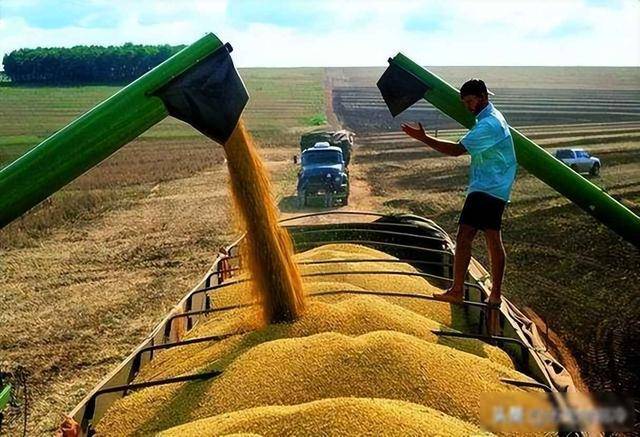
贪心砸了饭碗?巴西硬抬价,中国 130 万吨大豆瞬间流向阿根廷!
Sou Hu Cai Jing· 2025-10-23 10:16
Core Viewpoint - The international soybean market has experienced significant fluctuations this year, with China shifting its imports from the U.S. to Brazil and then to Argentina due to rising prices from Brazilian exporters [1][3][40]. Group 1: Market Dynamics - From May to September, China ceased purchasing U.S. soybeans, leading to a record low of zero imports in November 2018 [3][17]. - Brazil's soybean exports to China surged to 71.6% from January to August this year [5]. - Brazilian exporters raised prices significantly, with prices per bushel exceeding Chicago futures by $2.8 to $2.9, and the premium for soybeans at the Port of Paranaguá reaching $66.1 per ton, the highest in nearly four years [4][7]. Group 2: China's Response - In mid-October, multiple Chinese companies collectively halted purchases of Brazilian soybeans scheduled for December, indicating a strategic decision rather than a spontaneous reaction [13][40]. - China has developed two key strategies to lower prices: expectations of a bumper soybean harvest in Brazil for the 2024-2025 season and progress in U.S.-China trade negotiations [15][19]. - China's soybean reserves are robust, with over 200 million tons stored in the northeast alone, allowing for price stabilization through strategic releases [17][19]. Group 3: Argentina's Opportunity - Argentina secured a substantial order of 130 million tons from China, equivalent to several months of its usual export volume, due to a significant reduction in export taxes from 26% to 0% [26][28]. - The timing of Argentina's price competitiveness coincided with China's need to fill a supply gap from November to January [30][40]. - Argentina's proactive measures to regain market share, combined with favorable policy changes, allowed it to capitalize on Brazil's pricing strategy [34][40]. Group 4: Long-term Implications - The shift in soybean orders reflects a changing global food trade landscape, emphasizing that no supplier is indispensable and that fair trade practices are essential for long-term relationships [40][42]. - China's diversified import channels and strategic reserves enhance its negotiating power and ability to manage supply chain risks [42][44].
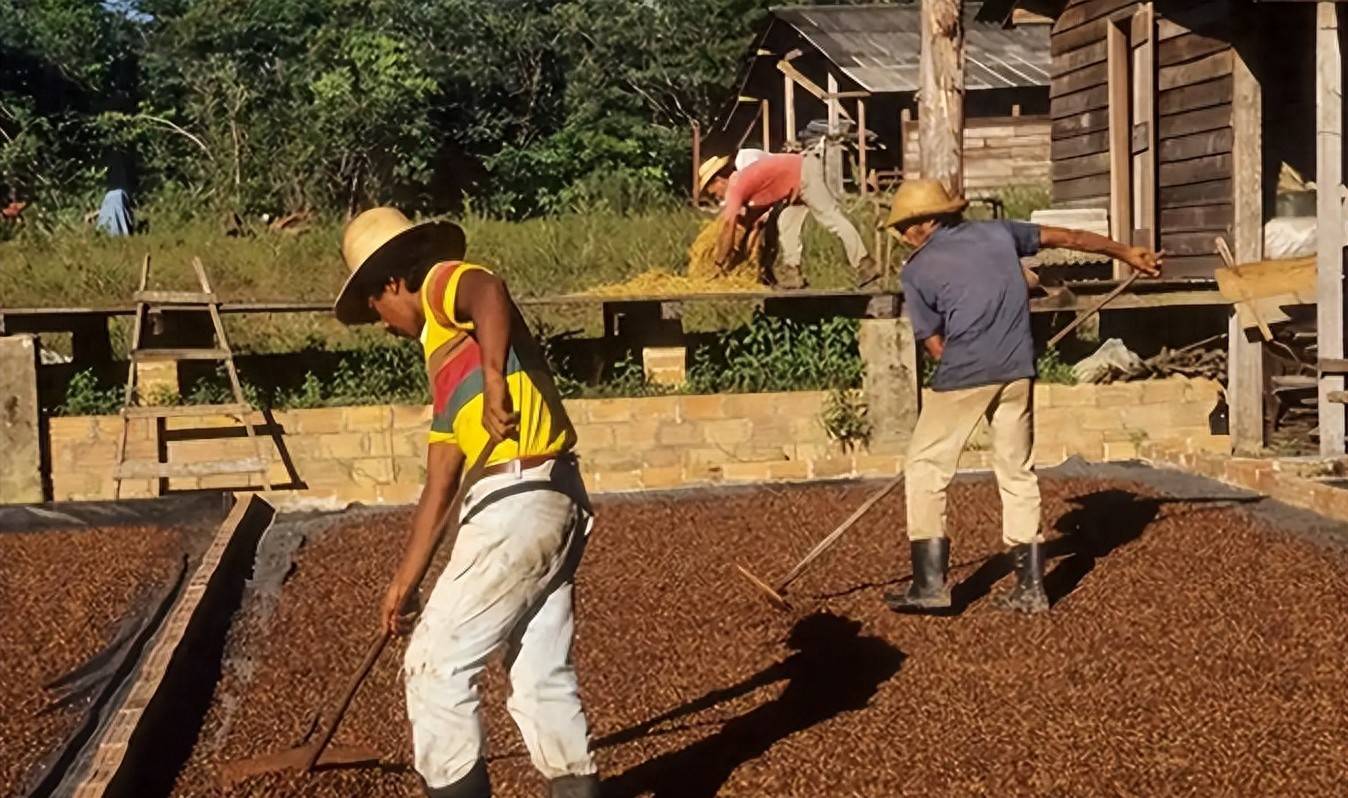
“为绿色低碳转型注入持续动力”
人民网-国际频道 原创稿· 2025-10-23 03:01
Core Points - The China-ASEAN Trade and Investment Promotion Conference was held in Beijing, focusing on "Green Development and Building a Better Future" [1] - The conference aimed to deepen economic and trade cooperation between Beijing's sub-center and ASEAN countries through policy interpretation, project signing, and business matching [1] - The inclusion of a "Green Economy" chapter in the China-ASEAN Free Trade Area 3.0 provides institutional support for cooperation in green trade, investment, and standards [1] Group 1: Economic Cooperation - China has been ASEAN's largest trading partner for 16 consecutive years, with ASEAN being China's largest trading partner for five years [2] - From January to July this year, trade between China and ASEAN reached $597 billion, a year-on-year increase of 8.2%, accounting for 16.7% of China's total foreign trade during the same period [2] - The successful signing of three cross-border cooperation projects at the conference highlights the focus on green trade in agricultural products, cultural tourism integration, and smart energy monitoring [3] Group 2: Green Development Initiatives - Thailand's "30@30" policy aims for 30% of domestically produced vehicles to be electric by 2030, requiring deep participation from Chinese enterprises in technology transfer and talent training [1] - Myanmar is focusing on building a green energy infrastructure, leveraging its rich renewable resources, and seeks further cooperation with China in green technology transfer and joint research [2] - The conference reinforced Beijing's sub-center as a "China-ASEAN Green Cooperation Hub," emphasizing the need for collaboration in green industries, finance, and culture to address global climate change challenges [3]
跨界赛事牵线搭桥 业务合作多方共赢
Qi Huo Ri Bao Wang· 2025-10-23 00:40
Core Insights - The collaboration between companies has led to unexpected results, including the successful acquisition of red dates in Xinjiang for the 2024/2025 season [1][4] - The "Tongzhou Cup" event has facilitated partnerships across industries, enhancing business opportunities and financial supply chain activities [1][4] Group 1: Business Collaboration - Tongzhou Group has leveraged its resources in Xinjiang to establish partnerships, particularly in the red date industry, which is central to its business strategy [2][3] - The collaboration allows for the rental of idle warehouses and storage spaces, enabling efficient red date acquisition and initial processing [2][3] - The partnership has opened new business fields for Tongzhou Group, allowing it to engage in cross-industry operations while maintaining controllable risks [2][3] Group 2: Financial Supply Chain - Tongzhou Group provides supply chain financial services to alleviate the funding pressure during peak red date acquisition seasons [4] - The collaboration enhances the financial risk control system by utilizing industry data from partners [4] - The partnership has created a positive cycle of employment and economic development in the Xinjiang red date production area, benefiting both companies and local farmers [4] Group 3: Market Impact - The collaboration has significantly reduced acquisition and transportation costs for red dates, improving market competitiveness for partners [3] - The annual sales of red dates and related products for the partner company are around 300 million yuan, with a deep processing capacity of 20,000 tons [4] - The "Tongzhou Cup" event has created opportunities for comprehensive cooperation with leading agricultural enterprises, enhancing market influence and competitiveness [4]
坐地起价?巴西大豆对华猛涨价,中国买家集体停单:等两个降价时机!
Sou Hu Cai Jing· 2025-10-22 09:39
Core Insights - The export price of Brazilian soybeans has surged to $2.8 to $2.9 per bushel, approximately 70% higher than U.S. soybeans, creating challenges for Chinese buyers [1][3] - Chinese importers have suspended soybean orders for December to January due to high procurement costs, reflecting both economic considerations and food security concerns [1][3] - Brazil's soybean price increase is attributed to domestic supply-demand imbalances and international market fluctuations, with U.S. exports to China plummeting by 78% year-on-year [1][3] Group 1: Price Dynamics - Brazilian soybean planting area is expected to reach a record 121 million hectares in the 2025/26 season, contributing to increased agricultural output [3] - Short-term supply-demand fluctuations, influenced by Chinese demand and policy changes, have led to rapid price increases despite favorable harvest expectations [3] - The procurement cost of Brazilian soybeans is approximately 200 RMB higher than U.S. soybeans, impacting profit margins for Chinese oilseed enterprises [5] Group 2: Strategic Responses - Chinese buyers are maintaining a calm approach, leveraging mature supply chain management and diversified import channels to mitigate reliance on Brazilian soybeans [3][5] - China has over 800 million tons of strategic soybean reserves, sufficient to support short-term supply needs [3] - The collective suspension of orders by Chinese importers signals a rational response to market conditions, emphasizing that no supplier is irreplaceable [5] Group 3: Market Implications - The trade dynamics between the U.S. and Brazil are increasingly complex, affecting both national economies and the global market [5] - Brazil's high pricing strategy may yield short-term profits but risks long-term market share loss if China resumes purchasing U.S. soybeans [5] - The global agricultural market is evolving, with competition intensifying as countries strive to enhance export capabilities to capture the Chinese market [5][7] Group 4: Food Security Considerations - The diversification of the soybean supply chain is critical for ensuring food security, with countries adjusting policies to balance self-sufficiency and diverse sourcing [7] - The relationship between Brazil and China in the soybean market is characterized by ongoing changes and challenges, necessitating a balance between price and supply [7] - Future agricultural markets will involve not just transactions but also a long-term contest of intelligence and strength among trading nations [7]
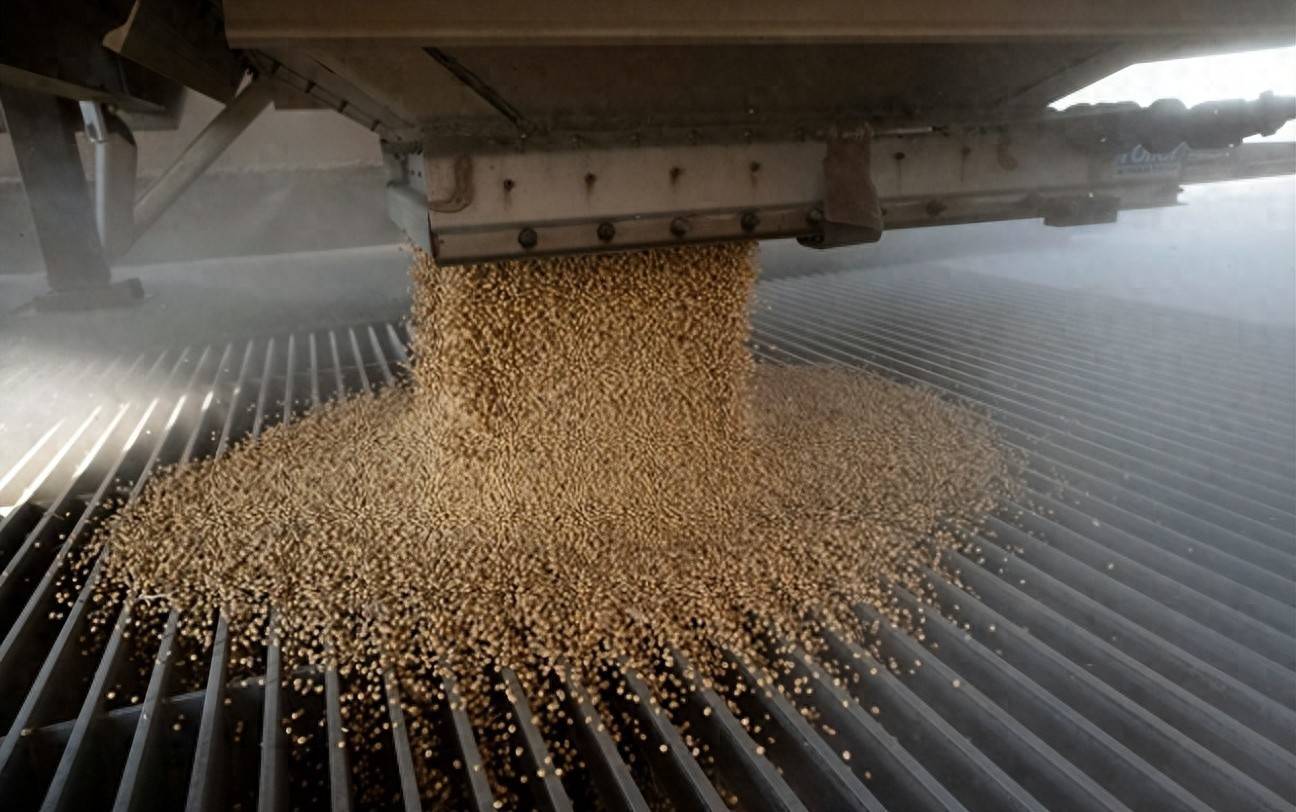
巴西大豆价格对我们猛涨79.9%,中方买家集体按下暂停键,静待两张王牌打出
Sou Hu Cai Jing· 2025-10-21 20:20
Core Insights - The price of Brazilian soybeans for export to China has surged by 79.9% since the beginning of the year, reaching a seven-year high, indicating a significant tension between the world's largest soybean importer and its main supplier [1][3]. Price Dynamics - The recent price increase of Brazilian soybeans is driven by multiple factors, including adverse weather conditions in the Mato Grosso region, which have raised concerns about a potential 5% to 8% decrease in new season yields [3] - Existing soybean stocks in Brazil are nearly depleted, with new season soybeans not expected to be shipped until late January, creating a supply gap [3] - Logistical challenges are exacerbating the situation, with Brazilian ports expected to export 7.12 million tons of soybeans in October, a 60% year-on-year increase, leading to extended waiting times of up to 45 days [3] Market Speculation - Speculative trading by Brazilian exporters has intensified price fluctuations, with prices at the Paranaguá port exceeding Chicago futures by nearly $3 per bushel, while U.S. soybeans have a premium of only $1.7 per bushel [5] - In September, 93% of China's soybean imports came from Brazil, giving Brazilian exporters more pricing power amid ongoing U.S.-China trade tensions, which have reduced U.S. soybean market share in China from 41% in 2016 to 21% in 2024 [5] Domestic Impact - Domestic soybean processing companies are facing significant cost pressures, with losses exceeding 200 yuan per ton for processing Brazilian soybeans, leading to production cuts [7] - The China Soybean Industry Association confirmed that domestic buyers have not yet purchased Brazilian soybeans for December and January shipments, indicating a rejection of current prices [7] - China has substantial soybean reserves, with 4.5 million tons available, sufficient for over three months of national use [7] Diversification Strategies - China's strategy to diversify its soybean imports has provided flexibility against price volatility, with Argentina's zero export tax leading to a rapid purchase of 1.3 million tons of soybeans [9] - Russia and Ukraine are also contributing to China's soybean supply, with monthly shipments from Russia exceeding 200,000 tons [9] Technological Advancements - The use of alternative feed ingredients, such as canola and cottonseed meal, is being promoted to reduce reliance on soybean meal, with a target to decrease soybean meal's share in feed from 15.3% to 12% by 2027 [10] - Domestic soybean production potential is being explored, with plans to expand intercropping in key regions, potentially increasing soybean output by 15 million tons [10] Future Outlook - Two critical upcoming events could influence the market: the new Brazilian soybean harvest and potential progress in U.S.-China trade negotiations, which could reopen the Chinese market to U.S. soybeans [11] - Brazil's government plans to invest $2.3 billion in port upgrades, which may alleviate logistical bottlenecks by 2026 [13] Trade Dynamics - The trade relationship between Brazil and China has evolved significantly, with Brazil becoming the largest soybean supplier to China, accounting for 71% of total imports in 2024 [15] - China's shift from reliance on a single supplier to a diversified procurement strategy reflects a strategic approach to ensure food security and enhance bargaining power in international soybean trade [15][17]
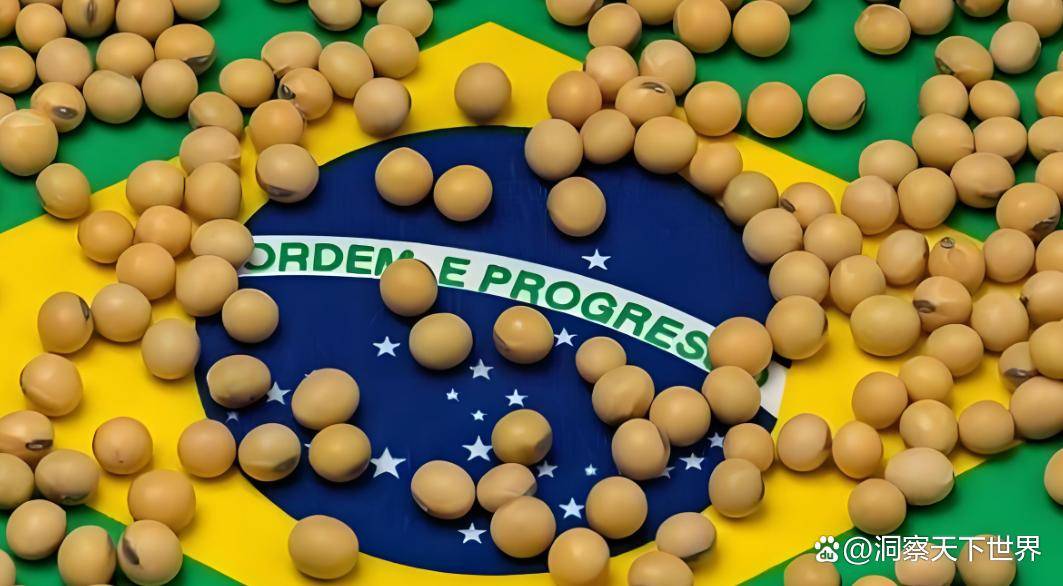
巴西粮商坐地起价,溢价每蒲式耳溢价2.9美元,中国买家集体停购反击
Sou Hu Cai Jing· 2025-10-21 09:55
Core Viewpoint - The collapse of a soybean storage facility in the U.S. has led to a significant loss of over 800 tons of soybeans, while Brazilian soybean prices have surged, creating a stark contrast in the market dynamics between the two countries [1][3][4]. Group 1: Market Dynamics - The collapse of a soybean warehouse in Illinois resulted in the loss of over 800 tons of soybeans, which has left U.S. farmers in despair as they seek government assistance that has not materialized [3][4]. - Brazilian soybean prices have increased dramatically, with quotes exceeding the Chicago Board of Trade (CBOT) benchmark by $2.9 per bushel, compared to a $1.7 premium for U.S. soybeans, indicating opportunistic pricing behavior from Brazilian traders [4][6]. Group 2: China's Position and Strategy - Chinese buyers are strategically pausing purchases in response to Brazil's inflated prices, leveraging their substantial national strategic reserves of soybeans to negotiate better terms [8][10]. - China has diversified its soybean import sources, including Argentina, Uruguay, and Canada, which helps mitigate risks associated with relying solely on Brazilian imports [10][12]. - Technological advancements in feed formulation have allowed China to increase the substitution rate of soybean meal with alternatives like rapeseed and cottonseed meal, reducing overall soybean demand and weakening the bargaining power of sellers [12][14]. Group 3: Long-term Implications - The current situation presents an opportunity for China to reshape the international trade order, aiming to transition from being a price taker to a rule maker in global soybean trade [14][19]. - A report from Goldman Sachs predicts that if China successfully increases its soybean meal substitution rate to 20%, it could lead to a fundamental shift in global soybean trade dynamics, potentially lowering South American soybean prices by 10% to 15% [17][22]. - Experts suggest that China's approach should involve both leveraging international markets and enhancing domestic oilseed crop self-sufficiency, which is crucial for national economic sovereignty [19][24]. Group 4: Conclusion - The price surge from Brazil inadvertently provides China with a chance to address its pricing power shortcomings in the soybean market, signaling a potential shift in global commodity market dynamics [26].

四川山珅农产品商贸有限公司成立 注册资本10万人民币
Sou Hu Cai Jing· 2025-10-21 09:27
Core Viewpoint - Sichuan Shanshen Agricultural Products Trading Co., Ltd. has been established with a registered capital of 100,000 RMB, focusing on various agricultural product sales and related activities [1] Company Summary - The legal representative of the company is Gong Ping [1] - The registered capital is 100,000 RMB [1] - The business scope includes general projects such as sales of agricultural and sideline products, retail of edible agricultural products, fresh vegetable retail, vegetable planting, initial processing of edible agricultural products, and internet sales [1] - The company is also involved in the sale of unprocessed nuts and dried fruits, as well as fresh fruit retail [1] Industry Summary - The company is subject to licensing for specific projects, including food sales, food production, and seasoning production, which require approval from relevant authorities before operations can commence [1] - The business activities are conducted in accordance with the business license and relevant regulatory approvals [1]

巴西大豆价格飙升!美豆受限,中方如何在大豆市场寻找主动权
Sou Hu Cai Jing· 2025-10-21 06:20
Core Insights - Brazilian soybean prices surged to historical highs in mid-October 2025, with port quotes exceeding the Chicago futures benchmark by $2.8 to $2.9 per bushel, prompting Chinese buyers to slow down their purchasing pace, resulting in a gap of 8 to 9 million tons for December and January shipments [1] - China's soybean import landscape has significantly changed over the past decade due to ongoing US-China trade tensions and a proactive diversification strategy, with China accounting for 79.9% of Brazil's total soybean exports from January to September 2025, a record high [3] - The reliance on a single source for soybean imports has created challenges, as evidenced by China's rapid procurement of 1.3 million tons from Argentina within 48 hours after the country lifted its soybean export tax in September 2025, highlighting the rigid demand for soybeans in China [3] Group 1 - China's annual soybean consumption is approximately 110 million tons, with over 85% used for oil and feed production, while domestic production is only around 20 million tons, necessitating imports of about 9 million tons, which constitutes over 80% of total consumption [3] - The rapid growth of China's livestock and edible oil industries over the past 30 years has led to a sustained increase in demand for protein feed and vegetable oils, making imports a structural necessity [5] - The international soybean trade pricing mechanism has exacerbated China's passive position, as the high premium of Brazilian soybeans has significantly increased import costs, leading to negative crushing margins for domestic oil mills [6][7] Group 2 - To address these challenges, China is enhancing the role of national reserves to stabilize prices during supply shortages, with the establishment of six soybean reserve processing bases across the country for quick market response [9] - China is accelerating its import diversification strategy, looking beyond Brazil and the US to potential suppliers in Argentina, the Black Sea region, and even Africa, with a 15% year-on-year increase in soybean imports from Argentina in 2024 [9] - Domestic measures are also being implemented, including a soybean oil capacity enhancement project initiated in 2023, which has maintained domestic soybean production above 20 million tons for three consecutive years [9] Group 3 - Technological innovations are being promoted, such as the increased use of alternative feed ingredients like canola meal and cottonseed meal, resulting in a reduction of soybean meal usage in feed to 14.5% by 2024, down 1.5 percentage points from 2020 [11] - Chinese enterprises are participating in the expansion of Santos Port in Brazil and the modernization of Rosario Port in Argentina to improve soybean export efficiency [11] - Political factors continue to influence soybean trade, with remarks from former President Trump in October 2025 criticizing China for avoiding US soybean purchases, adding to market uncertainty [11] Group 4 - The new soybean season in Brazil is expected to yield 177.64 million tons by the end of January 2026, a year-on-year increase of 6 million tons, which will be a critical window for China to replenish its reserves [13] - China's soybean strategy has evolved into a multi-dimensional approach, focusing on risk diversification through multi-sourcing, establishing buffer mechanisms for price volatility, and enhancing domestic production capacity and efficiency [13] - The complexity of the global soybean market is influenced by climate cycles, transportation risks, and political tensions, with Brazil's drought in 2023 and Argentina's logistical bottlenecks in 2024 posing challenges for China's response capabilities [13] Group 5 - Chinese buyers are gaining leverage in negotiations, as evidenced by the procurement pause in October 2025, indicating a willingness to endure short-term gaps for better pricing terms [15] - Achieving complete self-sufficiency in soybean production would require 70 to 80 million acres of planting area, while currently, only about 13 million acres are available, indicating that the import-dependent structure will persist in the long term [15] - The speed of market response is increasing, as demonstrated by China's rapid procurement from Argentina following the removal of export taxes, showcasing the flexibility of the supply chain [15] Group 6 - The role of futures markets is significant, with the Chicago exchange still dominating pricing, but the trading volume of soybean futures on the Dalian Commodity Exchange has been increasing, with a 12% year-on-year growth in 2024, laying the groundwork for future pricing power [17] - Enhanced transparency in trade data has improved the bargaining power of Chinese buyers, allowing for more precise procurement decisions based on real-time tracking of shipping schedules, inventory, and crushing profits [17] - The strategies of major international grain traders are also adjusting, with the ABCD firms increasing their presence in South America to meet the diversified needs of Chinese buyers, reflecting a subtle shift in market power [17] Group 7 - China's soybean import management has transitioned from passive acceptance to proactive regulation, with quarterly assessments of supply risks and dynamic adjustments to procurement plans becoming integral to national food security strategy [19] - The resilience of the supply chain relies not only on external procurement but also on internal collaboration, with information sharing among central reserves, commercial inventories, and production enterprises enabling rapid market response [19] - The ongoing global soybean trade dynamics present both opportunities and vulnerabilities for China as the largest buyer, necessitating flexibility amid political and economic constraints [19]
第十届智利周天津站启幕 智利着重深化对华贸易合作
Zhong Guo Xin Wen Wang· 2025-10-21 02:40
Core Points - The 10th Chile Week in Tianjin emphasizes deepening trade cooperation between Chile and China [1][2] - The event coincides with the 55th anniversary of diplomatic relations and the 20th anniversary of the free trade agreement between the two countries [2] Group 1: Event Overview - The opening ceremony of the 2025 China-Chile Week took place in Tianjin, where several memorandums of understanding were signed between Chile and various institutions in Tianjin [1] - This year's Chile Week features professional seminars focused on agricultural trade, investment, and innovation [2] - Chilean representatives will visit Tianjin Port and engage with Tianjin Foreign Shipping Agency [2] Group 2: Trade and Export Insights - Chile has become a major supplier of cherries and mussels to the Chinese market in recent years, and is now also exporting pears, walnuts, and bamboo fish [2] - The main focus of Chile's service exports to China is in transportation and information technology, with a strong reputation in agriculture, aquaculture, and mining sectors [2] - Chile aims to provide innovative solutions in high-quality technology and services for these industries in the future [2] Group 3: Future Activities - The 2025 China-Chile Week will continue in Chongqing, Shenzhen, and Shanghai [2]