服务贸易

Search documents
入选服务业扩大开放综合试点城市后,深圳再次出手服务贸易
2 1 Shi Ji Jing Ji Bao Dao· 2025-05-08 13:04
Core Insights - Shenzhen's service trade development support policy emphasizes the acceleration of digital trade as a primary task [1] - The policy includes financial incentives for service trade enterprises, with rewards up to 1 million yuan for eligible companies [1][2] Group 1: Digital Trade Support - The policy encourages service trade companies to legally transmit data and digital products across borders, aiming to expand the scale of digital service exports [1] - Shenzhen ranks second in China for the number of companies in the digital delivery and ordering trade sectors, with 35 companies listed in the top 100 [1] Group 2: Support for Service Trade Business Development - Shenzhen promotes high-value outsourcing services, including IT outsourcing (ITO) and knowledge process outsourcing (KPO), with rewards up to 1 million yuan for qualifying companies [2] - The city supports the expansion of technology exports, offering rewards based on the actual execution amount, ranging from 80,000 yuan to 1 million yuan [2] - Incentives are also provided for companies engaging in international service outsourcing, with rewards from 50,000 yuan to 100,000 yuan based on execution amounts [2] Group 3: Support for Market Entities - The policy aims to enhance the export capabilities of high-end professional service providers, including accounting and legal services, with rewards up to 1 million yuan [3] - Financial services are also targeted for growth, with incentives of up to 2 million yuan for qualifying financial service trade enterprises [3] - New businesses meeting specific criteria can receive rewards of up to 100,000 yuan for achieving revenue growth [3] Group 4: Rationale for Increased Focus on Service Trade - The global service trade accounts for over 23% of total trade, and China has a long-standing service trade deficit, necessitating competitive enhancements through openness [4] - Shenzhen's strategy includes expanding service trade scale, optimizing structure, and increasing efficiency, with a comprehensive action plan featuring 66 specific measures [4] - Over the past three years, Shenzhen's Commerce Bureau has funded 87 quality service trade enterprises [4] Group 5: Trade Performance - In 2024, Shenzhen's total service trade import and export value exceeded 140 billion USD for the first time [5]
最高奖励200万元!深圳又放“大招”
证券时报· 2025-05-08 13:04
Core Viewpoint - Shenzhen is making significant investments in both goods and service trade, with new policies offering substantial financial rewards to companies, particularly in the service trade sector, to enhance its competitive edge in international markets [1][2]. Summary by Sections Policy Highlights - The Shenzhen Municipal Bureau of Commerce released "Ten Key Points for Supporting the Development of Service Trade by 2025," which outlines generous support policies and financial incentives for service trade enterprises [2][6]. Financial Incentives - Companies can receive up to 2 million yuan in rewards for enhancing their financial service export capabilities, with specific incentives for various service sectors [3][4]. Specific Support Measures - Support for digital trade development includes rewards of up to 1 million yuan for companies that expand their digital service exports [3]. - High-value outsourcing services, such as IT and knowledge process outsourcing, can also receive up to 1 million yuan in support [3]. - Professional service sectors like accounting and legal services can receive similar financial backing to promote international competitiveness [3]. - Companies that enhance their risk management through export credit insurance can receive up to 100,000 yuan in reimbursement for premiums paid [4]. Technology and Certification Support - Companies expanding technology exports (excluding restricted technologies) can receive rewards ranging from 80,000 to 1 million yuan based on actual export amounts [4]. - Support for obtaining international certifications, such as CMMI 5 and ISO 27001, includes reimbursement of up to 50% of certification costs, capped at 500,000 yuan [4]. Market Development and Innovation - The policy encourages the development of international service outsourcing, with rewards for companies based on their offshore service execution amounts, ranging from 50,000 to 100,000 yuan [4]. - New market entrants achieving revenue growth can receive up to 100,000 yuan in support [4]. - The initiative aims to enhance the technological innovation capabilities of service trade enterprises, allowing them to apply for tax incentives as recognized advanced technology service enterprises [6]. Strategic Goals - Shenzhen aims to achieve a service trade import and export volume exceeding 150 billion USD and digital trade volume exceeding 66 billion USD by 2025 [6]. - The city is focused on fostering a high-quality development action plan for service trade, emphasizing sectors like gaming, software outsourcing, and cross-border financial services [6][7].

广东:有序推动符合条件的外商独资医院在广州、深圳落地
news flash· 2025-05-07 07:59
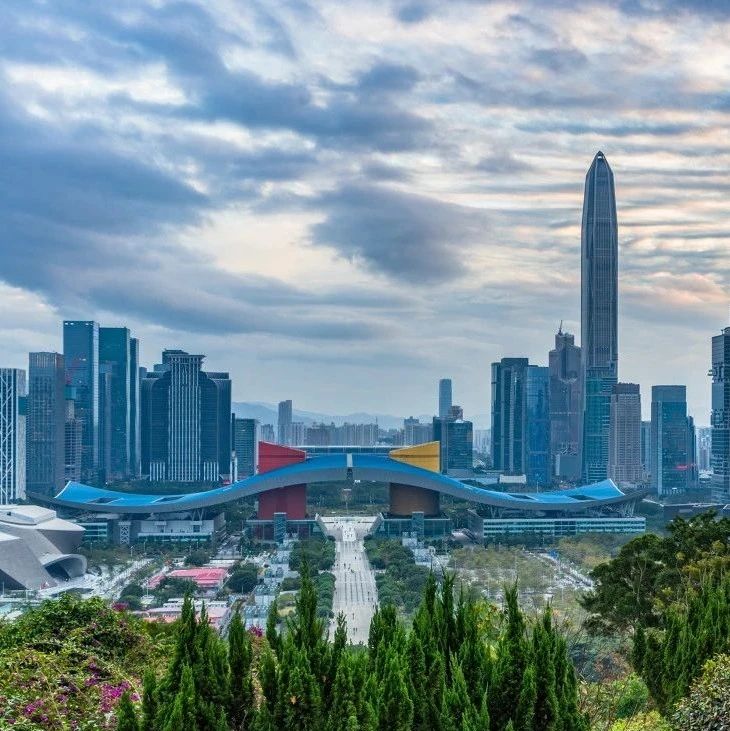
Core Viewpoint - The Guangdong Provincial Government is implementing a special action plan to boost consumption, focusing on expanding and deepening the openness of the service industry to foreign investment [1] Group 1: Healthcare Sector - The plan includes conducting pilot programs for expanding openness in the healthcare sector, allowing foreign-funded hospitals to establish in Guangzhou and Shenzhen [1] - There is an initiative to simplify the procedures for Hong Kong and Macau doctors to practice in Guangdong, aiming to attract more foreign investment in healthcare [1] Group 2: Telecommunications Sector - The plan aims to relax foreign investment access in the telecommunications sector, supporting more foreign enterprises to apply for value-added telecommunications business qualifications [1] Group 3: Service Industry Development - The government is deepening the comprehensive pilot for expanding service industry openness in Guangzhou and supporting Shenzhen in advancing a new round of pilot construction for national service industry openness [1] - There is a focus on creating national demonstration zones for innovative development in service trade in Guangzhou and Shenzhen, targeting the upgrading of resident consumption and promoting the import of high-quality lifestyle services such as healthcare and cultural entertainment [1]
城市24小时 | 三市“抱团”,粤东不想“掉队”
Mei Ri Jing Ji Xin Wen· 2025-04-29 16:04
Group 1 - The core viewpoint of the news is the milestone significance of the first joint meeting of the Shantou, Chaozhou, and Jieyang cities, which aims to promote high-quality development in the Shantou-Chaozhou-Jieyang urban agglomeration through a comprehensive action plan for 2025-2026 [1][2] - The action plan establishes a top-level design for the urban agglomeration, including a rotating chair system for joint meetings and a leadership group composed of city leaders to enhance collaboration across various sectors [1][2] - The meeting marks a transition from "coordinated development" to "integrated construction," emphasizing the need for a more cohesive economic and infrastructural framework among the three cities [1][2] Group 2 - The action plan outlines four key areas of cooperation, with a total of 22 specific tasks and 29 priority projects for the current year, focusing on enhancing regional economic vitality [2][3] - A comprehensive transportation system is prioritized, aiming to establish a "one horizontal, four vertical, three ring" transportation framework to facilitate connectivity and economic integration [3] - The plan addresses the high degree of industrial homogeneity among the three cities by promoting the upgrading of traditional industries and the clustering of digital industries, thereby creating a modern industrial system that is collaborative and complementary [3]

南京劳动人事争议案件收案五年来首降
Yang Zi Wan Bao Wang· 2025-04-29 10:42
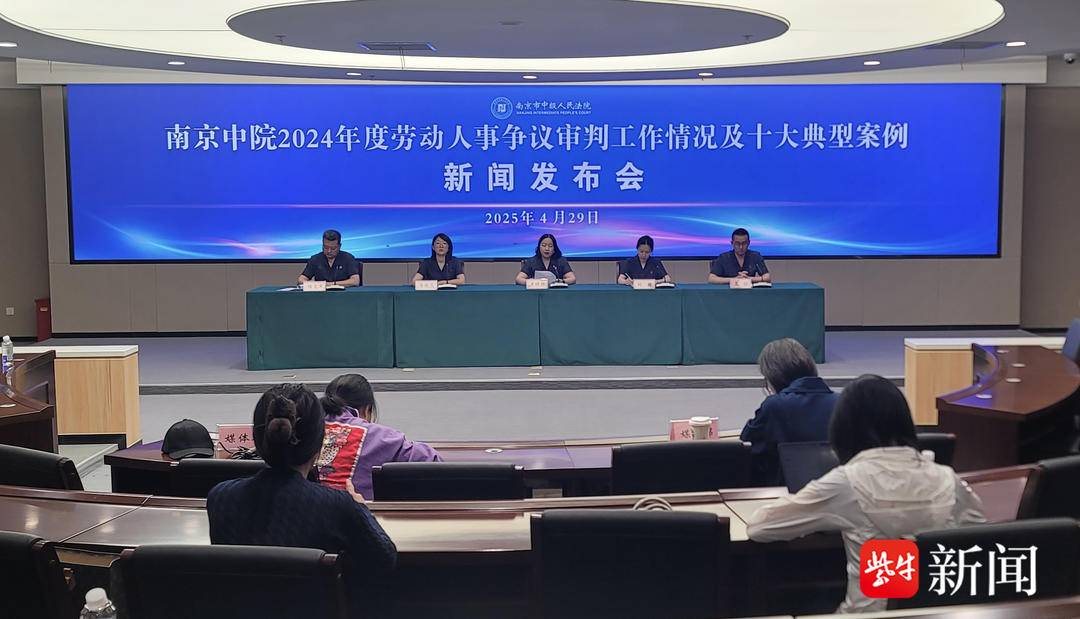
Core Viewpoint - The Nanjing Intermediate People's Court reported a positive trend in labor and personnel dispute cases for 2024, with a decrease in both incoming and unresolved cases, attributed to proactive measures in dispute resolution [1][3]. Group 1: Case Statistics - The number of newly filed first-instance labor and personnel dispute cases in Nanjing was 11,408, representing a year-on-year decrease of 9.5% [3]. - The number of collective dispute cases filed was 1,723, showing a significant year-on-year decrease of 39.96% [3]. - A total of 25,359 labor and personnel dispute cases were effectively resolved through joint mediation centers, involving 25,490 individuals and an amount of 57,148.49 million yuan [4]. Group 2: Dispute Resolution Mechanisms - The decrease in cases is attributed to grassroots courts focusing on preemptive measures and multi-faceted dispute resolution, enhancing pre-litigation mediation efforts [3]. - The implementation of the litigation representative system in collective disputes has improved trial efficiency and reduced processing time [3]. - The courts emphasized the importance of addressing the root causes of disputes and promoting mediation and reconciliation as primary methods for conflict resolution [4]. Group 3: Typical Cases - A notable case involved a tourism development company that owed wages to over 30 employees, where the court facilitated the selection of representatives for litigation, leading to a comprehensive resolution [3]. - Another case highlighted the balance of rights between workers and employers, where a technology company was found to have unlawfully terminated an employee for ambiguous rules regarding attendance [4]. - A case involving an elderly worker who suffered an injury while working was ruled in favor of the employee, affirming the legal protection of labor rights for older workers [4].
多领域发布一季度“成绩单” “数”里行间彰显经济活力与民生“温度”
Yang Shi Wang· 2025-04-29 09:40
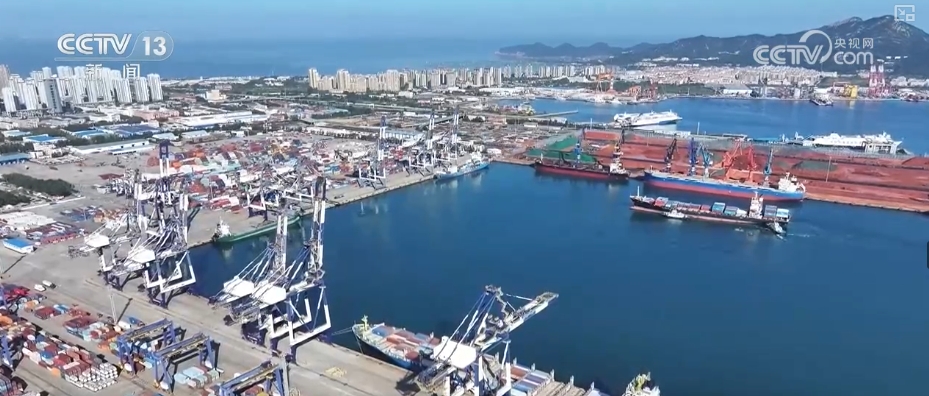
Group 1: Service Trade - In Q1 2025, China's service trade grew rapidly, with total service import and export amounting to 19,741.8 billion RMB, a year-on-year increase of 8.7% [1] - The service trade deficit was 3,038.8 billion RMB, a decrease of 244.6 billion RMB compared to the same period last year [1] Group 2: Cultural Industry - In Q1 2025, the revenue of cultural and related industries reached 33,939 billion RMB, a year-on-year growth of 6.2%, with the growth rate accelerating compared to the entire year of 2024 [7] - The cultural new business formats achieved revenue of 14,846 billion RMB, a year-on-year increase of 12.5%, contributing 83.5% to the revenue growth of all large-scale cultural enterprises [10] - The profit of large-scale cultural enterprises totaled 2,744 billion RMB, a year-on-year increase of 29.1%, with significant profit contributions from digital content services and internet cultural platforms [13] Group 3: Logistics - In Q1 2025, the total social logistics reached 91 trillion RMB, a year-on-year increase of 5.7%, with industrial product logistics growing by 5.9% [14] - The demand structure for logistics improved, driven by policies such as large-scale equipment updates and consumption upgrades [14] - Online retail of physical goods saw a year-on-year growth of 5.7%, indicating a robust online consumption trend [16] Group 4: Employment - In Q1 2025, 3.08 million new urban jobs were created, an increase of 50,000 compared to the previous year, with the urban survey unemployment rate at 5.2% [16] - The government has issued over 640 billion RMB in special loans to stabilize and expand employment, benefiting over 5.3 million jobs [17] Group 5: Social Security - By the end of March 2025, the number of people covered by basic pension, unemployment, and work injury insurance reached 1.071 billion, 244 million, and 297 million respectively, showing an increase from the previous year [19] - The total income of the three social insurance funds in Q1 was 2.36 trillion RMB, with total expenditures of 1.94 trillion RMB, maintaining a stable fund operation [21] Group 6: Marine Economy - In Q1 2025, China's marine production value reached 25 trillion RMB, a year-on-year increase of 5.7%, outpacing the GDP growth rate [22][23] - The marine traditional industries showed stable progress, with significant growth in shipbuilding orders and exports of marine engineering equipment [25]
2025年中国辣条行业市场政策、产业链、发展现状、竞争格局及发展趋势研判:卫龙和麻辣王子双雄割据[图]
Chan Ye Xin Xi Wang· 2025-04-20 01:17
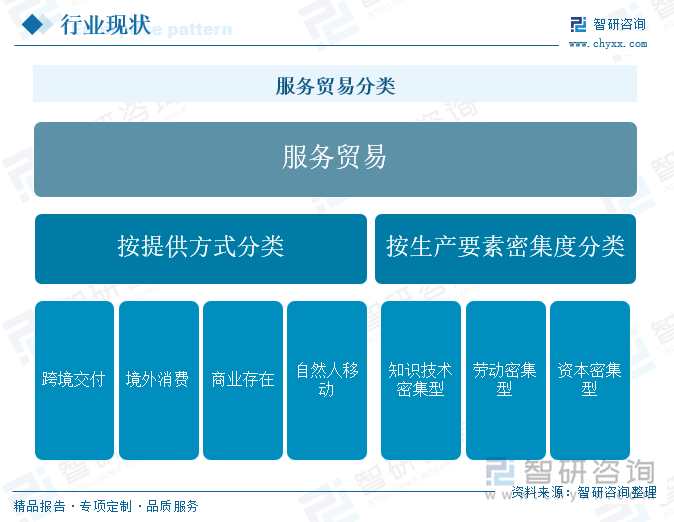
Core Viewpoint - China's service trade is experiencing significant growth, with a total service trade volume projected to reach 7.10 trillion yuan in 2024, reflecting a year-on-year increase of 16.38% [1][10]. Industry Overview - Service trade involves the cross-border flow of services as trade goods, categorized by delivery method and production factor intensity [2][4]. - The industry has evolved through four main stages: initial exploration (1978-1992), rapid growth (1992-2001), accelerated development (2001-2012), and high-quality development (2012-present) [4][5][6]. Industry Development History - From 1978 to 1992, service trade began to develop but lagged behind manufacturing, with total service trade imports and exports increasing from 4.4 billion USD to 10.8 billion USD [4]. - The period from 1992 to 2001 saw a significant increase in service trade, with the share of global service trade rising from 1% to 2.3% [5]. - Following China's accession to the WTO in 2001, service trade grew rapidly, with total imports and exports increasing from 71.9 billion USD in 2001 to 713 billion USD in 2015 [5]. - Since 2012, the focus has shifted to high-quality development, with policies promoting service trade transformation and an increase in knowledge-intensive service trade [6]. Industry Chain - The service trade industry chain includes upstream components like infrastructure and technology support, midstream service trade activities, and downstream demand from consumers, businesses, and government [8]. Current Industry Status - In 2024, the service trade deficit is projected to be -1.63 trillion yuan, a decrease of 10.78% year-on-year, primarily due to increased outbound travel demand driven by rising household incomes [10]. - Key segments driving growth include travel services, which are expected to reach 2.07 trillion yuan, a 33.67% increase, and transportation services, projected at 2.00 trillion yuan, a 15.18% increase [12][13]. Key Companies' Performance - Major companies in the service trade sector include COSCO Shipping Holdings, which reported a revenue of 233.9 billion yuan in 2024, a 33.35% increase, and a gross profit of 67.7 billion yuan, a 145.35% increase [17]. - Boyuan Technology, a global IT service provider, reported a revenue of 5.098 billion yuan in the first three quarters of 2024, a 4.64% increase, but a net profit decline of 20.39% [19]. Industry Development Trends - Digital transformation is a key trend, with advancements in AI, blockchain, and cloud computing expected to enhance service delivery and efficiency [21]. - The demand for knowledge-intensive services is anticipated to rise, particularly in finance and IT, driving the industry towards higher value chains [22]. - Green service trade is emerging as a significant trend, with increasing focus on sustainability and environmental protection [23].




服务贸易政策有何新变化?——每周经济观察第15期
一瑜中的· 2025-04-14 14:08
核心观点 过去一年多,我国服务贸易政策的调整,可以分为三个方向:一是增加国内优质服务供给,扩大电 信、医疗、教育、文化等领域制度型开放。二是促进入境消费,缩小旅游逆差,以"免签扩围延时、退 税免税升级"为主要手段。三是出于技术保护和关税反制角度,限制部分优势技术出口,以及美国电影 进口。 报告摘要 文 : 华创证券研究所副所长 、首席宏观分析师 张瑜(执业证号:S0360518090001) 联系人: 陆银波(15210860866) 袁玲玲(微信 Yuen43) 前言 在货物贸易不确定性增多的背景下,服务贸易将更加凸显其重要性。因此,本期周报关注我国服务贸 易逆差现状,以及过去一年服务贸易政策的调整情况。 1 、增加优质供给:首次发布负面清单,推动制度型开放 2024 年 3 月,我国首次发布全国版《跨境服务贸易特别管理措施(负面清单)》,这是我国首次对 跨境服务贸易实施负面清单管理,意义重大。 但对比高标准 CPTPP 等高标准经贸规则,负面清单中,金融、交运、文化、通信等行业,市场准入 仍有开放空间,可能也是后续要推进的重点领域 。如今年政府工作报告提出,"推进服务业扩大开放 综合试点示范,推动互联网、 ...
2025博鳌亚洲论坛|共话亚洲增长共振
Bei Jing Shang Bao· 2025-03-25 13:31
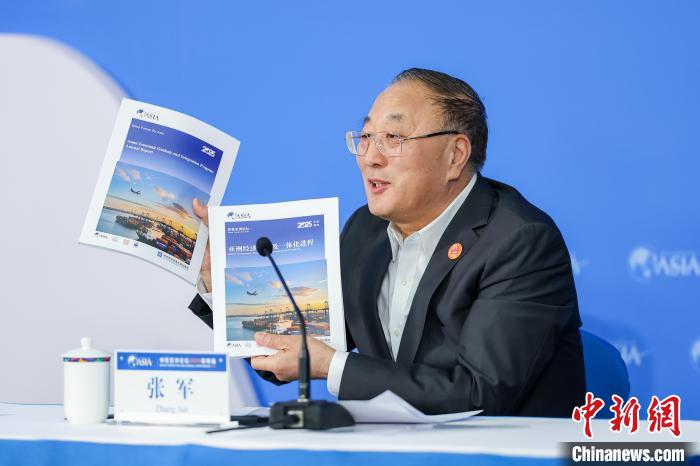
Core Insights - The Boao Forum for Asia 2025 Annual Conference highlighted the resilience of Asian economies, particularly China and ASEAN, in the face of challenges, projecting a GDP growth rate of 4.5% for 2025 [1][3]. Economic Growth Projections - The report anticipates a slight increase in the weighted actual GDP growth rate for Asia from 4.4% in 2024 to 4.5% in 2025 [3]. - Asia's share of global output is expected to rise from 48.1% to 48.6% by 2025, indicating a strengthening economic position [3]. Employment and Income Trends - Although the employment growth rate in Asia is projected to decline from 1.94% to 1.22% in 2025, the overall unemployment rate is expected to be 4.39%, lower than the global rate of 4.96% [3]. - The report suggests that real income levels in Asia are likely to improve as economic growth rebounds and inflation continues to decrease [3]. Trade and Digital Economy - Asia remains a core player in global value chains, with a significant share of 41.17% in global intermediate goods trade in 2023, surpassing the EU and North America [3]. - The e-commerce sector in the Asia-Pacific region is experiencing rapid growth, with a retail e-commerce growth rate of 8.4% in 2024 and a 10.8% year-on-year increase in China's cross-border e-commerce [4]. Challenges and Market Dynamics - The report identifies potential challenges for Asian economies, including low global economic growth, escalating trade tensions, and geopolitical uncertainties [5]. - Despite these challenges, the stock market indices in Asia are expected to remain on an upward trend, with stable exchange rates anticipated for major economies [5]. Future Directions and Recommendations - The report emphasizes the need for Asian countries to leverage their demographic advantages and enhance human capital development to improve labor productivity [7]. - It advocates for increased investment in digital technology and international cooperation to foster sustainable development and economic integration [6][7].
(聚焦博鳌)报告称亚洲经济2025年将增长4.5%
Zhong Guo Xin Wen Wang· 2025-03-25 09:19
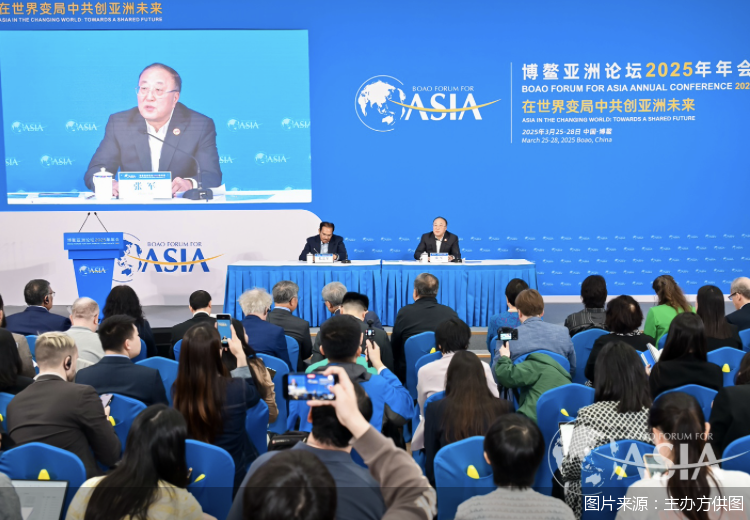
Core Insights - The report predicts that Asia's weighted real GDP growth rate will reach 4.5% by 2025, despite overall trade and investment pressures [1][3] - Asia is expected to remain a major engine of global economic growth, with its GDP share of the world projected to increase from 48.1% in 2024 to 48.6% in 2025 [3] - Digital trade and service trade are highlighted as significant growth areas for Asia, with rapid advancements in digital delivery services and a notable recovery in travel services [3][4] Economic Growth and Trade - The Asia-Pacific region's retail e-commerce growth is projected to reach 8.4% in 2024, with China's cross-border e-commerce import and export total at approximately 369 billion USD, reflecting a year-on-year growth of 10.8% [3] - Southeast Asia's e-commerce sector is expected to achieve a gross merchandise value (GMV) of 263 billion USD, marking a 15% year-on-year increase [3] - The service export total for 25 Asia-Pacific economies reached 1,807.08 billion USD in 2023, with intra-regional exports growing by 41.78 billion USD, significantly outpacing the -2.28% decline in exports to regions outside [4] Regional Integration and Economic Partnerships - The Regional Comprehensive Economic Partnership (RCEP) has begun to show trade creation effects, with steady growth in foreign direct investment and accelerated integration of industrial and value chains among member economies [5] - The transition of China's service trade from deficit to surplus in 2023 underscores the contribution of service trade to regional economic cooperation [5] - There is a call for collaborative efforts to promote the high-level implementation and upgrading of RCEP, aiming to enhance governance systems and advance the Asia-Pacific free trade process [5]