
Automobiles

Search documents
AI眼镜持续升温,将如何与智能汽车成为“共生体”?
Zhong Guo Qi Che Bao Wang· 2025-12-12 04:25
Core Viewpoint - The integration of AI glasses with smart cars is becoming a new trend in the industry, enhancing user experience and safety through advanced technology [4][5][6]. Group 1: Industry Trends - The rapid development of AI glasses and their integration with smart cars signifies a shift from traditional vehicle manufacturing to becoming "mobility ecosystem builders" and "AI technology companies" [5][6]. - Major automotive companies are launching AI glasses equipped with AI assistants, enabling features such as voice commands, real-time vehicle status monitoring, and remote control capabilities [5][6][9]. Group 2: Technological Innovations - Innovations in interaction, particularly through voice and visual technologies, are crucial for enhancing user experience in smart mobility [7][8]. - AI glasses utilize advanced voice recognition capabilities, allowing users to interact seamlessly without needing a network connection, thus improving safety during driving [7][9]. Group 3: User Experience Enhancements - The use of AR technology in AI glasses provides a new driving experience by projecting navigation and safety alerts directly onto the lenses, reducing the need for drivers to look away from the road [8][10]. - Features like "zero distraction navigation" significantly decrease the time drivers spend looking away from the road, potentially reducing accident risks by 60% [10]. Group 4: Future Outlook - The evolution of AI glasses into "super terminals" will transform them into essential companions for travel, providing all necessary vehicle information and entertainment options [12]. - By 2030, advancements in Micro LED technology are expected to enhance the display quality of AI glasses, leading to a more immersive user experience [11][12].


《全球 360》-我们的全球观点-The Global 360_ Our views around the world.
2025-12-12 02:19
Summary of Key Points from the Conference Call Industry Overview - The conference call primarily discusses the global economic outlook, focusing on the United States, Euro area, Japan, China, and India, with insights into various macroeconomic indicators and monetary policies. Core Insights and Arguments United States - **Economic Growth**: The U.S. economy is expected to experience a modest growth trajectory, with real consumer spending resilient at 2.7% quarter-over-quarter seasonally adjusted annual rate (q/q saar) for Q3 2025. However, there are signs of a potential slowdown due to tariff impacts and labor market data [16][44]. - **Inflation**: Core inflation is projected to remain above 2% through 2027, with a temporary dip expected in early 2026 due to base effects and fuel tax changes. The wage-price dynamic will be crucial for inflation trends moving forward [44][23]. - **Monetary Policy**: The Federal Reserve is anticipated to ease rates by 25 basis points (bps) in December 2025, with additional cuts expected in early 2026, bringing the terminal target range to 3.00–3.25% [17][44]. Euro Area - **Economic Growth**: Growth in the Euro area is expected to gain momentum, slightly exceeding potential growth in 2027, supported by solid consumption and supportive monetary policy. The composite Purchasing Managers' Index (PMI) remains stable at 52.2 [18][46]. - **Inflation**: Inflation is projected to undershoot the European Central Bank's (ECB) target of 2%, averaging 1.7% in 2026 and 2027, driven by a decline in energy prices and stable core goods inflation [45][46]. - **Monetary Policy**: The ECB is expected to implement two further rate cuts in March and June 2026, with current rates at 2% viewed as neutral [45][46]. Japan - **Economic Outlook**: Japan's economy is expected to return to growth in Q4 2025 after stalling in Q3. A rate hike to 0.75% is anticipated in December 2025, with inflation trends showing a potential dip below 2% in 1H 2026 [19][44]. - **Monetary Policy**: The Bank of Japan (BoJ) is expected to maintain its current stance through 2026, with further rate hikes contingent on confirming underlying price momentum [44]. China - **Economic Growth**: China's real GDP growth is tracking at 4.6% year-on-year for Q4 2025, supported by a 10% tariff cut and additional stimulus. However, nominal GDP growth is expected to remain below 4% due to weakening consumption and investment [20][50]. - **Inflation**: The path out of deflation is expected to be gradual, with core price momentum capped by property sector drag and soft wage growth [50]. - **Monetary Policy**: The People's Bank of China (PBoC) is expected to implement incremental policy rate cuts to support fiscal measures, focusing on technology and infrastructure investment [50]. India - **Economic Growth**: India is projected to maintain strong growth at 6.5% in 2026 and 2027, driven by domestic demand and supportive policy measures. Real GDP growth reached 8.2% year-on-year in Q3 2025 [50]. - **Inflation**: Headline inflation is expected to edge up to the Reserve Bank of India's (RBI) target of 4% in 2026-27, with core inflation remaining stable [50]. - **Monetary Policy**: The RBI has lowered the policy rate to 5.25% and is expected to remain data-dependent moving forward [50]. Additional Important Insights - **Global Economic Outlook**: The overall global economic outlook for 2026 is characterized by a wide range of potential outcomes, with scenarios framed around disinflation and growth settling near potential levels [21][22]. - **Investment Trends**: There is a notable emphasis on AI-related investments, which are expected to drive growth in 2026 and 2027, highlighting the importance of technology in shaping economic recovery [42][22]. - **Sector-Specific Tariffs**: Legal challenges to tariffs may lead to a shift from country-specific to sector-specific tariffs, impacting corporate confidence and capital expenditure in Asia [73][74]. This summary encapsulates the key points discussed in the conference call, providing a comprehensive overview of the economic outlook across major global markets.
Fed chair Jerome Powell's perspective on GDP, interview with US Treasury advisor Joseph Lavorgna
Youtube· 2025-12-11 22:28
Market Overview - The Dow is up approximately 670 points, while the S&P 500 is up about 0.2%, and the NASDAQ is down about 0.3% [1] - Investors are looking beyond big tech and the AI trade following the Fed's third consecutive rate cut [9] Oracle's Performance - Oracle's stock is facing significant declines due to concerns over AI buildout and missed earnings expectations [2][67] - The company has a substantial commitment to OpenAI, but there are doubts about OpenAI's ability to fulfill its financial commitments, leading to concerns about Oracle's future revenue [70][75] Crypto Regulation Developments - Executives from major banks, including Bank of America and Wells Fargo, are meeting with lawmakers to discuss comprehensive crypto legislation [3][4] - The focus of the discussions includes bank permissibility and interest paid on crypto, with banks aiming to influence the legislation [5][6] Federal Reserve Insights - The Fed has revised its GDP growth forecast for next year to 2.3%, with inflation expected to fall to 2.5% and unemployment holding at 4.4% [35][39] - Economists express skepticism about the Fed's projections, suggesting that growth could be higher than anticipated due to strong productivity trends [36][41] AI Market Dynamics - There are concerns about an AI bubble, with only two of the MAG 7 outperforming the broader market index [23] - Analysts suggest that capital is leaking out of the AI trade, and companies like Oracle may struggle to maintain their market positions due to overleveraging [24][25] Adobe's AI Integration - Adobe reported record revenue and cash flows, with a forecast of over 10% growth in annual recurring revenue, driven by the integration of AI into its software [102][104] - The company is focusing on innovation and investing in AI capabilities to enhance its product offerings [106][110]


四川1ms城市算网加速成型 重塑算力运载新格局
Huan Qiu Wang Zi Xun· 2025-12-11 06:24
Core Insights - The article emphasizes the importance of computing power as a core driver for urban smart transformation and industrial upgrading in the context of the booming digital economy [1] - The implementation of the "1ms Urban Computing Network" is highlighted as a key initiative to enhance efficient computing power transportation, aligning with national strategies and reshaping urban development models [1][2] Group 1: Development Plans and Strategies - The "High-Quality Development Action Plan for Computing Power Infrastructure" aims to improve the efficient transportation capacity of computing power, with latency requirements set at no more than 1ms for major urban computing infrastructures and 5ms for national hub nodes [1] - Sichuan province is leveraging the "East Data West Computing" national strategy to break regional computing barriers and transform computing resources into public services for cities [1][2] Group 2: Technological Innovations - Sichuan's 1ms Urban Computing Network integrates advanced technologies such as all-optical switching (OXC), 400G transmission, and intelligent scheduling to achieve direct access to computing resources [4] - The network's architecture includes a three-tier structure (core, inner ring, outer ring) to create a unified computing network across Chengdu and 20 other cities, achieving latency under 1ms for major data centers [6] Group 3: Role of Telecom Operators - Major telecom operators are leading the construction of the 1ms Urban Computing Network, utilizing their extensive network resources and technical capabilities to ensure comprehensive coverage and efficient scheduling of computing resources [5] - Sichuan Telecom plans to invest approximately 180 million yuan to build 300 PFLOPS of domestic computing power by 2025, with a goal to exceed 1 EFLOPS by 2026 [7] Group 4: Industry Applications and Impact - The 1ms Urban Computing Network significantly empowers various industries, enabling real-time data collection, analysis, and feedback in smart manufacturing scenarios [9] - The network supports advanced manufacturing processes, as demonstrated by the success of companies like Lynk & Co, which utilizes low-latency networks for quality management and production efficiency [11][12] Group 5: Future Directions - Despite the achievements, there is a call for continued efforts to build a low-latency, high-reliability, and secure computing network development system [14] - Future initiatives will focus on enhancing service capabilities, promoting technological innovations, and fostering collaborative ecosystems among government, enterprises, academia, and research institutions [14]
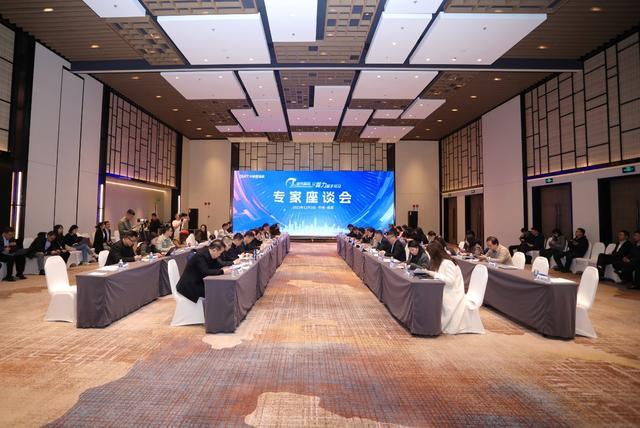
UST acquires majority stake in Italdesign, strikes partnership with Audi Group
BusinessLine· 2025-12-11 06:21
Core Insights - Audi Group has formed a strategic partnership with UST, acquiring a majority stake in Italdesign, enhancing its capabilities in AI-powered technology and automotive engineering [1][3] - Italdesign is recognized for its customer-centric innovation approach and serves as a system integrator in the automotive sector, maintaining a significant stake under Lamborghini, which is part of Audi Group [2][3] Partnership Details - The transaction is pending regulatory approvals, with no disclosed investment value or contract specifics [3] - UST's acquisition aims to merge its expertise in automotive engineering and AI with Italdesign's strengths in design, engineering, and production [3][4] Service Integration - The partnership will enable a comprehensive range of services from concept design to production systems, supporting the development of digitally enabled vehicles [4] - UST will leverage its global presence to expand Italdesign's international reach while preserving its Italian heritage and design culture [5] Leadership Perspectives - Audi's management emphasizes Italdesign's long-standing value as a partner in development, contributing to various stages from design to production [6] - UST's CEO expresses confidence in the collaboration, aiming to enhance Italdesign's market opportunities and innovation in automotive design [7] Market Expansion Goals - Italdesign aims to accelerate its service portfolio expansion and deepen market penetration, aspiring to become a full integrator of hardware and software in the automotive and high-tech sectors [8] - The acquisition is seen as a transformative step in the mobility sector, combining Italdesign's design legacy with UST's digital engineering expertise [8][9] Future Outlook - The partnership positions UST to lead in automotive innovation, focusing on next-generation product design, vehicle electronics, and hyper-personalization [9]

当算力追赶不上智能:2026年AI行业的缺口与爆发(附86页PPT)
材料汇· 2025-12-10 15:51
Core Insights - The rapid evolution of AI is outpacing the development of computing infrastructure, leading to a significant gap in computing power that is expected to widen by 2026. This gap will manifest in two key areas: a growing demand for core computing capabilities across chips, storage, packaging, and cooling, and a shift towards edge computing to reduce cloud latency and costs, resulting in an explosion of applications from AI smartphones to integrated robots [1]. Industry Overview - The electronic sector has reached a record high in Q3 2025, driven by AI, with the electronic index rising by 44.5% year-to-date, outperforming the CSI 300 index by 26.6% [12][13]. - The semiconductor sector has shown significant growth, with various sub-sectors experiencing substantial increases: PCB (+114%), consumer electronics (+51%), and semiconductors (+40%) year-to-date [12][13]. - The overall electronic industry reported a revenue increase of 19% and a net profit increase of 35% in Q1-Q3 2025, with all major segments showing positive growth [18][24]. Performance Metrics - The electronic sector's inventory levels have risen, particularly in consumer electronics and PCBs, indicating strong demand and recovery in terminal markets [22][25]. - The semiconductor sector's monthly sales growth has rebounded since June 2023, with a notable increase in demand for digital, storage, and equipment segments [34][41]. AI Impact on Semiconductor Cycle - The semiconductor market is entering an upward cycle, with significant growth in capital expenditures from both domestic and international cloud service providers, driven by AI demand [41][42]. - Major cloud providers are expected to increase their capital expenditures significantly, with projections indicating a 50%-60% growth in 2026 [43]. Consumer Electronics Trends - Global smartphone sales are projected to recover, with a forecast of 1.29 billion units in 2024, reflecting a 6.1% year-on-year increase [26][27]. - The PC market is also expected to grow, with global sales reaching 263 million units in 2024, a 1.0% increase year-on-year [27][29]. Automotive Sector Insights - The automotive market is experiencing a weak recovery, with global sales expected to reach 92.23 million units in 2025, reflecting a 1.8% year-on-year increase [39]. - The penetration rate of electric vehicles is projected to rise, with expectations of 20% in 2025 for global sales [39]. AI Narrative Acceleration - The competition among AI model developers has intensified, with significant advancements in model capabilities and applications across various sectors [47][50]. - The demand for AI-related spending is expected to reach $3-4 trillion by 2030, driven by the need for enhanced computing power and applications [58]. Edge Computing and Hardware Development - The shift towards edge computing is becoming crucial, with predictions indicating that the global edge AI market will grow to ¥1.2 trillion by 2029, with a CAGR of 39.6% [69]. - Major AI companies are actively entering the edge hardware market to enhance user experience and profitability [69].




“日本科技项目”CES组团拉客,日本科技企业还能打吗?
3 6 Ke· 2025-12-10 00:13
Core Insights - CES 2026 will take place from January 6 to 9, 2026, in Las Vegas, serving as a significant platform for global technology brands, particularly from China and Japan [1][14] - The "Japan Tech Project" aims to support Japanese companies with new technologies and products to showcase at CES and other global tech exhibitions [1][16] - Japanese companies are expected to present innovations in various fields, including AI, robotics, and eco-friendly materials, at CES 2026 [1][3] Japanese Companies' Innovations - Sony is set to showcase its first LCD TV using "True RGB" LED backlight technology, which claims to avoid common OLED issues while achieving high brightness levels [3][5] - In addition to TVs, Sony may introduce a new 240Hz refresh rate PlayStation monitor, aiming to maintain its position in the high-end hardware market [5] - Panasonic will focus on "carbon neutrality" and "circular economy" themes, showcasing smart appliances like refrigerators that monitor food freshness [6][9] Automotive Developments - Sony Honda Mobility will present the AFEELA 1 electric vehicle at CES 2026, highlighting the collaboration between entertainment and automotive technology [10][12] Professional Imaging and Robotics - Japanese firms continue to dominate the professional imaging sector, with Sony and Nikon expected to unveil new technologies for filmmakers and smart vehicles [12] - The "Japan Tech Project" also aims to support startups in showcasing innovative hardware, including robotics, at CES 2026 [13][17] Competitive Landscape - Chinese companies have significantly increased their presence at CES, with over 1,475 exhibitors in 2025, and are expected to surpass pre-pandemic levels in 2026 [14][16] - Despite the strong showing from China and the U.S., Japan and other countries are striving to establish a more prominent presence in the global tech landscape [16][17]

为什么一款三家合作的“国民好车”会问题频出? | 电厂
Xin Lang Cai Jing· 2025-12-09 12:10
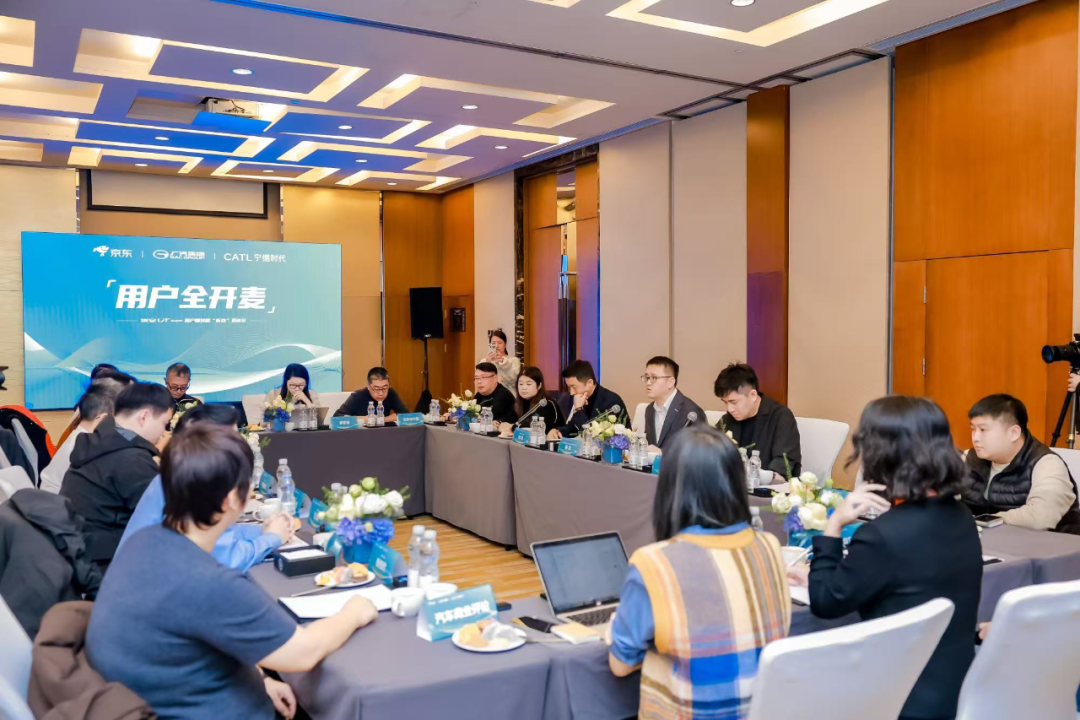
Core Insights - The collaboration between JD.com, GAC, and CATL for the Aion UT Super has faced significant challenges, particularly regarding customer dissatisfaction and communication issues among the partners [1][6] Group 1: Partnership Roles and Responsibilities - JD.com is responsible for customer acquisition, online sales, financial services, and insurance for the Aion UT Super, which is the only sales channel [1] - GAC handles product manufacturing, offline test drives, and delivery, while CATL is in charge of battery and battery swap services [1] Group 2: Customer Complaints and Responses - A major issue raised by customers is the discrepancy between the advertised features and the actual product, specifically regarding the absence of a sunroof that was shown in promotional materials [3] - The mileage limitation of the rental electric version, which restricts users to 3,000 kilometers per month with additional charges for exceeding this limit, was not clearly communicated to customers at the time of ordering [5] - Customers expressed concerns about invoice restrictions, as the Aion UT Super can only be invoiced in Guangzhou and Shanghai, limiting access to local subsidies [5] Group 3: Communication and Service Issues - There is a lack of a regular communication mechanism among the three partners, leading to confusion about which party is responsible for resolving customer issues [6] - Customer service representatives from different companies provided inconsistent information, resulting in frustration among users [6][9] Group 4: Sales Performance and Market Impact - Despite the challenges, the Aion UT Super has positively impacted foot traffic in GAC's stores in Guangzhou and Shenzhen, with a stable increase in inquiries about the vehicle [11] - However, sales in lower-tier cities have not seen significant changes, partly due to the absence of actual vehicles for test drives [11] - The Aion UT Super has reached a milestone with the delivery of its 1,000th vehicle, indicating a shift towards scaled delivery [11]



US stocks end lower as investors wait for Fed rate decision
The Economic Times· 2025-12-09 01:51
Market Overview - Wall Street's main indexes closed lower, with the S&P 500 losing 23.89 points (0.35%) to 6,846.51, the Dow Jones Industrial Average down 215.67 points (0.45%) to 47,739.32, and the Nasdaq Composite down 32.22 points (0.14%) to 23,545.90 [10] - The S&P 500 Communication Services Index was the biggest laggard, closing down 1.8%, primarily due to Netflix's performance [2][10] - The technology sector was the only advancing sector, gaining 0.9%, driven by Microsoft, Nvidia, and Broadcom [2][10] Company-Specific Developments - Paramount Skydance made a hostile bid of $108.4 billion to acquire Warner Bros Discovery, which led to a 4.4% increase in Warner Bros Discovery's shares and a 9% rise in Paramount's shares, while Netflix's stock dropped 3.4% [10] - Alphabet, Google's parent company, ended down more than 2%, contributing to the decline in the communications services index [11] - Marvell Technology shares fell 7% after Carvana secured a spot in the S&P 500, while Carvana's shares rose 12% [11] - Confluent shares surged 29% following IBM's announcement to acquire the data-infrastructure company for approximately $11 billion, while IBM's shares increased modestly by 0.4% [11] - Tesla's shares declined by 3% after Morgan Stanley issued a bearish outlook on the electric vehicle manufacturer [11] Market Sentiment and Future Outlook - Traders are anticipating a 25-basis-point rate cut from the Federal Reserve, with a roughly 89% probability according to the CME's FedWatch Tool [10] - The market is expected to remain directionless until after the Fed meeting, as there will be no earnings reports for another four weeks [10] - Oppenheimer has set a year-end 2026 target of 8,100 points for the S&P 500, citing strong earnings and macroeconomic resilience [11] - The focus will shift to tech sector valuations with upcoming earnings reports from Broadcom and Oracle, amid concerns over debt-funded AI spending [10][11]






November 2025 STAX: NVDA, PLTR, AMZN Big Buys & Gen X Bullish Boost
Youtube· 2025-12-09 01:00
Market Overview - The market saw an increase in buying activity, particularly in technology and discretionary sectors, with notable interest in stocks like Nvidia, Palantir, Meta, and Amazon, which experienced pullbacks of around 20% from recent highs [3][4][6] - The overall market was up approximately 0.2% for the month, while the technology sector (referred to as "stacks") increased by just under 1.5%, indicating stronger buying interest in tech stocks compared to the broader market [5][16] Sector Performance - Only two out of eleven sectors had net buying activity: discretionary and information technology [3] - Within the discretionary sector, major players like Amazon and Tesla contributed significantly to net buying due to their large market presence [4] - Other sectors, such as healthcare and financials, did not show the same level of buying interest, indicating a concentration in specific areas rather than broad market support [4][21] Investor Behavior - There is a noticeable difference in sentiment between different generational groups, with Gen X exhibiting more bullish behavior compared to Gen Z, who may be more cautious due to financial constraints [12] - Traders were more aggressive in their buying strategies, while investors displayed caution, leading to a significant spread in sentiment between the two groups [13][14] Fund Flows and Institutional Activity - Positive inflows were observed in ETFs, mutual funds, and fixed income, suggesting a shift towards diversified investment strategies [15] - Institutional investors were more focused on hedging and reducing risk during November, which may have led to missed opportunities in the subsequent market rally [9][16] Technical Indicators - The market is currently close to all-time highs, approximately 1% away, but requires broader sector participation beyond just technology and discretionary stocks to sustain upward momentum [20][21] - The market has been contained within a yield range of 4% to 4.2% for four months, which has helped stabilize equity volatility [29][30] Upcoming Events - Key economic data releases, including CPI and PPI, are anticipated, along with significant earnings reports from companies like Oracle and Broadcom, which will provide insights into market trends and potential investment opportunities [26][27][30]


