
投资银行

Search documents
“预计降息150个基点”,美联储理事,最新发声
Zheng Quan Shi Bao· 2026-01-08 13:59
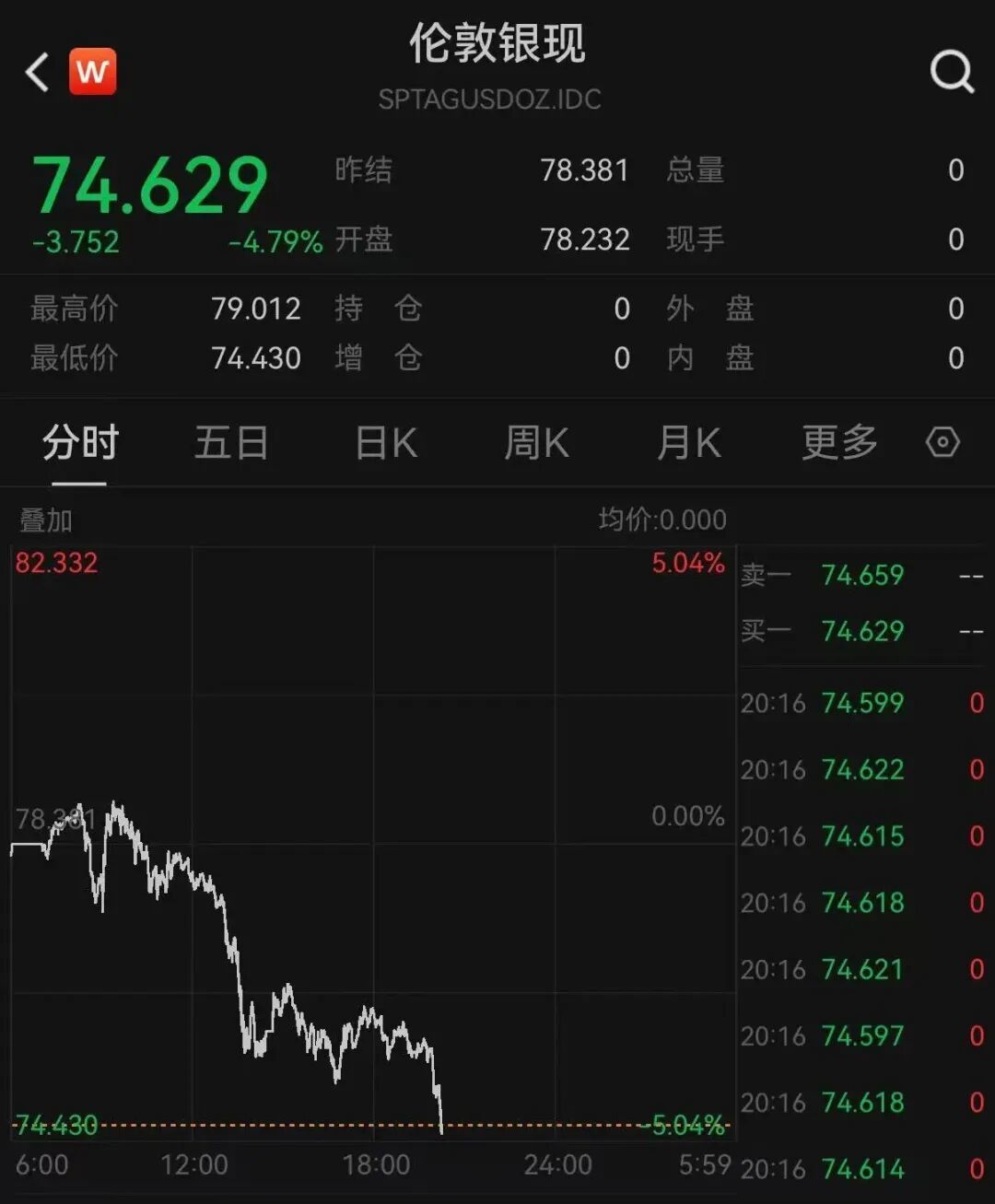
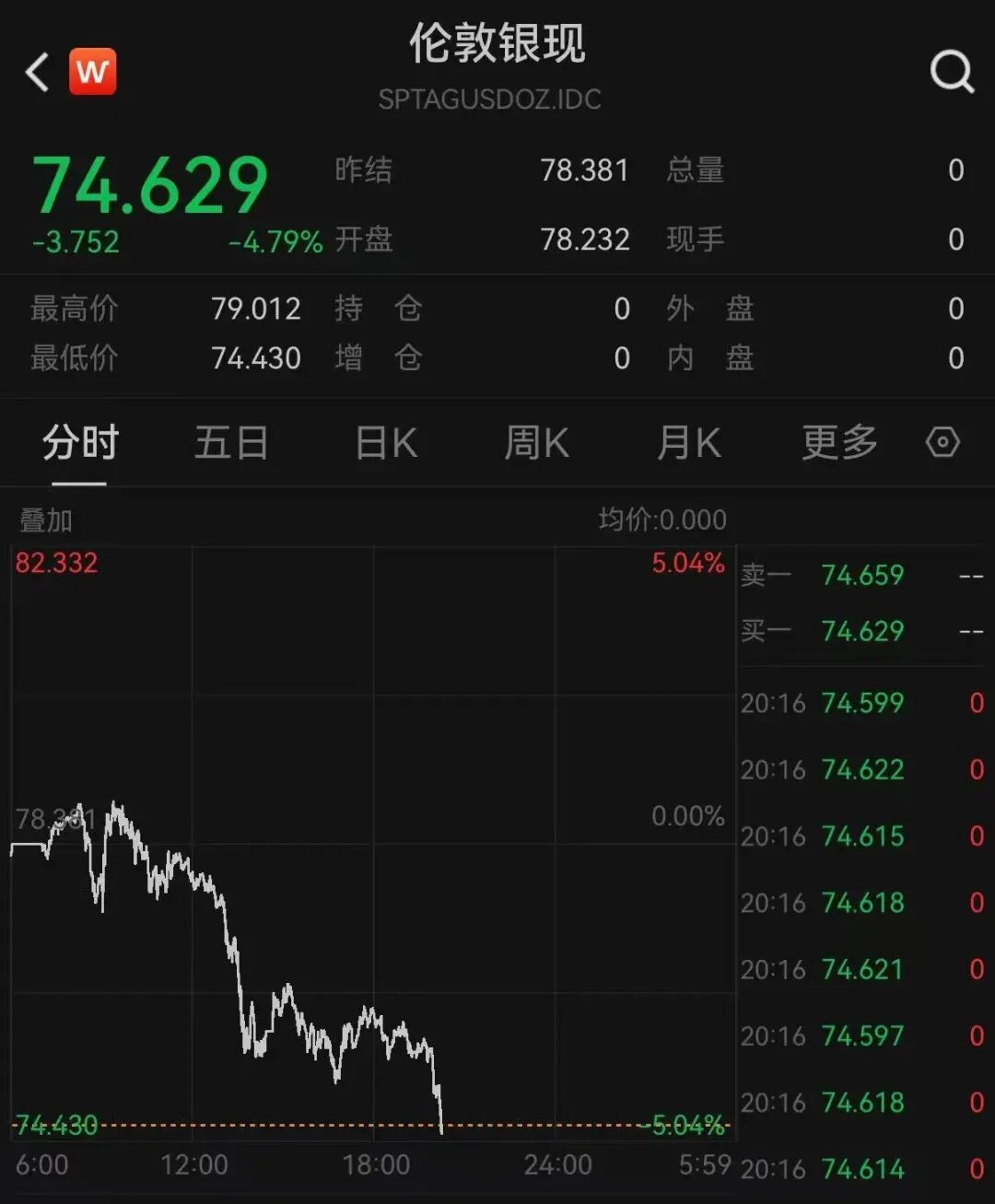
Group 1: Federal Reserve and Economic Outlook - Federal Reserve Governor Milan expects interest rates to be cut by approximately 150 basis points by 2026, potentially creating around one million jobs without triggering inflation [1] - Milan believes that the current policy is not neutral and that the U.S. economy is still significantly above neutral levels [1] - The core inflation level has reportedly returned to near the Fed's target of 2%, with expectations of strong economic growth in the U.S. this year [1] Group 2: Labor Market and Employment Data - The U.S. Labor Department is set to release non-farm payroll data, which is the first timely report since the government shutdown, with economists predicting an increase of 73,000 jobs in December 2025, up from 64,000 in November 2025, and a slight decrease in the unemployment rate to 4.5% [1] - Recent ADP data, although weak, confirms a trend of "orderly cooling" in the labor market, which may reinforce expectations for continued interest rate cuts by the Fed in the first half of the year [1] Group 3: Precious Metals Market - On January 8, both gold and silver prices experienced significant declines, with silver dropping nearly 5% to $74.629 per ounce and gold falling over 1% to $4410.25 per ounce [2] - Morgan Stanley forecasts that gold prices will rise to $4800 per ounce by the fourth quarter of 2026, surpassing the historical record set in 2025, driven by declining interest rates, changes in Fed leadership, and ongoing purchases by central banks and funds [5]

“预计降息150个基点”!美联储理事,最新发声!
Zheng Quan Shi Bao· 2026-01-08 13:38
Group 1 - The Federal Reserve Governor Milan expects interest rates to be cut by approximately 150 basis points by 2026, potentially creating around one million jobs without triggering inflation [1] - Milan believes that the current policy is not neutral and that the U.S. economy is still significantly above neutral levels [1] - The U.S. labor market is anticipated to show a modest increase in non-farm payrolls, with a forecast of 73,000 new jobs in December 2025, up from 64,000 in November 2025, and a slight decrease in the unemployment rate to 4.5% [1] Group 2 - On January 8, both gold and silver prices experienced declines, with silver dropping nearly 5% to $74.629 per ounce and gold falling over 1% to $4410.25 per ounce [2] - Morgan Stanley predicts that gold prices will rise to $4800 per ounce by the fourth quarter of 2026, surpassing the historical record set in 2025, driven by declining interest rates, changes in Federal Reserve leadership, and continued buying by central banks and funds [5]

外资看好2026年中国市场,高盛、瑞银唱多MSCI中国指数
Di Yi Cai Jing· 2026-01-08 11:04
Group 1 - The core viewpoint of the articles is that the Chinese capital market is expected to perform beyond expectations in 2026, with significant interest from foreign investors and a shift towards active participation in the market [1][3][5] - UBS highlights that the MSCI China Index's price-to-earnings ratio is around 13 times, slightly above the ten-year average, indicating that the market is not overheated [3][4] - Goldman Sachs maintains an overweight rating on A-shares and H-shares, predicting a 20% increase in the MSCI China Index and a 12% increase in the CSI 300 Index in 2026 [5][6] Group 2 - In 2025, major A-share indices saw significant increases, with the Shanghai Composite Index rising by 18.41%, the Shenzhen Component Index by 29.87%, and the ChiNext Index by 49.57% [2] - UBS expects a 14% or higher profit growth for the MSCI China Index in 2026, driven by sectors such as internet platforms, high-end manufacturing, and companies with global expansion capabilities [3][4] - Goldman Sachs forecasts that the growth momentum in 2026 will shift from valuation expansion to profit-driven growth, particularly in the TMT sector, which is expected to see a profit increase of about 20% [6][7] Group 3 - Foreign investors' interest in Chinese assets has significantly increased, with a notable shift from passive observation to active participation, as evidenced by the re-establishment of teams focused on China [3][4] - The allocation of global top 40 international investors to Chinese assets has rebounded but still has room for growth compared to the averages from 2017 to 2021 [4] - Goldman Sachs suggests focusing on four investment themes: companies benefiting from AI development, sectors supported by the 14th Five-Year Plan, leading export companies, and firms with substantial shareholder returns [7]


Moneta Markets外汇:加密市场战略版图重构
Xin Lang Cai Jing· 2026-01-08 11:03
Core Insights - Morgan Stanley's application for Bitcoin and Solana spot ETFs has sparked extensive discussion in the financial community, indicating a strategic intent that goes beyond mere performance returns [1][3] - The move is expected to enhance Morgan Stanley's brand equity and competitive positioning in the global financial landscape, regardless of the initial asset scale of the ETFs [1][3] - The application has been formally submitted to the U.S. Securities and Exchange Commission, and it is anticipated to have positive ripple effects on social influence, corporate reputation, and long-term financial structure [1][3] Business Strategy - Morgan Stanley is focusing on leveraging cryptocurrency trading and tokenization technology to unlock the commercial potential of its brokerage subsidiary, ETRADE [2][4] - This proactive approach is expected to attract top talent in technology and finance, revealing that the depth of the crypto market exceeds industry expectations [2][4] - The establishment of spot ETFs is seen as a way for asset management firms to project a forward-thinking brand image, which is crucial for attracting younger investors [2][4] Competitive Landscape - According to Morningstar analyst Bryan Armour, Morgan Stanley may not be a first mover but can quickly catch up by directing existing crypto investors to its own ETFs [2][4] - Currently, Morgan Stanley is positioned as a leader in the self-developed crypto ETF space among the top three global investment banks [2][4] - The entry of mainstream financial institutions into the crypto asset market is expected to further solidify the legitimacy and liquidity of these assets, providing investors with more diverse options and accelerating the digital transformation of the global financial system [2][4]

2030年美国电力告急?高盛:中国AI竞争迎反超契机
Zhong Guo Dian Li Bao· 2026-01-08 07:54
Group 1 - The rapid development of artificial intelligence (AI) is increasingly dependent on electricity supply, which is becoming a critical factor in the global AI industry landscape [1] - Goldman Sachs reports that by 2030, nearly all power grids in the United States will face insufficient backup capacity due to the soaring demand from data centers, potentially allowing China to gain a first-mover advantage in AI competition [1] - Currently, U.S. data centers account for 44% of global capacity and consume about 6% of U.S. electricity, with projections indicating this will rise to 11% by 2030 [1] Group 2 - In contrast, China's electricity supply demonstrates strong resilience, with a diversified energy system established through large-scale power construction since 2021 [2] - By 2030, China is expected to have approximately 400 gigawatts of backup power capacity, exceeding the anticipated total global demand for data centers by more than three times [2] - Currently, China's data center capacity represents one-quarter of the global total, and its ample power reserves create conditions for it to catch up with technology leaders [2]
2030年美国电力告急? 高盛:中国AI竞争迎反超契机
Zhong Guo Dian Li Bao· 2026-01-08 07:19
Group 1 - The rapid development of artificial intelligence (AI) is increasingly dependent on electricity supply, which is becoming a critical factor in the global AI industry landscape [1] - Goldman Sachs reports that by 2030, nearly all power grids in the United States will face insufficient backup capacity due to the soaring demand from data centers, potentially allowing China to gain a first-mover advantage in AI competition [1] - Currently, U.S. data centers account for 44% of global capacity and consume about 6% of U.S. electricity, with projections indicating this will rise to 11% by 2030 [1] Group 2 - In contrast, China's electricity supply demonstrates strong resilience, with a diversified energy system established through large-scale power construction since 2021 [2] - By 2030, China is expected to have approximately 400 gigawatts of backup power capacity, exceeding its own needs and more than three times the anticipated total demand from global data centers [2] - Currently, China's data center capacity represents one-quarter of the global total, and its ample power reserves create conditions for it to catch up with technology leaders [2]
市场继续等待非农就业报告 金价出现技术性回调
Jin Tou Wang· 2026-01-08 04:01
受短期交易员获利了结影响,金价下跌。High Ridge Futures金属交易主管David Meger表示,当前金价 回落更多反映的是此前大幅上涨后的正常获利回吐,而非趋势性反转。 美国就业数据意外疲软,成为金价企稳的关键支撑。11月职位空缺降幅超出预期,12月ADP私人部门就 业岗位新增远低于预期,仅有微弱增长。这一系列数据表明,美国劳动力市场正在冷却,强化了市场对 美联储进一步宽松政策的预期。 周四(1月8日)亚洲时段,现货黄金价格在连续上涨后出现技术性回调,截至发稿,现货黄金暂报4440.88 美元/盎司,下跌0.32%,最高触及4465.83美元/盎司,最低下探4432.99美元/盎司。市场风险情绪趋于缓 和,部分资金选择获利了结,目前市场在等待周四公布美国当周初请失业金人数以及周五美国非农数 据,若数据强于预期,则施压美联储降息预期,不利金价走强,短期来看,黄金依然处于高位震荡之 中。 根据LSEG数据,投资者目前押注2026年美联储将累计降息61个基点。周五即将公布的非农就业报告将 成为下一个焦点,如果继续疲软,金价很可能快速反弹。疲软的经济信号,往往是黄金作为无息资产的 利好,因为低利率环境 ...
高盛2026年美股五大预测:牛市延续但节奏放缓,AI行情进入新阶段
Ge Long Hui A P P· 2026-01-08 01:56
Core Viewpoint - Goldman Sachs strategists predict five key forecasts for the US stock market in 2026, highlighting a continued bull market with a slower pace and strong fundamental support from economic growth, AI productivity, and robust corporate earnings [1] Group 1: Market Predictions - Prediction 1: The bull market is expected to continue, with the S&P 500 index projected to reach approximately 7600 points by the end of the year, indicating an annual increase of about 12% [1] - Prediction 2: Cyclical investments are anticipated to lead the market, driven by economic recovery from government stimulus, the "Inflation Reduction Act," looser financial conditions, and lower-than-expected tariff impacts on the economy [1] Group 2: AI Investment Insights - Prediction 3: AI investments are expected to see a significant increase, with capital expenditures projected to rise by approximately 36% this year to reach $539 billion, and a further 17% increase anticipated by 2027, reaching $629 billion [1] - Prediction 4: The AI market is entering a new phase, characterized by a slowdown in capital expenditure growth, increased AI adoption by more companies, and the emergence of a new batch of AI beneficiary firms [1] Group 3: M&A Activity - Prediction 5: M&A activity is expected to remain robust, with transaction volumes projected to grow by about 15% compared to last year, supported by strong economic growth, favorable financial conditions, and increased confidence among corporate leaders [1]
美国银行全球研究部将高盛目标价从900美元上调至1050美元。
Xin Lang Cai Jing· 2026-01-07 14:49
来源:滚动播报 美国银行全球研究部将高盛目标价从900美元上调至1050美元。 ...
监管宽松与资本充沛催生并购大年!高盛(GS.US)2025揽下1.48万亿美元交易 强势卫冕全球榜首
Zhi Tong Cai Jing· 2026-01-07 11:33
智通财经APP获悉,2025年,在政治博弈白热化、并购交易规模持续攀升的市场背景下,高盛(GS.US) 再度主导全球并购交易排行榜,以显著的市场份额优势蝉联榜首。 LSEG数据显示,百亿美元级并购交易的爆发式增长是高盛夺冠的关键推手。2025年全球共达成68笔百 亿美元级交易,总规模达1.5万亿美元,较前一年翻了一番还多。高盛参与了其中38笔交易,涉及总交 易额高达1.48万亿美元。按交易数量计,这是自LSEG 1980年开始记录以来,巨额交易最为活跃的时 期。 高盛全球并购联席主管Stephan Feldgoise在《2026年全球并购展望》报告中向客户表示,2025年堪称"并 购大年",活跃的交易市场背后是"充沛的市场资本"在驱动。 在两大核心指标上,高盛均高居榜首:并购顾问费收入与经手交易总规模,且在这两个领域的市场份额 均实现增长。LSEG数据显示,高盛2025年斩获的并购顾问费高达46亿美元,远超其他投行;摩根大通 (JPM.US)以31亿美元紧随其后,摩根士丹利(MS.US)、花旗(C.US)、Evercore(EVR.US)则分别以30亿美 元、20亿美元和17亿美元位列第三至第五。 从经手交易 ...