充电桩

Search documents
输球的常州,却让所有人看到了城市的千万种活法
3 6 Ke· 2025-08-15 02:42
Group 1: Overview of Changzhou's Development - Changzhou's football team is currently at the bottom of the league, yet the city is experiencing a surge in tourism and cultural engagement, with hotel occupancy rates around 300% during home games [1] - The city has become a hub for cultural tourism, with attractions like the China Dinosaur Park and Qingguo Lane gaining popularity among younger generations [1][2] - Changzhou is recognized as a significant player in the new energy vehicle (NEV) sector, contributing to one-fifth of China's power battery production and exporting one out of every ten NEVs [1][14] Group 2: Cultural Significance - Qingguo Lane is highlighted as a cultural hotspot, housing historical figures and becoming a gathering place for intellectuals, thus enhancing its cultural density [5][10] - The lane has undergone renovations to preserve its historical essence while also serving as a vibrant space for modern cultural activities, attracting over 182,000 visitors during the Qingming Festival [12][13] Group 3: New Energy Industry - Changzhou has positioned itself as a "New Energy Capital," with ambitious goals to achieve a trillion-yuan scale in the NEV industry by 2025 [15][16] - The city boasts a complete supply chain for the NEV sector, with 4,351 companies in the industry, including 250 in the battery segment, achieving a 97% completeness rate [18] - Changzhou's strategic location and cost advantages make it an attractive site for NEV companies, facilitating efficient logistics and lower operational costs compared to other major cities [16][17] Group 4: Youth Engagement and Urban Development - The city is actively attracting young talent by providing amenities such as over 100 youth hostels and 120,000 talent apartments, along with financial incentives for research and entrepreneurship [22] - Changzhou's approach to urban development emphasizes a blend of traditional culture and modern industry, creating a unique urban atmosphere that appeals to younger generations [20][25] Group 5: Conclusion - Changzhou's narrative combines its rich cultural heritage with future-oriented industries, presenting a new model for urban development that balances tradition and modernity [23][26][27]

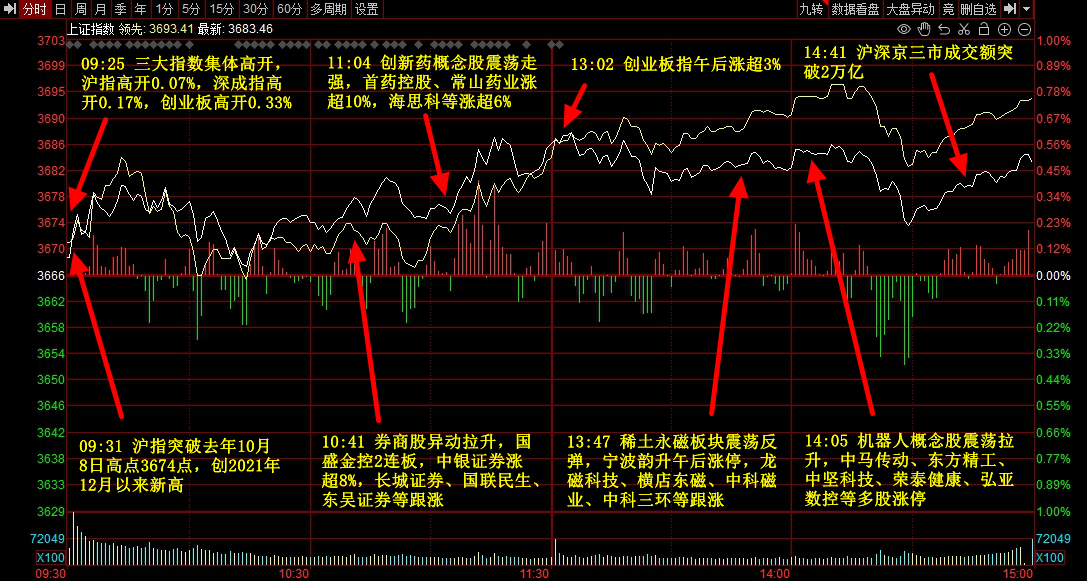
晚报 | 8月14日主题前瞻
Xuan Gu Bao· 2025-08-13 14:39
Robotics - The 2025 World Humanoid Robot Games will be held in Beijing from August 14 to 17, featuring 280 teams and over 500 humanoid robots competing in 26 events and 538 competition items [1] - The event marks the first global humanoid robot competition, focusing on robots with human-like forms and embodied intelligence, indicating a critical point for the humanoid robot industry [1] - The market for humanoid robots is expected to expand significantly due to advancements in AI and precision manufacturing, with demand for key components like servo motors and AI algorithms likely to increase [1] Low Earth Orbit Satellites - China successfully launched the low Earth orbit satellite internet group 08 using the Long March 5B rocket, marking the 588th flight of the Long March series [2] - The frequency of satellite launches has significantly increased, indicating that China's satellite internet is entering a rapid networking phase [2] - The new leadership at StarNet is expected to accelerate the launch and bidding processes, propelling the industry towards a "hundred arrows and thousand stars" era [2] AI in Healthcare - The pharmaceutical sector saw a rise in stock prices following the release of an action plan by the Zhejiang Provincial Health Commission to promote "AI + Healthcare" [3][4] - The plan aims to develop multi-modal medical industry models and autonomous AI research frameworks, enhancing service capabilities across various healthcare sectors [3] - The commercialization of AI in healthcare is expected to accelerate, driven by supportive policies and advancements in applications like AI pathology diagnosis and AI imaging [4] Cell Therapy - The National Healthcare Security Administration has approved the preliminary review of the 2025 National Basic Medical Insurance drug directory, with CAR-T therapy gaining attention [5] - Seven CAR-T products are in the spotlight, with five applying for the commercial insurance innovation drug directory and three aiming for basic medical insurance [5] - The commercial insurance innovation drug directory is designed to include high-value innovative drugs that cannot yet be included in the insurance directory, facilitating earlier market entry for these products [5] Charging Infrastructure - Huawei Digital Energy is accelerating the construction of a high-quality megawatt supercharging network across China [6] - The market for supercharging is expected to exceed 200 billion yuan by 2025, with a compound annual growth rate of over 40% [6] - The growth of the electric vehicle market and the demand for efficient charging solutions are driving the expansion of supercharging technology [6]
中恒电气:公司已推出720kW全液冷超级充电系统
Zheng Quan Ri Bao· 2025-08-13 12:13
Group 1 - The company has launched a 720kW fully liquid-cooled supercharging system [2] - This system is paired with the company's self-developed 60kW liquid-cooled charging module [2] - The new charging system has been successfully applied in regions such as Wuhan, Hubei, specifically at the Lantu Park [2]

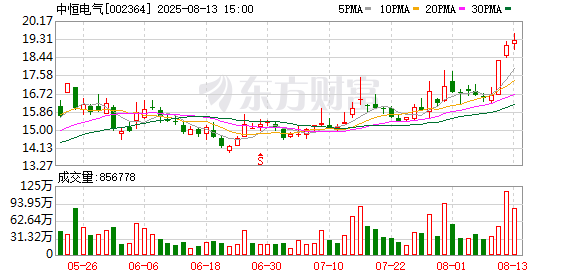
中恒电气:720kW全液冷超级充电系统已在武汉岚图园区应用
Jin Rong Jie· 2025-08-13 03:50
Core Viewpoint - Zhongheng Electric has launched a 720kW liquid-cooled supercharging system, indicating advancements in charging technology and potential applications in the electric vehicle sector [1] Group 1: Product Launch - The company has introduced a 720kW fully liquid-cooled supercharging system [1] - This system is paired with Zhongheng's self-developed 60kW liquid-cooled charging module [1] Group 2: Application and Market Presence - The liquid-cooled supercharging system has been successfully applied in regions such as Wuhan, Hubei, specifically at the Lantu Park [1]
【明日主题前瞻】人形机器人发展领跑全球,国产机器人海外热销
Xin Lang Cai Jing· 2025-08-12 11:54
Group 1: Humanoid Robots - China's humanoid robot development leads globally, with significant international sales of domestic robots [1][2] - The humanoid robot industry is entering a phase of commercialization, with companies achieving order breakthroughs and capitalizing on market opportunities [2] - The Hangzhou government is soliciting opinions on regulations to promote the development of the embodied intelligent robot industry [1][13] Group 2: Quantum Computing - China has built the world's largest atomic quantum computing system, achieving a record of 2024 defect-free atoms in a two-dimensional and three-dimensional array [3] - The quantum computing industry is at a critical turning point, transitioning from laboratory research to specialized applications, with a projected market size exceeding $5 billion by 2024 [4] - Companies like Fudan Fuhua and Kehua Data are actively collaborating to develop superconducting quantum computing applications [5] Group 3: DDR4 Supply and Pricing - The supply of consumer-grade DDR4 is tight, with contract prices soaring by over 60-85% in July, leading to a significant price adjustment for the third quarter [6] - The price increase is attributed to supply-side manufacturers reducing output and downstream customers increasing orders [6] Group 4: Poultry Industry - The price of Shandong white feather chicken seedlings has surged over 300% in one month, driven by rising demand and supply constraints [7][8] - The poultry industry is experiencing a tightening of chicken sources, which is pushing up prices for chicken seedlings [7] Group 5: AI and Power Supply - The demand for AI is driving advancements in power supply technology, with a projected increase in power equipment demand for AI data centers from 29 GW to 74 GW between 2025 and 2030 [9][10] - Companies like Oulu Tong and Zhongheng Electric are leading in providing power solutions for data centers and AI applications [10] Group 6: Charging Infrastructure - The charging station industry is poised for unprecedented growth, with an estimated investment of around 200 billion yuan for the expansion of public charging stations in cities with populations over 3 million by 2024 [11][12] - Companies such as Taijia and Shenghong are developing advanced charging solutions to meet the growing demand in the electric vehicle market [12]

量价齐升充电桩产业迎发展红利期 相关上市公司加速出海
Xin Hua Wang· 2025-08-12 05:49
Core Insights - The rapid development of the electric vehicle (EV) industry has led to significant growth in the charging station market, with rising charging fees indicating a "volume and price increase" trend [1] - China has become the largest charging station market globally, while Europe and the US are still in the early stages of investment, presenting substantial growth opportunities for domestic companies [1] - Domestic charging station construction is accelerating, with a reported increase of 62,000 public charging stations in July 2023 compared to June, marking a year-on-year growth of 40.4% [1] - The overseas market shows high profit margins, prompting domestic charging station companies to focus on international expansion, particularly in Europe and the Middle East [2] Domestic Market - The charging station construction in China is growing rapidly, with a notable increase in the number of public charging stations [1] - Recent data indicates a significant rise in charging fees across various regions in China, reflecting the "volume and price increase" phenomenon [1] Overseas Market - The demand for charging infrastructure in Europe and the US is increasing due to the sustained growth of electric vehicles, highlighting a significant gap in charging station construction [1] - Companies like Keda and Jin Guan Electric are preparing to enter the overseas market, with Keda expected to start exporting charging stations by the end of the year [2] - Shenghong Co., a leader in the charging station sector, has already obtained EU certifications for multiple products and is actively expanding into overseas markets, particularly in Europe [2] Company Performance - Shenghong Co. anticipates a net profit of 163 million to 196 million yuan for the first half of 2023, representing a year-on-year growth of 139.08% to 187.48%, with the charging and swapping business being a significant contributor to this growth [2] - The company is strategically focusing on both domestic and international markets, with a faster expansion rate in Europe compared to the US [2]


政策与需求同频共振 充电设施加速下乡
Xin Hua Wang· 2025-08-12 05:48
Core Insights - The development of charging infrastructure in rural areas is accelerating, driven by government policies and the growing demand for electric vehicles [1][2][3] - The market potential for electric vehicles in rural China is significant, with projections indicating a total vehicle ownership exceeding 70 million by 2030, creating a market worth 500 billion yuan [2] - Current public charging infrastructure in rural areas is insufficient, with only 9.45% of public charging stations located in county-level and below regions, highlighting the need for expansion and upgrades [2][3] Group 1: Charging Infrastructure Development - Multiple regions are implementing three-year action plans to enhance charging infrastructure in rural areas, addressing the shortfall in charging facilities [1] - In Guizhou province, there are 1,952 operational charging projects and 10,068 charging guns, achieving 85% coverage in 973 out of 1,145 townships [1] - The charging volume in Guizhou from January to July reached 25.5 million kilowatt-hours, indicating a growing usage of charging facilities [1] Group 2: Challenges and Opportunities - The low utilization rate of public charging facilities in rural areas is attributed to the lower ownership of electric vehicles and the convenience of home charging [3] - There are significant challenges in rural charging infrastructure, including weak power grids, safety risks, and the need for better planning and operational personnel [2][3] - Innovative business models and solutions are being explored, such as placing charging stations in key locations like township supply cooperatives and promoting home charging solutions [3] Group 3: Future Directions - The enhancement of rural power grids is essential for supporting the expansion of charging infrastructure, as outlined in recent government guidelines [4] - The focus is on creating a high-quality charging infrastructure system that supports the integration of electric vehicles and new energy systems [4][5] - The industry is encouraged to innovate in charging service models and improve the intelligence of charging services to meet the growing demand [4][5]
“光储充放”一体化模式迎发展机遇
Xin Hua Wang· 2025-08-12 05:48
Group 1 - The market share of new energy vehicles in China is expected to increase to 30% in 2023, with an annual increase of 10 million vehicles anticipated in the future [1] - The development of "photovoltaic-storage-charging" integration is seen as a key solution to the increased burden on the power grid due to the rapid growth of electric vehicle ownership [1][4] - The rapid development of high-power charging technology is leading to the industrialization of charging systems, with over ten models expected to achieve supercharging performance by the end of this year [2][3] Group 2 - High-power charging technology aims to enhance charging speed and battery capacity, addressing consumer concerns about range and charging speed compared to traditional fuel vehicles [2] - The integration of "photovoltaic-storage-charging" systems can alleviate the impact of charging stations on the power grid, as the charging load is often pulse-like and can be managed through energy storage systems [4][5] - By 2025, the electricity consumption of new energy vehicles is projected to increase tenfold, necessitating a charging power of 3,805 GW, which poses a significant challenge to the power distribution network [4] Group 3 - Several listed companies are actively developing technologies related to "photovoltaic-storage-charging" integration, with notable examples including Terui De, which has implemented microgrid solutions in over 100 cities [7] - Xiangshan Co. has developed integrated charging station technologies, while Jinguang Co. and Yishite have also made advancements in "photovoltaic-storage-charging" solutions [7]

昔日对手变盟友!Revel结束纽约网约车业务 携手优步(UBER.US)共建充电网
智通财经网· 2025-08-11 13:42
Core Viewpoint - Revel Transit Inc. has decided to terminate its ride-hailing operations and shift its strategic focus towards the electric vehicle charging sector, partnering with Uber to expand its charging network [1][2]. Group 1: Business Transition - The company will officially notify users and drivers about the termination of services this week, planning to sell its 165 ride-hailing licenses at a market price of approximately $20,000 to $25,000 each [1]. - Revel's ride-hailing business, which started with 50 electric vehicles and grew to 500, is being concluded after four years due to intense competition and low profit margins in the industry [1][2]. - The average monthly active users for Revel in the past 3-6 months were 45,000, with 670 drivers and around 100,000 monthly orders, which is significantly lower compared to Uber and Lyft [1]. Group 2: Charging Infrastructure Expansion - Revel currently operates five charging stations in New York and one in San Francisco, with plans to expand to over 400 charging points in Los Angeles, San Francisco, and New York by the end of 2024, aiming for 2,000 by 2030 [2]. - The company has shifted its focus to areas with government mandates for electric vehicle transitions, having previously shut down its electric scooter rental business [2]. - Revel's partnership with Uber has led to a significant increase in charging station usage, rising from 18% to 45% year-over-year, with a 33% usage rate when excluding its own fleet [2]. Group 3: Financial Performance and Funding - The high usage rate of charging stations has allowed them to become profitable, although the overall business has not yet generated cash flow when considering total operating costs [3]. - Revel had previously sought $200 million in funding but did not complete this round after deciding to pivot last summer; however, it secured a $60 million loan from the New York Green Bank to support its infrastructure development goals for the coming year [3].

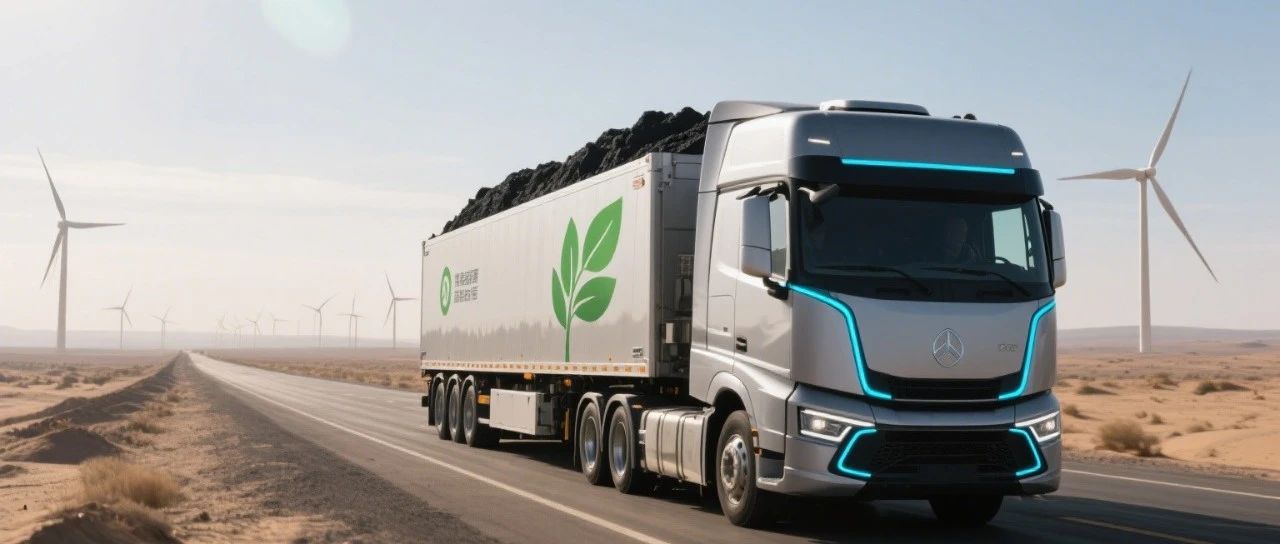
疆煤外运如何撬动新一轮电动重卡需求?
高工锂电· 2025-08-10 10:24
Group 1 - The article discusses the growing demand for electric heavy trucks driven by a national energy strategy, particularly in Xinjiang, which has significant coal production and reserves [2][3][5] - In 2024, Xinjiang's coal production is projected to be approximately 540 million tons, accounting for about 13.5% of the national total, with reserves reaching 2.19 trillion tons, the highest in the country [2] - The transportation of coal from Xinjiang is primarily conducted via rail, with road transport accounting for about 25.8%, predominantly using fuel heavy trucks, which are high-emission vehicles [3] Group 2 - The penetration rate of electric heavy trucks in Xinjiang is currently low due to insufficient charging infrastructure, but advancements in charging technology and battery capacity are expected to boost sales [4][5] - In the first half of 2025, nationwide sales of electric heavy trucks reached 79,000 units, with Xinjiang's sales exceeding 4,000 units, marking a year-on-year growth of over 200% [4][6] - Xinjiang has the highest market share for battery-swapping heavy trucks in the country, exceeding 50%, indicating a strong shift towards electric solutions in the region [5] Group 3 - The article highlights the diverse energy replenishment methods being adopted, including battery swapping and ultra-fast charging networks, to support the logistics of coal transportation [7][9] - The demand for heavy truck batteries is expected to rise significantly, with an estimated 31.7 GWh of battery installations in the first half of 2025, reflecting a year-on-year increase of 230% [6] - Companies are actively establishing dedicated battery-swapping stations and ultra-fast charging stations to facilitate the transition to electric heavy trucks in Xinjiang [10][11] Group 4 - The deployment of ultra-fast charging stations is accelerating in Xinjiang, with significant projects already underway, including those by Huawei and Shenghong [13][17] - The article notes that the integration of solar energy and storage solutions is being explored to mitigate the impact of high-power charging on the electrical grid [15][17] - Predictions indicate that Xinjiang's sales of new energy heavy trucks could reach 6,000 units in 2025, further driving the development of supporting infrastructure [17]