消费电子

Search documents
当“华米OV 耀”都不再满足于造手机
3 6 Ke· 2026-02-11 02:28
Core Viewpoint - The mobile phone manufacturers are shifting their focus towards the professional camera and handheld imaging device market, which was previously considered untouchable, indicating a significant transformation in the industry landscape [1]. Group 1: Market Dynamics - OPPO and vivo are the first to target the market dominated by DJI's Pocket series, which has become a standard for content creators and tourists seeking better image quality and stabilization than smartphones [2][4]. - vivo is developing a standalone Vlog camera aimed at competing directly with DJI's Pocket series, featuring a lightweight design and integration with its OriginOS for seamless editing and sharing [4][6]. - OPPO is also working on a new imaging product that may be part of its Find series, focusing on high-quality material collection while leveraging mobile processing power for editing and social sharing [8]. Group 2: Product Innovations - Xiaomi is pursuing a modular approach with a magnetic lens system that allows its smartphones to transform into high-quality cameras, potentially launching with the MIX 5 or 16 Ultra in 2026 [9][12]. - The magnetic lens module will enable users to attach a large optical module to their phones, enhancing photography capabilities while maintaining a lightweight design [13][15]. - Honor is taking a more radical approach by integrating a mechanical gimbal into its upcoming "Robot Phone," allowing for advanced stabilization and 360-degree tracking [17][19]. Group 3: Strategic Collaborations - Huawei is not developing a standalone Vlog camera but is collaborating with DJI for deeper integration of camera controls within its HarmonyOS, indicating a strategic focus on software rather than hardware [21][26]. - Huawei is also testing a square sensor for front cameras, aimed at optimizing social media content creation by allowing for maximum image capture regardless of phone orientation [23][24]. Group 4: Industry Trends - The year 2026 is seen as a pivotal moment for the smartphone industry, as manufacturers face diminishing returns on hardware improvements and are compelled to innovate through external devices or standalone products [27]. - The shift towards integrating advanced computational photography into traditional camera forms represents a significant challenge to established camera manufacturers, who have struggled to meet the demands of modern content creators [28][29].



未知机构:小米业务经理访谈纪要260209GD家电家电业务-20260211
未知机构· 2026-02-11 01:55
Summary of Xiaomi's Business Conference Call Industry Overview - The conference call primarily discusses Xiaomi's home appliance and technology sectors, including air conditioning, Internet of Things (IoT), smartphones, and automotive business. Key Points Home Appliances - **Air Conditioning Shipment**: The target for 2025 is to ship 10 million units, with an actual completion of 9.2 million units in 2025 [1] - **Strategic Shift**: Starting from Q4 2025, the strategy will shift to focus on profitability in the home appliance sector [1] - **Air Conditioning Profit Margins**: The gross margin for air conditioning was 18% last year, with a net profit margin around 2%. The goal for 2026 is to increase the gross margin to over 23% [1] IoT and Internet - **IoT Revenue Structure**: Black and white appliances account for 43% of revenue with an overall gross margin of 15%, while other IoT products contribute 57% of revenue with a gross margin of 35% [1] - **Internet Revenue**: In 2025, the internet segment generated revenue of 36 billion yuan with a net profit margin of 58% [2] Television - **Global Shipment**: The global shipment of televisions remains stable at 12 million units, with hardware yielding zero net profit and internet services generating profit [3] Smartphones - **Profitability Levels**: The breakeven gross margin for smartphones is 12%. The gross margin reported for Q3 2025 was 11%, with expectations for Q4 2025 to drop below 9%. Pressure on margins is expected to continue into Q1 2026, with some relief anticipated in Q2 2026 [3] - **Shipment Volume**: For Q4 2025, the expected shipment is 37 million units, with a forecast of 35 million units for Q1 2026. The annual shipment target for 2026 has been revised down from 185 million to 155 million units, following an actual shipment of 166 million units in 2025, which fell short of the 175 million target [3] Automotive Business - **Order Status**: As of mid-January, there are 133,000 existing orders (equivalent to 3.5 months of production capacity), with an additional 13,000 new orders (only for the Yu7 model) [4] - **Production Capacity**: The Beijing factory has a full production capacity of 1.2 million units, while the Wuhan factory has a capacity of 450,000 units [4] - **Profit per Vehicle**: The net profit per vehicle in 2025 is approximately 35,000 yuan, with investments in AI and robotics affecting apparent profitability [4] New Industry Investments - **Robotics**: An estimated investment of 2.5 to 3 billion yuan is planned for 2026, focusing on model development and hardware research [4] - **Chip Development and OS**: An annual investment of 9 billion yuan is allocated, with 13.5 billion yuan invested over four years in the Xuanjie chip [4] - **Autonomous Driving**: An investment of 3.5 billion yuan is planned for 2026 [4] - **AI Large Models**: An investment of 8 billion yuan is required for 2026 [4] Offline Channel Adjustments - **Store Count Reduction**: The number of stores decreased from 18,000 in mid-2025 to 14,000 by the end of 2025, with plans to further reduce to 10,000 to 12,000 stores, focusing closures on lower-tier cities [4] - **Adjustment Logic**: The rapid expansion of stores and low commission rates for franchisees are cited as reasons for the adjustments [5] - **Major Appliance and Automotive Store Count**: Currently, there are over 400 stores selling cars and 2,000 stores selling major appliances, with a cap of 4,000 stores for major appliances [5]
未知机构:捷邦科技正从消费电子精密结构件龙头向多元高增长赛道强势进军业绩弹性巨大-20260211
未知机构· 2026-02-11 01:45
Company and Industry Summary Company: JieBang Technology Key Points - **Transition to Diverse Growth Sectors** JieBang Technology is transitioning from being a leader in precision structural components for consumer electronics to aggressively entering multiple high-growth sectors, indicating significant earnings elasticity [1] - **Cold Plate Strategy** The company has adopted a dual-track strategy by acquiring Taiwanese targets to bind with AVC and directly supplying samples to NVIDIA, quickly obtaining factory certification and gradually expanding into other major North American manufacturers [2][3] - **High Technical Barriers in Liquid Cooling Plates** The technology barriers for liquid cooling plates are extremely high, with core challenges in micro-channel teeth and precision welding. The production capacity is secure in both domestic and Vietnamese factories [2][3] - **VC Thermal Plates and Consumer Electronics** VC thermal plates are essential components for managing heat in devices like smartphones. JieBang is a core supplier for Apple, covering multiple models including the iPhone and iPad. The iPhone 17 series is expected to significantly boost revenue, especially in high-end models like Pro and Pro Max [3] - **Conductive Carbon Black and Domestic Substitution** The high-performance conductive agent market is currently dominated by foreign companies like Cabot. JieBang has achieved a technological breakthrough with a gross margin of 30% and has successfully entered the supply chain of leading battery manufacturers like CATL, indicating a clear domestic substitution logic [4] - **Benefiting from Demand for Low-Cost, High-Performance Materials** The company is poised to benefit from the demand for low-cost, high-performance domestic materials driven by the new energy battery sector [5] - **Entry into Global Satellite Internet Market** JieBang has successfully entered the SpaceX supply chain, providing a complete set of high-precision structural components for Starlink user terminals, which positions the company to share in the growth of the satellite internet market [5] - **Upcoming Mass Production** The company is nearing the end of the sample validation phase, with mass production imminent [6] - **Commercial Aerospace as a New Growth Driver** The commercial aerospace sector is expected to become a new significant growth driver for the company [7]
春秋电子2月10日获融资买入1431.39万元,融资余额3.43亿元
Xin Lang Zheng Quan· 2026-02-11 01:27
Group 1 - The core viewpoint of the news highlights the financial performance and trading activity of Spring Autumn Electronics, indicating a stable growth trajectory in revenue and profit, alongside low financing and short-selling activity [1][2][3] Group 2 - As of February 10, Spring Autumn Electronics experienced a slight decline in stock price by 0.07%, with a trading volume of 134 million yuan and a net financing purchase of 310,600 yuan [1] - The company's financing balance stands at 343 million yuan, accounting for 5.00% of its market capitalization, which is below the 50th percentile of the past year, indicating a low financing level [1] - On the short-selling side, there were no shares sold on February 10, with a total short-selling balance of 0 yuan, also reflecting a low level compared to the past year [1] Group 3 - For the period from January to September 2025, Spring Autumn Electronics reported a revenue of 3.197 billion yuan, representing a year-on-year growth of 7.21%, while the net profit attributable to shareholders increased by 63.91% to 231 million yuan [2] - The company has distributed a total of 359 million yuan in dividends since its A-share listing, with 107 million yuan distributed over the past three years [3] - As of September 30, 2025, the number of shareholders decreased by 1.08% to 40,900, while the average number of circulating shares per person increased by 2.08% to 10,827 shares [2]

央行报告强调:居民资产配置调整,最终会回流到银行体系
Huan Qiu Wang· 2026-02-11 00:59
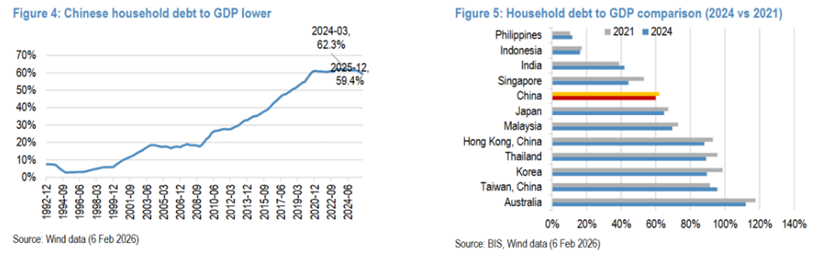
【环球网财经综合报道】中国人民银行日前发布《2025年第四季度中国货币政策执行报告》指出,下阶段将继续实施 好适度宽松的货币政策,发挥增量政策和存量政策集成效应。灵活高效运用降准降息等多种政策工具,保持流动性充 裕和社会融资条件相对宽松。未来将常态化开展国债买卖操作,关注长期收益率的变化。 值得关注的是,针对市场对银行存款"流失"的担忧,央行分析指出,居民资产配置调整最终会回流到银行体系,并不 意味着流动性状况出现较大变化。 与此同时,人民币对美元的升值在历史上推动了中国股市的回报,其中周期性、成长型股票的表现优于防御型股票。 但由于大宗商品和金属价格上涨导致输入成本增加,部分周期性、成长型龙头企业能够通过成本转嫁或提价来应对, 而其他行业如汽车、消费电子和家电等,则可能面临利润空间受挤压的风险。 摩根大通近日发文则强调了中国消费市场的上行交易机会。报告认为,尽管消费者变得更为审慎,但他们对高品质产 品的支付意愿强烈,推动了相关领域的增长。这一趋势得益于中国家庭资产负债表的改善和消费观念向更务实、重品 质的转变。 ...
微信AI时代的困境,跟苹果是一样的
3 6 Ke· 2026-02-11 00:58
2026年的科技圈,正在经历一场昂贵且有趣的竞赛。 一边是微信里头闹出的动静。腾讯自家的大模型应用元宝,想趁着春节冲一波用户,老办法,砸钱10个 亿,发红包。结果场面一度十分尴尬,红包链接没刷屏多久,就被微信安全机制精准拦截。这种大水冲 了龙王庙的乌龙,被外界调侃为自家兄弟打了自家的脸。 这让人纳闷:腾讯搞AI,怎么还是撒钱拉人那一套?这种动作显得有些心有余而力不足。 另一场竞赛关于大洋彼岸的苹果。 即便新iPhone已经薄得像片刀,工艺达到了工业巅峰,可一年前被库克视为"个人智能重头戏"的Apple Intelligence,依然没能点燃市场的兴奋点。 那个传说中能接管一切的Siri,至今没见着真身。 媒体的标题整齐划一:苹果的AI,又慢了。在数次推迟后,苹果确认在iOS底层引入了谷歌的Gemini模 型。 对于一个拥有100万用户的初创AI产品来说,引入大模型是一场令人兴奋的,甚至是允许失败的实验。 即使模型产生幻觉,回答出现了逻辑漏洞,用户往往会报以宽容,甚至将其当作有趣的梗在社交平台传 播。 这是初创公司的特权,也是它们能够做到以周为单位迭代的天然优势。 但微信、苹果不一样。 这两个动作在当时的舆论场 ...


国泰海通晨报-20260211
国泰海通· 2026-02-11 00:47
Fixed Income Research - The "multiple price bidding" in both reverse repos and MLF only affects the transparency and signal effect of tool interest rates, not the central bank's ability to dynamically adjust the pricing of liquidity tools [2][4][40] Biopharmaceutical Research - The medical device procurement level is expected to be driven by the long-term implementation of equipment update policies, with recommendations for companies likely to benefit from this policy, such as Mindray Medical, United Imaging, and others [8][9] - In January 2026, the procurement scale for new medical devices showed a decline, with MRI down 22.6%, CT down 25.6%, and surgical robots down 20.1% [8][9] Industry Insights - The equipment update policy aims for a 25% increase in medical equipment investment by 2027 compared to 2023, enhancing high-end equipment configuration to match middle-income countries [9] - The release of the "Guidelines for the Establishment of Medical Service Price Projects" for surgical robots is expected to accelerate their penetration and promote the commercialization of innovative medical equipment [10]
对于2026年的苹果,我们该期待什么?
36氪· 2026-02-11 00:13
Core Viewpoint - Apple's Q1 FY2026 revenue reached a record high of $143.76 billion, representing a 16% year-over-year increase, driven primarily by strong iPhone sales and a recovery in the Chinese market [5][10][12]. Group 1: Financial Performance - Apple's gross margin for the last quarter was 48.2%, with a net profit of $42.097 billion, also reflecting a 16% year-over-year growth [6]. - iPhone revenue surged by 23% year-over-year to $85.27 billion, exceeding both market and internal expectations, with an estimated average selling price of $1,011 [10][9]. - The Greater China region saw a significant recovery, with revenue increasing by 38% year-over-year to $25.526 billion [12]. Group 2: Market Dynamics - The increase in memory prices is a concern, with DRAM contract prices expected to rise by 55%-60% and NAND flash prices by 33%-38% in Q1 2026 [16]. - The cost of memory in the bill of materials (BOM) for smartphones has increased from 10%-15% to 20%-30%, with mid-range devices seeing costs rise to 34% [17]. - The impact of rising memory prices is expected to affect Apple's gross margins more significantly in the upcoming quarters, with negotiations for memory prices shifting from biannual to quarterly [21]. Group 3: AI Strategy - Apple has been perceived as lagging in AI compared to competitors, focusing on privacy and device-side processing rather than cloud-based solutions [26][27]. - A partnership with Google has been established to enhance Apple's AI capabilities, particularly for the next-generation Siri, which will utilize Google's Gemini model for training [28]. - The new version of Siri, supported by Gemini, is expected to launch in late February 2024, with a more significant upgrade planned for June 2024 [29]. Group 4: Product Development and Future Outlook - Apple plans to launch over 20 new products in 2026, including the long-anticipated foldable iPhone and a more affordable MacBook aimed at expanding its user base [32][33]. - The upcoming iPhone Fold is expected to feature a wide foldable design and a battery capacity of 5,500mAh, marking a significant advancement in Apple's product lineup [32]. - Apple's acquisition of the Israeli AI startup Q.ai for nearly $2 billion aims to enhance the interaction experience of devices like AirPods and Vision Pro [34].
全球首款2nm芯片手机定档 三星GalaxyS26系列发布会定档
Jin Rong Jie· 2026-02-11 00:07
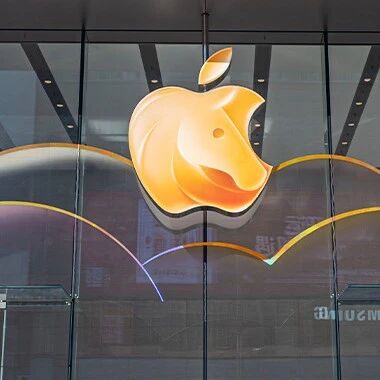
Core Points - Samsung officially announced that the Galaxy Unpacked event will take place on February 25 in San Francisco, California [1] - The online live stream will start at 1 PM Eastern Time, which is 2 AM Beijing time on February 26 [1] - The Galaxy S26 series will be launched, consisting of three models: Galaxy S26, Galaxy S26+, and Galaxy S26 Ultra [1] - The most anticipated feature of the new devices is the debut of the Samsung-developed Exynos 2600 chip, which is the world's first mass-produced 2nm mobile chip [1]
从“产品出海”到“文化出海” 双轮驱动“广货”全球启新程
2 1 Shi Ji Jing Ji Bao Dao· 2026-02-10 23:11
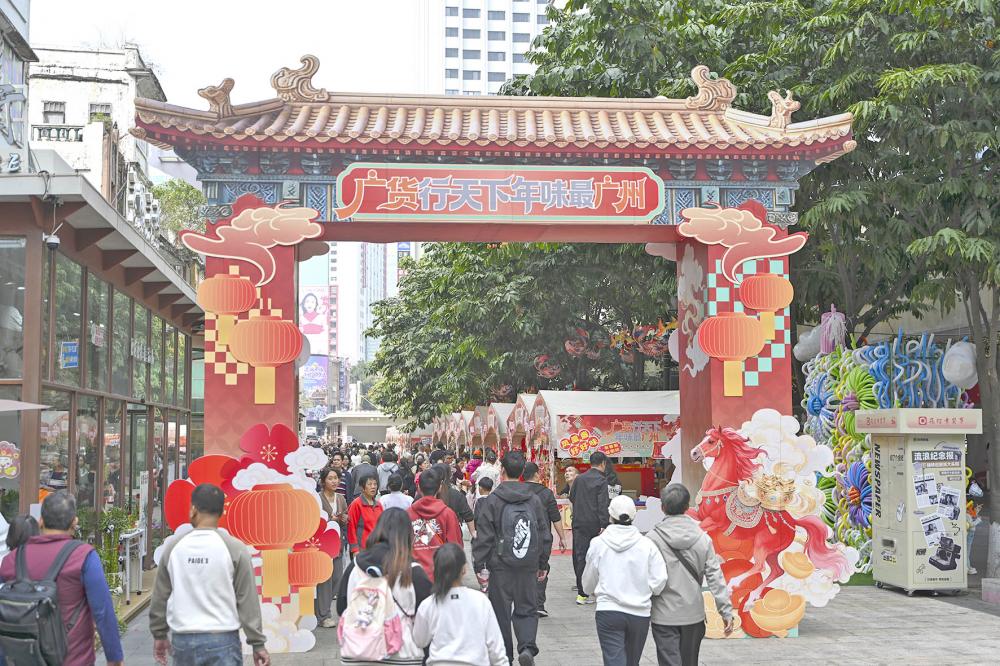
Core Viewpoint - The "Guanghuo" initiative represents Guangdong's commitment to high-quality development and industrial upgrading, facilitating a comprehensive global outreach that transcends traditional foreign trade practices [1][2]. Group 1: Overview of "Guanghuo" Initiative - The "Guanghuo" initiative has evolved into a significant platform for Guangdong's global trade, linking local industrial clusters with over 200 countries and regions [1]. - Guangdong has maintained its position as China's largest foreign trade province for over 30 years, accounting for approximately one-quarter of the national total [2]. Group 2: Industrial Foundation - The industrial advantages of "Guanghuo" are particularly evident in the consumer electronics and home appliance sectors, with Shenzhen being a global innovation hub [4]. - Major companies like Midea and Galanz are expanding their global presence, with Midea's high-end appliances ranking among the world's best and Galanz products being exported to over 190 countries [4]. Group 3: Challenges and Opportunities - Despite its achievements, "Guanghuo" faces challenges such as a lack of core technology and global brand recognition, with many SMEs relying on OEM models [4][5]. - The transition from low-end manufacturing to high-end creation is crucial for "Guanghuo" to enhance its global competitiveness [6]. Group 4: Policy and Support - Guangdong's government is implementing supportive policies, including export tax rebates and R&D subsidies, to alleviate financial and logistical pressures on enterprises [5][10]. - The Canton Fair serves as a national-level platform, facilitating connections with global buyers and enhancing the outreach of "Guanghuo" products [5]. Group 5: Cultural Empowerment - Cultural elements are being integrated into the "Guanghuo" initiative, enhancing the global appeal of products through cultural storytelling and branding [7][8]. - Companies are leveraging local cultural heritage to create unique brand identities, such as the promotion of Guangdong lychee as the "Eastern Love Fruit" [8]. Group 6: Strategic Collaboration - The dual-driven strategy of industrial foundation and cultural empowerment is essential for overcoming the "big but not strong" dilemma faced by "Guanghuo" [9][10]. - Successful examples from companies like Xiaopeng and DJI illustrate the effectiveness of this collaborative approach in enhancing brand and cultural outreach [9]. Group 7: Future Outlook - The 2026 "Guanghuo" Spring Action marks a new beginning for transforming "Guanghuo" into a global brand, emphasizing the importance of quality and innovation [11]. - By adhering to the dual-driven strategy and focusing on cultural confidence, "Guanghuo" aims to create more world-class national brands and contribute to the high-quality development of Chinese manufacturing [11].