私募股权投资

Search documents
市场回稳向好,2025年H1新增备案私募股权类基金2,237只,同比增加4.92%丨睿兽分析基金半年报
创业邦· 2025-07-27 23:59
Core Insights - The private equity fund management industry in China is showing signs of recovery, with a total of 12,132 registered managers as of June 2025, despite a decrease in the number of active managers compared to previous years [4][18]. - A total of 2,237 new private equity funds were registered in the first half of 2025, with a disclosed subscription scale of 13,532.61 billion RMB, indicating a positive market trend [9][10]. - Institutional Limited Partners (LPs) dominate the funding landscape, contributing 97.9% of the total capital, with state-owned LPs accounting for over 80% of the funding [20][21]. Fund Management Insights - In the first half of 2025, 47 new private equity fund managers were registered, while the total number of existing managers decreased to 12,132 [4][18]. - The majority of new fund managers are concentrated in regions such as Shanghai, Jiangsu, and Beijing, with Zhejiang leading in the number of new registrations [7][13]. - The number of institutions participating in new fund registrations decreased by 2.7% year-on-year, with 1,404 institutions registering new funds [18]. Fund Registration Insights - The new private equity funds registered in the first half of 2025 are primarily led by entrepreneurial and equity investment funds, with small-scale funds making up nearly half of the total [9][10]. - The top three cities for new fund registrations by quantity are Jiaxing, Qingdao, and Suzhou, while Beijing, Shanghai, and Wuhan lead in terms of total capital raised [15][16]. - The total subscription scale of new funds in Beijing exceeded 3,263.51 billion RMB, making it the top city by fund size [14][15]. LP Participation Insights - Institutional LPs are the primary contributors to new fund registrations, with a significant portion of the funding coming from state-owned entities [20][21]. - In terms of participation, 12.54% of institutions registered three or more funds, while 70.01% registered only one fund [18][22]. - The most active LPs include various government and strategic investment funds, indicating a strong presence of public sector investment in the private equity landscape [23][25].


LP圈发生了什么
投资界· 2025-07-26 08:06
Group 1 - Chengdu has launched its first future industry fund with an initial scale of 1,120 million yuan and a long-term scale of 2,600 million yuan, focusing on ten future industry sectors including humanoid robots and quantum technology [2][3] - KKR has registered a private equity fund in Shanghai, with notable domestic LPs including Ping An Capital and Schroder, indicating a significant shift in the domestic dollar fund ecosystem [4] - Changshi Capital has completed a fundraising of 728 million yuan for its third hard technology fund, with contributions from various industry players and financial institutions [5] Group 2 - The Suzhou Taikang No.1 equity investment fund has been established with a total contribution of 310 million yuan, involving multiple local investment partners [7] - The Changjiang Special Automobile Industry Investment Fund has been registered with a total scale of 50 million yuan, focusing on specialized vehicles and high-end manufacturing [8] - Hangzhou plans to establish a 200 million yuan direct investment fund to support early-stage technology startups [9] Group 3 - A new biopharmaceutical industry fund has been launched in Shanghai with an initial scale of 10 million yuan, involving local enterprises and government support [10][11] - The Yunnan Dianzhong New Area Industry Guidance Fund has been established with a scale of 50 million yuan, focusing on non-listed enterprises [12] - The Shanghai Baoshan Zhongying Fuyiao Venture Capital Fund has been launched with a total scale of 50 million yuan [13] Group 4 - The Guangxi Technology Achievement Transformation Mother Fund has been initiated with a total scale of 200 million yuan, aimed at supporting technology enterprises [14] - The first provincial-level biopharmaceutical industry fund in Fujian has been launched with an initial scale of 100 million yuan, targeting innovative drugs and vaccines [15] - The first industrial venture capital mother fund in Guangxi has been registered with a total scale of 500 million yuan [16] Group 5 - The Anhui National Control University Achievement Transformation Venture Capital Fund has been registered with a total scale of 100 million yuan, focusing on high-tech fields [17][18] - The first batch of sub-funds under the Jiading District New Industry Fund has been established, with a total scale of 1.5 million yuan for each sub-fund [19] - A new industrial mother fund has been established in Zhangzhou with a scale of 50 million yuan [20] Group 6 - Shenhuo Co., Ltd. has announced a contribution of 1.2 billion yuan to establish a high-quality industrial development fund [21] - Beijing's Science and Technology Innovation Fund has approved additional investments in a new equity investment partnership [22] - Ningbo's Angel Investment Guidance Fund is planning to establish two new sub-funds [23] Group 7 - The Fujian Province Specialized and New Mother Fund has announced the selection results for five sub-fund management institutions, with an initial scale of nearly 1 billion yuan [24] - Chengdu's Angel Mother Fund is planning to invest in a new sub-fund with a target scale of 300 million yuan [25] - Nanjing's Talent Phase I Development Fund is set to invest in a new sub-fund [26] Group 8 - The Inner Mongolia Key Industry Guidance Fund is in the process of selecting a management organization [27] - The Hainan Free Trade Port Construction Investment Fund is planning to invest in a new sub-fund with a scale of 1 billion yuan [28] - The Huai'an Industrial Investment Fund is reviewing proposals for two new sub-funds [29] Group 9 - Sichuan Borui Rongben Fund is seeking GP partners to support strategic emerging industries in Ya'an [30] - Zhongjin Yaoshen Mother Fund is recruiting GP partners to leverage state-owned capital for industrial development [31] - Tianjin has introduced new policies to support venture capital development, allowing for higher government investment ratios [32][33] Group 10 - Guangzhou Development Zone is promoting the biopharmaceutical industry with a 500 million yuan mother fund to support early-stage investments [34]

LP别催,7年DPI到1已经是“基中之龙”了丨投中嘉川
投中网· 2025-07-24 06:50
Core Viewpoint - The article discusses the performance benchmarks of private equity funds in China, highlighting the challenges and expectations of Limited Partners (LPs) regarding return timelines and the importance of data transparency in the industry [4][5][7]. Group 1: Fund Performance Metrics - The report indicates that achieving a DPI (Distributions to Paid-In capital) of 1 within 7 years is considered excellent, while 9 years is the norm, and 13 years is a warning sign for fund performance [14][27]. - For funds established for 5 years, an excellent DPI can reach 50%, while those in the bottom quartile may take approximately 13 years to break even [14][27]. - The performance data from 2008 to 2023 shows that the top quartile funds have consistently outperformed, with a DPI of 2.03 in 2008 and declining to 0.00 by 2023 [15]. Group 2: Comparison with U.S. Funds - The article compares the performance of Chinese VC funds with U.S. VC funds, revealing similar return timelines: top quartile U.S. funds take 7-8 years to break even, while median funds take around 9 years [16][27]. - The findings suggest that the perceived slowdown in DPI is not unique to China but reflects a broader trend in the VC industry [18]. Group 3: Importance of Data Transparency - The report emphasizes the need for improved data transparency in the Chinese private equity market, as the current lack of transparency complicates the accurate assessment of fund performance [7][28]. - The Benchmark report serves as a critical tool for LPs to evaluate their investments and assess new funds, highlighting the importance of reliable data in establishing industry standards [8][28]. Group 4: Performance Realization - The article introduces the "performance realization degree" metric, which measures how much of the total value (TVPI) has been returned to LPs as cash (DPI), indicating that Chinese funds have a higher realization degree compared to their U.S. counterparts [22][28]. - The findings suggest that while the overall performance of Chinese funds appears strong, the realization of returns in cash is crucial for true value creation [28].

外资PE入华新浪潮:争相设立人民币基金
FOFWEEKLY· 2025-07-22 10:01
Core Viewpoint - The article highlights a resurgence of foreign investment in China's primary market, driven by technological breakthroughs and policy incentives, with global private equity giants increasingly establishing RMB funds in China [2][4][12]. Group 1: Foreign Investment Trends - KKR has launched a RMB fund, marking a significant step in its strategic expansion in China, which is more aligned with the local market compared to previous USD funds [5][9]. - Other global private equity firms, such as Warburg Pincus, Hanley Capital, and L Catterton, are also accelerating their investments in China, indicating a broader trend among foreign investors [11]. - The establishment of KKR's RMB fund is seen as a new approach for foreign general partners (GPs) to invest in domestic assets, reflecting a shift in strategy [9][10]. Group 2: Market Sentiment and Future Outlook - After a period of low investment interest, foreign limited partners (LPs) are showing a strong recovery in their willingness to invest in Chinese assets, particularly in sectors like AI and robotics [12][13]. - The year 2025 is anticipated to be a pivotal turning point for foreign investment in China, with many international LPs restarting or initiating new investment plans [11][12]. - The article emphasizes that the evolving global economic landscape is prompting a reassessment of China's market potential, leading to increased confidence and investment from foreign entities [13].


中正金通公司:私募股权投资服务的专业典范
Sou Hu Cai Jing· 2025-07-22 06:33
Core Insights - Private equity (PE) investment is transitioning from a "marginal option" to a "core allocation" as high-net-worth individuals increasingly seek diversified asset configurations [1] - Zhongzheng Jintong Company has established a mature, efficient, and professional PE investment system, positioning itself as a key guide for clients in the primary market [1] Group 1: Strategic Positioning - Zhongzheng Jintong employs a dual assessment mechanism of "policy guidance + industry trends" for project selection, focusing on national strategic priorities such as new energy, new materials, high-end manufacturing, biomedicine, and digital economy [3] - The company builds a high-potential project pool by analyzing local industrial fund trends and the dynamics of leading industry players, ensuring recommended PE projects possess characteristics of strong policy support and high growth potential [3] Group 2: Due Diligence Process - Zhongzheng Jintong implements a rigorous multi-round due diligence process, evaluating projects across six dimensions: business model sustainability, core management team background, technological or product barriers, industry structure and competition, financial data authenticity, and clarity of exit paths [5] - The company focuses on growth-stage and Pre-IPO companies, which typically have validated business models and revenue bases, thus presenting lower risks compared to early-stage projects [5][6] Group 3: Post-Investment Management - The company emphasizes comprehensive post-investment management, forming dedicated teams to monitor project performance, participate in strategic discussions, and provide flexible exit strategies [6][7] - Zhongzheng Jintong's systematic post-investment actions enhance client confidence in PE investments and promote the healthy development of portfolio companies, creating a win-win scenario for clients, projects, and the platform [7] Group 4: Global Expansion - In addition to domestic RMB projects, Zhongzheng Jintong is actively expanding into the dollar fund sector, establishing strategic partnerships with high-quality VC/PE institutions in regions like Hong Kong, the U.S., and Singapore [8] - The company has engaged in early-stage financing for innovative startups in fields such as medical technology and sustainable development, providing clients with broader investment opportunities and optimizing asset allocation across regions and currencies [8] Group 5: Client Engagement - Zhongzheng Jintong emphasizes an investment philosophy of "education first + risk consensus + long-term companionship," organizing events to help clients understand project backgrounds and risk-return structures before recommending PE projects [9] - The company positions clients as true "equity investment partners," offering comprehensive support and resource connections to build long-term trust [9] Group 6: Conclusion - Zhongzheng Jintong's systematic due diligence, scientific project selection, international perspective, and supportive post-investment services open a window to future opportunities in the primary market for clients [10] - The company's commitment to professionalism and steady progress has established its reputation in the private equity service sector [10]
一个IPO,小赚170亿
投中网· 2025-07-22 06:13
Core Viewpoint - The article highlights the successful IPO of Cirsa, a Spanish gaming giant, which resulted in a remarkable return of over €20 billion (approximately ¥170 billion) for Blackstone, showcasing a textbook example of a merger and acquisition strategy [2][4]. Summary by Sections IPO Success - Cirsa's IPO was initially delayed due to a sluggish European market but ultimately achieved significant oversubscription, with a first-day stock price increase of 6.7%, leading to a market capitalization of €2.7 billion [3][7]. - The successful listing is seen as a pivotal moment for the European IPO market, setting a positive tone for future listings [3]. Acquisition Details - Blackstone acquired 100% of Cirsa in April 2018 for approximately €2.1 billion, leveraging about €1.5 billion in debt, resulting in a net equity investment of around €500 million [5][6]. - Within a year of the acquisition, Blackstone recouped over half of its equity investment through a dividend recapitalization, followed by a significant one-time dividend of €230 million before the IPO [7][8]. Financial Performance - Cirsa's financial recovery post-COVID-19 was notable, with EBITDA nearly doubling and a debt-to-EBITDA ratio improving from 5.5 times to 2.8 times by the time of the IPO [10][17]. - The company's revenue reached €2.15 billion in 2024, reflecting an 8% year-on-year growth, while EBITDA grew by 11% to €699 million [17]. Strategic Management - Blackstone's management strategy involved minimal changes to Cirsa's existing leadership and operational strategies, allowing the company to continue its growth trajectory without major disruptions [12][11]. - The firm also facilitated Cirsa's expansion into online gaming, which became a significant growth driver, with online revenue increasing from 16.7% to 22.7% of total revenue [16]. Future Outlook - Cirsa plans to invest €400 to €500 million in acquisitions over the next three years, with a pipeline of up to 100 potential targets, indicating further growth potential for Blackstone's investment [17].


基小律观点 | 私募股权基金所投资产的七条退出路径
Sou Hu Cai Jing· 2025-07-21 23:49
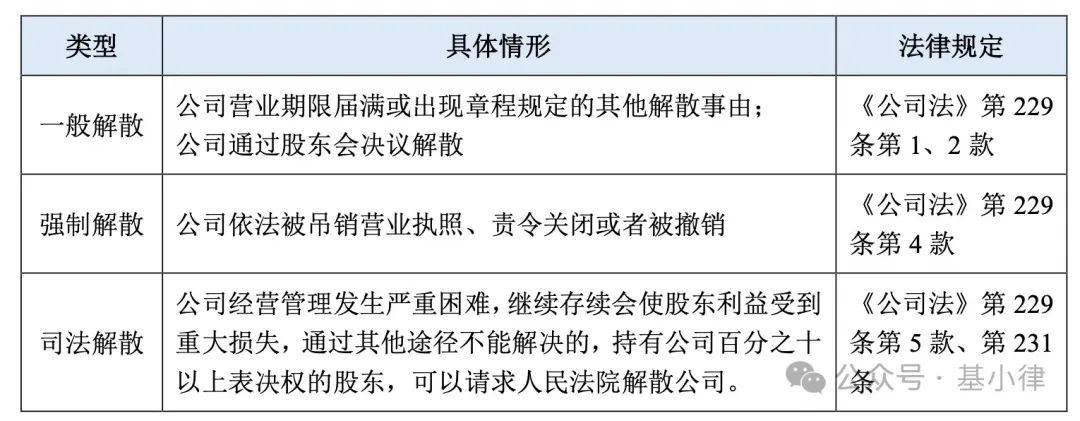
Core Viewpoint - The article discusses the various exit strategies for private equity and venture capital funds during the liquidation phase, emphasizing the importance of effective asset disposal to ensure a smooth fund closure [2][17]. Exit Strategies - **Path 1: IPO Exit** The ideal exit strategy for fund managers is through an IPO, preferably in the domestic market. However, due to stricter A-share listing reviews, many companies are opting for listings in Hong Kong or the US, which may lead to delays and liquidity issues [2][3]. - **Path 2: M&A/Transfer Exit** For projects without a clear IPO timeline, funds can consider exits through mergers and acquisitions, potentially achieving premium returns. Fund managers are advised to seek potential buyers through various channels, including financial advisors and industry contacts [4]. - **Path 3: Non-Cash Distribution** Non-cash distribution of assets, such as real estate or infrastructure, is a significant exit strategy, especially for assets that cannot be listed. This requires agreement from other shareholders and careful consideration of rights and obligations [5]. - **Path 4: Founder or Company Buyback** If a company fails to meet performance targets, fund managers can negotiate buybacks. However, financial constraints may limit the company's ability to fulfill all buyback requests, necessitating prompt action to avoid legal complications [6][7]. - **Path 5: Company Liquidation** If no buyback agreements exist, funds may need to consider liquidation options based on the company's circumstances, including voluntary or forced liquidation due to operational difficulties [10][12]. - **Path 6: Auction of Unlisted Company Shares** In cases where companies are non-operational, funds may resort to auctioning shares. This process requires adherence to shareholder rights and careful selection of auction platforms [14]. - **Path 7: Low or Zero-Cost Buyback or Write-Off** As a last resort, funds may negotiate for a buyback at minimal cost or write off the investment. This approach should be agreed upon by all partners to avoid disputes [16].
九鼎投资: 北京兴华会计师事务所(特殊普通合伙)关于昆吾九鼎投资控股股份有限公司2024年年度报告的信息披露监管问询函的回复
Zheng Quan Zhi Xing· 2025-07-21 16:34
Core Viewpoint - The financial performance of Kunwu Jiuding Investment Holdings Co., Ltd. has significantly declined in 2024, with a notable drop in revenue and a shift to net losses primarily due to reduced management fees, lower project exit gains, and adverse fair value changes in financial assets [2][3][11]. Group 1: Financial Performance - In 2024, the company's private equity investment business generated operating revenue of 160 million yuan, a year-on-year decrease of 41% [2]. - The net profit attributable to shareholders was -268 million yuan, marking a shift from profit to loss compared to the previous year [2]. - The fair value changes and investment income related to financial assets amounted to -100 million yuan, with losses expanding by 37 million yuan year-on-year [2]. Group 2: Revenue Breakdown - The revenue from management fees and management remuneration decreased significantly, with management fee income dropping by 40.93% to 90 million yuan [6]. - The management remuneration income also fell by 32.78%, primarily due to extended project exit cycles and reduced exit returns [7]. - The top five clients accounted for 61.23% of total sales, all of which were related party transactions [2]. Group 3: Asset Valuation and Losses - The company reported a fair value loss of 86.64 million yuan on trading financial assets, reflecting the valuation changes of the funds it invested in [11]. - The losses from equity method accounting for long-term equity investments were 12.86 million yuan, attributed to the ongoing losses of Jiutai Fund Management Co., Ltd. [11]. - The company’s trading financial assets at the end of 2024 were valued at 52.24 million yuan, a decrease of 61.85% from the beginning of the year [12].

KKR募集人民币了
投资界· 2025-07-21 07:43
Core Viewpoint - KKR has successfully launched a RMB fund, marking a significant shift in the domestic dollar fund landscape, with several VC firms also initiating fundraising for dollar funds [2][3][4]. Group 1: KKR's RMB Fund - KKR has established the Kai De Shi Pu (Shanghai) Private Investment Fund Partnership, with a total fund size of approximately 410.12 million RMB [3]. - The major contributors to the fund include Ping An Capital, which invested about 327 million RMB, accounting for 79.78% of the total [3]. - The fund's management is handled by Kai De Shang Pu (Shanghai) Enterprise Management Co., Ltd., which is controlled by KKR Hong Kong [3]. Group 2: Changes in Fundraising Landscape - Recent reports indicate a resurgence in dollar fundraising, with six VC firms, including Lightspeed and Monolith, actively seeking to raise dollar funds [2][8]. - In Q1 2025, 988 RMB funds were raised, totaling approximately 34.26 billion RMB, while only four foreign currency funds raised about 446.8 million RMB during the same period [7]. - The Chinese government has introduced measures to encourage foreign investment in equity, which may positively impact the fundraising environment for foreign funds [7]. Group 3: KKR's Market Position - KKR, established in 1976, is one of the largest alternative asset management firms globally, with assets under management of approximately 664 billion USD (about 4.8 trillion RMB) [5]. - Despite a less active presence in China compared to peers like Blackstone and Carlyle, KKR has been involved in notable IPOs, such as Zhenjiu Li Du and Guai Bao Pet, in 2023 [4].

【重磅发布】来觅研究院2025年上半年PE/VC市场报告
Wind万得· 2025-07-17 22:30
Core Viewpoint - The private equity and venture capital market in China is experiencing a recovery in fundraising and investment activities, driven by supportive government policies and an increase in market confidence, particularly in early-stage investments and technology sectors [2][4][10]. Group 1: Fundraising Situation - In the first half of 2025, 3,050 new private equity and venture capital funds were established, representing a year-on-year increase of 5.8%, with a total subscription scale of 898.6 billion RMB, up 18.2% year-on-year [2][12]. - The average subscription scale for newly established funds reached 295 million RMB, reflecting a year-on-year growth of 11.7% [12]. - The number of small-scale funds (under 1 billion RMB) has increased, indicating a recovery in the participation of private capital, with 1,926 funds established in this category, up 94 from the previous year [19]. Group 2: Government Guidance Funds - Over 40 government guidance funds were established in the first half of 2025, with a focus on enhancing the "patience attribute" and improving error tolerance mechanisms [3][25]. - The return requirements for these funds have been relaxed, with some regions allowing a return ratio as low as 0.4 times the investment [25]. - The establishment period for these funds has been extended to 15-20 years, allowing for more sustainable investment strategies [25]. Group 3: Investment Analysis - A total of 4,523 financing cases were recorded in the first half of 2025, a slight decrease of 2.6% year-on-year, with disclosed financing amounts totaling 152.36 billion RMB, down 15.7% [3][29]. - Early-stage financing (A-round and earlier) accounted for 68.3% of all cases, indicating a continued preference for smaller, earlier investments [32]. - The technology sector, particularly electronics, information technology, and healthcare, accounted for 63.5% of financing cases, highlighting the focus on innovation-driven industries [3][29]. Group 4: Market Dynamics - The market is witnessing a trend towards normalization and regulatory improvements, with a focus on enhancing transaction efficiency and reducing disputes over valuations [27]. - The S-fund market is evolving with new policies aimed at attracting diverse funding sources, including insurance and bank wealth management products [27]. - The overall investment environment is stabilizing, with a notable concentration of financing activities in economically developed regions, where the top ten cities accounted for 88.3% of financing cases [34].