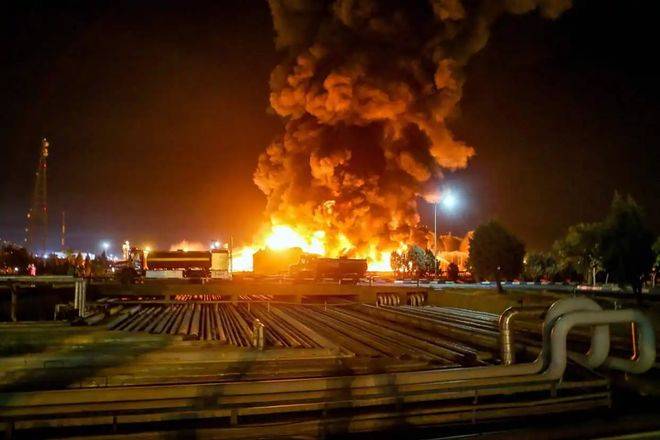
炼油

Search documents
无人机呼啸而过,俄炼油厂相继燃起火光,俄罗斯柴油出口跌冰点
Sou Hu Cai Jing· 2025-10-02 03:48
Core Viewpoint - The recent fuel crisis in Russia, characterized by long queues at gas stations and rising fuel prices, is primarily a result of Ukraine's drone attacks on key oil refining facilities, exposing vulnerabilities in Russia's energy infrastructure [1][3][5]. Group 1: Impact on Oil Refining Infrastructure - Over the past month, queues have reappeared at gas stations across Russia due to a sharp increase in fuel prices and the implementation of fuel purchase limits in several cities [1][5]. - Ukraine's drone strikes have targeted not only refineries but also oil storage facilities, pipelines, and critical pumping stations, significantly damaging Russia's refining capabilities [1][3][5]. - Out of 38 oil refineries in Russia, 16 have been damaged to varying degrees, with some completely shut down, leading to a substantial reduction in refining capacity [10][19]. Group 2: Fuel Supply and Market Response - The refining network has suffered severe damage, resulting in a nearly 20% decrease in daily refining output and a 10% drop in gasoline production [19][20]. - More than 300 gas stations have closed, and many remaining stations are implementing fuel rationing, limiting supply to 10 to 20 liters per vehicle [22][23]. - The situation is particularly dire in Crimea, where about half of the gas stations have ceased gasoline sales, leading to long queues and increased public anxiety [24][26]. Group 3: Price Fluctuations and Export Challenges - Average gasoline prices in Russia have surged by 40% to 50% this year, significantly increasing the cost of living for residents [27][28]. - Russia's diesel exports have plummeted, with daily refining capacity losses exceeding one million barrels, impacting global diesel supply [30][32]. - If the current trend continues, Russian diesel exports are projected to hit their lowest level since 2020 by September 2024, prompting countries that relied on Russian diesel to seek alternative sources [33][34]. Group 4: International Reactions and Future Outlook - The energy turmoil triggered by drone attacks is complicating the already intricate international landscape, with Russian officials acknowledging the severe challenges ahead for energy security and infrastructure repair [39][41]. - The U.S. and EU are taking steps to reduce reliance on Russian energy, with proposals for additional tariffs on countries importing Russian energy and plans to phase out Russian natural gas imports by the end of 2026 [43][44]. - Ukraine is ramping up its production of new long-range drones and plans to intensify attacks on Russian energy facilities, indicating a shift in the conflict dynamics [47][48].

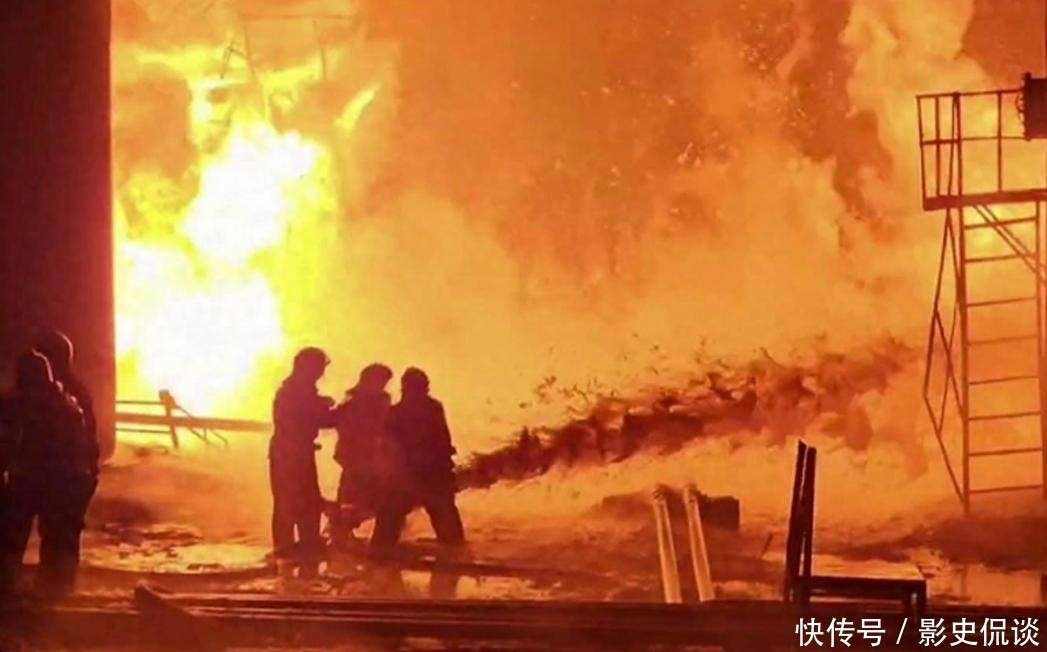
Phillips 66 to take $100M charge as it winds down Los Angeles refinery (PSX:NYSE)
Seeking Alpha· 2025-10-01 19:54
Group 1 - The article does not provide any specific information or data regarding companies or industries [1]


损失38%的炼油产能,对俄罗斯意味着什么?
Sou Hu Cai Jing· 2025-10-01 12:54
Group 1 - Ukraine's drone attack on the new Yaroslavl oil refinery in Russia has resulted in significant damage, with the facility's vacuum distillation unit affected and a long recovery time anticipated [2] - The refinery, located 700 kilometers from the Ukrainian border, has an annual refining capacity of 6.2 million tons, marking another loss for Russia's refining capabilities [2] - Russian authorities have attempted to downplay the incident, labeling it a "technical fire" during a "routine drill," but the reality remains that Ukraine has inflicted substantial damage on Russian infrastructure [2] Group 2 - Due to the loss of refining capacity, Russia is facing a domestic fuel shortage, leading to an extension of a temporary ban on gasoline exports and restrictions on other fuel types until December 31, 2025 [4] - Russia plans to import gasoline to address the escalating fuel crisis, with the Eurasian Economic Union eliminating import tariffs on gasoline, diesel, and aviation fuel [4] Group 3 - The ongoing fuel crisis is impacting not only the Russian economy and civilian life but also military operations on the front lines, highlighting Ukraine's strategic targeting of Russia's energy sector [5][11] - Reports indicate that Russia has lost 38% of its refining capacity, equating to a daily loss of 338,000 tons of crude oil, which is higher than previous estimates of 32%-35% [9] - The shutdown of major refineries since August has led to a 20% reduction in domestic gasoline supply, exacerbating the fuel crisis [9] Group 4 - Ukraine's systematic attacks on Russian oil and gas pipelines are crippling the country's energy economy, further undermining Russia's ability to sustain its military efforts [11] - The fuel crisis is expected to lead to increased inflation and economic pressure on Russia, with a significant impact on public sentiment and confidence [12] - The lack of fuel for military operations is severely limiting Russia's capabilities, with reports of soldiers resorting to horseback due to fuel shortages [15]
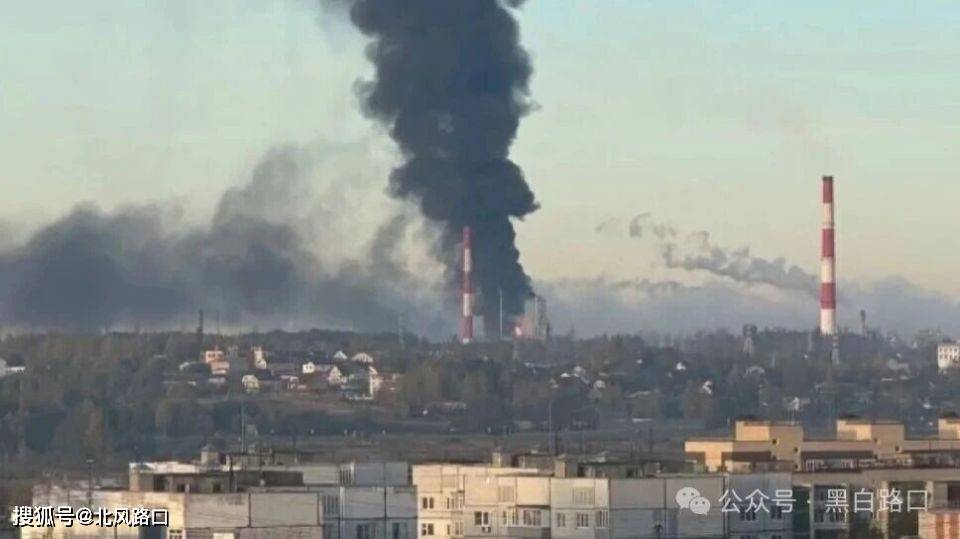
IOC拟大幅提升可再生氢产能
Zhong Guo Hua Gong Bao· 2025-09-30 03:12
Core Insights - Renewable hydrogen is expected to become a core component of Indian Oil Corporation's (IOC) new energy business portfolio, aligning with the Indian government's vision to establish the country as a global hydrogen market leader [1] - IOC aims to significantly increase its renewable hydrogen production capacity, targeting 500 GW of non-fossil energy installed capacity by 2030, while also focusing on biofuels and renewable energy [1] - The company plans to achieve net-zero emissions by 2046 and increase its contribution to India's energy sector from approximately 9% to 12.5% by 2050 [1] Strategic Focus - IOC's strategy includes three main areas: enhancing core refining and petrochemical capacity, diversifying into natural gas and renewable energy, and expanding the application scale of next-generation fuels [1] - Decarbonizing the refining business is a top priority for IOC, with specific reduction pathways including upgrading energy efficiency technologies, transitioning from liquid fuels to natural gas, integrating renewable energy with compressed biogas, improving grid electricity usage, and utilizing renewable hydrogen [1] Renewable Hydrogen Initiatives - IOC is actively promoting the development of India's green hydrogen ecosystem, with a renewable hydrogen plant in Panipat set to produce 10,000 tons annually, and plans to increase green hydrogen production to 350,000 tons by 2030 [1] - The company is also supporting India's "National Green Hydrogen Mission" through pilot projects and infrastructure investments, with additional renewable hydrogen projects planned in Gujarat, Uttar Pradesh, and Kerala, expected to yield a total annual output of approximately 28,365 tons [1]
华泰证券:化工行业稳增长政策发布,景气修复可期
Xin Hua Cai Jing· 2025-09-30 00:09
Core Viewpoint - The recent "Work Plan for Stable Growth in the Petrochemical Industry (2025-2026)" issued by the Ministry of Industry and Information Technology and other departments aims to enhance high-end supply, regulate major project construction, and ensure fertilizer production stability, which is expected to optimize supply and improve industry prosperity [1][2]. Group 1: Capacity Control and Industry Impact - The plan emphasizes strict control over new refining capacity and rational planning for the addition of ethylene, PX, and coal-based methanol production, focusing on supporting the replacement and upgrading of outdated facilities [2]. - In 2024, China's refining, PX, and methanol capacities are projected to change by -1%, 0%, and 2% year-on-year, reaching 970 million tons, 44 million tons, and 103 million tons respectively, indicating a significant slowdown in capacity growth [2]. - Ethylene capacity is expected to grow by 7% in 2024 to 5.542 million tons, with a total of 2.415 million tons planned for addition in 2025/26, but the supply-demand balance is weakening due to concentrated investments in recent years [2]. Group 2: Fertilizer Production and Supply Stability - The plan requires optimization of minimum production plans for key fertilizer producers and encourages long-term supply agreements between raw material suppliers and fertilizer manufacturers to ensure stable raw material supply [3]. - Rising prices of upstream raw materials, particularly sulfur and sulfuric acid, due to refinery output declines and geopolitical conflicts, are expected to impact fertilizer production stability positively [3]. Group 3: High-end Supply and Emerging Technologies - The plan aims to enhance high-end supply and accelerate the digital and green transformation, promoting the development of new materials and emerging technologies [4]. - Key areas for high-end chemical materials include integrated circuits, new energy, medical devices, and low-altitude economy, with innovations in electronic chemicals, specialty engineering plastics, and carbon fiber materials expected to accelerate [4]. - Traditional materials are anticipated to improve in quality, with industries gradually transitioning towards low-energy consumption, environmental protection, and high-end production [4].

重磅!乌无人机连袭俄三大战略要地,重创俄罗斯能源命脉!
Sou Hu Cai Jing· 2025-09-29 04:11
Group 1: Military Actions - Ukraine's military has conducted large-scale remote attacks on multiple significant military facilities within Russia, marking a record in both range and depth of operations [1] - The Ukrainian special operations forces successfully targeted the Kirishi oil refinery, which has an annual processing capacity of 17 million tons of crude oil, a key fuel supply base for Russia's northwest region [1] - A long-range drone strike was executed against the Metaflaks chemical plant in Cuba, which produces urea and synthetic ammonia, both of which can be used for agricultural and military purposes [3] Group 2: Impact on Russian Military Capabilities - The Ukrainian Navy successfully struck a naval communications center in Sevastopol, which is crucial for the operational command and intelligence transmission of the Russian Black Sea Fleet [4] - Continuous drone and missile attacks by Ukraine have significantly weakened the operational capabilities of the Russian Navy in the northwestern Black Sea region [4] Group 3: Disruption of Supply Lines - Ukrainian special forces have carried out sabotage operations along key railway lines, including an explosion that derailed a freight train, resulting in casualties among Russian railway workers [5] - Another attack on a fuel transport train caused multiple tank cars to catch fire, aimed at disrupting the supply routes for Russian military logistics [6] Group 4: Regional Security Responses - Romania and Poland have heightened their border defenses in response to the escalating conflict, with Romania's defense ministry reporting an unidentified drone entering its airspace [6] - Poland temporarily closed Lublin airport and coordinated with NATO allies for joint patrols in the eastern border airspace, demonstrating rapid crisis response capabilities [6]
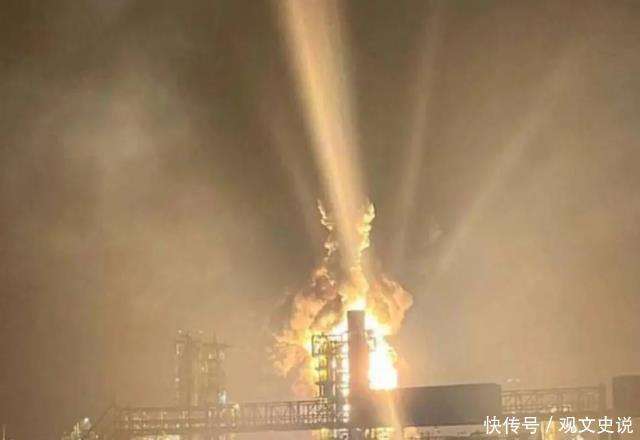
每日市场观察-20250929
Caida Securities· 2025-09-29 02:00
Market Overview - On September 26, the market continued its recent trend of low-volume consolidation, with the Shanghai Composite Index down 0.65%, the Shenzhen Component down 1.76%, and the ChiNext Index down 2.60%[3] - Since reaching a new high of 3899 on September 18, the market has been consolidating around the 5-day moving average, indicating a potential choice of direction ahead[1] Sector Performance - The sectors that saw the most significant inflows on September 26 were passenger cars, auto parts, and wind power equipment, while the largest outflows were from consumer electronics, IT services, and communication equipment[4] - The shipbuilding industry, which has experienced a significant pullback, is highlighted as a potential short-term rebound opportunity[1] Economic Indicators - The petrochemical industry is projected to achieve an average annual growth of over 5% in value added from 2025 to 2026, as per a plan issued by seven government departments[5] - China's digital service trade reached 1.5 trillion yuan in the first half of 2025, marking a year-on-year growth of 6%[9] Fund Dynamics - The stock private equity position index reached a year-to-date high of 78.41%, reflecting a 0.37 percentage point increase from the previous week, indicating a growing optimism among private equity firms[12] - A new private equity fund with a total scale of 20 billion yuan was established in Qingdao, marking a significant development in the insurance private equity sector[11]
乌克兰无人机再袭俄南部大型炼油厂,持续打击俄能源命脉
Sou Hu Cai Jing· 2025-09-28 07:17
Core Insights - Ukrainian armed forces successfully conducted a drone strike on the Afipsky oil refinery in Russia's Krasnodar region, which is a significant fuel supply source for Russian military operations, processing 6.25 million tons of crude oil annually, accounting for 2.1% of Russia's total refining capacity [1][3] - The operation aims to systematically weaken the Russian military's offensive capabilities by disrupting fuel supply lines and ammunition transport networks [1][3] - This marks the third attack on the refinery in recent months, indicating a sustained focus on disrupting Russian energy infrastructure [1][3] Summary by Sections - **Ukrainian Military Actions** - The drone strike on the Afipsky refinery is part of a broader strategy to impair Russian military operations by targeting energy infrastructure [1][3] - The Ukrainian military has reported significant success in its operations, leading to fuel shortages for Russian forces, which hampers their operational tempo [3] - **Russian Response** - The Russian Emergency Situations Ministry reported a localized fire caused by drone debris, but claimed no significant damage or casualties occurred [3] - The Russian Defense Ministry stated that 55 Ukrainian drones were intercepted on the same night, with three downed in the Krasnodar area, highlighting the region's importance as a target for Ukrainian strikes [3] - **Strategic Implications** - The ongoing attacks on Russian energy facilities are intended to create a fuel supply crisis for the Russian military, which could lead to operational delays and reduced combat effectiveness [3]
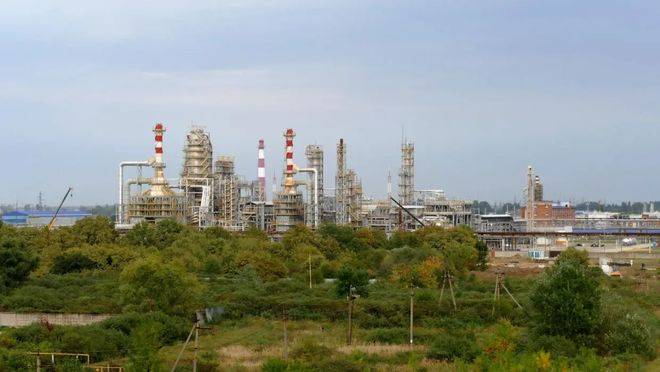
又一个炼油厂被炸,多地汽油限购:俄罗斯博主担忧再来个1917
Sou Hu Cai Jing· 2025-09-27 10:14
Group 1 - The effectiveness of secondary sanctions imposed by Trump on Russia is questioned, as India continues to purchase Russian oil and Hungary's leader rejects Trump's demands, leading Ukraine to directly target Russia's energy sector [1] - The latest attack by Ukraine targeted the Afipsky Oil Refinery in Krasnodar Krai, where a drone hit the AT-22/4 atmospheric distillation unit, which has an annual processing capacity of 3 million tons after its upgrade in 2013 [1] Group 2 - Despite ongoing drone attacks on Russian refineries, Russian engineers are making efforts to restore production, but their repair speed is significantly slower than the destruction caused by Ukraine, especially with the increasing production of long-range drones [3] - There is a visible fuel shortage in Russia, with citizens queuing for fuel and being limited to a maximum of 20 liters, leading some to travel to neighboring countries like Kazakhstan for refueling [3] Group 3 - Some Russian military bloggers express concern over the current fuel shortages, comparing it to the bread shortages of 1917, fearing that internal issues may arise before the military is defeated on the battlefield [5] - The fuel shortage could lead to rising oil prices and other problems, including increased prices and shortages of essential goods, challenging the Kremlin's narrative that Russians are willing to endure hardship for the government [5]
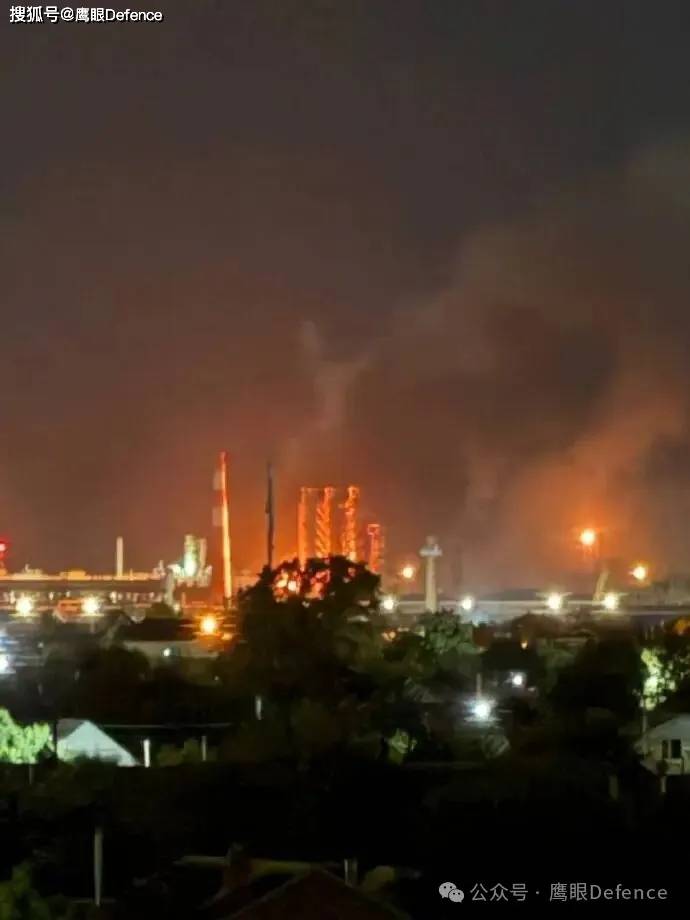
乌克兰猛攻俄命门,8000万吨炼油能力被毁!能否改写战争结局?
Sou Hu Cai Jing· 2025-09-27 06:11
Core Insights - Ukraine's military strategy has shifted significantly, focusing on targeting Russia's energy infrastructure, particularly oil refineries, starting from August 2025 [1] - Recent coordinated strikes on key energy facilities have resulted in a substantial reduction in Russia's refining capacity and a spike in fuel prices [1][4] - The introduction of Ukraine's domestically developed "Flamingo" missile poses a new threat to Russia's energy system, potentially exacerbating the ongoing crisis [2] Group 1: Military Strategy and Impact - Ukraine's military is now prioritizing attacks on Russian oil refineries, which are critical to the Russian military's fuel supply [1] - Recent attacks have led to the complete shutdown of 4 out of 9 major refineries in Russia and a 12% drop in national refining capacity [1] - Fuel shortages are becoming widespread across Russia, affecting both civilian and military operations [1] Group 2: Economic Consequences - Russia's oil and gas revenue decreased by 3% month-on-month in September and plummeted by 23% year-on-year [2] - The fuel crisis has led to a 50% increase in gasoline prices, with significant drops in sales of A-92 and A-95 gasoline [1][2] - The economic strain from the energy crisis is impacting Russia's ability to sustain its military efforts [4] Group 3: Future Outlook - The ongoing conflict may lead to a shift in the war dynamics due to fuel shortages and financial pressures on Russia [4] - Public sentiment in Ukraine shows a willingness to negotiate peace, but the government remains firm on territorial integrity [4] - The potential for negotiations will depend on the evolving battlefield situation and the impact of continued strikes on energy infrastructure [4]