花卉种植

Search documents
海阔凭鱼跃,天高任鸟飞——台湾青年在大陆书写青春奋斗故事
Xin Hua She· 2025-05-02 01:09
Group 1 - Taiwanese youth are actively engaging in various sectors in mainland China, including high-tech medical technology and rural revitalization, showcasing a spirit of innovation and collaboration [2][3] - Xu Boling, a Taiwanese scientist, has developed a magnetic levitation artificial heart, which has been clinically applied in about 30 hospitals after receiving market approval [3] - The company founded by Xu Boling, HeartQing Medical, has applied for over 350 domestic and international patents, reflecting significant growth and innovation in the high-end medical device sector [3] Group 2 - The butterfly orchid industry in Yunnan, led by Taiwanese entrepreneur Chen Jiayong, has seen substantial growth, with over 2 million butterfly orchids sold annually and more than 100 varieties developed [4] - The company, Kunming Unified Biotechnology Co., Ltd., exports over 80% of its products, indicating a strong international market presence [4] - Chen Yufan, the second-generation Taiwanese businessman, aims to expand the market potential of butterfly orchids, leveraging the supportive policies for Taiwanese farmers in mainland China [4] Group 3 - The architectural design company, Fuzhou Suiping Yili, is composed of a team of young people from both sides of the Taiwan Strait, focusing on rural cultural revitalization and community engagement [5][6] - The team has successfully transformed local cultural products and enhanced the visibility of rural specialties, contributing to local economic development [5][6] - The company’s initiatives are supported by favorable policies, allowing for significant improvements in rural infrastructure and cultural heritage [6] Group 4 - The job market in mainland China is perceived as equitable for Taiwanese youth, providing ample opportunities for internships and career advancement [7] - Wang Linfan, a student from Taiwan, has successfully integrated into the job market in mainland China, receiving multiple job offers and actively sharing career advice with peers [7] - The emphasis on rural revitalization in career planning reflects a growing trend among Taiwanese youth to contribute to the development of rural areas in mainland China [7]
国色天香的“进化密码”——河南繁花经济系列观察①
He Nan Ri Bao· 2025-05-01 23:57
Core Viewpoint - The article discusses the evolution and breeding of peonies in China, highlighting the use of directed hybridization techniques to develop new varieties and the importance of preserving genetic resources. Group 1: Breeding Techniques - The process of hybridization for peony breeding begins with removing the male stamens from a flower and applying pollen from another variety to the female stigma, which is a meticulous process that takes about 10 years to produce a stable new variety [3][4]. - From 2008 to 2014, the National Peony Garden successfully bred over 1.5 million high-quality peony seedlings, resulting in 64 new varieties recognized by the China Flower Association and 16 varieties approved by the Henan Provincial Forestry Variety Approval Committee [3]. Group 2: Importance of New Varieties - The cultivation of new peony varieties is essential to maintain the genetic heritage of Chinese ornamental plants, which have been selectively bred for over 2000 years [4]. - New varieties are developed to extend the flowering period from 20 days to 45 days, meeting market demands and enhancing the peony industry [4]. Group 3: Genetic Resource Preservation - The establishment of a national peony gene bank in Luoyang serves as a repository for genetic resources, biological information, and gene data, collecting 1,365 samples of peony germplasm from both domestic and international sources [5]. - The gene bank allows for broader selection of parent plants, facilitating the breeding of superior offspring, including a new variety that is white with green undertones [5].
第九届国际月季大会5月在京举办 40年来首次落地中国
Zhong Guo Xin Wen Wang· 2025-04-30 05:46
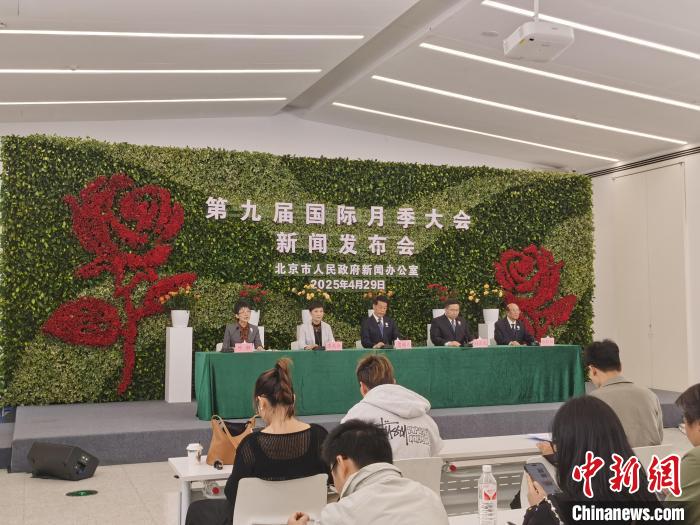
"2025花开北京北京月季文化节"以门头沟区为主会场,东城、西城、海淀、丰台、大兴、密云、通州等区为分会场, 将"花"元素贯穿始终,融合历史、文化、科技、艺术、产品等元素,举办月季精品展览、京西月季洲"花young生活 节"、园艺市集、月季及衍生产品展销等系列特色生态文化活动,创新推出"月季+非遗传承""月季+国潮文创"等综合体 验模式,与周边商圈联动,激活消费新潜能。 中新网北京4月29日电 (记者 吕少威 徐婧)第九届国际月季大会将于5月10日至15日在北京市门头沟区举办,系大会举办 40年来首次落地中国。这是记者29日从第九届国际月季大会新闻发布会上获悉的。 国际月季研究与栽培学术研讨会,简称国际月季大会,由国际月季园艺学会主办,是全球月季界集科学研究、学术交 流、品种展示和宣传推介于一体的水平最高、规模最大的综合性会议,每四年举办一次,已在美国、法国、以色列、 日本、德国等月季科研领先国家举办了八届。在中国农业大学、中国园艺学会多方努力下,中国成功获得第九届国际 月季大会举办权,展现了国际月季界对中国月季科研水平和产业发展的认可。 北京市园林绿化局一级巡视员、北京花卉协会会长、第九届国际月季大会组委会 ...

菏泽|菏泽芍药承春意 花朝盛景邀客来
Da Zhong Ri Bao· 2025-04-30 02:20
Core Insights - Heze, known as the "Capital of Peony," is transitioning to showcase peonies and tree peonies, with a market share of over 60% in fresh-cut peony flowers, selling 120 million stems annually [2][3] Industry Overview - The fresh-cut peony flower market in Heze is characterized by a stable supply period from March 20 to May 20, allowing for alignment with key consumption periods such as the May Day holiday and weddings [2][3] - The average daily sales volume of fresh-cut peonies in Heze is over 400,000 stems, generating daily sales revenue between 1.5 million yuan and 3 million yuan [2][3] Production Capacity - Heze has the largest fresh-cut peony flower base in China, covering 1,200 acres with a modern cold storage capacity of 39,000 cubic meters, producing over 10 million stems annually [2][3] - The city has invested significantly in the cultivation and research of peonies, with over 600 varieties cultivated, and more than 90% of the 50,000 acres of peony cultivation dedicated to fresh-cut flower production [3][4] Cultural Integration and Tourism - Heze is developing five peony viewing routes that integrate local cultural elements, enhancing the tourism experience by connecting various attractions [4] - The upcoming 2025 Heze Peony Festival will feature a range of activities, promoting cultural tourism and showcasing the unique charm of Heze's peony culture [4]
一蕊芳华满城韵——第42届中国洛阳牡丹文化节综述
He Nan Ri Bao· 2025-04-29 23:52
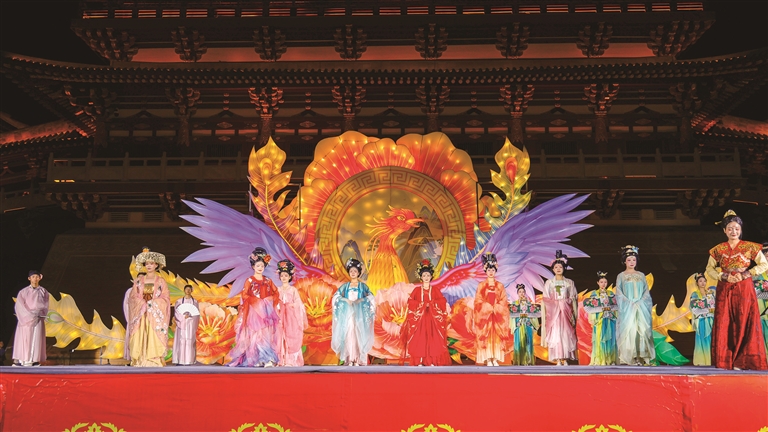
Core Viewpoint - The 42nd Luoyang Peony Culture Festival has successfully integrated cultural tourism and local economy, showcasing the city's charm and vitality through various innovative activities and events [2][5][11]. Group 1: Event Highlights - The festival features an online opening ceremony themed "One Flower Opens, Ancient City Moves," which creatively transitions from traditional flower viewing to interactive city-wide engagement [2]. - Over 100 platforms simultaneously broadcast the event, highlighting the city's historical landmarks and incorporating interactive elements like light shows and flower petal rain [2][4]. - A series of immersive activities, including the "Peony Wonderful Tour" and night-time consumption events, have attracted significant participation, with night-time spending accounting for over 60% of total consumption [4][5]. Group 2: Economic Impact - The festival aims to stimulate local consumption and enhance the city's attractiveness through various themed activities, including Hanfu, music, and intangible cultural heritage [5][11]. - The peony industry is positioned as a key driver for new cultural tourism development, with plans to expand cultivation and improve product offerings, including peony oil, tea, and cosmetics [11][15]. - The introduction of geographical indication trademarks for "Luoyang Peony" is expected to elevate the brand's recognition and support local businesses in major cities [11][15]. Group 3: Technological Integration - The city has implemented technology-driven measures to protect the peonies from adverse weather conditions, ensuring the flowers remain intact during the festival [7]. - Real-time monitoring and traffic management systems have been established to enhance visitor experience and safety during peak times [7]. Group 4: Cultural Significance - The festival not only celebrates the peony but also promotes a harmonious development model that blends traditional culture with modern tourism practices [15]. - Activities designed for various demographics, including the elderly and younger generations, reflect the festival's inclusive approach to cultural engagement [9][15].
科技赋能“百千万工程”:华南农大与从化共筑湾区生态经济走廊
Nan Fang Nong Cun Bao· 2025-04-29 05:47
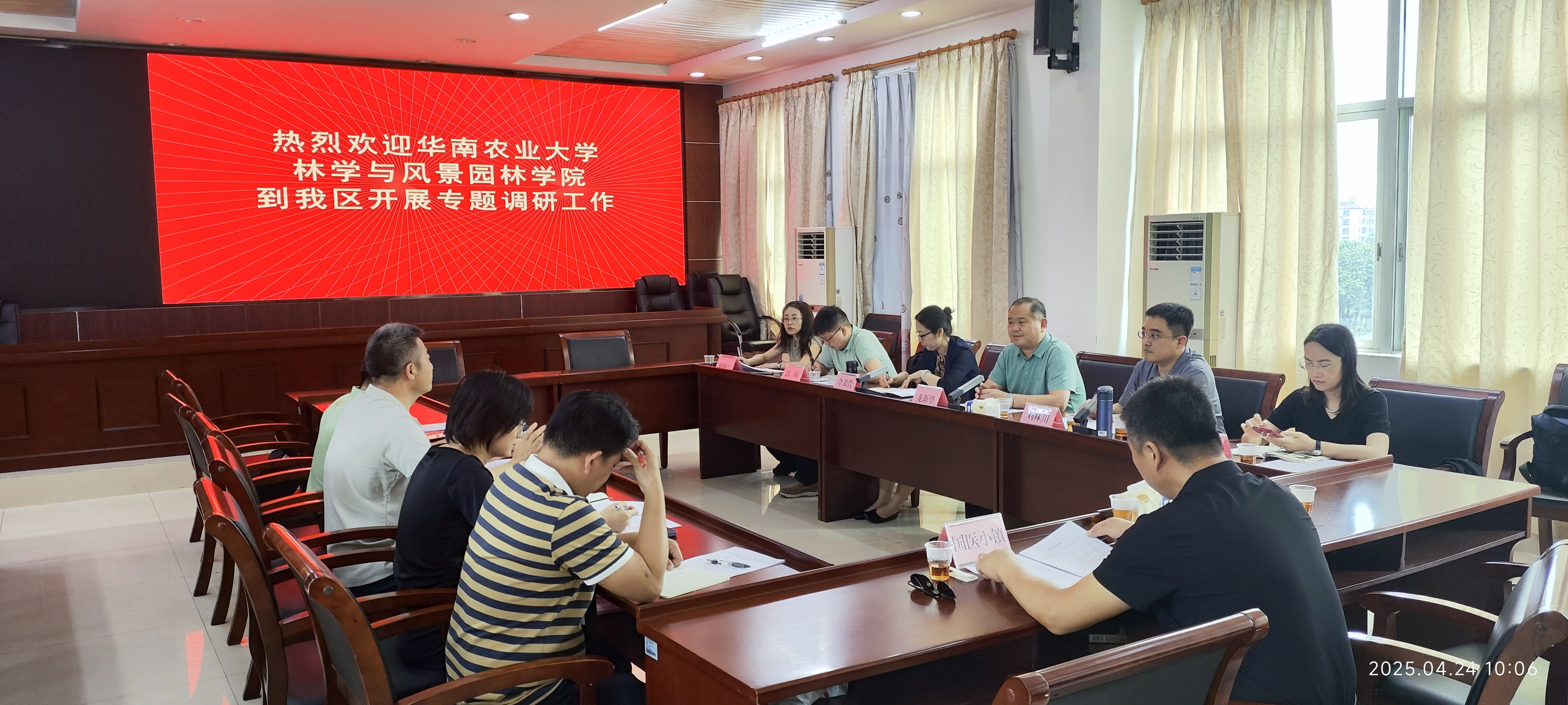
Core Insights - The collaboration between South China Agricultural University and Guangzhou Conghua District aims to enhance the green development demonstration zone, positioning it as a benchmark for ecological industrialization in the Greater Bay Area [1][2] Group 1: Collaboration and Initiatives - The recent activity marks a significant step in the journey towards establishing a modern agricultural technology county in collaboration with the local government [2] - The event featured a report by Professor Liu Linchuan, highlighting the college's history, discipline development, talent cultivation, and social services [2] Group 2: Ecological and Economic Development - Conghua District is leveraging its rich natural resources to innovate an "ecological restoration—product development—value conversion" closed-loop model, transforming ecological assets into economic benefits [5] - The district is implementing a comprehensive land consolidation pilot project, aiming to create a high-quality development area and accelerate the integration of the South China National Botanical Garden [5] Group 3: Technological Advancements - The college plans to integrate six national and provincial platforms to form interdisciplinary teams focused on ecological protection and industrial upgrades, enhancing the conversion rate of scientific achievements [6] - The emphasis is on addressing critical technological challenges and promoting the development of the forest economy, including beekeeping and medicinal plant cultivation [7] Group 4: Future Goals and Community Engagement - The district aims to conduct a comprehensive survey of wild plant resources and develop ecological education points, enhancing the green landscape and promoting the forest economy [7] - The university is committed to supporting the "Hundred-Thousand Project" and fostering agricultural productivity through continuous engagement and collaboration with local stakeholders [7][8]
云天化:以工业化思维重塑现代农业
Xin Hua Cai Jing· 2025-04-29 03:27
Core Viewpoint - Yunnan Yuntianhua is revolutionizing agricultural practices by integrating advanced industrial technologies into farming, exemplified by their modern flower cultivation techniques and smart greenhouse systems [2][7]. Group 1: Technological Innovations in Agriculture - The smart greenhouse at Yunnan Yuntianhua's modern agricultural demonstration park allows for precise environmental control, maintaining temperature fluctuations within ±0.5℃ and adjusting light intensity minute by minute [2]. - The application of soilless cultivation technology has led to a remarkable 300% increase in yield per unit area, while water recycling techniques have reduced costs and contributed to local ecological management [3]. - The integration of infrared imaging systems enables the precise grading of flowers based on their blooming status, streamlining the packaging process [3]. Group 2: Economic Impact and Production Capacity - The demonstration park spans 1,450 acres and produces approximately 500,000 fresh-cut roses daily, generating an annual output value close to 100 million yuan [3]. - Yunnan Yuntianhua has successfully cultivated 32 proprietary flower varieties, with 8 varieties already making a mark in the market, breaking the long-standing foreign monopoly [3]. Group 3: Workforce Development and Training - Since the park's inception, 1,023 local farmers have been trained to transition from traditional farming to modern agricultural practices, enhancing their skills in advanced agricultural techniques and management [4]. - The company has provided professional services to over 1,700 farmers, resulting in an average increase of over 20% in the proportion of high-quality flowers produced [4]. Group 4: Research and Development Initiatives - Yunnan Yuntianhua is exploring new pathways for agricultural transformation through its "laboratory-farm" integration model, focusing on seedling research, planting technology innovation, and pest control [6]. - The establishment of 36 technology small courtyards across 12 provinces has led to the development of over 1,221 planting schemes and a comprehensive database for pest management, supporting the agricultural industry across 30 million acres [6].


洪雅县以花为媒 助推农旅融合发展
Zhong Guo Jing Ji Wang· 2025-04-23 13:15
Core Insights - The "Manhua Tianye" agricultural tourism project in Zhongbao Town, Hongya County, is attracting visitors with its diverse blooming flowers, enhancing local tourism and economy [1][2] - The project integrates flower sales and tourism, becoming a significant attraction in the region and contributing to local employment opportunities [2] Summary by Sections Project Overview - "Manhua Tianye" features a variety of flowers such as roses, peonies, and African daisies, creating a picturesque landscape that draws tourists [1] - The project has been operational for nine years, with a focus on both ornamental flower cultivation and tourism [1] Economic Impact - The project supports local employment, with over 30 villagers working in various roles such as pruning and fertilizing flowers [2] - It contributes to the local economy by promoting flower sales and tourism, thereby increasing income for local residents [2] Regional Development - Hongya County is leveraging its tourism resources to promote agricultural tourism, developing multiple projects like "Tea Guest Space" and "Mulberry Orchard" to enhance rural revitalization [2]
瓷上“生花”笔上“绘花” 一朵花汇聚百亿级产业集群光芒
Yang Shi Wang· 2025-04-14 10:58
Core Viewpoint - Shandong Heze, with a 1500-year history of peony cultivation, is a significant production base for peonies in China, attracting numerous tourists during the blooming season [1] Group 1: Tourism and Visitor Engagement - The peak blooming season for peonies occurs in mid-April, with over 110,000 peony plants in the Caozhou Flower Garden, receiving more than 10,000 visitors daily since opening on April 1 [4] - Visitors enjoy the diverse and colorful peonies, capturing beautiful moments through photography and immersing themselves in the floral environment [7] - Various themed activities, including intangible cultural heritage experiences and music performances, enhance the visitor experience, making it enjoyable and interactive [9] Group 2: Economic Impact and Industry Growth - Heze has cultivated 9 color systems, 10 flower types, and 1,308 peony varieties, significantly boosting the local tourism industry [11] - The area has expanded its peony and medicinal herb planting area to 460,000 acres, focusing on extending the "flower economy" for greater economic value [12] - The rise in sales of fresh-cut peonies and medicinal herbs is closely linked to changing consumer habits, with direct sales through e-commerce live streaming increasing demand and prices [17] Group 3: Deep Processing and Product Development - The value of peonies extends beyond their bloom, with a focus on comprehensive development post-harvest, leading to an annual output value of 2 billion yuan [20] - Heze has developed a complete industrial chain with over 120 companies involved in peony production, processing, and export, generating more than 100,000 jobs [22] - The annual sales of deep-processed peony products are growing at a rate of 30% [24] Group 4: Cultural and Creative Industries - Cultural revitalization has injected new vitality into Heze's peony industry, with creative products like peony-themed fridge magnets and incense attracting tourists [25][27] - The traditional craft of peony porcelain, made from white porcelain clay, is gaining popularity among younger generations, with new products being developed for modern consumers [28] - The peony painting industry in Jiyu County has become a pillar industry, with an annual output value of 4.5 billion yuan, exporting to over 40 countries [30] Group 5: Economic Milestones - The total output value of Heze's peony industry surpassed 10 billion yuan in 2022 and is projected to exceed 13 billion yuan by 2024 [32]
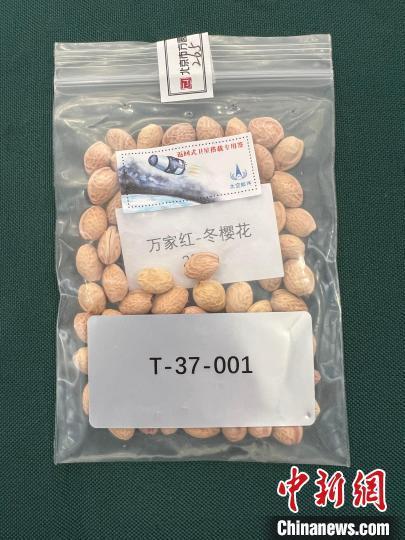
220克遨游太空樱花种子在云南华宁交接
Huan Qiu Wang Zi Xun· 2025-04-12 02:42
Core Viewpoint - The successful return of winter cherry seeds from space marks a significant advancement in space breeding technology and is expected to enhance the flower industry in Yunnan province [1][3]. Group 1: Space Breeding Project - The winter cherry seeds, weighing 220 grams (1,800 seeds), were brought back by the Shijian-19 satellite, which was launched on September 27, 2024, and successfully returned on October 11, 2024 [3]. - The project involves collaboration among multiple institutions, including Yunnan Agricultural University, Nanjing Forestry University, and Yunnan Jianhua Green Development Co., Ltd. [3][5]. - The seeds will be cultivated to select superior varieties with larger petals, longer blooming periods, more vibrant colors, and stronger resistance [5]. Group 2: Research and Development - The project will utilize various scientific methods, including morphology, cytology, physiological and biochemical testing, and molecular biology, to study the mutated plants [5]. - The aim is to determine suitable planting regions and environments for the new varieties, providing a scientific basis for large-scale cultivation [5]. - It is anticipated that new cherry blossom varieties will be developed within three years, contributing to the aesthetic enhancement of the environment [5].