休闲农业

Search documents
海南产经新观察:全岛封关释红利 休闲农业迎风口
Zhong Guo Xin Wen Wang· 2025-11-11 03:29
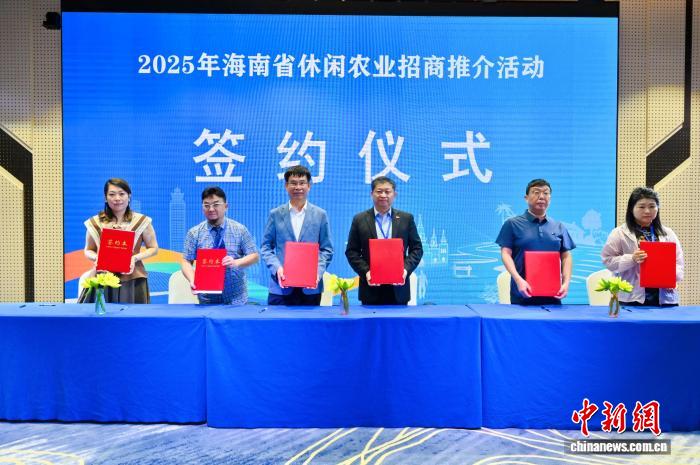
Core Insights - Hainan's unique natural resources and cultural characteristics create favorable conditions for the integration of agriculture, culture, and tourism, especially with the upcoming closure of the Hainan Free Trade Port [1][3] - The development of leisure agriculture is seen as a significant measure to promote modern agriculture, increase farmers' income, and build a new socialist countryside [1][2] Policy Support - The central and local governments have issued multiple supportive documents to promote Hainan's development in tropical efficient agriculture and establish an international tourism consumption center [1][2] - Recent policies include guidelines for developing shared farms and a three-year action plan for rural tourism development from 2024 to 2026 [1][2] Economic Impact - Hainan's leisure agriculture (including leisure fisheries) generates an annual revenue of 7.7 billion yuan and receives 37.71 million visitors each year [2] - The province has established 69 provincial-level shared farms and 12 beautiful fishing villages, along with various tourism routes [2] Future Opportunities - The full closure of the Hainan Free Trade Port on December 18 is expected to bring significant benefits to leisure agriculture, including zero tariffs on imported agricultural facilities and materials [3] - The integration of agriculture, ecology, and culture is emphasized, with a focus on creating high-value leisure agricultural ecosystems [3] Market Activity - A recent investment promotion event in Hainan saw numerous shared farms engaging in investment discussions, resulting in seven projects being signed on-site [4][6] - Companies are actively planning large-scale leisure agriculture projects, leveraging the favorable policies of the free trade port [6]

消费助农!东莞将在农民丰收节期间开展促消费活动
Sou Hu Cai Jing· 2025-11-05 14:13
Core Points - The "Le Gou Dongguan Tide Up!" consumption season event aims to activate agricultural tourism consumption in Dongguan, with a major celebration planned for the 2025 "Chinese Farmers' Harvest Festival" on November 21 [1][3] - The event will feature a beautiful rural rice harvest ceremony, live shopping activities promoting Dongguan's unique agricultural products, and a showcase of agricultural development achievements [3] - Dongguan is leveraging its logistics advantages to establish an international tuna processing and trading center, enhancing the visibility of its unique agricultural industry [3] Summary by Sections Event Overview - The "Le Gou Dongguan" initiative includes six major activities, with a focus on agricultural tourism and local product promotion [1] - The 2025 "Chinese Farmers' Harvest Festival" will take place in Huayong Village, featuring a street dedicated to Dongguan's intangible cultural heritage cuisine [1] Highlights of the Harvest Festival - The festival will include a rice harvest ceremony with participation from farmers and students, along with live shopping events to promote local agricultural products [3] - There will be a multi-dimensional display of Dongguan's agricultural development achievements, including modern agricultural equipment and tourism routes [3] - The event will also promote the Dongguan Tuna Processing Trading Center, with activities such as tastings and promotional events [3] Future Events - Dongguan will host the 2026 Thick Street Spring Flower Market from February 7 to 16, 2026, featuring flower exhibitions and cultural experiences [4] - A consumer subsidy program will be introduced for purchasing Dongguan's famous flowers during the New Year and Spring Festival period [4] - The initiative emphasizes consumer participation in supporting rural revitalization and appreciating agricultural culture [4]
“95后”女掌门张子越承父业扎根乡土 三产融合谱写6000万产值田园新篇
Chang Jiang Shang Bao· 2025-11-02 23:14
Core Insights - The article highlights the transformation of Hubei Dajinlong Agricultural Technology Development Co., Ltd. under the leadership of a young manager, Zhang Ziyue, who has integrated traditional agriculture with modern practices and tourism [1][2]. Company Overview - Hubei Dajinlong has evolved from a traditional farming operation into a comprehensive agricultural complex that includes breeding, processing, and leisure tourism [1][4]. - The company has developed a total area of 2,850 acres, with a cooperative output value approaching 60 million yuan [5]. Leadership and Vision - Zhang Ziyue, born in 1997, represents a new generation of farmers, bringing innovative ideas to traditional agriculture while maintaining a focus on quality products [1][2]. - The transition from her father's engineering background to agriculture was motivated by a desire for a sustainable and inheritable business [2]. Business Development - The company initially focused on breeding green-headed ducks, achieving a scale of 4 million ducks by 2019, becoming a leading enterprise in Hubei [2]. - The COVID-19 pandemic significantly impacted the market, reducing demand for green-headed ducks to 20%-30%, prompting a necessary shift in business strategy [3]. Strategic Transformation - The pandemic served as a catalyst for the company's transformation, leading to the integration of aquaculture and fruit cultivation, creating an ecological farming model [4]. - In 2019, the company invested in a food processing workshop to enhance product value and extend shelf life, officially entering the secondary production sector by 2021 [4]. Market Expansion - The company successfully organized a fruit-picking festival in 2023, attracting around 2,000 visitors daily, marking its entry into the leisure agriculture sector [5]. - Challenges remain in sales, particularly in expanding e-commerce channels and addressing transportation issues for frozen products [5].
宜兴以巧劲撬起乡村振兴“大杠杆”
Xin Hua Ri Bao· 2025-10-31 22:07
Core Insights - The "Double Hundred Action" in Yixing City focuses on enhancing rural industry development through a combination of local resources and innovative strategies [1][2][3][4][5] Group 1: Industry Development - Yixing City encourages villages to develop unique brands and new industries such as leisure agriculture, digital rural initiatives, and cultural tourism [2] - The city has seen the emergence of innovative products like water celery beverages, and the establishment of popular rural tourism projects [2][4] - The integration of local resources, such as tea and purple clay, has led to increased income for farmers, with some villages reporting annual income boosts of over 5,000 yuan per household [4] Group 2: Community Engagement - The "Double Hundred Action" emphasizes the importance of party building in driving rural revitalization, with initiatives like the "Six Links and Six Commons" mechanism to enhance collaboration [2][3] - Villages are actively involved in projects that promote community engagement and participation in local industries, with some villages attracting over 100,000 visitors annually [3][4] Group 3: Government Support - Yixing City has established a "double pairing" mechanism where city leaders and departments support economically weaker villages, ensuring effective communication and implementation of development plans [5] - Specific projects, such as the development of cold storage facilities and cultural tourism initiatives, have been initiated to enhance local economies [5]
陕西省人民政府新闻办公室举办新闻发布会介绍“聚焦打造万亿级文旅产业集群、聚力打好重点文旅产业链群建设硬仗”有关情况
Shan Xi Ri Bao· 2025-10-30 01:09
Core Viewpoint - The press conference focused on the development of a trillion-level cultural and tourism industry cluster in Shaanxi Province, emphasizing the importance of building key cultural and tourism industry chains as part of the provincial government's strategic initiatives [5][11]. Group 1: Industry Development Goals - The goal for 2025 is to achieve a total revenue of 910 billion yuan from key cultural and tourism industry chains, with expected growth rates of 6% for revenue and 5% and 7% for domestic tourist arrivals and total spending, respectively [6][32]. - The cultural and tourism industry's contribution to the province's GDP was 6.81% in the first half of the year, highlighting its growing significance in the overall economic landscape [5][31]. Group 2: Industry Performance Metrics - In the first three quarters, the total revenue from eight key cultural and tourism industry chains is expected to exceed 790 billion yuan, reflecting a year-on-year growth of 15.82% [6][32]. - The completion rate for 52 key tasks set at the beginning of the year has surpassed 85%, indicating strong progress in the implementation of initiatives [6][32]. Group 3: Infrastructure and Capacity Building - The province has seen the establishment of 598 A-level tourist attractions and the addition of 11 star-rated hotels, alongside the growth of 380 travel agencies [7][33]. - The cultural and creative industry has expanded, with the number of large-scale toy companies increasing from 45 to 52, and the annual output value of the plush toy industry in Ankang reaching 7.5 billion yuan [7][33]. Group 4: Economic Impact and Employment - The cultural and tourism sector has created over 145,000 jobs through various initiatives, including the establishment of 348 non-heritage workshops, with 28 of them generating over 30 million yuan in output [7][33]. - The integration of sports events into tourism has led to new consumption patterns, with sports events becoming a significant draw for tourists [8][34]. Group 5: International Engagement and Marketing - The province hosted 50 promotional events targeting inbound tourism, resulting in 584,600 inbound visitors and total spending of 943 million USD in the first three quarters, marking increases of 75.61% and 79.04%, respectively [9][35]. - The establishment of the cultural tourism consumption exhibition at the Silk Road International Expo has set new records for participation and engagement [9][35]. Group 6: Policy and Regulatory Environment - The government has introduced 16 measures to enhance the business environment for the cultural and tourism sector, focusing on safety, order, and integrity [10][36]. - Collaborative efforts between government, industry associations, and businesses aim to improve service quality and visitor experience [10][36].
八大田园经济崛起
投中网· 2025-10-29 06:30
Core Insights - The article discusses the rise of the "rural economy" driven by urban consumers seeking nature and unique experiences, highlighting various innovative business models in rural areas [4][34]. Group 1: Rural Tourism and Experiences - In the first three quarters of 2024, over 4.35 trillion yuan was spent on tourism in China, with rural tourism seeing significant growth, receiving nearly 800 million visitors in the first quarter alone [4]. - The success of "rice field coffee" in the Yangtze River Delta illustrates a shift towards immersive consumption experiences, where urban consumers are willing to pay a premium for unique rural settings [7][8]. - The emergence of rural pet theme parks addresses the growing pet ownership market, providing urban pet owners with the space and services they need while revitalizing rural economies [10][11]. Group 2: Educational and Cultural Experiences - The rise of rural astronomy education programs reflects a shift in consumer demand for deeper, more meaningful experiences, moving beyond traditional sightseeing [13][14]. - The concept of "youth retirement homes" in rural areas offers urban youth a space for relaxation and community, transforming idle rural properties into vibrant living spaces [16][18]. Group 3: Innovative Agricultural Models - The "adopt-a-farm" model allows urban consumers to engage directly with agriculture, promoting a connection to food sources and enhancing the agricultural economy [24][25]. - Creative repurposing of idle rural buildings into cultural spaces not only preserves local heritage but also attracts new economic activities and tourism [26][28]. Group 4: Market Evolution and Consumer Engagement - The transformation of traditional rural markets into integrated online and offline platforms enhances consumer engagement and drives rural brand development [30][32]. - The article emphasizes that rural areas are no longer passive recipients of urban influence but are becoming active contributors to economic and cultural exchanges with cities [34][35].

扎堆“有风的地方”,这八大田园经济崛起
3 6 Ke· 2025-10-28 05:14
Group 1: Rural Economy Trends - The "rural economy" is emerging as a new consumption force driven by urban youth's desire for nature and freedom [1] - In the first three quarters of 2024, over 4.35 trillion yuan was spent on tourism, with rural tourism seeing significant growth, receiving nearly 800 million visitors in the first quarter alone [1] - The rise in rural tourism reflects a longing for rural experiences and provides new development ideas for rural areas [1] Group 2: Innovative Consumption Models - "Rice field coffee" has gained popularity in the Yangtze River Delta, with prices 30-40 yuan per cup, attracting urban consumers despite being more expensive than city chains [2][4] - The appeal of rice field coffee lies in its immersive consumption experience, merging urban coffee culture with rural landscapes [2] - This new model of rural economy is changing traditional perceptions of urban-rural relationships, moving beyond superficial interactions to deeper engagements [4] Group 3: Pet-Friendly Rural Spaces - The pet consumption market in China has surpassed 300 billion yuan in 2024, leading to the emergence of rural pet theme parks to address urban space constraints [6] - Rural pet parks utilize idle land to create "pet-friendly" environments, fulfilling urban pet owners' needs for open spaces [7] - The rise of pet parks is also driving upgrades in surrounding businesses, such as pet-friendly accommodations and local shops offering pet products [8] Group 4: Astronomy Education in Rural Areas - Rural areas are being rediscovered for their clear night skies, leading to the development of astronomy education programs that offer immersive experiences [9] - Successful models have been established in various regions, transforming geographical disadvantages into unique advantages for stargazing [9] - This trend reflects a shift in family education towards deeper, exploratory experiences rather than superficial entertainment [12] Group 5: Youth Retreats in Rural Areas - "Youth retirement homes" are emerging as a response to urban stress, offering a transitional space for young people seeking relief from city life [13] - These facilities provide not only accommodation but also activities like farming and yoga, redefining the concept of living [15] - The model opens new pathways for rural development by repurposing idle farmhouses into therapeutic spaces [15] Group 6: Rural Homestays - Rural homestays are evolving from mere lodging to experiential hubs that connect urban consumers with local resources [16] - Successful homestays leverage local architectural styles and cultural activities to create unique experiences, enhancing their economic value [18] - The economic essence of homestays lies in offering customized lifestyle solutions, driving local product sales and creating jobs [19] Group 7: Agricultural Adoption Programs - "Adoption agriculture" allows urban consumers to connect with nature by pre-paying for the right to harvest crops from designated plots [20] - This model promotes healthy eating and provides a hands-on experience of farming, benefiting both consumers and producers [22] - The approach shifts rural industries from merely selling products to offering services and experiences, fostering long-term interactions [23] Group 8: Creative Renovation of Idle Buildings - The transformation of idle rural buildings into creative spaces helps preserve cultural heritage while activating local economies [24] - Renovated spaces become cultural landmarks, attracting new creative professionals and fostering a vibrant community [26] - This process creates a sustainable economic ecosystem that balances cultural preservation with industrial revitalization [26] Group 9: Online and Offline Market Integration - Rural markets are evolving into integrated online and offline platforms, enhancing the shopping experience beyond simple transactions [27] - The integration allows for continuous operation and engagement, driving brand development and consumption upgrades [29] - This model transforms rural markets into vital engines for economic growth, expanding the potential for rural development [29] Conclusion - The emergence of new business models in rural areas signifies a redefined urban-rural relationship, where rural regions actively contribute value and engage with urban consumers [30] - As innovative models take root, rural areas are poised to become desirable living choices, fostering a symbiotic relationship with cities [30]
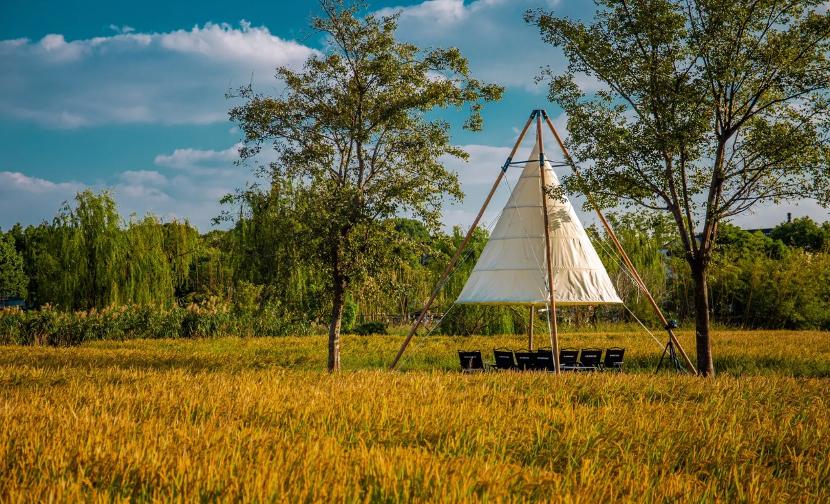
走近生产线,一起解锁农业“新吃法”“新玩法”
Yang Shi Wang· 2025-10-26 19:13
Group 1: Consumer Demand and Agricultural Innovation - The demand for "fresh and healthy" food is rising, leading to higher quality expectations for vegetables and agricultural products [2][3] - In Anhui, farmers are utilizing smart devices to monitor conditions in greenhouses, enhancing the freshness and quality of vegetables [2] - The number of certified green, organic, and geographical indication products in Anhui has reached 132, reflecting a significant increase in supply [2] Group 2: Whole Grain Food Development - Quinoa is emerging as a key player in the whole grain market, with significant production in Qinghai, where ideal growing conditions exist [3] - The average yield of quinoa in Shanxi is expected to exceed 300 jin per mu, contributing to a projected annual output value of over 530 million yuan for the quinoa industry [3] - The development of other whole grains like oats and barley is also progressing, promoting better nutritional health for consumers [3] Group 3: Agricultural Processing Upgrades - The agricultural processing sector is evolving, showcasing innovative products such as freeze-dried porridge and various soybean products [4] - Heilongjiang's soybean industry benefits from its geographical advantages, with a concentration of 20 processing enterprises [4] - The diversification of food supply systems is being accelerated through continuous innovation in processing technologies [4] Group 4: Rural Tourism and Agricultural Experience - Rural areas are transforming into experiential "playgrounds," integrating agricultural activities with tourism [5][6] - In Zhejiang, the local tourism has attracted over 80,000 visitors, generating significant economic benefits through agricultural experiences [5] - The Ministry of Agriculture and Rural Affairs has established 240 key leisure agriculture counties, with leisure agriculture revenue nearing 900 billion yuan last year [6]
2025第三届乡村休闲产业博览会在宁启幕 双展同办赋能乡村振兴
Yang Zi Wan Bao Wang· 2025-10-24 13:40
Core Insights - The 2025 Third Rural Leisure Industry Expo, held in Nanjing, aims to support rural revitalization through a multi-faceted platform that integrates various sectors and promotes high-quality development in the rural leisure economy [1][5] Group 1: Event Overview - The expo runs from October 24 to 26, featuring over 300 quality enterprises from more than 20 provinces, covering a total exhibition area of 30,000 square meters [2] - The event showcases a complete industry chain from smart agriculture to rural tourism, addressing the challenges faced by rural industries [2] Group 2: Exhibition Features - Eight specialized exhibition areas are designed to connect demand and supply across various sectors, including smart agriculture, rural e-commerce, and outdoor equipment [2] - The design aims to create a complete ecological chain that facilitates one-stop supply and demand interactions, promoting collaborative advantages among regional industries [2] Group 3: Forums and Discussions - Multiple professional forums are held during the expo, focusing on key areas of rural revitalization, including high-quality county and town economic development and the integration of AI in rural education [3] - The event provides opportunities for policy interpretation, case sharing, and resource matching, fostering collaboration among government, industry, academia, and research [3] Group 4: Interactive Activities - The expo features immersive activities, such as a rural gourmet festival and hands-on workshops, to enhance urban-rural dialogue and showcase local culture [4][5] - Special projects like bamboo weaving and DIY landscape gardening allow attendees to engage with rural traditions and crafts, promoting cultural exchange [5] Group 5: Future Directions - The expo has evolved into a multi-dimensional development model, integrating rural leisure with health, education, and technology sectors, offering new opportunities for urban-rural integration [5] - The concurrent Rural Revitalization Expo highlights achievements from the 14th Five-Year Plan, providing valuable experiences to prevent poverty and enhance rural development [5]
“十四五”亮点丨年收入约18万亿元!乡村产业绘新貌
Xin Hua She· 2025-10-20 08:46
Core Insights - The 22nd China International Agricultural Products Fair showcased the vibrant development of rural industries in China, highlighting local specialties such as Ningxia's salt pool sheep and Heilongjiang's organic selenium-rich rice [1] - By 2024, the number of large-scale agricultural processing enterprises in China is expected to exceed 100,000, with an estimated revenue of approximately 18 trillion yuan [1] Group 1: Agricultural Production and Processing - In 2024, China's grain production is projected to reach a new high of 1.4 trillion jin, an increase of 74 billion jin compared to 2020 [3] - The supply of cotton, oil, sugar, fruits, vegetables, meat, eggs, milk, and aquatic products is abundant and diverse, reflecting the enhancement of the agricultural processing industry [3] - There are currently 94,000 leading enterprises at the county level and above, with over 80% focused on agricultural processing [3] Group 2: Rural Development and New Industries - Local specialties are being integrated into new industries, with products ranging from traditional items like dumplings and ham to emerging products like spicy noodles and tea beverages gaining popularity [3] - The rise of rural tourism, e-commerce, and leisure agriculture has become a new consumption trend among urban and rural residents, with leisure agriculture revenue expected to approach 900 billion yuan in 2024, an increase of nearly 50 billion yuan since 2020 [3] Group 3: Poverty Alleviation and Income Growth - The rural industry has injected internal momentum into the sustainable development of poverty-stricken areas, with 832 poverty alleviation counties cultivating 2 to 3 leading industries, generating a total output value exceeding 1.7 trillion yuan [4] - By 2024, the per capita disposable income of rural residents is projected to reach 23,119 yuan, indicating a gradual narrowing of the income gap between urban and rural residents [4] Group 4: Agricultural Modernization and Reforms - The fair highlighted advanced agricultural equipment, such as multifunctional robots for orchards, showcasing the new productive forces in agriculture [4] - Ongoing rural reforms, including the extension of the second round of land contracts for another 30 years and the steady advancement of rural collective property rights reform, are expected to provide strong support for rural industry development [4]