肉类加工

Search documents
“王中王”的焦虑:光把肉做好,已经不够了
3 6 Ke· 2026-01-19 12:41
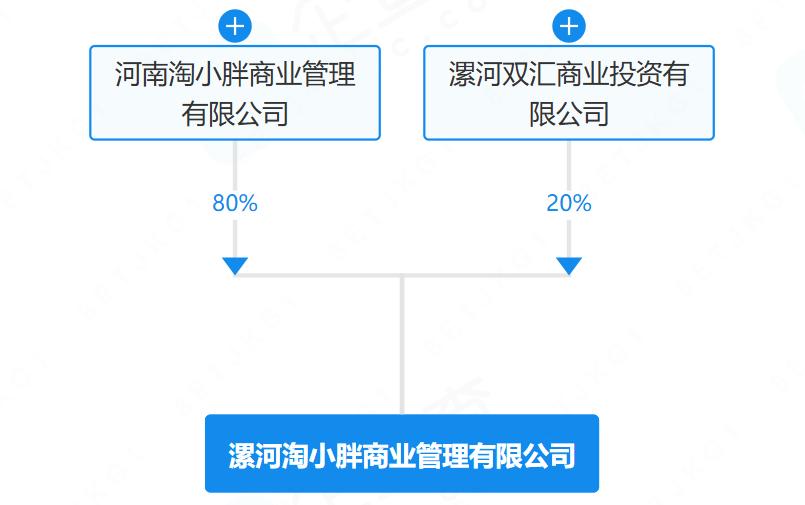
Core Viewpoint - The partnership between Shuanghui Development and Taoxiaopang represents a strategic shift for Shuanghui, moving from a traditional supply model to a more integrated approach that allows for earlier participation in defining consumer demand [3][11][22]. Group 1: Partnership Details - Shuanghui's wholly-owned subsidiary, Luohe Shuanghui Commercial Investment Co., Ltd., has formed a joint venture with Henan Taoxiaopang Commercial Management Co., Ltd. to establish Luohe Taoxiaopang Commercial Management Co., Ltd. [1] - The collaboration aims to deepen cooperation in commercial retail and product customization [1]. Group 2: Industry Context - Shuanghui has historically operated in the upper-middle reaches of the meat processing industry, focusing on large-scale production and stable supply, but has become less involved in direct sales decisions [3][4]. - The traditional retail channels are experiencing a decline, while new channels are seeing significant growth, indicating a shift in consumer demand patterns [4][5]. Group 3: Market Dynamics - In the first three quarters, Shuanghui's meat products in new channels reached 191,000 tons, a year-on-year increase of 25.8%, highlighting the importance of adapting to new retail environments [5]. - The management has acknowledged the need to respond more effectively to changes in retail channels, as traditional sales are not compensating for declines in established markets [4][7]. Group 4: Strategic Implications - The partnership with Taoxiaopang allows Shuanghui to engage more closely with consumer preferences and market signals, moving away from a purely supply-driven model [10][20]. - This collaboration is seen as a way to address the challenges posed by fragmented consumer demand and the need for faster market feedback [10][22]. Group 5: Future Outlook - The evolving landscape of the food supply chain suggests that roles within the industry are becoming less distinct, with upstream and downstream players needing to collaborate more closely [22][24]. - The joint venture is not just about expanding channels but is a strategic move to shorten the distance between production and consumer demand [11][20].


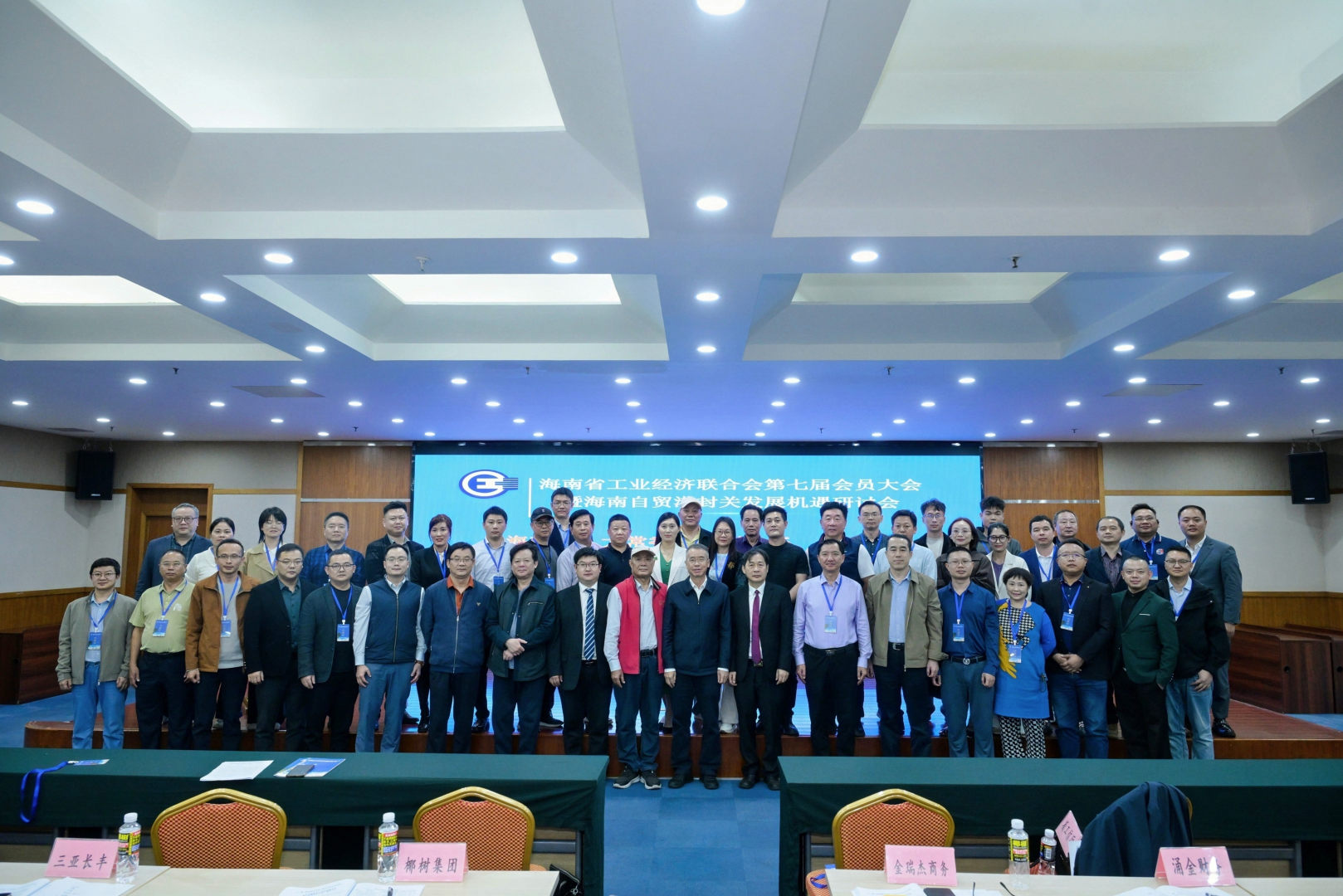
海南省工业经济联合会第七届会员大会暨海南自贸港封关发展机遇研讨会在海南海口召开
Xin Lang Cai Jing· 2026-01-17 09:29
Core Viewpoint - The Hainan Free Trade Port is entering a new phase of operation, presenting significant opportunities for industrial development and optimization in the region [2][5]. Group 1: Conference Overview - The 7th Member Conference of the Hainan Industrial Economic Association and the seminar on opportunities from the Hainan Free Trade Port's closure were held in Haikou, Hainan [1][3]. - Representatives from various industrial enterprises in Hainan focused on discussing the opportunities arising from the Free Trade Port's closure [1]. Group 2: Key Insights from Leaders - Lu Zhiyuan, President of the Hainan Charity Federation, highlighted the association's commitment to supporting industrial development through reforms, communication, and addressing enterprise needs [2]. - The Hainan Industrial Economic Association aims to provide professional advice on the development paths for advanced and high-tech manufacturing industries, leveraging Hainan's geographical and policy advantages [6]. Group 3: Industrial Growth and Policy Impact - During the 14th Five-Year Plan period, Hainan's industrial economy has shown steady growth, with a shift from a single focus on petrochemicals to a more diversified industrial structure [5]. - New industries such as electronic information manufacturing, wind power manufacturing, and biodegradable materials have emerged, alongside future-oriented sectors like biomanufacturing and commercial aerospace [5]. Group 4: Strategic Initiatives - The association plans to assist industrial enterprises in effectively utilizing Free Trade Port policies, offering comprehensive support from customs certification to tax planning and compliance [6]. - There is a focus on enhancing international operations, supply chain optimization, digital transformation, and aligning with international standards through collaboration with top domestic and international institutions [6].
“冻鲜互变”仍保鲜 看综保区内进口牛肉如何大“变身”
He Nan Ri Bao· 2026-01-14 23:25
Core Insights - The Zhengzhou Nanyang Fresh Super Factory is a significant project that transforms imported frozen beef into fresh products and then back into frozen, utilizing advanced technology to set a new quality benchmark for beef [1][2] Group 1: Technological Advancements - The factory employs a smart system to adjust temperature and humidity for the defrosting process, achieving over 90% restoration of quality during the transition from frozen to fresh [1] - The processing line can accurately divide beef from four parts into 32 parts, including various cuts like eye round, sirloin, and rib, and can create over a hundred different product variations to meet market demands [1][2] Group 2: Product Packaging and Preservation - The packaging process includes vacuum extraction, heat shrinkage at 83°C, and rapid freezing at -35°C, allowing the beef products to have a shelf life of over six months in low-temperature environments [2] Group 3: Economic Impact and Investment - The total investment in the Nanyang Fresh Super Factory is approximately 520 million yuan, covering an area of about 63,000 square meters, and it integrates trade, modern services, and cold chain logistics [2] - The establishment of the factory enhances the competitiveness of the Zhengzhou Comprehensive Bonded Zone, which achieved an import and export total value of 420.78 billion yuan in the first 11 months of 2025, marking a 16.9% year-on-year increase and ranking second among national comprehensive bonded zones [2]
“封神史”
Xin Lang Cai Jing· 2026-01-13 18:48
Core Viewpoint - The article highlights the significance and unique qualities of "Dengying Beef," a traditional beef jerky from Dazhou, Sichuan, which has become a cultural symbol and a popular delicacy in the region due to its unique production process and flavor profile [8][12]. Group 1: Historical Background - Dengying Beef is recognized as a "classic benchmark" in the beef jerky category in Sichuan, with a history that traces back to the Qing Dynasty, where it was innovated by Liu Zhonggui [9]. - The name "Dengying" refers to the thinly sliced beef that is translucent enough to see light through, a quality that has been preserved for over a century [9]. Group 2: Production Process - The production of Dengying Beef involves meticulous steps, starting with the selection of high-quality yellow cattle, particularly the lean meat from the hind legs, which must be free of sinews and have a balanced fat content [10]. - The traditional slicing technique requires skilled artisans to cut the beef into approximately 2mm thick slices, ensuring that each piece is intact and visually appealing [10]. - The preparation includes multiple steps such as marinating, drying, slow roasting, steaming, and frying, each requiring precision to maintain the flavor and texture of the beef [10]. Group 3: Flavor Profile and Cultural Significance - Dengying Beef is characterized by its bright red color, aromatic spices, and a unique texture that is crispy yet tender, making it a versatile snack suitable for various occasions [11]. - The flavor profile reflects the local culture of Dazhou, where spicy foods are favored due to the region's humid climate, and the beef jerky serves as a culinary symbol of the area [11]. - The product has evolved over time, with modern variations available while still retaining the core attributes of being "translucent and fragrant" [11]. Group 4: Recognition and Heritage - Dengying Beef has received numerous accolades, including being listed as a national geographical indication product in 2015 and included in the first batch of Sichuan's intangible cultural heritage in 2007 [12]. - The establishment of the state-owned Dazhou Dengying Beef Factory in 1958 marked a significant milestone in its commercial success, with its products being served at national banquets [12].
“四化”战略引领,双汇打造肉类行业高质量发展新样本
Zhong Guo Xin Wen Wang· 2026-01-13 10:23
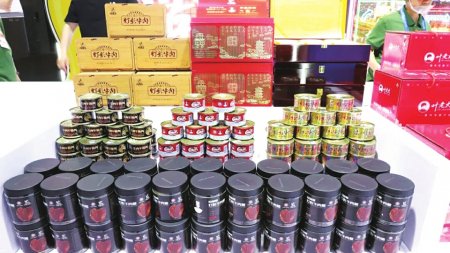
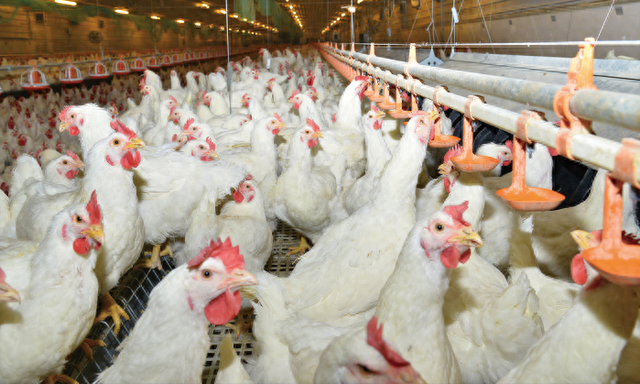
Core Viewpoint - The article emphasizes the strategic transformation of the meat processing industry in China, particularly focusing on Shuanghui's initiatives to enhance its supply chain and digital capabilities in response to the evolving manufacturing landscape and consumer demands [1][5]. Group 1: Industry Transformation and Strategic Positioning - The "14th Five-Year Plan" encourages the upgrade of manufacturing through technological transformation, promoting smart, green, and service-oriented manufacturing [1]. - Shuanghui is responding to the industry's transformation by implementing a strategy focused on "industrialization, diversification, internationalization, and digitalization" [1]. - The company aims to stabilize its raw material supply by extending its operations upstream into poultry production, addressing the challenges of market volatility and fragmented supply [2][4]. Group 2: Investment in Poultry Industry - During the "14th Five-Year Plan" period, Shuanghui invested 5.898 billion yuan to establish three modern poultry bases, creating a comprehensive supply chain from feed production to product sales [2]. - Shuanghui's annual output capacity for broiler chickens has reached 300 million, positioning it among the top three in the country for self-breeding and self-raising [2]. Group 3: Digital Transformation - Shuanghui is integrating digital technologies such as IoT, big data, and AI into its poultry farming operations, transforming traditional farms into "digital factories" [4][8]. - The company has invested significantly in upgrading its slaughtering and processing facilities to enhance efficiency and ensure product safety through digital management systems [9][10]. - A digital transformation committee was established to oversee the integration of digital technologies across all operations, marking a systematic approach to digitalization [9][10]. Group 4: Expansion into the Food Service Sector - Shuanghui is focusing on the growing demand for high-quality, convenient dining options by enhancing its food service business, which has become a key growth driver [5][6]. - The establishment of a dedicated food service division aims to create a leading supply chain platform for food service, responding to the trend of industrialized dining [5][6]. - The company has developed a range of products, including ready-to-eat meals, to cater to the evolving preferences of consumers [5][6]. Group 5: Multi-Channel Strategy - Shuanghui is adopting a multi-channel strategy to connect with diverse consumer segments, including partnerships with major retailers and leveraging e-commerce platforms for rapid delivery [12][13]. - The company is utilizing data-driven insights to optimize its product offerings and marketing strategies, enhancing its ability to meet consumer demands effectively [12][13]. - Innovative marketing approaches, such as live cooking demonstrations on social media, are being employed to engage younger consumers and reshape brand perception [12][13].
“十五五”开好局 起好步丨企业投资热、发展机遇多 海南自贸港产业消费齐升温
Yang Shi Xin Wen Ke Hu Duan· 2026-01-09 09:39
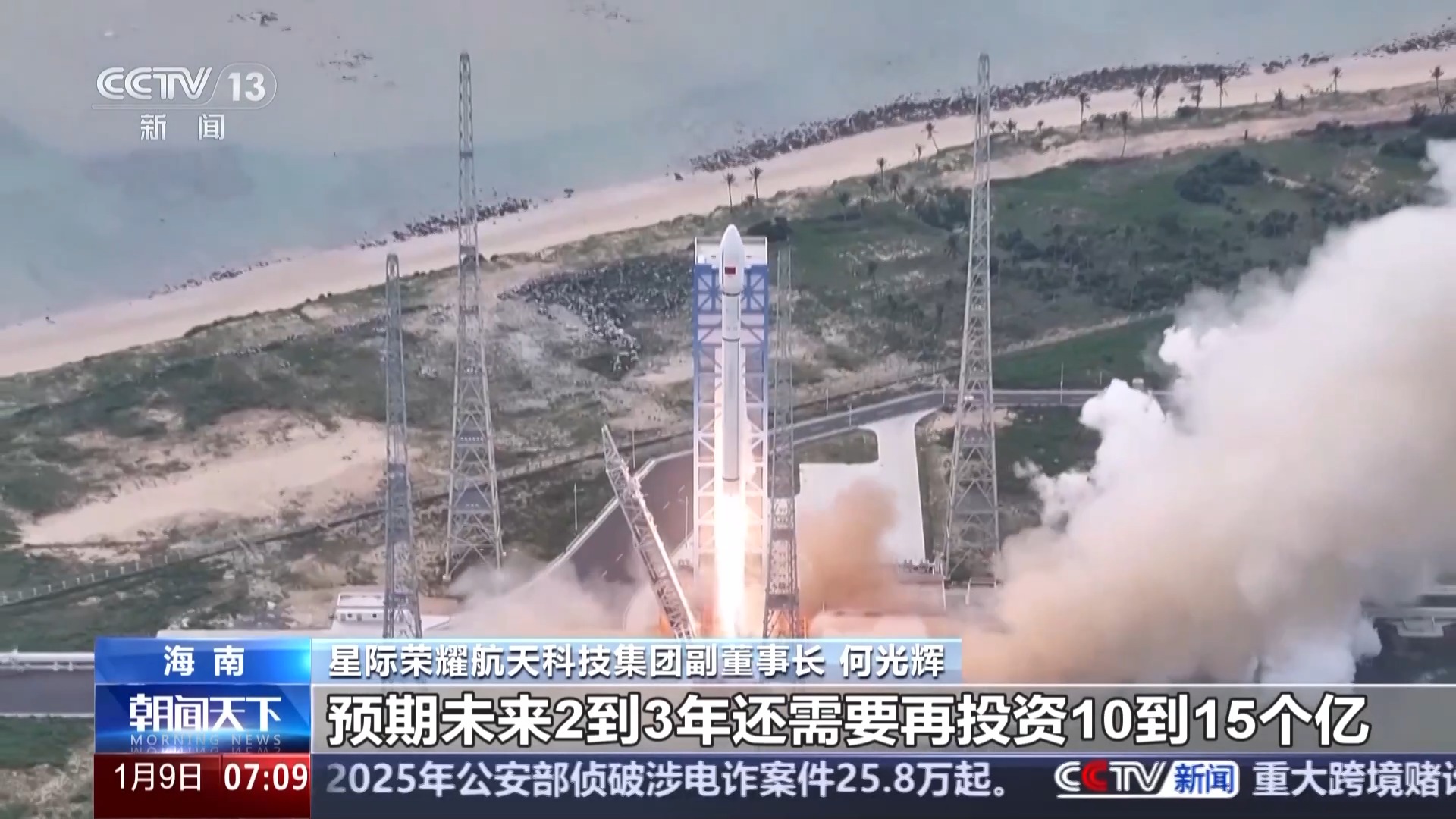
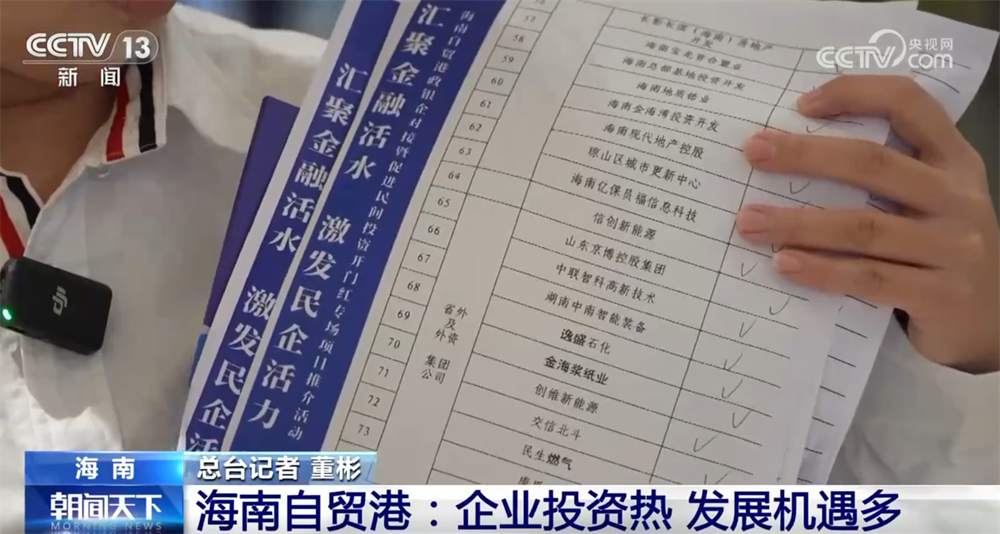
Group 1 - Hainan Free Trade Port (FTP) has launched nearly 100 key projects across all 18 cities and counties, attracting both local and out-of-province enterprises, focusing on sectors like low-altitude economy and urban renewal [1][3] - The investment enthusiasm in Hainan is high, with expectations of an additional investment of 1 to 1.5 billion in the next 2 to 3 years for commercial space launches [3] - The total investment for cooperative projects is expected to exceed 45 billion, driven by the early scheduling of business matchmaking events [3] Group 2 - The new policies allow for the accumulation of value-added portions of products, exempting import duties if the value-added reaches 30%, enabling waste materials to be repurposed [5] - Over 20 companies have settled in Yangpu, leveraging the duty-free policy for domestic processing [7] - The number of inbound tourists in Sanya and Haikou surged by 28% and 15% respectively during the New Year week, with significant contributions from travelers from South Korea, Thailand, Malaysia, Singapore, and Australia [9] Group 3 - The number of visitors to scenic spots increased by over 27% during the New Year, leading to a 36% rise in overall revenue from related services [10] - Hainan's offshore duty-free shopping reached 1.21 billion, an 88% increase year-on-year, with 149,000 shoppers, a 38.3% increase [12] - Since the closure, Hainan has seen the registration of 4,396 new foreign trade enterprises, with over 30,000 registered in 2025, marking a growth of over 40% [14] Group 4 - Companies are actively signing new orders and expanding production capacity, driven by favorable policies [16] - A biotechnology company has introduced advanced medical technology equipment worth over 5 million, saving nearly 1 million, and plans to invest over 20 million in cooperative projects this year [18] - Coffee growers in Hainan are aligning their brand marketing strategies with the FTP's development, indicating a commitment to growth alongside the port's progress [20]
海南自贸港“热火朝天”在“十五五”开好局起好步 政策红利助力“产业+消费”升温
Yang Shi Wang· 2026-01-09 02:21
Group 1 - Hainan Free Trade Port has opened its first year post-closure with nearly 100 key projects across all 18 cities and counties, attracting both local and out-of-province enterprises [1] - The expected investment in the commercial aerospace sector in Wenchang, Hainan, is projected to be between 1 billion to 1.5 billion yuan over the next 2-3 years [6] - The total investment for cooperative projects identified by the Hainan Development and Reform Commission is expected to exceed 45 billion yuan [8] Group 2 - The meat processing industry in Hainan is experiencing increased orders, with companies benefiting from new policies that allow for tax exemptions on goods that have increased in value by 30% [9][11] - Hainan has attracted over 20 enterprises that utilize the tax exemption policy for production and processing since the port's closure [13] - The number of foreign trade registered enterprises in Hainan has increased by 4,396 since the port's closure, with a total of over 30,000 new registrations in 2025, marking a year-on-year growth of over 40% [15] Group 3 - Hainan's duty-free shopping has seen significant growth, with sales reaching 1.21 billion yuan in the first seven days of the new year, an increase of 88% year-on-year [16] - The number of inbound tourists to Hainan has surged, with Sanya and Haikou seeing increases of 28% and 15% respectively in the first week of the new year [14]
高龄创始人的苦恼:双星“宫斗”事件背后的代际困境
Tai Mei Ti A P P· 2026-01-08 04:26
Group 1 - The core issue revolves around the public letter from Wang Hai, chairman of Qingdao Double Star Celebrity Group, announcing the severance of ties with his son Wang Jun and daughter-in-law Xu Ying, indicating doubts about Wang Jun's succession capabilities [1][3] - The Double Star Celebrity Group, originally a state-owned enterprise, has transformed into a leading brand in the sports shoe industry, but has faced increasing competition in recent years, leading to a decline in its market presence [3][4] - Wang Hai's public letter reflects broader challenges in the succession of private enterprises in China, highlighting the emotional and operational struggles faced by aging founders [3][4] Group 2 - Similar succession conflicts have occurred in other major consumer companies, such as Shuanghui Group, where founder Wan Long had a public dispute with his son over differing business philosophies [4][5] - The founders of these companies, including Wang Hai, Wan Long, Zhu Xinli, and Zong Qinghou, share common traits of having built their businesses during China's economic reforms, yet they now face difficulties in transitioning leadership to the next generation [5][6] - The aging founders are often reluctant to step back, leading to internal conflicts as they grapple with the future of their brands amidst changing market dynamics [10][11] Group 3 - The companies led by these founders have historically excelled in product quality, market channels, and scale, establishing strong brand identities in their respective sectors [10][11] - As the market evolves from scarcity to abundance, these once-dominant brands are encountering significant challenges, with some heirs willing to take over but facing resistance from their founders [11][12] - The ongoing legal disputes within Double Star indicate a deepening struggle for control, reflecting the complexities of succession planning in family-owned businesses [12]

滁州探索加强肉类食品安全全链条监管
Xin Lang Cai Jing· 2026-01-05 16:39
Regulatory Framework - Anhui Province's Chuzhou City has implemented measures to enhance food safety levels for meat products, focusing on strengthening institutional mechanisms, regulatory methods, and law enforcement actions [1] - The city has issued the "Implementation Opinions on Full Chain Regulation of Meat Product Food Safety" and "Implementation Opinions on Full Chain Regulation of Meat Products Production and Operation," promoting a paperless system for issuing meat quality inspection certificates [1] Regulatory Methods - An innovative regulatory approach for pork quality safety has been established, covering five key stages: breeding, slaughtering, distribution, sales, and consumption, involving 8 slaughterhouses and 389 vendors in the city [2] - The "Muyu Tong" two-dimensional traceability code has been applied to over 570,000 pigs, providing them with "electronic identities" for full traceability [2] - A regulatory network combining "public reporting + market inspection + detection early warning" has been created, achieving a closed-loop management system from clue discovery to precise judgment [2] Law Enforcement Actions - Strict actions have been taken against the production and sale of counterfeit and inferior meat products, exploring joint law enforcement between market regulation and public security [2] - In 2025, a total of 67 cases related to meat food safety were investigated, with over 1,200 kilograms of raw materials and finished products seized, and 187 pieces of evidence collected [2] - Successful operations against counterfeit beef production and sales have been recognized as typical cases in the State Council's special action against the production and sale of counterfeit and inferior meat products [2]
中国一招“限牛令”,美国急得跳脚!全球贸易格局要变天?
Sou Hu Cai Jing· 2026-01-05 16:02
Core Viewpoint - China's recent decision to impose import quotas and high tariffs on beef from countries like the US, Brazil, and Australia is a strategic move to protect its domestic beef industry and reshape global trade dynamics [1][2][5] Group 1: Impact on Domestic Industry - The demand for beef in China has surged, with imports expected to increase by over 70% in 2024 compared to 2019, capturing nearly 30% of the market share [2] - Domestic beef prices have plummeted to a six-year low due to the influx of low-priced imports, causing significant losses for local farmers and related industries [2] - The new measures are designed to provide a buffer for the domestic industry, allowing it to recover and stabilize prices, which aligns with WTO rules [2][4] Group 2: Reactions from the US Beef Industry - US beef exporters are particularly anxious as China represents a crucial market, with exports projected to reach $1.6 billion in 2024, and major companies like JBS generating significant revenue from this market [2][3] - The imposition of a 55% tariff on excess quota imports could force US companies to either reduce their export volumes or absorb the costs, leading to diminished profit margins [2][3] - Many US beef processing plants face additional challenges due to outdated registration for exports to China, compounding their difficulties in adapting to the new quota system [3] Group 3: Global Trade Dynamics - China's beef import sources have diversified, with Brazil now being the largest supplier, followed by Argentina and Uruguay, reducing reliance on US beef [3] - The pricing competitiveness of US beef in China is expected to decline due to rising domestic cattle prices and increased processing costs, making it harder to maintain market share [3][6] - The implementation of quotas and tariffs reflects China's growing influence in global trade, allowing it to set rules that protect its interests while maintaining fair trade practices [5][6] Group 4: Future Outlook - The new measures are anticipated to lead to a recovery in domestic beef prices and encourage local farmers to improve production efficiency over the next three years [6] - US companies need to adapt to the evolving market conditions in China, focusing on quality and compliance rather than relying on previous advantages [5][6] - China's commitment to maintaining a fair trade environment suggests that companies wishing to succeed in this market must engage in equitable practices rather than exploitative tactics [6]