茶叶种植与加工

Search documents
被“叮”上的紫金蝉茶,新质生产力的含金量还在上升
Nan Fang Nong Cun Bao· 2025-08-01 01:35
Core Viewpoint - The article discusses the rising quality and production capacity of Zijin tea, particularly the unique "cicada tea" produced in Zijin County, Guangdong, driven by improved agricultural practices and innovative tea processing techniques [1][7][8]. Group 1: Production and Quality Improvement - The unique geographical environment of Zijin County supports the cultivation of cicada tea, which is enhanced by the presence of the small green leaf cicada that induces the production of various volatile compounds in tea leaves [20][22]. - With the support of the Guangdong Academy of Agricultural Sciences, Zijin County is advancing new productive forces, promoting ecological planting concepts, and implementing smart tea garden construction [7][8][9]. - The introduction of automated tea processing facilities has led to higher quality and efficiency, addressing issues of standardization and technical inadequacies in cicada tea production [9][10]. Group 2: Economic Impact and Market Growth - The price of cicada tea can reach several thousand yuan per kilogram, significantly increasing the income of local farmers [25][49]. - The area of tea cultivation in Zijin County has reached 85,000 acres, with 26 provincial-level ecological tea gardens and numerous certified organic tea enterprises, indicating a high rate of pollution-free and organic production [49][50]. - The integration of tea tourism has bolstered local economic development, with tourism revenue reaching approximately 680 million yuan, a 25% increase year-on-year [54]. Group 3: Technological Advancements in Tea Processing - Innovations in tea processing techniques, such as the introduction of new steps in the production process, have improved the quality and consistency of Zijin cicada tea [68][84]. - The establishment of standards for tea processing and grading has enhanced product quality and production efficiency [88][89]. - The development of automated production lines has significantly reduced labor requirements and increased production efficiency, allowing for the processing of over 800 pounds of tea daily with fewer workers [102][103]. Group 4: Research and Development Initiatives - Research efforts are focused on the artificial breeding of the small green leaf cicada to mitigate the reliance on natural conditions for tea production [126][134]. - The implementation of smart agricultural technologies, including environmental monitoring and precise fertilization, is enhancing the scientific management of tea production [113][123]. - New detection methods for assessing cicada damage on tea leaves are being developed to support yield estimation and automated harvesting [136][137].


邮储银行广东省分行:金融活水润山海 精准滴灌特色产业
Zhong Guo Jin Rong Xin Xi Wang· 2025-07-29 06:51
Core Insights - The article highlights the role of Postal Savings Bank of China in supporting local industries in Guangdong province, particularly in tea, abalone, and ganoderma cultivation, through tailored financial services [1][2][4][5][8]. Group 1: Tea Industry Support - Postal Savings Bank's Yingde branch provided a timely loan of 3 million yuan to Yingde Tea Industry Co., ensuring smooth spring tea production [2]. - The bank has developed specialized financial products like "Tea Wholesale and Retail Industry Loan" to address the seasonal financing needs of tea farmers and enterprises [4]. - As of June 2025, the bank has issued loans totaling 197 million yuan to the Yingde tea industry, benefiting over 100 tea farmers [4]. Group 2: Abalone Industry Development - The bank's Huizhou branch facilitated a loan of 4 million yuan within four days to support abalone farming operations facing cash flow challenges [5][7]. - Financial products such as "Quick Loan" and "Aquaculture Industry Loan" have been introduced to address the high upfront costs and risks associated with abalone farming [7]. - By June 2025, the bank has provided over 150 million yuan in loans to the abalone industry, serving more than 2,000 enterprises and farmers [7]. Group 3: Ganoderma Cultivation Initiatives - The bank's Pingyuan branch implemented a "Credit Village" model, allowing farmers to access loans up to 600,000 yuan based on credit assessments [8][9]. - The bank has issued 68 loans totaling over 20 million yuan to support the ganoderma industry as of June 2025 [8]. - The successful implementation of the "Credit Village" model has led to the establishment of a collaborative economic system involving ganoderma, dendrobium, and other crops, enhancing local economic development [9]. Group 4: Overall Financial Impact - The bank has launched over 140 specialized credit schemes across various industries in Guangdong, with total loans exceeding 30 billion yuan, benefiting nearly 30,000 local enterprises [9]. - The focus on tailored financial solutions aims to accelerate rural revitalization and support the "Hundred Million Project" in the region [1][9].

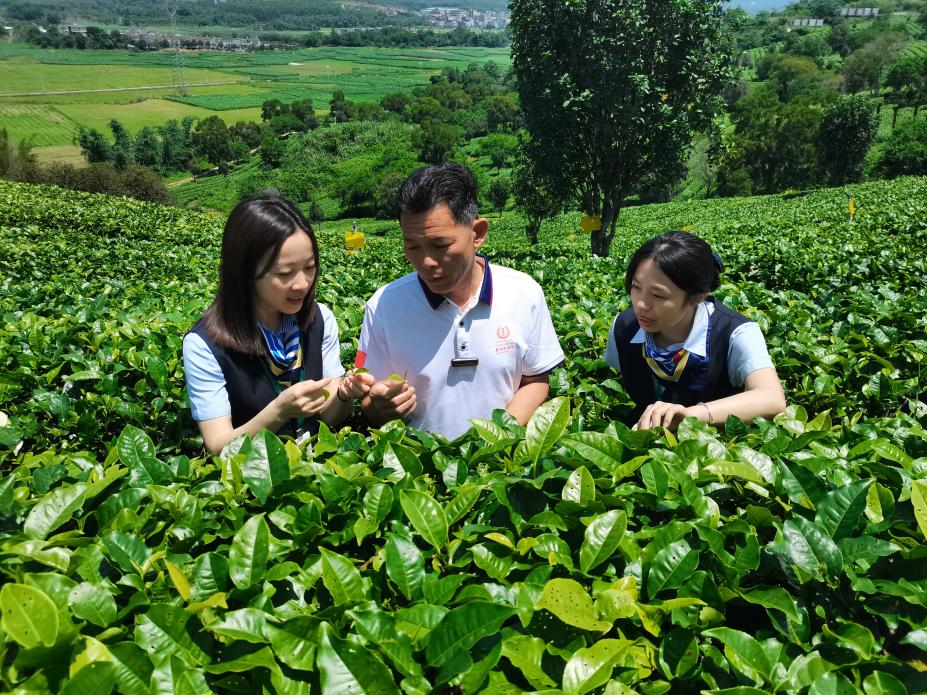
非遗茶香润武隆 匠心传承助振兴 ——重大学子调研武隆高山茶非遗技艺传承新路径
Zhong Guo Shi Pin Wang· 2025-07-24 11:27
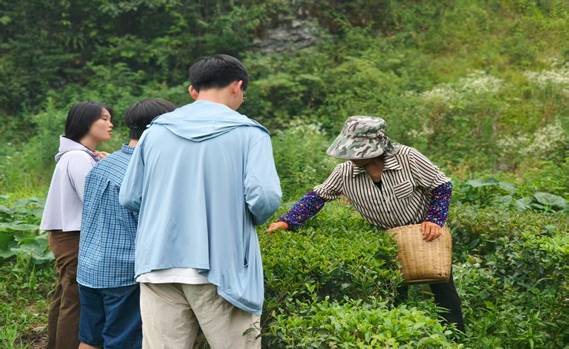
Core Insights - The article highlights the integration of traditional craftsmanship with modern industry in the context of rural revitalization through the production of Tongzi Shuangfeng high mountain tea in Chongqing [1][6]. Group 1: Company Overview - Chongqing Mushi Agricultural Development Co., Ltd. is recognized for its high-quality tea produced in a unique environment characterized by significant temperature differences and mineral-rich soil, which enhances the tea's amino acid content and distinctive "orchid fragrance" [1]. - The company adheres to organic farming standards and has maintained national organic certification for five consecutive years, ensuring high-quality tea leaves through strict "no ground picking" practices [1]. Group 2: Employment and Economic Impact - The "company + cooperative + farmer" model employed by the company not only guarantees tea quality but also boosts local employment, with farmers earning nearly 200 yuan per day during the tea-picking season [2]. Group 3: Challenges and Future Plans - Despite winning prestigious awards like the "China Tea Cup" Special Gold Award, the company has yet to achieve profitability due to the high costs associated with organic farming and manual processing [6]. - The company plans to develop a "1+1+N" tea tourism integration model, leveraging local resources to combine tea cultivation with outdoor activities, wellness retreats, and educational experiences, aiming to enhance its market presence and economic viability [6].
36个精品新时代电气化村“电”亮县域产业
Zhong Guo Xin Wen Wang· 2025-07-10 07:18
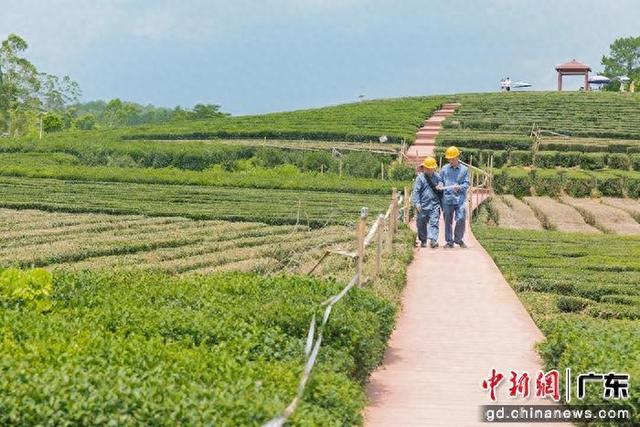
Core Viewpoint - The integration of power infrastructure development with ecological protection is essential for promoting high-quality rural tourism and economic growth in the Guangdong region [1][3][7]. Group 1: Power Infrastructure and Ecological Protection - The Southern Power Grid's Guangdong Huizhou Supply Bureau has implemented optimization projects to conceal power lines in Guoqian Village, enhancing the village's aesthetic appeal and aligning with ecological preservation efforts [1][3]. - The Guangdong Power Grid is actively promoting the construction of typical demonstration villages in key areas, such as the "Two Mountains" leading area, to support integrated development of industries, counties, and rural communities [1][7]. - The power supply department has optimized power line construction plans around the tea gardens to preserve scenic views, thereby enhancing the tourism experience [3][6]. Group 2: Support for Traditional Industries - The local power supply department has upgraded power facilities in response to the increasing electricity demand from the tea industry, including the construction of 28 kilometers of new 10 kV feeder and ring network lines, and the addition of 76 transformers with a capacity increase of 25,670 kVA over the past three years [6][7]. - The introduction of electric equipment in tea production has significantly increased efficiency, allowing workers to produce 13 to 15 pounds of tea per day compared to just 3 to 4 pounds previously [7][8]. Group 3: Green Tourism Development - The "All-Electric Homestay" in Xutian Village, supported by the Southern Power Grid, features a fully electrified system that reduces carbon emissions by approximately 34 tons annually, showcasing the potential for eco-friendly tourism [8][10]. - The Guangdong Power Grid has established 72 charging stations and 369 charging piles across the county, ensuring comprehensive coverage for electric vehicle charging in rural areas [10]. - The company plans to invest approximately 1.3 billion yuan in 2024 to build 362 new electrified villages, further promoting rural modernization and sustainable tourism [10].

我在县城卖茶叶,离不开人情世故
36氪· 2025-06-06 15:36
Core Viewpoint - The tea business in county towns thrives on trust and integrity, with local culture and community relationships playing a crucial role in its success [3][5][9]. Group 1: Business Development - The tea factory established by the owner, referred to as "Old Yan," has expanded from a few acres to over 1,500 acres, indicating significant growth in production capacity [4][12]. - The tea sales strategy focuses on both retail and wholesale, with a majority of sales occurring within the local market, covering around 80% of the business [17][23]. - The pricing of tea varies significantly, with spring tea prices ranging from 200 to 5,000 yuan per pound, reflecting the seasonal nature and quality differentiation of the product [11][12]. Group 2: Local Market Dynamics - The local population of over 1 million people, with affordable housing prices averaging below 4,000 yuan per square meter, creates a favorable environment for small businesses like tea shops [9][12]. - The close-knit community allows for easier market penetration, as residents are familiar with local businesses and their offerings [9][12]. - The tea culture in the region is deeply rooted, with nearly every household possessing tea, which enhances the demand for local tea products [6][13]. Group 3: Challenges and Opportunities - The tea industry faces challenges such as a declining number of tea farmers due to better economic opportunities in other sectors, which could impact future production [19][20]. - There is a need for government support and policies to encourage more individuals to engage in tea farming, which could help address employment issues in the region [20][23]. - The owner emphasizes the importance of maintaining high-quality standards and focusing on the local market before considering expansion to other provinces [23].
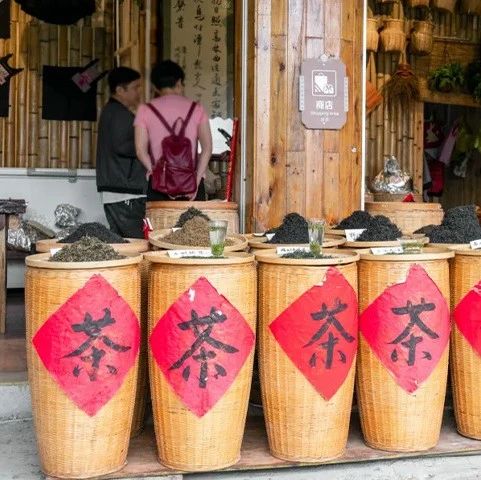
(走进中国乡村)广西象州古琶茶:老技艺吸引年轻人 促农文旅融合助致富
Zhong Guo Xin Wen Wang· 2025-06-06 00:40
Core Viewpoint - The ancient tea-making technique of Gupai tea in Xiangzhou, Guangxi, is attracting young people and promoting rural cultural tourism integration, contributing to local economic development [1][2][3] Group 1: Traditional Techniques and Innovations - The Gupai tea-making technique has been recognized as an intangible cultural heritage of Guangxi since 2020, highlighting its historical significance [1] - Innovating traditional methods, such as the introduction of "Zheli Tea Qi," a drink made from red tea and sugarcane juice, has gained popularity among young consumers [2] - The aging of traditional tea-making practitioners is a concern, prompting efforts to train younger generations in these skills [2] Group 2: Economic Impact and Community Development - The tea industry in the region has become a vital source of income, with local farmers cultivating over 1,000 acres of tea, accounting for more than half of the total tea-growing area in the township [3] - The establishment of tea enterprises and workshops has led to increased income for local farmers, with individuals like Pan Meixia reporting annual earnings exceeding 10,000 yuan after learning traditional techniques [2][3] - The integration of agricultural, cultural, and tourism resources has resulted in significant economic benefits, attracting over 50,000 tourists annually and generating more than 3 million yuan in income for the community [3]
我在县城卖茶叶,离不开人情世故
Hu Xiu· 2025-06-04 00:21
Core Viewpoint - The article highlights the unique tea culture in Yiyang, Hunan, emphasizing the importance of trust and local relationships in the tea business, as well as the potential for industrial development in the tea sector [1][4][22]. Group 1: Business Development - The tea business in Yiyang is characterized by a focus on integrity and local connections, which are essential for survival in the market [4][7]. - The tea plantation has expanded from several acres to over 1,500 acres since its establishment in 2008, indicating significant growth in production capacity [2][17]. - The local tea market benefits from lower rental costs compared to larger cities, with annual rents for tea shops ranging from 5,000 to 10,000 yuan [7]. Group 2: Market Dynamics - The tea pricing varies significantly, with spring tea prices ranging from 200 yuan to 5,000 yuan per pound, depending on the harvest time and quality [10]. - Approximately 80% of the tea produced is sold within the local market, reflecting a strong demand for locally sourced products [17]. - The tea industry faces challenges such as a declining number of tea farmers due to better economic opportunities in other sectors, which could impact future production [20]. Group 3: Cultural Significance - Drinking tea is a deeply rooted cultural practice in Yiyang, with nearly every household possessing tea, which is often used to welcome guests [6][14]. - The region has a historical connection to tea production, with a legacy of producing high-quality tea that dates back over 2,000 years [15][18]. - The local community values the tea culture, which is seen as a medium for social interaction and hospitality [12][19]. Group 4: Future Prospects - For the tea industry to achieve true industrialization, there is a need for increased production capacity and supportive government policies to assist tea farmers [22]. - The potential for expanding the market beyond local sales exists, but quality control remains a priority before considering broader distribution [23]. - The integration of tea production with tourism could provide new avenues for growth, although further innovation is required in this area [21].
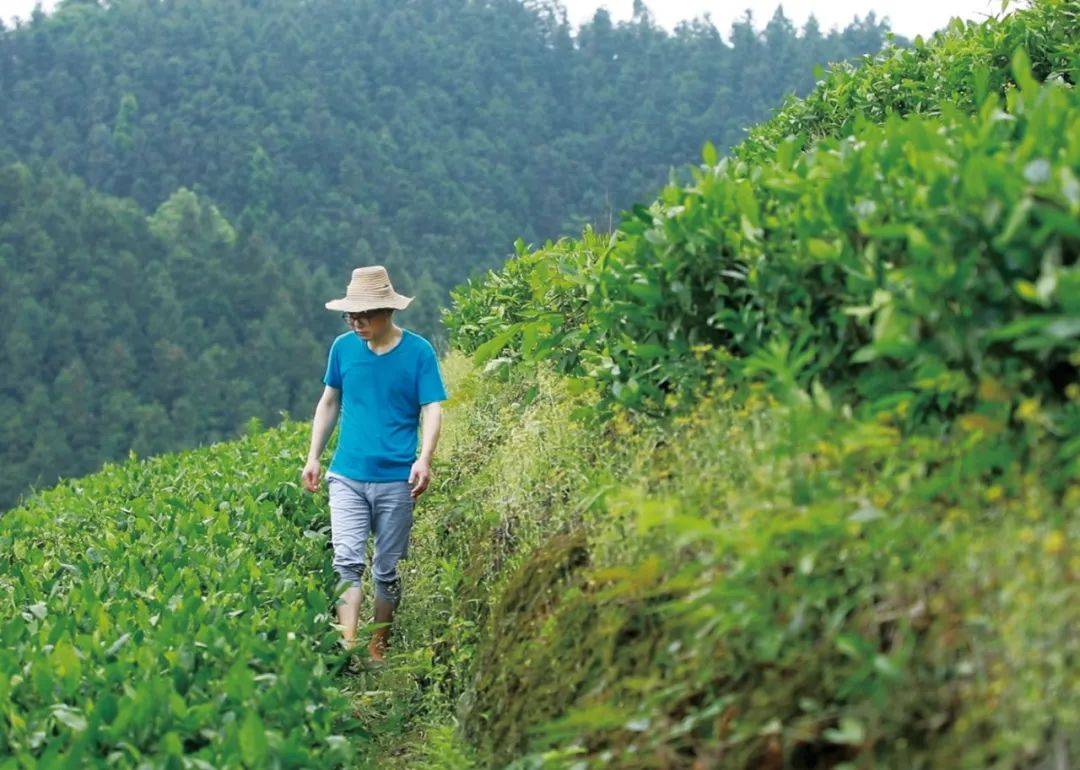
金融活水“滋养”庐山云雾茶
Zheng Quan Ri Bao· 2025-06-03 00:43
Group 1 - Postal Savings Bank of China (PSBC) has tailored financial products for over 70 rural specialty industries in Jiangxi Province, supporting local agricultural development [1] - The bank provided a flexible loan of 1 million yuan to a tea company, enhancing processing efficiency by 40% and increasing order volume by 30% year-on-year [1] - The bank's support has instilled confidence in local entrepreneurs, as evidenced by the positive impact on their operations and future outlook [1] Group 2 - A tea farmers' cooperative faced funding challenges for building a modern tea processing facility, which was resolved by PSBC providing a loan of 430,000 yuan based on the cooperative's overall credit [2] - The establishment of the modern processing plant improved product quality stability and production efficiency, leading to a 20% increase in fresh leaf purchase prices and an average annual income increase of over 15,000 yuan for tea farmers [2] - The cooperative's growth has been significantly accelerated by the financial support from PSBC, transforming small-scale tea farming into a larger industry [2]

崂山茶香
Jing Ji Ri Bao· 2025-05-16 22:55
Group 1 - The event showcased the unique characteristics of Laoshan white tea, emphasizing its "non-fried, non-rolled" processing technique which requires high water temperatures to enhance its flavor [1][2] - The event was organized by the Qingdao Preschool Normal College, integrating Laoshan cultural elements and historical context to educate attendees about the stories behind Laoshan tea [2] - There is a significant talent shortage in the Laoshan tea industry, particularly for skilled individuals who can both brew and manage tea operations, as well as high-level talents to promote Laoshan tea [2][3] Group 2 - The Qingdao Preschool Normal College is implementing a "master-apprentice" system to integrate tea knowledge into practical training, aiming to enhance students' skills in tea arts and cultural understanding [3] - The college offers tea-related courses across three departments, reaching over 500 students annually, and plans to introduce new courses in tea culture and tourism management [3] - Innovative tea drinks made from Laoshan white tea, such as "Cold Brew White Peony" and "Osmanthus White Tea Special," have gained popularity, indicating a trend towards modernizing traditional tea [3]
古茶绽新芳 助推产业旺
Zhong Guo Neng Yuan Wang· 2025-05-14 08:22
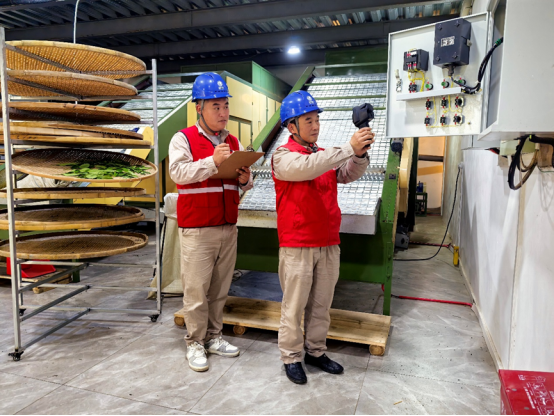
Core Viewpoint - The article highlights the importance of stable electricity supply for the production of Yianping Tribute Tea, emphasizing the efforts made by the State Grid Nanjing Yianping District Power Supply Company to ensure reliable power for tea production during the peak season [1][2]. Group 1: Electricity Supply and Safety Measures - The company conducted thorough inspections of the power supply for tea production, utilizing drones and infrared thermometers to identify potential hazards and ensure a "zero defect" operation of the power grid [2]. - A proactive approach was taken to optimize the power grid operation in response to the changing electricity load during tea production, ensuring real-time monitoring and adjustments [2]. - The company established a voltage quality monitoring mechanism and maintained 24-hour communication with tea farmers and processing plants to quickly address any electricity-related issues [2]. Group 2: Support for Tea Farmers - The company promoted all-electric tea processing equipment to enhance the efficiency and quality of tea production, providing one-stop services for equipment selection, installation, and debugging [2]. - Regular visits to tea farmers were conducted to check electrical equipment and provide safety education on electricity usage [2]. - The ongoing commitment of the company to provide reliable electricity and quality service aims to boost the development of the Yianping Tribute Tea industry, increase farmers' income, and support rural revitalization [2].