海运

Search documents
中远海发: 中远海发关于股票期权激励计划股票期权注销完成的公告
Zheng Quan Zhi Xing· 2025-06-10 11:25
(以下简称《股权激励计划》) ,经测算,公司股票期权激励计 证券简称:中远海发 证券代码:601866 公告编号:2025-034 中远海运发展股份有限公司 关于股票期权激励计划股票期权注销完成的公告 本公司董事会及全体董事保证本公告内容不存在任何虚假记载、误导性陈述 或者重大遗漏,并对其内容的真实性、准确性和完整性承担法律责任。 中远海运发展股份有限公司(以下简称"公司"、"中远海发") 于 2025 年 5 月 29 日召开第七届董事会第二十八次会议及第七届监事 会第十四次会议,分别审议通过了注销股权激励计划股票期权的相关 议案,根据《中远海运发展股份有限公司股票期权激励计划(草案修 订稿)》 划首次授予及预留授予第三个行权期行权条件未成就,对应的股票期 权不得行权;公司股票期权激励计划首次授予第二个行权期、预留授 予第一个行权期及第二个行权期激励对象未行权失效。经审议决定对 该等人员已获授但未达生效条件及尚未行权已失效的合计 29,449,382 份股票期权进行注销。具体内容详见公司于 2025 年 5 月 30 日刊登于 上海证券交易所网站(www.sse.com.cn)、《中国证券报》《上海证 券报 ...
欧美与亚洲之间往返集装箱运量不平衡加剧
日经中文网· 2025-06-10 08:08
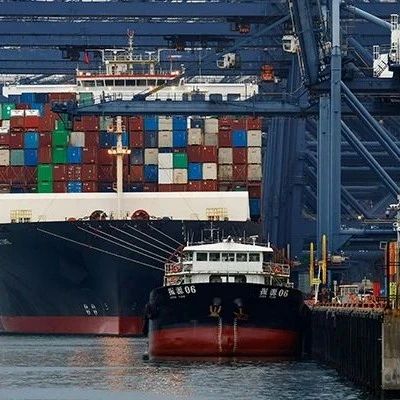
欧美运往亚洲的货物减少(资料图,reuters) 从美国运往亚洲的货物量以2013年的686万个为顶峰,是去程货物运输(1383万个)的50%。从2024年 的运输量来看,去程增加到2144万个,而返程仅为575万个,比例下降到27%…… 从日本海事中心汇总的年度运输量来看,从美国运往亚洲的货物量以2013年的686万个为顶 峰。2013年为去程货物运输(1383万个)的50%。从2024年的运输量来看,去程增加到 2144万个,而返程仅为575万个,比例下降到27%。 在中国全面禁止废纸进口的2021年以后,不平衡进一步扩大。日本神奈川大学的松田琢磨教 授表示,"一直面临着缺乏足够的返程货物来弥补废弃物运输减少的情况,很难想象短期内不 平衡会有所改善"。从美欧向亚洲运送集装箱的海运公司的成本负担增加。 亚洲方面也容易发生集装箱短缺。如果空集装箱因港口拥挤和航线变更等原因滞留在美欧, 亚洲方面的集装箱将变得供不应求,还将导致运费上涨。 内需低迷正在加速从欧美到中国的货物运输的减少。而美国特朗普政府的关税政策则可能进 一步拉低运输量。中国已对美国征收反制关税。运输量今后也可能持续低迷。 从事集装箱货物追踪服务的 ...

商用车辅助驾驶:安全降本,加速落地
Changjiang Securities· 2025-06-09 00:25
丨证券研究报告丨 行业研究丨行业周报丨运输 [Table_Title] 商用车辅助驾驶:安全降本,加速落地 报告要点 [Table_Summary] 当前智能驾驶重卡迎来里程碑式的突破,头部快递公司率先应用智能重卡。商用车智能辅助驾 驶解决传统干线运输中的安全和成本痛点:1)智能驾驶大幅提升安全性;2)自动驾驶显著提 升节油效果;3)降低司机身心疲劳度,节省人力成本。假设智能辅助驾驶系统单价为 15 万元, 参考中国中重卡销量,可替代车辆销量为 103 万辆,可替代市场空间达 1545 亿元。随着智能 辅助驾驶快速推广,率先应用的头部快递快运公司有望受益,优先推荐格局更优的顺丰控股, 头部快运公司安能物流、德邦股份竞争实力进一步提升,加盟快递也将受益于运输成本改善。 %% %% 分析师及联系人 [Table_Author] SAC:S0490512020001 SAC:S0490520020001 SAC:S0490519060002 SAC:S0490520080027 SAC:S0490524120001 SFC:BQK468 韩轶超 赵超 鲁斯嘉 张银晗 胡俊文 请阅读最后评级说明和重要声明 %% %% ...


从中国海运货物到美国费用要多少
Sou Hu Cai Jing· 2025-06-06 09:29
在国际贸易里,海运是中国与美国间货物运输的重要方式,其费用受多种因素左右。下面为你全面剖析。 • 附加费用:港口费用包括码头租金、装卸费等,每个集装箱200 - 500美元 ;燃油附加费随油价浮动,占 运费15% - 30% ;旺季附加费在旺季加收,每个集装箱300 - 800美元 ;特殊货物附加费,如危险品每个集 装箱500 - 1500美元 ;清关费用含报关费、文件费等 ;关税按货物种类、价值及美国政策征收。 发货前需与货代或船公司充分沟通,明确各项费用,综合考量货物情况、运输时间、预算等,选出最合适 的运输方案。 • 计费方式:按重量计费适用于高密度货物,运费=单位重量运费×货物总重量 ;按体积计费针对泡货,先 算体积,除以系数得体积吨,再乘以单位体积运费 ;按集装箱规格计费常用于整箱运输,20英尺标准集装 箱运费较低,40英尺标准集装箱和40英尺高柜运费更高 。 • 影响费用的关键因素:普通货物运输难度低,成本也低;重货对船舶要求高,运费增加 ;泡货按体积算 运费,单价较高 ;特殊货物运输成本高,像危险品运费是普通货物2 - 3倍 。不同起运港与目的港组合,运 费有差异,如上海港到洛杉矶港,20GP集 ...
异动盘点0604| AI, 健康, 物流齐爆发, 多股创新高;优趣汇暴涨24%;Corewave再涨25%;HIMS跌超3%
贝塔投资智库· 2025-06-04 03:57
Group 1: Stock Movements in Hong Kong Market - Youqu Holdings (02177) surged over 24% as it actively expands into the health sector with the launch of the Canadian anti-aging health food brand Vanpearl containing ergothioneine [1] - Longfly Fiber Optics (06869) rose nearly 10% following the commencement of mass production at its advanced Wuhan base, successfully producing its first 6-inch silicon carbide wafer [1] - SF Holding (06936) increased over 5% with a reported 19.1% year-on-year growth in express delivery volume in April 2025, reaching 16.32 billion parcels [1] Group 2: Notable Developments in Other Companies - Alibaba Pictures (01060) gained over 4% after announcing a name change to Damai Entertainment, indicating a focus on offline performances and IP derivatives [2] - Innovent Biologics (01801) rose over 4% after presenting promising results for its innovative drug IBI343 for treating advanced pancreatic cancer at the 2025 ASCO annual meeting [2] - Ideal Auto (02015) saw a rise of over 6% with May deliveries reaching 40,856 units, marking a 16.7% year-on-year increase [4] Group 3: U.S. Market Highlights - Ferguson (FERG.US) increased by 2.9% with Q3 sales of $7.621 billion, a 4.3% year-on-year growth, exceeding market expectations [5] - Credo Technology (CRDO.US) surged over 14% with Q4 revenue of $170.3 million, a 179.7% year-on-year increase [6] - Nvidia (NVDA.US) rose by 2.8% as UBS projected significant revenue from a new AI data center project in Texas [6]


深圳:拓展欧洲、大洋洲、非洲国际海运航线 加密跨境电商海运快线
news flash· 2025-06-04 01:35
Core Viewpoint - The Shenzhen Municipal Bureau of Commerce and the Municipal Development and Reform Commission have jointly issued a plan to promote high-quality development of service trade and digital trade in Shenzhen, focusing on enhancing international transportation service capabilities [1] Group 1: International Transportation Services - The plan aims to expand international shipping routes to Europe, Oceania, and Africa, and to increase the frequency of cross-border e-commerce shipping lines [1] - It includes the expansion of bonded fuel oil and LNG refueling services for international vessels, which will drive the internationalization of various upstream and downstream business entities [1] Group 2: Aviation and Logistics - The initiative seeks to leverage low-altitude intelligent infrastructure to explore cross-border helicopter flights between Shenzhen and Hong Kong, as well as emergency rescue public services in general aviation [1] - There is a goal to expand the approval authority for international express delivery business (agency) operations [1]
交运周专题:出行裸票价增速改善,美线空海运涨价兑现
Changjiang Securities· 2025-06-02 14:13
Investment Rating - The report maintains a "Positive" investment rating for the transportation industry [8]. Core Insights - The passenger load factor continues to improve, with domestic passenger volume increasing by 6% year-on-year and international passenger volume rising by 21% [3][13]. - The average domestic bare ticket price has increased by 1.5% year-on-year, despite a slight decline in oil-inclusive ticket prices due to fuel surcharges [3][22]. - The shipping sector is experiencing a price increase on the US routes, with the SCFI index rising by 30.7% to 2,073 points, indicating a positive trend in container shipping [4][48]. - The logistics sector shows a rebound in air freight prices, particularly on US routes, driven by a reversal in US tariff policies, leading to a strong recovery in air cargo volumes [5][52]. Summary by Sections Passenger Transport - Domestic passenger load factor increased by 1.9 percentage points year-on-year, while international load factor rose by 2.1 percentage points [3][22]. - The domestic passenger volume's seven-day moving average shows a year-on-year increase of 6%, while international passenger volume's increase is 21% [3][13]. Maritime Transport - The average VLCC-TCE rate fell by 26.7% to $28,000 per day, indicating short-term pressure on oil transportation [4][41]. - The SCFI index for foreign trade container shipping rose by 30.7% to 2,073 points, reflecting a positive outlook for shipping rates [4][48]. - The BDI index increased by 5.8% to 1,418 points, suggesting a rebound in large vessel rates due to demand inquiries for June [4][49]. Logistics - The volume of postal express deliveries reached 4.15 billion items, a year-on-year increase of 15.4% [5][52]. - The average price for bulk commodity road transport decreased by 8.8% year-on-year, indicating a weak market for bulk goods [5][52]. - Air freight prices at Pudong Airport increased by 6.1% week-on-week, driven by strong recovery in air cargo volumes due to favorable tariff changes [5][52].
香港将成立海运港口发展局 巩固国际航运中心地位
智通财经网· 2025-05-28 12:09
Core Viewpoint - The Hong Kong government is responding to the U.S. decision to impose port fees on Chinese shipping and logistics companies, emphasizing the need to enhance the competitiveness of Hong Kong's shipping industry and establish a dedicated agency for its development [1][2]. Group 1: Government Response and Initiatives - The Hong Kong government is closely monitoring the situation and will establish the Hong Kong Maritime and Port Development Council to support the shipping industry [1]. - Recent measures have been implemented to strengthen the resilience of the shipping industry against external challenges [1]. - The government plans to focus on four key areas: enhancing the maritime ecosystem, seizing green shipping opportunities, deepening Hong Kong's role as an international platform, and expanding domestic and international market opportunities [1][2]. Group 2: Enhancing Maritime Ecosystem - Initiatives include introducing tax incentives for commodity traders and optimizing existing tax benefits for the shipping industry, with proposals to be submitted to the Legislative Council in the first half of next year [1]. - The government will continue to provide green cash incentives for registered vessels and implement bulk registration benefits [1]. Group 3: Green Shipping Opportunities - The government has launched the "Green Marine Fuel Supply Action Plan" to position Hong Kong as a high-quality green marine fuel supply center [2]. - This initiative aims to facilitate the supply and trading of green marine fuels, aligning with international green transition trends [2]. Group 4: International Engagement - Efforts are being made to deepen cooperation with international maritime organizations, with the recent "Hong Kong Maritime Week" being the most internationalized to date [2]. - The government is actively promoting Hong Kong's advantages to attract international shipping organizations and will establish a dedicated team in the Middle East to enhance outreach [2]. Group 5: Market Expansion - The government aims to leverage Hong Kong's "internal and external connectivity" to help local shipping companies tap into mainland and international markets [2]. - Initiatives include establishing intermodal transport connections and utilizing a new port community system to improve efficiency and reduce costs for the industry [2].
中邮证券5月经济高频数据环比回暖
China Post Securities· 2025-05-26 14:46
研究所 宏观研究 5月经济高频数据环比回暖 投资要点 (1)5月经济景气度环比回升,稳增长政策效果仍需释放 从高频数据来看,5月经济景气度环比有所回暖,稳增长政策效 果显现,工业需求环比回升,消费具有季节性回升特点,面对外部高 不确定性,短期市场微观主体情绪趋于谨慎,生产表现为以订单驱动 的特点,生产表现相对平稳,但整体表现为供过于求的态势,有效需 求不足仍是制约经济的核心矛盾,带来要素市场景气度回落,PPI 同 比增速跌幅或进一步扩大,符合我们在报告《4月经济呈现供给驱动 特征,应超前关注科技产业对投资的补充》的基准假设。在此情境下, 基于避险和对政策不确定性的恐慌,在美国对我国加征关税的 90天 豁免期内,美国或加大进口,以避免未来不确定性影响,这或支撑短 期我国出口韧性,亦维持短期生产稳定。但因市场微观主体偏于谨慎, 企业生产或以订单驱动,投资扩产意愿下降:以内需为主的企业或担 忧外贸转内需的潜在影响,其投资扩产亦受一定冲击:市场微观个体 对就业和收入预期或有所下降,居民预算约束趋严,进而对消费形成 收缩压力。在此背景下,国内稳增长政策可对冲部分外部冲击影响, 但 PPI 同比增速跌幅进一步扩大,或指向 ...
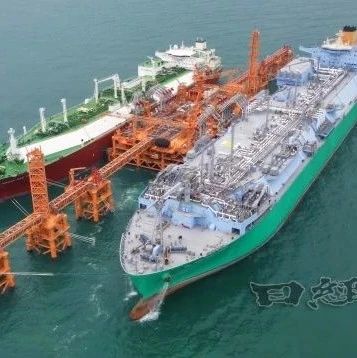
商船三井LNG船订购从中国转向韩国
日经中文网· 2025-05-26 07:51
Core Viewpoint - Mitsui O.S.K. Lines (MOL) is shifting its LNG carrier orders from Chinese shipyards to South Korean companies due to operational risks associated with increasing the number of Chinese vessels amid ongoing US-China tensions [1][3]. Group 1: Company Strategy - MOL has decided to pause new orders for LNG carriers from Chinese shipyards, opting instead for South Korean firms as a reliable alternative [1]. - As of March 31, MOL owns 107 LNG carriers, leading the global market, and plans to increase its fleet to 140 by the fiscal year 2028, representing a 30% increase from March 2025 [1]. - The company has recently ordered 6 vessels from Chinese shipyards, but these contracts will remain intact despite the shift in strategy [1]. Group 2: Market Dynamics - The global shipbuilding market sees China holding over 50% of new orders, ranking second in LNG vessel orders, just behind South Korea [2]. - Japanese shipbuilders have struggled to secure new orders over the past decade due to labor shortages, leading to a reduction in production capacity [2]. - The US government has announced plans to impose port fees on Chinese-built vessels, which could further complicate the operational landscape for Japanese shipping companies [3]. Group 3: Energy Policy Implications - Japan is increasing its LNG imports from the US, with 6.34 million tons expected in 2024, accounting for 10% of total imports [3]. - The environmental benefits of LNG, which has 20-30% lower greenhouse gas emissions compared to oil, are driving future demand for LNG as a fuel for shipping and power generation [3]. - If port fees are applied to Chinese vessels, the transportation costs for LNG could rise, potentially impacting Japan's energy policy [3].