
种植业

Search documents
“攥指成拳”积极行动应对严寒天气 保障农业稳产、畜禽温暖越冬
Yang Shi Wang· 2026-01-09 06:08
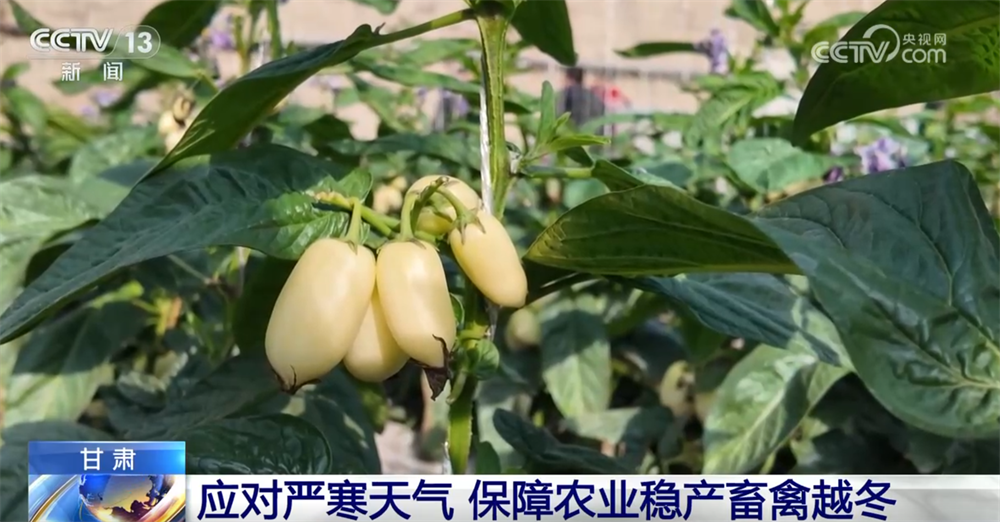
Group 1 - The Central Meteorological Administration issued a blue warning for strong winds, predicting 5-6 level northwesterly winds in several regions including Inner Mongolia and North China from January 9 to January 10 [1] - In specific areas of Inner Mongolia and northern Shanxi, winds may reach 7 levels with gusts of 8-9 levels, and in high-altitude areas of North China, gusts could exceed 10 levels [1] - The Bohai Sea, Yellow Sea, and Taiwan Strait are expected to experience 7-8 level winds with gusts up to 9 levels, with some areas in the Bohai Sea reaching 9 levels and gusts of 10 levels [1] Group 2 - In Gansu, temperatures have dropped by 4-8℃, with minimum temperatures falling below -10℃, prompting agricultural technicians to guide farmers on frost protection for crops and livestock [2] - Agricultural technicians are focusing on key aspects such as temperature and humidity control, light management, and pest control in greenhouses to ensure stable crop production during low temperatures [5] - Livestock departments in Zhangye are preparing materials and promoting practical techniques to ensure livestock remain warm during winter, including reinforcing shelters and maintaining equipment [7]

(乡村行·看振兴)山西上党智慧大棚“春意浓” 冬闲农忙助增收
Xin Lang Cai Jing· 2026-01-09 04:20
Core Viewpoint - The article highlights the advancements in agricultural technology in Bai Jia Gou Village, Shanxi Province, where smart greenhouses are being utilized to enhance cherry production during the winter season [1][5]. Group 1: Agricultural Development - Bai Jia Gou Village is focusing on rural revitalization by developing facility agriculture and has established multiple smart greenhouses [6]. - The village has introduced high-quality cherry varieties such as Russian No. 8, American Red, and Mei Zao to create a distinctive cherry planting brand [6]. Group 2: Smart Greenhouse Technology - Compared to traditional greenhouses, smart greenhouses are equipped with intelligent control systems for temperature, humidity, and light, allowing for precise environmental adjustments that promote optimal cherry growth [8]. - Currently, there are 21 smart greenhouses in operation, which not only improve cherry quality but also enable staggered market entry [8]. Group 3: Cherry Cultivation Process - The cherry blossoms are currently in full bloom, with the flowering period expected to last for over half a month [3]. - Key management practices during this period include maintaining an internal temperature of around 24°C and preparing for pollination to ensure successful fruit set [3].

三亚“博士村长”科技帮扶村民提产量、优品质
Hai Nan Ri Bao· 2026-01-09 02:33
Core Viewpoint - The article highlights the successful agricultural transformation in Sanya's Taicai Village, led by the "Doctor Village Chief" Yi Kexian, who utilizes technology to enhance crop yield and quality for local farmers [2][3]. Group 1: Agricultural Innovation - Yi Kexian and his team provided targeted technological support to local farmer Zhang Qiuyu, addressing issues such as high soil acidity and pest control, which previously hindered her crop production [3]. - The introduction of healthy grafted seedlings and the application of scientific farming techniques resulted in a significant increase in the yield and quality of passion fruit, with annual production exceeding 3,000 pounds per acre and stable prices between 8 to 10 yuan per pound [4]. Group 2: Economic Impact - The technological guidance not only resolved immediate agricultural challenges but also reduced labor costs and pesticide usage, leading to a more sustainable farming practice [4]. - Zhang Qiuyu expanded her farming operations by introducing seasonal vegetables like asparagus, radishes, and cabbage, resulting in an additional income of over 5,000 yuan per acre annually through diversified planting [5].
诺普信(002215.SZ):目前蓝莓出口业务主要以东南亚地区为主
Ge Long Hui· 2026-01-09 01:25
格隆汇1月9日丨诺普信(002215.SZ)在投资者互动平台表示,目前蓝莓出口业务主要以东南亚地区为 主,已经覆盖日本、新加坡等地区,同时,也在老挝布局蓝莓种植,当前正在建园。 ...

诺普信:目前蓝莓出口业务主要以东南亚地区为主
Ge Long Hui· 2026-01-09 01:23
Core Viewpoint - The company Noposion (002215.SZ) is focusing on expanding its blueberry export business primarily in Southeast Asia, with current operations covering regions such as Japan and Singapore, and is also establishing blueberry cultivation in Laos [1] Group 1 - The blueberry export business is mainly targeted at Southeast Asia [1] - Current markets include Japan and Singapore [1] - The company is in the process of establishing blueberry plantations in Laos [1]
锚定农业强省目标 舒展乡村振兴画卷
He Nan Ri Bao· 2026-01-08 23:53
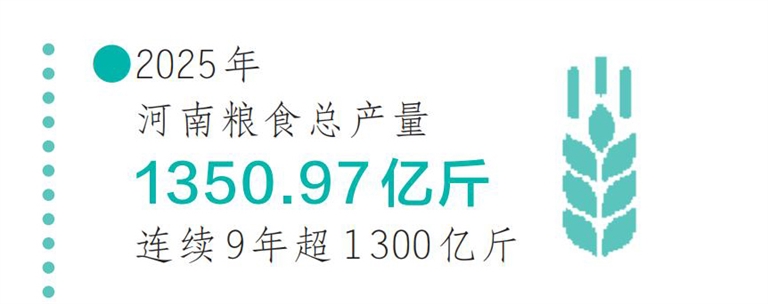
Core Viewpoint - The article emphasizes the importance of food security in China, particularly highlighting Henan Province's role as a major agricultural hub and its commitment to ensuring national food security through various initiatives and innovations in agriculture [4][20]. Group 1: Food Security and Agricultural Production - Henan Province achieved a total grain production of 1,350.97 billion jin in 2025, maintaining a stable output above 1,300 billion jin for nine consecutive years, contributing significantly to national food security [4]. - The province has implemented a systematic approach to enhance agricultural productivity through the integration of "four goods": good land, good seeds, good opportunities, and good methods, revitalizing the ancient "Central Plains Granary" [4][6]. - During the "14th Five-Year Plan" period, Henan constructed and upgraded 31.67 million mu of high-standard farmland, which has become a solid foundation for stable grain production [4][6]. Group 2: Technological Innovations in Agriculture - The adoption of smart irrigation and IoT technology in high-standard farmlands has improved resilience against extreme weather, allowing farmers to manage water usage effectively [6]. - Henan has established the Central Plains Agricultural Valley as a key area for seed innovation, with over 170 new varieties approved and 110 varieties promoted nationwide, enhancing the competitiveness of grain production [6][18]. - The mechanization of agriculture has been accelerated, with approximately 210,000 combine harvesters deployed during the wheat harvest, achieving a mechanization rate of 99.8% [7]. Group 3: Rural Development and Infrastructure - The province has initiated the construction of 16 provincial-level pilot areas for livable and workable rural communities, covering 49 towns and 1,037 administrative villages [9]. - Infrastructure improvements have transformed rural living conditions, with 100% of administrative villages and natural villages with over 20 households now having hardened roads, and 97.5% of rural households having access to safe drinking water [12][21]. - The design of rural areas has been elevated to a strategic planning level, with initiatives to enhance village aesthetics and functionality through professional design efforts [12]. Group 4: Economic Growth and Employment - Henan is a significant agricultural production base, leading in oilseed, edible fungi, and livestock production, with a focus on developing a trillion-level green food industry cluster [15][18]. - The province has seen a rise in rural residents' disposable income, projected to reach 21,330 yuan by 2024, with a narrowing income gap between urban and rural residents [19]. - The establishment of the "Yunong Youpin" brand has enhanced the market competitiveness of Henan's agricultural products, facilitating exports and increasing recognition in international markets [19]. Group 5: Poverty Alleviation and Social Welfare - Henan has implemented a robust monitoring and support mechanism to prevent poverty, ensuring that the living standards of previously impoverished populations continue to improve [20][22]. - The province has achieved a 99% insurance coverage rate for the impoverished population, with ongoing efforts to enhance housing safety and living conditions [21]. - Employment initiatives, including skill training and support for small loans, have been crucial in helping impoverished individuals achieve sustainable income growth [22].
沃野青青启新程——写在省委农村工作会议召开之际
He Nan Ri Bao· 2026-01-08 23:53
Core Viewpoint - The article emphasizes the resilience and progress of Henan Province in agriculture, highlighting its commitment to food security and rural development amidst various challenges [2][3][4]. Group 1: Agricultural Production - Henan is projected to maintain its position as the second-largest grain producer in China by 2025, with a stable annual grain output exceeding 130 billion jin for nine consecutive years [2]. - The province's agricultural resilience is demonstrated through its ability to cope with adverse weather conditions, including droughts and floods, showcasing the commitment to food security [3]. - During the "14th Five-Year Plan" period, Henan has established and upgraded 31.67 million acres of high-standard farmland, achieving a crop variety coverage rate of over 97% and a comprehensive mechanization rate of 89% [4]. Group 2: Rural Development - Henan is implementing innovative mechanisms for building beautiful and livable rural areas, with 16 pilot areas established to promote integrated rural development [6]. - The province has invested 29.8 billion yuan in 935 projects aimed at enhancing rural living conditions, resulting in an average disposable income for farmers in pilot areas being 1.3 times higher than the county average [6]. - The transformation of rural areas from "dirty and chaotic" to "clean and beautiful" reflects the successful integration of agricultural production and rural living [6]. Group 3: Economic Empowerment - The agricultural sector in Henan is diversifying beyond traditional grain production, with significant outputs in oilseeds, edible fungi, and livestock, positioning the province as a leader in multiple agricultural categories [8]. - Initiatives are underway to enhance the value chain of agricultural products, such as the transformation of wheat by-products into high-value products and the development of local specialties into processed goods [8]. - The implementation of the "Henan Rural Prosperity Industry Development Action Plan (2025-2027)" aims to empower rural industries, ensuring a sustainable path for economic growth and farmer prosperity [8].
政策引导、市场机制和技术创新同步发力—— 加速激活气候资源经济价值
Jing Ji Ri Bao· 2026-01-08 21:46
Core Viewpoint - The "Blue Book" released by the China Meteorological Administration emphasizes the ongoing transformation of climate resources into goods and services through policy guidance, market mechanisms, and technological innovation, which is crucial for food security, industrial upgrading, and improving people's well-being [1] Group 1: Climate Resource Economic Transformation - The transformation of climate resources requires precise development due to significant regional differences and the evolving impact of climate change [1] - Collaborative utilization of elements such as light, heat, water, and wind is essential to maximize their effectiveness [1] - The report highlights the need to recognize patterns and actively activate the ecological and economic value of climate resources in the context of increasing global climate change and extreme weather events [1] Group 2: Application Scenarios and Industry Integration - Climate resources must be integrated into industries to generate benefits, focusing on practical applications [2] - In agriculture, precise assessments can optimize planting structures and cultivate resilient varieties, shifting agricultural production from passive adaptation to proactive utilization of climate [2] - The energy sector can benefit from enhanced integration of meteorological services to improve the efficiency of renewable energy consumption and grid safety [2] - The tourism industry can leverage unique climate attributes to create high-quality competitive advantages [2] - Health services can utilize meteorological data to develop risk warning models for climate-sensitive diseases, enhancing public health systems [2] Group 3: Economic Value and Assessment - The average annual value of climate ecological products in Fengjie County, Chongqing, from 2019 to 2023 was 17.17 billion, with a ratio of 1:2.1 to the regional GDP, providing a methodological basis for quantifying ecological value [3] - The core value of climate resource economic transformation lies in optimizing the use of natural conditions rather than merely extracting more from nature [3] - Technological and institutional innovations are key to converting climate uncertainties into developmental certainties, which is essential for realizing economic potential in the context of green and low-carbon transitions [3] Group 4: Challenges and Recommendations - Current challenges include insufficient precision in climate resource monitoring and assessment, low conversion efficiency, immature valuation systems, and the need for improved supporting policies and market mechanisms [3] - Recommendations include enhancing technology-driven approaches, improving resource assessment accuracy, establishing climate ecological product accounting standards, and fostering deep integration of climate considerations into various strategic sectors [4] - Promoting cross-administrative resource development and ecological compensation mechanisms can create a complementary value transformation community, supporting high-quality economic development and achieving dual carbon goals [4]
新品种油菜花“抢跑”成都春天
Xin Lang Cai Jing· 2026-01-08 19:02
Core Viewpoint - The early blooming of the "Changhua 100" rapeseed variety is attributed to innovative breeding techniques rather than temperature changes, providing a new opportunity for agricultural tourism and economic benefits [5][7][8]. Group 1: Early Blooming and Breeding Techniques - The "Changhua 100" variety blooms in late December and has a flowering period of 100 days, overcoming the limitations of traditional early-blooming rapeseed varieties [8]. - The development of "Changhua 100" utilizes a unique double haploid induction technique combined with distant hybridization, allowing for rapid selection of varieties suitable for urban agriculture in Chengdu [8][10]. - This variety's ability to grow and flower simultaneously ensures both extended flowering periods and stable yields, addressing previous concerns about early blooming varieties being susceptible to frost and low yields [8][10]. Group 2: Colorful Rapeseed and Tourism - The research team has developed various colored rapeseed flowers, including red, purple, and white, which not only enhance aesthetic appeal but also maintain agricultural traits such as disease resistance and oil content [9]. - The introduction of colorful rapeseed is aimed at creating diverse consumer experiences, transforming traditional flower viewing into interactive tourism activities [9][10]. - The Chengdu Agricultural Expo Park attracted 400,000 visitors in the first quarter of 2025 due to the cultivation of "Changhua 100" and colorful rapeseed, generating significant economic value [9]. Group 3: Multi-functional Utilization and Economic Impact - The team is expanding the use of rapeseed beyond traditional applications to include deep processing and cultural products, such as rapeseed flower yogurt and essential oil soap [10]. - The goal is to create a comprehensive value chain for rapeseed, integrating cultivation, processing, and cultural products to maximize economic benefits [10]. - The introduction of over 40 rapeseed varieties with staggered blooming periods allows for a prolonged flowering season from December to April, enhancing the sustainability of agricultural tourism [11][12].

1月以来市场走势点评:A股开门红预示春季行情正式展开
Xiangcai Securities· 2026-01-08 10:06
策略研究 策略点评 A 股"开门红"预示春季行情正式展开 证券研究报告 2026 年 01 月 08 日 湘财证券研究所 ——1 月以来市场走势点评 核心要点: A 股市场实现"开门红" 据 Wind 数据,2026.01.05-2026.01.07 日,我们关注的 6 个 A 股指数连续上 涨,最终:上证指数上涨 2.95%(逼近 4100 点)、深证成指上涨 3.74%、 创业板指上涨 3.95%、沪深 300 上涨 3.17%、科创综指上涨 6.72%、万得全 A 上涨 3.80%。 2026 年以来,A 股主要指数走出"开门红"行情,原因有:一是发改委在"两 新"领域提前发力;二是 12 月 PMI 意外好转,给予市场 2026 年一季度经 济有望大幅好转的预期;三是此前调整的科技板块,与保险、证券等板块 形成上行共振。从上证指数近期走势来看,已突破 2025 年 11 月中旬高点, 形成上行突破态势,有望恢复 2025 年下半年的上行趋势。 行情展开的推力来自于:投资领域提前发力和 PMI 意外好转 地址:上海市浦东新区银城路88号 中国人寿金融中心10楼 首先,我国在投资领域提前发力,有望在一季度 ...