超市

Search documents
流量见顶时代的低成本增长引擎:“推三返一”裂变模式深度解析
Sou Hu Cai Jing· 2025-10-18 03:33
Core Insights - The "Push Three Return One" social裂变模式 is a key path for small and micro enterprises to break through, leveraging low participation thresholds, efficient dissemination, and low customer acquisition costs [1][3][12] - This model transforms consumers into dual-role value nodes through a "consumption equals promotion" mechanism, enabling exponential growth through user-driven dissemination [1][3] Fundamental Breakthrough - Unlike traditional "recommendation cashback" promotions, the "Push Three Return One" model establishes a sustainable裂变 ecosystem based on "consume first, rebate later" [3] - The model employs a tiered profit-sharing mechanism (e.g., 10%-20%-70% rebates) to create a positive incentive loop, allowing for geometric裂变 growth without active user acquisition by the enterprise [3] Strategic Innovation - The model offers three adaptable strategies for various business scenarios, allowing customization based on product price, industry characteristics, and operational goals [5] - Basic plans focus on activating general users with differentiated tiered rebate designs, while advanced plans introduce a ranking system to incentivize core users to form promotion teams [7] - Flexible plans can be adjusted during peak sales periods to enhance裂变 speed, such as increasing rebate percentages during major shopping events [7] Scenario Validation - The model has shown significant裂变 efficiency and performance growth in three key areas: online private domain, offline community, and vertical fields [9] - For instance, a beauty brand increased its private domain user count from 5,000 to 20,000 in 30 days, with a 33% rise in repurchase rate [10] Value Breakthrough - Compared to traditional marketing models, this approach achieves breakthroughs in four dimensions: cost, speed, stickiness, and efficiency [12] - Customer acquisition costs drop from 150 yuan to under 25 yuan, while user sharing rates increase from 15% to over 60% [12] Implementation Support - Effective implementation requires three system functionalities: automated commission settlement, real-time data dashboards, and flexible rule configuration engines [16] - Companies lacking technical capabilities can utilize third-party SaaS services to quickly establish systems for model design and implementation guidance [16] Conclusion - The "Push Three Return One" model creates a win-win ecosystem for users and enterprises, enabling low-cost, sustainable user裂变 and performance growth, particularly suitable for small and micro enterprises facing traffic shortages [18]


假如没有胖东来,许昌会成为网红吗?
Hu Xiu· 2025-10-17 13:47
Core Insights - The article highlights the transformation of Xuchang into a popular city largely due to the success of the local supermarket chain, Pang Donglai, which has become a significant attraction despite adverse weather conditions [1][5][6] - Xuchang's historical significance and cultural heritage, particularly its connection to the Three Kingdoms period, have contributed to its renewed visibility and appeal [2][3][4] Group 1: Historical Context - Xuchang's prominence dates back to the Eastern Han Dynasty when it became a political and cultural center under Cao Cao's influence [2] - The city was renamed from Xuxian to Xuchang during the Wei Dynasty, solidifying its historical importance [2] - Xuchang is home to over 80 historical sites related to the Three Kingdoms, showcasing its rich cultural legacy [3] Group 2: Economic Development - The city gained recognition in the 20th century as a global hub for wig production, earning the title "World Wig Capital" [4] - In 2023, Pang Donglai's rise has significantly boosted Xuchang's economy, attracting millions of visitors and generating substantial tourism revenue [6][5] Group 3: Social Impact - The influx of visitors has changed perceptions of Xuchang, with many associating it primarily with Pang Donglai rather than its historical roots [7][10] - Local businesses and services are increasingly adopting Pang Donglai's customer service model, reflecting a broader shift in the city's economic landscape [8][9] Group 4: Urban Experience - Despite the popularity of Pang Donglai, some visitors seek a more immersive experience of Xuchang's local culture and lifestyle, appreciating its affordability and community atmosphere [12][14] - The city faces challenges such as traffic congestion and infrastructure issues, which have been exacerbated by the surge in visitors [13][14]
新CEO王守诚上任后首次访谈:永辉已经走出了危险期
36氪未来消费· 2025-10-17 12:12
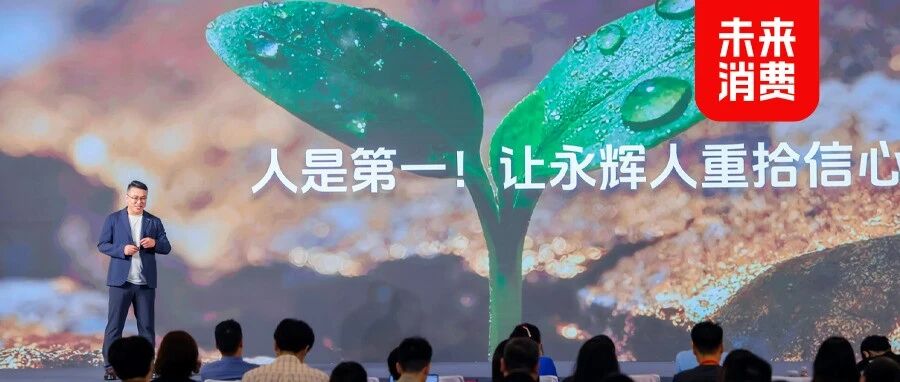
Core Viewpoint - The acquisition of Yonghui Supermarket by Miniso has led to significant changes in the company's operational model, focusing on the "Fat Donglai" approach to enhance customer experience and operational efficiency [2][4]. Group 1: Acquisition and Leadership Changes - Miniso announced the acquisition of Yonghui Supermarket for nearly 6.2 billion yuan on September 24 last year, which raised questions about the strategic implications of this move [2]. - Yonghui Supermarket appointed Wang Shoucheng as the new CEO, marking a shift towards a more stable phase in the company's transformation efforts [4][5]. Group 2: Transformation and Operational Improvements - The transformation plan includes a three-year strategy, with current efforts being in the initial stages of adopting the "Fat Donglai" model [5]. - Yonghui has seen an average customer net promoter score (NPS) exceeding 40% across 102 transformed stores, with an average customer traffic increase of 80% [4]. - Over 60% of the transformed stores have achieved profitability levels surpassing their highest values in the past five years [4]. Group 3: Cultural and Structural Changes - The company has undergone extensive restructuring in its organizational framework, supply chain, and cultural development, aiming to align more closely with the "Fat Donglai" ethos [4][10]. - Yonghui has established 26 major districts to enhance operational efficiency, allowing for synchronized learning and implementation of transformation strategies [11][12]. Group 4: Addressing Corruption and Ethical Practices - Yonghui has taken a firm stance against corruption, implementing various mechanisms to guide employees towards ethical practices and enhance personal value without resorting to unethical means [14][15]. - The focus has shifted from profit maximization to customer satisfaction and product sales rates, aiming to foster a more transparent and cooperative relationship with suppliers [16]. Group 5: Self-Branding and Market Positioning - Yonghui is developing its private label products by leveraging its scale advantages and ensuring stable quality and supply through strong partnerships with suppliers [23][26]. - The company aims to achieve profitability not through high margins but by increasing sales volume and optimizing cost structures [27]. Group 6: Future Outlook and Independence - Yonghui is committed to establishing its unique path while learning from the "Fat Donglai" model, with aspirations to create a distinctive business model that reflects its values [30][31]. - The company has successfully navigated through a critical phase of transformation, with plans to refine its operations further over the next three to five years [43].

“胖改”后的新永辉,卖爆了
盐财经· 2025-10-17 11:25
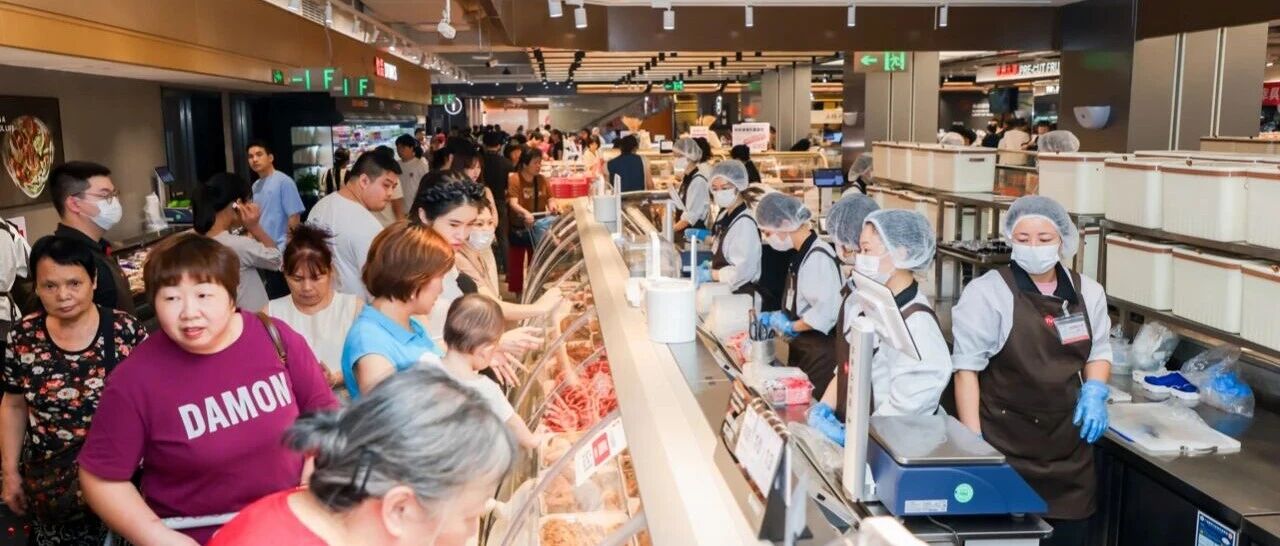
Core Viewpoint - Yonghui Supermarket is undergoing a significant transformation inspired by the "Fat Donglai" model, aiming to enhance customer experience and product quality while addressing internal challenges and market competition [5][10][21]. Group 1: Transformation and Performance - Yonghui has initiated a self-revolution termed "Fat Reform," resulting in an average customer traffic increase of 80% in remodeled stores, with over 60% of these stores achieving profitability levels surpassing the highest in the past five years [5][8]. - The overall sales of remodeled stores during the recent National Day holiday saw a year-on-year increase of over 100%, with a significant rise in customer traffic and sales of key products [8][20]. - The company aims to regain customer trust over the next 3-5 years, with a long-term vision of becoming a beloved national supermarket [9][10]. Group 2: Employee and Customer Focus - The transformation emphasizes prioritizing employees, treating them as craftsmen rather than tools, and encouraging them to prioritize customer service [6][12]. - Customer satisfaction metrics, such as the Net Promoter Score (NPS), have shown positive results, with an average NPS exceeding 40% in remodeled stores [8][12]. - The company is committed to enhancing employee morale through better working conditions and compensation, which in turn is expected to improve customer service [12][13]. Group 3: Quality and Product Strategy - Yonghui is shifting from a focus on basic consumer needs to a quality-centric approach, aiming to establish a "Quality Yonghui" brand [14][16]. - The company plans to implement a product-centered transformation, targeting 200 core strategic partners and developing 100 billion-level flagship products within three years [14][16]. - Yonghui is launching its own brand "Quality Yonghui" and a customized product line, focusing on high standards across various categories [30][32]. Group 4: Supply Chain and Operational Changes - A significant aspect of Yonghui's transformation involves a supply chain overhaul, reducing the number of suppliers by approximately 50% and focusing on core suppliers [18][20]. - The company is adopting a direct procurement model to eliminate middlemen and reduce costs, which is a fundamental change beyond mere store aesthetics [18][20]. - Despite short-term losses due to these changes, the long-term strategy is expected to optimize cost structures and improve overall operational efficiency [20][21]. Group 5: Market Positioning and Consumer Trends - Yonghui is positioning itself to cater to quality-conscious consumers, particularly mainstream families in China, as part of a broader quality revolution in the retail sector [25][29]. - The company recognizes the importance of product quality in attracting consumers, especially in a market where price wars have led to increased competition [26][28]. - Yonghui's focus on high-quality products, such as its customized milk and eggs meeting stringent safety standards, reflects its commitment to quality and consumer trust [32][34].
账上躺了41亿,于东来烦恼人太多
投中网· 2025-10-17 06:46
Core Viewpoint - The article highlights the impressive financial performance and unique business model of the Chinese supermarket chain, Pang Dong Lai, emphasizing its strong cash reserves and commitment to employee welfare and customer trust [7][8][11]. Financial Performance - Pang Dong Lai has reported a cash reserve of 4.1 billion yuan and achieved a sales revenue exceeding 18.4 billion yuan in 2025, surpassing the entire sales of 16.9 billion yuan in 2024 within just 10 months [7][8]. - The company maintained a net profit margin of approximately 5%, projecting a net profit close to 1 billion yuan for 2025 [8]. - During the recent National Day holiday, Pang Dong Lai generated sales of 820 million yuan over 8 days, averaging 102 million yuan per day [7]. Business Model and Strategy - Pang Dong Lai's business model challenges traditional retail norms by prioritizing employee welfare, with a strict work schedule of 6-7 hours and a profit-sharing scheme where 95% of profits are distributed to employees [11][12]. - The company avoids blind expansion, aiming to control sales growth within 20 billion yuan to ensure employee well-being and operational efficiency [12]. - Pang Dong Lai emphasizes product quality and transparency, implementing strict supplier audits and a traceability system to ensure food safety [12]. Market Position and Consumer Trust - The supermarket has gained significant popularity, particularly in Henan province, with its self-operated bakery and prepared foods being top sellers [9][13]. - Pang Dong Lai has become a benchmark in the retail industry, attracting attention from other sectors and companies seeking to emulate its successful model [13][15]. - The company’s approach has led to increased customer trust, as evidenced by the success of products that previously struggled in other retail environments [13]. Industry Impact and Learning - Other retail companies, including Yonghui Supermarket and BBK, are adopting Pang Dong Lai's practices, leading to improved performance metrics and customer traffic [15][16]. - The transformation inspired by Pang Dong Lai is not merely operational but involves a fundamental shift in corporate values and long-term strategies focused on employee and customer satisfaction [17]. - Despite the challenges faced by some companies in replicating Pang Dong Lai's success, the overall trend indicates a growing recognition of the importance of trust and sincerity in business practices [17][18].

多点开花!北京商超调改店加速扩容
Bei Jing Ri Bao Ke Hu Duan· 2025-10-17 05:24
Core Insights - The rapid transformation of Beijing's supermarket sector is highlighted, with multiple stores undergoing significant renovations to enhance customer experience and product offerings [1][2][4] Group 1: Store Transformations - Yonghui Supermarket's Huai Fang Wanda Plaza store has reopened after renovations, marking the third transformed store in Fengtai District and the 14th in Beijing [1] - The average customer traffic in transformed stores has increased by 80%, with over 60% of these stores achieving profit levels surpassing their highest in the past five years [1] - The company aims to implement a "product centralization" strategy, planning to develop 100 billion-yuan-level flagship products within three years [1] Group 2: Product Offerings - The new Huai Fang Wanda Plaza store's product structure aligns with the selection logic of "Fat Dong Lai," achieving over 80% similarity, with more than 40% of new products in the food and daily necessities categories [2] - The store emphasizes fresh produce, featuring direct-sourced Angus beef, live seafood, and specialty fruits from regions like Xinjiang and Yunnan, ensuring rapid delivery from farm to store within 72 hours [2][6] Group 3: Enhanced Services - The convenience service area has been upgraded with facilities such as electronic blood pressure monitors, drinking water stations, and emergency medical kits, catering to community needs [4] - New services include free storage, express delivery, and lunch heating, transforming supermarkets into community service hubs [4] Group 4: Expansion Plans - Wumart Supermarket is also accelerating its transformation, with six stores reopening simultaneously, featuring a 70% introduction of new products focused on seasonal and family-oriented offerings [4][6] - The network of transformed stores is set to expand further, with multiple new openings scheduled in the coming weeks, enhancing service coverage across Beijing [6]
山姆又出事!蛋糕吃出“金属牙”?1000元赔偿附“禁拍令”遭拒
Guo Ji Jin Rong Bao· 2025-10-17 03:13
Core Points - A consumer reported finding a metal object in a cake purchased from Sam's Club, leading to significant public backlash and scrutiny [1] - The incident marks the second food safety controversy for Sam's Club in October, raising concerns about product quality and safety [4][5] Group 1: Incident Details - On October 14, a video surfaced showing a metal object resembling a tooth found in a "MM Date Walnut Cake" purchased from Sam's Club, which was priced at 27.8 yuan and had a production date of October 10 [1] - The cake is popular among consumers for its large size (520g), rich flavor, and short shelf life of 3 days, making it a frequent purchase [1] - The store's initial response was perceived as lacking sincerity, as they emphasized strict hygiene controls while downplaying the incident [1] Group 2: Consumer Response and Compensation - On October 15, the store claimed to have reached a settlement with the consumer, but the consumer later stated that they rejected a compensation offer of 1,000 yuan due to unreasonable conditions [2] - The consumer had brought the cake and the metal object to the store for negotiation, but ultimately did not accept the proposed compensation [2] Group 3: Broader Implications - This incident follows another report from October 9, where a consumer found spoiled pork ribs in an order from Sam's Club, further damaging the brand's reputation for quality [4] - The recent food safety issues are eroding consumer trust, which is critical for a high-end membership supermarket like Sam's Club, where customers expect premium quality and service [5] - Despite the ongoing controversies, the problematic cake remains available for purchase on Sam's Club's mini-program [5]

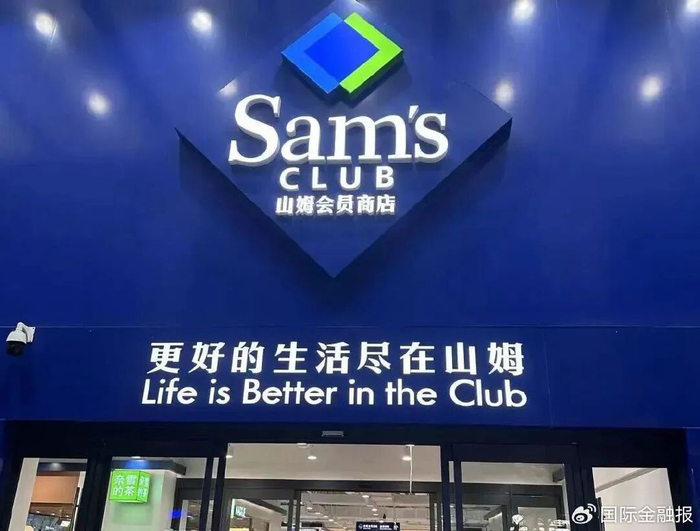
山姆又出事!蛋糕吃出“金属牙”?1000元赔偿附“禁拍令”遭消费者拒绝
Guo Ji Jin Rong Bao· 2025-10-16 14:13
Core Viewpoint - A high-end membership supermarket, Sam's Club, is facing public scrutiny due to a consumer report of finding a metal object in a popular cake product, raising concerns about food safety and quality control [2][5]. Group 1: Incident Details - On October 14, a consumer in Shanghai posted a video showing a metal object resembling a tooth with threads found in a "MM Date and Walnut Cake" purchased from Sam's Club [2]. - The cake, priced at 27.8 yuan and produced on October 10, is known for its large size (520g) and short shelf life of 3 days, making it a popular choice among consumers [2]. - The store's initial response was to express surprise and assure customers of strict hygiene controls, but this was criticized by the public as lacking sincerity [2]. Group 2: Consumer Interaction and Compensation - On October 15, the store claimed to have reached a settlement with the consumer, but the consumer later stated that they rejected a 1000 yuan compensation offer due to unreasonable conditions [3]. - The store's customer service was unable to confirm the settlement details when contacted by media, indicating a lack of clear communication [3]. Group 3: Broader Implications and Trust Issues - This incident marks the second food safety controversy for Sam's Club in October, following a report of spoiled pork ribs delivered to another customer [5]. - Consumers perceive the membership fee (260 or 680 yuan annually) as a guarantee of quality, which is now being undermined by these safety issues and previous product selection controversies [5]. - Despite ongoing issues, the problematic cake remains available for sale on the Sam's Club app, and local regulatory authorities have begun an investigation [5].
今天开业!海淀物美“学习胖东来自主调改”门店+2!
Bei Jing Wan Bao· 2025-10-16 13:36
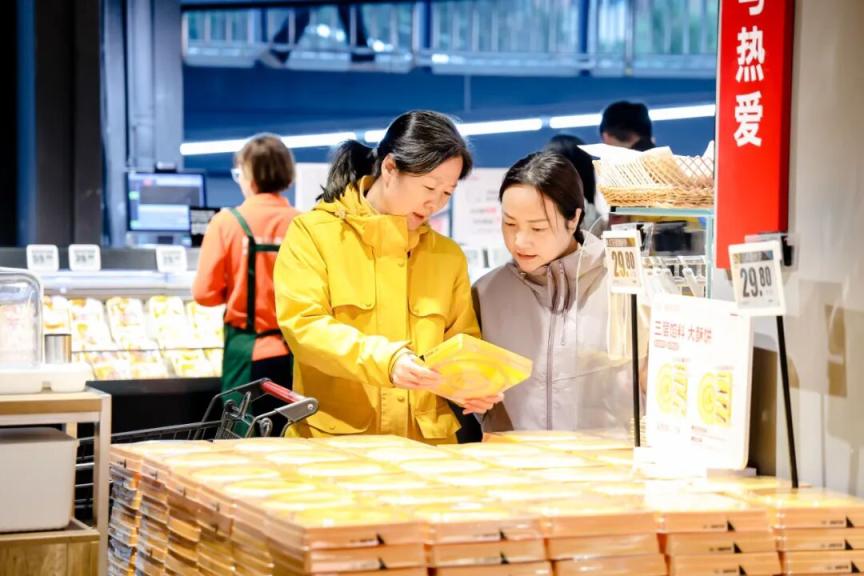
Core Insights - Wumart Supermarket has opened two new "Learning from Pang Donglai" stores in Haidian, featuring seasonal products and enhanced services to cater to local residents [1] Product Strategy - The new stores have introduced 70% new products, maintaining high standards in product selection and category ratios, closely aligning with the product structure of Pang Donglai [3] - The focus on seasonal offerings includes an expansion of ready-to-eat meals, baked goods, and fresh produce, emphasizing "autumn nourishment" and "family comfort food" [3][4] Customer Experience - The stores provide a "one-stop" solution for autumn meals, with popular items like Beijing roast duck and various warm dishes available for sampling [4][5] - Enhanced service features include a self-service area with free hot tea, drinking water, microwaves, and health monitoring tools, improving customer convenience [12] Operational Changes - The fresh food section has been upgraded with a focus on seasonal specialties and quality, implementing a "daily clearance" mechanism to ensure freshness [9] - The product range in the general merchandise category has been reduced from 6,500 to 2,600 items, allowing for a more refined and detailed product classification [7] Employee Welfare - Employee benefits have been improved, with salaries increasing by 30% to 50%, and new hires receiving 10 days of paid annual leave, alongside profit-sharing opportunities [12] Market Positioning - The new stores are strategically located to serve both local residents and travelers, with dedicated areas for local specialties and seasonal products [11][13]
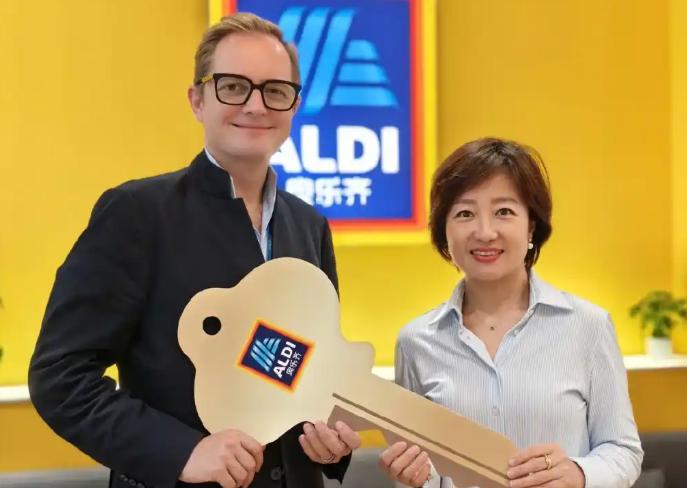
奥乐齐中国迎来首位女掌门,挑战有多大?
3 6 Ke· 2025-10-16 02:17
Core Insights - The article discusses the transition of Aldi China as it appoints Jacqueline Chen as the new CEO, indicating a shift towards deeper localization and accelerated expansion beyond Shanghai [1][3][12]. Group 1: Leadership Transition - Christoph Schwaiger, the former CEO of Aldi China, has stepped down, handing over leadership to Jacqueline Chen, who will report directly to the global headquarters [1]. - Chen's appointment signals a focus on local market adaptation and a need to compete more aggressively in the Chinese retail landscape [3][12]. Group 2: Market Strategy - Aldi China has been primarily focused on the Shanghai market since its entry in 2019, with only 79 stores currently, highlighting the need for rapid expansion to keep pace with competitors [3][12]. - The company aims to enhance its brand localization, team localization, and supply chain localization to cater to diverse regional market characteristics and consumer preferences [3][12]. Group 3: Product and Pricing Strategy - Aldi China has increased its private label product share to 90%, which helps in building consumer trust and offers competitive pricing by eliminating middlemen [4][9]. - The company emphasizes a low-price strategy with a significant portion of its SKUs priced at 9.9 yuan or below, aiming to reshape its image as a community supermarket offering good quality at low prices [4][6][11]. Group 4: Competitive Landscape - The retail environment in China is becoming increasingly competitive, with various players like Hema, Meituan's Happy Monkey, and JD's discount supermarkets entering the market, all focusing on quality and affordability [12][13]. - Aldi's unique selling proposition of combining quality with affordability is being challenged as competitors adopt similar strategies, necessitating a swift response from Aldi [12][15]. Group 5: Future Plans - Aldi plans to expand its presence in Jiangsu province, with a target of opening 15 new stores within two years and achieving a local procurement rate of 30% by 2026 [15]. - The company is also working on a supply chain collaboration model to reduce operational costs, aiming for logistics costs to remain below 5% [15].