快手菜

Search documents
“掌勺权”交替,年轻人当起年夜饭“主理人”丨新年消费青观察
Sou Hu Cai Jing· 2026-02-17 04:54
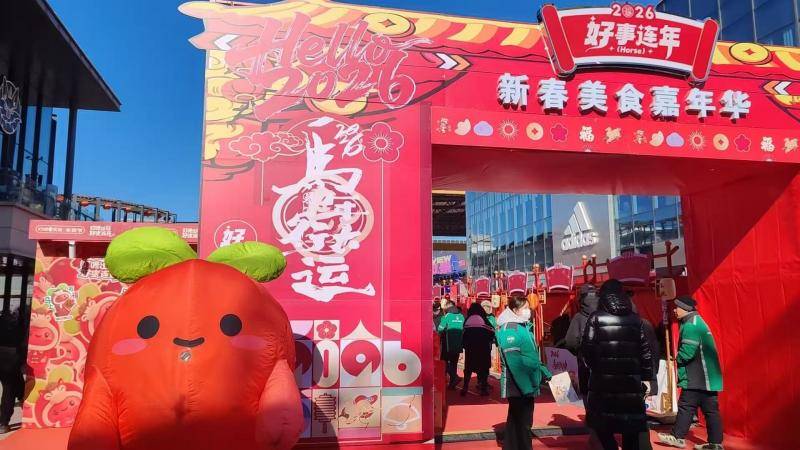
Core Insights - The "control" of the New Year's Eve dinner is shifting to younger generations, with 80s, 90s, and even 00s taking charge and infusing new creativity into traditional meals [2][4][10] - The younger generation is blending traditional dishes with innovative recipes, creating a new dining experience that reflects their values and preferences [6][10] Group 1: Generational Shift in New Year's Eve Dinner - The younger generation, particularly those from the 90s and 00s, are taking over the preparation of the New Year's Eve dinner, showcasing their creativity and modern interpretations of traditional dishes [2][4] - Examples of new dishes include "Purple Qi East Comes" and "Orange Heart Like" alongside traditional favorites, indicating a blend of old and new [4][6] Group 2: Market Response and Support - The market has responded to the needs of younger cooks by offering "semi-finished" New Year's Eve dinner options, making it easier for them to prepare meals [7][10] - Instant retail platforms and traditional restaurants are capitalizing on this trend, with many offering ready-to-cook meals that require minimal preparation [7][12] Group 3: Changing Consumer Preferences - Younger consumers are increasingly opting for personalized dining experiences rather than pre-set meal packages, reflecting a desire for involvement and customization in their dining choices [12] - The rise of online ordering and pre-ordering features in traditional restaurants indicates a shift in how younger generations engage with dining experiences [12] Group 4: Cultural Impact - The trend of younger generations taking charge of New Year's Eve dinners is fostering a new cultural resonance, with social media discussions around the topic generating significant engagement [12] - This shift is seen as a way to rejuvenate traditional customs, allowing for a modern interpretation that enhances family connections and cultural continuity [10][12]

年轻人告别“囤货”,厨房小白“整顿”春节餐桌
Xin Jing Bao· 2026-02-12 07:31
Core Insights - The younger generation is reshaping the Chinese New Year consumption market by favoring convenience and rational spending over traditional bulk purchasing and extensive cooking [1][2][8] - Fresh food retail platforms are adapting to these changes by offering instant delivery services and innovative meal options that cater to the preferences of young consumers [1][4][8] Group 1: Consumer Behavior Changes - Young consumers are moving away from bulk buying and instead opting for on-demand purchasing through fresh food platforms, which allows for fresher ingredients and reduced waste [2][8] - The trend of "not stocking up" is becoming a new consensus among consumers, particularly among the younger demographic who prioritize convenience and efficiency [8] Group 2: Retail Strategies - Fresh food platforms like Dingdong Maicai and Hema are enhancing their delivery capabilities and product offerings to meet the demands of young consumers during the festive season [3][4][8] - Dingdong Maicai plans to maintain its "no closure during the Spring Festival" policy, ensuring delivery services are available even during peak shopping times [2][3] Group 3: Product Offerings - Retailers are focusing on easy-to-cook, high-quality dishes that require minimal preparation, appealing to young consumers who seek both convenience and a sense of tradition during the New Year [5][6][7] - Hema has collaborated with celebrity chefs to create popular meal kits that reflect regional flavors and are easy to replicate at home, resulting in a significant increase in sales [7] Group 4: Industry Trends - The fresh food retail industry is moving towards a more refined, scenario-based, and quality-focused approach, shifting from merely selling products to providing comprehensive solutions for various dining occasions [8] - The instant retail market in China is projected to reach a scale of 1 trillion yuan by 2026, indicating significant growth potential driven by changing consumer behaviors [8]
年轻人告别“囤货”,厨房小白“整顿”春节餐桌|年货新趋势
Bei Ke Cai Jing· 2026-02-12 07:21
Core Insights - The younger generation is reshaping the Chinese New Year consumption model, favoring convenience and instant delivery over traditional bulk purchasing and complex cooking [1][9] - Fresh food retail platforms are adapting to these changes by offering innovative services and products that align with the preferences of young consumers [1][9] Group 1: Consumer Behavior - Young consumers are opting for "just-in-time" purchasing, avoiding bulk buying and food waste, with many using fresh food platforms for quick delivery [2][9] - The average spending on traditional New Year goods has been reduced, with consumers now focusing on fresh, quality ingredients delivered to their homes [2][9] - The trend of "no stockpiling" is becoming a new consensus among younger consumers, who are re-evaluating the time and effort spent on traditional New Year preparations [9] Group 2: Retail Strategies - Fresh food platforms like Dingdong Maicai are enhancing their logistics and inventory to meet the demand during the peak season, increasing stock levels to twice the normal amount [4][9] - Companies are implementing incentive programs for delivery personnel during the holiday season to ensure service continuity and efficiency [4][5] - Retailers are focusing on creating tailored product offerings for various festive scenarios, moving from merely selling products to providing comprehensive solutions [9] Group 3: Product Innovation - Platforms are introducing easy-to-cook, high-quality dishes that cater to the younger demographic's desire for convenience and culinary experience [7][8] - Dingdong Maicai has launched 72 types of New Year dishes that require minimal preparation, reflecting regional flavors and culinary innovation [7][9] - Hema Fresh is collaborating with celebrity chefs to create popular dishes that can be easily replicated at home, resulting in significant sales growth [8][9] Group 4: Market Trends - The instant retail sector in China is projected to reach a scale of 1 trillion yuan by 2026, with significant growth expected during festive periods [9] - The shift towards refined, scene-based, and quality-focused retail is evident as platforms adapt to the changing consumer landscape [9]

年夜饭预订市场早已升温 呈现堂食与居家场景并行
Zhong Guo Jin Rong Xin Xi Wang· 2026-02-10 21:25
Group 1 - The New Year's Eve dinner reservation market is experiencing significant growth, with orders increasing over three times year-on-year as of February 9, and search volume on platforms doubling [1] - Major cities for reservations include Shanghai, Beijing, Hangzhou, Guangzhou, and Nanjing, indicating a concentrated demand in urban areas [1] - Traditional and innovative dining experiences are merging, with restaurants offering themed dinners and cultural activities to enhance the festive atmosphere [1] Group 2 - Chain restaurants like Haidilao are actively expanding their offerings, with over 50,000 reservations for New Year's Eve and more than 1,000 locations operating on that day [2] - Green Tea Restaurant has adapted its menu to regional preferences, achieving over 1,000 reservations on the Meituan platform, which accounts for about 30% of its total New Year's Eve bookings [2] - The trend of "light cooking" for New Year's Eve dinners is rising, with a 92% year-on-year increase in sales of related products, highlighting a shift towards convenience [2] Group 3 - Many restaurants and supermarkets are launching convenient and high-quality New Year's Eve meal solutions, with prices ranging from 88 yuan to 1,000 yuan [3] - Supermarkets are focusing on "portable" festive meals, with products like the "Fengshen" series from Hema and customized meal boxes from Yonghui Supermarket gaining popularity [3] - Research indicates that younger consumers prioritize convenience, quality, and the ceremonial aspect of New Year's Eve dinners, redefining the value of these meals [3]
即时零售“春节不打烊”,00后“年货主理人”引领消费新风向
Guo Ji Jin Rong Bao· 2026-02-10 12:12
Core Insights - The consumption market for New Year goods is heating up as the Spring Festival approaches, with significant growth in sales on platforms like Taobao, particularly in lower-tier cities [1] - The younger generation, particularly those born in the 1990s and 2000s, is becoming the main force in purchasing New Year goods, bringing new consumption concepts and reshaping traditional practices [2][4] Consumption Trends - Sales of New Year goods on Taobao's flash purchase platform have increased by over 347% year-on-year, with orders from third and fourth-tier cities rising by over 580% [1] - The younger generation is shifting the focus of New Year purchases from bulk buying to more flexible, immediate consumption scenarios, emphasizing health and practicality over traditional notions of gifting [2][4] Redefining New Year’s Eve Dinner - The New Year’s Eve dinner remains a core ritual, but younger consumers prioritize convenience, quality, and a sense of ceremony, leading to the introduction of various ready-to-cook meal options [5][8] - Companies like Dingdong Maicai are launching themed meal kits that cater to the tastes of younger consumers, making it easier for them to prepare festive meals [5][8] Supply Chain and Logistics - To meet the demand during the Spring Festival, multiple instant retail platforms have announced they will remain operational throughout the holiday, ensuring stable supply [9][10] - Dingdong Maicai has implemented a comprehensive Spring Festival guarantee plan, increasing inventory levels and ensuring delivery efficiency through a dual support system of fixed and flexible staffing [9] Employee Incentives - Various platforms are offering incentives for frontline employees during the holiday season, including special bonuses and subsidies for those who remain on duty [10][11] - Taobao Flash Purchase has invested nearly 2 billion yuan in operational reserves, with significant financial incentives for delivery personnel during the Spring Festival [10]
年夜饭需求带动多领域消费增长
Zheng Quan Ri Bao Zhi Sheng· 2026-02-09 16:16
Core Insights - The Chinese New Year dinner reservation market is experiencing significant growth, with a threefold increase in orders compared to the previous year, and a doubling of related search volume on platforms like Meituan [1][2] - Major cities such as Shanghai, Beijing, Hangzhou, Guangzhou, and Nanjing are leading in reservation popularity, indicating a strong demand for festive dining experiences [1] - Traditional and innovative dining experiences are merging, with restaurants offering themed menus and cultural activities to enhance the festive atmosphere [1][3] Reservation Trends - As of February 9, over 50,000 reservations for New Year's Eve dining have been made at Haidilao, with more than 1,000 locations operating on that day [2] - Green Tea Restaurant has reported over 1,000 reservations on Meituan, accounting for approximately 30% of its total New Year's Eve bookings, with larger family dining packages being the most popular [2] Consumer Preferences - The trend towards "light cooking" for New Year's Eve dinners is rising, with a 92% year-on-year increase in sales of related products on Douyin, highlighting the popularity of convenient pre-made meal options [2][3] - Many consumers, especially younger ones, prioritize convenience, quality, and the ceremonial aspect of the New Year's Eve dinner, leading to a redefinition of its value [3] Market Offerings - Various restaurants and supermarkets are launching convenient and high-quality New Year's Eve meal solutions, with prices ranging from 88 yuan to 1,000 yuan [3] - Supermarkets like Hema and Yonghui are focusing on ready-to-eat meal kits, with customized New Year's Eve gift boxes making up 40% of their offerings [3]
年夜饭为何不排斥快手菜
Jing Ji Ri Bao· 2026-01-28 00:45
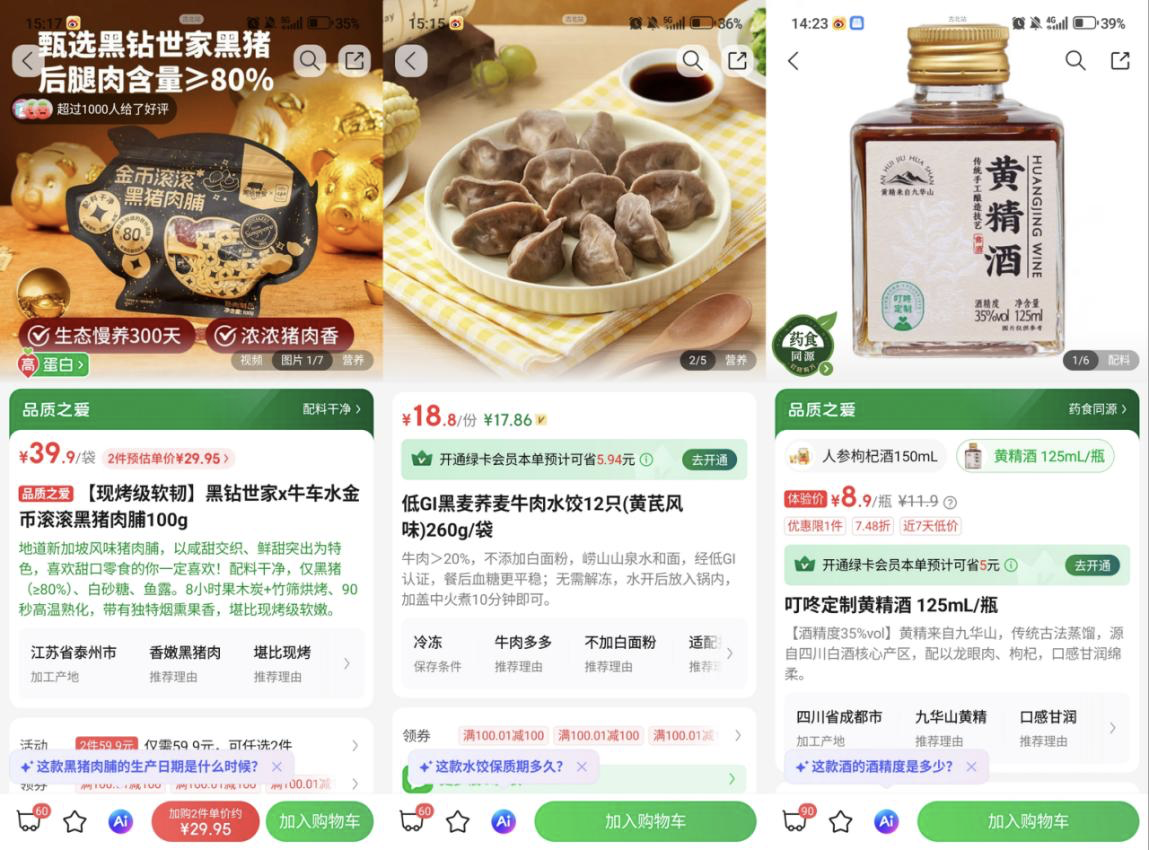
Core Viewpoint - The rise of "quick dishes" reflects a shift in consumer preferences for convenience and quality during the Chinese New Year, contrasting with previous perceptions of pre-prepared meals as expensive and undesirable [2][3][4]. Group 1: Consumer Preferences - 74% of consumers view the Spring Festival as a time for relaxation, indicating a desire for convenience during meal preparation [3]. - Young consumers prioritize convenience, high quality, and a sense of ritual in their dining experiences, which quick dishes fulfill [3]. - Consumers are looking for innovative and shareable meal options while still wanting to retain familiar home flavors [3]. Group 2: Product Development and Trust - Quick dishes are developed through collaboration with chefs, allowing for standardized production that simplifies complex recipes for home cooks [3][4]. - Platforms are enhancing food safety by upgrading the quality of seafood and meat, offering organic and functional products to build consumer trust [4]. - The introduction of national food safety standards for pre-prepared dishes aims to increase transparency and consumer confidence in the market [4]. Group 3: Changing Expectations - Quick dishes are not seen as a sign of laziness but rather as a response to changing expectations for family meals, allowing more time for relaxation and family bonding [5]. - The preparation of the most important dinner of the year can still be rich and fulfilling, with the process being enjoyable and stress-free [5].


预制菜与中国连锁餐饮行业发展
2025-09-15 01:49
Summary of Conference Call on Prepared Dishes and the Development of China's Chain Restaurant Industry Industry Overview - The conference discusses the prepared dishes sector within the Chinese chain restaurant industry, highlighting the differences in definitions at consumer, industry, and national levels [1][2][3]. Key Points and Arguments - **Definition Discrepancies**: Prepared dishes are defined differently across various levels. National definitions exclude staple foods and dishes made in central kitchens, and prohibit preservatives [1][2]. - **Central Kitchen Benefits**: Chain restaurants utilize central kitchens to lower costs, ensure product quality consistency, standardize operations, and enhance food safety. However, initial processing or semi-finished products from central kitchens are not classified as prepared dishes under national definitions [1][3]. - **Japanese Influence**: The Japanese restaurant industry has optimized supply chains and food safety standards, establishing a robust system for central kitchens and cold chain logistics, which serves as a model for China's restaurant sector [1][4]. - **Consumer Expectations**: Chinese consumers expect healthy, safe, and innovative menu options from Chinese cuisine. Chain restaurants should enhance supply chain management, improve service levels, develop new products, and focus on brand building to meet these expectations [1][5]. - **Impact of Central Kitchens**: Central kitchens significantly influence the Chinese restaurant industry by improving efficiency and enabling standardized processes, making it easier for new brands to emerge [1][7]. - **Prepared Dishes Classification**: Prepared dishes are categorized into four types: pre-processed ingredients, ready-to-cook, semi-finished products requiring heating, and fully cooked dishes. Central kitchen products do not fall under the prepared dishes category as per the latest regulations [2][6]. - **Market Changes Post-Regulation**: Following new regulations in March 2024, which excluded central kitchen products from the prepared dishes category, consumer confidence in non-central kitchen prepared dishes declined, leading to a rebranding of some products as "quick dishes" [2][13]. Additional Important Insights - **Central Kitchen Types**: There are two main types of central kitchens: those with production licenses that can supply third-party restaurants and those that only supply their own outlets [8][12]. - **Future Trends**: The trend towards central kitchens and prepared dishes is expected to grow, especially as family sizes decrease and younger parents may prefer convenient meal options. Ensuring safety and taste will be crucial for market acceptance [16][17]. - **Technological Integration**: The use of cooking robots is anticipated to enhance the quality of prepared dishes while maintaining standardization, addressing the challenge of flavor consistency in mass production [19]. - **Profitability Comparison**: The profit margins in the Japanese restaurant industry are generally lower than those in China, suggesting that Chinese restaurants have room to balance pricing while maintaining profitability through central kitchen efficiencies [20][21].
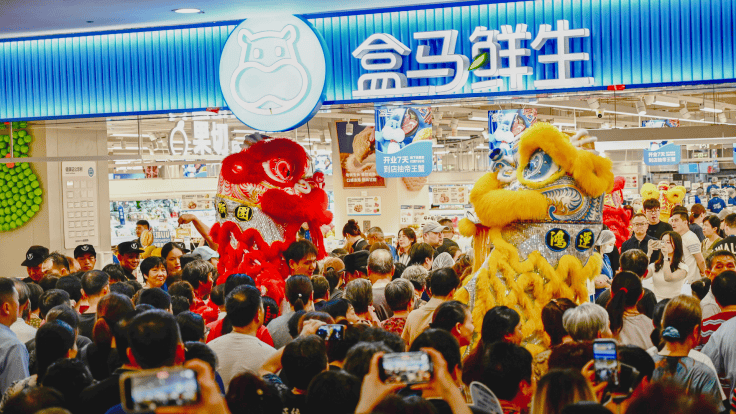
受够了斗智斗勇,年轻人捧红在盒马“不费脑购物”
Sou Hu Cai Jing· 2025-08-07 20:51
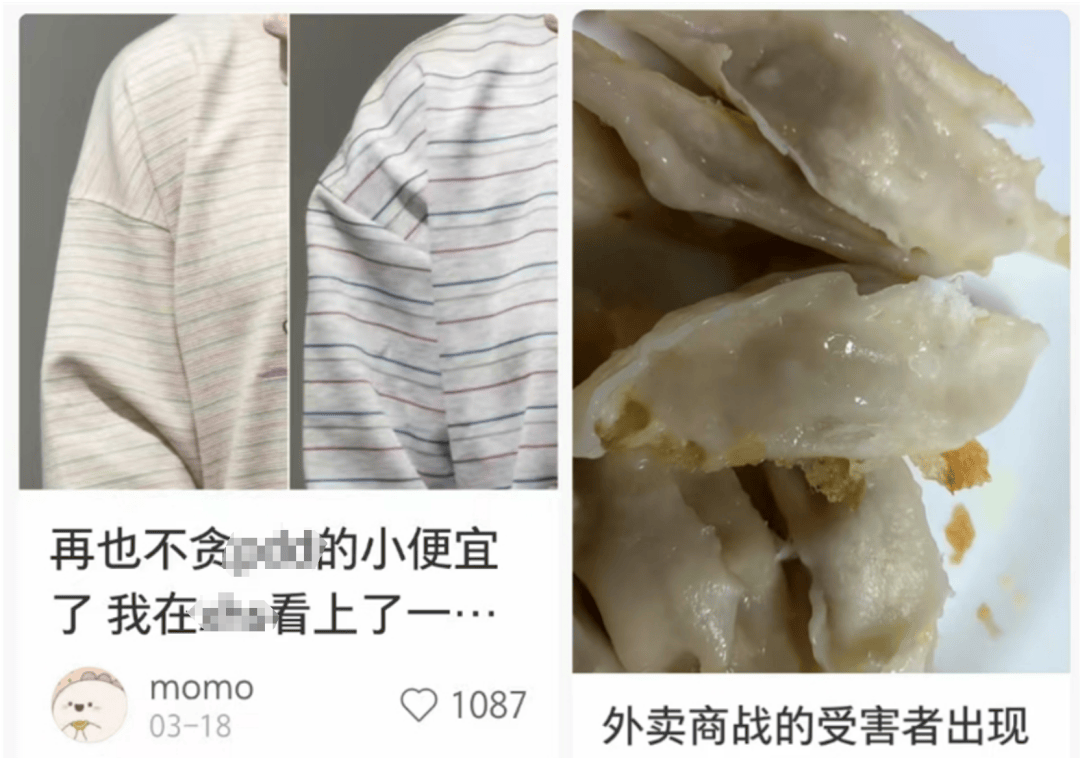
Group 1 - The younger generation is increasingly skeptical about the notion that "low prices are king," as they experience dissatisfaction with low-quality products and services [1][6] - Consumers are shifting towards "no-brain shopping," which emphasizes quality and convenience over low prices, leading to a preference for reputable stores like Hema [6][11] - The trend of "no-brain shopping" is gaining traction across various consumer sectors, with individuals opting for quality over price in clothing, food delivery, and grocery shopping [6][12] Group 2 - The retail industry is entering a phase focused on quality selection, with a significant increase in the number of private label products being developed by retailers [22][24] - Hema's internal standards for product selection and introduction frequency are notably higher than industry averages, reflecting a commitment to quality [24][26] - The demand for healthier and functional food products is reshaping the new retail food consumption market, with consumers seeking a balance between health and taste [20][29] Group 3 - Hema implements a "lifetime responsibility system" for product selection, ensuring accountability throughout the product lifecycle, which is crucial in a competitive retail environment [32][33] - The company emphasizes meticulous attention to detail in the supply chain, from sourcing to transportation, to maintain high product quality [35][37] - Hema's commitment to quality has resulted in significant sales success for its products, demonstrating the effectiveness of its rigorous selection and quality assurance processes [37]
盒马加速扩张!年内新店近百家,门店总数将突破500大关
Sou Hu Cai Jing· 2025-08-07 11:02
Group 1 - Hema Fresh announced an ambitious expansion plan to add nearly 100 new stores and expand its business coverage to over 50 new cities within the fiscal year, aiming to surpass 500 total stores [1] - CEO Yan Xiaolei expressed confidence in the vast potential of China's domestic consumption market, emphasizing the core mission of meeting consumer demands for a better life and the importance of quality products and excellent service as key competitive advantages [1] - In the past year, Hema adjusted its business focus to concentrate on Hema Fresh and community discount stores, gradually exiting exploratory projects like X membership stores, leading to rapid expansion in cities such as Taizhou, Suzhou, Tianjin, Tangshan, and Suining [1] Group 2 - Hema ranked among the top three in the "2024 China Supermarket Top 100 List," marking a new growth phase and solidifying its position as a benchmark enterprise in China's retail sector [2] - Since opening its first store in Shanghai in 2016, Hema Fresh has redefined supermarket standards with its unique offerings, including seafood, short-shelf-life fresh products, quick-cook meals, self-checkout, and an integrated online-offline business model [2] - As of the end of March this year, Hema had established over 420 stores across more than 50 cities in regions such as North China, East China, South China, and Southwest China, demonstrating strong market appeal and brand influence [2]