
餐饮服务

Search documents
宇树科技回应“上市绿色通道被叫停”;苹果回应国行版AI上线;段永平再晒部分苹果持仓,累计收益率超16倍;巴菲特退休后最新发声丨邦早报
Sou Hu Cai Jing· 2026-01-05 00:33
Group 1 - Yushu Technology clarifies that it has not applied for the "green channel" for IPO and that its listing work is progressing normally [1] - Apple has initiated a gray test for its "Apple Smart and Siri" feature for certain domestic devices, but it has not officially launched yet [1] - Warren Buffett, after retiring, expressed confidence in the new CEO Greg Abel, stating he has full decision-making authority [1] - Investor Duan Yongping shared that his investment in Apple stock has yielded a return of over 1623.48%, amounting to approximately $34.26 million [1] Group 2 - Meituan has had 3.25 million RMB worth of equity frozen by a court, with the freeze lasting for three years [2] - The control struggle at Double Star Celebrity Group has intensified, with founder Wang Hai announcing a severance of ties with his son and daughter-in-law [2][3] Group 3 - Xiaopeng Motors' Vice President Chen Yonghai has left the company, with President Wang Fengying temporarily taking over his responsibilities [4] - Romaishi has initiated a restructuring plan called "Rebirth Plan," aiming to complete funding and restructuring by Q1 2026 [4] - GAC Honda has completed the acquisition of Dongfeng Honda Engine Company, changing its name to GAC Honda Engine Company [4] Group 4 - The French skincare brand Filorga announced the closure of its official flagship store due to strategic adjustments, with the store set to cease operations on January 31, 2026 [4] - Tesla's restaurant has seen a significant drop in customer traffic and the departure of its celebrity chef within six months of opening [4] Group 5 - The "Wawa Xiaozong" trademarks have been successfully registered, with rights valid until December 13, 2035 [7] - The facial cleansing brand "Washing Bear" has faced complaints of store closures, with the founder promising to address consumer rights [9] Group 6 - Burger King's online ordering system experienced significant failures, leading to multiple public apologies from the company [11] - Former Meta AI chief Yang Likun left the company, criticizing the focus on large language models as a dead end for achieving superintelligence [12] Group 7 - Cloud Leopard Intelligent has initiated its IPO process, aiming to become the first domestic DPU company listed [12] - Bole Technology has completed over 1 billion RMB in financing, marking the largest funding round in the unmanned mining vehicle sector [12] - Shurui Robotics has raised $100 million in its D round of financing [12] Group 8 - Geely has launched new PHEV models, with prices starting at 139,800 RMB, featuring advanced hybrid technology [13] - Grok has released a new version, optimizing video generation capabilities [15] Group 9 - During the 2026 New Year's holiday, 142 million domestic trips were made in China, with total spending reaching 84.79 billion RMB [18] - China's automobile exports to Venezuela increased by 130% in 2025, with significant growth in both passenger and commercial vehicle segments [18][19] - In November 2025, China's automobile exports reached 818,000 units, a year-on-year increase of 49.2% [19]






同庆楼餐饮股份有限公司关于变更全资子公司出资方式并增资的公告
Shang Hai Zheng Quan Bao· 2026-01-04 22:44
Group 1 - The company plans to change the investment method for its wholly-owned subsidiary, Wuxi Fusheng, by contributing land use rights valued at RMB 16,497 million, with RMB 2,000 million allocated for registered capital and the remainder added to capital reserves [2][3][4] - The board of directors approved the investment change with a unanimous vote, and the matter does not require shareholder approval [3][4] - The land use rights are located in Wuxi and are intended for the construction of the Wuxi Fumao Hotel project, with no existing encumbrances or legal disputes affecting the rights [5][7] Group 2 - The investment is expected to optimize the company's asset structure and enhance the capital strength of Wuxi Fusheng, aligning with the company's strategic layout and long-term development plans [8] - The transaction will not change the scope of the company's consolidated financial statements and will not adversely affect the company's financial or operational status [8]

南宁一餐馆油烟管道起火,店铺工作人员否认?
Xin Lang Cai Jing· 2026-01-04 13:53
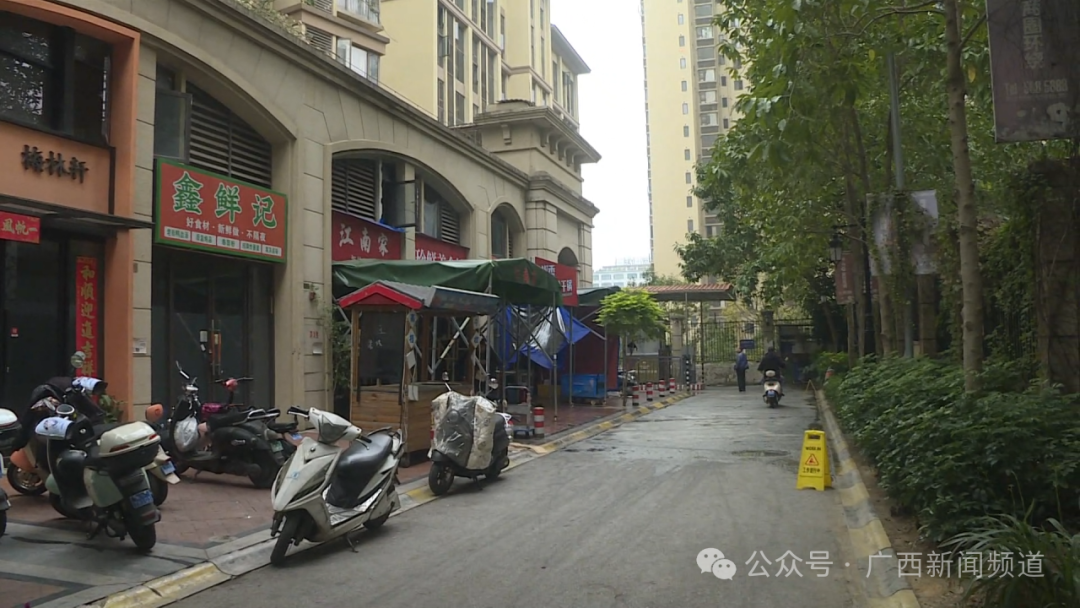
本文转自【广西新闻频道】; 冬季天干物燥 餐饮场所积累的油垢更易成为火灾隐患 今天上午 南宁青秀区一家临街餐馆突发火情 消防部门迅速赶到现场处置 避免了火势蔓延 上午8点左右 南宁市青秀区龙光君御华府小区 5栋的"椒香现炒干锅"餐饮店 发生火情 但火势很快得到控制 龙光君御华府小区业主 黄女士:8点20分左右,我看见的时候刚刚冒一点点烟,没有看到火花,只是看到黑烟。 据小区物业发布的消息 火灾是因为店内抽油烟机管道起火 并引燃外围排烟管道所致 记者现场看到,消防灭火后 店内外仍有积水 空气中也残留着刺鼻气味 但当记者向店内工作人员询问情况时 对方却否认发生火灾 (非正常拍摄) 涉事饮食店工作人员: 没有什么问题,它只是没有电,你们看到吗?没有电而已。(记者:洒水系统都开了,都冒烟了)它漏水了而已 啊。 然而 多位附近市民也向记者证实 上午八点左右确有消防车到场 他们也看到了烟雾 | 关于小区 5 栋 102 号商铺椒香现炒 | | | --- | --- | | 干锅店着火的紧急通知 | | | 尊敬的业主: | | | 您好!关于小区5栋102号 | | | 商铺椒香现炒干锅店着火问题,是 | | | 由于 ...
新疆乌苏市市场监管局开展节前大型餐饮单位食品安全专题培训
Zhong Guo Shi Pin Wang· 2026-01-04 06:12
为切实筑牢节日期间食品安全防线,压紧压实餐饮服务单位主体责任,保障广大市民饮食安全,近日, 新疆维吾尔自治区乌苏市市场监管局组织开展节前大型餐饮单位食品安全专题培训,辖区内33家大型社 会餐饮、宴席承办单位的负责人及食品安全管理人员共43人参加培训。 培训结束后,还组织参会人员开展"千里眼"系统现场视频调度实操培训,通过实时调度查看餐饮服务单 位后厨卫生状况,现场指出存在的问题并督促整改,切实强化了从业人员规范开展餐饮服务工作的责任 意识与敬畏之心。 下一步,乌苏市市场监管局将以此次培训为契机,持续加大节前食品安全监督检查力度,紧盯大型餐饮 单位、宴席承办场所等重点主体,严查各类违法违规行为,切实守护群众"舌尖上的安全",确保全市人 民度过一个平安祥和的节日。(杜志锋、刘东亮、王艳敏) 本次培训紧扣节日餐饮消费集中、风险隐患叠加的特点,聚焦食材采购、储存加工、餐用具消毒等关键 环节,采取"政策宣讲+案例警示+问题解答"的模式开展。培训内容聚焦《中华人民共和国食品安全 法》《餐饮服务食品安全操作规范》核心条款,重点解读食品采购验收、冷链食品储存、生熟分开操 作、餐用具消毒保洁、从业人员健康管理及反食品浪费等方面 ...
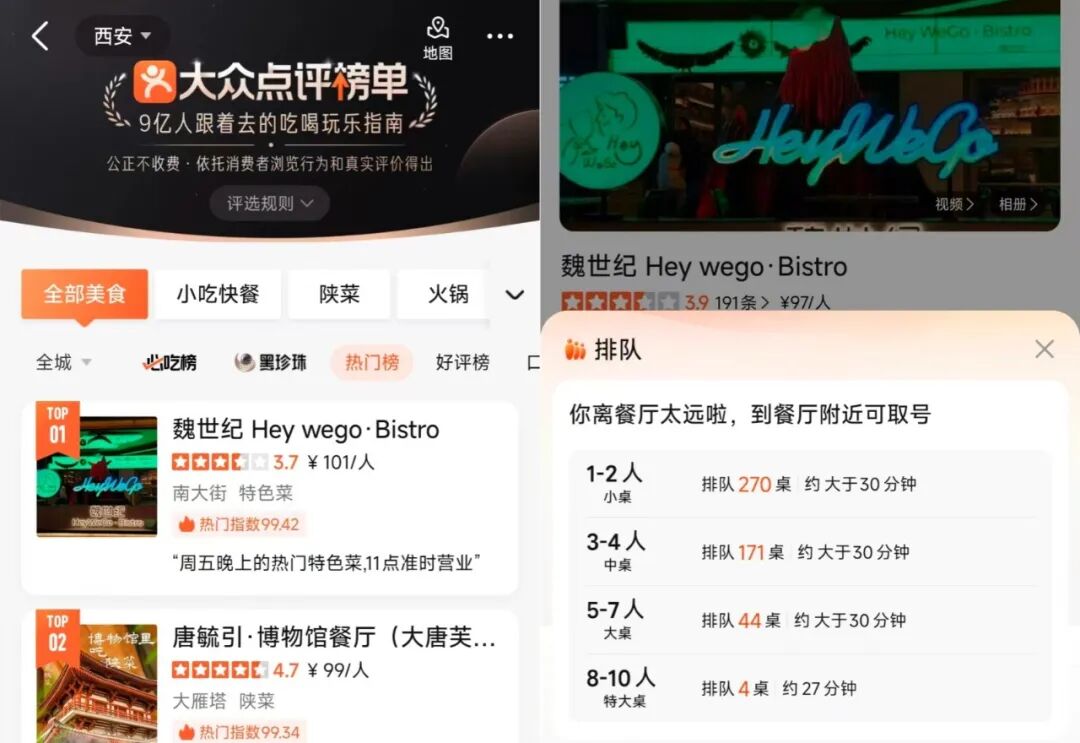
魏家凉皮跨界“开酒馆”:排队9小时,开业即登热门榜Top1!
3 6 Ke· 2026-01-04 00:44
Core Insights - Wei Family Catering has successfully launched its music bar "Wei Century Bistro" in Xi'an, quickly becoming the top-rated restaurant on popular review platform Dianping [2][3] - The establishment has generated significant buzz on social media, with reports of long wait times and even a "scalper" service for queueing [2][3] Group 1: Business Strategy - Wei Family Catering has a history of successful cross-industry ventures, transitioning from cold noodles to convenience stores, coffee shops, and now a bar, consistently attracting attention and long queues [6][19] - The brand's naming strategy leverages puns and wordplay, enhancing memorability and generating pre-launch market interest [8][11] - The company focuses on high cost-performance ratios, offering quality products at reasonable prices, which has become a core competitive advantage [12][14] Group 2: Customer Engagement - The bistro's ambiance features neon lights and industrial design, catering to various social scenarios such as solo drinking, couple dates, and group gatherings [3] - The menu includes around 80 SKUs, featuring a wide range of alcoholic and non-alcoholic beverages, as well as classic dishes from Wei Family's previous offerings, all at competitive prices [4][12] - The brand has successfully created a comprehensive lifestyle matrix for young consumers, covering various needs from breakfast to nightlife [16][17] Group 3: Market Positioning - Wei Family Catering is perceived as a brand that resonates with young consumers who seek quality experiences at affordable prices, often referred to as "the happy home for workers" and "a go-to for students" [20][22] - The company's ability to maintain consistent quality and value across different offerings has established a strong trust among its customer base, facilitating rapid market penetration for new ventures [22]
“收集笑容”的台湾餐饮人:古早味小店变“情感疗愈站”
Xin Lang Cai Jing· 2026-01-03 09:59
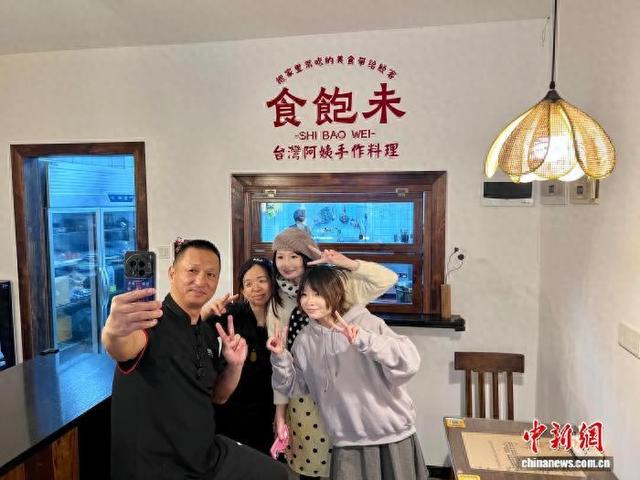
Core Viewpoint - The article highlights the transformation of a small Taiwanese restaurant in Chongqing, named "食饱未" (meaning "Have you eaten?"), into a space for emotional healing and community connection through food and shared experiences [1][5]. Group 1: Restaurant Concept and Operations - The restaurant can accommodate 20 diners and features a photo wall with nearly 300 pictures of customers, creating a warm and inviting atmosphere [1][3]. - The owners, Zhang Youcheng and his wife, emphasize the use of fresh, homemade ingredients, avoiding pre-prepared dishes, and work long hours from 7 AM to the next morning to maintain quality [3][5]. - The restaurant serves traditional Taiwanese dishes such as braised pork rice, crispy chicken, and bubble tea, aiming to provide an authentic taste of Taiwan [3][5]. Group 2: Community Engagement and Emotional Support - The restaurant has unexpectedly become a "emotional healing station," where customers gather not just for food but also for companionship and support [5][7]. - Zhang treats every young customer like his own child, offering emotional support and encouragement, which has fostered a sense of community among patrons [5][7]. - The establishment has received heartfelt gestures from customers, such as sharing homemade dishes and expressing gratitude, highlighting the strong emotional bonds formed within the restaurant [5][7]. Group 3: Future Aspirations - Zhang expresses a desire to travel and explore the beauty of China once his children have settled in the mainland, indicating a long-term commitment to their life and business in China [7].
社保“小窗口”成为连接民心“大桥梁”
Xin Lang Cai Jing· 2026-01-02 18:29
Core Insights - The article highlights the efforts of Chaoyang District in Beijing to enhance social security services by extending their reach to grassroots levels, making services more accessible to the public [1][2] Group 1: Service Improvement Initiatives - Chaoyang District's Human Resources and Social Security Bureau has implemented a "warm heart window" initiative, which includes standardizing service delivery across 43 street and township offices, achieving a 100% coverage of standardized services [2] - The district has introduced a "warm heart star" recognition program to motivate service personnel and establish a culture of continuous improvement in service quality [2] - The collaboration with seven banking institutions, including the Industrial and Commercial Bank of China, has created a social security service network that allows residents to access services within a 5-kilometer radius [2] Group 2: Enhanced Accessibility and Community Engagement - The "Happiness Social Security Reception Room" initiative aims to facilitate direct interaction between businesses and social security services, allowing for discussions on policy implementation and high-frequency business matters [3] - Mobile service teams have been established to provide tailored solutions for businesses, enhancing the convenience of accessing social security services [3] - The district aims to transform social security services from a reactive approach to a proactive one, focusing on creating value for enterprises and individuals [3][4]
长沙一餐厅被指回收垃圾桶三文鱼,店方否认称系提醒节约,市监部门将核实餐厅垃圾桶回收食材
Xin Lang Cai Jing· 2026-01-02 13:17
Group 1 - The core issue involves a restaurant in Changsha being accused of recycling salmon discarded in trash bins, which has drawn public attention [1] - The restaurant's management denies the allegations, stating that the internal communication was a reminder to staff to minimize waste rather than an indication of recycling discarded food [1] - Local market supervision authorities have not received any formal complaints regarding the restaurant's practices and plan to verify the situation on-site [1]
九毛九1月2日斥资100.14万港元回购54.1万股
Zhi Tong Cai Jing· 2026-01-02 10:52
九毛九(09922)发布公告,于2026年1月2日,该公司斥资100.14万港元回购54.1万股股份,每股回购价格 为1.83-1.87港元。 ...
上海小南国:何清华获委任为执行董事
Zhi Tong Cai Jing· 2025-12-31 15:26
Group 1 - The company announced the appointment of Mr. He Qinghua as an executive director, effective from December 31, 2025 [1] - Ms. Hu Xiaoqi resigned from her position as an independent non-executive director and from all committee memberships, effective from December 31, 2025, to focus on personal matters [1] - Mr. Yao Yafei has been appointed as an independent non-executive director and as a member of all committees, effective from December 31, 2025 [1]