预制菜

Search documents
预制菜:透明信息赢信任,治理优化促发展
Sou Hu Cai Jing· 2025-09-14 14:12
Group 1 - The core viewpoint emphasizes the need for transparency in the prepared food industry to build trust with consumers [1] - The real challenge faced by the prepared food sector is not technological but rather establishing a trust bond with consumers [1] - The development of the restaurant industry should focus on serving the public, ensuring efficiency and convenience while meeting the public's need for safe and understandable food [1] Group 2 - Discussions about prepared food should move towards a rational and constructive direction to improve the development environment of the industry [1] - Optimizing governance is essential to promote standardized behavior among companies and protect consumers' right to know [1] - Gaining public trust is crucial for the future success of the prepared food industry [1]

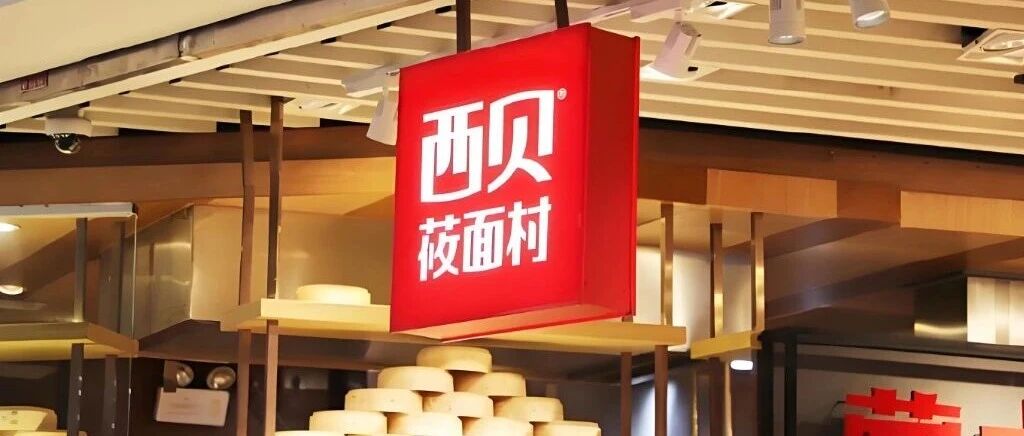
西贝创始人贾国龙认错!“彻彻底底向胖东来学习”
中国基金报· 2025-09-14 13:54
Core Viewpoint - The founder of Xibei, Jia Guolong, admitted his mistakes in handling customer relations and expressed a desire to learn from Pang Donglai, emphasizing transparency and customer satisfaction [3]. Group 1: Company Response - Jia Guolong stated that Xibei will adopt a transparent approach moving forward, indicating a shift in strategy to better meet customer expectations [3]. - The phrase "Customers have mistreated me a thousand times, but I treat customers like my first love" reflects a commitment to improving customer service [3]. Group 2: Industry Context - Luo Yonghao announced a pause on the controversy surrounding Xibei, highlighting the anticipation for national regulations on pre-prepared food [4]. - The National Health Commission's draft standards for pre-prepared food have passed expert review and will soon be open for public consultation, marking a significant step towards regulation in the industry [4]. - The upcoming regulations are expected to bring transparency to the use of pre-prepared food in restaurants, allowing consumers to be informed about what they are eating [4].
一财社论:法规持续完善方能保障预制菜行业健康发展
Di Yi Cai Jing· 2025-09-14 13:01
Core Viewpoint - The pre-prepared food industry is rapidly developing, but it faces challenges such as inconsistent recognition, incomplete regulations, and lack of unified standards, which hinder healthy growth [1][2]. Industry Development - The pre-prepared food industry has a broad development prospect, as highlighted in the 2023 Central Document No. 1, which emphasizes the importance of standardization and regulation in this sector [4]. - The global pre-prepared food market is significant, with the U.S. market projected to reach $47.56 billion in 2024, making it the second-largest globally. Japan's market is also notable, with a scale exceeding 10 trillion yen and 24% of office workers relying on pre-prepared foods for meals [4]. - China's pre-prepared food industry, although starting later than its international counterparts, is growing rapidly. Projections indicate the market size will exceed 800 billion yuan by 2025 and reach approximately 1.5 trillion yuan by 2030 [4]. Public Concerns and Industry Issues - The development of the pre-prepared food industry has raised public concerns and controversies, which are considered normal. However, any misleading information or food safety issues are intolerable [5]. - Recent commentary emphasizes that pre-prepared food should neither be demonized nor overly westernized, and public figures should be cautious with their influence [5]. Regulatory and Standardization Efforts - There is a need for improved standards and regulations to address the controversies surrounding pre-prepared food. A preliminary definition of pre-prepared food was issued by six departments in March 2024, but it has not fully resolved public recognition issues [6]. - A national standard for food safety regarding pre-prepared food is being developed, which is a complex process requiring comprehensive revisions [6]. - The revised Food Safety Law will take effect on December 1, 2023, focusing on specific regulatory aspects, which can serve as a critical point for improving standards in the pre-prepared food sector [6]. Regulatory Enforcement - Strengthening regulatory enforcement is essential to ensure existing regulations are effectively implemented [7]. - The recent notification emphasizes two key areas: ensuring quality safety measures in the production and distribution of pre-prepared food, and promoting transparency in the use of pre-prepared food in the restaurant sector to protect consumer rights [8]. - Addressing these issues will play a crucial role in alleviating public concerns and disputes regarding pre-prepared food [8].
事关预制菜,人民日报、新华社、央视集体发文
Feng Huang Wang· 2025-09-14 12:33
Core Viewpoint - The recent discussions surrounding "pre-prepared dishes" have sparked widespread public interest, emphasizing the importance of consumer awareness and the need for transparency in the industry [2][3][4]. Group 1: Definition and Characteristics of Pre-prepared Dishes - Pre-prepared dishes are defined as meals made from one or more food products that undergo industrial pre-processing without preservatives, requiring heating or cooking before consumption [4][12]. - The concept of pre-prepared dishes is not new, as methods like marinating and curing have been used historically in the food industry [4]. - The use of pre-prepared dishes can significantly enhance operational efficiency in the restaurant industry, particularly in fast-food settings, by allowing quick replication of flavors [4][6]. Group 2: Consumer Concerns and Industry Challenges - Consumer concerns regarding pre-prepared dishes primarily revolve around food safety and the right to know about the food they consume [3][7]. - There is a lack of clear definitions and standards for pre-prepared dishes, leading to confusion and mistrust among consumers [8][9]. - Some businesses misrepresent pre-prepared dishes as freshly cooked meals, which undermines consumer trust and raises ethical concerns [8][9]. Group 3: Regulatory and Industry Developments - Recent initiatives aim to promote the high-quality development of the pre-prepared dish industry, including the establishment of cold chain logistics and quality raw material bases [9]. - Experts suggest that standardization, transparency, and innovation are crucial for the future of the pre-prepared dish industry [10]. - Regulatory bodies are encouraged to implement a disclosure system for pre-prepared dishes in restaurants to protect consumer rights [10][16]. Group 4: Food Safety and Quality Assurance - Ensuring food safety in the production and distribution of pre-prepared dishes is essential, with calls for stricter oversight and adherence to safety standards [15][17]. - The prohibition of preservatives in pre-prepared dishes aligns with consumer expectations for fresh and safe food options [17]. - The industry must focus on risk management throughout the supply chain to maintain food safety and quality [17].
周末刷屏!新华社之后,人民日报也发声
Zhong Guo Ji Jin Bao· 2025-09-14 12:15
Core Viewpoint - The discussion surrounding pre-prepared meals (pre-made dishes) has sparked widespread public interest, emphasizing the need for transparency and consumer trust in the industry [2] Group 1: Industry Concerns - The debate on pre-prepared meals is not just about individual companies but also about the healthy development of the industry as a whole [2] - There is a need to clearly define standards for pre-prepared meals to reduce information asymmetry and ensure quality alongside convenience [2] Group 2: Consumer Trust - The main challenge for pre-prepared meals lies in establishing a trust relationship with consumers rather than technical aspects [2] - The development of the catering industry must prioritize consumer needs for safety and clarity in food choices [2] Group 3: Governance and Future Development - The discussion should aim for rational and constructive outcomes, focusing on optimizing governance to enhance the development environment for pre-prepared meals [2] - Promoting standardized corporate behavior and informed consumer choices is essential for gaining public trust and ensuring a positive future for the industry [2]
事关预制菜,人民日报、新华社、央视集体发文
财联社· 2025-09-14 11:59
Core Viewpoint - The recent discussions surrounding "pre-prepared dishes" have sparked widespread public interest, emphasizing the importance of consumer awareness and the need for transparency in the industry [1][2][3]. Group 1: Definition and Characteristics of Pre-prepared Dishes - Pre-prepared dishes are defined as meals made from one or more food products that undergo industrial pre-processing without the addition of preservatives, and are packaged for heating or cooking before consumption [4][12]. - The concept of pre-prepared dishes is not new, as methods like marinating and curing have been used historically in the food industry [4][5]. Group 2: Advantages and Industry Adoption - Pre-prepared dishes offer significant advantages over traditional cooking methods, such as improved operational efficiency for restaurants, especially in fast-food settings, allowing for quick service and cost-effectiveness [5][6]. - Large chain restaurants frequently utilize pre-prepared dishes to comply with safety regulations and enhance customer experience by speeding up service [6]. Group 3: Consumer Concerns and Industry Challenges - There are concerns regarding food safety and quality, particularly from smaller restaurants that may not meet safety standards, leading to a negative perception of pre-prepared dishes among consumers [7]. - The lack of clear definitions and standards for pre-prepared dishes has contributed to consumer uncertainty and mistrust [7]. Group 4: Regulatory Measures and Future Directions - Recent initiatives aim to promote transparency in the use of pre-prepared dishes in restaurants, ensuring consumers are informed about what they are purchasing [8][15]. - Experts suggest that the future of the pre-prepared dish industry lies in standardization, transparency, and innovation, with calls for national standards to guide production and safety [8][9].

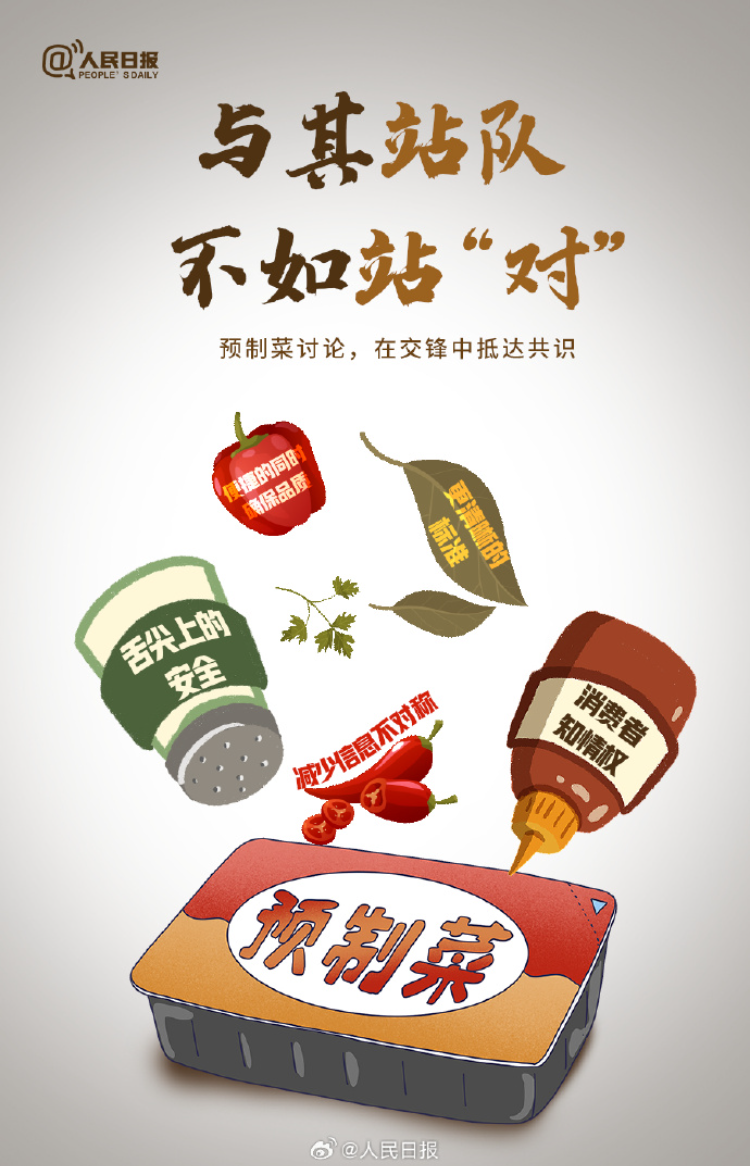
人民日报:预制菜讨论,在交锋中抵达共识
Ren Min Ri Bao· 2025-09-14 11:23
Core Viewpoint - The discussion surrounding prepared dishes (预制菜) has stirred public interest, highlighting issues related to consumer rights and the healthy development of the industry [1][4] Group 1: Industry Challenges - The main challenge for prepared dishes lies not in technology but in establishing consumer trust [1] - The development of the catering industry must prioritize both efficiency and the public's need for safe and transparent food options [1] Group 2: Governance and Transparency - There is a need for clearer standards for prepared dishes to reduce information asymmetry [1] - The industry should focus on optimizing governance to create a conducive environment for the development of prepared dishes, ensuring that corporate behavior aligns with consumer knowledge and choice [1]
预制菜,没有什么可遮遮掩掩的
Hu Xiu· 2025-09-14 09:55
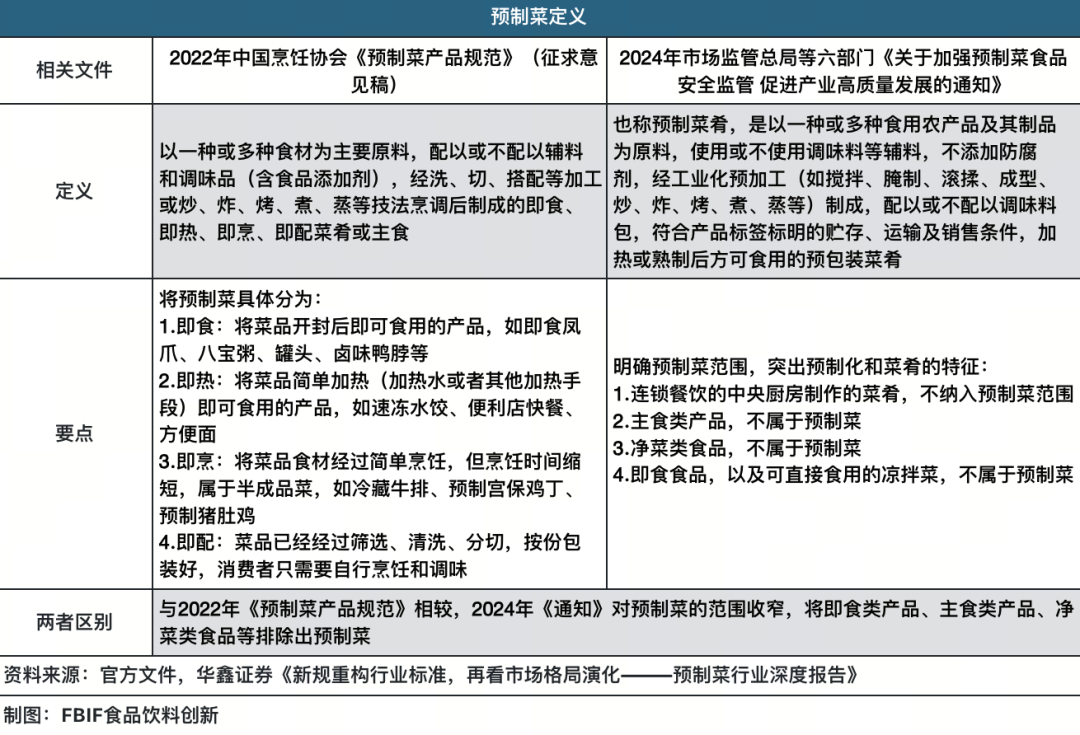
Core Viewpoint - The controversy between Luo Yonghao and Xibei has evolved from a debate about the use of pre-prepared dishes to a broader discussion on how to promote transparency in the pre-prepared food industry, including standards and public perception [1][4]. Industry Overview - The pre-prepared food market in China has seen significant growth, with the market size increasing from 244.5 billion yuan in 2019 to 516.5 billion yuan in 2023, reflecting an average annual growth rate of over 20%. However, a slight decline is expected in 2024, with a projected market size of 546.6 billion yuan, a year-on-year increase of 5.83% [3]. Historical Context - The concept of pre-prepared food was not initially aimed at end consumers. The industry began to take shape in the 1990s with the entry of fast-food chains like McDonald's and KFC into China, which introduced a model of fresh produce processing and distribution [5][6]. - The evolution of pre-prepared food products transitioned from raw to cooked, and from mixed to pre-prepared and ready-to-eat meals over the years [6][7]. Regulatory Developments - The term "pre-prepared food" was first mentioned in a 2016 document by the Ministry of Agriculture, which aimed to enhance the processing of agricultural products [8][9]. - In 2022, the China Culinary Association released a standard defining pre-prepared food, categorizing it into three types: ready-to-eat, ready-to-cook, and pre-cleaned vegetables [19]. - A joint notice issued in March 2024 by multiple government departments further clarified the definition of pre-prepared food, emphasizing that it should not include staple foods or ready-to-eat items [20][21]. Market Dynamics - The pre-prepared food industry is undergoing a transformation from quantity expansion to quality selection, with a notable decline in the registration growth rate of related companies from 683.8% in 2023 to 147.8% in 2024 [24]. - The market is characterized by a diverse range of companies, including those extending from upstream agricultural sectors to downstream pre-prepared food production, as well as specialized pre-prepared food enterprises [25][26]. Consumer Trends - Consumer acceptance of pre-prepared food is increasing, with 81% of consumers valuing convenience and time-saving aspects, while 33.5% appreciate the cost-effectiveness [47]. - The consumption of pre-prepared food in the restaurant sector accounts for approximately 64%, while retail accounts for about 36% [47]. Innovations and Challenges - The industry is leveraging technological advancements in preservation methods, such as low-temperature storage and rapid freezing, to eliminate the need for preservatives [47]. - The integration of pre-prepared food with central kitchen operations is becoming more prevalent, although there is a clear distinction between the two concepts [30][39].
到底什么才是预制菜?6部门曾发文明确
Yang Shi Xin Wen Ke Hu Duan· 2025-09-14 05:52
Core Viewpoint - The recent focus on "pre-prepared dishes" has led to a clearer definition and regulatory framework for the industry, emphasizing food safety and quality standards [1][2]. Definition of Pre-prepared Dishes - Pre-prepared dishes, also known as pre-prepared meals, are defined as dishes made from one or more food products that undergo industrial pre-processing without the addition of preservatives, requiring heating or cooking before consumption [2]. Foods Not Classified as Pre-prepared Dishes - Simple processed foods like washed and cut vegetables, frozen staple foods, and ready-to-eat meals do not fall under the category of pre-prepared dishes. Additionally, dishes produced in central kitchens for restaurant chains are also excluded [4]. Strengthening Food Safety Regulation - The regulatory framework emphasizes the need for producers to establish robust food safety management systems, enhance raw material quality control, and ensure compliance with food safety laws [6]. Promotion of Transparency in the Use of Pre-prepared Dishes - There is a push for transparency regarding the use of pre-prepared dishes in the food service sector, ensuring consumers are informed about the ingredients and preparation methods used [7]. Considerations for Not Adding Preservatives - The decision to prohibit preservatives in pre-prepared dishes aligns with consumer expectations and industry consensus on minimizing food additives, while ensuring safety through proper storage and handling practices [9].
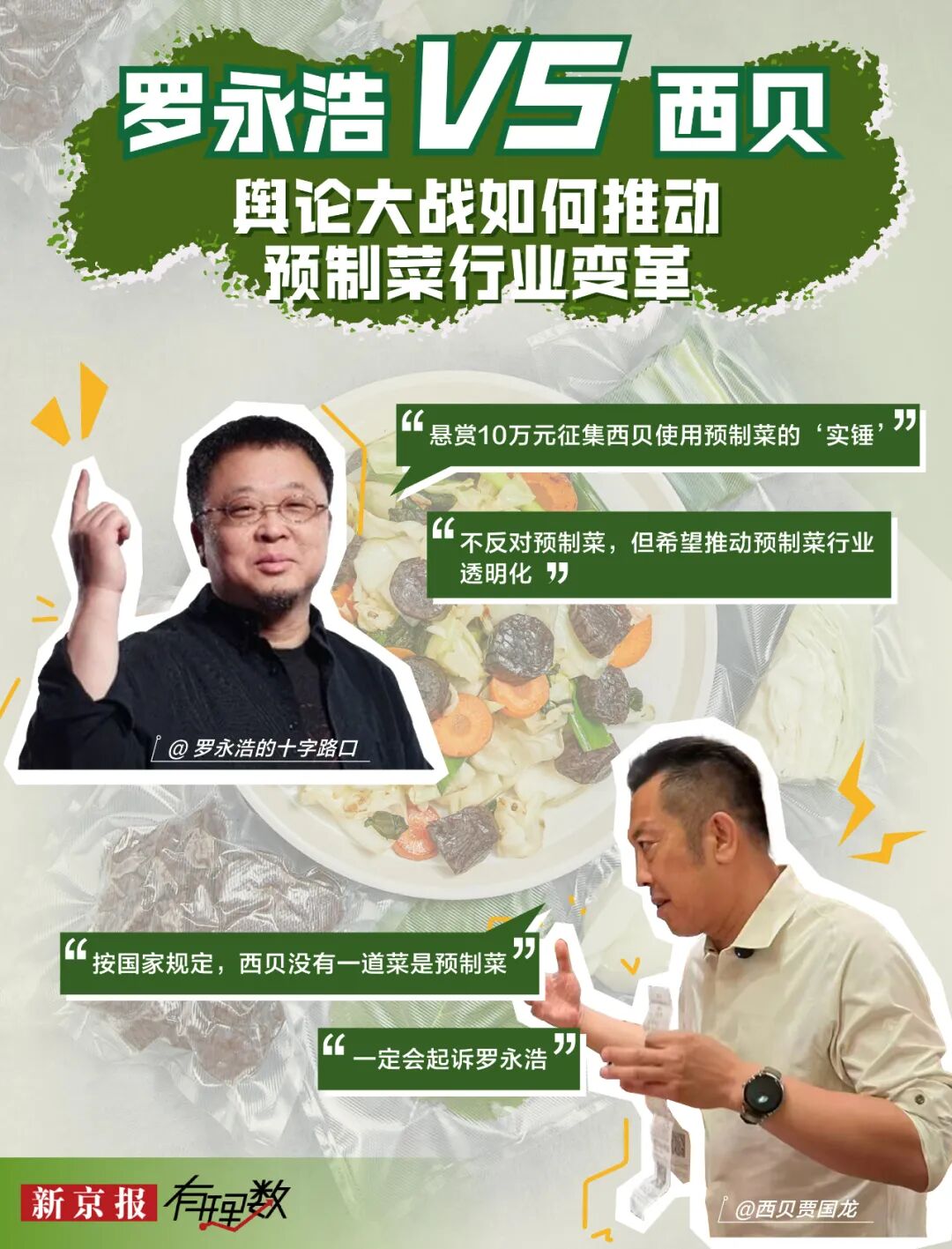
罗永浩和西贝的这场架,没白吵
Xin Jing Bao· 2025-09-14 04:30
登录新浪财经APP 搜索【信披】查看更多考评等级 专题:专题|罗永浩硬扛预制菜,西贝后厨曝光:鲈鱼保质期18个月,羊腿肉生产于2024年 数据新闻编辑 陈华罗 新媒体设计 苗奇卉 校对 刘军 "好久没吃西贝了,几乎全是预制菜,还那么贵,希望国家快点立法,强制饭馆注明是否使用预制菜。" 9月10日,罗永浩在微博上对西贝的吐槽,像一颗石子投入湖面,瞬间激起千万网友的共鸣。这场关于"餐厅该不该用预制菜"的争论,不仅让西贝深陷舆 论漩涡,更把藏在我们餐桌背后的预制菜行业,推到了聚光灯下。 "实在太恶心了!"罗永浩的吐槽迅速发酵,他甚至悬赏10万元征集西贝用预制菜的证据,并呼吁"出台法规要求餐厅标注预制菜"。而西贝的回应同样强 硬:创始人贾国龙直言"按国家规定,西贝没有一道预制菜",还透露罗永浩一行人临走时曾对服务员说"挺好",仅两道菜没吃完。9月12日起,西贝更是 推出"罗永浩同款菜单",开放全国门店后厨,邀请消费者"亲眼看着做菜"。 一边是消费者对"高价吃预制菜"的不满,一边是商家对"预制菜定义"的辩解,这场争论像一面镜子,照出了当下预制菜消费的三大矛盾:餐厅的预制菜预 制到什么程度才是预制菜?预制菜卖现做价合理吗 ...