Automobiles

Search documents
赞助商魔咒?苏超落幕!阿里军团和京东双双押空?
新浪财经· 2025-11-02 08:00
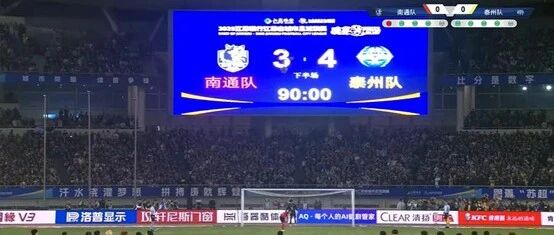
Core Viewpoint - The inaugural Suzhou Super League (苏超) concluded with Taizhou team winning the championship, highlighting the impact of sponsorships from major companies like Alibaba and JD.com, despite their sponsored teams not performing well in the tournament [2][5]. Sponsorship Analysis - The Suzhou Super League had a total of 42 sponsors, with the top eight teams attracting significant sponsorships, particularly Nanjing team with 33 sponsors [2][5]. - Taizhou team, which won the championship, had only 2 sponsors (Deep Blue Auto and Buick), contrasting with other teams that had many more sponsors [7][8]. - Teams sponsored by Alibaba's various platforms (e.g., Huabei, Alipay) did not perform as expected, with Wuxi team finishing 4th and Xuzhou team 5th [6][8]. Economic Impact - The league generated approximately 38 billion yuan in revenue from tourism, transportation, dining, accommodation, and sports, showing a year-on-year growth of over 40% [8]. - The event attracted significant social media attention, with 171 trending topics related to the league on Weibo, accumulating a total reading volume of 2.934 billion [8]. Attendance and Engagement - The league recorded a total attendance of 2,433,339 across 85 matches, with an average of 28,628 attendees per match, and a record attendance of 62,329 during the finals [9]. - The high attendance figures surpassed those of professional leagues, indicating strong public interest and engagement in the event [9]. Future Considerations - To maintain the league's reputation and enthusiasm among teams, organizers and sponsors need to invest more time and resources into evaluating teams and expanding commercial mechanisms [9].


人形机器人夸父,担任0号火炬手!
2 1 Shi Ji Jing Ji Bao Dao· 2025-11-02 07:11
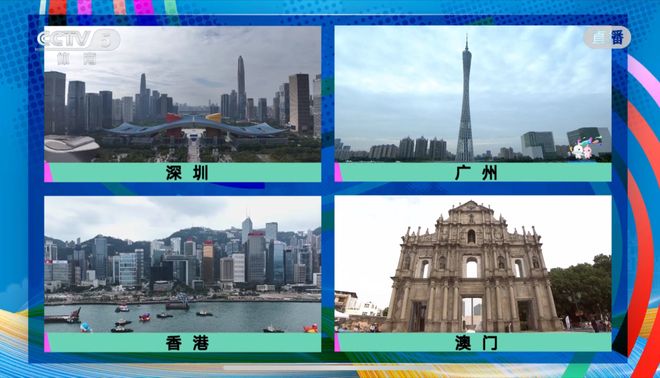
Core Points - The 15th National Games will be held from November 9 to 21 in Guangdong, Hong Kong, and Macau [1] - The torch relay for the event started on November 2, with a total of 200 torchbearers, each city having 50 torchbearers running 50 to 100 meters [1][3] Group 1: Torch Relay Details - The torch relay will conclude with representatives from the four cities returning the flame to Guangzhou, followed by a ceremonial fire fusion event at the Guangdong Olympic Sports Center [3] - A humanoid robot named "Kua Fu" served as the "0th torchbearer," successfully completing a 100-meter torch relay task [5] - The robot was developed by Shenzhen Leju Robotics and underwent enhancements in dynamic motion control, load balancing, and complex environment adaptation [5] Group 2: Technological Innovations - The robot's operation was optimized using a 5G-A network, achieving an uplink speed of 20 Mbps and a latency of 20 ms for stable communication [6] - This technology allowed for real-time transmission of ultra-high-definition footage from the robot's perspective, enabling precise execution of relay commands without the need for accompanying personnel [6] Group 3: Athlete Participation and Community Engagement - Notable athletes, including Quan Hongchan, are participating in the diving events, with hopes of increased local audience attendance [8] - Liu Weiqiang, the opening ceremony's director, expressed excitement about the event and emphasized the close ties among Guangdong, Hong Kong, and Macau [10][12] - He also encouraged athletes from other regions to explore and enjoy the local culture and cuisine [12] Group 4: Personal Reflections from Torchbearers - He Xiaopeng, the final torchbearer in Guangzhou, expressed pride and excitement about participating in the relay, linking the event to technological innovation and the future of AI [14] - He believes that advancements in technology will significantly improve lives in the coming decades [14]

沪市三季度业绩同比环比双增,改革举措加速落地
Di Yi Cai Jing Zi Xun· 2025-10-31 14:21
Core Insights - The performance of listed companies in the Shanghai market showed both year-on-year and quarter-on-quarter growth in the third quarter of 2025, with total revenue reaching 37.58 trillion yuan and net profit at 3.79 trillion yuan, marking a year-on-year increase of 4.5% [1] - High-tech industries are driving significant growth, with a notable 550% increase in net profit for the steel industry due to effective measures against "involution" [1][4] - The implementation of reforms such as "科创板1+6" and "科创板八条" has led to increased activity in mergers and acquisitions, with a total of 602 asset restructuring cases reported in the first three quarters of 2025 [6] Group 1: Company Performance - In the first three quarters of 2025, listed companies in Shanghai achieved a total operating income of 37.58 trillion yuan, a slight year-on-year increase, and a net profit of 3.79 trillion yuan, reflecting a 4.5% growth [1] - The third quarter saw net profit and net profit after deducting non-recurring gains and losses increase by 11.4% and 14.6% year-on-year, respectively [1] - The cash dividend total exceeded 600 billion yuan, with 501 companies announcing dividend plans, marking a 3.3% increase year-on-year [1] Group 2: Industry Trends - High-tech manufacturing services reported a total R&D investment of 229.6 billion yuan, a 9% increase year-on-year, contributing to a 10% revenue growth and a 19% net profit growth [4] - The semiconductor industry, driven by AI, saw net profits increase by 82% for chip design and 25% for semiconductor equipment [4] - The steel industry experienced a remarkable 550% increase in net profit, with a 2.91 percentage point rise in gross profit margin [5] Group 3: Mergers and Acquisitions - Since the introduction of the "科创板八条" reform, nearly 150 new industry mergers and acquisitions have been recorded, with a total disclosed transaction amount nearing 48 billion yuan [6] - The number of major asset restructurings has increased significantly, with 76 new cases reported in the first three quarters of 2025, a 117% year-on-year increase [6] - Companies like 湘财股份 and 海光信息 are actively engaging in mergers to enhance industry integration and expand into new sectors [7]
Amazon's earnings rally, Netflix's stock split, chocolate inflation and more in Morning Squawk
CNBC· 2025-10-31 11:56
Group 1: Federal Government Shutdown Impact - Airlines including Delta, United, and American Airlines are lobbying for an end to the federal government shutdown, which has lasted 31 days, as it affects their operations and employees [2][3] - U.S. air traffic controllers missed their first full paychecks due to the shutdown, increasing stress on essential workers [3] - The Chamber of Commerce reported that government contractors are losing approximately $3 billion for each week of the shutdown, with the Congressional Budget Office estimating a loss of at least $7 billion in GDP by the end of next year [3] Group 2: Energy Sector Performance - Chevron exceeded Wall Street expectations with a record daily production of 4.1 million barrels in Q3, boosted by its acquisition of Hess [4] - In contrast, Exxon Mobil reported Q3 revenue that fell short of analysts' forecasts, with net income declining by 12% to $7.55 billion [5] Group 3: Semiconductor Chip Shortage Concerns - Automakers are facing potential shortages of auto semiconductor chips, particularly due to issues with Nexperia, a chip supplier affected by export restrictions from China [6][7] - Stellantis shares dropped around 9.5% after the company warned of one-off costs, overshadowing an otherwise positive Q3 performance [8] Group 4: Chocolate Price Increases - Chocolate prices have risen nearly 30% since last Halloween and almost 78% over the past five years, leading to decreased sales in the Halloween candy market [10] - Chocolate's share of Halloween candy sales has dropped from 52% in 2024 to 44% this year, attributed to rising prices and the emergence of cheaper alternatives [11]


Hiltzik: Meme stocks are still with us, offering dangerous temptations for unwary and novice investors
Yahoo Finance· 2025-10-31 10:00
Core Insights - The article discusses the resurgence of meme stocks, highlighting their volatility and the influence of social media on trading behavior [4][20][21] - It emphasizes the ongoing interest from retail investors in underperforming stocks, despite the risks associated with such investments [5][20] Company Analysis - GameStop is identified as the emblematic meme stock of 2021, having lost $1.36 billion from 2018 to 2020, and its stock price peaked at $483 in January 2021 before significant declines [1][8][21] - Beyond Meat experienced a rapid stock surge of over 1,400% within four days, driven by online promotion and a debt swap announcement that diluted shareholder stakes [3][7][21] - Opendoor Technologies, another company mentioned, saw its stock quintuple in price over a few weeks, with claims of potential upside despite ongoing losses [18][19] Industry Trends - The meme stock phenomenon is characterized by large price movements, high trading volumes, and significant short interest, often fueled by social media and internet influencers [10][11][12] - The article notes that meme stocks have become a distinct investment category, with indexes and ETFs being developed to track their performance [15][16] - The current market environment, marked by high interest rates and economic uncertainty, has not deterred the meme stock rallies, indicating a shift in investor behavior [19][20]


X @Bloomberg
Bloomberg· 2025-10-31 09:34
Maruti Suzuki posted a weaker-than-expected quarterly profit as rising input costs offset gains from a recent tax cut and demand from an early start to the local festival season https://t.co/Y42OhpkDYF ...
谷歌前CEO:当年李鸿章访美被震了,如今外国人来华被惊了
Sou Hu Cai Jing· 2025-10-31 08:04
Core Insights - The article discusses the rapid technological advancement of China, positioning it as a potential superpower in high-end research, which raises concerns for the U.S. regarding its competitive stance in innovation and leadership [1][2][3] Group 1: China's Technological Advancements - China accounts for 70% of global AI patent grants, 75% of clean energy technology patent applications, and 41% of life sciences and biotechnology patent grants, leading the world in fusion technology patent applications [2][3] - China is the world's top manufacturer and exporter, producing over two-thirds of global electric vehicles, four-fifths of solar components and battery cells, and approximately 60% of wind turbines, while processing most rare earth minerals essential for technologies like chips and fighter jets [2][3] Group 2: Competitive Landscape - The intense competition within various sectors in China encourages differentiation and diversification among tech companies, particularly in AI, where firms are innovating in model efficiency and application [6][7] - The article highlights the transformation of Shenzhen's Huaqiangbei district from a hub of "shanzhai" (knockoff) products to a center of innovation, reflecting the evolution of Chinese tech companies [6][7] Group 3: Lessons for the U.S. - The article suggests that the U.S. can learn from China's diverse approach to AI and technology, including integrating AI into traditional and emerging industries and fostering innovation through open collaboration with other nations [6][7] - To revitalize its manufacturing sector, the U.S. should focus on supporting scientific research, welcoming top international talent, and reducing regulatory barriers [7]

中美贸易休战一年,双方视野重归内部事务
Bank of China Securities· 2025-10-31 06:33
Index Performance - The Hang Seng Index (HSI) closed at 26,283, down 0.2% for the day but up 31.0% year-to-date (YTD) [2] - The MSCI China index increased by 36.2% YTD, despite a 0.2% decline on the last day [2] - The CSI 300 index showed a YTD increase of 19.7%, with a 0.8% drop on the last day [2] Commodity Price Performance - Brent Crude oil prices fell by 0.3% to $65 per barrel, down 9.9% YTD [3] - Gold prices rose by 2.4% to $4,025 per ounce, reflecting a significant YTD increase of 53.3% [3] - Copper prices increased by 1.3% to $11,184 per ton, with a YTD rise of 27.5% [3] Macro and Earnings Releases - The Core PCE Index in the US remained stable at 2.9% YoY as of October 31 [4] - US Personal Income increased by 0.4% MoM, consistent with expectations [4] - US Auto Sales were reported at an annualized rate of 16.4 million units, exceeding the consensus of 15.5 million [4] Corporate Earnings Insights - Sinopec's net profit dropped 15% QoQ to RMB 8.3 billion, 26% below forecasts, with a projected 22% decline in Q4 earnings [10] - China Oilfield Services (COSL) reported a 16% QoQ earnings growth to RMB 1.25 billion, but expects a 17% decline in Q4 [13] - CNOOC Limited's net profit fell 12% YoY to RMB 32.4 billion, but was 6% above forecasts, with a projected 21% decline in Q4 earnings [17]


中国未来赢家_战略领域的创新成长企业将成为中国未来赢家-China Next Winners_ Innovative growth companies in strategic sectors will emerge as China Next Winners.
2025-10-31 00:59
Summary of Key Points from the Conference Call Industry and Company Focus - The conference call discusses the strategic sectors in China, particularly focusing on innovative growth companies that are expected to emerge as "China Next Winners" in the context of the country's five-year plans [1][3][4]. Core Insights and Arguments 1. **Five-Year Plans as Investment Roadmaps**: China's five-year plans have historically served as effective roadmaps for investors, highlighting key sectors that are prioritized for growth. Significant alpha generation is often observed in the initial years following the prioritization of these sectors [3][12][13]. 2. **Key Growth Areas Identified**: - **Technology and Innovation**: Growth in semiconductors and artificial intelligence (AI) is anticipated, with a focus on self-reliance and high-tech innovation [3][4]. - **Advanced Manufacturing and Automation**: Chinese companies are expanding in mature automation areas, with new entrants in humanoid robotics benefiting from a large customer base and lower development costs [3]. - **Green Technology Leadership**: China has achieved 50% penetration of electric vehicles, with expectations for full electrification by the end of the decade. Rapid development in solar, wind, and nuclear energy is also anticipated [3]. - **Healthcare and Drug Development**: The aging population is expected to create greater opportunities in healthcare, with the industry catching up to global standards in R&D capabilities [3]. - **Domestic Consumption Boost**: A shift in consumer behavior from material ownership to experiential wealth is noted, benefiting companies focused on experiences rather than goods [3]. - **Urban Air Mobility**: China aims to dominate the low altitude economy, with proactive regulations and infrastructure development supporting this market [3]. 3. **Investment Implications**: The report emphasizes that growth stocks and innovative companies have historically provided the best returns for long-term investors, with a focus on high-growth and highly innovative firms [4][12]. 4. **Top Stock Recommendations**: Key stocks highlighted include Tencent, CATL, Alibaba, Trip.com, Luxshare, Hengrui, and Innovent as potential investment opportunities [4]. Additional Important Insights 1. **Historical Performance of Strategic Industries**: Industries identified as strategic in five-year plans have historically shown an average alpha of 30-40% in the first two years post-inclusion, although returns tend to decline after five years [13][17]. 2. **Characteristics of Historical Winners**: Successful companies typically emerged from mid-cap stocks (around $5 billion adjusted for today's market size), with reasonable valuations (13x PE), operating margins of 6-9%, and long-term earnings growth expectations exceeding 12% [12][50]. 3. **Long-Term Trends**: The report indicates that high-growth and innovative companies have generated significant annualized alpha, with the top 20% of the market leading in innovation yielding 8.5% p.a. alpha over the last decade [12][50]. 4. **Geopolitical and Macroeconomic Influences**: The evolving geopolitical landscape and domestic structural challenges are shaping China's economic and policy environment, emphasizing self-reliance and technological innovation [14][29]. This summary encapsulates the key points discussed in the conference call, focusing on the strategic sectors and companies poised for growth in China, as well as the historical context and investment implications derived from the five-year plans.



No Signed Deal, But Trade Framework Finalized With China
Seeking Alpha· 2025-10-30 11:30
Group 1: Big Tech Earnings - Google (GOOGL) experiences growth, while Meta (META) faces a tax charge impacting its performance [2] - Microsoft (MSFT) sees a decline after increasing its capital expenditure forecast for 2026 [2] Group 2: Federal Reserve Actions - The Federal Reserve reduces rates by 25 basis points and ends quantitative tightening, though another rate cut in December is uncertain [2] Group 3: U.S.-China Trade Talks - President Trump announces a reduction in tariffs from 20% to 10% on certain goods, including fentanyl [4] - China agrees to continue the flow of rare earth materials and critical minerals without controls [4] - China will begin purchasing significant amounts of U.S. agricultural products, including soybeans and sorghum [4] - Discussions are underway for China to engage with Nvidia (NVDA) regarding chip production [4] - China is set to purchase American energy, with potential large-scale transactions for oil and gas from Alaska [4] - A trade deal with China may be signed soon, with annual renegotiations expected [4] Group 4: Company Updates - Boeing (BA) delays the 777X program to 2027 and incurs a $4.9 billion charge [6] - General Motors (GM) plans to cut jobs in the EV sector and temporarily idle two battery cell plants [6] - Chipotle (CMG) faces challenges with soft sales and rising costs affecting margins [6] - Fiserv (FI) experiences a significant drop in stock price following a leadership shake-up and earnings miss [6] Group 5: Market Overview - Nvidia (NVDA) achieves a historic market cap exceeding $5 trillion [5] - Current market trends show declines in major indices and commodities, with crude oil priced at $60.09 [7]