文旅融合

Search documents
鹏举仙邑 兰之猗猗 翁源兰花展在深圳启幕
Nan Fang Nong Cun Bao· 2025-10-10 03:02
Core Viewpoint - The "Pengju Xianyi Lan Zhi Yiyi" Orchid Exhibition has officially opened in Nanshan District, Shenzhen, aiming to blend natural beauty with industrial prosperity while promoting orchid culture [2][3][8]. Group 1: Event Overview - The exhibition lasts for six months, spanning the National Day and Spring Festival holidays, and is designed to attract both local residents and tourists [2][3]. - This event represents a significant collaboration between the Nanshan District Government of Shenzhen and the Wengyuan County Government, enhancing regional cooperation [5][6]. Group 2: Economic and Cultural Impact - The collaboration aims to implement a modern orchid industry development model, promoting the integration of cultural tourism between the Greater Bay Area and the northern Guangdong ecological region [7][8]. - Wengyuan County, known as the "first county of Chinese orchids," produces over 60% of the national supply of orchids, supported by a robust industry with 35,500 acres of cultivation and an annual output value exceeding 3.34 billion yuan [11][12]. Group 3: Exhibition Features - The exhibition is hosted at the Dutch Flower Town, a well-known cultural landmark in Shenzhen, covering approximately 60,000 square meters and featuring over 280 specialty shops, attracting millions of visitors annually [18][19]. - The event facilitates efficient market access for Wengyuan orchids, breaking traditional barriers in agricultural product distribution and providing a platform for appreciation, education, and premium selection [21][22].


紫金文化艺术节“艺动青春”板块在南京栖霞山麓连演三场文旅融合 千年古镇戏韵芬芳
Xin Hua Ri Bao· 2025-10-07 23:36
Core Insights - The 2025 Jiangsu Zijin Cultural Arts Festival featured a segment called "Art in Motion Youth," showcasing traditional Chinese operas such as Peking Opera, Yue Opera, and Kunqu Opera, attracting significant audience engagement during the National Day holiday [1][2][4]. Group 1: Cultural Significance - The festival aimed to elevate the cultural essence and development potential of the region, with a focus on integrating traditional arts with tourism [4]. - The historical context of Qixia Mountain, known for its connection to classic Kunqu Opera, provided a rich backdrop for the performances, enhancing the cultural experience for visitors [4][6]. Group 2: Youth Engagement - Young performers from the Jiangsu Peking Opera and Yue Opera troupes demonstrated their skills, with notable performances that resonated with both older and younger audiences, indicating a revival of interest in traditional arts among the youth [2][3][5]. - Interactive elements, such as workshops and audience participation, were incorporated to engage younger audiences, transforming them from passive observers to active participants [4][6]. Group 3: Economic Impact - The festival contributed to a noticeable increase in hotel occupancy rates and merchant revenues in the Qixia Mountain area during the National Day holiday, showcasing the economic benefits of cultural tourism [6][7]. - Social media buzz, including trending topics related to the festival, highlighted the event's success in attracting attention and visitors, further solidifying the link between cultural events and economic growth [6][7]. Group 4: Future Prospects - The Qixia District plans to continue cultural initiatives, including the "Qixia Has Drama" series, aiming to establish a lasting cultural presence that appeals to both residents and tourists [6][7]. - The festival serves as a model for integrating traditional arts with modern tourism, fostering cultural confidence and ensuring the sustainability of these art forms for future generations [7].
文化观察:从展柜珍品到日常“潮玩” 非遗如何火出圈?
Zhong Guo Xin Wen Wang· 2025-10-06 10:06
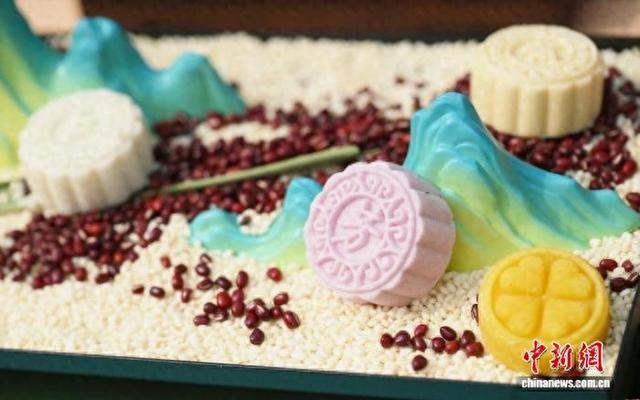
Core Insights - The integration of traditional craftsmanship with modern aesthetics in Zhejiang's intangible cultural heritage (ICH) is becoming a norm, as evidenced by the diverse offerings of mooncakes and pastries at the "Zhejiang Goodies" ICH Innovation Center [1] - The collaboration between Wu Fang Zhai and Jiaxing Traditional Chinese Medicine Hospital to create low-sugar rice cake mooncakes highlights the trend of merging culinary delights with health benefits [3] - The transformation of ICH into daily cultural experiences, such as the fish lanterns in Ningbo, showcases the shift from seasonal to everyday cultural products [3] Industry Trends - The current phase of cultural tourism in China emphasizes cultural essence, experiential engagement, and industrial integration, moving beyond mere economic transactions [5] - The "cultural empowerment" of ICH within the tourism sector creates unique selling points, enhancing the appeal of rural and urban areas in a saturated market [5][6] - The demand for ICH has spurred a new generation to engage in its preservation, with consumer spending providing financial support for innovation and protection of these traditional skills [6] Economic Impact - Successful cultural tourism integration is characterized by leveraging core cultural IPs like ICH to attract visitors, thereby boosting related sectors such as dining, accommodation, and retail [6] - Events like the fish lantern parade in Ningbo have demonstrated the potential for cultural experiences to significantly increase local economic activity, with surrounding businesses seeing income double [6] Future Directions - To ensure the sustainability of "ICH+" tourism projects, it is essential to maintain the integrity of traditional techniques while allowing for creative expressions that respect the core of ICH [7] - There is a need for deeper engagement in tourism experiences, moving beyond passive observation to co-creation, and developing regional cultural IPs that encapsulate broader narratives [7]
文化强国建设绽放新光彩(新时代画卷·决战决胜“十四五”)
Ren Min Ri Bao· 2025-10-03 22:02
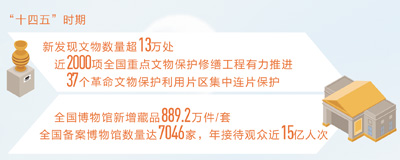
Core Insights - The article emphasizes the flourishing of cultural undertakings and industries in China, highlighting the integration of culture and tourism as a significant trend in the current era [13]. Group 1: Cultural Prosperity - The cultural sector in China is experiencing significant growth, with events like the 80th anniversary of the victory in the Anti-Japanese War showcasing this prosperity [3]. - Major cultural performances, such as the opening ceremony of the 19th Asian Games, reflect the vibrant cultural landscape [4]. Group 2: Public Cultural Services - The public cultural service system is becoming more robust, as seen in local cultural institutions engaging with communities through educational programs [6]. - Initiatives like the performance of traditional arts in local settings enhance community engagement and cultural appreciation [8]. Group 3: Systematic Protection of Cultural Heritage - There is a strong focus on the systematic protection of cultural heritage, with archaeological efforts and new museum exhibitions promoting awareness and preservation [10]. - The integration of traditional arts into modern performances, such as the new Kunqu opera, illustrates the commitment to cultural heritage [10]. Group 4: Integration of Culture and Tourism - The deep integration of culture and tourism is evident, with tourist attractions in places like Harbin and Dali enhancing visitor experiences through cultural elements [11]. - Cultural tourism initiatives, including red tourism, are gaining popularity, contributing to economic growth and cultural exchange [13]. Group 5: Cultural Confidence and Innovation - The article highlights the importance of cultural confidence as a foundation for the creative transformation and innovative development of traditional culture [13]. - Successful cultural products and phenomena, such as films and games, exemplify the dynamic creativity within the cultural sector [13]. Group 6: Enhancing Public Access to Culture - The establishment of cultural practice centers and the opening of libraries and museums for free access are enhancing public engagement with culture [13]. - These initiatives are aimed at increasing the sense of fulfillment and happiness among the populace, reflecting a commitment to cultural accessibility [13].
2025新一线城市排名揭晓!成都11连冠,长沙跻身前八,合肥不敌郑州
Sou Hu Cai Jing· 2025-09-25 21:44
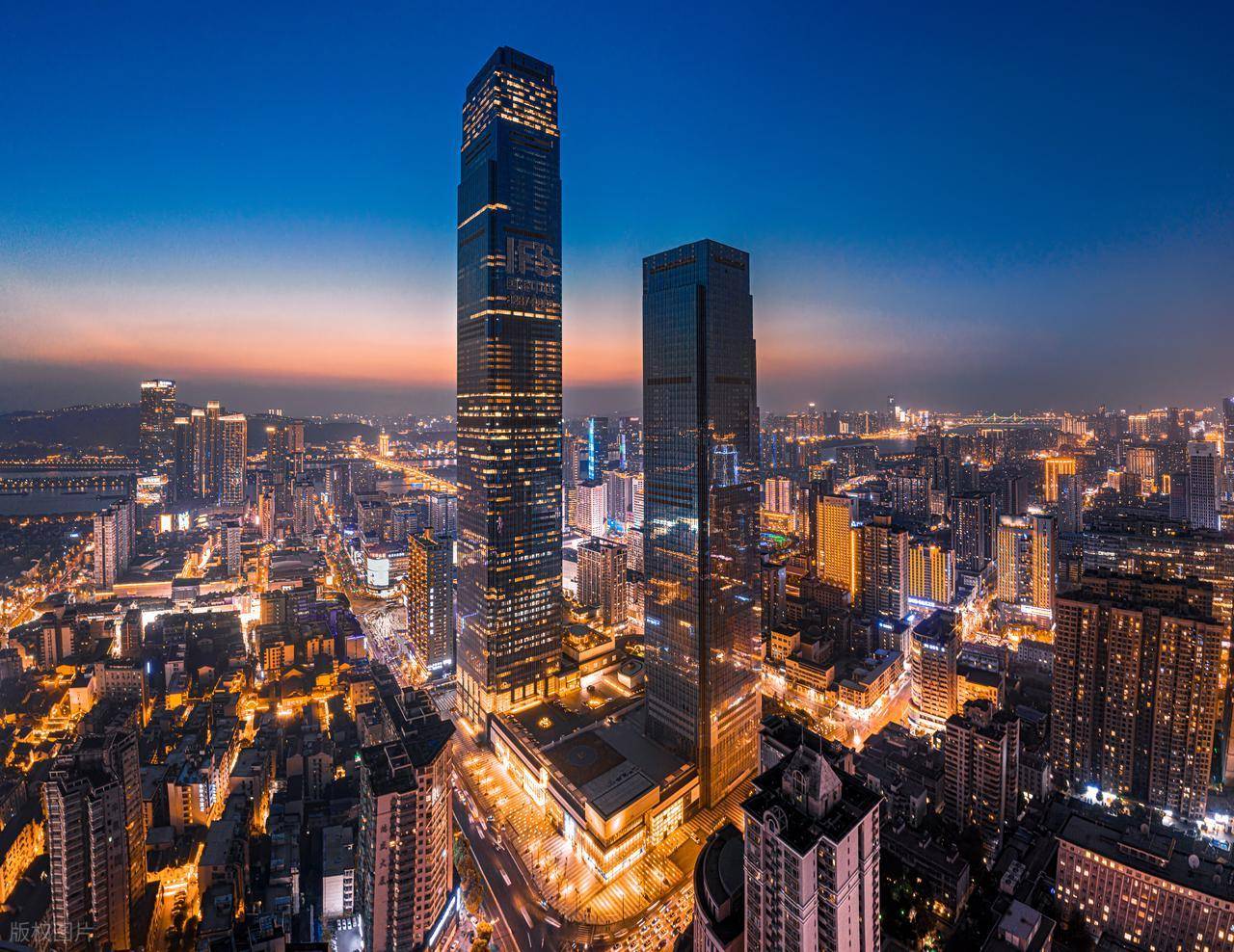
Core Insights - The latest ranking of urban competitiveness for 2025 has been released, with Chengdu maintaining its top position for the eleventh consecutive year, followed by Hangzhou in second place and Changsha making a notable entry at eighth place [1][3]. Group 1: Rankings and Performance - Chengdu's comprehensive strength has allowed it to secure the top spot, benefiting from its status as the economic center of the western region, showcasing advantages in business vitality, innovation environment, and quality of life [3][5]. - Hangzhou continues to excel in the digital economy, leveraging leading companies like Alibaba to maintain its leadership in e-commerce and internet finance [3][5]. - Changsha's rise is attributed to its vibrant night economy and integration of culture and tourism, with its commercial area recognized as a national model for smart commerce [3][5]. Group 2: Comparative Analysis - The ranking comparison between Hefei and Zhengzhou has sparked discussions, with Zhengzhou slightly outperforming Hefei due to its transportation hub status and population scale, indicating a shift from single metrics to a more comprehensive evaluation of urban competitiveness [6]. - Qingdao's low ranking may be linked to its struggles with industrial transformation, as it transitions from traditional manufacturing to high-end industries, reflecting challenges faced by many coastal cities [6]. Group 3: Emerging Trends - The ranking highlights a new trend in urban development, where the era of merely pursuing economic scale is over; cities must now focus on building distinctive competitive advantages [6]. - Differentiated development strategies, such as Changsha's cultural tourism integration, Hangzhou's digital economy, and Hefei's technological innovation, are becoming crucial for urban success [6]. - As talent mobility increases, competition among cities will increasingly center on quality of life, innovation environments, and sustainable development capabilities [6].
推动“百业+文旅”深度融合发展
Xin Hua Ri Bao· 2025-09-24 23:26
Core Insights - The Jiangsu Provincial Government has launched a three-year action plan (2025-2027) to promote high-quality development in the cultural tourism industry, focusing on integrated development and enhancing the product system of cultural tourism [1] Group 1: Integration and Collaboration - The establishment of a "Big Cultural Tourism" working mechanism is essential, requiring cross-departmental coordination and a permanent collaborative platform to address major issues in the integration of various industries with cultural tourism [2] - A resource integration mechanism will be created, involving government leadership and third-party participation to conduct a comprehensive resource survey and establish a database for "integrated resources" [2] Group 2: Regulatory and Service Mechanisms - A comprehensive service and regulatory mechanism will be implemented to enhance cultural tourism consumption services, including the establishment of financial support policies and market regulation measures [3] - The government will focus on improving the quality of tourism services and ensuring a healthy market environment through enhanced regulatory measures [3] Group 3: Innovative Consumption Scenarios - Differentiated integration models will be designed for various industries, creating unique consumption scenarios such as "Performance + Cultural Tourism" and "Agriculture + Cultural Tourism" [4][5] - The integration of agriculture and cultural tourism aims to create new consumption scenes centered around rural areas, enhancing agricultural value and promoting rural tourism [5] Group 4: Sports and Cultural Tourism - The integration of sports and cultural tourism will be promoted through events, enhancing the tourism experience by incorporating local culture and cuisine into sports events [6] - The Jiangsu Provincial Football League has demonstrated significant tourism growth, with a 24.67% increase in visitor numbers during a specific period, showcasing the multiplier effect of sports events on local tourism [6] Group 5: Product Supply and Development - The cultivation of high-quality cultural tourism enterprises is emphasized, encouraging collaboration among key players in the industry to form competitive clusters [7] - Support will be provided for traditional tourism businesses to upgrade and for new enterprises in digital and innovative tourism sectors to thrive [7] Group 6: Technological Empowerment - The integration of technology into cultural tourism is highlighted, utilizing advanced technologies like big data and AI to innovate and enhance the cultural tourism product offerings [8] - Local historical and cultural resources will be leveraged to promote the integration of various industries with cultural tourism through targeted project development [8]
从非遗保护到文旅融合 中外学者谈西藏优秀传统文化传承发展
Zhong Guo Xin Wen Wang· 2025-09-24 00:56
Core Viewpoint - The international academic seminar on "Correct Path to Solve Ethnic Issues with Chinese Characteristics and Tibetan Practice" discusses the transmission and development of Tibetan traditional culture, focusing on intangible cultural heritage protection and cultural tourism integration. Group 1: Tibetan Cultural Heritage - The Lhasa Potala Palace historical site, including the Norbulingka and Jokhang Temple, is recognized as a World Heritage site, showcasing the diversity and vitality of Tibetan culture [1] - The epic "Gesar" is highlighted as the longest and most extensive living epic tradition, representing a significant contribution of the Chinese nation to human civilization [2] - The Chinese government supports the protection of "Gesar" through cultural ecological protection zones, support for inheritors, and community participation [2] Group 2: Cultural Tourism Integration - The integration of culture and tourism in Tibet has become a new economic growth point, supported by infrastructure development, policy guarantees, and capital investment [2] - Current challenges in cultural tourism integration include shifting from regional cultural display to deepening Chinese cultural identity, ensuring public welfare, and prioritizing ecological protection [3]
南京秦淮区发布“3+X”产业基金体系,28个产业项目签约
Yang Zi Wan Bao Wang· 2025-09-22 12:40
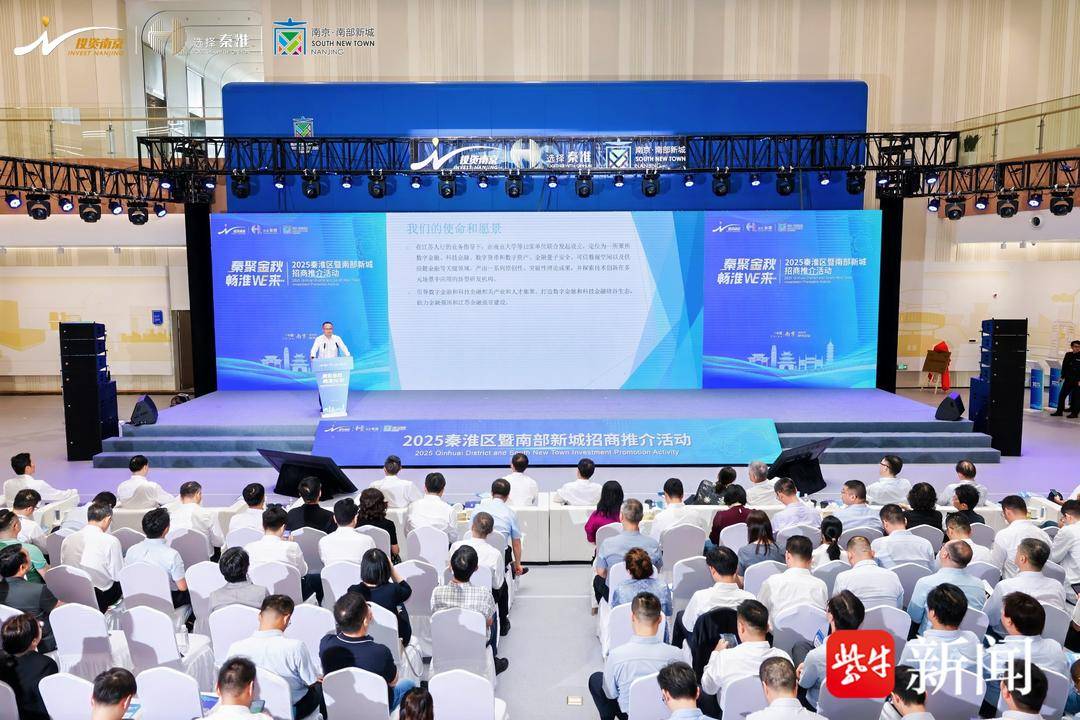
Core Insights - The Qinhuai District held a promotional event for investment opportunities, announcing the establishment of a "3+X" industrial fund system and signing 28 industrial projects [1][3]. Group 1: Industrial Fund System - The "3+X" industrial fund system aims to accelerate the development of the Qinhuai District, aligning with national and provincial policies on government investment funds [3]. - The "3" refers to three types of funds: government investment funds, participation in the city's "4+N" industrial fund cluster, and the establishment of a district state-owned enterprise fund [3]. - The "X" signifies the promotion of a partner fund library, aiming to establish close collaborative relationships with multiple funds [3]. Group 2: Project Signings and Collaborations - A total of 28 industrial projects were signed during the event, covering various sectors including headquarters projects, modern finance and commerce, software information (AI), new generation communication (IoT), renewable energy and environmental protection, health and education, and cultural tourism integration [4]. - The Jiangsu Province Smart Low-Carbon Building New Industry Fund was established with a total scale of 2 billion RMB, involving multiple local groups [4]. - The event emphasized collaboration between government, leading enterprises, and educational institutions to strengthen and expand industrial chains [4].

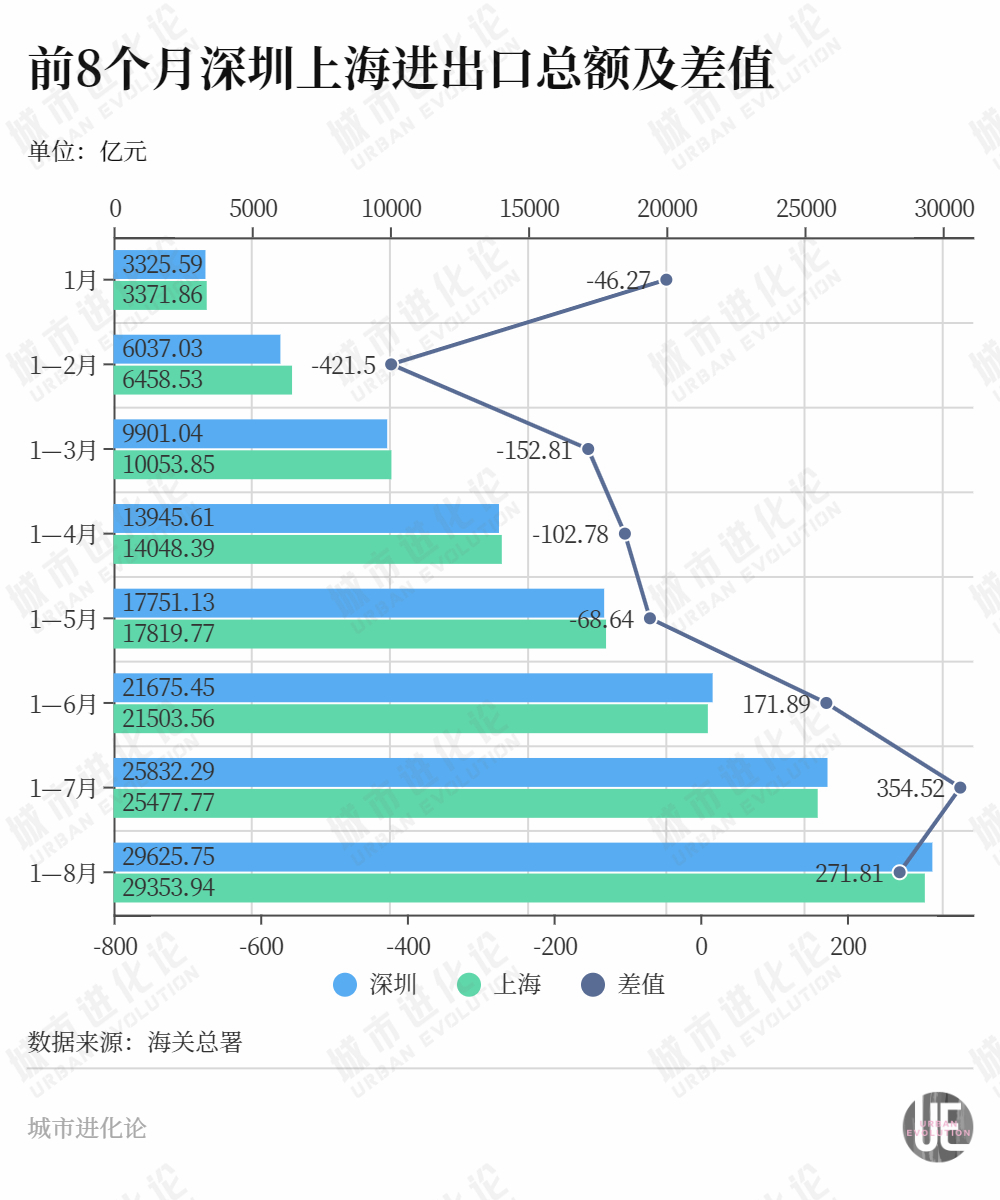
增速回正,“外贸第一城”继续守位
Mei Ri Jing Ji Xin Wen· 2025-09-19 23:26
Core Viewpoint - Shenzhen has regained its position as the "foreign trade capital" of China after ten years, with a total import and export scale of 2.96 trillion yuan in the first eight months of this year, reflecting a year-on-year growth of 0.3% [1][2]. Trade Performance - In the first eight months, Shenzhen's exports reached 1.79 trillion yuan, while imports totaled 1.17 trillion yuan, marking a 9% increase in imports [1]. - General trade accounted for 54.6% of Shenzhen's total import and export value, with a total of 1.62 trillion yuan [1]. - The import and export value of bonded logistics grew by 12.6%, reaching 800.78 billion yuan, representing 27% of the total [1]. Trade Partners - Shenzhen's trade with its top ten partners amounted to 2.31 trillion yuan, a growth of 2.8%, increasing its share to 78.1% compared to the previous year [1]. - Notable growth was observed in trade with Hong Kong (8.1%), Taiwan (20.8%), and Japan (14.8%) [1]. Business Composition - Private enterprises in Shenzhen played a crucial role, accounting for nearly 70% of the total trade, with imports and exports reaching 2.06 trillion yuan [8]. - Foreign-invested enterprises contributed 788 billion yuan, showing an 11.6% year-on-year increase [8]. Product Categories - Mechanical and electrical products dominated Shenzhen's foreign trade, with exports of 1.35 trillion yuan, a 4.6% increase, making up 75% of total exports [8]. - Significant growth was noted in the export of integrated circuits (40.2%) and computers and components (10.5%) [8]. - Imports of mechanical and electrical products reached 949.16 billion yuan, a 12.5% increase, with integrated circuits accounting for 519.68 billion yuan, up 18.8% [8]. Economic Context - Shenzhen's foreign trade has faced challenges this year, with initial negative growth in the first half, but has since shown a positive growth rate of 0.3% in the first eight months [5][9]. - The competition for the title of "foreign trade capital" remains tight, with Shanghai also showing resilience in its trade performance [9].
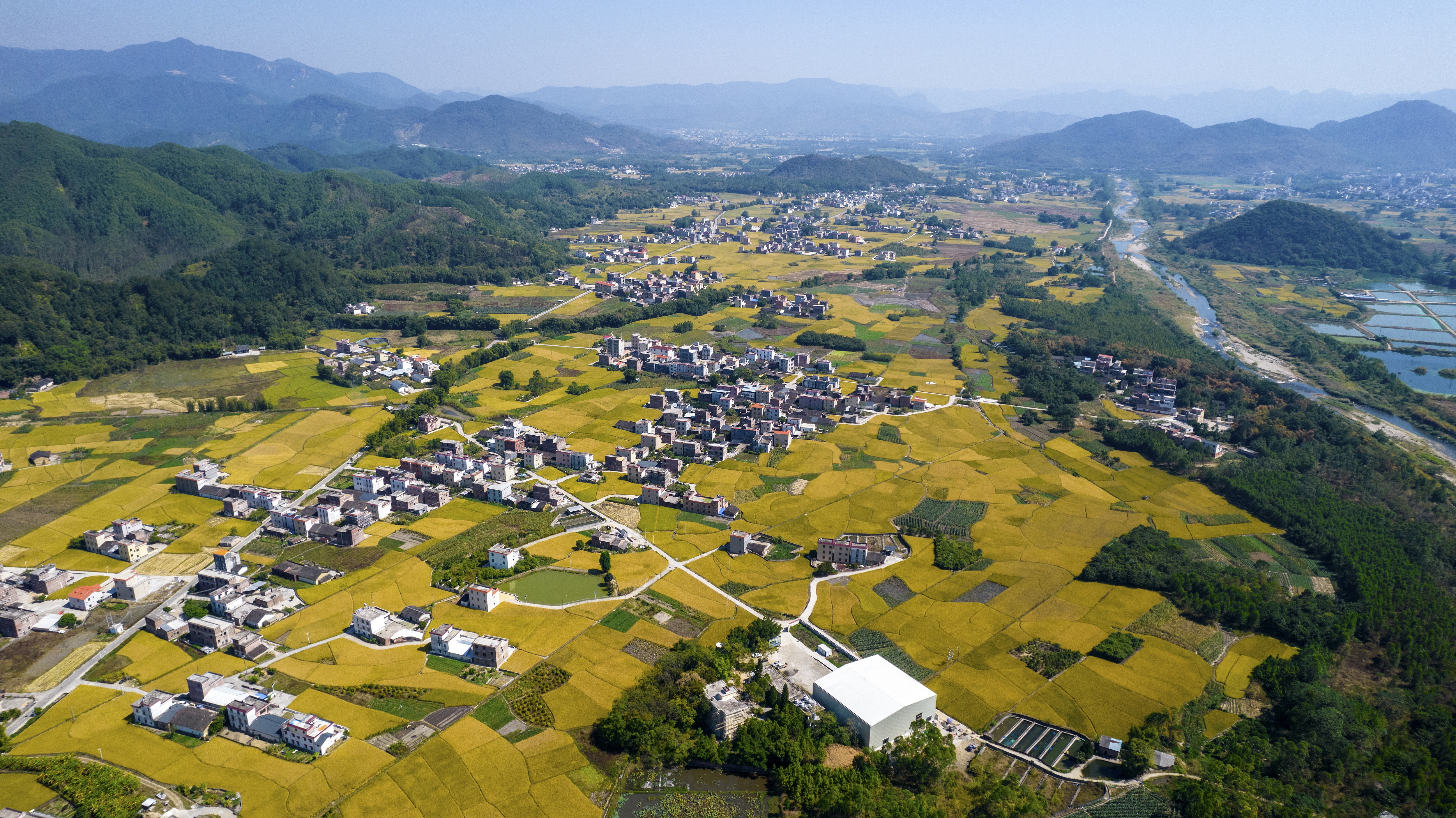
“菜小西”出圈、风机“起舞”、灵芝“生金”……看阳山产业“变形记”
Nan Fang Nong Cun Bao· 2025-09-17 10:50
Core Viewpoint - The "Hundred Million Project" in Yangshan County is driving significant industrial development, leveraging local resources to create a diversified industrial structure that promotes modern agriculture, ecological tourism, and green energy [1][4]. Agricultural Development - Yangshan County has seen continuous growth in agricultural output, driven by the "Hundred Million Project" which emphasizes land, supply chains, entities, and branding to scale and integrate agricultural development [4][7]. - The county has successfully established a demonstration base for dryland water spinach, with over 800 acres, contributing to local income through various revenue streams [4][7]. - Key agricultural products include Qingyuan (Yangshan) chicken with an annual output of 17.03 million birds and a value of approximately 1.304 billion yuan, and Yangshan water spinach with a planting area of 18,000 acres and a value of 1.35 billion yuan [7][11]. Forestry and Ecological Economy - Yangshan has implemented a high-quality development action plan for the under-forest economy, utilizing its 4.025 million acres of forest land and achieving a 9.17% year-on-year increase in forest land management rights transfer [15][18]. - The total output value of forestry in the county reached 656 million yuan, marking a 28.9% increase, with a focus on diverse under-forest industries such as medicinal mushrooms and tea [21][22]. Cultural and Tourism Integration - Yangshan is rich in cultural heritage and ecological tourism resources, recognized as a "National Forest Tourism Demonstration County" [23][31]. - The county is developing cultural IP around Han Yu, hosting cultural events and integrating intangible cultural heritage into tourism, enhancing visitor experiences [23][31]. Green Energy Initiatives - Yangshan is recognized as a "National Green Energy Demonstration County," with significant wind and solar resources, and has initiated multiple wind and solar projects [39][43]. - The county's wind power projects are expected to generate 120 million kWh of green electricity annually, reducing carbon emissions by 128,000 tons [43][49]. - A strategic cooperation agreement with China Energy Construction Southwest Institute aims to invest 2 billion yuan in renewable energy projects, including distributed solar and wind power [44][46]. Diverse Industrial Development - Yangshan is focusing on activating traditional industries while nurturing emerging ones, with significant growth in sectors like dryland water spinach and silk rice [50][51]. - The county is also promoting integrated development through initiatives like the "Lingzhi Chicken" demonstration base and the "flower economy," enhancing local tourism and agricultural synergy [55][58].