民用航空

Search documents
2025民机产业试验与测试大会在沪开幕
Zhong Guo Min Hang Wang· 2025-11-12 06:20
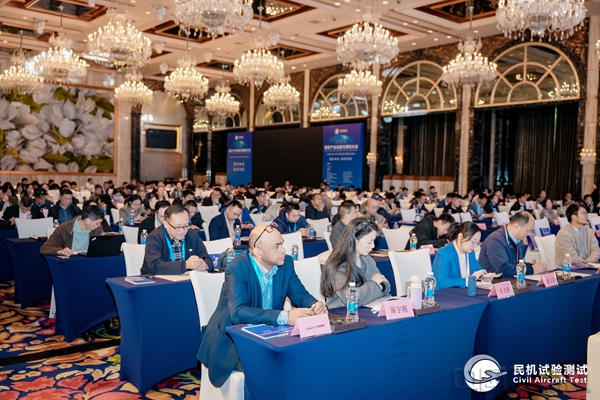
Core Insights - The "2025 Civil Aircraft Industry Testing and Testing Conference" was held in Shanghai, focusing on the theme of "Intelligent Collaboration, Digital Navigation" and gathered over 400 experts and representatives from the civil aircraft industry to discuss cutting-edge developments in testing technology and collaborative innovation [1][3] Group 1: Industry Trends - The global aviation industry is accelerating its transition towards intelligence and sustainability, with civil aircraft testing being a critical first line of defense for ensuring aviation safety and reliability [3] - The breakthrough and innovation in civil aircraft testing technology are essential for implementing the national "Large Aircraft Strategy" and building a self-controlled aviation industry chain as domestic large aircraft enter large-scale commercial operation [3] Group 2: Conference Focus - The conference addressed key topics such as aircraft health monitoring and management, verification of adaptability to special environments, and the digital transformation of verification technology, featuring over 30 specialized reports and technical exchange sessions over two days [5] - Experts from various organizations, including COMAC, AVIC, and major universities, engaged in in-depth discussions on topics like civil aircraft structural analysis certification technology, reliability enhancement needs for onboard systems and equipment, and the development of a new generation of flight test telemetry systems [6] Group 3: Conference Impact - The conference, organized by the Shanghai Aviation Society, aimed to create a high-level dialogue and technology-sharing platform for the industry, promoting the internationalization of testing standards, the intelligence of testing methods, and the collaborative development of the industry chain [7] - This initiative is expected to inject new momentum into the strategic transformation of China's civil aircraft industry from "catching up" to "leading" [7]

C919将亮相迪拜航展,首次在中东地区展示!
Ren Min Ri Bao· 2025-11-11 03:06
Group 1 - The core point of the article is that COMAC's C919 aircraft is making its debut in the Middle East at the Dubai Airshow, scheduled from November 17 to 21, 2025 [1] - The C919 aircraft made a stopover in Dhaka, Bangladesh, before arriving at Dubai Al Maktoum International Airport [1] - During the airshow, two C919 aircraft and one C909 business jet will be showcased together [1]
国产民机卓越飞行人才培养联盟在南京航空航天大学成立
Yang Zi Wan Bao Wang· 2025-11-04 13:59
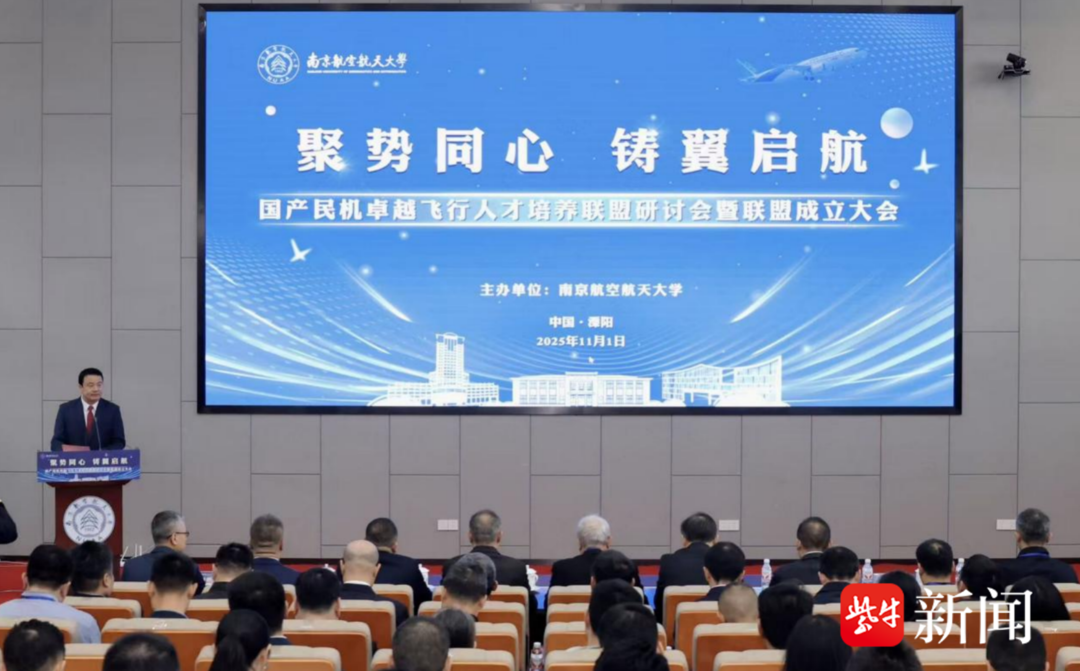
Core Points - The establishment of the Domestic Civil Aircraft Excellence Flight Talent Training Alliance marks a significant milestone in China's aviation industry, focusing on the development of high-quality pilots for domestic aircraft like the C919 [5][7] - The alliance aims to integrate industry resources and establish new standards for pilot training, contributing to the autonomous, large-scale, and international development of China's civil aviation sector [3][7] Group 1 - The Domestic Civil Aircraft Excellence Flight Talent Training Alliance was officially launched at Nanjing University of Aeronautics and Astronautics, with key figures from the aviation industry in attendance [1][3] - Nanjing University of Aeronautics and Astronautics has trained over 8,000 high-quality pilots, positioning itself as a crucial base for pilot training in China's civil aviation [3][7] - The alliance's charter focuses on three main tasks: setting training standards, resource integration, and industry collaboration, ensuring a structured operation of the alliance [7] Group 2 - The C919, as China's first independently developed trunk passenger aircraft, represents a technological breakthrough and showcases the country's industrial strength [5] - The alliance's leadership includes Nanjing University of Aeronautics and Astronautics as the chair unit, with several other prominent aviation institutions and companies as vice-chair units [7] - The collaboration between Nanjing University of Aeronautics and Astronautics, Liyang Municipal Government, and Jilin Province Fuhang Aviation College signifies a new phase in professional and standardized flight training [7]
国产民机卓越飞行人才培养联盟成立
Zhong Guo Xin Wen Wang· 2025-11-04 09:35
Core Points - The establishment of the Domestic Civil Aircraft Excellence Flight Talent Training Alliance aims to enhance the training of flight personnel in China, aligning with the country's transition from a "big aviation nation" to a "strong aviation nation" [1][2] - The alliance is initiated by Nanjing University of Aeronautics and Astronautics in collaboration with several institutions, including the Civil Aviation Flight University of China and Beihang University [1] - The alliance will focus on developing new training standards and models that integrate education and industry, emphasizing the importance of pilot and maintenance personnel training for the success of domestic aircraft like the C919 [1][2] Summary by Sections Alliance Formation - The Domestic Civil Aircraft Excellence Flight Talent Training Alliance was formed during a seminar held at Nanjing University of Aeronautics and Astronautics [1] - The alliance includes key players in the aviation education sector, aiming to pool resources and expertise for better training outcomes [1] Training Objectives - The alliance seeks to create a systematic and scientific training framework for pilots, ensuring they understand the technical characteristics of the C919 aircraft [2] - The initiative is part of a broader goal to enhance China's aviation capabilities and contribute to national aspirations for a strong aviation industry [2] Leadership and Structure - The first council of the alliance was elected, with Nanjing University of Aeronautics and Astronautics serving as the chair unit [2] - Vice-chair units include several prominent aviation and educational institutions, indicating a collaborative approach to talent development in the industry [2]
以高标准助力高品质生活 服务经济社会高质量发展
Xin Hua She· 2025-10-21 00:04
Core Viewpoint - The article emphasizes the importance of standards in enhancing product and service quality, meeting diverse consumer needs, and driving high-quality economic and social development in China [2][4]. Group 1: Standard Supply and Implementation - In 2023, China has increased standard supply and improved standard levels, with 148 new mandatory national standards and 106 new releases in the first half of the year, representing a year-on-year growth of 131% and 58% respectively [2]. - Significant standards have been introduced, including those for gas appliances and electric bicycles, with the formaldehyde release limit for engineered wood upgraded to E0 level, meeting the strictest global requirements [2]. Group 2: Health and Safety Standards - The newly released mandatory national standard for classroom lighting and illumination in primary and secondary schools includes multiple key indicators to create a healthy lighting environment, addressing issues like visual fatigue and the risk of myopia among students [3]. - A series of national standards for children's safety products, such as toys and riding gear, aim to enhance product quality and safety, providing a scientific basis for government regulation [4]. Group 3: Consumer Protection and Service Quality - Standards related to food safety, such as those for special medical purpose formula foods, ensure the safety of consumer products and meet diverse nutritional needs [5]. - Various standards have been established to improve service quality in consumer rights protection, including guidelines for product usage instructions, defect analysis, and after-sales service [5]. Group 4: Industry Transformation and Technological Advancement - The introduction of standards in manufacturing and energy sectors, such as vehicle stability testing and safety requirements for hazardous goods transport, supports the enhancement of transportation equipment industries [5]. - In emerging fields, standards for smart connectivity, digital twins, and robotics are being developed to promote healthy growth in advanced technologies [6]. Group 5: Future Directions - The market regulatory authority plans to address standard gaps by focusing on key industries and critical links, accelerating the development of standards in emerging fields, and updating consumer product standards to better meet public needs [6].
特朗普扬言限制波音飞机零部件对华出口,民航专家:此举对波音是毁灭性的
Guan Cha Zhe Wang· 2025-10-12 02:02
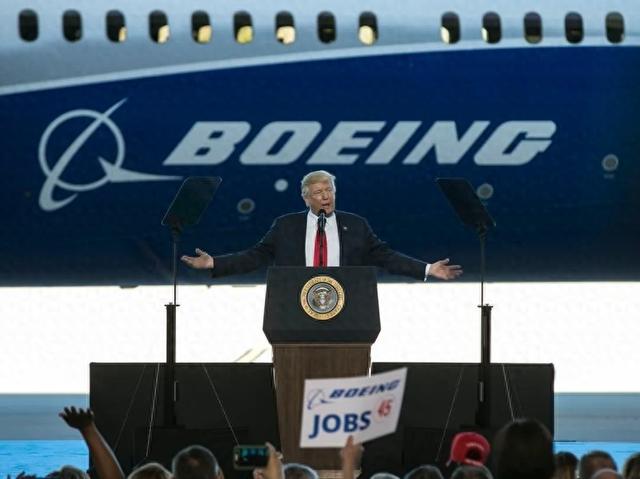
Core Viewpoint - The article discusses the escalating trade tensions between the U.S. and China, particularly focusing on President Trump's threats regarding export controls on Boeing aircraft parts in response to China's new rare earth regulations. This situation highlights the deteriorating relationship and the potential long-term impacts on both countries' aviation industries. Group 1: U.S.-China Trade Relations - President Trump has threatened to impose export controls on Boeing aircraft parts as a reaction to China's recent rare earth export regulations [1] - The trade dispute has led to a significant decline in Boeing's orders from China, dropping from 25% to less than 5% of total orders [1] - The situation is characterized as Trump having "no good cards to play" against China, leading to reckless decisions that could harm Boeing's reputation [1] Group 2: Impact on Boeing and the Aviation Industry - Boeing has faced challenges in the Chinese market, with Chinese airlines having ordered at least 222 Boeing aircraft, while currently operating 1,855 [4] - The potential export controls could also impact CFM International, a major manufacturer of commercial aircraft engines used in Boeing's 737 MAX [4] - The article notes that Airbus holds 185 orders from Chinese customers and has a production base in Tianjin, producing about four A320 aircraft monthly [4] Group 3: Domestic Aviation Developments in China - China is actively promoting its domestic commercial aircraft industry, with the C919 aircraft competing against Boeing's 737 and Airbus's A320 [4] - Chinese airlines have ordered 365 domestic aircraft, indicating a shift towards local production [4] - The article mentions that while Trump's threats may not directly affect domestic aircraft manufacturing, they could disrupt the maintenance and operation of existing Boeing fleets in China [6]

空中客车:任命王璀担任全球高级副总裁及空客中国民用飞机商务负责人
Jing Ji Guan Cha Wang· 2025-09-29 03:00
Core Viewpoint - Airbus has appointed Troy Wang as the new Senior Vice President and Head of Commercial Aircraft Business in China, effective January 1, 2026, succeeding Liu Li who will retire at the end of 2025 [2] Group 1: Appointment Details - Troy Wang will report to Xu Gang, the CEO of Airbus China, and will also report to Benoît de Saint-Exupéry, the Executive Vice President of Sales for Airbus Commercial Aircraft [2] - Wang expressed his honor and excitement to join Airbus, highlighting China's significance as the largest single-country market for Airbus and one of the fastest-growing aviation markets globally [2] Group 2: Previous Experience - Before joining Airbus, Wang served as the President of Rolls-Royce Greater China, overseeing strategic planning, market positioning, government relations, corporate management, and sustainability for the group in the region [2] - He also held the position of Senior Vice President for Civil Aerospace at Rolls-Royce, responsible for customer business in the civil aviation engine sector in Greater China [2]

民航华东局对商飞客服公司开展系统性监察
Zhong Guo Min Hang Wang· 2025-09-25 07:19
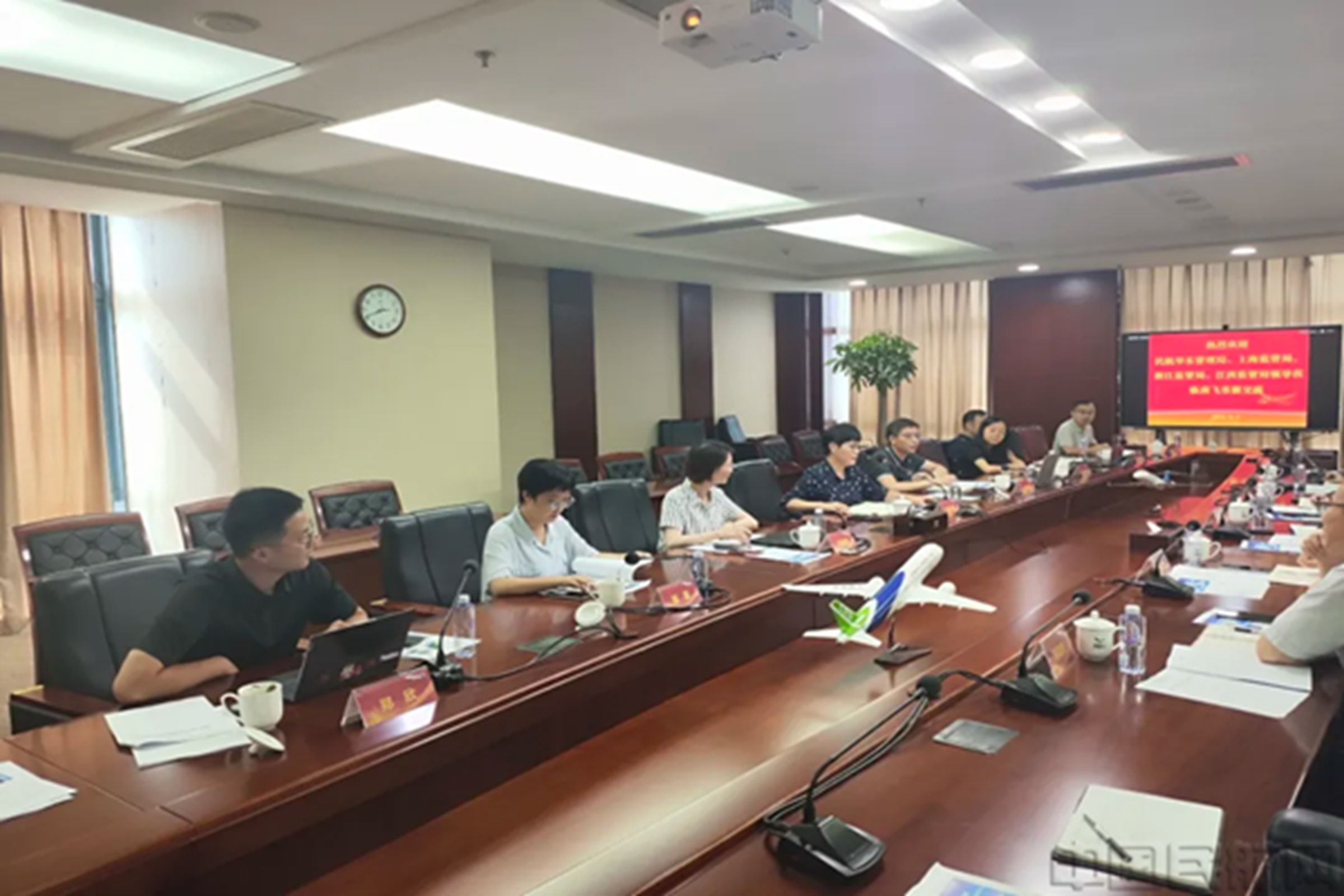
Core Viewpoint - The article discusses the recent inspection of COMAC's customer service company, emphasizing the importance of compliance and safety in the service system for domestic civil aircraft, as mandated by the Civil Aviation Administration of China (CAAC) [1]. Group 1: Inspection and Compliance - A specialized review team was formed by the Shanghai Regulatory Bureau and other regional authorities to conduct a comprehensive inspection of COMAC's customer service company, focusing on compliance with CCAR-135, CCAR-145, and CCAR-147 regulations [1][6]. - The inspection aimed to evaluate the company's capabilities in supporting domestic civil aircraft through document reviews, on-site checks, and personnel interviews, identifying areas for improvement [6]. Group 2: Achievements and Training - COMAC's customer service company has made significant progress in the domestic civil aircraft service sector, achieving high satisfaction rates of 99.2% among over 3,700 trainees in various maintenance training sessions for C909 and C919 aircraft since 2022 [5]. - The company has expanded its operational capabilities, increasing its fleet from 1 to 3 aircraft and obtaining operational qualifications for the C919 model, thereby enhancing its service foundation for market expansion [5]. Group 3: Recommendations for Improvement - The review team recommended establishing a closed-loop mechanism for "procedure-execution-verification" and improving the training and qualification system to ensure rigorous management of training, assessment, and records [6]. - Suggestions were made to enhance the training quality control system and optimize the teaching syllabus for the C909 model, ensuring better preparation for networked training [6].
特朗普为何废除陆上民用超声速飞行禁令?
Hu Xiu· 2025-09-12 12:34
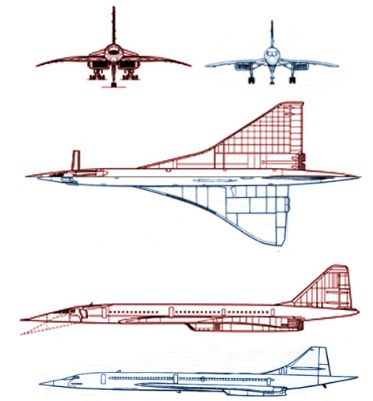
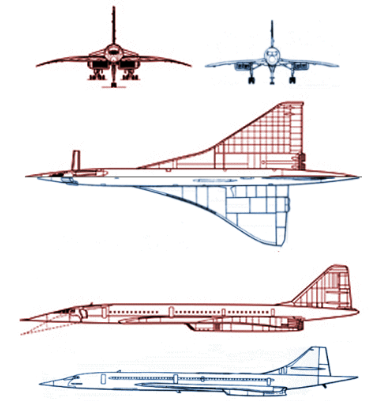
Core Viewpoint - The article discusses the recent decision by the Trump administration to lift the long-standing ban on supersonic civil flight over land in the United States, which has implications for the future of supersonic aviation and the competitive landscape between the U.S. and China in this sector [1][20]. Summary by Sections Background on Supersonic Flight - The article explains the historical context of the "supersonic civil flight ban," which was established due to concerns over sonic booms and their impact on populated areas [2][12]. - The Concorde, a supersonic passenger aircraft, operated successfully for 50 years primarily over the Atlantic, where sonic booms had minimal impact on human activities [3][12]. Technical Challenges and Historical Failures - The U.S. faced significant challenges in developing its own supersonic passenger aircraft, with factors such as resource allocation to the Apollo program and the negative public perception of sonic booms contributing to its failure [9][14]. - The sonic boom phenomenon, which creates a sharp noise when an aircraft exceeds the speed of sound, has been a major barrier to the acceptance of supersonic flights over land [11][12]. Regulatory Changes and Implications - Trump's executive order mandates the FAA to eliminate the ban by December 2025 and establish new noise certification standards by December 2026, aiming to revitalize the U.S. supersonic aviation industry [20][28]. - The lifting of the ban is seen as a strategic move to enhance U.S. competitiveness in aerospace, particularly in light of advancements in Chinese supersonic technology [22][37]. Industry Response and Future Prospects - The article highlights that the current U.S. supersonic projects, such as Boom Supersonic, may not necessarily require the regulatory changes to proceed, as they could operate under existing frameworks [28][30]. - China's advancements in supersonic technology are noted, with significant progress in research and development, positioning it as a potential leader in the field [37][44]. Conclusion - The article concludes that while the regulatory changes may not immediately accelerate U.S. supersonic aviation development, they reflect a broader trend of military and aerospace focus in the U.S. amid rising competition from China [45].
超声速民机,又一个“美国画饼,中国实现”的前沿
Guan Cha Zhe Wang· 2025-09-11 05:33
Group 1 - The article discusses the recent decision by the Trump administration to lift the long-standing ban on supersonic flight over land in the United States, which has been in place for over 50 years [1][18][25] - The historical context of the ban is explored, including the impact of the Concorde and the unique challenges faced by American supersonic aircraft projects compared to their European counterparts [2][5][9] - The article highlights the potential implications of this regulatory change for the future of supersonic aviation in the U.S., including the possibility of new market entrants and technological advancements [18][25][32] Group 2 - The article outlines the technical challenges associated with sonic booms, which have historically hindered the development of supersonic commercial aircraft in the U.S. [7][10][31] - It discusses the regulatory framework established by the FAA, including CFR 91.817 and CFR 91.818, which restricted supersonic flight and how these regulations were influenced by public perception and political factors [15][19][25] - The article contrasts the U.S. approach to supersonic flight with advancements in China, where significant progress is being made in developing supersonic aircraft technologies [32][39][40]