超市

Search documents
实探家乐福中国门店:消费者面临商品选择有限问题
Jin Tou Wang· 2025-09-19 09:41
Core Viewpoint - Carrefour is facing significant challenges in the Chinese market, with only two stores remaining in Shanghai, indicating a decline in its operational viability and consumer interest [1][2]. Group 1: Store Conditions - The Carrefour store in Shanghai has seen a drastic reduction in available products, with shelves for fresh produce, baked goods, and frozen seafood largely empty, leaving only non-perishable items for sale [2][3]. - The store's branding has been removed, and the retail space has been reduced to approximately 30% of its original size, reflecting a significant downsizing [2][3]. - Customer traffic has dwindled, with most visitors being those trying to use prepaid cards, and there are no discounts or promotions currently offered [2][3]. Group 2: Historical Context and Business Model - Carrefour entered the Chinese market 30 years ago, introducing the self-service shopping model, which was innovative at the time and led to rapid expansion [3][5]. - The company previously charged suppliers for shelf space, which was a significant revenue source, allowing it to offer competitive prices [4][5]. - By 2010, Carrefour had over 150 stores in China, but the rise of e-commerce and changing consumer preferences began to challenge its traditional business model [5][6]. Group 3: Financial Struggles and Ownership Changes - After facing declining sales and increased operational costs, Carrefour's Chinese operations were sold to Suning.com in 2019 for 4.8 billion yuan, but the situation did not improve [6]. - Suning.com has since struggled to support Carrefour financially, leading to the closure of over 200 stores and the eventual sale of Carrefour subsidiaries for nominal amounts [6].

商务部等9部门发文支持一刻钟便民生活圈建设扩围升级
Di Yi Cai Jing· 2025-09-19 02:13
Core Viewpoint - The article discusses the "One-Quarter Hour Convenience Living Circle" initiative aimed at enhancing urban living conditions in China by 2030, with specific targets for community services and infrastructure development [1][2][4]. Group 1: Goals and Objectives - The initiative aims to establish 100 pilot cities for the convenience living circle by 2030, creating 10,000 well-structured and high-quality service areas, achieving over 90% resident satisfaction, and a 30% chain store rate [1][2]. - The plan includes integrating various service circles such as elderly care, shopping, fitness, and cultural activities to create a comprehensive living environment [2]. Group 2: Key Tasks and Innovations - The initiative emphasizes upgrading facilities, services, and management within the convenience living circles, extending coverage from cities to eligible county communities over three years [2]. - New planning strategies will incorporate convenience living circles into urban land use planning, focusing on community needs and resource allocation [3]. Group 3: Policy Integration and Support - The initiative includes policies to expand supply of essential facilities like supermarkets and pharmacies, and to integrate smart logistics services into public infrastructure [4]. - Financial incentives, tax benefits, and support for long-term care insurance are part of the policy framework to encourage the development of convenience living circles [4].
90后王守诚出任永辉超市CEO,曾担任胖东来模式调改负责人
Xin Lang Cai Jing· 2025-09-19 01:53
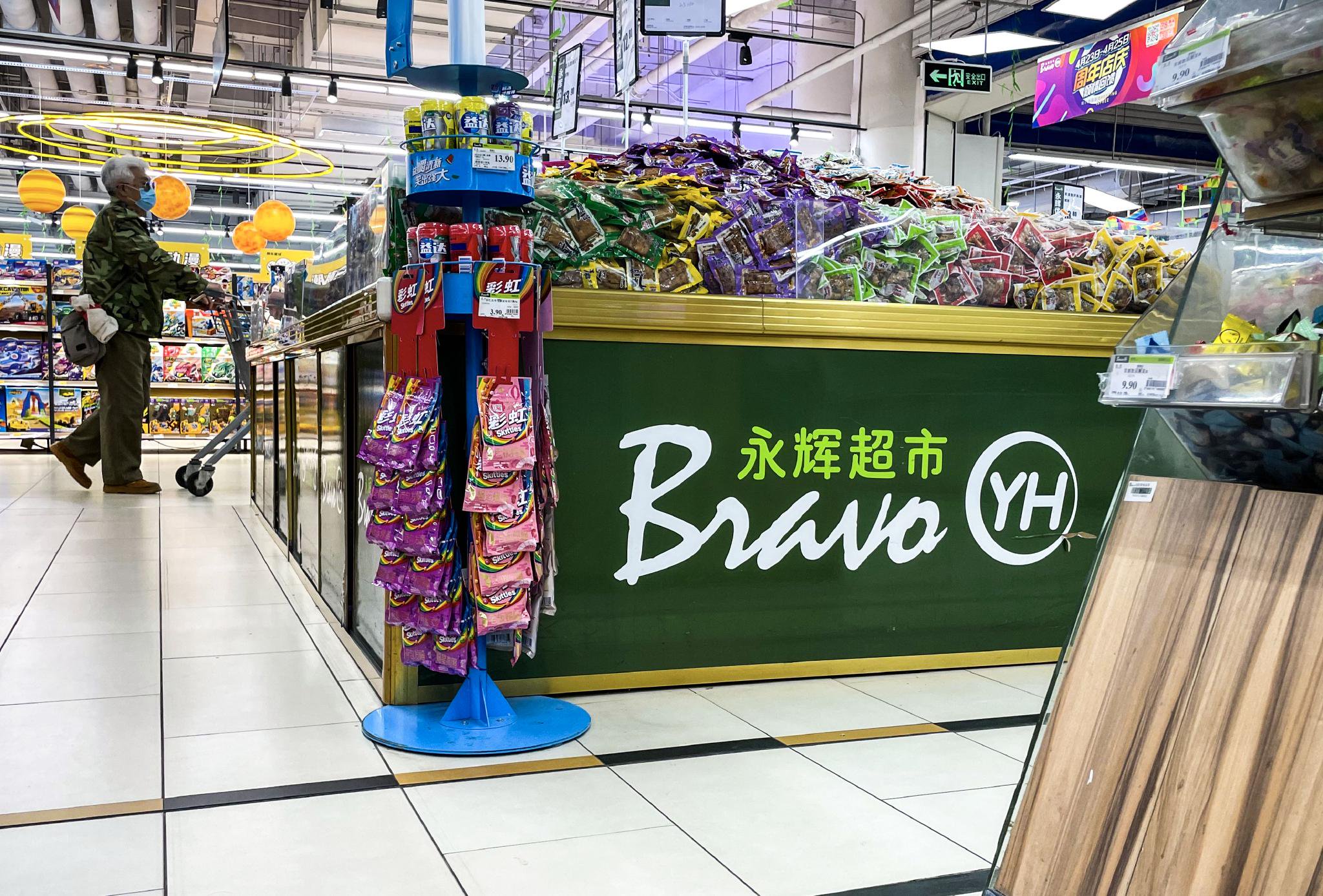
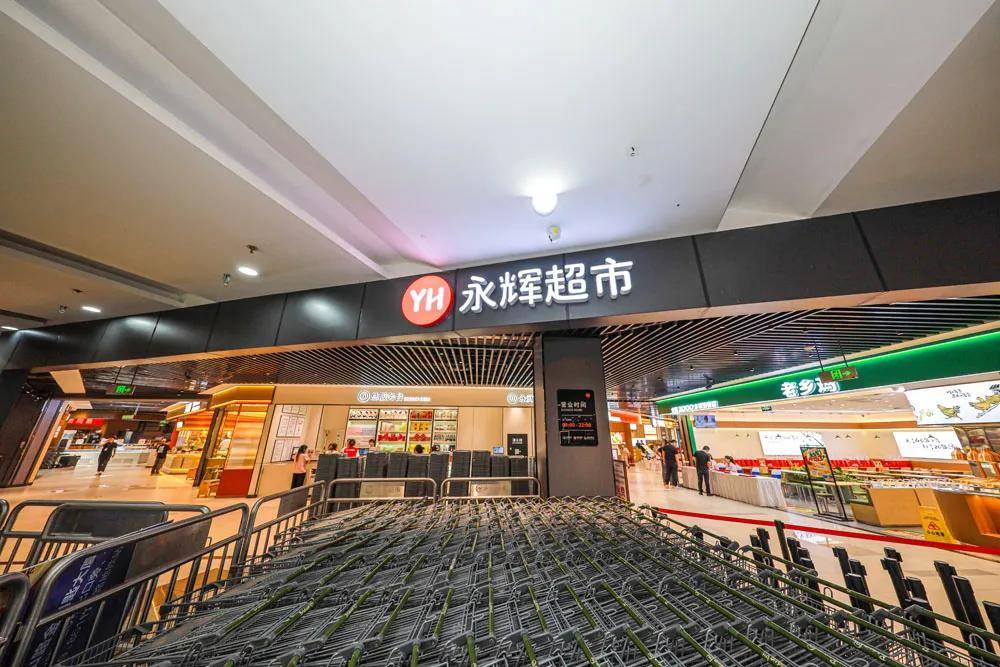
Group 1 - The core point of the news is the appointment of Wang Shoucheng as the new CEO of Yonghui Supermarket, which reflects the company's commitment to the "Pang Donglai model" reform [1][2] - The company plans to establish a subsidiary named Hangzhou Yonghui Supermarket Co., Ltd. in response to market development needs [1] - Wang Shoucheng has a strong background within the company, having joined as a management trainee in 2017 and held various positions, indicating a deep understanding of Yonghui's operations and history [1][2] Group 2 - In March 2025, Yonghui Supermarket held its first extraordinary shareholders' meeting, where the previous CEO, Li Songfeng, was not re-elected, leading to the establishment of a reform leadership group [2] - As of late August, Yonghui has completed renovations in 162 stores out of a total of 552 operating stores nationwide [5] - The company's financial performance for the first half of the year showed a total revenue of 29.948 billion yuan, a year-on-year decline of 20.73%, and a net loss of 241 million yuan, an increase in losses by 516 million yuan compared to the previous year [5]


华为徐直军:明年Q1推出昇腾950PR芯片;三星集团计划五年内新招6万人 | 早资道
Sou Hu Cai Jing· 2025-09-19 01:20
Group 1 - Huawei plans to launch the Ascend 950PR chip in Q1 2026, with subsequent releases of Ascend 950DT in Q4 2026, Ascend 960 in Q4 2027, and Ascend 970 in Q4 2028, emphasizing the importance of computing power in artificial intelligence [2] Group 2 - Yonghui Supermarket appointed Wang Shoucheng as the new CEO, who previously led the operational standard system construction for the company's reform project [3] Group 3 - Bawang Tea Ji opened its second store in North America in Torrance, California, and appointed new executives, including Emily Chang as Chief Business Officer and Aaron Harris as Chief Development Officer [4] Group 4 - Samsung Group announced plans to hire 60,000 new employees over the next five years, focusing on semiconductor, biotechnology, and artificial intelligence sectors [5] Group 5 - Uber partnered with Flytrex to launch a drone delivery service, marking Uber's first investment in the drone delivery sector, expected to start in pilot markets in the U.S. by the end of the year [6]


永辉超市宣布:聘任90后王守诚为CEO
Sou Hu Cai Jing· 2025-09-18 15:15
Group 1 - The new CEO of Yonghui Supermarket, Wang Shoucheng, has been appointed following the departure of Li Songfeng in March [2] - Wang Shoucheng, born in April 1991, has held multiple key positions within Yonghui since joining in 2017, including CEO business assistant and regional general manager [4] - The company reported a significant decline in revenue for the first half of 2025, with total revenue of 29.948 billion yuan, a year-on-year decrease of 20.73%, and a net loss of 241 million yuan compared to a profit of 275 million yuan in the same period last year [6] Group 2 - The revenue decline is attributed to a deep transformation strategy initiated in the second half of 2024, which included closing underperforming stores and temporary closures for renovations [6] - The company has closed 227 loss-making stores, incurring costs related to lease and personnel compensation, as well as asset write-offs during the closure process [6] - Yonghui Supermarket is focusing on a transformation strategy inspired by the "Pang Donglai model," emphasizing quality and customer experience, with plans to incubate 100 billion-level products over the next three years [7][8]
盒马超盒算NB将开放加盟
经济观察报· 2025-09-18 12:26
Core Viewpoint - Hema's Super Box NB has confirmed the opening of franchise opportunities, prioritizing applicants with existing stores, particularly in the Jiangsu, Zhejiang, and Shanghai regions [1][2][3]. Group 1: Franchise Expansion - Hema's Super Box NB is actively seeking franchisees, with a focus on those who already own retail locations [2][3]. - The franchise application process includes a questionnaire assessing the applicant's city, available commercial properties, and existing supermarket chains [2][3]. - The franchise policy has been under adjustment since June, indicating a strategic shift towards expanding the franchise model [2][3]. Group 2: Market Positioning - The rebranding of Hema NB to Super Box NB signifies its maturity and readiness for rapid expansion, with 17 new stores opened in 10 cities in the Jiangsu, Zhejiang, and Shanghai regions [4][5]. - The Super Box NB stores are strategically located in residential areas, catering to practical family needs for daily meals [4][5]. - The competitive landscape for hard discount supermarkets is intensifying, with major players like JD and Meituan entering the market [5]. Group 3: Business Model and Strategy - The hard discount supermarket model relies on low prices and high volume sales, with Super Box NB offering significantly reduced prices on various products [5]. - The operational strategy includes a streamlined SKU selection, efficient supply chains, and a high proportion of private label products to maximize profit margins [5]. - The franchise model is expected to accelerate store openings and enhance market penetration amid increasing competition from internet giants [5][6].
盒马超盒算NB将开放加盟
Jing Ji Guan Cha Wang· 2025-09-18 11:28
Core Insights - Hema plans to expand its hard discount supermarket brand "Super Box" through a franchise model, prioritizing applicants with existing stores in the Jiangsu, Zhejiang, and Shanghai regions [1][2][4] - The brand name "Super Box" is a rebranding of Hema's previous "Hema NB," indicating its maturity and readiness for independent growth [3][5] - The hard discount supermarket sector is becoming increasingly competitive, with major players like JD and Meituan entering the market [4] Company Strategy - Hema's franchise model aims to facilitate rapid scaling and reduce operational costs, allowing the brand to focus on brand building, supply chain optimization, and digital transformation [2][4] - The company has set an ambitious goal of achieving a GMV of 100 billion yuan by 2024, with a strategic focus on its core formats, Hema Fresh and Hema NB [3] Market Dynamics - As of the end of August, the number of Super Box stores has approached 300, reflecting significant growth in the hard discount supermarket segment [4] - The pricing strategy in Super Box stores features extremely low prices on various products, supported by a streamlined SKU selection and a high proportion of private label goods [4] - The sustainability of the hard discount model relies on high sales volume and efficient operations to achieve profitability [4]
一瓶水26美元?把食品饮料当“奢侈品”卖的小众超市,让好莱坞明星也打卡
创业邦· 2025-09-18 03:09
Core Viewpoint - Erewhon has successfully positioned itself as a high-end organic supermarket, attracting both celebrities and everyday consumers by offering a unique "affordable luxury" experience, which has become a status symbol among younger generations [5][11][49]. Group 1: Business Model and Pricing Strategy - Erewhon sells premium products, such as a bottle of water priced at $25.99 (approximately 185 RMB), and other high-priced items like $20 smoothies and $19 strawberries, which cater to affluent consumers [6][9]. - The supermarket's sales per square foot range from $1,800 to $2,500, significantly higher than the U.S. retail average of $500, indicating a highly effective business model despite having only 10 locations [15][51]. - Erewhon has generated $10.6 million in revenue from a single celebrity smoothie in 2023, showcasing the power of celebrity endorsements in driving sales [15]. Group 2: Target Audience and Marketing - Erewhon attracts a diverse clientele, including Hollywood stars and social media influencers, who are willing to spend on premium products for the sake of social media visibility and emotional value [11][13]. - The supermarket has become a social media sensation, with TikTok and Instagram users frequently posting about their high-priced purchases, which serves as a marketing tool [17][50]. - Erewhon has created a unique ecosystem that appeals to both high-income individuals and younger consumers seeking trendy, health-conscious products [13][29]. Group 3: Product Offerings and Collaborations - Erewhon frequently collaborates with celebrities to create limited-time products, such as smoothies that incorporate trendy health ingredients, which helps maintain consumer interest and drive sales [21][23]. - The supermarket emphasizes organic and sustainable products, requiring suppliers to meet strict criteria for local, organic, and non-GMO standards [40][41]. - Erewhon’s product offerings include a mix of high-end items and more affordable options, allowing it to cater to a broader audience while maintaining its luxury image [33][39]. Group 4: Store Design and Experience - The store design is akin to that of a boutique hotel or high-end café, creating an inviting atmosphere that encourages customers to linger and enjoy the shopping experience [55][61]. - Erewhon provides a unique shopping environment with aesthetically pleasing displays and a focus on health and wellness, which enhances the overall consumer experience [60][61]. - The supermarket's locations are strategically chosen in affluent areas, further reinforcing its brand image as a luxury retailer [51][53].

国光连锁涨2.14%,成交额2.00亿元,主力资金净流出465.80万元
Xin Lang Zheng Quan· 2025-09-18 02:45
9月18日,国光连锁盘中上涨2.14%,截至10:39,报18.64元/股,成交2.00亿元,换手率2.17%,总市值 93.45亿元。 资料显示,江西国光商业连锁股份有限公司位于江西省吉安市青原区文天祥大道8号,成立日期2005年 11月9日,上市日期2020年7月28日,公司主营业务涉及主要从事连锁超市、百货商场的运营业务。主营 业务收入构成为:超市91.82%,其他(补充)6.79%,百货1.39%。 国光连锁所属申万行业为:商贸零售-一般零售-超市。所属概念板块包括:新零售、小盘等。 截至9月10日,国光连锁股东户数3.85万,较上期减少20.69%;人均流通股13034股,较上期增加 26.08%。2025年1月-6月,国光连锁实现营业收入14.48亿元,同比增长6.50%;归母净利润1989.79万 元,同比增长4.15%。 分红方面,国光连锁A股上市后累计派现6690.33万元。近三年,累计派现1486.74万元。 责任编辑:小浪快报 资金流向方面,主力资金净流出465.80万元,特大单买入500.67万元,占比2.51%,卖出268.95万元,占 比1.35%;大单买入2083.23万元,占比 ...

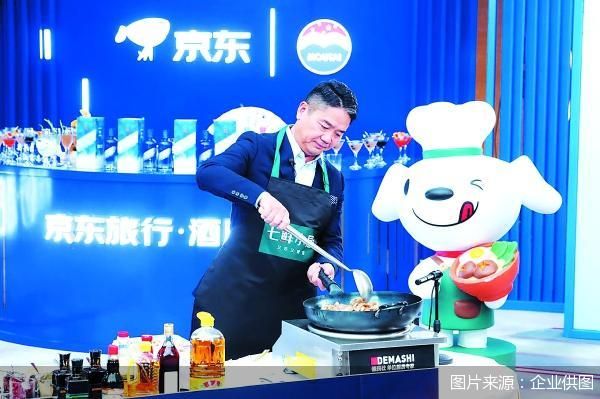
刘强东“炒”出京东野望
Bei Jing Shang Bao· 2025-09-16 16:53
Core Viewpoint - JD.com is making a strong push into the local lifestyle market, particularly in the food and beverage and hotel sectors, with a focus on leveraging its supply chain capabilities to enhance profitability and service quality [1][6][9]. Group 1: Business Strategy - JD.com is launching a new hotel development plan and has recently restarted its wine tasting events to promote its travel business [1][4]. - The company aims to differentiate itself in the competitive food delivery and hotel markets by focusing on supply chain efficiency and quality service [6][8]. - JD.com is collaborating with Jinjiang Hotels to integrate its restaurant brand, Seven Fresh, into various hotel chains, enhancing dining options for hotel guests [6][7]. Group 2: Market Potential - JD.com has access to over 800 million high-spending users and more than 30,000 large enterprises, providing a strong foundation for its expansion into the hotel and travel sectors [5]. - The local lifestyle service market is projected to grow significantly, with estimates suggesting it will reach 35.3 trillion yuan by 2025, indicating a robust opportunity for JD.com [9][10]. Group 3: Competitive Landscape - Liu Qiangdong, the founder of JD.com, emphasized the importance of healthy competition in the food delivery sector, advocating for strategic and value-driven approaches rather than price wars [3][6]. - The company is aware of the challenges posed by established players in the market and is focused on creating a unique value proposition to attract customers [6][8].