酒业

Search documents
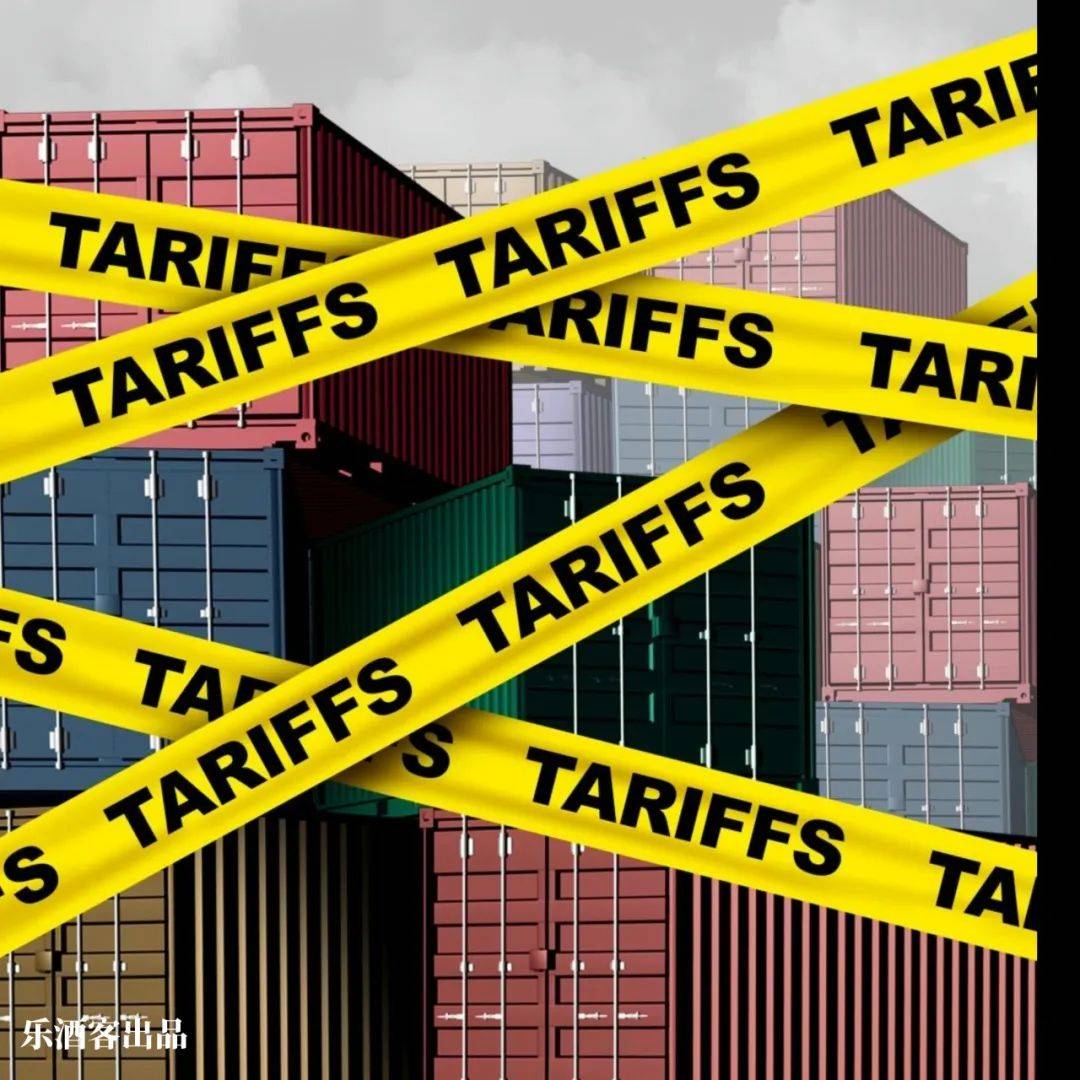
自己人掀掉牌桌?特朗普关税被紧急叫停?
Sou Hu Cai Jing· 2025-06-04 10:21
Group 1 - The U.S. has delayed the implementation of a 50% tariff on EU wine and alcoholic beverages until July 9, 2025, providing temporary relief for European exporters and U.S. importers [3] - The EU is heavily reliant on the U.S. market for wine exports, with over 60% of U.S. wine imports coming from Europe in 2024 [5] - The French economy is particularly vulnerable, with wine and beverages accounting for €4.1 billion (8.4% of total exports) and aerospace products at €9.1 billion (18.8% of total exports) to the U.S. in 2024 [6] Group 2 - The EU is seeking a negotiated solution to avoid new tariffs on agricultural products, while also preparing countermeasures worth €100 billion against U.S. products [5][8] - The ongoing trade tensions have led to uncertainty for French exporters, particularly in key sectors like wine, cosmetics, and aerospace [6][8] - The U.S. International Trade Court has ruled against Trump's tariff policies, indicating potential legal challenges to the administration's trade strategies [9][11]

酒水与饮料的“双向奔赴”:一场边界模糊的集体突围
Sou Hu Cai Jing· 2025-06-03 14:02
Core Viewpoint - The beverage and alcohol industries are experiencing a significant crossover, with companies like Three Squirrels launching alcoholic beverages and traditional alcohol brands entering the beverage market, reflecting a blurred boundary and a collective anxiety for growth in a saturated market [4][5][6]. Group 1: Industry Trends - Three Squirrels has introduced three alcoholic brands: "Sun Wukong" craft beer, "Huxi" fruit wine, and "Orange Cat" red wine, aiming to diversify its product matrix for various drinking scenarios [5][6]. - Beverage giants are leveraging their existing consumer bases and distribution networks to penetrate the alcohol market, as seen with Yuanqi Forest's low-alcohol sparkling wine and Fulu's fresh beer business modeled after milk tea [5][9]. - Traditional alcohol companies are also expanding into non-alcoholic beverages, with brands like Moutai and Chongqing Beer launching products such as blueberry juice and orange-flavored soda, respectively [6][9]. Group 2: Strategic Insights - The crossover strategy is driven by the need to optimize resources and create greater boundary efficiency, allowing companies to share costs and enhance value from existing consumer bases [7][11]. - Beverage companies are capitalizing on their high-frequency consumption patterns and established user connections to introduce low-alcohol products, effectively extending their market reach [9][11]. - Alcohol companies are focusing on maximizing their distribution networks by introducing non-alcoholic products, which helps stabilize revenue during seasonal fluctuations in alcohol consumption [11][12]. Group 3: Challenges and Considerations - The success of these crossovers hinges on the ability to build consumer trust in new product categories, as seen with Three Squirrels' wine and Fulu's beer [14][15]. - Companies must redefine the boundaries of "scene integration" and "professional barriers" to ensure that crossovers are not merely superficial but resonate with consumer needs and preferences [15][16]. - Both beverage and alcohol sectors face growth challenges, necessitating a return to core business principles focused on deep consumer insights and effective market positioning rather than blind pursuit of trends [16].
迎驾贡酒今年调低增长目标,总经理秦海回应21记者:短期巩固核心市场|酒业财报观察
2 1 Shi Ji Jing Ji Bao Dao· 2025-06-03 12:31
Core Viewpoint - The performance decline of Yingjia Gongjiu in the first quarter of this year exceeded investor expectations, with revenue and net profit both experiencing significant drops compared to the previous year [1][2]. Financial Performance - In Q1, Yingjia Gongjiu reported revenue of 2.047 billion yuan, a year-on-year decrease of 12.4%, and a net profit of 829 million yuan, down 9.5% [1]. - The company's financial targets for 2024 are set at 7.6 billion yuan in revenue and 2.62 billion yuan in net profit, representing a modest growth of 3.49% and 1% respectively compared to the previous year [1]. Market Conditions - The decline in performance is attributed to several factors, including a slowdown in economic growth, weak consumer demand, and the company's strategy to control volume and stabilize prices [1][2]. - The mid-to-high-end product segment, particularly the Dongcang series, saw an 8.57% revenue decline in Q1, raising concerns about potential growth limitations [2]. Accounts Receivable - Yingjia Gongjiu's accounts receivable increased significantly, with figures reaching 195 million yuan by the end of 2024 and 123 million yuan by the end of Q1 2025, more than double and over one time the previous year's figures respectively [2]. Stock Performance - The company's stock has underperformed in the market, with a decline of 24.66% year-to-date as of June 3 [2][3]. - The management is focused on improving operational performance to enhance valuation and is committed to better investor communication [2][3]. Dividend Policy - Currently, there are no plans for mid-term dividends or share buybacks, with the company emphasizing the need to balance capital expenditures with dividend payouts [3]. - The management indicated that future dividend rates will be adjusted based on actual operating conditions and development plans [3].

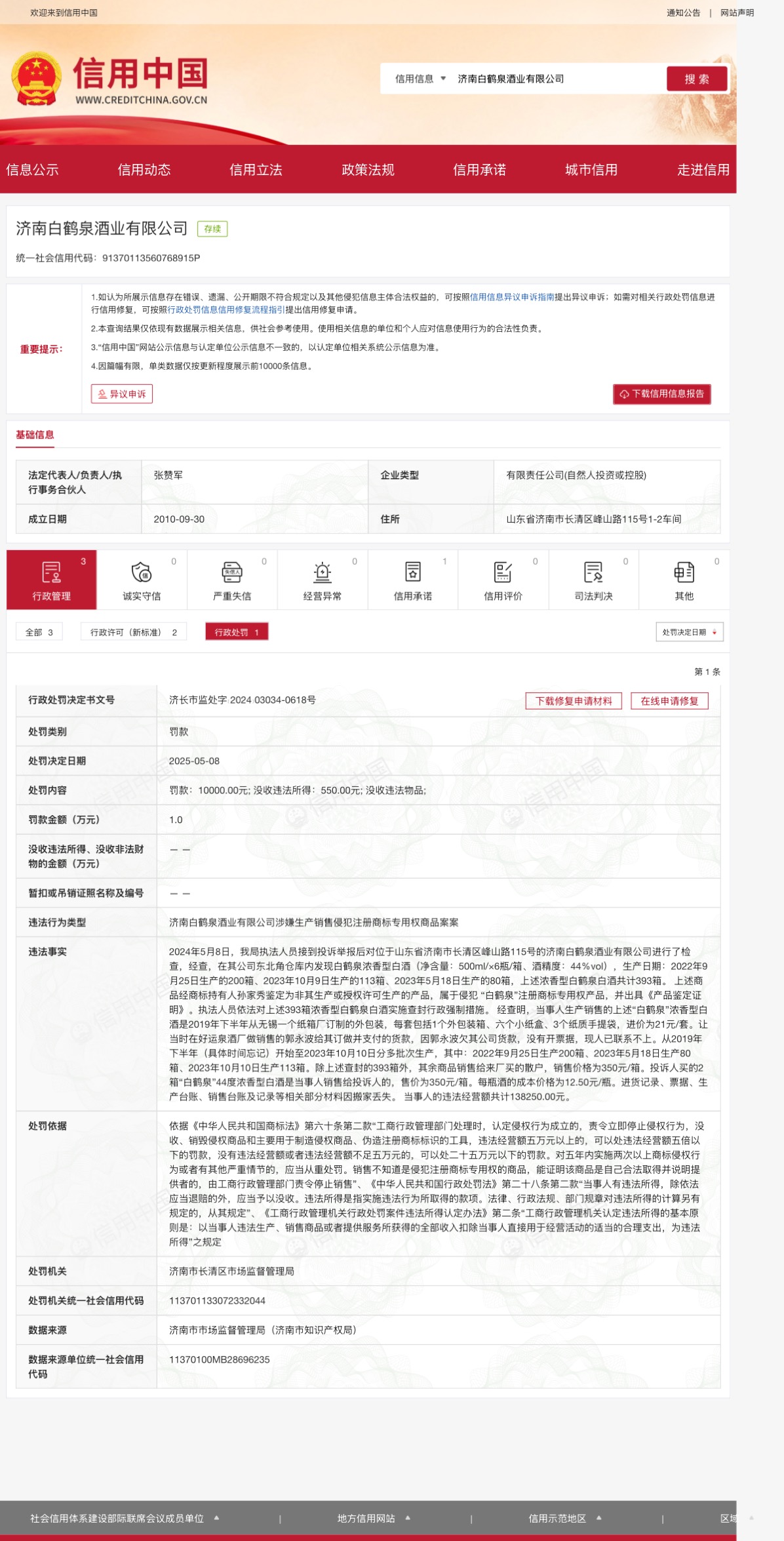
济南白鹤泉酒业因生产销售侵犯注册商标专用权的产品被罚1万元
Qi Lu Wan Bao· 2025-06-03 01:58
近日,济南市长清区市场监督管理局公布的行政处罚决定(济长市监处字﹝2024﹞03034-0618号),济南白鹤泉酒业有限公司因生产销售侵犯注册商标专用 权的白酒产品,被依法处以罚款1万元、没收违法所得550元,并没收全部侵权商品的行政处罚。 社会信用体系建设部际联席会议成员单位 ▲ l 地方信用网站 ▲ 信用示范地区 ▲ 2024年5月8日,长清区市场监管局根据消费者投诉,对位于山东省济南市长清区峰山路115号的济南白鹤泉酒业有限公司进行了检查,经查,在其公司东北 角仓库内发现白鹤泉浓香型白酒(净含量:500ml/×6瓶/箱、酒精度:44%vol),生产日期:2022年9月25日生产的200箱、2023年10月9日生产的113箱、 2023年5月18日生产的80箱,上述浓香型白鹤泉白酒共计393箱。 经商标权利人孙家秀现场鉴定,该批商品非其授权生产,属于侵犯"白鹤泉"注册商标专用权的产品。调查证实,当事人自2019年下半年至2023年10月,多次 使用从无锡定制的外包装生产侵权白酒,以350元/箱的价格对外销售,违法经营额达138,250元。企业无法提供进货凭证及生产销售台账,称相关材料"因搬 家丢失"。 依 ...
《寻找消费力》报告解析商业画像:价值当先,情感驱动
Bei Jing Shang Bao· 2025-06-02 06:38
Core Insights - The Chinese consumer market is undergoing structural adjustments, with traditional consumption growth engines under pressure while new generation consumers are emerging, leading to a focus on "finding consumption power" [1] - The report from Beijing Business Daily outlines consumer trends, emphasizing that value concepts dominate, emotional drivers outweigh price drivers, and scenario innovation is reshaping consumption patterns [1] Consumer Attitudes - Domestic consumers are becoming more cautious in their spending, necessitating brands to seek growth within a stagnant market, although overall consumption willingness remains stable [3] - Consumers prioritize product quality over brand loyalty, as evidenced by a significant portion of restaurant consumers indicating they do not care about brand as long as the product is good [4] Value Sensitivity - The balance between quality and price is becoming crucial as consumers seek optimal solutions in product quality, performance, and pricing, particularly in the live-streaming e-commerce sector [6] - Consumers are willing to pay a premium for unique flavors in craft beer and higher-priced items in the trendy toy sector, indicating a shift towards value recognition over price temptation [6] Emotional Value - Emotional connections with brands can reduce price sensitivity, with brands focusing on emotional value seeing a 42% higher repurchase rate compared to traditional brands [9] - Examples include limited edition collaborations that create a sense of collectibility and storytelling in luxury brands that enhance perceived value [9][11] Scenario Innovation - High quality-to-price ratios combined with scenario-based operations are key to retaining consumers, with brands creating immersive experiences in flagship stores and restaurants adapting to diverse dining scenarios [12] - The craft beer market is evolving towards a multi-scenario approach, combining traditional bars with home consumption and outdoor activities to meet diverse consumer needs [12] Conclusion - Different sectors are redefining consumption scenarios, emphasizing the importance of refined operations and customer retention as a sustainable competitive advantage in the market [13]

消费端助推 酒业ESG进入发展新阶段
Sou Hu Cai Jing· 2025-06-01 03:25
中国商报(记者 周子荑 文/图)随着人们环保意识增强,绿色低碳消费逐渐深入人心,品牌方纷纷通过使用环保材料、推出可持续包装等举措吸引消费者关 注。各大酒企也在紧跟时代潮流,探索ESG(环境、社会与治理)在消费端的积极表达。5月29日,《ESG视角下酒业可持续消费趋势洞察报告》(以下简 称报告)在北京发布。当前,行业ESG发展处于什么阶段,存在哪些问题? 2024年,沪深北交易所要求450余家A股上市公司强制披露ESG报告,覆盖11家酒企,强制披露与国际化接轨。尽管部分酒业上市公司被强制披露ESG报告, 但其专业性仍存在不足,包括信息披露不足、报告表达不专业、企业对ESG核心理念的理解不足等。 酒企关注可持续发展 报告显示,酒企很早就开启了ESG的实践。20世纪90年代末,舍得酒业率先提出"生态酿酒"理念。2006年,贵州茅台启动"高粱基地"项目探索生态农业。此 外,包括泸州老窖在内的一批酒企开始对外披露CSR报告内容基本参照ESG框架体系编写。2008年,《中华人民共和国循环经济促进法》的发布推动酒业探 索资源循环利用,如酒糟转化为饲料或肥料。 酒企在对可持续发展关注度提升的同时,作为中国酒业可持续消费的重要 ...


重构竞争新维度,ESG成为酒业新战场
Sou Hu Cai Jing· 2025-05-30 12:06
Core Viewpoint - The Chinese liquor industry is increasingly focusing on sustainable development, with ESG (Environmental, Social, and Governance) indicators becoming a key medium for showcasing sustainability efforts [2] Group 1: Industry Trends - The liquor market is undergoing significant transformation and rapid development, with rising consumer demand for high-quality, personalized, and culturally rich products [2] - The industry faces intensified competition and a constantly reshaping market landscape, necessitating further exploration of sustainable consumption capabilities [2] Group 2: ESG Reporting and Challenges - In 2024, over 450 A-share listed companies, including 11 liquor companies, will be required to disclose ESG reports, aligning with international standards [3] - There are existing gaps in the professional quality of ESG reports, including issues with topic pressure, insufficient information disclosure, and a lack of understanding of core ESG concepts [3] - Domestic liquor companies exhibit low ESG ratings, primarily due to a disconnect between international standards and local practices, with many rated B or lower compared to international counterparts rated A or above [3] Group 3: Recommendations for Improvement - To enhance sustainable consumption capabilities, the industry should focus on unified standards and regulations, improved governance structures, and the integration of international frameworks with local characteristics [4] - Emphasizing unique Chinese topics in ESG reports, such as "resource utilization of distiller's grains" and "inheritance of intangible cultural heritage," can improve international rating authority [4] Group 4: Consumer Engagement - By enhancing transparency through ESG reports, liquor companies can build consumer trust, expand product lines, and promote rational drinking culture [4] - Sustainable production and consumption are interdependent, with both being essential components of overall sustainable development in the liquor industry [4]
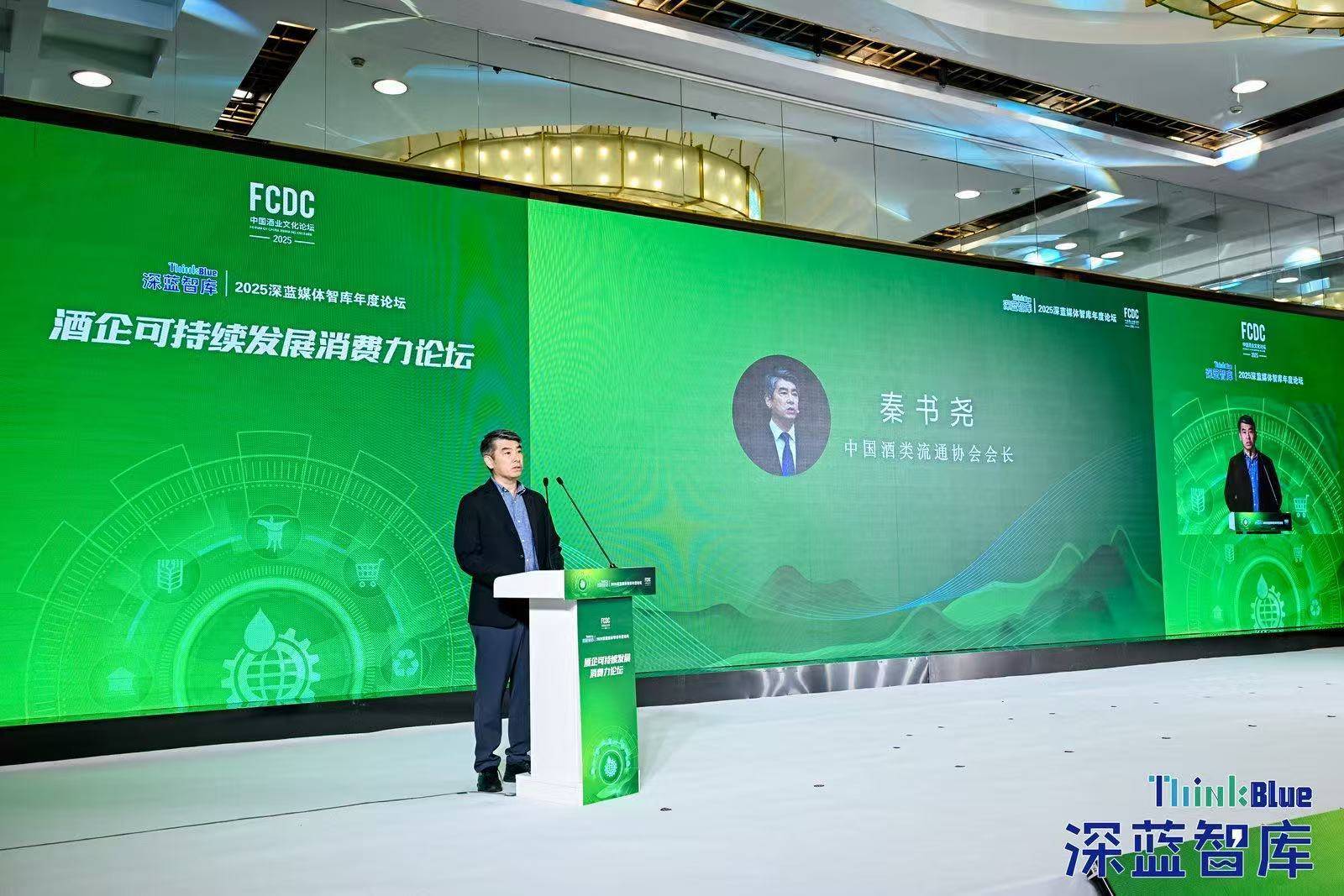
酒企可持续发展消费力论坛在京举办
Zheng Quan Ri Bao Wang· 2025-05-30 07:44
近年来,酒企以ESG(环境、社会与公司治理)为抓手的"升维战"已陆续打响,借由可持续发展,企业正 重构着竞争力高地。 中诚信绿金科技(北京)有限公司副总裁张英杰在论坛主题演讲环节上指出,ESG已从投资端的专业议题 演变为覆盖监管、供应链与消费者端的全产业链竞争要素,酒企需加速构建ESG管理能力以抢占未来市 场高地。数据显示,A股上市公司ESG报告披露率已近50%,酒业板块表现尤为突出。茅台、五粮液 (000858)等头部企业通过披露生态保护、低碳包装等议题,率先获得资本市场的ESG溢价。 深蓝智库酒业品牌研究院基于目前酒业可持续发展现状,对酒企进行抽样调查,撰写《ESG视角下酒业 可持续消费趋势洞察报告》(以下简称《报告》),在论坛现场由深蓝智库酒业品牌研究院秘书长刘一博 发布。 《报告》从目前中国酒业可持续发展现状、中国酒业可持续发展消费转化难点以及中国特色ESG实践探 索等方面,多维度、深层次剖析目前中国酒企可持续消费路径。 本报讯(记者李静) 5月29日,2025酒业文化论坛暨酒企可持续发展消费力论坛在北京国际饭店举办。此次论坛以"可持续酿 未来酒业高质量发展新路径"为主题,立足可持续发展规划,跨界整合 ...


ESG视角下酒业可持续消费报告发布,探索绿色低碳如何链接消费
Xin Jing Bao· 2025-05-30 04:07
新京报讯(记者秦胜南)5月29日,2025酒业文化论坛暨酒企可持续发展消费力论坛举行,针对酒业如 何打通可持续消费,中国酒类流通协会会长秦书尧指出,酒业应在"可持续发展消费力"方面继续探索, 争取更大的主动优势。论坛期间发布的《ESG(环境、社会与公司治理)视角下酒业可持续消费趋势洞 察报告》提到,消费观助推企业对可持续发展关注度不断提升,但同时也提到要构建系统的ESG治理机 制,进一步加强可持续发展与消费之间链接。 此次论坛由中国经济传媒协会、中国食品发酵工业研究院指导,北京商报社、深蓝智库·酒业品牌研究 院主办。 秦书尧指出,当前酒业市场正处在深刻变革与快速发展的关键时期。消费升级大潮汹涌,消费者对高品 质、个性化、文化内涵丰富的酒类产品需求日益增长;市场竞争愈发激烈,行业格局不断重塑。这就要 求酒业在"可持续发展消费力"方面继续探索,积极作为,激发内生动力,营造有利生态,为未来发展争 取更大的主动优势。 中国食品发酵工业研究院首席酿酒技术顾问、原副院长张五九表示,酿酒行业属于"天人共酿"的产业。 可持续生产是减少生产过程中的资源消耗和环境污染;可持续消费则强调在满足需求的同时,减少资源 消耗和环境污染, ...
可持续酿造未来酒企绿色环保发展面面观
Bei Jing Shang Bao· 2025-05-29 16:04
Core Viewpoint - The forum focused on sustainable development paths for the Chinese liquor industry, emphasizing the integration of B-end resources to stimulate C-end consumption power [1] Group 1: Industry Trends - The liquor market is undergoing profound changes, with increasing consumer demand for high-quality, personalized, and culturally rich products [4] - The competitive landscape is intensifying, highlighting the advantages of leading regions, brands, and products in driving high-quality development [4] Group 2: Sustainable Practices - Sustainable production and consumption are essential for achieving development goals, with a focus on reducing resource consumption and environmental pollution [6] - Companies are encouraged to embed sustainability into every production stage, ensuring that products are sustainably sourced, produced, and packaged [10] Group 3: Cultural Heritage and Innovation - The preservation of cultural heritage is vital for brands like Xifeng Liquor, which emphasizes a dialogue with time through traditional brewing techniques [8] - The commitment to "green and responsibility" is central to the sustainable development path of Xifeng Liquor [8] Group 4: Community Engagement - Companies are increasingly focusing on the sustainability of their philanthropic efforts, with diverse support measures aimed at rural development and common prosperity [12] - Collaboration with various stakeholders is essential for building a public welfare ecosystem in the liquor industry [13] Group 5: ESG and Competitive Advantage - ESG (Environmental, Social, and Governance) factors are becoming critical for the competitiveness of liquor companies, necessitating the establishment of robust ESG management capabilities [15] - The upcoming carbon neutrality targets and international regulations will significantly impact the cost competitiveness of domestic liquor companies [15]