
出租车

Search documents
瑞银预计:2039年前后中国自动驾驶出租车需求或达400万辆
Zhong Guo Xin Wen Wang· 2025-08-28 11:17
Core Insights - UBS predicts that the demand for autonomous taxis in China could reach 4 million by around 2039, with 300,000 autonomous taxis expected to be deployed in first-tier cities by the early 2030s [1] Group 1: Market Potential - The market for autonomous taxis in China could reach $183 billion within the next 5-15 years if nationwide deployment occurs, and could expand to $394 billion when including markets outside the U.S. [1] - The rapid development of autonomous taxis is anticipated to occur once technology reaches a critical point, leading to widespread adoption almost overnight [1] Group 2: Cost and Development - The cost of autonomous taxis is projected to drop below 300,000 RMB, which includes the vehicle cost and the costs of sensors and computing units [1] - The acceleration in the development of autonomous taxis is also expected to create opportunities in related markets, such as lidar and autonomous driving chips, which are projected to reach approximately 50 billion RMB each by 2029-2030 [1]
汽车行业:Robotaxi有望重塑出行方式,潜在市场星辰大海
Dongguan Securities· 2025-08-28 09:23
Group 1 - The report maintains an overweight rating on the automotive industry, highlighting that Robotaxi is approaching a commercialization inflection point driven by policy support, technological maturity, and cost reductions [5][65]. - Robotaxi is defined as an autonomous taxi service that operates without human drivers, utilizing advanced technologies such as sensors, artificial intelligence, and high-precision maps for navigation and decision-making [14][16]. - The report indicates that the global market for Robotaxi services is expected to reach $1.6 billion by 2025, with exponential growth projected to $119.2 billion by 2030 and $462.7 billion by 2035, showcasing significant development potential [5][56]. Group 2 - The report emphasizes that Robotaxi can significantly reduce traffic accident rates and improve travel efficiency, with data showing that 94% of traffic accidents are caused by human error, which Robotaxi systems can mitigate through advanced algorithms and multi-sensor integration [29][30]. - The report notes that the cost of Robotaxi services is expected to decline significantly, with projections indicating that by 2030, the operating cost could drop to $1.0/km, which is 42% of the cost of human-driven taxis [50][56]. - The report identifies key players in the Robotaxi sector, including companies like Xiaoma Zhixing, Baidu's Luobo Kuaipao, and WeRide, which are leading the commercialization efforts in China [19][21]. Group 3 - The report highlights the importance of core components in the Robotaxi ecosystem, noting that the cost of essential parts like LiDAR has decreased significantly, with Xiaoma Zhixing's seventh-generation Robotaxi hardware costs dropping from 1 million yuan to 270,000 yuan [45][46]. - The report suggests that the Robotaxi model has the potential to transform transportation methods, with a market penetration rate of less than 2% currently, indicating substantial room for growth as costs decrease and consumer acceptance increases [49][50]. - The report recommends focusing on related component companies such as Juxing Technology, Yutong Optical, and Junsheng Electronics, which are positioned to benefit from the growth of the Robotaxi market [5][65].



无人车时代真的要来了
Hu Xiu· 2025-08-27 12:37
Core Insights - The rise of electric vehicles is reshaping the global automotive industry, with autonomous driving technology poised to redefine the future of the sector [1][2] - Autonomous driving will transform user roles and consumer behavior, leading to a significant shift in the automotive landscape [2] Industry Transformation - The development of autonomous vehicles is expected to profoundly impact various sectors, including manufacturing, sales, operations, maintenance, and insurance, with the taxi industry being the first to feel the effects [6] - As of May 2025, Baidu's RoboTaxi has deployed over 1,000 units across more than 15 cities globally, providing over 11 million rides [6] - Tesla and Waymo are also expanding their RoboTaxi services, indicating a growing trend in the autonomous vehicle market [6] Market Predictions - Morgan Stanley predicts that the global autonomous vehicle market will reach $200 billion by 2030, with autonomous vehicles accounting for 28% of total car sales [4] - The automotive industry is expected to see a significant reduction in new car sales, potentially decreasing by 50% by 2040 due to the impact of shared autonomous vehicles [11] New Growth Opportunities - Autonomous driving will create new growth points, including upgraded in-car services, increased delivery efficiency, and enhanced geographic data utilization [12] - The rise of autonomous vehicles will lead to a shift in consumer behavior, with a potential decrease in personal car ownership as shared autonomous vehicles become more prevalent [7][8] - Companies like GM are already exploring in-car advertising and personalized experiences to monetize passenger attention during rides [14][15] Infrastructure Development - The transition to autonomous vehicles will necessitate the development of new infrastructure, such as smart roads, charging stations, and automated parking facilities [19][20] - Companies will be motivated to invest in these infrastructures to capture market share and enhance competitiveness within the industry [20][21]
自动驾驶汽车未来增长的三重想象
经济观察报· 2025-08-27 11:57
Core Viewpoint - The rise of autonomous driving technology is expected to fundamentally reshape the automotive industry, creating new industries, business models, and economic forms, while also significantly impacting traditional sectors such as taxi and private car services [1][2][13]. Group 1: Impact on the Automotive Industry - Autonomous driving technology is predicted to disrupt various aspects of the automotive industry, including manufacturing, sales, operations, maintenance, and insurance, with the taxi industry being the first to experience these changes [8]. - By 2030, the global market for autonomous vehicles is projected to reach $200 billion, with autonomous vehicles expected to account for 28% of total car sales [5]. - The adoption of autonomous vehicles is anticipated to reduce the need for personal car ownership, as shared autonomous vehicles will provide more efficient and cost-effective transportation options [9][10]. Group 2: New Growth Points - The advent of autonomous driving will lead to an upgrade in in-car services, as passengers will have more free time during their journeys, creating opportunities for monetizing attention through advertising and entertainment [15]. - The logistics and delivery sectors are expected to see significant growth due to the efficiency gains from autonomous vehicles, with companies like Cainiao planning to deploy thousands of autonomous delivery vehicles [16]. - The rise of autonomous driving will necessitate the development of new infrastructure, such as smart roads and charging stations, driven by both government investment and private sector initiatives [17][18].

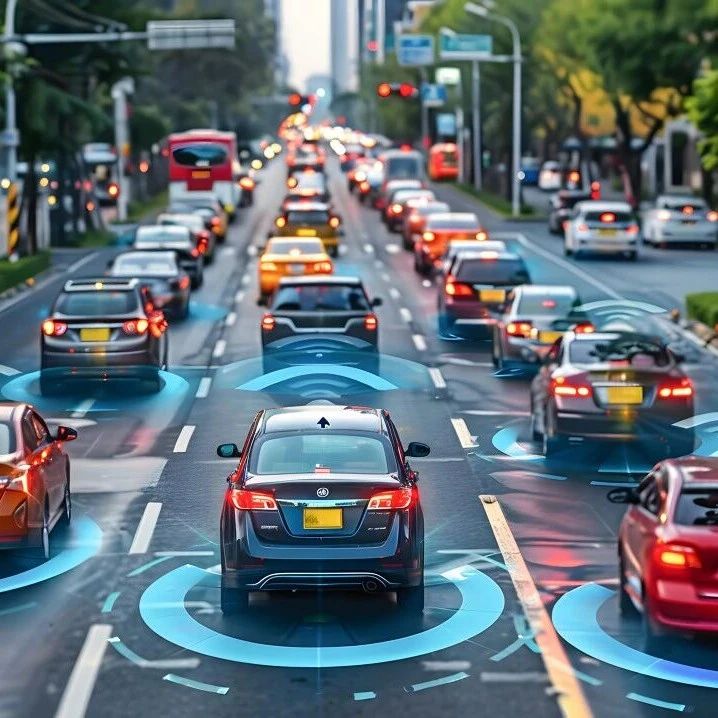
自动驾驶汽车未来增长的三重想象
Jing Ji Guan Cha Wang· 2025-08-22 16:42
Core Insights - The automotive industry is undergoing a significant transformation driven by the rise of electric vehicles and autonomous driving technology, which is expected to redefine the future of the sector [2][3] Autonomous Driving Market Forecast - Morgan Stanley predicts that the global autonomous vehicle market will reach $200 billion by 2030, with autonomous vehicles expected to account for 28% of total car sales by that year [4] Industry Disruption - The development of autonomous vehicles will profoundly impact various sectors, including manufacturing, sales, operations, maintenance, and insurance, with the taxi industry being the most affected [7] - Companies like Baidu and Tesla are already deploying autonomous taxi services, with Baidu's RoboTaxi operating in over 15 cities and Tesla expanding its services in Austin and San Francisco [7] Changes in Consumer Behavior - Autonomous vehicles are likely to reduce the need for personal car ownership, as shared autonomous vehicles will offer more convenient and cost-effective transportation options [8] - The trend of declining interest in driving among younger generations is evident, with the percentage of 17-year-olds in the U.S. holding a driver's license dropping from 70% in the 1980s to below 45% in 2014 [8] Professional Operation Requirements - The operation of autonomous vehicles will require specialized management and technological support, making it challenging for individuals to operate them independently [9] - The integration of autonomous technology into bicycles and public transport could further disrupt the automotive industry [9][10] Impact on Automotive Manufacturing - The automotive manufacturing sector is expected to shrink significantly, with predictions indicating that new car sales could drop by 50% by 2040 due to the rise of shared autonomous vehicles [11] New Growth Opportunities - The rise of autonomous vehicles will create new growth points in the industry, including enhanced in-car services, increased logistics efficiency, and the development of new infrastructure [12] - Companies are likely to monetize passenger attention during rides, leading to innovative advertising and service models [13] Logistics and Delivery - The proliferation of autonomous vehicles will drastically reduce transportation and delivery costs, benefiting the logistics sector and e-commerce [14] - Companies like Cainiao are already deploying autonomous delivery vehicles, with plans to significantly increase their fleet in the coming years [14] Geographic Data Utilization - The emergence of autonomous driving will enhance the economic value of geographic data, transforming it into a core production factor that influences urban planning and economic development [15] Infrastructure Development - The transition to autonomous vehicles will necessitate the modernization of related infrastructure, including parking facilities, charging stations, and smart roads [16] - Companies will play a crucial role in developing this infrastructure, driven by the need to capture market share and enhance competitiveness [18]

苏州加码守护出租车网约车司机幸福出行
Su Zhou Ri Bao· 2025-08-21 00:20
Core Points - The article discusses a visit by Huang Aijun, the Deputy Secretary of the Suzhou Municipal Committee, to a driver service station, where he engaged with taxi and ride-hailing drivers to understand their challenges and gather suggestions for industry and urban development [1] - Six driver representatives shared their perspectives on current industry issues and personal difficulties, expressing appreciation for various initiatives aimed at improving convenience for drivers [1] Group 1 - The meeting highlighted the importance of collecting and addressing the drivers' concerns and suggestions for the development of the industry [1] - Huang Aijun emphasized the need for the municipal government to develop specific solutions to the issues raised by drivers, ensuring their rights are protected [1] - The article mentions the ongoing efforts to enhance the driver service network and explore additional supportive measures for drivers [1] Group 2 - Relevant officials from the Municipal Social Work Department, Municipal Political and Legal Committee, and Municipal Transportation Bureau participated in the visit [2]
8月18日投资早报|圣农发展上半年净利润同比增长791.93%,国泰环保控股股东、实控人、董事长陈柏校被采取留置措施,美锦能源筹划发行H股在港交所上市
Sou Hu Cai Jing· 2025-08-18 00:40
Market Overview - On August 15, 2025, A-shares saw collective gains with the Shanghai Composite Index rising by 0.83%, the Shenzhen Component Index increasing by 1.6%, and the ChiNext Index up by 2.61%. The North Stock 50 index surged by 3.04%. The total trading volume in the Shanghai and Shenzhen markets was approximately 22446.12 billion yuan, a decrease of about 345.97 billion yuan from the previous trading day [2] - Hong Kong stocks continued to decline, with all three major indices in the red but maintaining above the 25000 mark. The Hang Seng Index fell by 0.98% or 249.25 points, closing at 25270.07 points, with a total trading volume of 3126.87 billion HKD. The Hang Seng China Enterprises Index also dropped by 0.98%, closing at 9039.09 points, while the Hang Seng Tech Index decreased by 0.59%, ending at 5543.17 points [2] - In the US market, major indices closed mixed but recorded weekly gains for two consecutive weeks. The Nasdaq fell by 0.4% with a weekly increase of 0.81%, the S&P 500 dropped by 0.29% with a weekly rise of 0.94%, and the Dow Jones increased by 0.08% with a weekly gain of 1.74%. Both the Dow and S&P 500 indices reached intraday historical highs at one point [2] New Stock Information - There were no new stock subscriptions or listings on the day [3] Important News - On August 17, 2025, Hainan Province released a three-year action plan (2025-2027) for high-quality development of marine tourism, focusing on eight key actions. The plan aims to accelerate the construction of three surfing resorts, five diving bases, seven fishing bases, and two sailing training bases. It also promotes a "low-altitude + marine" tourism model and the development of coastal attractions and marine-themed micro-scenic spots, establishing a new "land-sea linkage" pattern [4] Technological Advancements - On August 16, 2025, it was reported that China's space station successfully utilized a specialized AI model during the Shenzhou 20 mission. The "Wukong AI" model, which was sent up with the Tianzhou 9 cargo spacecraft, assisted astronauts during their extravehicular activities. This model is based on domestic open-source technology and tailored to meet the needs of manned spaceflight missions, employing pre-training and instruction fine-tuning techniques [5][6] Industry Developments - The first batch of autonomous intelligent connected taxis in Shanghai Lingang officially opened for public operation. The service covers 58 locations in the main urban area, including universities, offices, and commercial areas, operating daily from 8 AM to 8 PM. The fare structure includes a starting price of 16 yuan for trips under 5 kilometers, with an additional charge of 4 yuan per kilometer for longer distances, with no other fees [6]

够智能?安全?方便?实测3家头部Robotaxi:有人苦等1小时无车接单
第一财经· 2025-08-15 06:15
Core Viewpoint - The article discusses the growing interest in Robotaxi services, highlighting their performance and user experiences in major Chinese cities, and the contrasting operational efficiency among different companies in the sector [3]. Group 1: Shanghai Xiaoma Zhixing - The Robotaxi service in Shanghai provided a smooth ride experience, with a total distance of 6.4 km and a fare of 23.1 yuan [7]. - Passengers must complete safety prompts before the vehicle can start, including verifying their phone number and fastening their seatbelt [6]. - The vehicle's driving behavior was noted to be cautious, with appropriate signaling and speed adjustments at intersections [6][7]. Group 2: Beijing Wenyuan Zhixing - In Beijing, the Robotaxi service covered a distance of 5.2 km in 13 minutes, with a fare of 13.05 yuan after discounts [9][10]. - The vehicle demonstrated effective navigation, including smooth handling of traffic signals and avoiding obstacles like bicycles [10]. - Passengers were able to modify their destination once during the ride, and the vehicle provided real-time updates on its status [10]. Group 3: Guangzhou Luobo Kuai Pao - In Guangzhou, the experience was significantly less favorable, with the reporter waiting over an hour without a vehicle being dispatched [11][12]. - Local residents reported a decline in the visibility and availability of Luobo Kuai Pao vehicles compared to the previous year, indicating operational challenges [13][14]. - The service's reliability was questioned, as users expressed dissatisfaction with long wait times and limited vehicle availability [12][13].

K形复苏与木桶短板:美国中部企业正在塌陷?
伍治坚证据主义· 2025-08-14 02:06
Core Viewpoint - The article discusses the "K-shaped economy" in the U.S., where some sectors thrive while others struggle, particularly highlighting the challenges faced by mid-sized companies compared to large tech firms benefiting from AI advancements [2][4]. Group 1: Economic Disparities - Since 2019, mid-sized companies in the U.S. have seen their EBITDA decline by 20% to 25%, with about one-third of these companies experiencing a significant loss in profitability and bargaining power [2][4]. - The GCAI index indicates that in the first two months of Q2 2025, private mid-market companies in the U.S. experienced a 5% increase in profits and a 2% increase in revenue, suggesting resilience among certain firms, especially those providing efficiency-enhancing software [3][8]. Group 2: Sector Performance - The article identifies a clear divide in sector performance: technology, healthcare, and branded consumer goods continue to grow, while industries like manufacturing, traditional retail, and regional services are in decline [4][5]. - High interest rates, tariff uncertainties, technological innovations, and rising capital costs are contributing factors to the economic challenges faced by mid-sized companies [4][5]. Group 3: Challenges for Mid-Sized Companies - Digitalization and AI have increased industry concentration, with large tech firms leveraging data and algorithms to create competitive advantages, leaving mid-sized manufacturers and service providers struggling with automation costs and cash flow issues [5][6]. - Trade wars and tariff policies have destabilized supply chains, making it difficult for many small and mid-sized enterprises to adjust quickly, thereby squeezing their profit margins [6][7]. - A decline in banks' risk appetite has led to stricter loan conditions in a high-interest environment, further narrowing financing options for mid-sized companies [7]. Group 4: Investment Insights - The case of Andrew Milgram's investment in taxi medallions illustrates the potential for value in distressed assets, emphasizing the importance of understanding regulations and market dynamics [3][8]. - The resilience shown by some mid-sized companies adapting to high-cost environments through digital tools and niche market focus indicates that the K-shaped economy is not predetermined but influenced by policy and business strategies [8][9]. Group 5: Policy Implications - The article suggests that if the government stabilizes tariffs and tax policies, reduces regulatory uncertainties, and encourages technology and capital to flow towards mid-sized enterprises, the K-shaped curve could flatten [8][9]. - The health of the mid-sized economy is crucial for overall employment, consumption, and social stability, as a collective failure of these companies could negatively impact the broader economy [8][9].

青岛通报5起出租市场典型违法案例,最高单笔罚款1万元
Qi Lu Wan Bao Wang· 2025-08-06 09:50
齐鲁晚报.齐鲁壹点记者赵波通讯员崔杨慧欣林金鹏 7月9日,胶东国际机场查获一起非法营运案件。孙某驾驶非营运小客车拉载3名乘客,收取车费260元却 无法提供《道路运输证》,因"未取得经营许可从事出租服务"被重罚1万元。 7月27日,鲁BAZ1**9号网约车驾驶员孙某通过他人介绍巡游揽客,无法提供平台订单信息,构成"网约 车巡游揽客",被罚款500元。 交通运输执法部门表示,将持续开展市场秩序整治,严厉打击违法违规行为,保障市民游客出行安全。 7月2日,鲁UT8**9号巡游出租车驾驶员王某在市南区八大关景点拒载乘客。当时车辆处于空车待租状 态,王某得知目的地后以"有预约活儿"为由拒载,因"空车待租拒载"被罚款500元。 7月4日,驾驶员臧某驾驶鲁BAT6**2号巡游出租车,在青岛北站西广场禁停区域私自揽客,构成"不服 从调度管理",被处以500元罚款。 为强化旅游季交通运输市场秩序,青岛市交通运输执法部门近期查处5起出租汽车违法典型案例,根据 通报,五起违法行为涉及故意绕道、拒载、非法营运等,最高罚款达1万元。 7月1日,鲁UT0**9号巡游出租车驾驶员张某因故意绕道被查处。经查,6月26日晚,张某从青岛北站西 ...