
现制茶饮

Search documents
黄金税收新政出台;国货美妆开始布局视频号:新消费行业周报(2025.11.3-2025.11.7)-20251109
Hua Yuan Zheng Quan· 2025-11-09 09:10
Investment Rating - The industry investment rating is "Positive" (maintained) [1] Core Insights - The introduction of new tax policies for gold is expected to drive market share towards leading brands in the medium to long term. The new tax policy exempts value-added tax for standard gold transactions, which may lead to increased costs for non-investment gold products, ultimately raising retail prices and potentially suppressing consumer demand in the short term. However, this policy is anticipated to regulate the industry and strengthen the competitive advantage of compliant leading brands [5]. - Domestic beauty brands are beginning to establish a presence on video platforms, with significant growth in the social e-commerce sector. The GMV of WeChat mini-programs is expected to exceed 2.5 trillion yuan in 2025, with social e-commerce accounting for over 50% of total transactions. Brands that leverage this platform effectively may maintain competitive advantages [5]. - The report emphasizes the importance of understanding new consumer narratives shaped by younger generations, suggesting a focus on high-quality domestic brands in beauty, gold jewelry, trendy toys, and tea beverages [22]. Summary by Sections Industry Performance - The new consumption sector showed varied performance, with the beauty and personal care sector declining by 3.10%, while the retail index increased by 0.31% during the week of November 3 to November 7, 2025 [8]. Key Industry Data - In September, retail sales for clothing and textiles increased by 4.7%, cosmetics by 8.6%, and gold and silver jewelry by 9.7%. However, beverage retail sales saw a decline of 0.8% [12][16]. Investment Analysis Recommendations - The report recommends focusing on high-quality domestic brands with strong innovation in beauty, such as Mao Ge Ping and Shangmei; leading brands in traditional gold jewelry favored by younger consumers, such as Laopu Gold and Chaohongji; companies with successful IP creation and operation experience in trendy toys, like Pop Mart; and strong tea beverage brands with extensive market coverage, such as Mixue Group and Guming [22].
柠檬向右徐柏鹤:柠檬茶的渗透率远低于奶茶和咖啡,仍有机会
Sou Hu Cai Jing· 2025-11-08 02:09
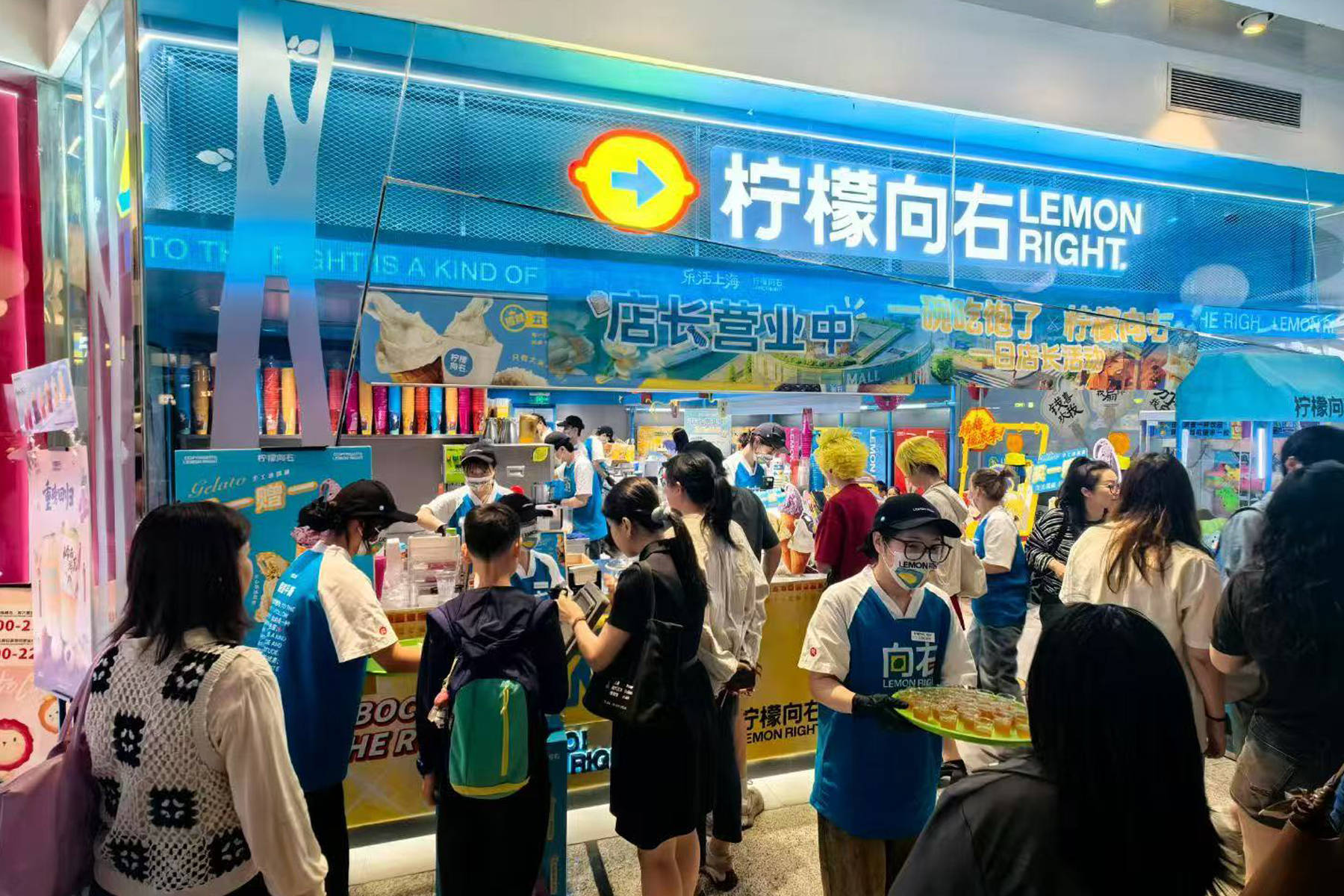
Core Insights - The current ready-to-drink tea market is highly competitive, with many similar brands vying for a limited customer base, leading to a phenomenon where multiple tea shops coexist in close proximity [2][4] - Lemon tea has emerged as the second-largest segment in the tea beverage category, with the market expected to exceed 8 billion yuan by 2025, growing at an annual rate of over 20% [2][4] - The industry is witnessing an influx of entrepreneurs and capital, intensifying competition and innovation within the lemon tea sector [2][4] Industry Trends - The concept of "infinite games" is introduced, contrasting with the traditional "finite games" where the goal is to eliminate competitors; the focus is on sustainable growth and continuous value creation [4][5] - The market is characterized by a high density of competitors, as exemplified by Guangzhou, which has numerous coffee shops and tea stores, indicating that there is still room for growth in the lemon tea segment [9] Company Strategy - The company, Lemon Xiang You, aims to focus on the lemon tea category rather than diversifying into multiple brands, emphasizing the importance of mastering one product line [5][10] - The founder's experience includes significant investments in marketing and product development, with a commitment to launching new flavors and maintaining product quality [6][10] - The company has successfully introduced innovative products, such as a Guangdong herbal tea series, which sold over 1 million cups in its first month [10] Market Dynamics - The competitive landscape is described as "intense," with the founder arguing that competition drives value creation across all industries, not just in tea [6][7] - The founder believes that the key to success lies in product quality, channel strategy, and effective marketing, following a specific order of operations [10] - The company is committed to long-term growth, continuously optimizing its business model and brand identity to appeal to younger consumers [11]

播种、深耕、本地化,茶百道正在海外“小步快跑”
3 6 Ke· 2025-11-06 08:13
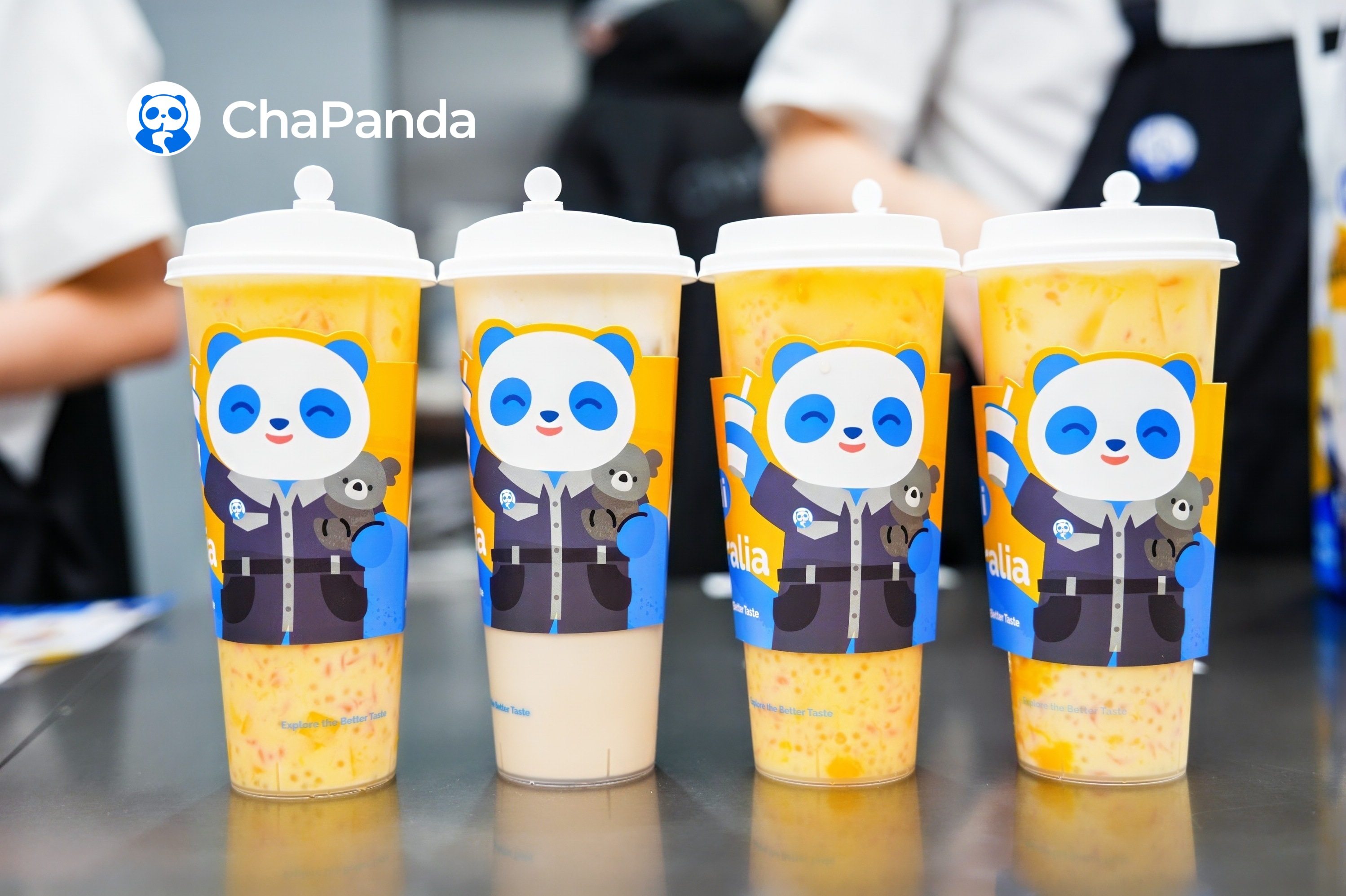
Core Insights - The article highlights the rapid international expansion of Cha Bai Dao, positioning it as one of the fastest-growing brands in the tea beverage industry since its official overseas launch in 2024 [3][4] - The company's strategy focuses on "precise sowing" and "deep cultivation," emphasizing a tailored approach to different markets rather than a one-size-fits-all strategy [13][21] Expansion Strategy - Cha Bai Dao's overseas journey began in South Korea, a choice that diverged from the common trend of entering Southeast Asia first, aiming for quicker localization [5][6] - Within two years, the brand has signed over 20 stores in South Korea, with plans to open 50 more by next year [6][9] - The company has also successfully opened its first store in France, achieving sales exceeding 1 million yuan in the first month [11][12] Market Adaptation - The brand's customer base in South Korea consists of over 70% local consumers, with a high repurchase rate of 45%, indicating successful localization efforts [9][10] - Cha Bai Dao employs a "one location, one strategy" approach, customizing its product offerings based on local preferences and market conditions [15][16] Product Innovation - The company has developed a three-tier product structure for international markets, including classic domestic favorites, differentiated products, and localized offerings tailored to specific regions [16][17] - The supply chain strategy combines local sourcing for fresh ingredients with established domestic supply chains for other materials, ensuring efficient operations [17][18] Long-term Vision - Cha Bai Dao aims for global brand and supply chain integration, aspiring to leverage experiences and influence across different international markets [23] - The company emphasizes the importance of educating consumers about Chinese tea culture as part of its long-term strategy for global brand establishment [22]
播种、深耕、本地化,茶百道正在海外“小步快跑”
36氪未来消费· 2025-11-06 08:01
Core Viewpoint - Tea Baidao is rapidly expanding its international presence, focusing on a strategy of "precise sowing and deep cultivation" to establish itself as a global brand [5][16]. Group 1: International Expansion Strategy - Tea Baidao officially began its international expansion in 2024, choosing South Korea as its first market, which is considered a bold move compared to other brands that typically target Southeast Asia first [7][8]. - In just two years, Tea Baidao has signed over 20 stores in South Korea, with plans to open 50 more by next year, demonstrating a fast-paced growth strategy [10][12]. - The brand's localization strategy has proven effective, with over 70% of its customers in South Korea being locals and a high repurchase rate of 45% [12][16]. Group 2: Market Entry and Product Strategy - Tea Baidao's entry into the French market was marked by the opening of its first store in Paris, which achieved sales exceeding 1 million yuan in its first month [12][13]. - The company is also preparing to enter the Vietnamese market, leveraging its experience from other countries to ensure efficient store setup [13][16]. - The brand employs a three-tier product strategy for international markets: classic products, differentiated products tailored to local tastes, and fully localized products developed using local ingredients [21][22]. Group 3: Operational Challenges and Adaptation - The company faces challenges in adapting to different regulatory environments, such as stringent food safety standards in South Korea, which can complicate the store opening process [20][21]. - Tea Baidao emphasizes the importance of local market research and adapting strategies to fit the unique characteristics of each market, rather than applying a one-size-fits-all approach [20][21]. - The brand's supply chain strategy combines local sourcing for fresh ingredients with established domestic supply chains for other materials, allowing for quick response times to store needs [22][23]. Group 4: Long-term Vision and Cultural Integration - Tea Baidao aims for long-term global brand and supply chain integration, aspiring to create a network where experiences and resources can flow between international locations [27]. - The company is committed to educating international consumers about Chinese tea culture, which is seen as essential for establishing a lasting presence in foreign markets [26][27]. - The brand's approach to partnerships emphasizes long-term collaboration, requiring franchisees to undergo extensive training at the headquarters to ensure quality and consistency [26][27].

8.2 万家!广东新茶饮门店数量居全国首位
Nan Fang Nong Cun Bao· 2025-11-05 09:01
Core Insights - Guangdong province leads the nation in the number of new tea beverage stores, with over 82,000 locations, contributing to a total of more than 415,000 stores across China by September 2025 [3][4][9] Industry Overview - The "2025 Ready-to-Drink Tea Industry Research Report" indicates that the industry is transitioning from rapid growth to a more systematic competitive phase after over a decade of expansion driven by capital [9][10] - The number of registered businesses in the industry saw a significant increase from 2014 to 2019, but new registrations declined sharply by 41.2% in 2022, marking a shift towards growth adjustment and structural optimization [10][11] Regional Distribution - The distribution of ready-to-drink tea stores shows a pattern of "more in the south, less in the north, and strong in the east, weak in the west," with a notable correlation between store density and population density [15][17] - Eastern regions account for 94.8% of the national GDP and 95.4% of the store distribution, with a store density of 2.9 per 10,000 people, while western regions only represent 4.6% of the stores with a density of 2.3 per 10,000 people [17][18] Factors Contributing to Guangdong's Leadership - Guangdong's dominance in the tea beverage market is attributed to a combination of climate, culture, and economic factors, including a long-standing tea-drinking tradition and a strong consumer base supported by the province's leading GDP [23][25] - The province is not only a consumer hotspot but also a breeding ground for major brands like Heytea and Nayuki, as well as local brands that incorporate regional culture into their products [27][28] Supply Chain and Logistics - Guangdong's robust supply chain system enhances the competitive edge of its new tea beverage industry, with local agricultural products ensuring stable supply and reduced costs [34][36] - The adoption of standardized central kitchens and smart processing equipment has improved production efficiency, supporting product standardization and brand expansion [36][37] - Established delivery networks through platforms like Meituan and Ele.me, along with a mature cold chain logistics system, facilitate effective market penetration and expansion for local brands [38][39]

广发证券:现制茶饮行业供需共振 中长期终将回归基本功较量
智通财经网· 2025-10-28 02:06
Core Viewpoint - The report from GF Securities indicates that the recent rationalization of delivery subsidies raises concerns about the sustainability of same-store sales growth and the impact of high base pressure starting from April next year. The company believes that leading brands' flagship products have relatively low discount levels, and the focus on low-priced promotional items may affect consumer acceptance of regular-priced tea beverages. The long-term penetration rate logic for tea beverages remains unchanged, and while subsidy reductions may temporarily suppress price-sensitive consumption, diverse consumer needs will continue to cultivate consumption habits [1][2]. Supply Side - The development of fresh tea beverages is shifting from powdered preparation to fresh, healthy options, with high-quality raw materials becoming increasingly common. Continuous upgrades in product quality are being achieved at relatively affordable prices due to the deepening supply chain efforts of leading tea brands. The number of fresh tea beverage stores in China increased from 293,000 in 2019 to 448,000 in 2024, enhancing accessibility and driving structural increases in purchase frequency [1][3]. Demand Side - The demand for fresh tea beverages is evolving from basic functional needs to higher-level demands, including emotional value, health needs, and social needs. This shift is enhancing the irreplaceability of fresh tea beverages, leading to the continuous accumulation of consumer habits [2]. Long-term Outlook - There is significant growth potential for the penetration rate of fresh tea beverages in China, with an average annual consumption of 11 cups per person in 2023, compared to over 50 cups in Hong Kong and Taiwan. The industry is experiencing increasing chain rates and concentration, with the chain rate for fresh tea beverages reaching 56.1% in 2023, up 17.1 percentage points from 2018. Leading brands are rapidly expanding their stores, while smaller brands are being eliminated, indicating a trend towards higher industry concentration [3]. Short-term Outlook - The delivery subsidies from platforms like JD, Meituan, and Taobao have significantly supported same-store sales growth in the fresh tea beverage sector, with daily average orders increasing from approximately 10 million in May to 20 million in July. The company expects strong same-store performance from May to August. A simplified store model analysis shows that brands with stronger bargaining power and effective use of platform rules can benefit more from these subsidies, while some smaller franchisees may experience revenue growth without profit increases [4].

巨子生物三类械成功获批;泡泡玛特Q3业绩高增:新消费行业周报(2025.10.20-2025.10.24)-20251027
Hua Yuan Zheng Quan· 2025-10-27 12:27
Investment Rating - The industry investment rating is "Positive" (maintained) [3] Core Insights - The successful approval of Class III medical devices by Juzi Biotech opens up growth opportunities in the medical beauty sector. The product, "Recombinant Type I α1 Collagen Lyophilized Fiber," is the first of its kind in China and is expected to enhance the company's product matrix and growth trajectory in the medical beauty segment [4] - Pop Mart's Q3 performance shows a significant revenue increase of 245-250% year-on-year, driven by the sustained influence of popular IPs. Revenue growth in China was 185-190%, with online channels growing by 300-305% [4] Summary by Sections Industry Performance - The new consumption sector showed varied performance, with the beauty care index down by 0.09%, the retail index up by 0.46%, and the social services index up by 2.60% during the week of October 20 to October 24, 2025 [7] Key Industry Data - In September, retail sales for clothing and textiles increased by 4.7% year-on-year, cosmetics by 8.6%, and gold and silver jewelry by 9.7%. However, beverage retail sales saw a decline of 0.8% [11] Investment Analysis Recommendations - The report suggests focusing on high-quality domestic brands in the beauty sector, such as Mao Ge Ping and Shumei Co. In the gold and jewelry sector, brands like Laopu Gold and Chaohongji are recommended. For trendy toys, companies with strong IP creation and operation experience, like Pop Mart, are highlighted. In the ready-to-drink tea sector, brands with strong market presence like Mixue Group and Guming are advised [18]
中泰国际每日晨讯-20251024
ZHONGTAI INTERNATIONAL SECURITIES· 2025-10-24 07:45
Market Overview - The Hong Kong stock market opened lower but closed higher, with the Hang Seng Index reaching 25,968 points, up 0.7%. The National Enterprises Index rose 0.8% to 9,301 points. Total trading volume increased to HKD 245.3 billion from HKD 227.5 billion the previous day [1] - In sector performance, Energy, Consumer Discretionary, and Telecommunications sectors rose by 1.6%, 1.0%, and 0.8% respectively, while Industrials, Consumer Staples, and Healthcare sectors declined by 0.1%, 0.2%, and 1.2% respectively [1] Company Performance - Li Ning (2331 HK) and China Hongqiao (1378 HK) were the top gainers, increasing by 6.6% and 4.5% respectively. Conversely, Pop Mart (9992 HK) and CSPC Pharmaceutical Group (1093 HK) were the biggest losers, falling by 9.4% and 3.0% respectively [1] - In the beverage sector, the price war in the mainland's ready-to-drink tea market intensified, leading to a decline in leading companies such as Mixue Ice City (2097 HK) by 4.5% and Gu Ming (1364 HK) by 6.9% [5] - In the gaming sector, Sands China (1928 HK) reported a 7.5% year-on-year increase in total revenue for Q3, with net profit up 1.5% and adjusted property EBITDA up 2.7%. This positive performance led to a more than 4% increase in Sands China's stock price [5] Industry Dynamics - The energy sector saw a rise in crude oil prices, with WTI rebounding to USD 61.5 per barrel amid concerns over tight supply due to sanctions on Russian oil companies [2] - The electricity consumption in China for September was reported at 888.6 billion kWh, reflecting a year-on-year growth of 4.5%, which is lower than the 5.0% growth in August. This indicates a potential slowdown in the energy sector [6]
行业调整接近尾声 机构看好酒类行业底部配置机会(附概念股)
Zhi Tong Cai Jing· 2025-10-24 00:39
Group 1: Industry Overview - The overall sales in the industry are expected to decline by over 20%, with a gradual improvement month-on-month and a narrowing decline in the festive season of Mid-Autumn and National Day, estimated at around 20% [1] - Business banquets are performing weakly, while mass consumption and wedding banquets are relatively resilient, with a smaller decline in Q3; high-end gifting shows improvement before the holidays [1] - Major liquor companies are adopting a more pragmatic approach, accelerating adjustments to reduce channel pressure, cutting investment, and enhancing operational efficiency [1] Group 2: Company Performance - Leading liquor companies like Moutai and Wuliangye have achieved over 80% collection progress, while regional companies are generally around 70%, with pressure on mid-tier liquor companies [1] - Wuliangye has held dealer meetings in multiple locations, emphasizing strict checks on market price disruptions and announcing increased subsidy policies for different-sized dealers [1] - The report from Citic Securities indicates that the bottom of the industry fundamentals is expected to appear in Q3 2025, with Q3 of this year being the most challenging period for sales, prices, and market confidence [2] Group 3: Market Trends - Huachuang Securities highlights the importance of bottom catalysts in the liquor sector, with traditional consumption entering a bottom accumulation phase, and seasonal catalysts expected to drive valuation recovery [3] - The launch of the new flagship product "Dazhen" by Zhenjiu Lidu has achieved a collection of 370 million yuan, with over 2,800 alliance merchants signed [4] - In the beer sector, the acquisition of 53% of Xianpi Fulu's shares by Mixue Ice City marks its expansion into the alcoholic beverage market, with the financial performance to be consolidated into the group’s reports [5]


东吴证券:维持古茗(01364)“买入”评级 未来看好中价茶饮细分赛道龙头持续保持较快增长
智通财经网· 2025-10-23 08:49
Core Viewpoint - Dongwu Securities maintains a "Buy" rating for Gu Ming (01364) and keeps previous profit forecasts, expecting adjusted net profit for 2025-2027 to be 2.19 billion, 2.50 billion, and 2.88 billion yuan, representing year-on-year growth of 44%, 14%, and 15% respectively, with corresponding PE ratios of 24, 21, and 18 [1] Group 1: Company Performance - Gu Ming is recognized as a leading player in the mid-priced tea beverage market, benefiting from high quality-price ratio and stable quality control, which continuously strengthens sales momentum [1] - The company is expected to achieve a store count of 35,000 to 40,000 in the future, supported by systematic advantages in operational efficiency and store layout [1] Group 2: Market Outlook - The domestic ready-to-drink tea market is projected to exceed 500 billion yuan during the 14th Five-Year Plan period, with a compound annual growth rate (CAGR) of nearly 15% [1] - There is significant room for market share consolidation in the mid-priced tea segment compared to coffee and affordable tea markets, indicating potential for Gu Ming's market share to increase [1] - Consumer repurchase rates are critical for market share competition; Gu Ming's robust supply chain and store management contribute to stronger repurchase performance, making it less likely for new brands to rapidly gain market share in a weakening demand environment [1]
