相机

Search documents
大疆VS影石,天才的烦恼
3 6 Ke· 2025-10-12 10:21
Core Insights - DJI has significantly reduced prices on various products, including the Mini 4 PRO drone, which saw a price drop of 1,478 yuan, amidst competition with Insta360 [1][2] - The competition between DJI and Insta360 represents a strategic battle between two leading tech companies in China, both facing growth challenges as their respective markets approach saturation [1][14] Group 1: Market Dynamics - DJI holds over 70% of the global drone market and has increased its market share to 85% by 2020, while Insta360 has dominated the panoramic camera market with a 67.2% share since 2019 [1][4] - The price competition is intensified as DJI aims to enter the action camera market, while Insta360 is venturing into the drone sector, challenging DJI's core business [10][12] Group 2: Competitive Strategies - DJI's strategy includes expanding its product line to include action cameras, with the Osmo 360 being a direct competitor to Insta360's X5, which led to price adjustments from both companies [7][8] - Insta360's entry into the drone market with the Antigravity A1 aims to leverage its existing technology and market presence, while DJI's focus on action cameras is seen as a move to diversify its revenue streams [9][10] Group 3: Growth Challenges - Both companies are facing growth limitations; DJI's revenue from consumer drones is projected to plateau at around 200 billion yuan, while the global panoramic camera market is relatively small, valued at 50.3 billion yuan in 2023 [14][16] - The saturation of the drone market and the limited growth potential in the panoramic camera sector are prompting both companies to seek new growth avenues by encroaching on each other's markets [14][17]


大疆降价,惹怒了谁?
3 6 Ke· 2025-10-10 12:35
Core Insights - DJI has maintained over 70% market share in the global consumer drone market for a decade, with its latest product, the Pocket 3, becoming a trendsetter among young consumers [1][10][12] - The company is facing increasing market competition and has recently announced significant price reductions on multiple products, indicating a sense of urgency to maintain growth [3][4][9] Pricing Strategy - On October 9, DJI initiated a promotional campaign, reducing prices on key products, with the Pocket 3 dropping from 3499 yuan to 2799 yuan, and the Action 4 seeing a maximum reduction of 1129 yuan [4][9] - The price cuts have led to consumer dissatisfaction, particularly among those who purchased products shortly before the announcement, highlighting inconsistencies in DJI's return and price protection policies [5][6][9] Market Competition - DJI's market share is projected to decline from 19.1% in 2023 to 13.2% in 2024, while competitors like Insta360 are gaining ground, increasing their share from 28.4% to 35.6% [13][14] - The entry of smartphone manufacturers into the drone market adds further pressure on DJI, necessitating strategic responses to maintain its competitive edge [14][19] New Product Development - DJI has expanded into new categories, launching the ROMO robot vacuum and the Osmo 360 panoramic camera, aiming to diversify its product offerings [16][21] - The ROMO vacuum has faced criticism for performance issues, indicating challenges in establishing a foothold in the competitive smart home market [19][21] Company Philosophy and Future Outlook - DJI's founder, Frank Wang, emphasizes a non-profit-driven approach to innovation, focusing on passion and interest in technology [10][12] - The company is at a crossroads, needing to balance maintaining its core drone business while successfully venturing into new markets to sustain growth [15][23]

从佳能、索尼到尼康,为什么常见的相机品牌大多来自日本?| 声动早咖啡
声动活泼· 2025-10-10 04:07
Core Viewpoint - The article discusses the evolution of the camera industry, highlighting how Japanese brands have surpassed German manufacturers to dominate the interchangeable lens camera market, primarily through mass production and affordability strategies [3][4]. Group 1: Market Position and Trends - By the first half of 2025, interchangeable lens cameras are expected to account for 75% of global digital camera shipments [2]. - Canon has maintained the largest market share in interchangeable lens cameras for 22 consecutive years, followed by Sony, Nikon, and Fujifilm, which collectively hold over 90% of the market [3][4]. - Since 2011, sales of interchangeable lens cameras have been declining, with a brief recovery in 2022, but growth has slowed again, particularly in DSLR sales [8]. Group 2: Historical Context and Development - After World War II, Japanese camera manufacturers rebuilt their industrial systems with American assistance, focusing on mass production and cost reduction, while German brands remained high-end and hand-crafted [4]. - The introduction of the Ricohflex III in 1950 marked one of the first mass-produced twin-lens reflex cameras, significantly lowering costs and making cameras accessible to the general public [4]. - Nikon's launch of the Nikon F in 1959, which gained popularity among war correspondents, helped shift the perception of Japanese cameras from cheap imitations to reliable professional equipment [5]. Group 3: Technological Advancements - Japanese manufacturers were early adopters of electronic technology, automating processes like metering and focusing, which reduced the learning curve for users [5]. - Canon introduced the first fully electronic SLR with a built-in CPU in 1976, sparking a consumer trend towards automatic exposure cameras [5]. - The shift to digital photography was embraced by Japanese brands, while German companies like Leica were slow to adapt, leading to a significant market share for digital cameras [6]. Group 4: Ecosystem and Brand Loyalty - Users typically invest in a complete camera ecosystem, purchasing lenses and accessories that are brand-specific, which fosters brand loyalty [6]. - Major brands like Canon, Nikon, and Sony have developed extensive ecosystems, with hundreds of lens options available, reinforcing user retention within their brands [6][7]. - Professional markets, including media and sports, heavily rely on these ecosystems, with brands like Sony and Canon dominating the professional photography market at events like the Olympics [7]. Group 5: Current Challenges - Japanese camera brands face challenges from rising tariffs in the U.S., which have led to price increases for cameras [9]. - The rise of smartphones and action cameras has significantly impacted the interchangeable lens camera market, with sales in Japan dropping to 6.6 million units in 2022, less than half of the 2011 figures [9].


真我宣布与理光达成影像战略合作 将“GR味儿”引入手机
Feng Huang Wang· 2025-10-09 01:44
Core Insights - Realme has announced a strategic partnership with Ricoh Imaging to integrate the iconic imaging style of Ricoh's GR series cameras into smartphones [1] - The collaboration is a four-year deep technical co-creation rather than a simple brand collaboration, initiated in 2021 [1] - The partnership involves extensive technical discussions and factory visits, with Realme engineers working closely with Ricoh's optical and color engineers [1] Company Collaboration - The partnership aims to faithfully reproduce the acclaimed imaging quality of Ricoh GR series cameras, referred to as "Ricoh GR flavor," in mobile devices [1] - Key areas of joint development include sensor calibration, light and shadow algorithms, color science, and the unique street photography philosophy of Ricoh GR series [1] - The goal is for smartphones to truly understand and utilize the "light and shadow language" of Ricoh GR cameras [1] Product Launch - The first product resulting from this collaboration will be the upcoming flagship smartphone, Realme GT 8 Pro [1] - The GT 8 Pro is expected to have unique market competitiveness in imaging, particularly in street photography and light performance [1]
INS新乐园推出公共艺术装置《月地徐徐》,德国高仪无锡旗舰店开业 | 一周有品指南
Xin Lang Cai Jing· 2025-09-30 13:28
Group 1: Bicester Series and Awards - Bicester Series awarded the "Bicester Series Emerging Designer Award" during Milan Fashion Week, aimed at supporting young designers with sustainable development concepts [2] - The award winner, Colombian designer Ana Tafur, founded the Sake project to promote ecological restoration and regenerative economy in collaboration with traditional communities [2] - The award includes mentorship in business negotiation and supply chain optimization, along with opportunities to showcase works in Bicester's VIP spaces [2] Group 2: Leica Camera Performance - Leica Camera reported a record global revenue of €596 million for the fiscal year 2024-2025, a 7.6% year-on-year increase [4][5] - Growth was driven by the core photography business and smartphone collaborations, with additional increases in home cinema projectors, watches, and optical lenses [4] - Revenue growth was observed across major markets including Europe, Asia, and North America, with notable increases in the European market [5] Group 3: IKEA Beijing Center Opening - IKEA announced the opening of its Beijing Changping Design Order Center on October 1, covering an area of 400 square meters [7] - This center is the fourth physical store in Beijing, focusing on full-home design services and one-on-one consultations with designers [7] - The center features six home display areas and offers over 300 home products for direct purchase, along with online ordering and in-store pickup options [7] Group 4: Louis Poulsen Store Launch - Danish lighting brand Louis Poulsen opened its first independent store in China at Hangzhou Tower Shopping Center [9] - The store showcases classic lighting collections from renowned designers and features a section for emerging designers' works [9] - The retail space is designed using natural materials, reflecting Danish design aesthetics, and offers lighting design consultation services [9] Group 5: INS New Paradise Art Installation - INS New Paradise launched a public art installation titled "Moon Land Slowly" in Shanghai's Fuxing Park, inspired by lunar phases [11] - The installation features six glowing setups and is open to the public from September 23 to October 20 [11] - During the National Day holiday, music performances and themed check-in points will be available, with limited edition Mid-Autumn Festival souvenirs on October 6 [11] Group 6: TAMBURINS New Fragrance Series - TAMBURINS introduced a new fragrance series "SUNSHINE," available on Tmall's overseas flagship store [13] - The series includes two scents, "SUNSHINE" and "PUPPY," in 50ml and 11ml sizes, along with related products like hand creams and roll-on perfumes [13] - The fragrances feature fresh and bright scent profiles, with minimalist bottle designs [13] Group 7: GROHE Flagship Store Opening - German bathroom brand GROHE opened a flagship store in Wuxi, showcasing a variety of products including customized shower systems and washbasins [15][16] - The store aims to present diverse product choices and design references to consumers, reflecting the brand's focus on the Yangtze River Delta market [16] Group 8: Poly MGM Museum Exhibition - The Poly MGM Museum in Macau announced an upcoming "Silk Road" themed exhibition featuring over 200 artifacts from various cultural institutions [18] - The exhibition will include significant items such as bronze chariots and ancient musical instruments, divided into four thematic sections [18] - Composer Tan Dun will host a concert titled "The Disappearing Cave of Scriptures" on October 6-7, using restored ancient instruments [18][20]

柯达推出复古风格玩具相机 销量强劲
Zheng Quan Shi Bao Wang· 2025-09-12 00:31
Core Insights - Kodak has launched a retro-style digital toy camera named "Charmera," inspired by the 1980s, which has gained significant consumer interest due to its nostalgic design and blind box sales model [1] - Despite facing financial difficulties, the Charmera camera has successfully tapped into Generation Z's love for retro trends and collectible blind boxes, providing a positive signal for the company [1] - Due to high demand, the shipping of the camera will be delayed by 1 to 10 business days, with some regions potentially facing unavailability notifications due to stock shortages [1]

前海“拼图”:中国城市全球要素配置能力的破界时刻
2 1 Shi Ji Jing Ji Bao Dao· 2025-09-06 05:53
Core Insights - The article highlights the ongoing developments in Qianhai, Shenzhen, which is enhancing its global high-end production factor allocation capabilities through various initiatives and projects [1][2]. Group 1: Economic Development - The Qianhai area has seen significant growth in modern service industries, with a focus on high-end factor aggregation and radiation effects, achieving its first-phase goals ahead of schedule [2]. - The area has expanded to 120.56 square kilometers, with administrative reforms allowing for a separation of economic and administrative functions, leading to a new governance mechanism [1][2]. Group 2: Financial Sector - Qianhai has established itself as a financial hub, attracting 503 financial institutions, with nearly 30% being foreign and Hong Kong capital [3]. - The financial sector in Qianhai has maintained double-digit growth from 2022 to 2024, with a steady growth rate of 13.8% in the first half of 2025 [3]. Group 3: Arbitration and Legal Services - Shenzhen International Arbitration Court has increased its international credibility, with 733 foreign arbitrators from 129 countries, and is expected to handle arbitration cases worth 142.2 billion yuan in 2024 [4][5]. - Shenzhen has been recognized as a popular arbitration location in the Asia-Pacific region, alongside Hong Kong and Singapore [5]. Group 4: Technology and Innovation - The area is integrating financial, legal, and technological services, with companies like YingShi Innovation and DaiMeng Robotics leading the charge in tech innovation and service-oriented manufacturing [6][7]. - The establishment of a comprehensive "embodied intelligence port" is underway, focusing on the entire supply chain from core components to application [7]. Group 5: Logistics and Trade - Shenzhen's international logistics system is being upgraded to match its manufacturing capabilities, with significant growth in air cargo throughput, reaching 188,000 tons in 2024, a 17.6% increase [9][10]. - The introduction of the "MCC Qianhai Air Cargo Service Center" is expected to reduce comprehensive costs for enterprises by approximately 30% [10]. Group 6: Urban Development and Quality of Life - Qianhai is evolving into a new urban center, with significant investments in cultural and tourism projects, leading to a 56.9% increase in inbound tourists and a 93.2% rise in international tourism revenue in 2024 [11][12]. - The area is developing into a fourth-generation industrial park, with infrastructure costs exceeding 10 billion yuan per square kilometer, enhancing its status as a central business, technology, and living district [13].
传EssilorLuxottica考虑加倍对尼康的投资
Sou Hu Cai Jing· 2025-09-04 10:36
Core Insights - EssilorLuxottica is negotiating to increase its stake in Nikon to approximately 20% from nearly 9% currently, having initially invested 5.1% in 2024 [1][3] - The partnership between Nikon and EssilorLuxottica has a long history, aimed at providing optical lenses to Japanese customers, and has been renewed in 2024 [3] - The discussions regarding the stake increase are still in early stages, and it is uncertain if the transaction will occur [3] Company Performance - EssilorLuxottica's recent half-year financial report highlights Nikon's significance in the Asia-Pacific region, particularly in the professional solutions business [4] - The report indicates that the growth in the lens business is driven by Nikon's rapid development, contributing significantly to the product range including single vision, progressive, and DOT myopia control [4] - Despite strong camera sales in 2024, Nikon's stock performance has been lackluster in 2025, with a reported decline of 11% prior to the news of EssilorLuxottica's potential stake increase, followed by a 21% surge in stock price after the announcement [4] Market Trends - EssilorLuxottica is expanding into the smart glasses market, with successful collaborations with Meta, including the second-generation Ray-Ban smart glasses, which saw sales more than double in the first half of 2025 [3] - Following the success of Ray-Ban smart glasses, new products like Oakley Meta glasses have also been launched [3]

佳能副社长:2025年在中国相机销量力争增长10%
日经中文网· 2025-08-25 08:00
Core Viewpoint - Canon aims to achieve over 10% year-on-year growth in digital camera sales in China by 2025, targeting a return to the high growth era of the late 2000s to early 2010s, when annual growth rates exceeded 50% [2][4]. Group 1: Sales and Market Trends - In the first half of 2025, Canon's camera shipments in China increased by 16% year-on-year in terms of value, although this is a slowdown compared to the 28% growth rate in 2024 [4]. - The demand for cameras is recovering due to a surge in travel and the need for clear images and videos on social networks, with the camera market in China expected to exceed its 2019 size in 2024, reaching a historical high post-pandemic [4]. - The Z generation in China is shifting from smartphones to cameras for clearer photos and videos, prompting Canon to design models priced around 6,000 yuan that enhance video shooting convenience [4]. Group 2: Business Strategy - Canon plans to reverse the revenue decline in its enterprise business in 2024 and aims for overall revenue and profit growth in Canon China by 2025 [2][4]. - The company will leverage social networks, anime, and gaming to target student demographics in its marketing efforts [4].

卡片机卖到9000块,理光沾了富士的光
Hu Xiu· 2025-08-22 13:42
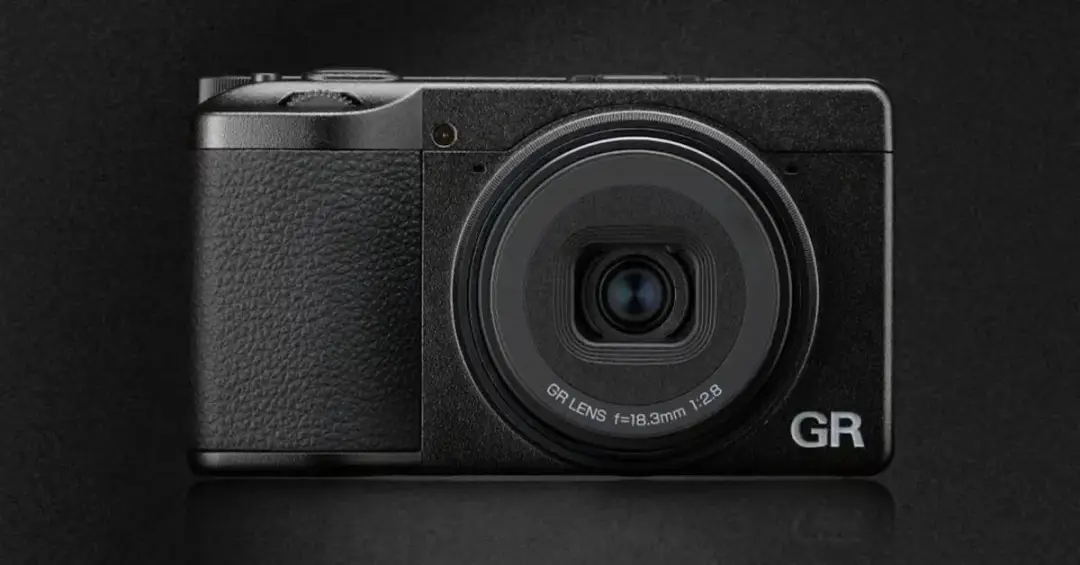
Group 1 - Ricoh has officially launched the fourth generation of its GR series camera, the GR4, priced at 8999 yuan, which is a significant increase of 2800 yuan compared to the previous GR3 model [4][5][27] - The pricing strategy reflects a broader trend in the camera market where traditional pricing structures based on specifications are being challenged, as seen with Fujifilm's similar pricing strategies [28][30][36] - The GR4's pricing is not an isolated case but part of a growing trend where emotional value and brand perception are becoming key drivers of pricing in the camera industry [32][33][36] Group 2 - The GR4 features several upgrades over the GR3, including a slightly larger sensor with a resolution increase from 24.24 million to 25.74 million pixels, five-axis stabilization, and improved autofocus capabilities [12][14][17] - The internal storage has been significantly increased from 2GB to 53GB, enhancing usability for users who may forget to bring an SD card [20][21] - The camera introduces new film simulation modes and enhanced customization options, appealing to its core user base that values unique color science and aesthetic output [22][26] Group 3 - The camera market is experiencing a shift from a focus on technical specifications to an emphasis on user experience and emotional value, as consumers seek cameras that provide a distinct style and ease of use [44][45][56] - The GR series is designed for quick and intuitive shooting, emphasizing a philosophy of simplicity and immediacy in photography, which resonates with users looking for a non-intrusive and enjoyable experience [53][55] - The current market dynamics suggest that the camera industry may not be shrinking but rather evolving into a more diverse and interesting landscape, similar to the watch market where different consumer needs coexist [65][66]