智能电动汽车

Search documents
AI赋能 消费焕新
Zhong Guo Qing Nian Bao· 2025-04-29 01:12
Group 1: AI in Consumer and Manufacturing Sectors - AI is transforming consumer experiences by understanding personal feelings and preferences, leading to more personalized interactions in smart vehicles [1] - The integration of AI in CNC machines is enhancing their capabilities, allowing them to learn and improve processing efficiency and precision [2] - The Chinese manufacturing sector is positioned for a significant transformation towards intelligent manufacturing, with a notable increase in its global manufacturing value added from 20% in 2010 to an expected 34% in 2024 [2] Group 2: Emerging Consumer Trends - There is a shift in consumer preferences towards emotional value and quality-price ratio, driven by an aging population and smaller family units [5] - Young consumers are increasingly investing in experience-oriented products and services, with a focus on personal growth and lifestyle [6] - The demand for smart home appliances is rising, with sales expected to double in 2024, as these products free up time for consumers to engage in family and personal interests [6] Group 3: Future of Consumption - The "Artificial Intelligence+" initiative aims to promote the development and application of new technologies in various sectors, including autonomous driving and smart wearables, to create high-growth consumption opportunities [7] - The evolving consumer landscape, driven by digital natives, is expected to reshape the consumption ecosystem, impacting various industries from education to healthcare [7]
李斌提出“新三大件”,蔚来2025能否画出上升曲线?
3 6 Ke· 2025-04-25 16:21
Core Insights - The rapid advancement of intelligent electric vehicles has led to a diminishing competitive edge for Chinese automakers, as traditional Japanese and German brands have caught up in high-end intelligent driving and cockpit technologies [1][4] - NIO's founder, Li Bin, emphasizes the importance of core technologies that are not immediately visible to users, such as intelligent driving chips, operating systems, and smart chassis, which he refers to as the "new three essentials" of intelligent vehicles [3][11] - NIO has invested over 10 billion yuan annually in R&D for three consecutive years, focusing on self-developed technologies to establish a strong technological foundation for the intelligent electric vehicle era [8][19] Industry Trends - The Shanghai Auto Show has shifted focus from flashy marketing to genuine technological innovation, with industry leaders prioritizing core technology advancements over mere brand visibility [6][19] - NIO's strategic approach includes a multi-brand strategy, integrating resources across its three brands—NIO, ONVO, and firefly—to enhance operational efficiency and market competitiveness [19][20] Product Development - NIO plans to launch nine new models across its three brands by 2025, with a steady release schedule that includes the ET5, ET5T, ES6, and EC6 in the second quarter, and the third-generation ES8 in the fourth quarter [12][13] - The firefly brand has introduced a new model priced at 119,800 yuan, targeting the high-end small car market and set to enter multiple international markets [13][15] Technological Innovations - The self-developed 5nm intelligent driving chip, NX9031, is a significant advancement for NIO, providing superior performance compared to competitors' chips and enabling cost savings in production [3][11] - NIO's SkyOS operating system integrates various functionalities, reducing reliance on third-party systems and further lowering operational costs [11][20] Infrastructure Development - NIO aims to establish a comprehensive battery swap network by the end of 2025, covering over 2,800 county-level administrative regions in China, while also expanding its fast-charging infrastructure [16][19] - Li Bin argues that battery swapping and fast charging are complementary rather than opposing technologies, highlighting the advantages of battery swapping in terms of user experience and efficiency [16][17]


最前线 | 一台车10颗激光雷达,广汽将携L4级Robotaxi亮相上海车展
3 6 Ke· 2025-04-22 13:23
Core Viewpoint - The Shanghai International Automobile Industry Exhibition is set to showcase significant advancements in automotive technology, with GAC Aion presenting the world's first mass-produced L4 level Robotaxi and advanced intelligent driving solutions in collaboration with Didi Autonomous Driving [1][2]. Group 1: GAC Aion's Innovations - GAC Aion will unveil multiple key models, prominently featuring the L4 level Robotaxi, which includes a unique design with an interactive screen that enhances user engagement [1]. - The new Robotaxi is equipped with a safety redundancy architecture and a comprehensive 360° perception system, utilizing various sensors including 10 LiDARs and a total of 33 sensors [2]. - The vehicle's computing power reaches 2000 TOPS, significantly surpassing current advanced driver-assistance systems [2]. Group 2: Strategic Collaboration with Didi - The strategic partnership between GAC Group and Didi Autonomous Driving began in May 2023, focusing on the AIDI plan for mass production of autonomous electric vehicles [2]. - The establishment of "Andi Technology" in April 2024 marks a significant step in their collaboration, with Didi receiving $298 million in Series C funding, supported by GAC Group [2]. - The collaboration leverages GAC's strengths in vehicle development and supply chain management alongside Didi's technological expertise and operational experience [2]. Group 3: Market Positioning and Future Outlook - The L4 Robotaxi is positioned as the first globally marketed mass-produced L4 vehicle, set to operate in both the Chinese and international markets [3]. - GAC Aion is also launching three new strategic models, enhancing its appeal to families and younger consumers with innovative features and marketing strategies [3]. - The introduction of these models is expected to strengthen GAC Aion's position in the global electric vehicle market and advance the evolution of intelligent mobility [3].

中证智能电动汽车指数上涨3.12%,前十大权重包含亿纬锂能等
Jin Rong Jie· 2025-04-10 16:28
金融界4月10日消息,上证指数高开震荡,中证智能电动汽车指数 (智能电车,H11052)上涨3.12%,报 2979.85点,成交额578.26亿元。 数据统计显示,中证智能电动汽车指数近一个月下跌17.09%,近三个月下跌3.05%,年至今下跌 7.59%。 据了解,中证智能电动汽车指数选取主营业务涉及智能电动汽车动力系统、感知系统、决策系统、执行 系统、通讯系统、整车生产以及汽车后市场的上市公司证券作为指数样本,以反映智能电动汽车产业上 市公司证券的整体表现。该指数以2014年12月31日为基日,以1000.0点为基点。 资料显示,指数样本每半年调整一次,样本调整实施时间分别为每年6月和12月的第二个星期五的下一 交易日。权重因子随样本定期调整而调整,调整时间与指数样本定期调整实施时间相同。在下一个定期 调整日前,权重因子一般固定不变。特殊情况下将对指数进行临时调整。当样本退市时,将其从指数样 本中剔除。样本公司发生收购、合并、分拆等情形的处理,参照计算与维护细则处理。 跟踪智能电车的公募基金包括:华宝中证智能电动汽车ETF联接A、华宝中证智能电动汽车ETF联接C、 泰康中证智能电动汽车ETF、华宝中证智 ...





中证智能电动汽车指数上涨0.09%,前十大权重包含三花智控等
Jin Rong Jie· 2025-04-09 15:44
Core Viewpoint - The China Securities Index for Intelligent Electric Vehicles has shown a decline of 17.16% over the past month, 2.52% over the past three months, and 7.67% year-to-date, indicating a challenging market environment for the sector [1][2]. Group 1: Index Performance - The China Securities Intelligent Electric Vehicle Index opened lower but closed higher, with a current value of 2889.57 points and a trading volume of 63.561 billion yuan [1]. - The index is designed to reflect the overall performance of listed companies involved in various aspects of the intelligent electric vehicle industry, including power systems, perception systems, decision systems, execution systems, communication systems, vehicle production, and aftermarket services [1]. Group 2: Index Composition - The top ten weighted companies in the index are BYD (18.38%), CATL (13.19%), Luxshare Precision (6.48%), Huichuan Technology (5.26%), Will Semiconductor (4.55%), Great Wall Motors (4.48%), iFlytek (3.14%), Sanhua Intelligent Control (2.7%), EVE Energy (2.57%), and Top Group (2.4%) [1]. - The index's holdings are primarily listed on the Shenzhen Stock Exchange (71.60%), followed by the Shanghai Stock Exchange (27.72%) and the Beijing Stock Exchange (0.68%) [1]. Group 3: Industry Breakdown - The industry composition of the index includes 36.44% in consumer discretionary, 34.16% in industrials, 22.02% in information technology, 6.71% in materials, and 0.68% in communication services [2]. - The index samples are adjusted biannually, with changes implemented on the next trading day following the second Friday of June and December [2].
中证智能电动汽车指数下跌0.54%,前十大权重包含科大讯飞等
Jin Rong Jie· 2025-04-08 15:05
金融界4月8日消息,上证指数低开高走,中证智能电动汽车指数 (智能电车,H11052)下跌0.54%,报 2886.91点,成交额673.43亿元。 数据统计显示,中证智能电动汽车指数近一个月下跌16.71%,近三个月下跌3.08%,年至今下跌 7.17%。 据了解,中证智能电动汽车指数选取主营业务涉及智能电动汽车动力系统、感知系统、决策系统、执行 系统、通讯系统、整车生产以及汽车后市场的上市公司证券作为指数样本,以反映智能电动汽车产业上 市公司证券的整体表现。该指数以2014年12月31日为基日,以1000.0点为基点。 从指数持仓来看,中证智能电动汽车指数十大权重分别为:比亚迪(18.56%)、宁德时代 (13.68%)、立讯精密(6.56%)、汇川技术(5.26%)、长城汽车(4.47%)、韦尔股份(4.38%)、 科大讯飞(3.1%)、三花智控(2.67%)、亿纬锂能(2.6%)、拓普集团(2.42%)。 从中证智能电动汽车指数持仓的市场板块来看,深圳证券交易所占比71.96%、上海证券交易所占比 27.41%、北京证券交易所占比0.63%。 从中证智能电动汽车指数持仓样本的行业来看,可选消费占比36 ...
超高分红,超牛业绩,超强布局!首程控股(00697)“三个坚定”力挺机器人行业
智通财经网· 2025-04-02 10:02
此外,首程控股还在公告中指出,"公司将始终秉持长期投资理念,无论在市场低迷时持续投入,还是 在繁荣期与企业共同成长,我们将通过战略性投资和资源整合,协助所投企业在波动中稳健前行。未 来,本公司将加大在机器人领域的投资力度,专注于中国最具竞争力的顶尖企业,并力争打造强大的投 资组合。" 不难看出,在机器人产业争议与机遇并存的当下,首程控股以"三个坚定"诠释了责任投资与长期主义的 内涵,展现出穿越行业波动的定力。对于投资者而言,这家既有基建资管基本盘,又手握机器人产业船 票的企业,或许正是穿越周期的优质选择。 "三个坚定"背后,精准捕捉科技革命奇点 实际上,早在6、7年前,首程控股便开始探索产投结合新模式,瞄准"硬科技"潜力赛道展开布局,先后 命中了智能电动汽车与机器人两大热门领域。 2025年,"具身智能"和"智能机器人"首次被写进《政府工作报告》。这标志着伴随数字技术赋能向"智 能+实体"融合演进步入崭新阶段,机器人与具身智能已成为中国培育未来产业的重要方向以及全球科 技竞合的关键领域。 以今年爆火的人形机器人市场来看,根据Markets and Markets预测,该市场规模有望从2023年的18亿美 元增 ...
小米公布“SU7高速碰撞爆燃”事故细节 专家解读事件疑点
Zhong Guo Jing Ying Bao· 2025-04-01 13:55
3月29日22时44分,一辆小米SU7标准版在安徽铜陵德上高速公路池祁段行驶过程中遭遇严重交通事故,事故造成驾驶人和两名乘客 死亡。 网传图片、视频以及安徽高速出行服务的交通事故信息显示,上述小米SU7标准版在高速行驶中撞上护栏后发生自燃,现场火光冲天 浓烟滚滚。事故车辆损毁严重,前挡风玻璃、四扇车窗玻璃、车顶玻璃均已被全部烧毁,车辆座椅只剩下金属框架。 据相关报道,事故发生时存在"车锁未解锁,无法打开车门逃生"的情形。 一位前车企工程师在采访中告诉《中国经营报》记者,汽车中的电路板一旦没有供电系统连接,行车电脑就不能发送信号。车的门锁 未打开,其原因是行车电脑当时断线了,触发不了,导致电脑没有给行车锁发送信号,还是因为碰撞导致车锁弹不起来,这些都是疑 点。 这一事件引发诸多关注。4月1日上午,记者联系了小米方面,对方称"目前公司已经成立专门工作小组赶赴现场,会全力配合警方和 家属对事故进行详细的还原调查,协助家属处理后续情况,将根据后续实际调查情况在官方渠道公布"。 随着时间的推移,公众对这一事件的关注度越来越高。4月1日午间,就"小米SU7高速上碰撞爆燃"事件,小米方面通过"小米公司发 言人"微博发布了该 ...

欧阳明高:整车智能化爆发元年,暂不宜提“全民自动驾驶”|直击百人会论坛2025
2 1 Shi Ji Jing Ji Bao Dao· 2025-03-31 03:12
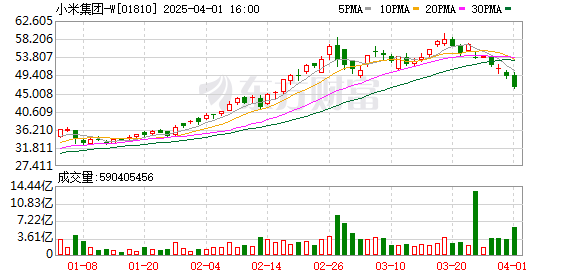
Core Viewpoint - The year 2023 marks the beginning of an explosive growth phase for vehicle intelligence technology, expected to last for five years, driven by advancements in large models and public enthusiasm for smart driving [1][3]. Industry Transformation - The technological transformation path in the new energy vehicle industry includes: electrification of powertrains, vehicle intelligence, and low-carbon energy [3]. - The shift from electric vehicle development to an explosive growth phase is leading to significant structural changes in the market and industry [3]. Strategic Response - To navigate the major changes, companies need to focus on strategic foresight, innovation, and leveraging accumulated strengths [4]. - The convergence of technological advancements, market enthusiasm, and supportive government policies is crucial for the explosive growth of vehicle intelligence this year [4]. Current State of Smart Driving - Currently, the public's engagement with smart driving is primarily through L2+ intelligent navigation assistance (NOA) [4]. - The development of multi-modal large models is essential for advancing higher-level autonomous driving technologies, but safety and reliability issues must be addressed [4]. Future Projections - The automotive industry must integrate low-carbon energy solutions to avoid stagnation; without low-carbon energy, the true potential of new energy vehicles cannot be realized [4]. - By 2030, the technology for low-carbon energy in new energy vehicles is expected to fully emerge [5]. Market Opportunities - The next 10 to 30 years will see the emergence of five trillion-level industries, including new energy infrastructure, new energy vehicles, and comprehensive electrification of transportation [5]. - By 2035, total sales of new energy vehicles are projected to approach 30 million units, with ownership expected to reach between 200 to 300 million vehicles [5].
“我极为震撼”!雷军:有3个感谢
21世纪经济报道· 2025-03-29 13:41
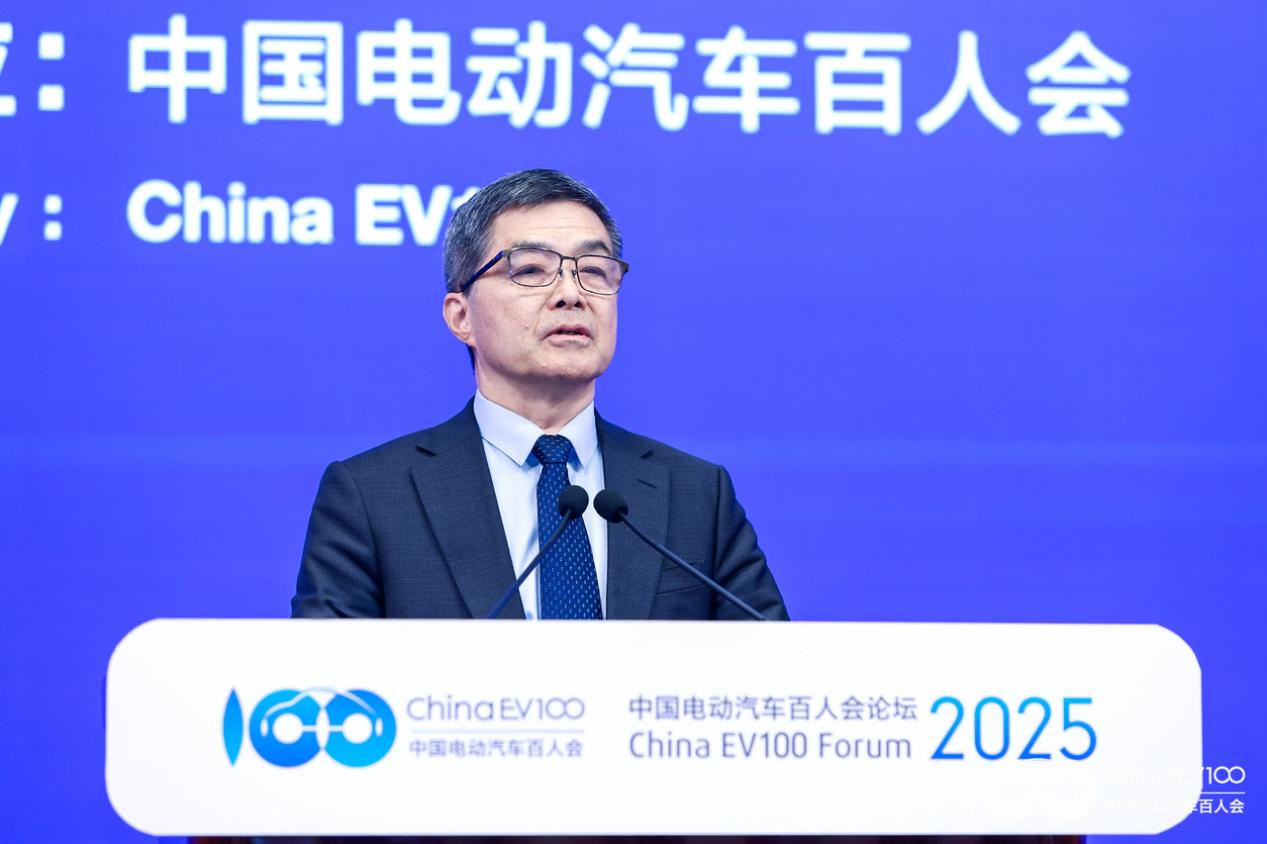
Core Viewpoint - Xiaomi has achieved a remarkable milestone by delivering 200,000 vehicles in less than a year, showcasing the support from users and the maturity of the industry [3][5]. Group 1: Company Performance and Strategy - Xiaomi's CEO Lei Jun expressed gratitude for the support from users and regulatory bodies, highlighting the collaborative effort within the industry that allowed Xiaomi to enter the automotive sector at an opportune time [3][5]. - The Xiaomi SU7 Ultra achieved over 10,000 orders within two hours of its launch, indicating strong market demand and early success in sales [5]. - Over the past five years, Xiaomi has invested approximately 105 billion yuan in research and development, with expectations to exceed 30 billion yuan in R&D spending this year [6][16]. Group 2: Financial Actions and Market Reactions - On March 25, Xiaomi announced a placement of 800 million shares to raise 425 million HKD, which is expected to improve its financial situation amid significant investments in its automotive business [7][15]. - The company's liquidity ratios, including a current ratio of 1.28 and a quick ratio of 0.93, are at their lowest since 2017, indicating concerns about short-term debt repayment capabilities [7]. - Historical data shows that after a previous share placement in December 2020, Xiaomi's stock price initially dropped by 7.1% but rebounded over 30% in the following three months, suggesting potential for recovery after the current placement [8][9]. Group 3: Future Outlook and Investment Focus - The funds raised from the share placement will be directed towards business expansion, technology development, and market growth, particularly in smart electric vehicles, high-end smartphones, and AIoT ecosystems [15][17]. - Xiaomi's revenue for 2024 is projected to reach 365.9 billion yuan, with a year-on-year growth of 35%, and an adjusted net profit of 27.2 billion yuan, reflecting a 41.3% increase [15]. - The company aims to leverage AI technology across its product lines, targeting the automotive, mobile, and home appliance markets, with a long-term strategy focused on innovation and high-quality growth [17].