酒店业

Search documents
“五星级酒店”开不下去了!背后藏着什么信号?
商业洞察· 2025-10-12 09:23
以下文章来源于晓芳聊财经 ,作者王晓芳团队 作者: 王晓芳团队 来源: 晓芳聊财经 ---------------------------------- 曾几何时,五星级酒店是中国高端消费的象征,代表着身份、地位与极致服务。 比如: 晓芳聊财经 . 说商业奇闻、讲品牌故事、人话解读行业内幕。王晓芳,壹创新商学创始人,20年企业管理咨询经验, 链接赋能16万家企业。聚景资本管理合伙人,投资中信建设、喜马拉雅、金维制药等众多项目。 北京瑜舍的日式极简设计风格房间,曾经标出过一晚3万元的住宿价格; 上海宝格丽酒店,更是炒出过30万元的跨年夜套房; 北京金茂威斯汀大饭店,经常接待美国总统。 但如今: 北京瑜舍酒店,于去年6月宣布 正式关闭 ; 上海宝格丽酒店,以24.3亿元底价, 被挂牌出售 ; 北京金茂威斯汀,以约28.02亿元的价格, 被出售 。 顶级如五星级酒店,最近两年也在疯狂被抛弃。 根据文旅部数据显示,2019年底中国五星级酒店数量为845家,而截至2024年三季度,这一数字 已降至736家,五年间减少了近13%。 曾经火爆一时的五星级酒店,是城市的地标,也是房地产商眼中的香饽饽。 为什么现在越来越难以经 ...

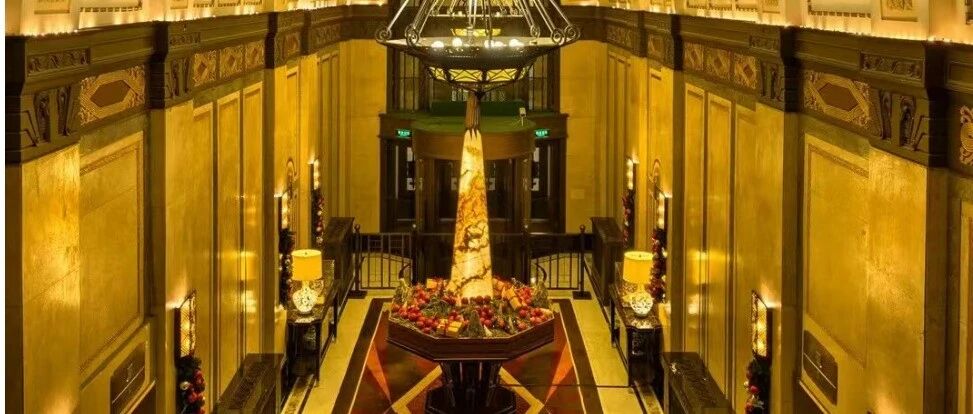
2025年“超级黄金周”酒店业观察:2350万接待人次背后的文旅新图景
Hua Xia Shi Bao· 2025-10-11 14:31
值得注意的是,北京作为首都和重要旅游目的地,在这个黄金周期间表现尤为突出。据不完全统计,北 京市核心区域酒店入住率持续保持在90%以上,其中前门、王府井、什刹海等热门商圈酒店更是一房难 求。10月9日,华信东方(北京)国际旅行社运营负责人李伯轩对《华夏时报》记者表示:"今年国庆期 间,北京热门区域酒店的入住率达到100%,平均房价较去年同期上涨15%,特别是能够观赏中秋明月 的景观房,提前两周就已预订一空。" 本报记者 张蓓 见习记者 陈炳衡 北京报道 2025年国庆中秋叠加的8天"超级黄金周"正式收官,酒店行业迎来期盼已久的业绩爆发。华住集团与锦 江酒店(中国区)最新数据显示,两大巨头假期合计接待人次突破2350万,其中华住接待1055万人次, 同比增长36%;锦江接待超1300万人次,同比增长30%。这份成绩单不仅展现了国内旅游市场的强劲复 苏,更折射出文旅消费的新趋势。 10月11日,北京伯豪瑞廷酒店总经理芦键对《华夏时报》记者表示,"对五星级酒店来说,十月黄金周 一直是传统旺季,一直是酒店行业全年的突出盈利点,黄金周期间,伯豪瑞廷酒店平均入住率达到 75%,这表明在多方努力下,市场逐步趋于稳定,对此感 ...



每天200万人出境游,都去了哪里?
36氪· 2025-10-11 13:35
Core Insights - The article highlights the contrasting trends in outbound tourism from China during the National Day holiday, with Japan experiencing a surge in popularity while Thailand faces a significant decline in tourist interest [4][5][10]. Group 1: Japan's Tourism Boom - Japan has become the top destination for Chinese tourists during the National Day holiday, with search interest nearly doubling compared to the previous year [5]. - Data from JINTO indicates that from January to August 2025, the number of visitors from China to Japan reached 671.26 million, marking a 46.1% increase from the same period in 2024 [7]. - The overall inbound tourism market in Japan is diversifying, with significant growth from emerging markets such as Indonesia (77.8% increase) and Russia (100% increase) [6][8]. Group 2: Thailand's Tourism Decline - Thailand's appeal to Chinese tourists has waned, with only 3.3 million visitors from China from January to September 2025, a 35% drop compared to the previous year [10]. - Safety concerns, including fears of scams and crime, have been cited as major factors contributing to the decline in tourist confidence in Thailand [12]. - Despite promotional efforts by the Thai tourism board, forecasts suggest a continued decrease in Chinese visitors during the holiday period [10]. Group 3: Changing Consumer Behavior - Chinese tourists are increasingly prioritizing value for money, leading to a shift from high-spending shopping sprees to more budget-conscious travel experiences [15][16]. - The average spending per tourist in Japan has slightly decreased, reflecting a change in consumer preferences towards more affordable shopping options [16]. - The trend towards rational consumption is expected to continue, with tourists focusing on experiences rather than luxury goods [19]. Group 4: Destination Decentralization and Experience - The rise of "decentralization" in tourism is evident, with travelers exploring lesser-known destinations in Japan, such as Fukuoka and Izu Peninsula, which have seen significant increases in search interest [21][23]. - The demand for deep experiential travel is growing, with destinations that offer unique cultural experiences gaining popularity [20][24]. - This trend is not limited to Japan, as similar patterns are observed globally, with travelers seeking more meaningful and personalized travel experiences [20][24]. Group 5: Opportunities for Chinese Enterprises - Chinese companies are increasingly establishing a comprehensive service ecosystem in Japan, covering all aspects of the travel experience from transportation to payment solutions [30][32]. - The restaurant sector is benefiting from the influx of tourists, with significant growth reported by local dining establishments due to increased group bookings [32]. - However, challenges such as labor shortages and high operational costs in Japan pose significant hurdles for Chinese enterprises looking to expand [37][40].
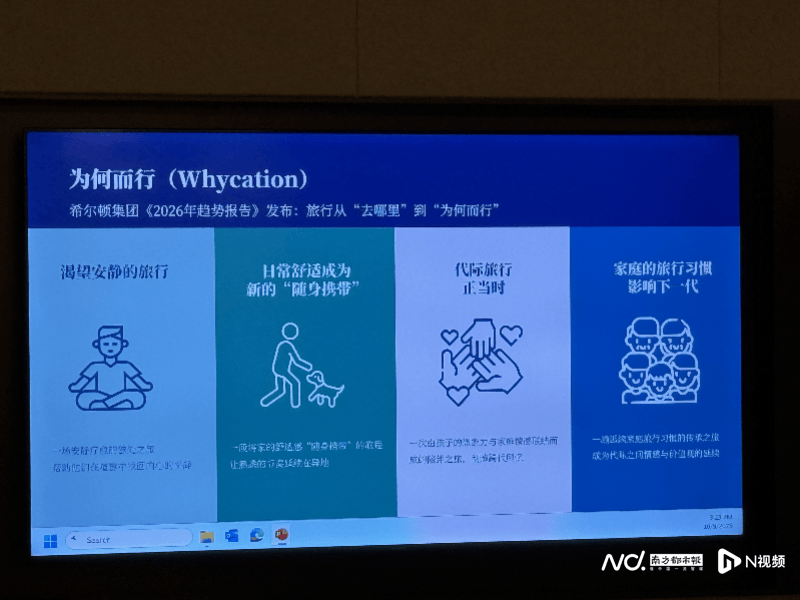
重新定义出行:“去哪里”转向“为何而行”,四大趋势发布
Sou Hu Cai Jing· 2025-10-11 13:17
Core Insights - Hilton Group's "2026 Trends Report" emphasizes a shift in travel focus from destinations to the emotional value and meaning behind travel, termed "Whycation" [1][3] Group 1: Emotional Travel Trends - Travelers are increasingly seeking quiet and peaceful travel experiences, with nearly half of travelers planning alone time before or after family trips, and 66% of Chinese travelers expressing this desire [3] - Daily comforts are becoming essential for travelers, with 70% of pet owners preferring pet-friendly accommodations and 77% of travelers enjoying local supermarkets for a sense of daily ritual [5] - Family travel habits are influencing the next generation, with 73% of respondents acknowledging their parents' travel preferences impact their choices [8] Group 2: Intergenerational Travel - Intergenerational travel is on the rise, fostering family bonds and cultural transmission, with 78% of family travelers participating in multi-generational trips at least once a year [10] - 95% of respondents believe that such travel positively affects the health and happiness of grandparents [10] Group 3: Market Insights and Consumer Behavior - The recent National Day holiday performance aligns with the report's findings, showing a significant increase in average room rates and occupancy rates compared to last year [15] - Chinese travelers prioritize personal interests when choosing destinations, with 70% considering it an important factor, significantly higher than the global average of 60% [15] - Culinary experiences drive travel decisions for 85% of Chinese travelers, far exceeding the global average of 57% [15] - Emerging interest in lesser-known destinations is noted, with several small cities showing remarkable performance during the holiday [16]

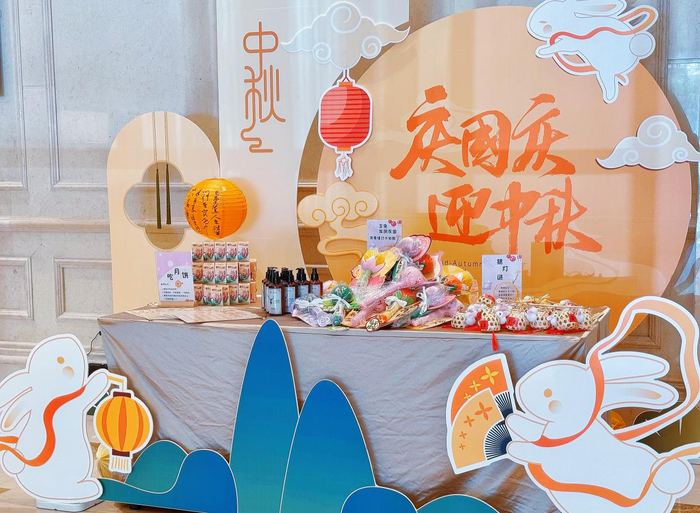
国庆中秋假期锦江酒店(中国区)接待人次同比增长30%,入住率同比提升
Xin Lang Cai Jing· 2025-10-11 12:12
Core Insights - The recent "super golden week" during the National Day and Mid-Autumn Festival saw unprecedented enthusiasm in the domestic tourism market, significantly boosting hotel occupancy rates [1][2] - Major hotel chains, including Jinjiang Hotels, reported a substantial increase in occupancy rates, with over 13 million guests served during the holiday period, marking a more than 30% increase compared to the previous year [1] - The trend of "reverse tourism" emerged, with younger travelers opting for less popular destinations, leading to high occupancy rates in third-tier cities [1] Hotel Performance - Jinjiang Hotels' average occupancy rate across its brands increased, with international high-end brand Liyue Hotel seeing a more than 23% rise [2] - During the peak travel days from October 2 to 4, Jinjiang Hotels achieved full occupancy in 128 cities nationwide [1] - Family-oriented hotels, such as Jingli Hotels, tailored their offerings to meet the needs of family travelers, achieving high occupancy rates during the holiday [4] Customer Experience and Services - Hotels provided unique experiences and high-quality services, such as themed family rooms and special activities for children, enhancing guest satisfaction [4][6] - Jinjiang Hotels implemented digital tools to streamline check-in processes, with self-service machines achieving usage rates of 86% to 91% in various locations [13][14] - The introduction of AI voice systems and interactive programs enriched the guest experience, with 66% of guest inquiries handled by AI [14] Community Engagement - Hotels engaged with guests through personalized services, such as assisting with luggage issues and organizing local cultural activities, fostering a sense of community [10][15] - Special events, like DIY mooncake making and traditional lantern crafting, were organized to enhance the festive atmosphere for families [15]
莫干山民宿的“狼”来了?
3 6 Ke· 2025-10-11 09:00
近期,四季酒店集团宣布,将中国首家度假酒店落子于被誉为"中国高端民宿黄埔军校"的莫干山。 熟悉莫干山的圈内人士都知道,作为国内民宿文化的发源地之一,这里的住宿业态早已被大大小小的民 宿占据。目前,当地民宿数量近千家,拥有一定的规模。 一个民宿扎堆的度假目的地,为何受到四季青睐?此次入驻会给莫干山的住宿业态带来什么样的市场影 响? 01 这样一块以民国风情、自然景观和文创园为主要商业特色的度假目的地,被四季看中,通过对原有23公 顷建筑区域进行焕新改造,建设90间客房,包含别墅、套房等多种房型,将酒店隐于自然的群山、松 竹、湖泊与茶园的环抱之中。 值得一提的是,莫干山虽说是夏季避暑胜地,不少游客前来避暑,但冬季却气温较低,部分户外活动受 限,缺乏夏季清凉的优势,因此有明显的淡旺季之分。四季洞察了莫干山的消费需求,计划成为该区域 首家引入天然温泉资源的国际奢华度假酒店。 具体来看,莫干山四季度假酒店将推出多样化水疗与温泉体验,配备拥有七间理疗室的全方位水疗中 心、室外游泳池,以及可用于瑜伽、冥想等活动的户外亭阁。 为了与当地的茶文化深度融合,莫干山四季度假酒店还专门定制了茶艺廊,不仅能让住客品尝到莫干山 精品茶叶 ...
国庆假期结束后,广州有酒店价涨3倍
Nan Fang Du Shi Bao· 2025-10-11 04:45
Core Insights - The hotel prices in Guangzhou have surged significantly after the "Double Festival" period, with some hotels charging up to three times more due to the upcoming Canton Fair [1][2][10] Group 1: Hotel Price Trends - After the "Double Festival," hotel prices initially dropped but then rose sharply again by mid-October, exceeding the prices during the festival [2][10] - For example, the price of a luxury king room at the Guangzhou Zhengjia Plaza Marriott increased from ¥1049 on October 2 to ¥3381 by October 16 [2][10] - The Four Seasons Hotel in Guangzhou also saw a price increase from ¥2973 to ¥4261 for a river view king room during the same period [2][10] Group 2: Demand Factors - The rise in hotel prices is attributed to the high occupancy rates expected during the Canton Fair, which is set to begin on October 15, 2025 [10] - Hotels near the fairgrounds are experiencing increased demand, leading to higher prices and limited availability [10] - Data from Ctrip indicates a 25% year-on-year increase in hotel bookings during the "Double Festival," with high-end hotels seeing a nearly 40% increase in order volume [11][12] Group 3: Booking Behavior - Travelers are opting for staggered travel plans, with many choosing to visit during the festival's peak days to enjoy better prices [11] - The average price of domestic flights dropped by over 30% during the festival compared to the initial days, indicating a shift in travel patterns [11] - The rise in bookings from younger travelers, particularly those born after 2000, has been notable, with a 15% increase reported [12]

体验经济崛起 “十一”酒店市场价稳、人旺、“更会玩”
Zhong Guo Jing Ying Bao· 2025-10-10 21:25
Core Insights - The "Super Golden Week" during the Mid-Autumn Festival and National Day in 2025 saw a significant boost in the tourism and hotel industry, with hotel occupancy rates exceeding 80% and a notable increase in guest numbers [1][3][8] Hotel Industry Performance - Huazhu Group reported over 10.55 million guests during the holiday period, a 36% increase year-on-year, with foreign guests rising by 75% [1] - The overall hotel occupancy rate peaked at over 80%, with more than 8,100 hotels fully booked on October 3 [1] - High-end hotels in popular cities like Beijing, Chengdu, and Hangzhou experienced high demand, leading to limited availability [1] New Developments in High-End Hotels - Huazhu Group launched its high-end cultural resort brand, Huajian Tang, in Beijing, marking a strategic expansion into the high-end hotel sector [2] - The brand aims to provide an immersive urban vacation experience, reflecting a trend towards structural upgrades in the hotel industry [2] Emerging Trends in Tourism - The holiday period saw a surge in bookings for lesser-known destinations, with some areas experiencing a doubling of orders for accommodations [3] - Events like music festivals and sports competitions significantly boosted hotel bookings, with some locations seeing increases of up to 260% [3] Travel Behavior Changes - Over 30% of office workers opted for staggered travel, extending the holiday experience and alleviating peak demand pressures [4] - Domestic flight volumes increased by 20%, while outbound travel grew by 30% during the holiday [4] Night Economy and Outbound Travel - The night economy gained traction, with a 200% increase in searches for night activities, highlighting its role in attracting tourists [5] - Outbound travel saw a significant rise, with hotel bookings in popular destinations like Japan and Thailand increasing dramatically [5] Shift Towards Experience Economy - The hotel industry is witnessing a shift towards high-end, personalized, and culturally immersive experiences, driven by consumer demand for unique travel experiences [6][7] - Huajian Tang's expansion exemplifies this trend, focusing on local culture and modern aesthetics [6] Conclusion on Market Maturity - The "Super Golden Week" reflects a more mature and layered tourism consumption market, with consumers seeking emotional, cultural, and social experiences rather than just accommodation [8]
今年十一,酒店业被年轻人的帐篷干翻了?
Xi Niu Cai Jing· 2025-10-10 12:12
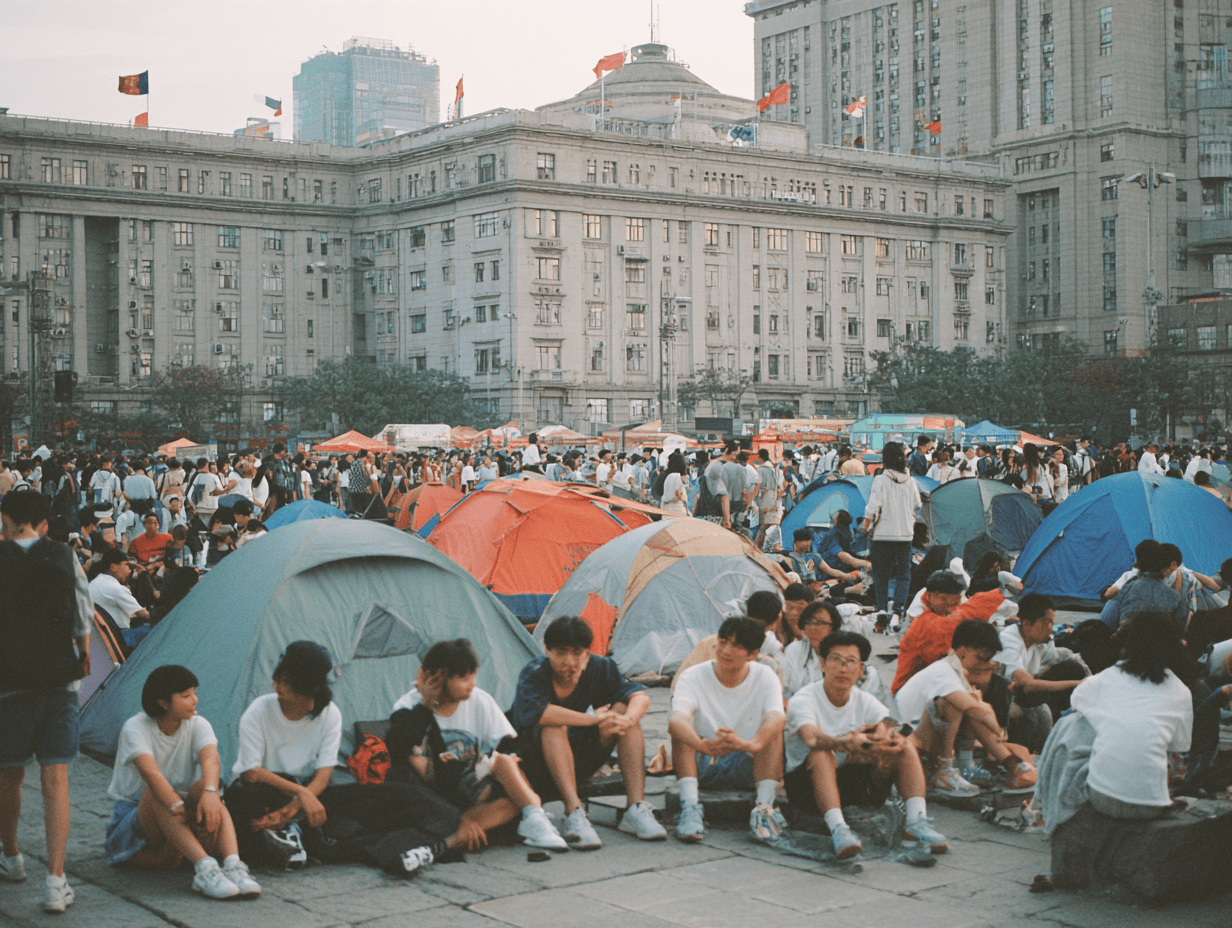
Core Viewpoint - The hotel industry in China is facing significant challenges as young travelers increasingly opt for camping over traditional hotel stays during the recent holiday season, indicating a shift in consumer preferences and spending habits [3][10][22]. Group 1: Changes in Consumer Behavior - Young travelers are choosing to camp instead of staying in hotels, with reports of families setting up tents in service areas and campgrounds to save costs [4][5]. - A young mother highlighted that camping can reduce accommodation expenses by up to 90% compared to hotel prices during peak holiday periods [6]. - This trend reflects a broader change in the consumption mindset among young people, who are not merely seeking cheaper options but are also looking for quality accommodations that meet their expectations [12][13]. Group 2: Hotel Industry Response - The hotel industry is struggling to understand the shift in consumer behavior, as many hotels have raised prices significantly during holidays, pushing young travelers to seek alternative lodging [9][22]. - There is a disconnect between the pricing strategies of hotels and the expectations of young consumers, leading to a lack of suitable accommodation options that balance price and quality [18][19]. - The industry faces a critical need to adapt and innovate in order to meet the evolving demands of young travelers, or risk losing them to alternative lodging options [25][26]. Group 3: Market Opportunities - The current supply-demand imbalance in the hotel industry presents potential opportunities for new high-quality, cost-effective lodging solutions that cater to young consumers [24][25]. - Historical trends indicate that when existing accommodation options fail to meet consumer needs, new market segments can emerge, as seen with the rise of budget and mid-range hotels in previous decades [25]. - The future success of the hotel industry may depend on its ability to identify and develop products that align with the preferences of young travelers, who are increasingly prioritizing value and experience over traditional hotel stays [26].
酒店,怎么成了中年人的避风港?
3 6 Ke· 2025-10-10 04:01
Core Insights - The article discusses how hotels have transformed into emotional sanctuaries for middle-aged individuals, providing them with a space to escape from daily responsibilities and stress [2][34] - It explores the dual phenomenon of middle-aged people seeking refuge in hotels and the hotel industry adapting to meet this emerging demand [34] Group 1: Hotels as Emotional Sanctuaries - Hotels have become a refuge for middle-aged individuals, allowing them to wash clothes, exercise, and find solitude, thus redefining their purpose from mere temporary lodging to emotional outlets [2][3] - The trend of using hotel facilities for laundry has gained traction, particularly among young adults, as hotel washing machines offer superior efficiency compared to home appliances [3][4] - The hotel gym serves as a preferred space for middle-aged individuals seeking a quiet and luxurious environment for exercise, contrasting with the crowded and commercialized atmosphere of traditional gyms [8][9] Group 2: The Role of Women - Middle-aged women are increasingly seeking personal space in hotels, using them as a secret escape from their multiple societal roles [12][13] - Hotels like Atour, known for their warm ambiance and personalized service, have become popular among women looking for a comfortable and affordable retreat [12] Group 3: Hotel Industry Adaptation - The hotel industry is strategically targeting local residents to increase occupancy rates and revenue, moving away from solely relying on travelers [26][28] - Hotels are redefining their marketing strategies by associating themselves with trending topics and emotional needs, thus enhancing brand visibility and consumer engagement [23][24] - The evolution of hotel branding emphasizes emotional value and lifestyle, transforming hotels into spaces that offer comfort, self-care, and a sense of belonging [30][31] Group 4: Conclusion - The interaction between middle-aged individuals seeking emotional relief and the hotel industry's adaptation signifies a new era of emotional value exchange, where hotels are evolving from functional spaces to emotional service providers [34]