
信托

Search documents
江苏省首单不动产信托登记落地
Su Zhou Ri Bao· 2025-11-18 00:36
Core Viewpoint - Suzhou Trust has successfully established Jiangsu Province's first real estate service trust, filling a gap in the local market and achieving dual empowerment of "elderly care" and "animal protection" [1] Group 1: Product Innovation - The new trust product integrates a three-in-one service model of "housing for the elderly + special needs + public welfare," addressing personalized elderly care needs while incorporating animal protection into the trust structure [1] - The product allows clients to gradually include their real estate, income rights, cash, and insurance policy rights into the trust system, ensuring clear property rights through a dual registration model [1] Group 2: Legal Framework and Security - Trust contracts and wills are notarized at the Suzhou Notary Office, creating a dual legal protection system of "trust + will," enhancing stability and predictability of asset arrangements [2] - Legal support is provided by Shanghai Jintiancheng Law Firm, further solidifying the independence and security of trust assets [2] Group 3: Future Development - Suzhou Trust aims to explore diversified service scenarios such as "elderly care + charity," "elderly care + real estate," and "elderly care + wills," focusing on innovative paths for real estate asset activation and cash flow transformation [2]
银信合作料被戴上“紧箍” 委外酝酿变局
Zhong Guo Zheng Quan Bao· 2025-11-17 22:06
Core Insights - The collaboration between wealth management companies and trust companies has become a significant business model in the asset management industry, particularly in the context of restrictions on bond investment accounts [1][4][5] - Customized trust products are favored by wealth management companies, allowing them to specify valuation methods and investment targets, which enhances their operational flexibility [2][3] - The recent draft of the "Asset Management Trust Management Measures" has sparked discussions about the future of bank-trust cooperation, emphasizing the need for regulatory compliance and the exploration of new collaboration opportunities [1][7] Group 1: Market Dynamics - As of Q3 2025, the scale of trust products held by wealth management companies reached 1.31 trillion yuan, indicating a growing reliance on trust channels [1] - Wealth management companies have seen a significant increase in their customized trust product scale, with reports of a 100 billion yuan increase compared to the previous year [2][5] - The trust industry has expanded its "trillion club," with several trust companies managing assets exceeding one trillion yuan as of June [1] Group 2: Operational Practices - Wealth management companies often utilize "T-1" valuation methods to lock in profits during market upswings and avoid losses during downturns, which has raised concerns about valuation manipulation [3][6] - Tail difference adjustments in trust product valuations can create "invisible profits," allowing larger products to support smaller ones, thereby influencing net asset values [3][6] - The operational model of customized trust products involves wealth management companies making investment decisions while trust companies handle clearing and trading [2][4] Group 3: Regulatory Environment - The draft regulations limit the investment amount of a single institutional investor in the same trust product to no more than 80% of the product's actual trust scale, aiming to mitigate concentration risks [5][7] - The regulatory framework encourages trust companies to shift from being mere financing intermediaries to investment management institutions, promoting a focus on active management capabilities [7][9] - The ongoing policy reforms, including the "1+N" system and the revised "Trust Company Management Measures," aim to guide the transformation of the trust industry and reduce reliance on channel-based operations [9] Group 4: Future Outlook - The trust industry is expected to return to its core functions, emphasizing the establishment of comprehensive research and investment systems to enhance active management capabilities [8][9] - Wealth management companies are urged to break away from scale obsession and focus on improving their research capabilities and risk management practices [8][9] - The competitive landscape is anticipated to intensify, with institutions relying on channels likely to be phased out in favor of those with robust investment research capabilities [9]
银信合作料被戴上“紧箍”委外酝酿变局
Zhong Guo Zheng Quan Bao· 2025-11-17 20:12
Core Insights - The collaboration between wealth management companies and trust companies has become a significant business model in the asset management industry, particularly in the context of restrictions on bond investment accounts [1][4][6] - Customized trust products are favored by wealth management companies, allowing them to specify valuation methods and investment targets, which enhances their operational efficiency [2][4] - The recent draft of the "Asset Management Trust Management Measures" has sparked discussions about the future of bank-trust cooperation, emphasizing the need for trust companies to focus on active management and risk control [6][7][8] Group 1: Market Dynamics - As of the end of Q3 2025, the scale of trust products held by wealth management companies reached 1.31 trillion yuan, indicating a growing reliance on trust channels [1] - Trust companies have seen an expansion in their asset management scale, with several surpassing 1 trillion yuan in managed assets by mid-2023 [1][5] - The regulatory environment is shifting, with new measures aimed at clarifying the boundaries of trust company operations and preventing systemic risks associated with concentrated investments [6][7] Group 2: Operational Strategies - Wealth management companies are increasingly using "T-1" valuation methods to lock in profits during market upswings and avoid losses during downturns, which has raised concerns about valuation manipulation [3][4] - Trust companies are adapting by offering customized products that allow wealth management firms to maintain control over investment decisions while outsourcing operational tasks [2][4] - The reliance on trust companies is driven by the limitations faced by wealth management firms in accessing the interbank market for bond investments [4][5] Group 3: Future Outlook - The industry is expected to see a transition towards more active management practices among trust companies, as they are encouraged to build comprehensive research and investment frameworks [7][8] - The ongoing regulatory changes are likely to enhance the focus on risk management and reduce the dependency on traditional channel-based revenue models [6][7] - The competitive landscape is shifting, with firms that lack research capabilities facing potential obsolescence, while those with strong investment management skills are likely to thrive [8]
慈善信托备案总规模逼近百亿元
Zheng Quan Ri Bao· 2025-11-17 15:48
Core Insights - The recent registration of two new charitable trusts marks a significant step towards reaching a total charitable trust asset scale of 100 billion yuan in China, indicating a growing momentum in the sector [1][2] Group 1: Development Drivers - The rapid growth of charitable trusts is driven by multiple factors, including the continuous improvement of policies and regulations, strategic transformations of trust companies, and increasing social demand for charitable initiatives [2][4] - As of November 17, 2023, there are 2,625 registered charitable trusts in China, with a total asset scale of approximately 9.922 billion yuan, nearing the 10 billion yuan mark [2] - The introduction of the "Trust Three Classification New Regulations" and the revised "Trust Company Management Measures" have established a solid institutional foundation for the development of charitable trusts [2][3] Group 2: Advantages of Charitable Trusts - Charitable trusts offer several advantages, including the legal structure that ensures asset independence, flexibility and customization for precise resource allocation, and sustainable benefits through a model that combines principal and investment returns [3][4] Group 3: Opportunities and Challenges - The future of charitable trusts is promising, with significant opportunities arising from policy support and the evolving landscape of the trust industry, which encourages innovation and the integration of charitable initiatives into core business strategies [4][5] - Challenges remain, such as difficulties in tax incentives, a shortage of professional talent, and the need for greater public awareness of charitable trusts [5] - To transition from a scale of 100 billion yuan to 1 trillion yuan, a collaborative effort is required across policy, industry, and market levels to create a comprehensive ecosystem for charitable trusts [5]
作价逾14亿元!宝能深圳160套房产被挂牌处置
Mei Ri Jing Ji Xin Wen· 2025-11-17 13:32
Core Viewpoint - The disposal of a 1.4081 billion yuan non-performing debt by CITIC Trust related to Baoneng Group has attracted significant industry attention, highlighting the ongoing financial struggles of Baoneng and the evolving asset disposal strategies in the market [1][5][8]. Group 1: Debt Disposal Details - CITIC Trust is publicly auctioning a non-performing debt that includes a principal of 1 billion yuan, remaining interest of 226.5 million yuan, and other fees totaling 181.6 million yuan, secured by 160 residential-commercial mixed-use properties in Shenzhen [1][3]. - The properties involved have multiple encumbrances, including second, third, and fourth mortgages, as well as judicial seizures, complicating the asset's marketability [1][3]. - The auction employs a "no preset transfer price but with a reserve price" bidding rule, which deviates from traditional practices and aims to prevent undervaluation of the assets [1][4]. Group 2: Baoneng's Financial Situation - Baoneng Group's overall executed amount has exceeded 50 billion yuan as of November, with significant court-enforced actions against its leader, Yao Zhenhua, adding to the financial pressure [6][8]. - The group has faced multiple asset disposals this year, including a 30% stake in Qianhai United Fund sold at a 44% discount and other assets entering restructuring phases [2][7]. - The ongoing asset disposals are seen as insufficient to alleviate the massive debt burden, indicating a deeper liquidity crisis within Baoneng [5][8]. Group 3: Market Implications - The outcome of the 1.4081 billion yuan debt disposal will significantly impact Baoneng's future debt restructuring efforts, potentially influencing other creditors' strategies [8]. - If the debt can be successfully transferred, it may serve as a reference for other creditors; however, difficulties in the process could heighten concerns regarding Baoneng's repayment capabilities [8]. - The new auction model may set a precedent for future asset disposals, affecting how financial institutions approach debt recovery and asset valuation in similar situations [4][8].
保险代销资产管理信托或开闸 11万亿市场迎来渠道变革
2 1 Shi Ji Jing Ji Bao Dao· 2025-11-17 12:18
Core Viewpoint - The asset management trust market, valued at 11.39 trillion yuan, is now open to insurance institutions, marking a strategic upgrade in the wealth management business of the insurance industry [1][4]. Regulatory Changes - The National Financial Supervision Administration released a draft regulation allowing commercial banks, wealth management companies, and insurance companies to sell trust products [3]. - This regulation builds on earlier policies aimed at enhancing the quality of the trust industry and clarifies the details for financial institutions to sell asset management trusts [4]. Market Context - As of the end of 2024, the asset management trust business of 58 trust companies reached 11.39 trillion yuan, accounting for nearly 40% of the total trust asset scale [4]. - The total asset management market in China is projected to reach 150 trillion yuan by the end of 2024, with the trust sector growing at a rate of 23.58% [6]. Strategic Implications for Insurance Companies - The new regulation allows insurance companies to diversify their product offerings and transition from traditional product sales to comprehensive wealth management [5]. - Insurance companies can now better serve high-net-worth clients by moving towards a client-centered wealth management model [6]. Competitive Landscape - Insurance channels will compete with direct sales from trust companies and banks in the trust product market [7]. - The deep customer relationships and scenario-based sales capabilities of insurance agents provide a competitive advantage over traditional banking sales methods [8]. Challenges and Capacity Building - Insurance companies currently lack the necessary expertise to manage the complexities of non-standard trust products, which require high levels of sales suitability management and professional interpretation [9]. - The regulatory framework imposes strict conditions on the sale of trust products, necessitating significant capacity building within insurance firms [10][11]. Early Movers in the Insurance Sector - Insurance companies with trust licenses or those within financial holding groups that possess such licenses are expected to lead in this new market [12]. - The initial exploration of this market will likely be limited to a few institutions with the requisite capabilities and resources [12]. Product Synergy - The relationship between asset management trusts and traditional insurance products is expected to be complementary rather than purely competitive [12]. - Insurance channels may focus on long-term, stable return products that align with their existing offerings, such as retirement savings and wealth transfer services [12]. Future Collaboration Opportunities - The new regulation opens avenues for deeper collaboration between trust companies and insurance institutions beyond simple product sales [14]. - Potential areas for cooperation include joint product development, customer service ecosystem building, and alternative investment partnerships [15].


倒计时2天!2025中国金融机构年会即将启幕,六大论坛纵论金融新未来
券商中国· 2025-11-17 10:37
11月的深圳,风起南海,潮涌珠江。这座将举办2026年APEC会议的创新之都,即将迎来一场金融界的思想盛宴——第十九届深圳国际金融博览会暨2025中国金融 机构年会将于11月19日至21日在深圳会展中心(福田)隆重举行,这也是两大品牌活动首次强强联合。 这场由证券时报社主办的年度金融盛会,将汇聚来自银行、证券、保险、信托、期货等领域的数百位行业领袖,通过六大专业论坛,共同探寻金融业高质量发展新 路径。 金融精英汇聚鹏城,行业领袖共议金融强国建设! 11月19-20日 中国·深圳 会议议程 11月19日 周三 9号馆 活动A区 第十九届深圳国际金融博览会 09:00-10:20 ● 2025金融科技大会开幕式 10:30-11:30 ● 2025中国金融机构年会 9号馆 活动B区 13:30-17:30 ● 2025中国金融机构年会 暨2025中国银行业年会 9号馆 活动C区 13:30-17:30 ● 2025中国金融机构年会 暨2025中国证券业资产管理高峰论坛 "2025中国金融机构年会"以"聚势赋能 重塑价值"为主题,因为今年恰逢"十四五"收官与"十五五"谋划的关键时点。在金融强国建设蹄疾步稳、中国特色 ...
中信信托“讨债”14亿,宝能深圳核心区160套房产遭处置
Nan Fang Du Shi Bao· 2025-11-17 09:17
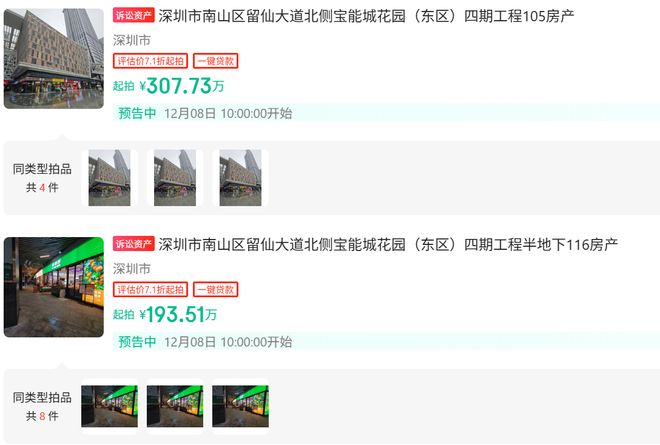
深圳宝能城花园又有资产遭挂牌处置。 值得关注的是,深圳宝能城花园早已是法拍市场的熟面孔。近年来因宝能系债务危机,其名下房产持续 密集走上法拍台。南都湾财社记者注意到,早在2022年,宝能城花园便被法院查封484套房产并启动拍 卖程序,此后2024年又有多批次房源挂牌;进入2025年,除了中信信托挂牌处置160套房产对应的14.08 亿元不良债权外,后续宝能城花园还有12套房源将于12月在京东法拍平台开拍。 而在宝能系整体债务压力持续升级的背景下,这批核心资产的处置方式与最终结果,也被市场视为观察 其债务困局走向的关键。 近日,国内头部信托机构中信信托在上海联合产权交易所公开挂牌了一笔高达14.08亿元的不良债权, 其底层资产直指姚振华旗下宝能城有限公司位于深圳核心区域宝能城花园(东区)三期的160套房产。 14亿债权竞拍,不预设转让底价 据上海联合产权交易所披露的信息显示,此次中信信托处置的债权包括:宝能城有限公司的借款本金10 亿元、剩余利息2.265亿元和其他费用1.816亿元,共计14.08亿元。 | | | | 公示附件 2:债权明细表 | | | | | | --- | --- | --- | -- ...
浦发银行郑州分行持续推动多层次债券市场建设
Huan Qiu Wang· 2025-11-17 08:54
Core Viewpoint - The successful launch of the flagship store channel counter bond trading business in Henan Province marks a significant advancement in the multi-tiered bond market construction in China, facilitated by Shanghai Pudong Development Bank and Baorui Trust under the guidance of the People's Bank of China [1][2] Group 1: Business Model and Innovations - The counter bond business allows financial institutions to provide services such as bond account opening, distribution, trading, custody, settlement, pledge registration, and interest payment for various types of bonds including government bonds and corporate credit bonds [1] - The newly implemented "flagship store" model integrates functions like pricing, transaction inquiry, position management, and limit control through a standardized system interface, enhancing the efficiency and security of bond trading for financial institutions [2] Group 2: Future Developments - The Shanghai Pudong Development Bank Zhengzhou Branch plans to increase policy promotion efforts and expand the application scenarios and service depth of counter bond business, aiming to provide more efficient and flexible financial service solutions for investors [2]

四川信托更名天府信托 即将以全新身份重启展业
Jing Ji Guan Cha Bao· 2025-11-17 08:35
Core Points - Sichuan Trust has officially changed its name to Sichuan Tianfu Trust, marking a new beginning after five years of risk resolution and restructuring [1] - The company has transitioned from a private entity to a state-controlled one, with significant changes in its shareholder structure [1] - The new controlling shareholder, Shudao Investment Group, is a leading enterprise in the national transportation sector with assets totaling approximately 1.6 trillion yuan [1] Company Overview - Sichuan Trust was established on November 28, 2010, with a registered capital of 3.5 billion yuan [2] - The company is in the process of updating its official website to reflect the new name [2]