
氢能

Search documents
占全球总量超50%!我国绿氢年产能超22万吨
Sou Hu Cai Jing· 2025-12-01 08:43
编辑:潘煦 (央视财经《正点财经》)记者从中国氢能联盟获悉,目前我国绿氢年产能超22万吨,占全球总量的 50%以上;已建成加氢站540座,占全球比重达40%。"十五五"期间,我国将形成较为完备的氢能产业 技术创新体系、清洁能源制氢及供应体系。 转载请注明央视财经 ...
超22万吨!我国氢能产业发展“加速跑” 多项技术指标位居全球首位
Yang Shi Wang· 2025-12-01 07:22
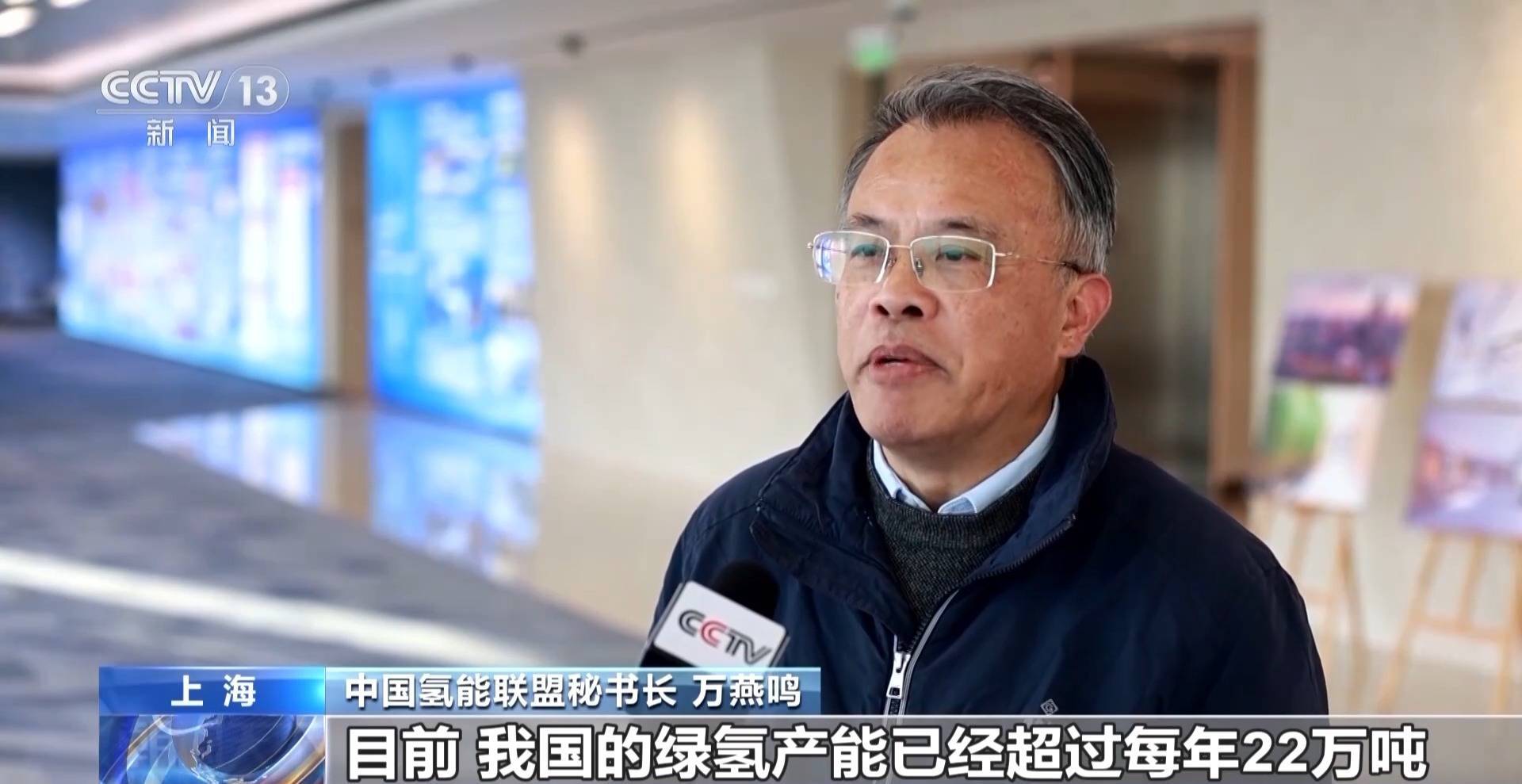
"十五五"期间,我国将加快推动氢能规模化发展,力争实现可再生能源制氢装机达到100吉瓦,形成较为完备的氢能产业技术创新体 系、清洁能源制氢及供应体系。 在宁夏,宁东可再生氢碳减排示范区已持续提供绿氢近1100万标方,实现碳减排约2万吨。数据显示,截至2025年9月底,我国清洁 氢项目投资额占全球比重的30%,居全球首位。 中国氢能联盟秘书长万燕鸣介绍,目前,我国绿氢产能已经超过每年22万吨,占全球50%以上;建成的加氢站已经超过540座,占全 球的40%。 同时,氢能产业相关创新技术不断涌现,电解水制氢成本降至20—30元/公斤区间,较2020年下降近40%,带动绿色氨醇、长输管 道、海洋氢能等领域加快突破。 央视网消息:"十五五"规划建议中提出,要前瞻布局包括氢能和核聚变能在内的六大未来产业。数据显示,当前,我国氢能产业快 速发展,多项技术指标位居全球首位。 ...

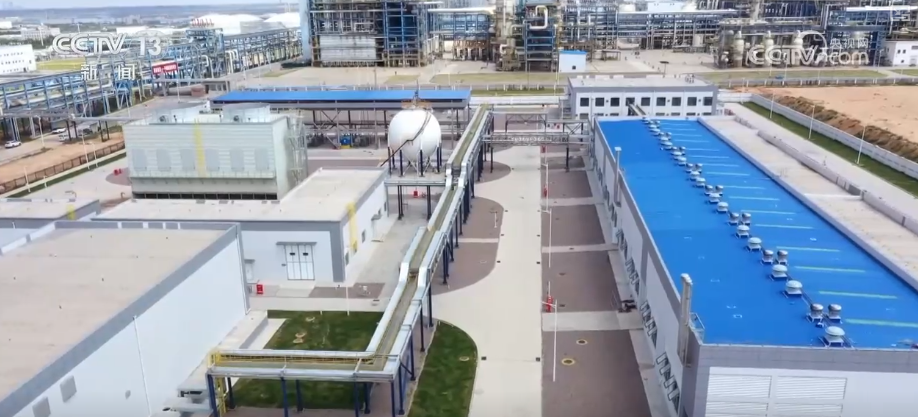
我国绿氢年产能超22万吨,多项技术指标居全球首位
Sou Hu Cai Jing· 2025-12-01 05:12
IT之家注意到,在宁夏宁东可再生氢碳减排示范区,绿氢生产已取得显著成效。该示范区已持续提供绿氢近 1100 万标准立方米,实现碳减排约 2 万吨。截 至今年 9 月底,我国清洁氢项目投资额占全球比重的 30%,位居全球首位。 据中国氢能联盟秘书长万燕鸣介绍,我国绿氢产能已超过每年 22 万吨,占全球总量的 50% 以上;建成的加氢站数量超过 540 座,占全球的 40%。 IT之家 12 月 1 日消息,据央视新闻报道,"十五五"规划建议明确提出,要前瞻布局包括氢能和核聚变能在内的六大未来产业。数据显示,当前我国氢能产 业快速发展,多项技术指标位居全球首位。 与此同时,氢能产业相关创新技术不断涌现。电解水制氢成本大幅下降,降至 20~30 元 / 公斤区间,较 2020 年下降近 40%。这一成本的降低有力地推动了 绿色氨醇、长输管道、海洋氢能等领域的技术突破。 "十五五"期间,我国将加快推动氢能规模化发展。力争实现可再生能源制氢装机达到 100 吉瓦,形成较为完备的氢能产业技术创新体系和清洁能源制氢及供 应体系。 ...
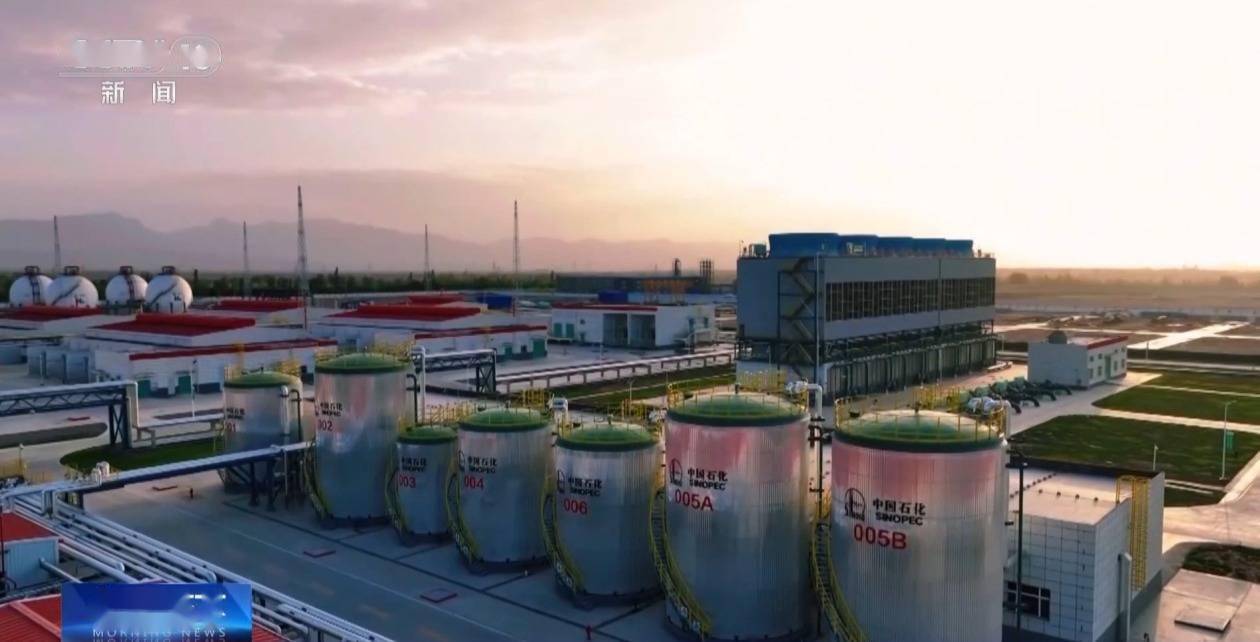
埃克森美孚暂停贝敦低碳氢项目
Zhong Guo Hua Gong Bao· 2025-12-01 04:12
Core Viewpoint - ExxonMobil has paused its flagship low-carbon hydrogen and ammonia integrated production project at the Baytown refinery in Texas due to unmet market demand, reflecting broader challenges in the global low-carbon hydrogen industry [1] Group 1: Project Details - The Baytown project was initially positioned as the "world's largest low-carbon hydrogen project," with a planned daily production of 1 billion cubic feet of low-carbon hydrogen and an annual output of over 1 million tons of low-carbon ammonia [1] - The project had already seen a $500 million initial investment from its partners, with Abu Dhabi National Oil Company holding a 35% stake [1] Group 2: Industry Challenges - Multiple key hydrogen projects have been shelved, attributed to weakened support for clean energy in the U.S. and uncertainties surrounding the Inflation Reduction Act's 45V hydrogen tax credit, which faces potential revocation risks due to the advancement of the "Big and Beautiful Act" [1] - Brian Murphy, head of hydrogen research at S&P Global, noted that the project's large capacity made it challenging from the outset, compounded by policy fluctuations in the U.S., Europe, and the International Maritime Organization, which hinder long-term purchase agreements and financing conditions [1] - The 45V clause's final regulations impose strict standards on carbon emissions intensity, making it nearly impossible for the Baytown project's "natural gas hydrogen + carbon capture" model to qualify for the maximum credit of $3 per kilogram [1] Group 3: Market Economics - Platts Energy Information assessed that the offshore price for ammonia exports in the U.S. Gulf Coast is $600 per ton, indicating that market conditions do not support the project's economic viability [1] - The suspension of the Baytown project highlights a common dilemma faced by the global low-carbon hydrogen industry, characterized by policy uncertainty, high technology costs, and insufficient market demand [1]

我国绿氢年产能超22万吨 多项技术指标居全球首位
Sou Hu Cai Jing· 2025-12-01 03:44
"十五五"规划建议中提出,要前瞻布局包括氢能和核聚变能在内的六大未来产业。数据显示,当前我国氢能产业快速发展,多项技术指标位居全球首位。 同时,氢能产业相关创新技术不断涌现,电解水制氢成本降至20~30元/公斤区间,较2020年下降近40%,带动绿色氨醇、长输管道、海洋氢能等领域加快突 破。 "十五五"期间,我国将加快推动氢能规模化发展,力争实现可再生能源制氢装机达到100GW,形成较为完备的氢能产业技术创新体系、清洁能源制氢及供 应体系。 责编:刘安琪 | 审核:李震 | 监审:古筝 (来源:央视新闻) 在宁夏,宁东可再生氢碳减排示范区已持续提供绿氢近1100万标方,实现碳减排约2万吨。数据显示,截至今年9月底,我国清洁氢项目投资额占全球比重的 30%,居全球首位。 中国氢能联盟秘书长 万燕鸣:目前,我国的绿氢产能已经超过每年22万吨,占全球的50%以上;建成的加氢站已经超过540座,占全球的40%。 ...
观氢 - 综述:日升月恒,氢风破浪
2025-12-01 00:49
Summary of Hydrogen Energy Industry Conference Call Industry Overview - The hydrogen energy policy framework in China is gradually improving, with hydrogen energy being included in government work reports since 2019 and officially recognized in the 2024 Energy Law, enhancing its status alongside oil, natural gas, and coal [5][4][3] - The hydrogen industry is transitioning from laboratory research to commercial application during the 14th Five-Year Plan (2021-2025), currently in a small-scale demonstration phase [5][4] Key Points and Arguments - **Hydrogen Production Technologies**: - **Coal-based Hydrogen**: Lowest cost at approximately 10.2 CNY/kg but has high carbon emissions and is limited by resource availability [6] - **Natural Gas-based Hydrogen**: Widely used globally, costing about 22.3 CNY/kg, but still non-renewable and resource-scarce [6] - **Industrial By-product Hydrogen**: Low cost but limited by production volume, suitable for short-term transitional solutions [6] - **Electrolysis-based Hydrogen**: Encouraged as a low-carbon option, with costs significantly influenced by electricity prices; current costs exceed 50 CNY/kg but can drop below 11.5 CNY/kg with lower electricity rates [6][7] - **Hydrogen Storage and Transportation**: - Gaseous storage is the mainstream method but has low efficiency; liquid storage is denser but costly and requires low temperatures [8] - Over 200 hydrogen refueling stations are expected to be operational by the end of 2024, primarily in regions like Beijing-Tianjin-Hebei and the Yangtze River Delta [8] - **Climate Change Impact**: - Stricter global emission reduction targets are accelerating the transition to clean energy, with supportive policies from various governments enhancing the hydrogen industry's development [9] - **Future Competition in Hydrogen Industry**: - Competition will shift from price to quality, focusing on technology level, energy consumption control, lifespan, and after-sales service [10] Additional Important Insights - **Challenges in Hydrogen Storage and Transportation**: - Current storage methods face challenges such as low density in gaseous storage and high costs in liquid storage; solid-state storage is still in the experimental phase [11] - Transportation primarily uses compressed gas, which is economical for short distances but not suitable for long-distance transport [11] - **Hydrogen Refueling Station Challenges**: - High construction costs and profitability issues hinder the establishment of refueling stations; government subsidies are necessary to support these initiatives [12] - Integrated energy stations combining various fuel types are emerging as a solution to improve economic viability [12] - **Industrial Decarbonization Using Green Ammonia**: - Green ammonia can significantly reduce carbon emissions in industrial applications such as methanol synthesis and steel production [13] - **Fuel Cell Vehicle Development**: - Fuel cell vehicles are primarily used in commercial applications, facing high costs that require policy support for wider adoption; potential for significant economic benefits by 2030 with technological advancements [14] - **Trends in the Hydrogen Industry**: - The industry is expected to grow rapidly during the 14th Five-Year Plan, driven by policy support and technological advancements, moving towards commercial operation [15]
积极布局氢能产业链,重视绿氢绿氨绿醇投资机会
2025-12-01 00:49
Summary of Key Points from Conference Call Industry Focus - The conference call primarily discusses the hydrogen energy industry, particularly green hydrogen, green ammonia, and green methanol, emphasizing their potential for large-scale development during the "14th Five-Year Plan" and "15th Five-Year Plan" periods [1][2][5]. Core Insights and Arguments - **Green Hydrogen Growth**: The national policy is pushing for the large-scale development of green hydrogen, green ammonia, and green methanol, indicating that green hydrogen could become a new economic growth point and a key non-electric renewable energy source [1][2][5]. - **Market Potential for Green Methanol**: There is increasing market attention on green methanol, especially in the shipping sector, with a potential market space estimated at 800 billion yuan if global adoption occurs [1][6]. - **Hydrogen Production Statistics**: In 2024, China produced approximately 38 million tons of hydrogen, with green hydrogen production being only a few hundred thousand tons, indicating a low penetration rate and significant growth potential [6]. - **Investment Recommendations**: It is recommended to focus on the green methanol and preparation segments, with an emphasis on downstream applications and the electrolyzer segment, where leading companies like Sungrow Power and LONGi Green Energy are making progress [1][7][8]. - **AIDC Power Sector**: Solid-state transformers and high-power PSUs are highlighted as key recommended directions in the AIDC power sector, despite not currently being systemic trends [1][9]. - **AIGC and ADC Storage**: There is a positive outlook on AIGC and ADC storage, with increasing demand for energy storage solutions as electricity needs become more pressing [1][10]. Additional Important Insights - **Photovoltaic Industry**: The photovoltaic industry is currently in a phase of "anti-involution," with rising polysilicon prices expected to benefit the sector. The relationship between polysilicon prices and the photovoltaic market is emphasized [1][11][12]. - **Wind Power Outlook**: The wind power sector is expected to see improved competition and profitability by 2026, with upstream companies gaining bargaining power [1][14]. - **Electric Grid Developments**: New project approvals in the electric grid sector are noted, with traditional power equipment expected to benefit from developments in hydrogen, NPC power, and photovoltaic sectors [1][15]. This summary encapsulates the key points discussed in the conference call, providing insights into the hydrogen energy industry and related sectors, along with investment recommendations and market outlooks.
走近大国工程丨“氢”装上阵 逐绿前行
Zhong Yang Ji Wei Guo Jia Jian Wei Wang Zhan· 2025-12-01 00:40
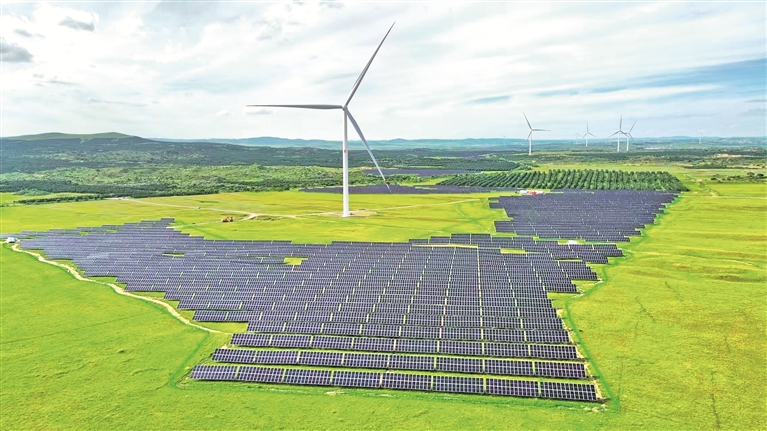
中央纪委国家监委网站 初英杰 中国大唐多伦15万千瓦风光储制氢一体化示范项目制氢电站内的氢气缓冲罐。受访单位供图 风力发电机组的叶片悠悠转动,光伏板在阳光下熠熠生辉。在内蒙古自治区锡林郭勒盟多伦县,广袤的大草 原上有着无限"风光"。我国首个绿氢耦合煤化工示范项目——中国大唐多伦15万千瓦风光储制氢一体化示范 项目就坐落在这里。 中国大唐多伦15万千瓦风光储制氢一体化示范项目的风力发电机组和光伏板。受访单位供图 依托内蒙古得天独厚的风光资源,该项目运用"绿电制绿氢"技术,将新能源与传统煤化工紧密相连,形成了 可复制推广的氢能产业集聚发展样板,成功入选国家能源局能源领域氢能试点(第一批)名单。 2025年11月19日,大唐米家营制氢风光储电站外景。受访单位供图 制氢电站车间内景。受访单位供图 2025年9月10日,制氢电站职工在巡检设备。 受访单位供图 制氢端是指大唐米家营制氢电站,共建有13台碱性电解液制氢设备即电解槽,其中有一台制氢规模为每小时 2000标方(气体流量计量单位),是我国风光制氢行业首台(套)大容量电解槽。在这里,由绿电所制的绿 氢可实现"隔墙供氢",经管道直接送往附近的煤化工生产线,在那里替代 ...
北交所策略专题报告:开源证券我国氢能行业进入关键发展阶段,关注北交所氢能产业链相关标的
KAIYUAN SECURITIES· 2025-11-30 13:43
Group 1 - The hydrogen energy industry in China is entering a critical development phase, transitioning from pilot exploration to demonstration applications, with expectations for intensified market competition, accelerated technological innovation, expanded application scenarios, and faster commercial models during the 14th Five-Year Plan period [3][12][16] - The market size of China's hydrogen fuel cell sector grew from 1.63 billion to 3.93 billion yuan from 2019 to 2023, with a compound annual growth rate of 24.61%. It is projected to reach 5.99 billion yuan in 2024, representing a year-on-year growth of 52.4% [3][17][20] Group 2 - As of November 28, 2025, the Beijing Stock Exchange (BSE) hosts multiple hydrogen-related companies covering the entire industry chain, including hydrogen production, storage, transportation, and fuel cell applications [4][30][24] - Key companies in the hydrogen production segment include Silane Technology and Qilu Huaxin; in hydrogen storage, Jilin Carbon Valley and New Weiling; in hydrogen transportation, Tress and Haitai New Energy; and in application, Ningxin New Materials, Oriental Carbon, Kaida Catalysis, Litong Technology, Fangsheng Co., and Shichang Co. [4][30][24] Group 3 - The hydrogen energy downstream applications are showing a "blooming" trend, expanding into various fields such as transportation, chemicals, metallurgy, electricity (energy storage), and construction [3][16] - The production and consumption of hydrogen are primarily concentrated in traditional heavy industrial regions such as Shandong, Inner Mongolia, Shaanxi, Ningxia, and Shanxi, with significant consumption in synthetic methanol and ammonia [13][14]
北京氢能创新中心发布最新成果,重卡百公里氢耗7.1公斤
Xin Jing Bao· 2025-11-30 13:31
Core Insights - The Beijing Hydrogen Innovation Center has announced the development of a hydrogen-electric integrated chassis for heavy-duty trucks, achieving a hydrogen consumption of 7.1 kg per 100 km under flat terrain conditions for its 2.0 version [1][2] - The next iteration, version 3.0, aims to reduce hydrogen consumption to 6.5 kg per 100 km while increasing the vehicle's range from over 600 km to over 1000 km and reducing the vehicle weight from 10 tons to 9 tons [1][2] Group 1 - The Beijing Hydrogen Innovation Center is located in the Daxing International Hydrogen Energy Demonstration Zone, covering approximately 8,500 square meters, and aims to create a hub for hydrogen energy innovation by integrating leading enterprises, universities, and industry alliances [2][3] - The center has achieved significant milestones in the transportation sector, which is seen as the most viable for hydrogen energy industrialization, with successful tests conducted on routes such as Wuhan-Yichang and Qingdao-Tianjin [2][3] - The center has developed a high-pressure, high-flow hydrogen refueling system, allowing for refueling times of under 15 minutes, which is a significant advancement in hydrogen fuel cell vehicle technology [2][3] Group 2 - The recent achievements signify a systematic layout in vehicle development, system integration, and green hydrogen supply, reinforcing Beijing's leading position in the hydrogen energy transportation innovation chain [3] - The event included the signing of cooperation agreements with the National Hydrogen Fuel Cell Vehicle Quality Inspection and Testing Center and the establishment of innovation alliances for integrated hydrogen solutions [3] - The successful hosting of the conference demonstrates the center's commitment to building a comprehensive development ecosystem that includes technological breakthroughs, result transformation, scenario demonstration, and industry aggregation [3]