半导体显示

Search documents
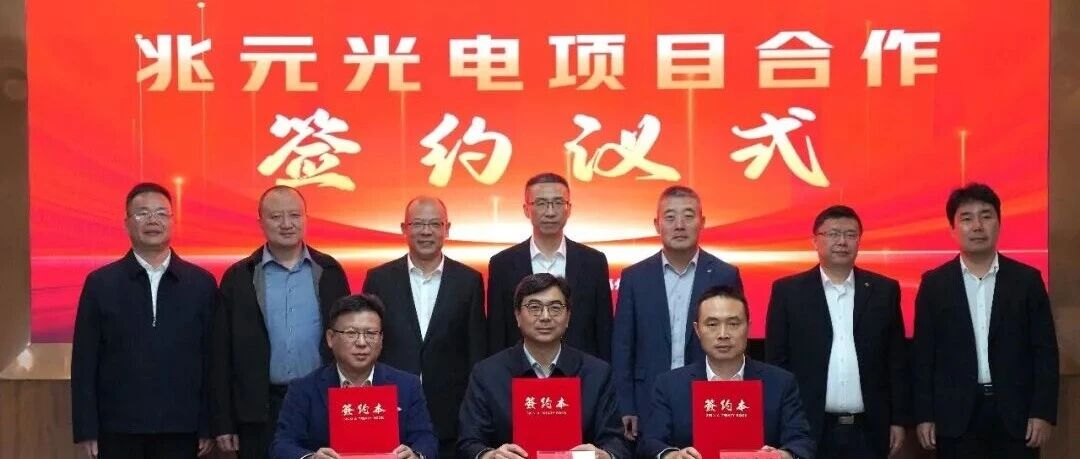
正式签约!TCL华星落子福建
WitsView睿智显示· 2025-12-30 08:29
Core Viewpoint - The strategic investment agreement between Fujian Electronic Information Group and TCL Huaxing Optoelectronics marks a significant step in the deep cooperation within the semiconductor display industry, aiming to enhance the core competitiveness of Zhaoyuan Optoelectronics in the LED chip sector [4][5]. Group 1: Strategic Partnership - The signing of the agreement indicates a deep collaboration between Zhaoyuan Optoelectronics, a key player in LED chip manufacturing in Fujian, and TCL Huaxing, a leading global semiconductor display company [4]. - The partnership will focus on technology iteration, capacity synergy, and market expansion to support Zhaoyuan Optoelectronics in entering a new development phase [4]. Group 2: Financial Details - TCL Technology announced that its subsidiary TCL Huaxing successfully acquired 80% equity and related debt of Zhaoyuan Optoelectronics for a total transaction price of 490 million yuan [4]. - Zhaoyuan Optoelectronics, established in March 2011 with a registered capital of 1.437 billion yuan, reported projected revenues of 880 million yuan for 2024, with a net loss of 389 million yuan [4]. - For the period from January to October 2025, Zhaoyuan Optoelectronics achieved revenues of 710 million yuan and a net loss of 299 million yuan [4]. Group 3: Industry Implications - The introduction of a strategic investor is expected to enhance Zhaoyuan Optoelectronics' core competitiveness in the LED chip field and accelerate its industrial upgrade, paving the way for leapfrog development [5].


TCL科技4.9亿元收购兆元光电 涉足LED芯片领域有三大原因|如数家珍
Di Yi Cai Jing· 2025-12-27 06:21
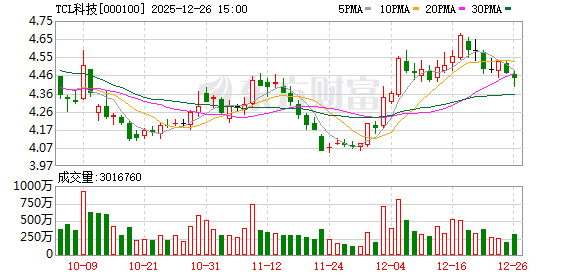
Core Viewpoint - TCL Technology plans to acquire 80% equity and debt of Zhaoyuan Optoelectronics for 490 million yuan, marking its entry into the LED chip sector, driven by the focus on Mini/Micro LED technology, competitive positioning against rivals, and the current low valuation in the LED industry [2][3]. Group 1: Market Trends and Competition - Mini LED and Micro LED (collectively referred to as "MLED") are emerging as the focal point in the semiconductor display industry, with LED chips being critical for competition [2][3]. - Global TV shipments are projected to decline by 0.7% to 206 million units in 2025, while Mini LED TV shipments are expected to surge by 57.8% to 12.39 million units, achieving a market share of 6% [2]. - In China, Mini LED TV shipments are forecasted to grow by 92.7% to 8.02 million units, capturing a market share of 23.9% [2]. Group 2: Strategic Moves by Competitors - Major competitors like BOE and Hisense have already acquired LED chip companies to secure their positions in the MLED market, with BOE controlling Huacan Optoelectronics and Hisense leveraging Qianzhao Optoelectronics for RGB-Mini LED TVs [3]. - TCL Technology has previously partnered with Sanan Optoelectronics to establish a joint venture for Micro LED technology, and the acquisition of Zhaoyuan Optoelectronics will enable TCL to integrate its MLED supply chain [3]. Group 3: Financial Aspects of the Acquisition - The LED industry is currently experiencing a downturn due to weak demand in the LED lighting market, leading to intense price competition and reduced profitability, making it an opportune time for acquisitions [3]. - Zhaoyuan Optoelectronics reported revenues of 888 million yuan in 2024 with a net loss of 389 million yuan, and for the first ten months of 2025, revenues were 710 million yuan with a net loss of 300 million yuan, justifying the acquisition price of 490 million yuan for 80% equity and 1.759 billion yuan in debt [3]. Group 4: Industry Integration - The trend of integration between the new display industry and the LED chip sector is becoming more pronounced, with display companies expected to gain new growth points in micro-displays, large-screen high-end TVs, commercial displays, and automotive displays through LED chip technology [4].
TCL科技4.9亿元收购兆元光电,涉足LED芯片领域有三大原因|如数家珍
Di Yi Cai Jing· 2025-12-27 06:09
MLED是新型显示领域的竞争焦点,而MLED的竞争焦点又在于LED芯片。 12月26日晚,TCL科技(000100.SZ)公告透露,拟以4.9亿元收购兆元光电80%股权及债权等,正式涉足LED芯片领域。这背后有三大原因:Mini/Micro LED成为半导体显示竞争焦点,主要竞争对手已提前布局,以及LED产业处于低潮期、估值不高。 Mini LED、Micro LED(统称"MLED")是显示产业新一代技术,是半导体显示领域的竞争焦点,而MLED的竞争焦点又在于LED芯片。 洛图科技(RUNTO)的数据显示,预计2025年全球彩电出货量同比减少0.7%至2.06亿台;同时Mini LED电视出货量同比大幅增长57.8%至1239万台、市占率 达6%,尤其是在中国的出货量同比大幅增长92.7%至802万台、市占率达23.9%。Mini LED电视是电视行业中的主要增长点,已成为中高端电视的主流产 品。 Mini LED电视本质上是Mini LED背光的液晶电视,目前的竞争已进入RGB(红绿蓝)三色Mini LED背光的较量,这需要LED芯片同步进行光色控制,因此 微型LED芯片已成为新一轮Mini LED电视竞 ...
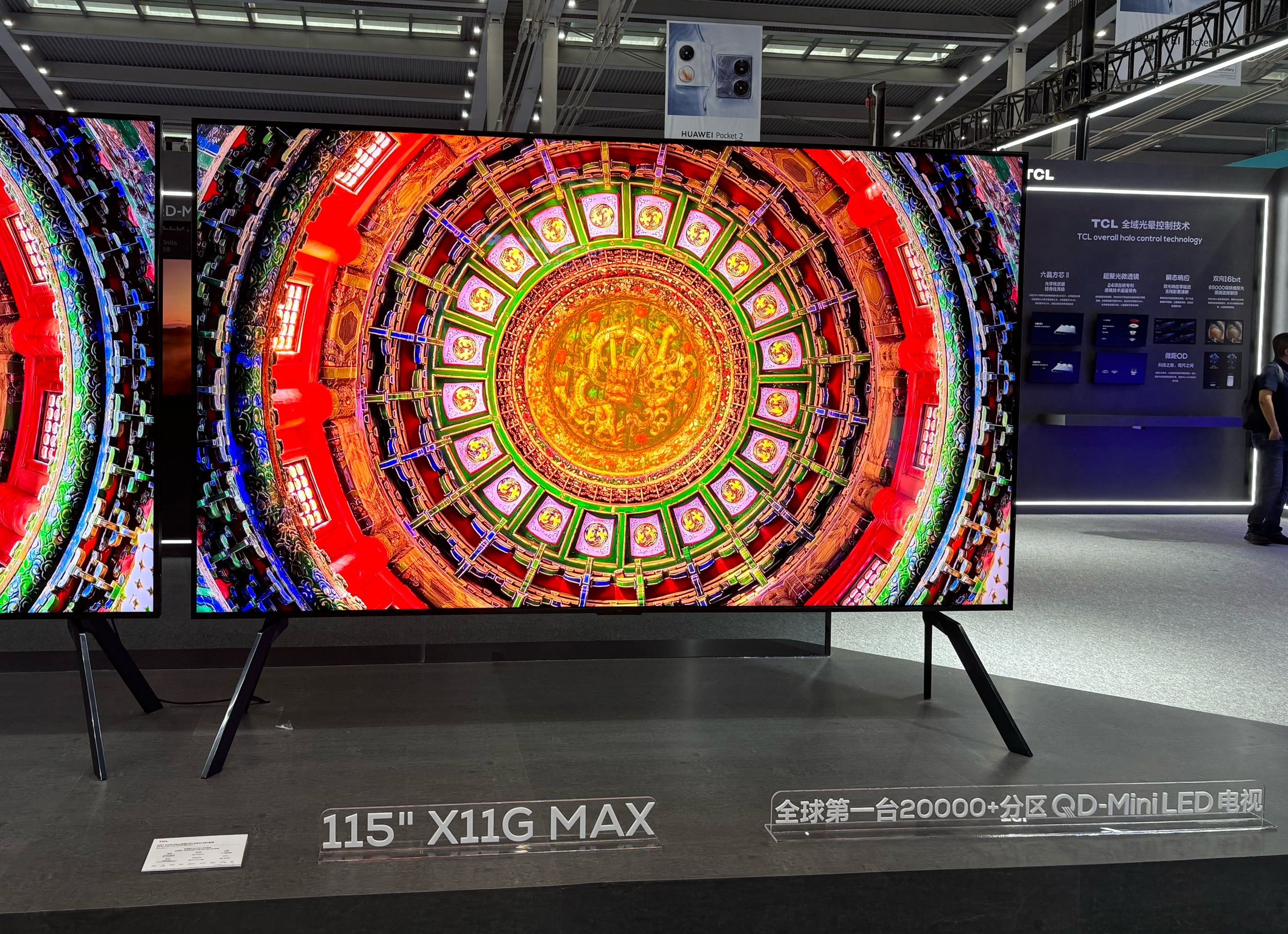
TCL科技子公司TCL华星拟4.9亿拿下兆元光电80%股权及相关债权
Zheng Quan Shi Bao Wang· 2025-12-26 14:49
Core Viewpoint - TCL Technology plans to acquire 80% of Fujian Zhaoyuan Optoelectronics Co., Ltd. for 490 million yuan to gain control over LED chip design and manufacturing, thereby establishing a self-controlled supply chain system [1][2]. Group 1: Acquisition Details - The acquisition involves the transfer of 80% equity and all debts of Zhaoyuan Optoelectronics, totaling 1.759 billion yuan, with a final transaction price of 490 million yuan [1][2]. - The transaction does not constitute a related party transaction or a major asset restructuring, thus does not require shareholder approval [2]. Group 2: Company Background - Zhaoyuan Optoelectronics, established in March 2011, focuses on the R&D, production, and sales of LED epitaxial wafers and chips [2]. - In 2024, Zhaoyuan Optoelectronics reported revenues of 888 million yuan and a net loss of 389 million yuan, with revenues of 710 million yuan and a net loss of 300 million yuan from January to October 2025 [2]. Group 3: Strategic Implications - The acquisition will accelerate the integration of the LED vertical supply chain and enhance the development of high-end display technologies such as Mini/MicroLED [3]. - TCL Technology aims to leverage Zhaoyuan's existing assets to improve product competitiveness and profitability, while enhancing its overall efficiency and market position in high-performance display solutions [3].
和辉光电:公司拥有第4.5代和第6代两座现代化AMOLED生产工厂
Zheng Quan Ri Bao· 2025-12-25 13:20
Core Viewpoint - Hehui Optoelectronics is a leading domestic company focused on the research, production, and sales of high-resolution AMOLED panels, established in October 2012 [2] Company Overview - The company is recognized as a high-tech enterprise and has received honors such as the "Shanghai Intellectual Property Innovation Award" [2] - Hehui Optoelectronics operates two modern AMOLED production plants, the 4.5-generation and 6-generation plants, which began mass production of smartphone and wearable AMOLED semiconductor display panels in 2014 and 2015, respectively [2] - The company started mass production of its first tablet AMOLED semiconductor display panels in the second quarter of 2020 [2] Product Development - Hehui Optoelectronics continuously invests in new technology research and product innovation to produce a wider range of AMOLED display panels with higher specifications [2] - The company has developed over a hundred high-end rigid and flexible AMOLED display products for various applications, including smart wearables, smartphones, tablets, laptops, automotive, and aerospace [2] - The company has established stable supply relationships with numerous leading domestic and international brands [2]

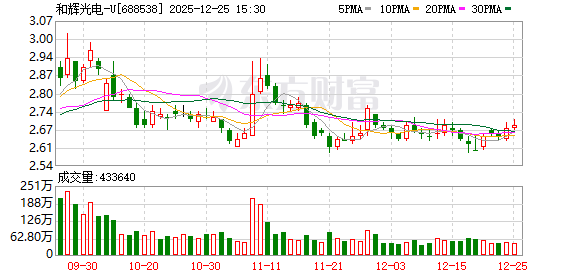
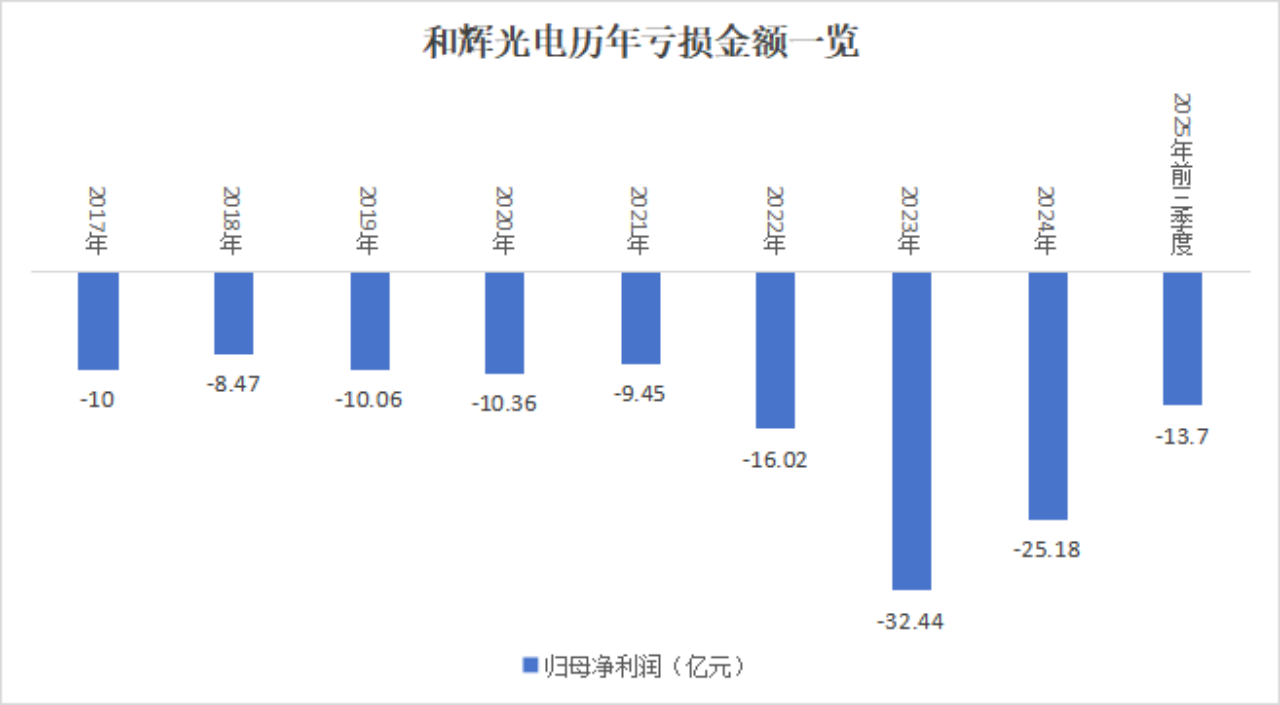
和辉光电拟H股上市,A股上市以来连续亏损,募投项目一推再推,重要股东持续减持
Zheng Quan Shi Bao Wang· 2025-12-24 08:15
Core Viewpoint - Hehui Optoelectronics has made significant progress in its H-share listing application, which was recently accepted by the China Securities Regulatory Commission, and the company has submitted its application to the Hong Kong Stock Exchange for a mainboard listing, with CICC as the sole sponsor [1] Group 1: Financial Performance - Hehui Optoelectronics has reported continuous losses since its A-share listing in 2021, with a cumulative loss exceeding 135 billion yuan since 2017, including a total loss of 96.79 billion yuan from 2021 to the third quarter of 2025 [2][4] - The company's stock price has declined significantly since its peak on the first day of trading at 5.14 yuan per share, with the latest price nearly halving [2] Group 2: Industry Comparison - Compared to industry leaders BOE Technology Group and TCL Technology, which have reported cumulative profits of 638 billion yuan and 302 billion yuan respectively since 2017, Hehui Optoelectronics has struggled to achieve profitability [4] Group 3: Production Challenges - The sixth-generation AMOLED production line expansion project has faced multiple delays, with the completion date pushed from the end of 2023 to September 2026, impacting the company's ability to increase production capacity from 30K/month to 45K/month [6] - The project has a total investment of 6.5 billion yuan, with only part of the capacity having been realized so far, leading to negative overall gross margins and a competitive disadvantage in the high-end AMOLED market [6] Group 4: Human Resources and Shareholder Actions - The company has experienced the departure of key technical personnel, including two core members in 2025, which raises concerns about its operational capabilities [7] - Significant share reductions have occurred, with major shareholders and executives selling off shares, including a notable reduction by the Shanghai Integrated Circuit Industry Investment Fund, which sold 199 million shares, representing 1.45% of the total shares [7]
王亚龙携宇隆科技再冲IPO
Bei Jing Ri Bao Ke Hu Duan· 2025-12-23 16:11
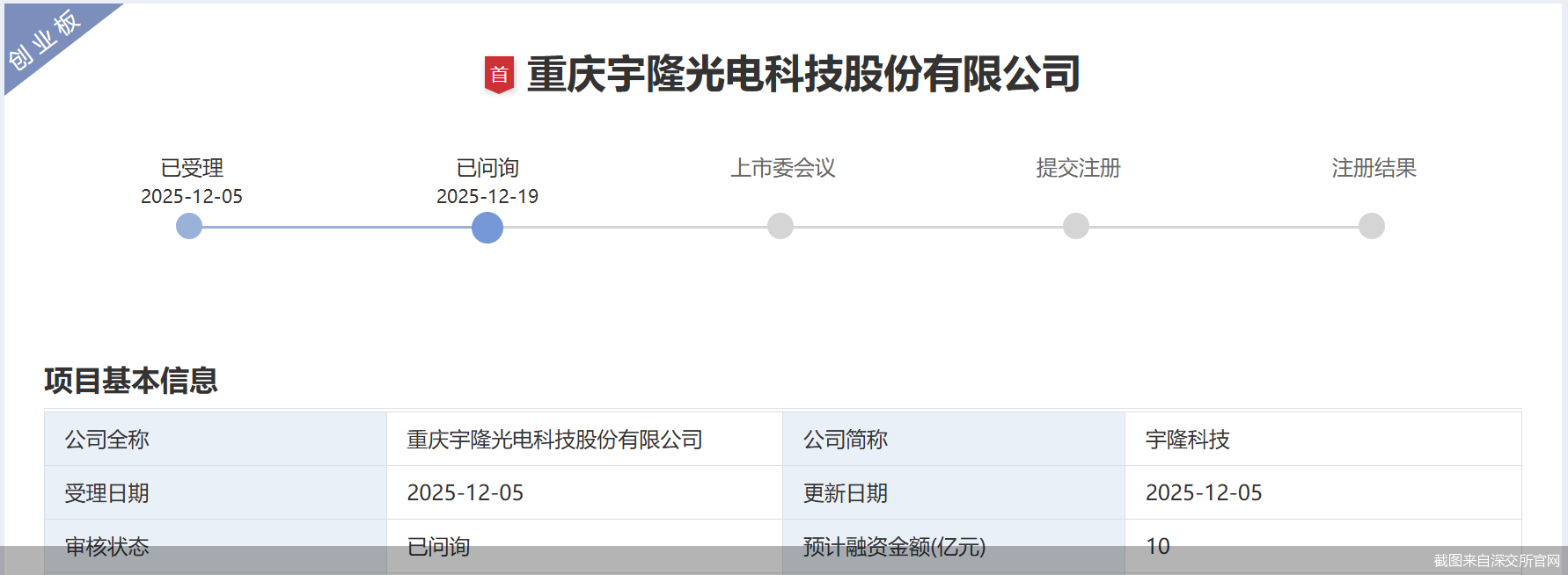
Core Viewpoint - The company Yulong Technology is attempting to go public on the ChiNext board after previously withdrawing its application for the Shanghai Stock Exchange, facing challenges such as high customer concentration and declining gross profit margins [1][3][4]. Group 1: IPO Attempts - Yulong Technology's IPO on the ChiNext was accepted on December 5 and entered the inquiry stage on December 19, following a failed attempt to list on the Shanghai Stock Exchange [3]. - The company aims to raise approximately 1 billion yuan for projects including the Hefei Yulong production base and to supplement working capital, down from a previous target of 1.5 billion yuan [4]. Group 2: Financial Performance - Yulong Technology's gross profit margins for 2022-2024 and the first half of 2025 are projected to be 21.35%, 23.01%, 21.49%, and 22.56% respectively, showing a decline from previous years [4]. - The company reported revenues of approximately 749 million yuan, 698 million yuan, 1.095 billion yuan, and 597 million yuan for the respective years, with net profits of about 66.84 million yuan, 75.72 million yuan, 121 million yuan, and 70.32 million yuan [8]. Group 3: Customer Concentration - Yulong Technology's largest customer is BOE Technology Group, contributing over 50% of its revenue, with sales to BOE amounting to approximately 576 million yuan, 549 million yuan, 586 million yuan, and 320 million yuan in recent years [5][6]. - The company acknowledges the risks associated with high customer concentration but emphasizes the stability and sustainability of its relationship with BOE [6]. Group 4: Accounts Receivable - As of June 30, the company's accounts receivable stood at approximately 443 million yuan, accounting for 48.79% of its current assets, indicating a growing trend in receivables [1][9]. - The company has been advised to diversify its customer base to mitigate risks associated with high accounts receivable and potential bad debts [9]. Group 5: R&D Expenditure - Yulong Technology's R&D expenses have been lower than the industry average, with rates of 4.67%, 4.29%, 3.19%, and 2.95% over the past few years, indicating a widening gap compared to peers [9][10].

拓A股版图!陕西富豪4年2个IPO!
Xin Lang Cai Jing· 2025-12-23 14:04
Core Viewpoint - Yulong Technology is attempting to go public on the ChiNext board after previously withdrawing its application for the Shanghai Stock Exchange, with concerns about its high revenue concentration from its largest customer, BOE Technology Group [1][2][4]. Group 1: Company Overview - Yulong Technology focuses on new semiconductor display panels, specializing in LCD display panel control cards and precision components, while also expanding into OLED and Mini/Micro LED technologies [2][3]. - The company is controlled by Wang Yalong and Li Hongyan, who together hold 74.16% of the shares [2][3]. Group 2: Financial Performance - Yulong Technology's gross profit margins for 2022-2024 and the first half of 2025 are projected to be 21.35%, 23.01%, 21.49%, and 22.56% respectively, down from 38.36%, 39.68%, and 31.2% in 2019-2021 [3][4]. - The company aims to raise approximately 1 billion yuan for investments in production bases and working capital, a reduction from the previous target of 1.5 billion yuan [3][4]. Group 3: Customer Concentration - Yulong Technology's revenue from BOE accounted for 77.04%, 79.1%, 53.61%, and 53.58% of its total revenue in recent years, indicating a high customer concentration risk [5][15]. - The company has been expanding its customer base beyond BOE, becoming a major supplier to other domestic manufacturers in the semiconductor display panel sector [5][15]. Group 4: Accounts Receivable - Yulong Technology's accounts receivable have been increasing, with values of approximately 300 million yuan, 291 million yuan, 430 million yuan, and 443 million yuan over the reporting periods, representing 40.05%, 37.49%, 47.81%, and 48.79% of current assets respectively [8][18]. - The company has acknowledged the risks associated with high accounts receivable, particularly if the financial health of its major customers deteriorates [8][18]. Group 5: Research and Development - Yulong Technology's R&D expenses have been lower than the industry average, with rates of 4.67%, 4.29%, 3.19%, and 2.95% over the reporting periods, compared to industry averages of 5.75%, 6.43%, 5.96%, and 6.09% [8][18].
拓A股版图!王亚龙携宇隆科技再冲IPO,大客户依赖症难解
Bei Jing Shang Bao· 2025-12-23 12:56
Core Viewpoint - The company Yulong Technology is attempting to go public on the ChiNext board after previously withdrawing its application for the Shanghai Stock Exchange, facing challenges such as high customer concentration and declining gross margins [1][3][4]. Group 1: IPO Attempts and Financials - Yulong Technology's IPO on the ChiNext was accepted on December 5 and entered the inquiry stage on December 19, following a failed attempt on the Shanghai Stock Exchange where it withdrew its application on June 30, 2023 [3][4]. - The company aims to raise approximately 1 billion yuan for projects and working capital, down from the previous target of 1.5 billion yuan [4]. - Financial data shows Yulong Technology's revenue for 2022-2024 and the first half of 2025 at approximately 749 million yuan, 698 million yuan, 1.095 billion yuan, and 597 million yuan, respectively, with net profits of about 66.84 million yuan, 75.72 million yuan, 121 million yuan, and 70.32 million yuan [9]. Group 2: Customer Concentration and Risks - Yulong Technology's largest customer is BOE Technology Group, contributing over 50% of its revenue, with sales to BOE amounting to approximately 576 million yuan, 549 million yuan, 586 million yuan, and 320 million yuan, representing 77.04%, 79.1%, 53.61%, and 53.58% of its main business income, respectively [5][7]. - The company has been criticized for its high customer concentration, which poses risks if the primary customer faces operational issues [8]. - Yulong Technology has been expanding its customer base beyond BOE, becoming a major supplier to other domestic manufacturers in the semiconductor display panel sector [8]. Group 3: Accounts Receivable and R&D - As of June 30, 2023, Yulong Technology's accounts receivable stood at approximately 443 million yuan, accounting for 48.79% of its current assets, indicating a growing trend in receivables [9]. - The company's R&D expense ratio has been lower than the industry average, with R&D expenses of approximately 34.96 million yuan, 29.91 million yuan, 34.91 million yuan, and 17.65 million yuan, representing 4.67%, 4.29%, 3.19%, and 2.95% of revenue, respectively [10].
半导体资本入主,三度“卖身”的皮阿诺迎来新生?
Xin Lang Cai Jing· 2025-12-23 05:48
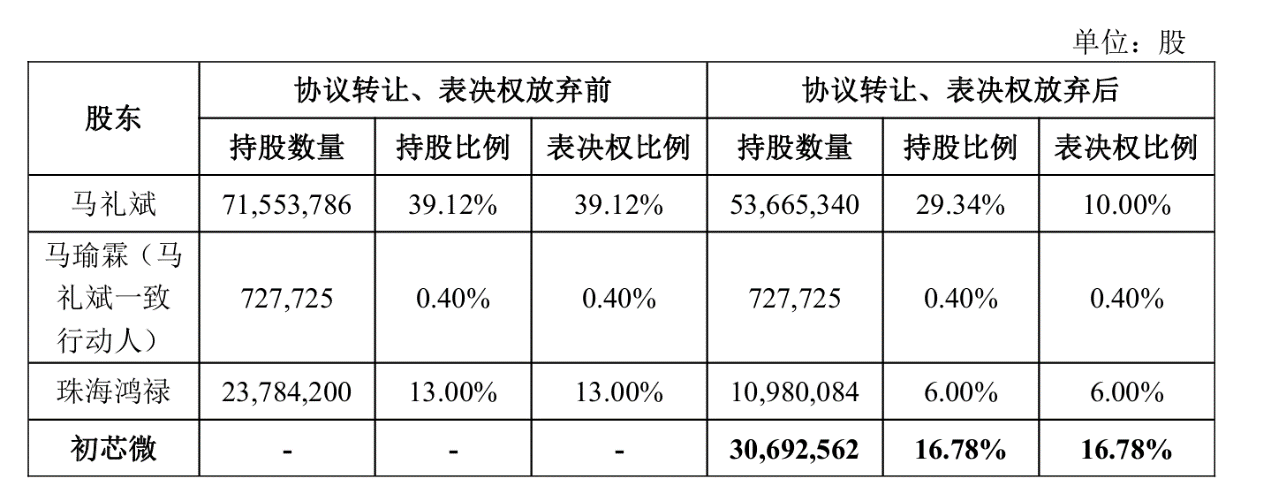
Core Viewpoint - The control change of PIANO (002853.SZ) has been finalized after three years of preparation, with the controlling shareholder Ma Libin transferring the company to the founder of Chuxin Group, Yin Jiayin, who has resources in the semiconductor industry. This marks a significant cross-industry shift for PIANO, which has faced declining revenues and losses for several years [1][18]. Group 1: Control Change Mechanism - The control transfer involved a combination of share transfer agreements, voting rights relinquishment, and a directed share issuance [2][20]. - Ma Libin agreed to transfer 17.89 million shares (9.78% of total shares) to Chuxin Micro at a price of 15.31 CNY per share, totaling approximately 274 million CNY. He also relinquished voting rights for 35.37 million shares (19.34% of total shares) until Chuxin Micro becomes the largest shareholder [2][3]. - Following the share transfers, Chuxin Micro's holding increased to 16.78%, while Ma Libin's voting rights dropped to 10.40%, effectively giving Chuxin Micro the highest voting power [3][21]. Group 2: Financial Performance and Challenges - PIANO's financial performance has deteriorated since 2021, with revenue dropping from a peak of 1.824 billion CNY in 2021 to 886 million CNY in 2024, a decline of 33% year-on-year [8][26]. - The net profit for 2024 was a loss of 375 million CNY, a significant decline of 536% year-on-year, marking the fourth consecutive year of profit decline [9][30]. - The company has faced challenges due to the downturn in the real estate sector and strategic adjustments that have negatively impacted its large-scale real estate business [9][30]. Group 3: Strategic Shift and Future Prospects - The acquisition by Chuxin Group, which has a strong background in the semiconductor industry, is seen as a potential opportunity for PIANO to pivot towards new growth areas [13][36]. - Chuxin Group is recognized for its investments in high-tech sectors, including optical chips and smart manufacturing, which could provide PIANO with new avenues for revenue generation [33][36]. - The pricing structure of the share transfers reflects a consensus on the company's valuation, with the share prices decreasing across different transaction stages, indicating varying risk levels [37].